The Best Thriller Movies of 1973, Ranked
Classic Suspense and Gritty Mystery Masterpieces
Explore the best suspense cinema from a landmark year. Discover high-stakes espionage, gritty crime dramas, and cult classic psychological thrillers.
About 1973 Thriller Movies
The year 1973 remains a towering monument in the history of the thriller genre. It was a period marked by a profound sense of institutional distrust, urban decay, and a creeping existential dread that reflected the real-world anxieties of the post-Watergate era. If the sixties were about the explosion of style and the breaking of taboos, 1973 was about the sobering realization that the systems designed to protect us were often the very sources of our peril.
Nowhere is this more evident than in the paranoid thriller, a subgenre that reached its zenith during this time. Sydney Pollack delivered The Way We Were that same year, but his contribution to the thriller landscape was the icy and methodically paced The Friends of Eddie Coyle. It is a film that strips away the glamour of the heist movie, replacing it with the exhaustion of a middle aged small time criminal who is being squeezed by both the law and his peers. Robert Mitchum provides a career best performance as a man whose world is shrinking, reminding audiences that in the world of crime, there is rarely a grand finale, only a quiet and lonely exit.
While the streets of Boston felt cold and grey, the international stage was equally fraught with tension. Fred Zinnemann gave us The Day of the Jackal, a masterpiece of procedural suspense that remains the gold standard for assassin cinema. The film is a fascinating exercise in tension because the audience knows the historical outcome from the start, yet the mechanical precision of Edward Fox's killer is so hypnotic that the viewer cannot help but be swept up in the process. It is a movie about the professionalization of violence, where the thrill comes not from explosions, but from the meticulous assembly of a custom rifle in a forest.
On the home front, the thriller took a turn toward the psychological and the visceral. Don’t Look Now, directed by Nicolas Roeg, redefined how we process grief through the lens of a supernatural mystery. Set against a crumbling, wet Venice, the film uses fragmented editing and jarring imagery to create a sense of disorientation that is deeply unsettling. It blurred the lines between the traditional thriller and the horror genre, suggesting that the most terrifying mysteries are the ones that reside within our own fractured memories.
Meanwhile, the American New Wave continued to push boundaries with The Long Goodbye. Robert Altman took Raymond Chandler’s iconic private eye, Philip Marlowe, and dropped him into the shallow, drug fueled culture of seventies Los Angeles. It is a deconstruction of the detective myth, proving that the old school codes of honor had no place in a world where everyone was looking for an easy out. It was cynical, funny, and deeply cynical, capturing a unique flavor of sun drenched noir that felt entirely fresh.
Looking back, 1973 was the year the thriller became grown up. It moved away from clear cut heroes and villains, choosing instead to explore the murky grey areas of morality and the crushing weight of systemic corruption. These films did not offer easy resolutions or comforting endings. Instead, they left the viewer with more questions than answers, perfectly capturing the heartbeat of a world that was rapidly losing its innocence. Whether it was the cold professionalism of an assassin or the tragic desperation of a low level hood, the thrillers of 1973 continue to echo through modern cinema.
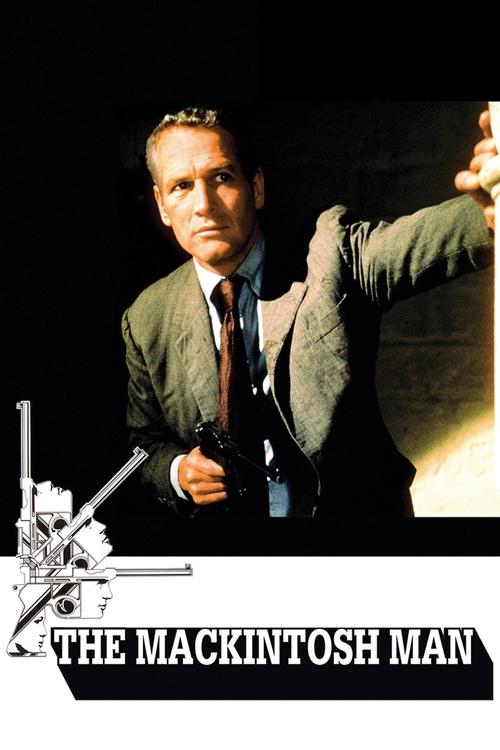
The MacKintosh Man
1973A member of British Intelligence assumes a fictitious criminal identity and allows himself to be caught, imprisoned, and freed in order to infiltrate a spy organization and expose a traitor; only, someone finds him out and exposes him to the gang...
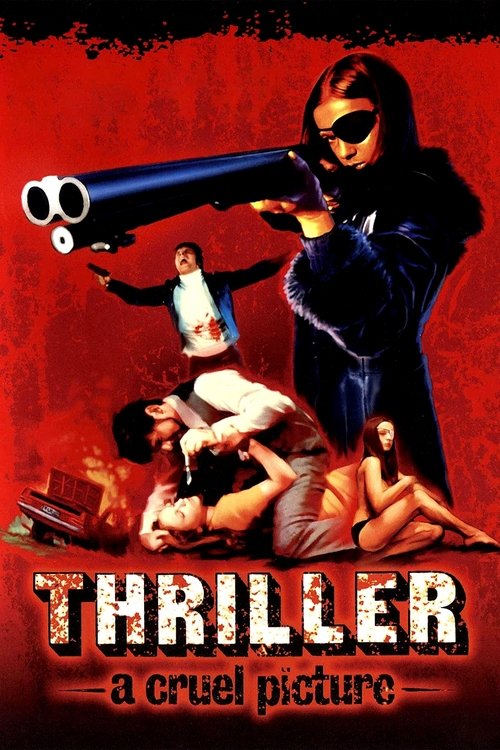
Thriller: A Cruel Picture
1973Madeleine, rendered mute after being sexually assaulted as a youth, accepts a lift from a wealthy and sadistic pimp who soon enslaves her into his prostitution racket. Despite her limited means, Madeleine embarks on a bloody road to revenge against her captors.
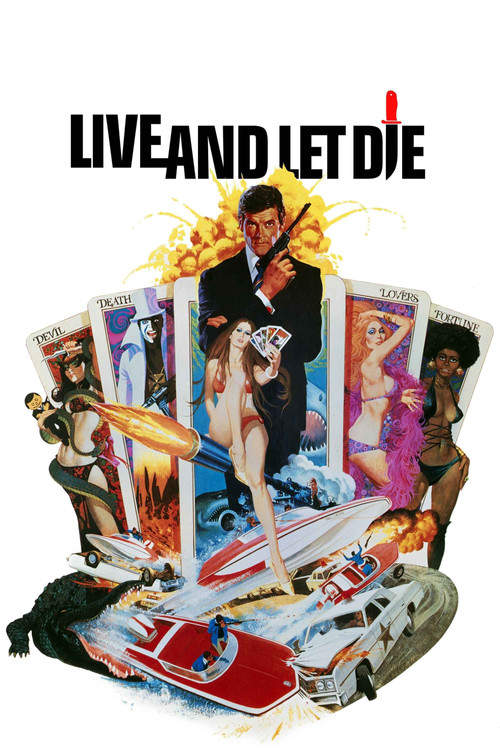
Live and Let Die
1973James Bond must investigate a mysterious murder case of a British agent in New Orleans. Soon he finds himself up against a gangster boss named Mr. Big.
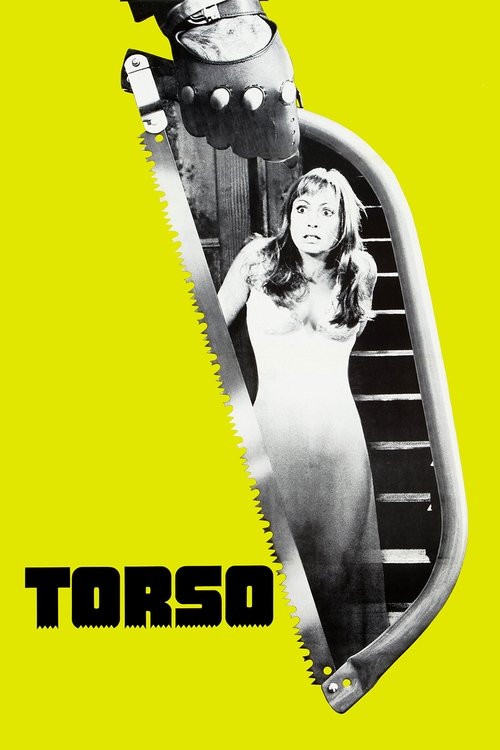
Torso
1973A masked serial killer with psychosexual issues strangles female coeds with scarves before dismembering them. When a wealthy student identifies one of the scarves and thinks she has a lead on a suspect, she becomes the killer's next target, retreating to her family's remote cliffside villa with three of her girlfriends.
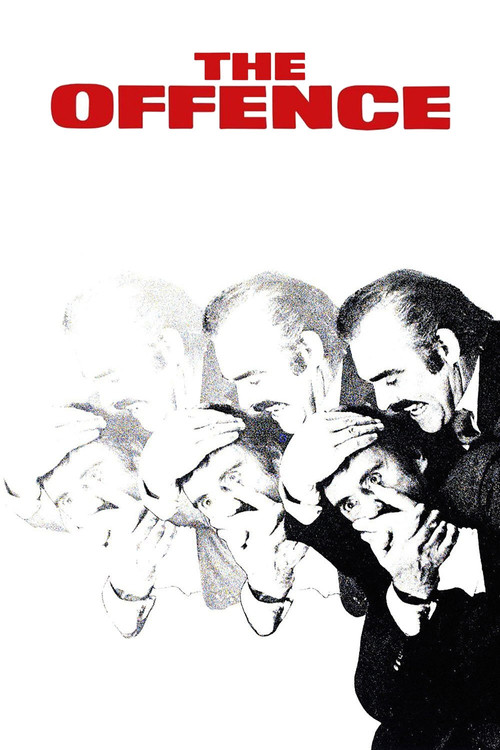
The Offence
1973A burned-out British police detective finally snaps while interrogating a suspected child molester.
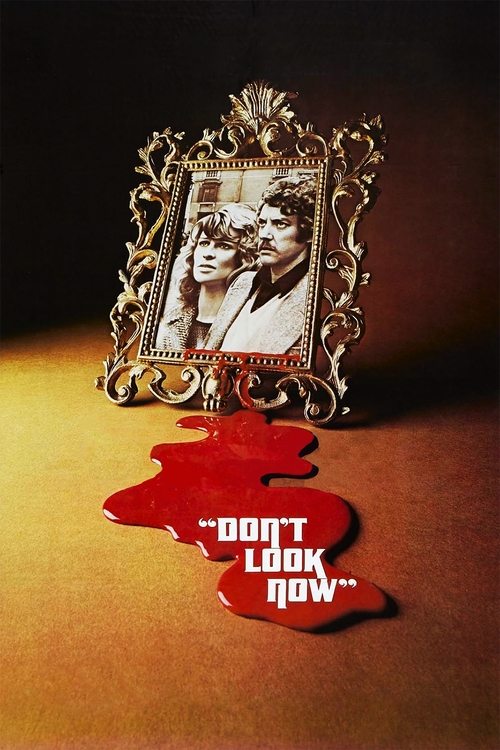
Don't Look Now
1973While grieving a terrible loss, a married couple meet two mysterious sisters, one of whom gives them a message sent from the afterlife.
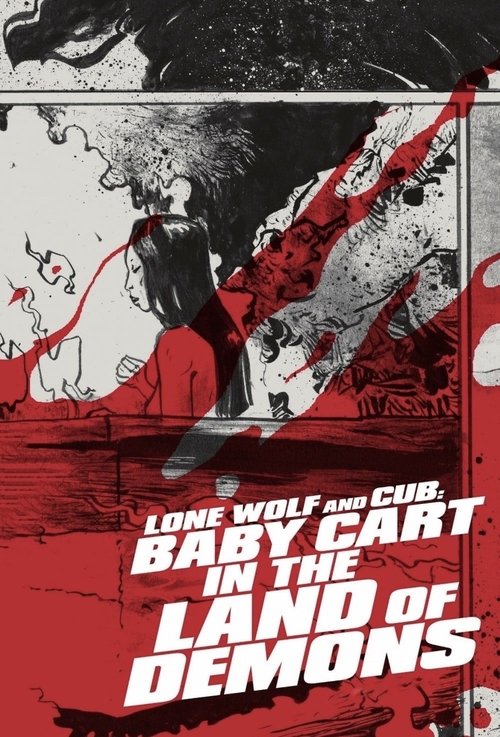
Lone Wolf and Cub: Baby Cart in the Land of Demons
1973Ogami Itto is challenged by a quintet of warriors, each armed with one fifth of Ogami's assassin fee and one fifth of the information he needs to complete his assignment.
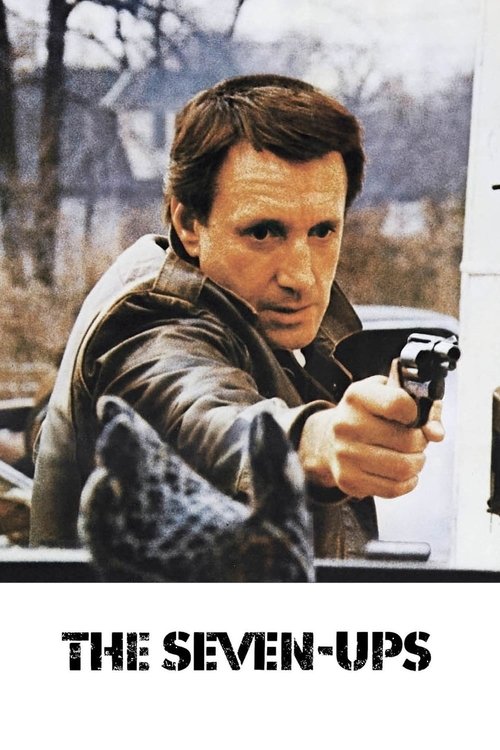
The Seven-Ups
1973A tough detective who is part of an elite New York City unit is trying to find out who killed his partner, but uncovers a plot to kidnap mobsters for money.
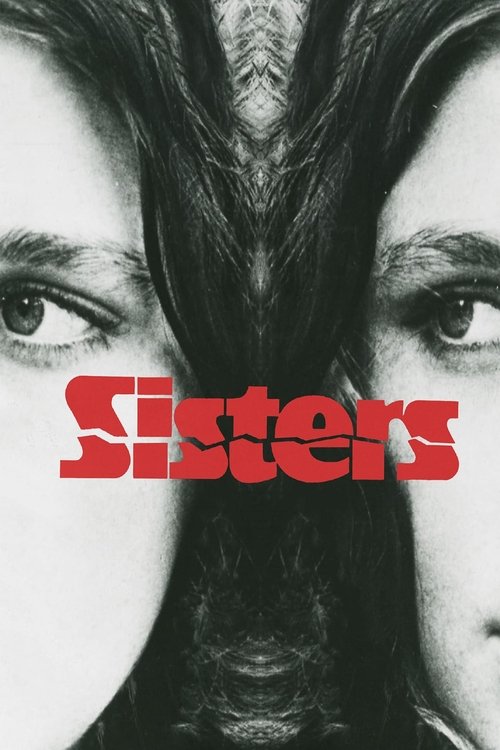
Sisters
1973Inquisitive journalist Grace Collier is horrified when she witnesses her neighbor, fashion model Danielle Breton, violently murder a man. Panicking, she calls the police. But when the detective arrives at the scene and finds nothing amiss, Grace is forced to take matters into her own hands. Her first move is to recruit private investigator Joseph Larch, who helps her to uncover a secret about Danielle's past that has them both seeing double.
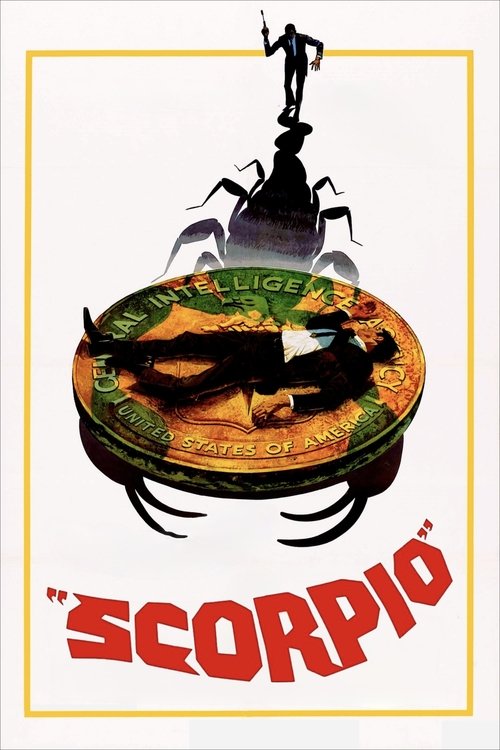
Scorpio
1973Cross is an old hand at the CIA who often teams up with Frenchman Jean “Scorpio” Laurier, a gifted freelance operative. After their last mission together, the CIA orders Scorpio to eliminate Cross, leaving him no choice but to obey.
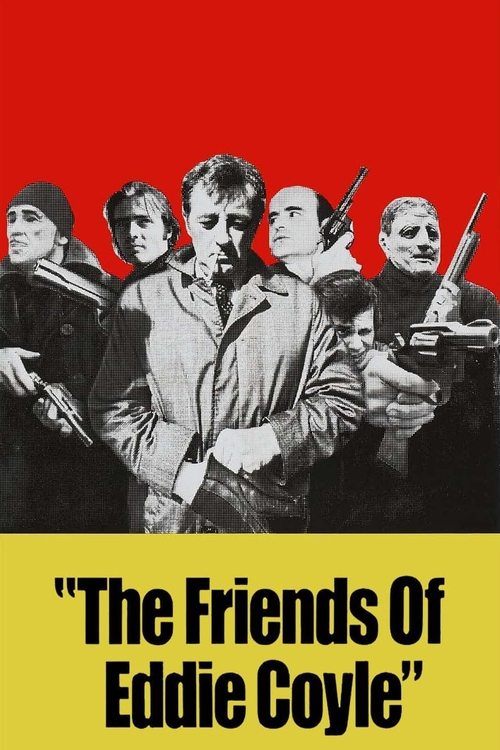
The Friends of Eddie Coyle
1973An aging hood is about to go back to prison. Hoping to escape his fate, he supplies information on stolen guns to the feds, while simultaneously supplying arms to his bank robbing chums.
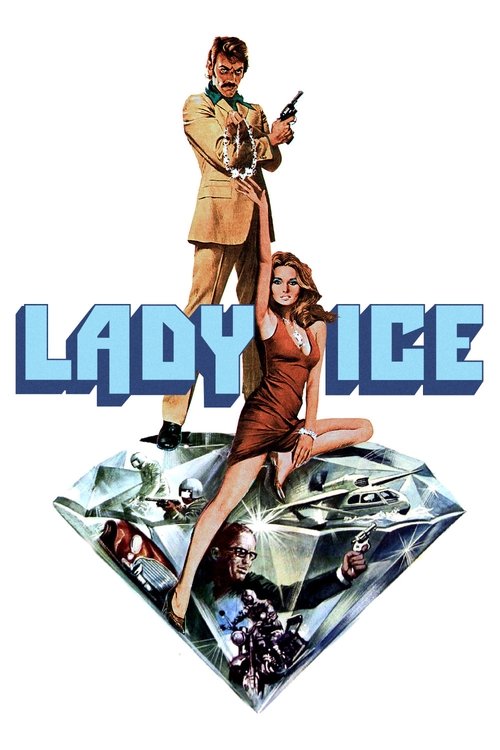
Lady Ice
1973An insurance investigator romances a wealthy young beauty when he suspects she may be involved in fencing stolen jewels.
This chic heist thriller operates with the cold, reflective brilliance of the diamonds it depicts. It is a sophisticated exercise in aesthetic coolness, where the tension is derived from the calculating gazes of its high-stakes players.
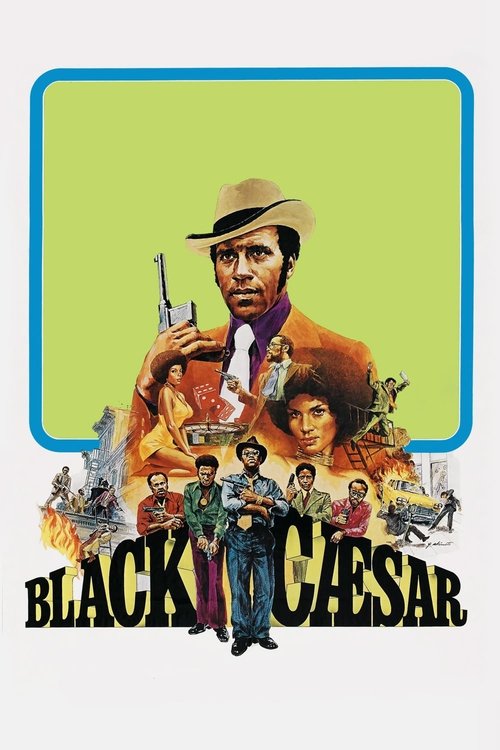
Black Caesar
1973Raised in Harlem, Tommy Gibbs becomes a successful mob boss but he clashes with the rival Mafia and his old enemy, dirty cop McKinney.
Larry Cohen redefines the crime epic by infusing it with a raw, Shakespearean ambition and a relentless funk-driven energy. The film serves as a jagged critique of the American Dream, fueled by Fred Williamson’s magnetic and menacing authority.
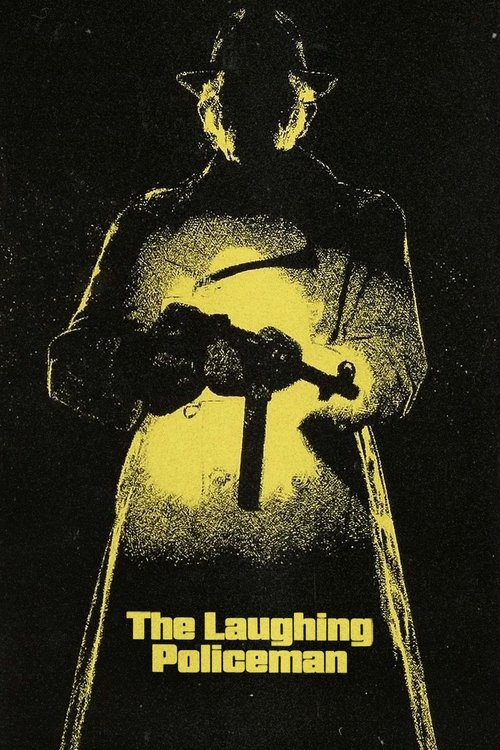
The Laughing Policeman
1973When a gunman opens fire on a crowded city bus in San Francisco, Detective Dave Evans is killed, along with the man he'd been following in relation to a murder. Evans' partner, Sgt. Jake Martin, becomes obsessed with solving the case.
Trading police procedural tropes for a cold, documentary-style nihilism, this film captures the grim reality of San Francisco’s underbelly. It is a bleak, effective autopsy of a mass shooting that refuses to provide easy moral catharsis.
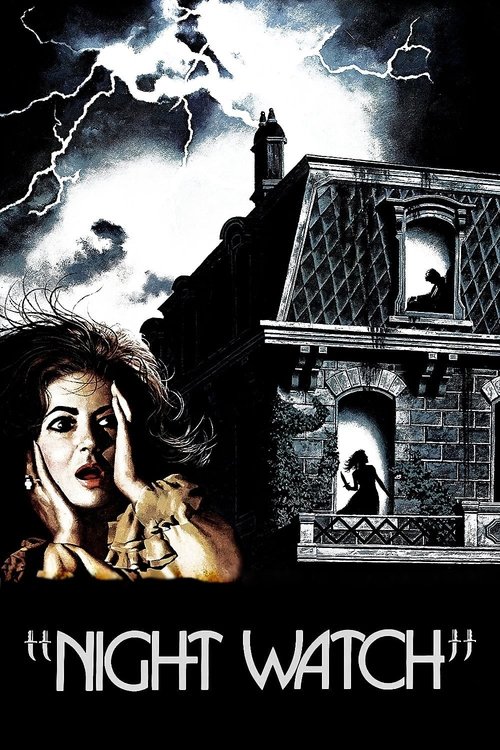
Night Watch
1973A woman recovering from a nervous breakdown tries to convince her husband and and the local London police that she has witnessed a murder in the abandoned house next door.
Elizabeth Taylor provides a feverish, high-strung intensity to this claustrophobic exercise in psychological gaslighting. It is a stylishly paranoid work that blurs the transition between domestic anxiety and genuine predatory horror.
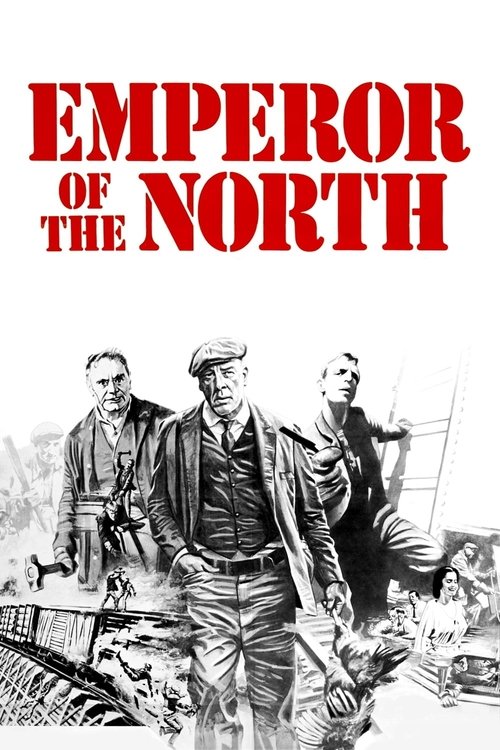
Emperor of the North
1973Hobos encounter a sadistic railway conductor that will not let anyone "ride the rails" for free.
This is a brutal, percussive clash of ideologies played out on the iron rails of the Great Depression. The film transforms a simple territorial dispute into a primal, kinetic duel of wills that feels both mythic and dangerously tactile.
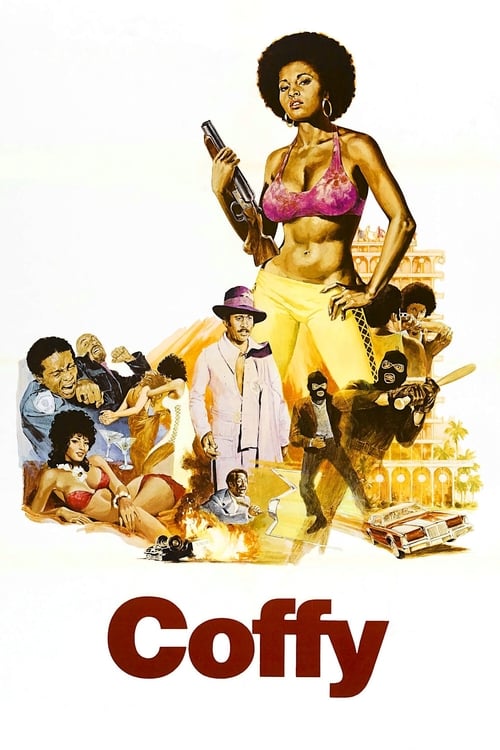
Coffy
1973After her younger sister gets involved in drugs and is severely injured by contaminated heroin, a nurse sets out on a mission of vengeance and vigilante justice, killing drug dealers, pimps, and mobsters who cross her path.
Pam Grier radiates a ferocious screen presence that elevates this revenge saga into a visceral study of urban survival. It transcends its genre trappings through sheer stylistic aggression and a relentless, blood-soaked momentum.
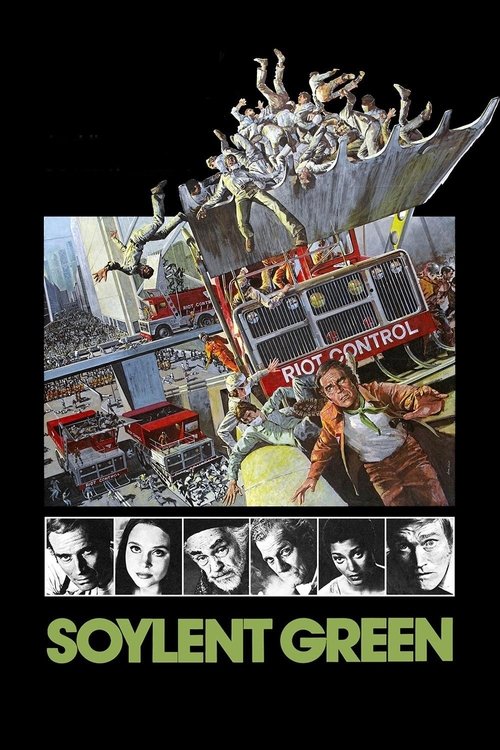
Soylent Green
1973In the year 2022, overcrowding, pollution, and resource depletion have reduced society’s leaders to finding food for the teeming masses. The answer is Soylent Green.
Beyond its ecological warnings, this film excels as a suffocating noir set within an overpopulated urban nightmare. It captures a specific 1970s nihilism where the investigative procedural evolves into a desperate struggle against corporate cannibalism.
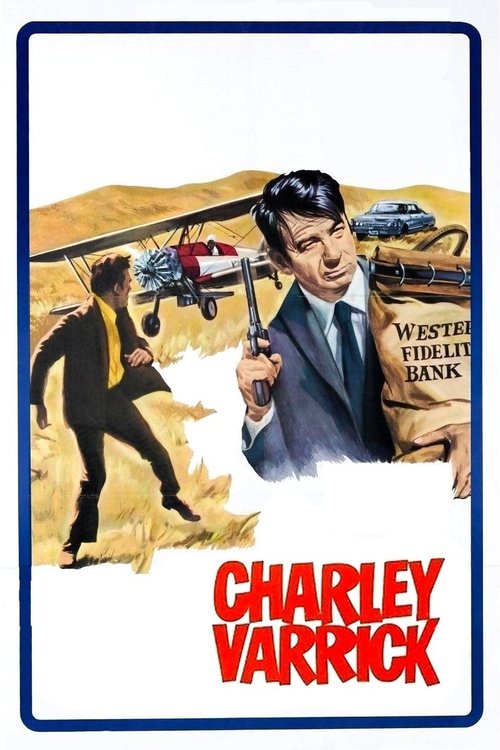
Charley Varrick
1973Charley Varrick robs a bank in a small town with his friends, but instead of obtaining a small amount of money, they discover they stole a very large amount of money belonging to the mob. Charley must now come up with a plan to not only evade the police but the mob as well.
Don Siegel delivers a lean, hard-boiled heist film that prioritizes blue-collar pragmatism over Hollywood flash. Walter Matthau’s weathered performance anchors a narrative that feels as authentic and unforgiving as a concrete floor.
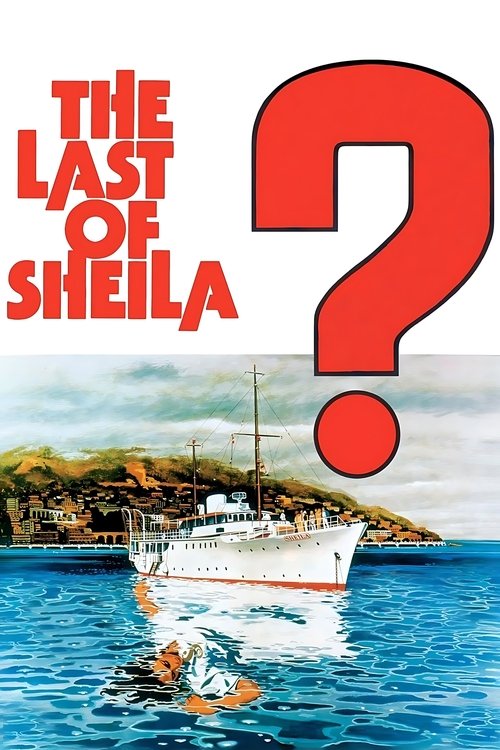
The Last of Sheila
1973A year after Sheila is killed in a hit-and-run, her multimillionaire husband invites a group of friends to spend a week on his yacht playing a scavenger hunt-style mystery game—but the game turns out to be all too real and all too deadly.
This labyrinthine parlor game weaponizes high-society cruelty into a jagged, cerebral puzzle. It stands as 1973’s most literate exercise in suspense, trading traditional grit for a wicked, sun-drenched malice that keeps the audience perpetually off-balance.
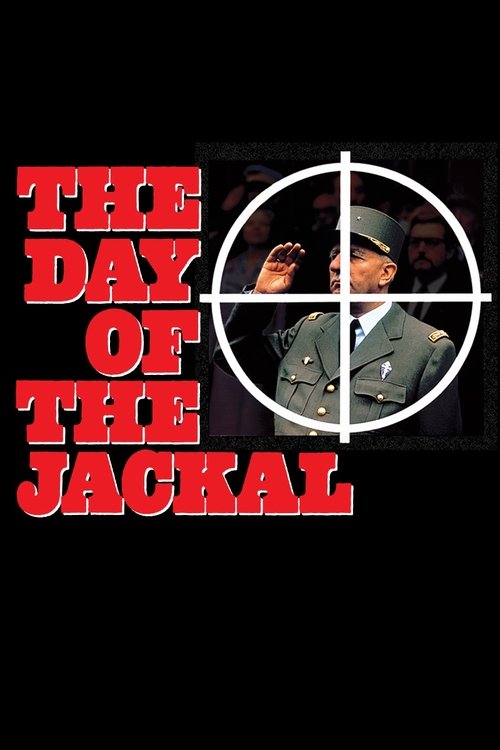
The Day of the Jackal
1973An international assassin known as ‘The Jackal’ is employed by disgruntled French generals to kill President Charles de Gaulle, with a dedicated gendarme on the assassin’s trail.
Fred Zinnemann crafts a masterclass in clinical tension, stripping away melodrama to focus on the terrifyingly efficient mechanics of a political assassination. Its power lies in the procedural rigor, treating the hunt for an invisible killer as an agonizingly slow-burn chess match.
Frequently Asked Questions
Everything you need to know about this list and SnakeDrafts
- Thriller movies of 1973 frequently delve into themes of institutional distrust, urban decay, and existential dread, reflecting the post-Watergate societal anxieties. Films like 'The Day of the Jackal' and 'The Friends of Eddie Coyle' showcase high-stakes espionage and gritty crime narratives emblematic of the era.
- 'Soylent Green' is unique for blending science fiction elements with thriller and crime genres to comment on dystopian and environmental issues. Its narrative sets it apart by integrating a mystery within a futuristic societal collapse, which was innovative for thrillers in 1973.
- Yes, 'Coffy' is a prominent female-led thriller from 1973, featuring a strong protagonist who seeks justice in a crime-ridden environment. This film is significant for its action and crime elements combined with a compelling female lead, which was relatively rare at the time.
- Psychological tension is a critical element in 1973 thrillers, particularly in movies like 'The Last of Sheila' and 'Sisters,' where mystery and character dynamics drive the suspense. These films use intricate plots and character interplay to heighten the sense of unease and unpredictability.
- The thriller movies from 1973 often mirror the societal issues such as distrust of authority and fear of systemic failures, as seen in 'The Laughing Policeman' and 'Scorpio.' These films portray a world where the protective systems are sources of danger, encapsulating the era's cultural anxieties.
- Many 1973 thrillers blend genres; for example, 'Emperor of the North' mixes adventure and drama, while 'Lone Wolf and Cub: Baby Cart in the Land of Demons' includes action and crime. This genre hybridity enriches the storytelling and broadens the appeal of these films.
- 'The Day of the Jackal' exemplifies the 1973 thriller with its meticulous espionage plot and high-stakes political intrigue. The film’s suspenseful pacing and complex narrative structure make it a standout example of the genre during that year.