Sam Peckinpah Films Ranked Definitively
The Bloody Poetry of Cinema's Great Revisionist
Explore the definitive filmography of Sam Peckinpah, the master of stylized violence and the revisionist Western, featuring his greatest cinematic works.
About Sam Peckinpah
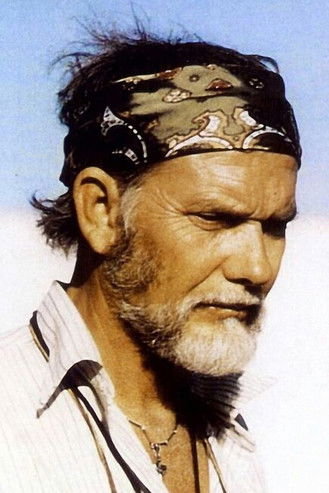
Sam Peckinpah was rarely interested in the clean, heroic myths of the American West. While his contemporaries were still polishing the silver spurs of Hollywood legends, he was busy burying them in the mud. He earned the nickname Bloody Sam not just for the visceral spray of crimson that defined his action sequences, but for the jagged, uncompromising way he viewed the human soul. To watch one of his films is to witness a collision between traditional masculinity and a world that no longer has a use for it. He didn't just film gunfights; he choreographed frantic, slow motion ballets of death that changed the language of cinema forever.
The cornerstone of his legacy remains The Wild Bunch, a film that acted as a funeral dirge for the outlaw era. By utilizing rapid fire editing and shifting frame rates, he turned a dusty border skirmish into a sensory overload that felt more like a fever dream than a standard shootout. It captured the desperation of men out of time, a recurring obsession that surfaced again in the elegiac Pat Garrett and Billy the Kid. He saw the frontier as a place of terminal rot, where the only thing more dangerous than the law was the weight of one's own history.
His vision extended far beyond the desert. In the claustrophobic Straw Dogs, he traded the open range for the damp isolation of the English countryside, proves that his preoccupation with primal violence could follow a man anywhere. It is a deeply uncomfortable exploration of the breaking point, stripping away the veneer of civilization to reveal the beast underneath. This same grit fueled The Getaway, where he turned a heist flick into a high stakes study of a marriage under fire, proving he could handle mainstream star power without losing his acerbic edge.
Even when delving into more eccentric territory, his fingerprints were unmistakable. Bring Me the Head of Alfredo Garcia is perhaps his most unvarnished work, a nihilistic road trip driven by sweat, tequila, and a severed head. It is a pure distillation of his refusal to blink. Yet, he possessed a surprising tenderness that critics often overlooked. The Ballad of Cable Hogue and Junior Bonner revealed a sentimentalist hiding behind the scar tissue, showcasing a director who deeply loved his flawed, stubborn protagonists even as he led them toward their inevitable end.
His technical innovations stretched into the war genre with Cross of Iron, where he captured the chaos of the Eastern Front with a brutal clarity that few have matched since. He saw the world in shades of rust and bone, a perspective that made even a high speed trucking film like Convoy feel like a battle for the American spirit. By the time he reached his final work, The Osterman Weekend, he was still experimenting with the visual rhythms of paranoia. He left behind a body of work that feels raw and dangerously alive, reminding us that true artistry often requires a willingness to draw a little blood.
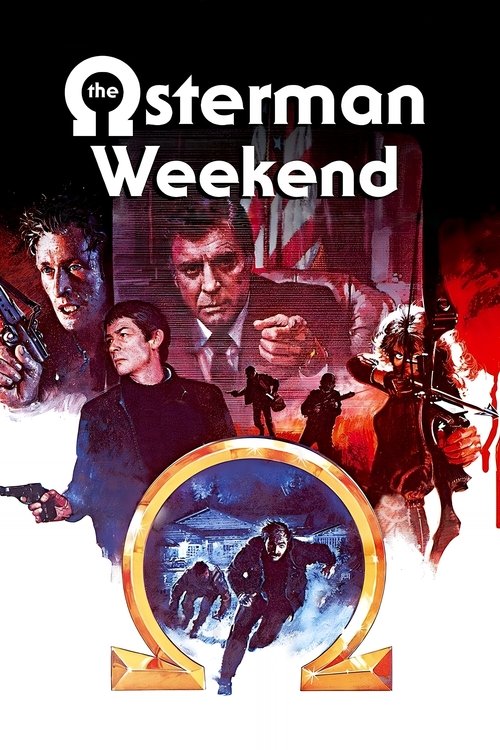
The Osterman Weekend
1983The host of an investigative news show is convinced by the CIA that the friends he has invited to a weekend in the country are engaged in a conspiracy that threatens national security.
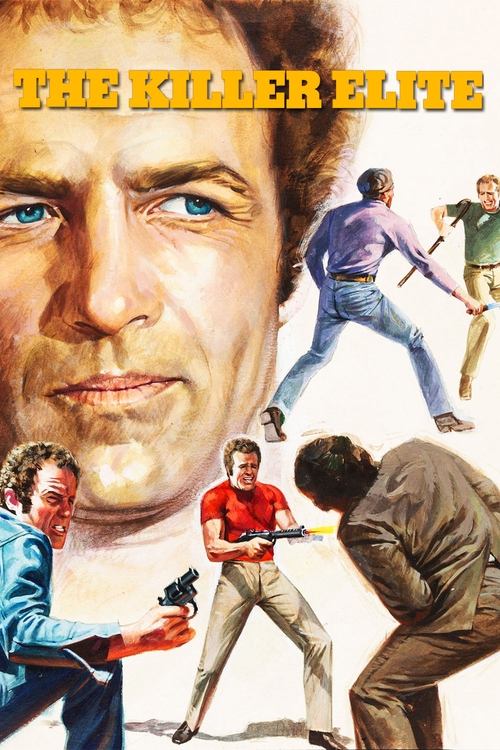
The Killer Elite
1975Mike Locken is one of the principal members of a group of freelance spies. A significant portion of their work is for the CIA, and while on a case for them one of his friends turns on him and shoots him in the elbow and knee. His assignment, to protect someone, goes down in flames. He is nearly crippled, but with braces is able to again become mobile. For revenge as much as anything else, Mike goes after his ex-friend.
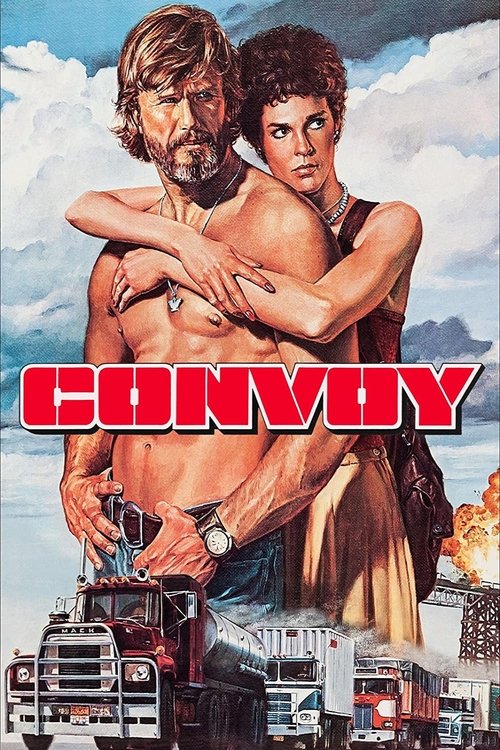
Convoy
1978Trucker Rubber Duck and his buddies Pig Pen, Widow Woman and Spider Mike use their CB radios to warn one another of the presence of cops. But conniving Sheriff Wallace is hip to the truckers' tactics, and begins tricking the drivers through his own CB broadcasts. Facing constant harassment from the law, Rubber Duck and his pals use their radios to coordinate a vast convoy and rule the road.
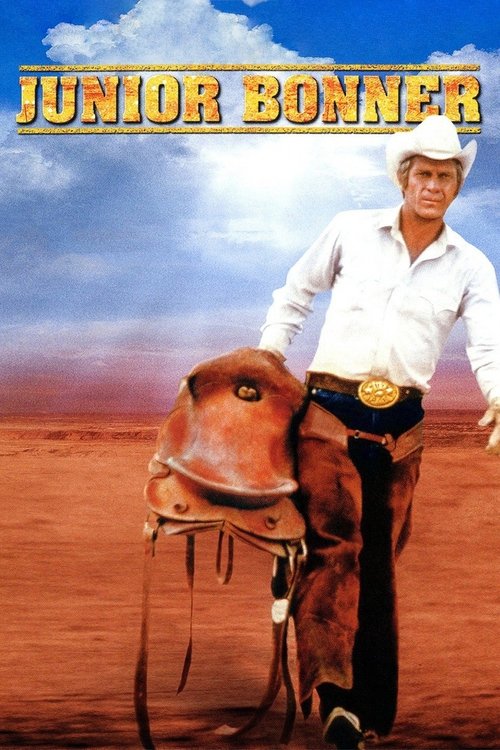
Junior Bonner
1972With his bronco-busting career on its last legs, Junior Bonner heads to his hometown to try his luck in the annual rodeo. But his fond childhood memories are shattered when he finds his family torn apart by his greedy brother and hard-drinking father.
This quiet, observant drama eschews violence for a poignant look at the obsolescence of the modern cowboy. It proves that Peckinpah’s mastery extended beyond the holster, offering a contemplative and deeply humanist reflection on family and fading traditions.
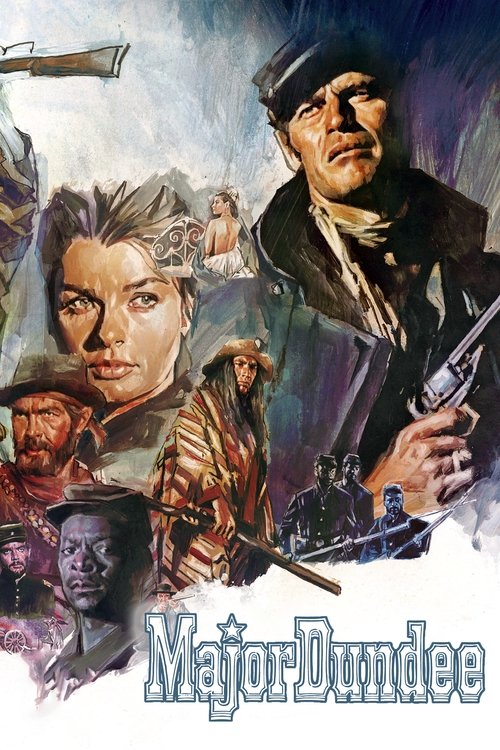
Major Dundee
1965During the last winter of the Civil War, cavalry officer Amos Dundee leads a contentious troop of Army regulars, Confederate prisoners and scouts on an expedition into Mexico to destroy a band of Apaches who have been raiding U.S. bases in Texas.
Though scarred by studio interference, this ambitious epic showcases the director’s fascination with obsessive leaders and moral ambiguity on a massive scale. Its fractured brilliance hints at the monumental visual scope that would soon define his more cohesive triumphs.
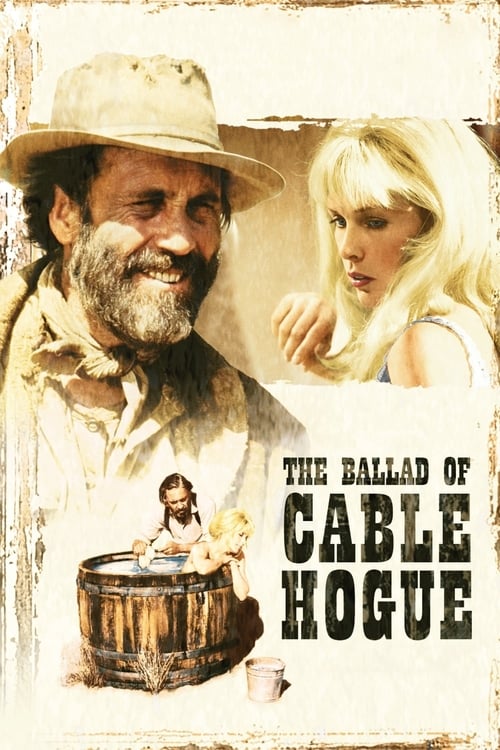
The Ballad of Cable Hogue
1970Double-crossed and left without water in the desert, Cable Hogue is saved when he finds a spring. It is in just the right spot for a much needed rest stop on the local stagecoach line, and Hogue uses this to his advantage. He builds a house and makes money off the stagecoach passengers. Hildy, a prostitute from the nearest town, moves in with him. Hogue has everything going his way until the advent of the automobile ends the era of the stagecoach.
This whimsical, idiosyncratic detour reveals a gentler side of a notoriously volcanic filmmaker. By trading his usual bloodletting for comedic eccentricity, Peckinpah crafts a soulful character study about a man stubbornly clinging to his patch of sand in a changing world.
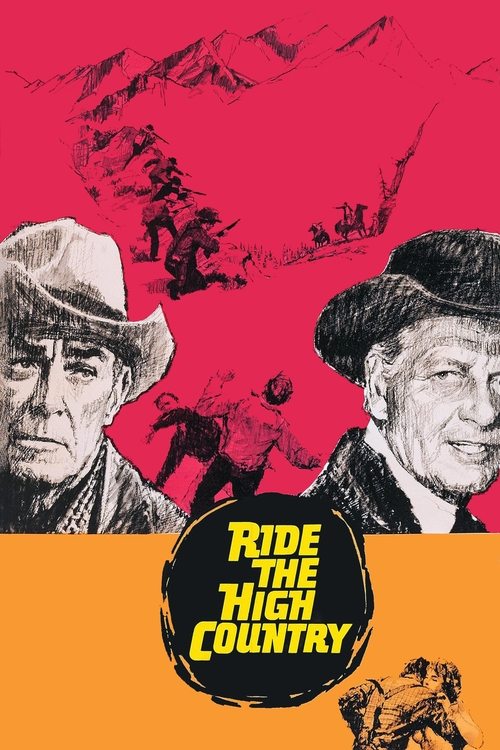
Ride the High Country
1962An ex-lawman is hired to transport gold from a mining community through dangerous territory. But what he doesn't realize is that his partner and old friend is plotting to double-cross him.
Before the carnage became his trademark, this classical work displayed a sophisticated grasp of grace and moral integrity. It is a pivotal bridge between the traditional Western and the revisionist era, highlighting a surprising capacity for tenderness and reverence.
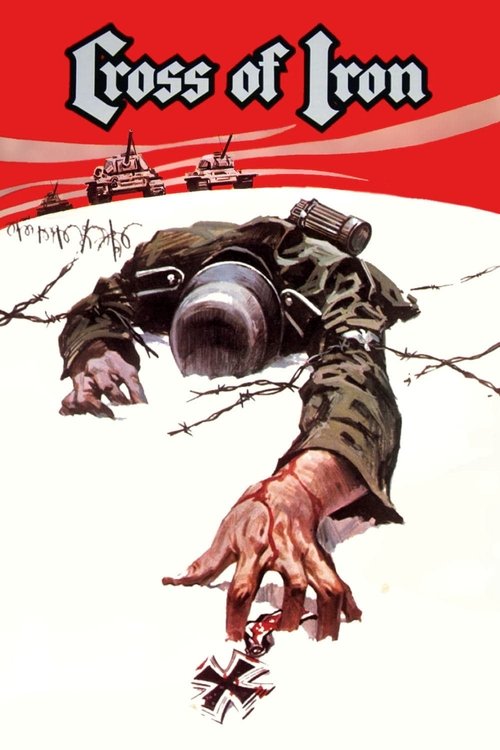
Cross of Iron
1977It is 1943, and the German army—ravaged and demoralised—is hastily retreating from the Russian front. In the midst of the madness, conflict brews between the aristocratic yet ultimately pusillanimous Captain Stransky and the courageous Corporal Steiner. Stransky is the only man who believes that the Third Reich is still vastly superior to the Russian army. However, within his pompous persona lies a quivering coward who longs for the Iron Cross so that he can return to Berlin a hero. Steiner, on the other hand is cynical, defiantly non-conformist and more concerned with the safety of his own men rather than the horde of military decorations offered to him by his superiors.
The director brings his signature visceral intensity to the Eastern Front, subverting the war genre into a hallucinatory portrait of class conflict and institutional decay. It stands as a harrowing technical achievement that captures the chaotic, discordant rhythm of combat.
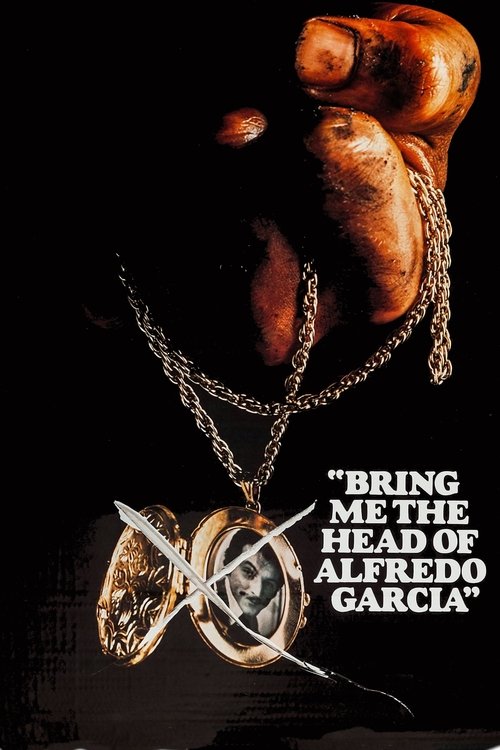
An American bartender and his prostitute girlfriend go on a road trip through the Mexican underworld to collect a $1 million bounty on the head of a dead gigolo.
Grisly, sweaty, and unapologetically personal, this cult odyssey is the purest distillation of the director's own self-destructive spirit. It is a grotesque yet heartbreaking journey through a wasteland of greed that functions as Peckinpah’s most unvarnished auteurist manifesto.
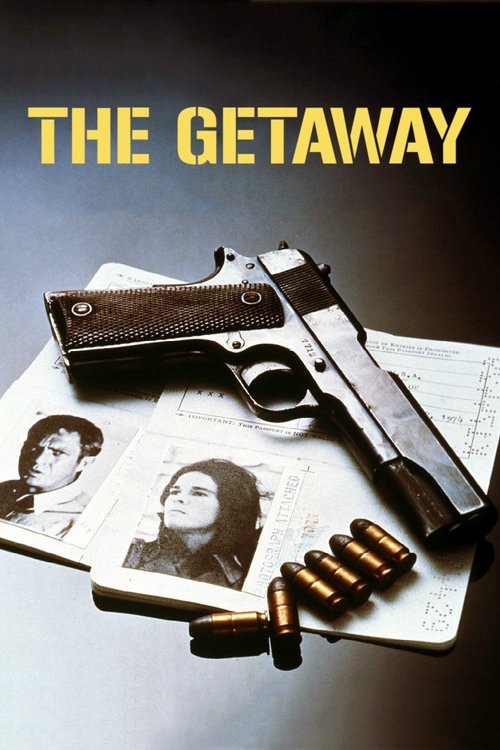
The Getaway
1972A recently released ex-convict and his loyal wife go on the run after a heist goes wrong.
This sleek, relentless heist thriller demonstrates a master’s command over structural pacing and visual economy. It strips away sentimentalism to focus on the cold mechanics of professional survival and the combustion of two icons under pressure.
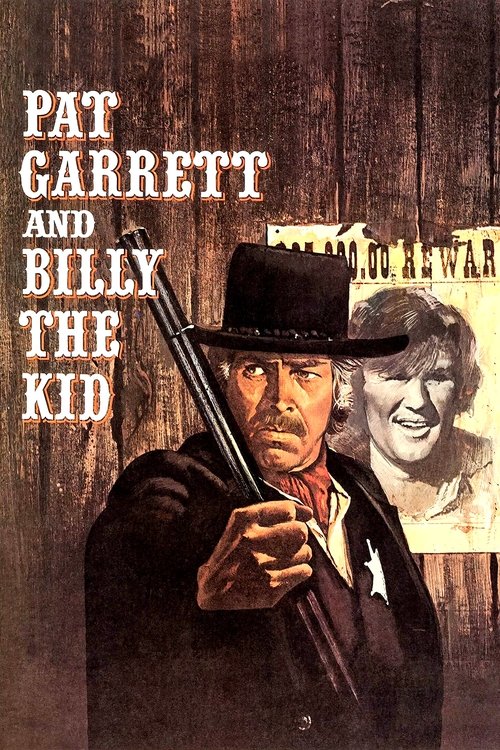
Pat Garrett & Billy the Kid
1973Pat Garrett is hired as a lawman on behalf of a group of wealthy New Mexico cattle barons to bring down his old friend Billy the Kid.
Drenched in elegiac melancholy and a hazy, lyrical atmosphere, this film functions as a mourning song for the outlaws of history. Despite its fractured production, the director's obsession with betrayal and the shifting tides of time resonates through every amber-hued frame.
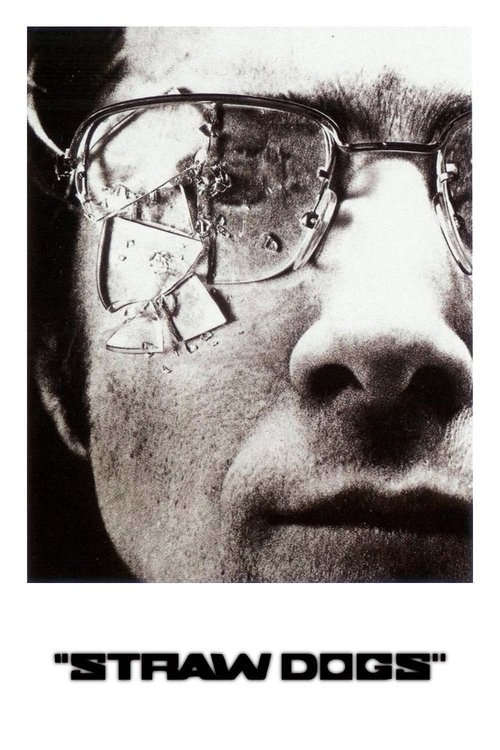
Straw Dogs
1971David Sumner, a mild-mannered academic from the United States, marries Amy, an Englishwoman. In order to escape a hectic stateside lifestyle, David and his wife relocate to the small town in rural Cornwall where Amy was raised. There, David is ostracized by the brutish men of the village, including Amy's old flame, Charlie. Eventually the taunts escalate.
Peckinpah pivots from the frontier to a claustrophobic psychological siege, interrogating the thin veneer of civilization hiding beneath the intellect. This polarizing exercise in territorial tension serves as a brutal examination of masculinity pushed to its primal breaking point.
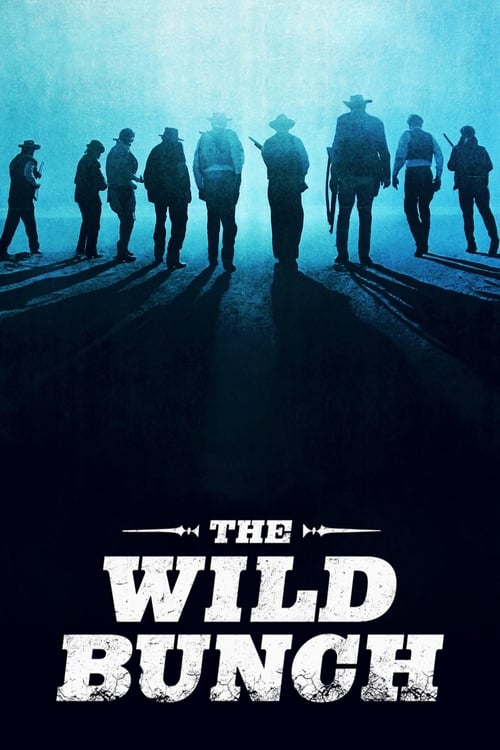
The Wild Bunch
1969An aging group of outlaws look for one last big score as the "traditional" American West is disappearing around them.
A nihilistic ballet of blood and kinetic editing, this masterpiece deconstructs the frontier myth through a revolutionary use of montage. It remains the definitive statement on the death of the Old West and the birth of modern cinematic violence.
Frequently Asked Questions
Everything you need to know about this list and SnakeDrafts
- Sam Peckinpah's films consistently explore themes of violence, honor, and the decline of traditional masculinity, often set against changing social landscapes. His Westerns like "Pat Garrett & Billy the Kid" and "Ride the High Country" challenge heroic myths, while thrillers like "Straw Dogs" delve into primal human conflicts.
- "The Wild Bunch" is a quintessential Peckinpah film, showcasing his signature stylized violence and deep moral ambiguity. The film's portrayal of aging outlaws facing a modernizing world highlights Peckinpah's recurring exploration of resistance to change in the American West.
- Peckinpah subverts classic Western tropes by presenting flawed, complex characters and emphasizing brutal reality over romanticism. Films like "The Ballad of Cable Hogue" and "Major Dundee" reveal the gritty and often tragic underpinnings of frontier life, diverging from sanitized Hollywood portrayals.
- "The Ballad of Cable Hogue" uniquely blends comedy, Western, and action, highlighting Peckinpah's ability to infuse humor into his storytelling while maintaining his signature gritty realism. This tonal mix stands out among his otherwise often dark and violent films.
- In "Straw Dogs," Peckinpah uses violence to examine human savagery and psychological tension in a modern, rural setting rather than the mythic West. The film's intense and controversial sequences push the boundaries of on-screen brutality to explore primal instincts.
- This film stands out for its dark, relentless tone and exploration of mercenary desperation, diverging from Peckinpah's Western roots toward a more nihilistic narrative. Its stylized violence and gritty atmosphere embody his pessimistic view of human nature.
- Yes, in "Cross of Iron," Peckinpah portrays the Eastern Front of World War II through the eyes of German soldiers, focusing on the futility and brutality of war. This historical drama emphasizes his thematic focus on flawed heroes and the moral complexities of violence.
- Peckinpah's later films incorporated more mainstream elements and broader genres such as action-comedy in "Convoy" and espionage thriller in "The Osterman Weekend." While they maintained his trademark intensity, these works often displayed a shift towards commercial viability compared to his earlier revisionist Westerns.