The Best Robert Mitchum Films Ranked
The Definitive Filmography of Hollywood's Coolest Icon
Discover the essential Robert Mitchum movies, from legendary film noir classics to his unforgettable roles in Westerns and gripping dramas.
About Robert Mitchum
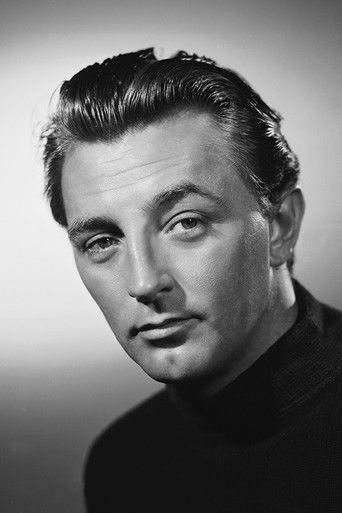
Robert Mitchum lived his life and steered his career with the relaxed posture of a man who knew the joke was on everyone else. While his contemporaries practiced the high-strung intensity of Method acting or the polished posturing of the studio system, he introduced a sleepy-eyed indifference that felt dangerously modern. He was the soul of film noir, a performer who understood that true power came from doing as little as possible. His heavy lids and barrel chest suggested a man who had seen everything twice and was bored by most of it, yet that effortless surface masked an intellect and a poetic sensitivity that made him the most durable anti-hero of the twentieth century.
If you want to understand the Mitchum mystique, you start with the dark shadows of Out of the Past. As the doomed Jeff Markham, he perfected the weary cynicism of a man trapped by fate, trading barbs with Jane Greer in a way that defined the genre. He refined this lethal charm in Angel Face, playing a man seduced by a deadly impulse. Audiences gravitated toward him because he never seemed to be trying. In an era of forced optimism, he offered the truth of a survivor. He possessed a rare, laconic masculinity that felt earned rather than performed, a quality that served him equally well when he traded the city streets for the dusty trails of The Lusty Men or the sprawling family drama of Home from the Hill.
The real shift in his legacy came when he weaponized that natural charisma into something terrifying. In The Night of the Hunter, he delivered one of the most chilling performances in cinematic history as the murderous preacher Harry Powell. His knuckles tattooed with Love and Hate, he became a folkloric figure of pure evil, a role he echoed years later when he played the vengeful Max Cady in Cape Fear. These weren't just villains; they were manifestations of a deep, primal threat. Yet, he could just as easily pivot to a quiet, soulful vulnerability. His work in Heaven Knows, Mr. Allison and Ryan's Daughter revealed a romantic depth that surprised critics who had written him off as a mere tough guy. Even in the lighthearted The Grass Is Greener, he moved with the grace of a panther in a tuxedo.
As the years advanced, Mitchum transitioned into the elder statesman of lived-in grit. In the 1970s, he gave us some of his most profound work by leaning into his own aging. The Friends of Eddie Coyle features him as a low-level hood facing the end of the line, his face a roadmap of disappointment and exhaustion. He brought that same gravity to The Yakuza and the sweeping Western El Dorado, playing the drunkard sheriff with a mix of humor and pathos. Even toward the end, in Jim Jarmusch's Dead Man, he commands the screen with nothing more than a shotgun and a glare. Robert Mitchum never fought for the spotlight; he simply existed within it, letting the world come to him. He remains the ultimate patron saint of the cool, the calm, and the slightly indifferent.
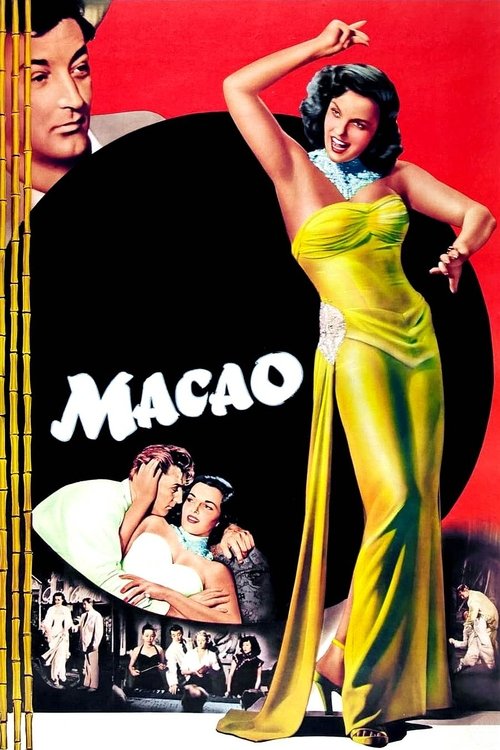
Macao
1952Nick Cochran, an American in exile in Macao, has a chance to restore his name by helping capture an international crime lord. Undercover, can he mislead the bad guys and still woo the attractive singer/petty crook, Julie Benson?
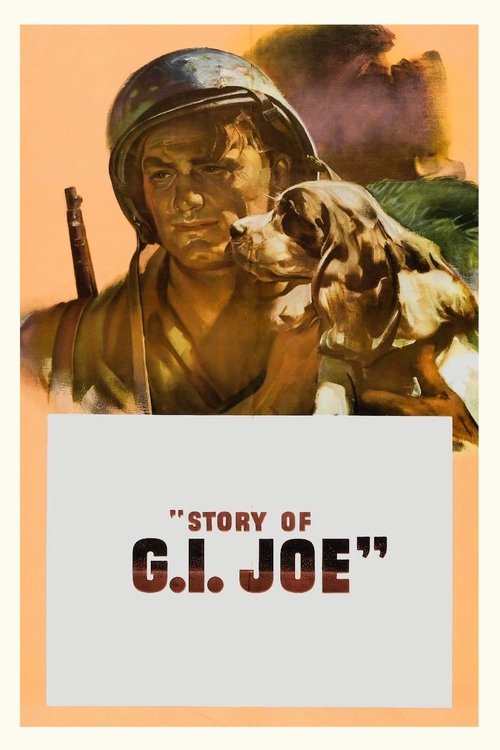
Story of G.I. Joe
1945War correspondent Ernie Pyle joins Company C, 18th Infantry as this American army unit fights its way across North Africa in World War II. He comes to know the soldiers and finds much human interest material for his readers back in the States. Preserved by the Academy Film Archive in partnership with The Film Foundation in 2000.
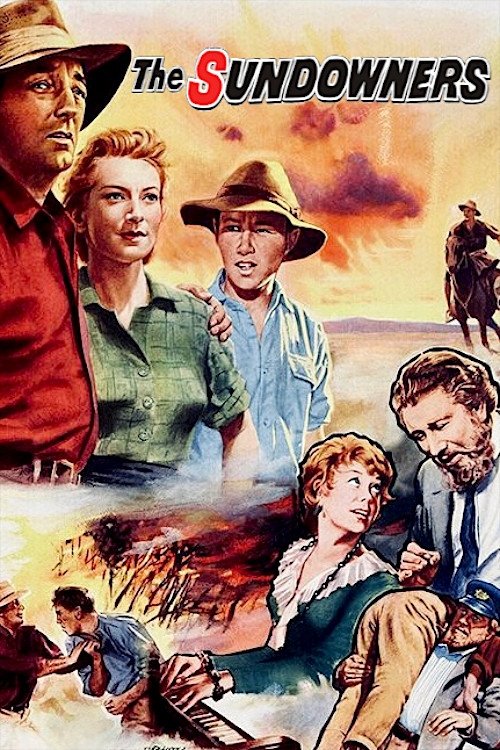
The Sundowners
1960In the Australian Outback, the Carmody family--Paddy, Ida, and their teenage son Sean--are sheep drovers, always on the move. Ida and Sean want to settle down and buy a farm. Paddy wants to keep moving. A sheep-shearing contest, the birth of a child, drinking, gambling, and a racehorse will all have a part in the final decision.
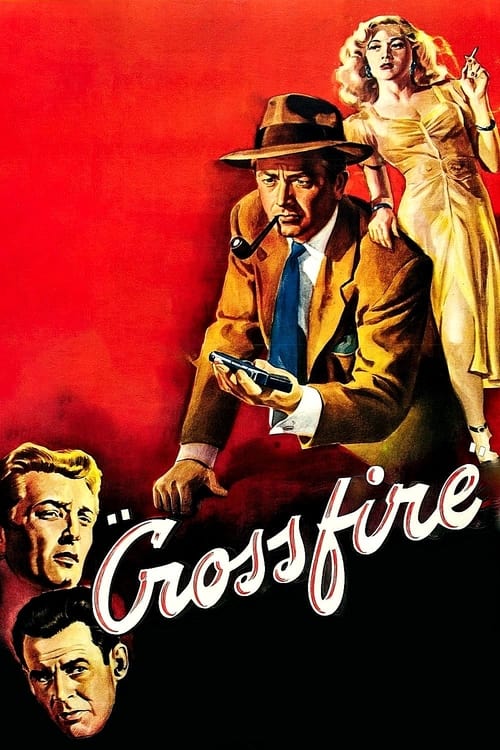
Crossfire
1947A man is murdered, apparently by one of a group of soldiers just out of the army. But which one? And why?
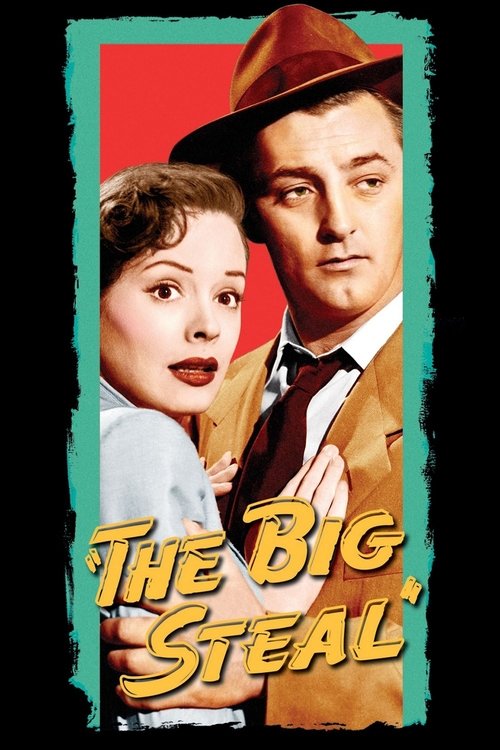
The Big Steal
1949Army Lieutenant Halliday, accused of stealing the Army payroll, pursues the real thief on a frantic chase through Mexico aided by the thief's ex-girlfriend and is in turn being chased by his accuser, Capt. Blake.
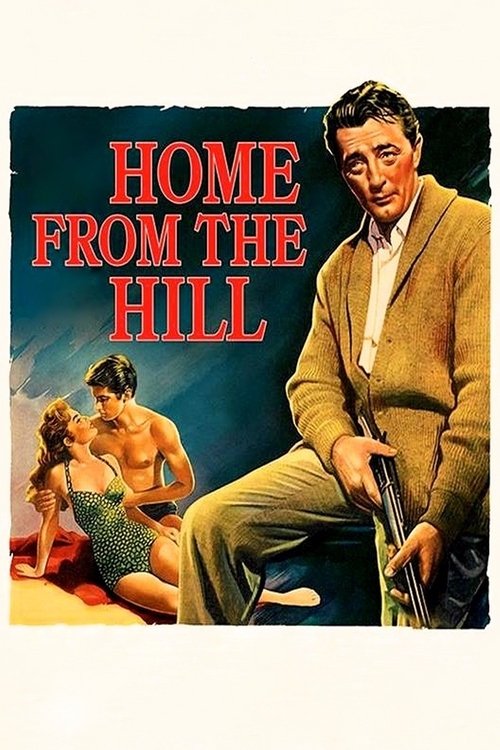
Home from the Hill
1960The wealthiest man in a Texas town decides to teach his teenage son how to hunt to make a man out of him.
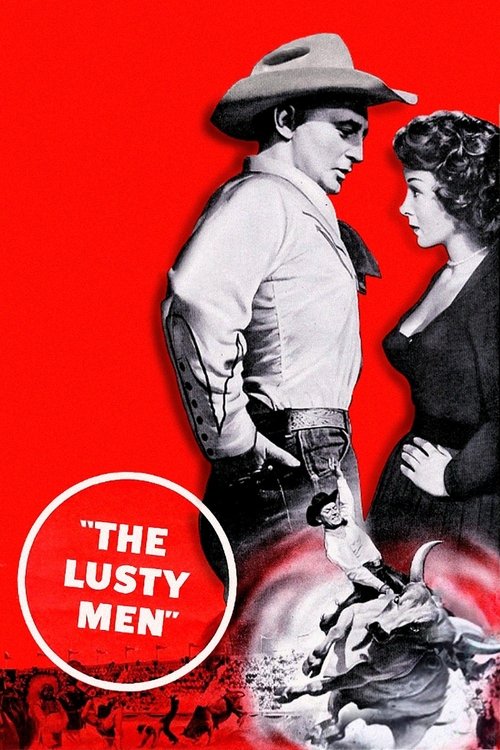
The Lusty Men
1952Retired rodeo champion Jeff McCloud agrees to mentor novice rodeo contestant Wes Merritt against the wishes of Merritt's wife who fears the dangers of this rough sport.
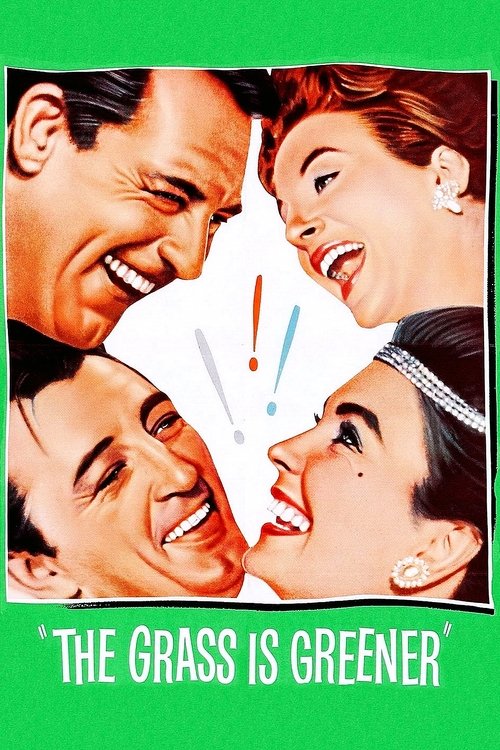
The Grass Is Greener
1960Victor and Hillary are down on their luck to the point that they allow tourists to take guided tours of their castle. But Charles Delacro, a millionaire oil tycoon, visits, and takes a liking to more than the house. Soon, Hattie Durant gets involved and they have a good old fashioned love triangle.
La Classe américaine
1993George Abitbol, the classiest man in the world, dies tragically during a cruise. The director of an American newspaper, wondering about the meaning of these intriguing final words, asks his three best investigators, Dave, Peter and Steven, to solve the mystery. (Sixteen French actors dub scenes from various Warner Bros. films to create a parody of Citizen Kane, 1941.)
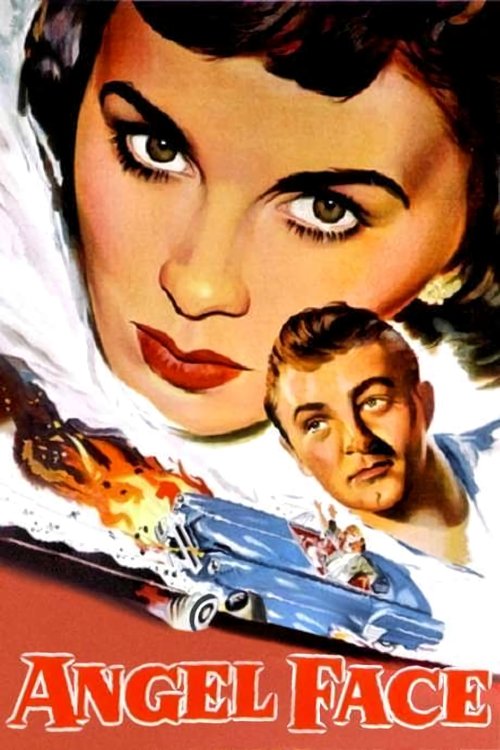
Angel Face
1953Ambulance driver Frank Jessup is ensnared in the schemes of the sensuous but dangerous Diane Tremayne.
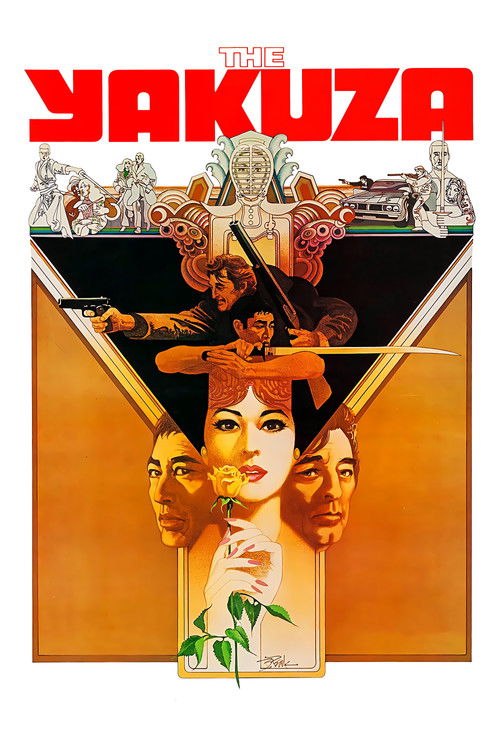
The Yakuza
1974When George Tanner does business with high-ranking Yakuza Tono, Tono kidnaps his daughter, and George summons his old friend, private eye Harry Kilmer, to Japan to investigate.
Caught between Western honor and Eastern tradition, he navigates this neo-noir with a weary gravity that feels earned by decades of screen history. He becomes the perfect conduit for the film's cross-cultural melancholy, proving his presence could transcend linguistic and genre boundaries.
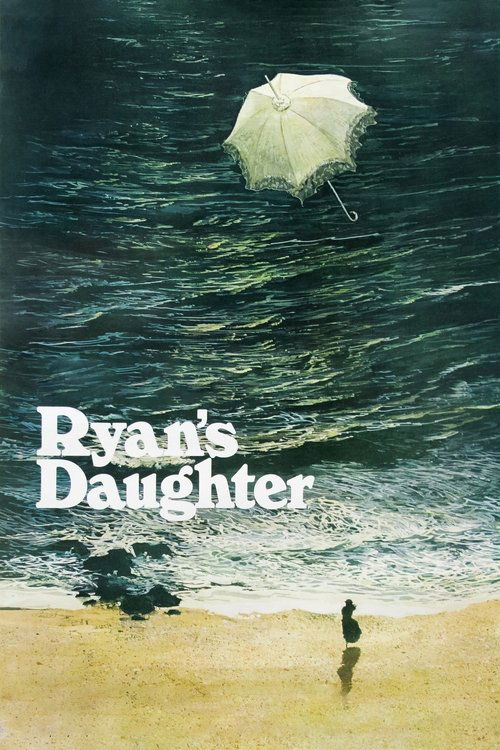
Ryan's Daughter
1970In the wake of the 1916 Easter Rising, a married schoolteacher in a small Irish village has an affair with a troubled British officer.
Playing against type as a meek and cuckolded schoolmaster, he offers a delicate study in suppressed pain and moral endurance. It is a pivotal departure from his violent roles, showcasing a quiet sensitivity that critics often overlooked in his earlier work.
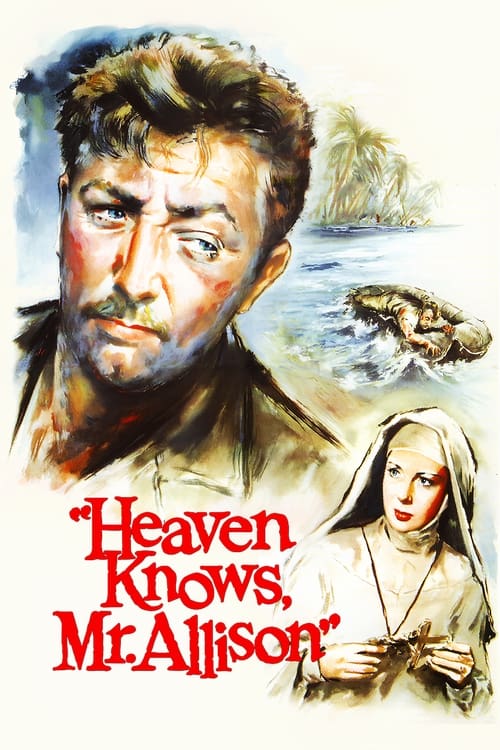
Heaven Knows, Mr. Allison
1957A Roman Catholic nun and a hard-bitten US Marine are stranded together on a Japanese-occupied island in the South Pacific during World War II. Under constant threat of discovery by a ruthless enemy, they hide in a cave and forage for food together. Their forced companionship and the struggle for survival forge a powerful emotional bond between them.
Opposite Deborah Kerr, he displays a surprisingly tender protective streak that never compromises his rugged, salt-of-the-earth masculinity. The film highlights his ability to generate scorching romantic chemistry through restraint and unspoken respect rather than overt bravado.
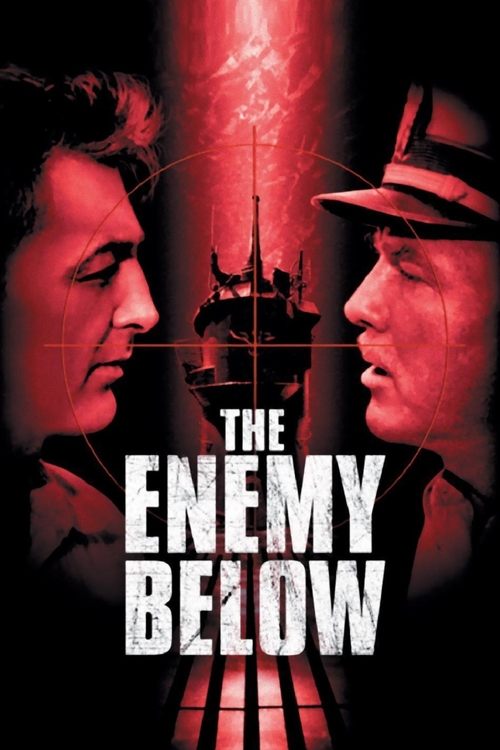
The Enemy Below
1957The crew of the American destroyer escort, the USS Haynes, detects a German U-Boat—resulting in a prolonged, deadly battle of wits.
The role demands a cerebral, disciplined version of his typical authority as he engages in a deadly chess match with a German U-boat commander. He excels here by substituting his usual swagger for a quiet, professional competence that radiates internal strength.
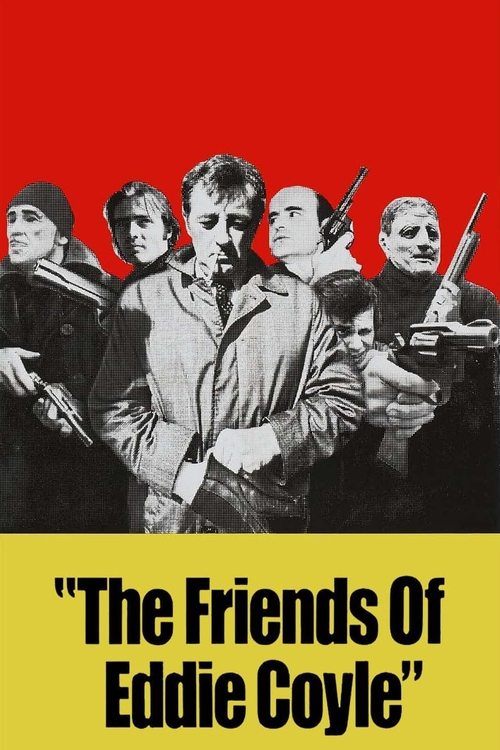
The Friends of Eddie Coyle
1973An aging hood is about to go back to prison. Hoping to escape his fate, he supplies information on stolen guns to the feds, while simultaneously supplying arms to his bank robbing chums.
He sheds every ounce of movie star glamour to play a low-level hood aging out of the game in a world that has no room for loyalty. It is a soulful, understated portrait of exhaustion that serves as the definitive peak of his late-career naturalism.
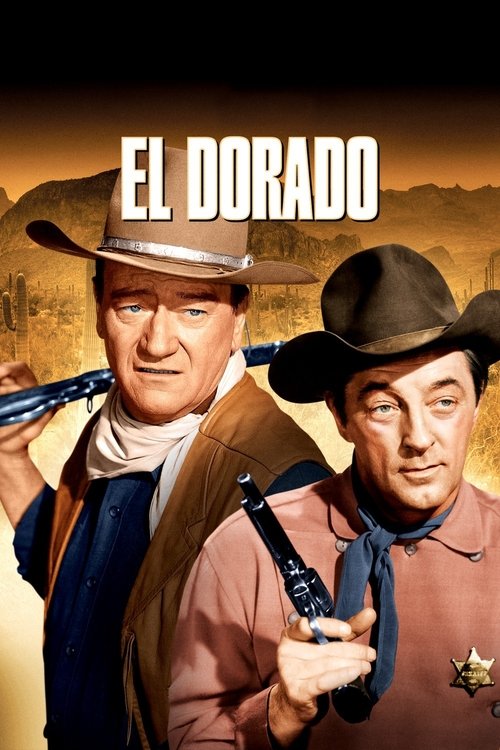
El Dorado
1966Cole Thornton, a gunfighter for hire, joins forces with an old friend, Sheriff J.P. Harrah. Together with a fighter and a gambler, they help a rancher and his family fight a rival rancher that is trying to steal their water.
Playing a broken, alcoholic lawman, he creates a brilliant counterpoint to John Wayne's stasis by finding humor and pathos in human frailty. This performance salvaged the archetype of the sidekick by infusing it with genuine vulnerability and a weary, redemptive wit.
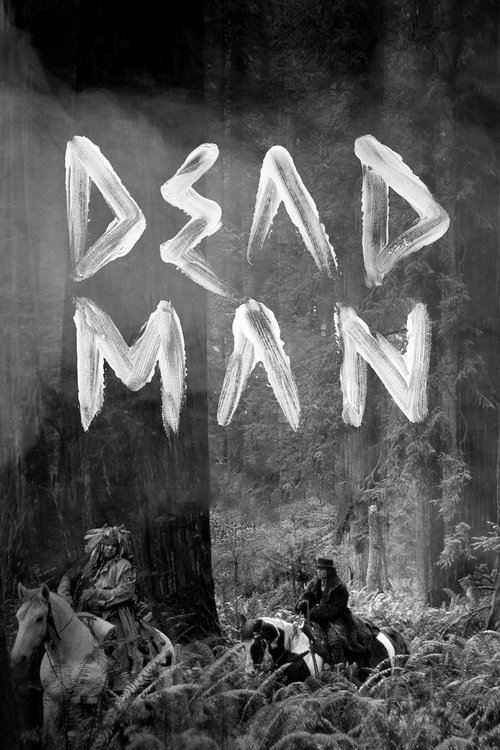
Dead Man
1995On the run after committing murder, an accountant encounters a strange Native American man who prepares him for his journey into the spiritual world.
In this twilight appearance, he functions as a grizzled icon of the Old West, his voice carrying the gravelly weight of a dying genre. It is a brief but potent subversion of his tough-guy persona that bridges the gap between classic Hollywood and indie surrealism.
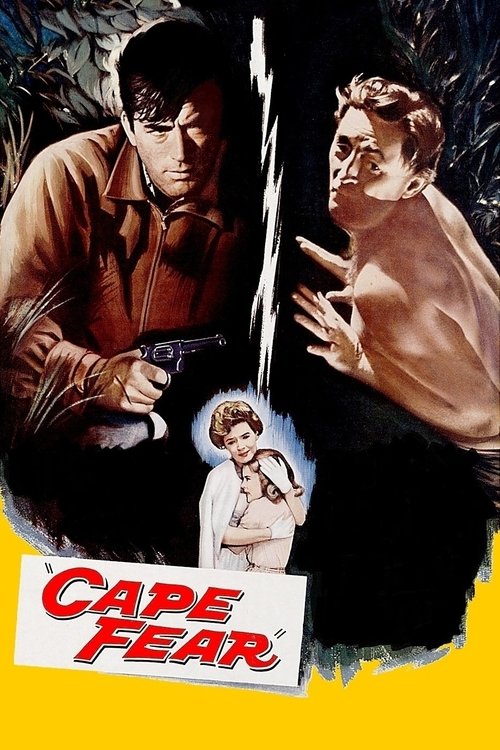
Cape Fear
1962Sam Bowden witnesses a rape committed by Max Cady and testifies against him. When released after 8 years in prison, Cady begins stalking Bowden and his family but is always clever enough not to violate the law.
Stripping away all artifice, he presents a raw, muscular menace that feels disturbingly modern in its psychological intensity. His Max Cady is a masterclass in kinetic threat, proving he could dominate a frame through sheer physical intimidation.
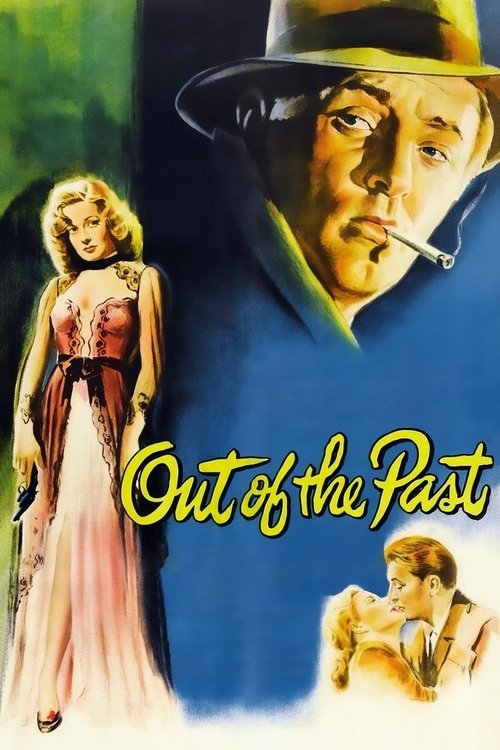
Out of the Past
1947The peaceful life of a gas station owner is disrupted when a man from his past arrives in town and forces him to return to the dark world he had tried to escape.
As the ultimate noir protagonist, he inhabits a fatalistic serenity that makes every puff of cigarette smoke feel like a sentence from a death warrant. This role solidified his status as the king of the existential loser, setting the gold standard for hard-boiled cynicism.
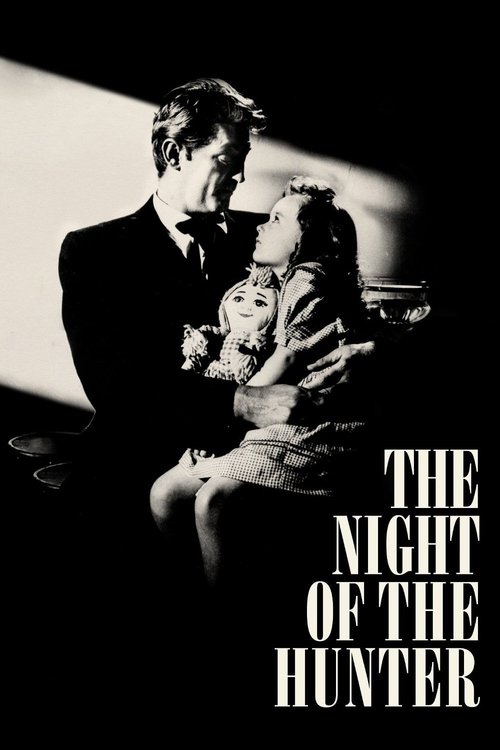
The Night of the Hunter
1955In Depression-era West Virginia, a serial-killing preacher hunts two young children who know the whereabouts of a stash of money.
Mitchum weaponizes his sleepy-eyed charisma into something deeply predatory, crafting a nightmare gospel that redefined the cinematic villain. It remains his most haunting transformation, proving he could pivot from laid-back cool to pure, expressionistic terror.
Frequently Asked Questions
Everything you need to know about this list and SnakeDrafts
- Robert Mitchum is prominently featured in film noir, Westerns, and crime thrillers in this listicle, showcasing his versatility in intense dramas and rugged adventures. Notable films like 'The Night of the Hunter' and 'El Dorado' highlight his range across these genres.
- Mitchum's signature sleepy-eyed indifference and understated intensity add a unique depth to his film noir roles, emphasizing a brooding, powerful presence without overacting. This style is clearly seen in classics such as 'Out of the Past' and 'Angel Face,' enhancing the suspense and complexity of these stories.
- 'Dead Man,' directed by Jim Jarmusch, is the film blending drama, fantasy, and Western genres, where Mitchum plays a memorable supporting role. This film stands out for its surreal narrative and atmospheric style distinct from traditional Westerns.
- Yes, 'The Enemy Below' and 'Heaven Knows, Mr. Allison' are two notable wartime dramas featuring Robert Mitchum. These films showcase his ability to portray complex characters in tense, conflict-driven environments with authenticity and gravitas.
- In 'Cape Fear,' Mitchum delivers a chilling performance as a menacing antagonist, raising the stakes in this thriller-drama. His portrayal adds psychological depth and suspense, making the film a standout in his crime and thriller repertoire.
- The list highlights Mitchum’s work with acclaimed directors like Charles Laughton, Jacques Tourneur, and Howard Hawks, indicating his appeal to top-tier filmmaking talent. This collaboration often resulted in critically acclaimed movies that solidified his cinematic legacy.
- Yes, films like 'Ryan’s Daughter' and 'Home from the Hill' intertwine romance and drama, showcasing Mitchum’s capability to handle emotionally rich and complex roles. These films display different facets of his acting, beyond his typical tough-guy persona.
- Indeed, 'La Classe américaine' and 'The Grass Is Greener' incorporate comedy and offer a lighter side to Mitchum’s filmography. These films demonstrate his versatility and ability to engage audiences in diverse cinematic styles.

