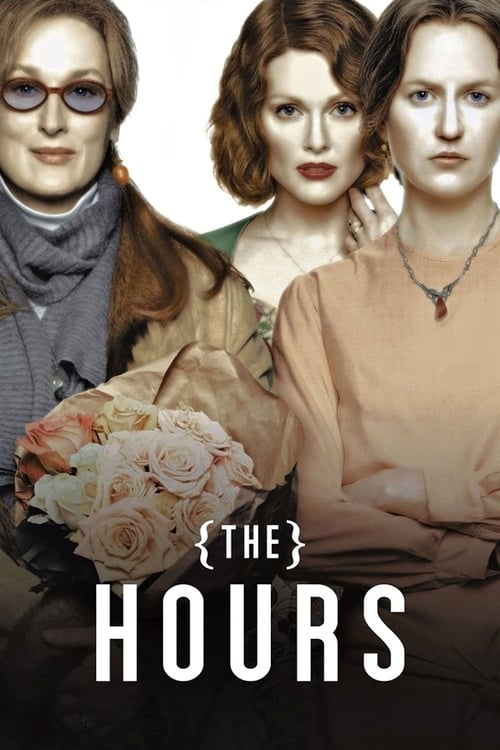
The Hours
Explore the intricate lives of three women across different eras, bound by a single novel and profound emotional struggles. "The Hours" offers a poignant meditation on time, longing, and the pursuit of meaning, making it an essential watch for lovers of sophisticated drama.
Director
Stephen Daldry
Release Year
2002
Runtime
114 minutes
Genres
Main Cast
Julianne Moore, Nicole Kidman, Meryl Streep, Stephen Dillane, Miranda Richardson
About The Hours
Stephen Daldry's 2002 film "The Hours" masterfully weaves together the narratives of three women from different time periods, their lives inextricably linked by Virginia Woolf's novel "Mrs Dalloway." This powerful drama explores themes of mental health, societal expectations, and the relentless search for personal fulfillment, resonating deeply with audiences for its sensitive portrayal of complex human experiences.
The film's premise revolves around a single day in the lives of these women: Virginia Woolf herself in 1923 as she grapples with depression while writing "Mrs Dalloway"; Laura Brown, a 1950s housewife in Los Angeles feeling trapped by domesticity as she reads the novel; and Clarissa Vaughan, a contemporary New Yorker preparing a party for her ailing poet friend, reminiscent of Woolf's protagonist.
"The Hours" garnered significant critical acclaim, particularly for its powerful performances and ambitious narrative structure. Nicole Kidman's transformative portrayal of Virginia Woolf earned her an Academy Award for Best Actress, alongside nominations for Julianne Moore and Meryl Streep. The film was also praised for its evocative score by Philip Glass, which underscores the emotional depth of the intersecting storylines.
The cultural impact of "The Hours" lies in its timeless exploration of internal struggles and the universal yearning for connection and purpose. It sparked conversations about mental health and the sacrifices individuals make in their quest for an authentic existence. The film's enduring legacy is its ability to reveal the profound connections that tie us across generations and personal struggles, elevating it to a powerful cinematic achievement. It remains a touchstone for discussions on literary adaptation and the emotional complexities of human life.
Drafts Featuring The Hours
Every SnakeDrafts listicle where this movie appears
The Best Meryl Streep Movies Ranked
Ranked #6
The Best John C. Reilly Movies Ranked
Ranked #13
The Best Nicole Kidman Movies
Ranked #3
The Best Claire Danes Movies Ranked
Ranked #3
The Essential Julianne Moore Movie Ranking: Her Most Iconic Performances
Ranked #6
Ranking the Best Ed Harris Movies: The Essential Filmography
Ranked #7
A Ranking of Toni Collette's Best Movies
Ranked #9
The Top Movies Featuring Allison Janney
Ranked #9
2002's Best Movies Ranked
Ranked #15
Similar Movies
Movies related to The Hours
Frequently Asked Questions
Everything you need to know about The Hours
- The film masterfully connects the three timelines through the recurring motifs and themes present in Virginia Woolf's novel "Mrs Dalloway." Each woman experiences a significant day, marked by reflections on life, death, and the pursuit of happiness, mirroring Woolf's own creative process and her character's experiences.
- Clarissa Vaughan, played by Meryl Streep, represents a modern iteration of Mrs. Dalloway, grappling with her own struggles concerning love, loss, and the meaning of her choices. Her storyline beautifully encapsulates the lasting impact of Woolf's work and the timeless nature of its themes.
- Each character confronts profound emotional challenges, including depression, societal pressures, feelings of entrapment, and the weight of their choices. Their individual struggles highlight the universal search for authentic lives and inner peace, often against overwhelming odds.
- Philip Glass's minimalist and repetitive score is integral to the film's atmosphere, creating a haunting and meditative mood. The music subtly weaves through the different narratives, emphasizing the characters' internal states and the overarching sense of melancholy and introspection.
- The film ultimately underscores the interconnectedness of human experience across time and the profound impact of literature on individual lives. It suggests that while lives may seem disparate, fundamental human emotions and questions about existence resonate universally, culminating in moments of shared understanding and empathy.
- Laura Brown's journey is one of deep dissatisfaction and a yearning for an escape from her prescribed role. While the film doesn't offer a simple answer, her decision at the end of her storyline suggests a longing for self-discovery beyond her current circumstances, indicating a complex and unresolved quest for happiness.

