The Essential Julianne Moore Movie Ranking: Her Most Iconic Performances
Spanning Cerebral Dramas and High-Stakes Blockbusters
Explore the definitive ranking of Julianne Moore's most iconic performances, from Oscar-winning dramas to cult classics and major franchise hits.
About Julianne Moore
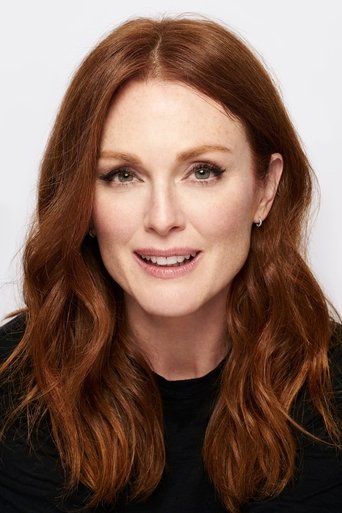
There is a specific kind of alchemy that happens when Julianne Moore steps in front of a lens. She possesses a rare, translucent vulnerability that makes it feel as though the audience is looking directly at her nervous system. While many of her contemporaries lean into artifice, she has spent decades perfecting the art of the emotional raw nerve. Whether she is vibrating with repressed 1950s desire or descending into the quiet, terrifying fog of early onset Alzheimer’s, she remains one of the few performers who can make silence feel thunderous.
Her ascent was defined by an uncanny ability to navigate both the avant-garde and the blockbuster with equal poise. In the nineties, she became the ultimate muse for directors seeking a particular brand of intellectual intensity. In Safe, she offered a haunting portrayal of environmental illness that remains a masterclass in physical transformation through sheer stillness. This period saw her dive into the frantic, cocaine-fueled energy of Boogie Nights and the operatic grief of Magnolia, proving that she could command the screen just as effectively in a sprawling ensemble as she could in a character study. Even when sliding into the surrealist comedy of The Big Lebowski as the avant-garde Maude Lebowski, she brought a sharp, rhythmic precision that elevated the material beyond mere satire.
What draws people to her work is a sense of profound, unfiltered honesty. There is no vanity in her process. In Still Alice, she captured the slow erosion of self with a dignity that felt heartbreakingly real, eventually earning the Oscar that had long felt overdue. She doesn't just play characters; she inhabits their specific social pressures and private failings. We see this in the stiff, manicured perfection of Far from Heaven and the suffocating elegance of A Single Man. She understands that the most interesting part of a person is often the part they are trying hardest to hide. This was on full display in the recent May December, where she weaponized her trademark softness to play someone deeply manipulative, proving she is still finding new ways to unsettle her viewers.
Her filmography reads like a roadmap of modern cinema’s most daring swings. She can anchor a high-octane thriller like The Fugitive or Eagle Eye just as easily as she can navigate the sophisticated domesticity of Crazy, Stupid, Love. Even in reimagined classics like Carrie or experimental dramas like The Hours, she finds the specific frequency of the role and stays there. She has never been one to settle for the easy beat. Instead, she chooses projects like What Maisie Knew or the gritty vision of Children of Men, where the stakes are high and the emotional terrain is jagged.
Ultimately, her legacy is built on a refusal to be categorized. She has spent her career blurring the lines between the domestic and the divine, the ordinary and the extreme. She reminds us that the human experience is essentially messy, frequently quiet, and occasionally explosive. It is that unwavering commitment to the truth of the moment that keeps us watching, waiting to see which part of the human psyche she will illuminate next.
The Lost World: Jurassic Park
1997Four years after Jurassic Park's genetically bred dinosaurs ran amok, multimillionaire John Hammond shocks chaos theorist Ian Malcolm by revealing that he has been breeding more beasties at a secret location. Malcolm, his paleontologist ladylove and a wildlife videographer join an expedition to document the lethal lizards' natural behavior in this action-packed thriller.
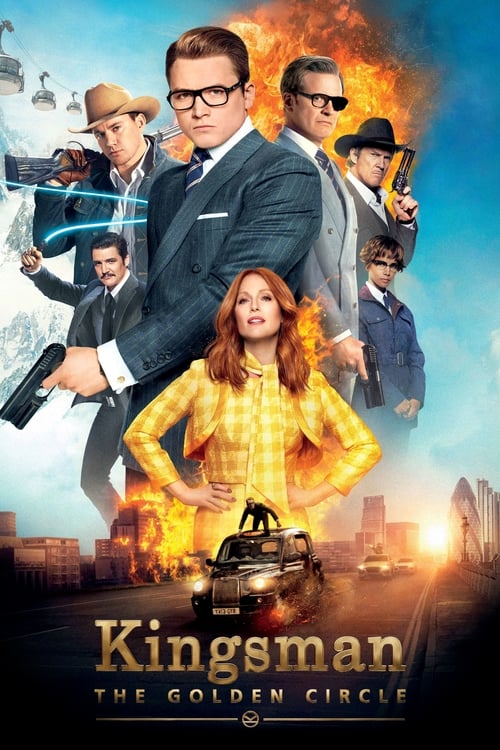
When an attack on the Kingsman headquarters takes place and a new villain rises, Eggsy and Merlin are forced to work together with the American agency known as the Statesman to save the world.
Hannibal
2001After having successfully eluded the authorities for years, Hannibal peacefully lives in Italy in disguise as an art scholar. Trouble strikes again when he's discovered leaving a deserving few dead in the process. He returns to America to make contact with now disgraced Agent Clarice Starling, who is suffering the wrath of a malicious FBI rival as well as the media.
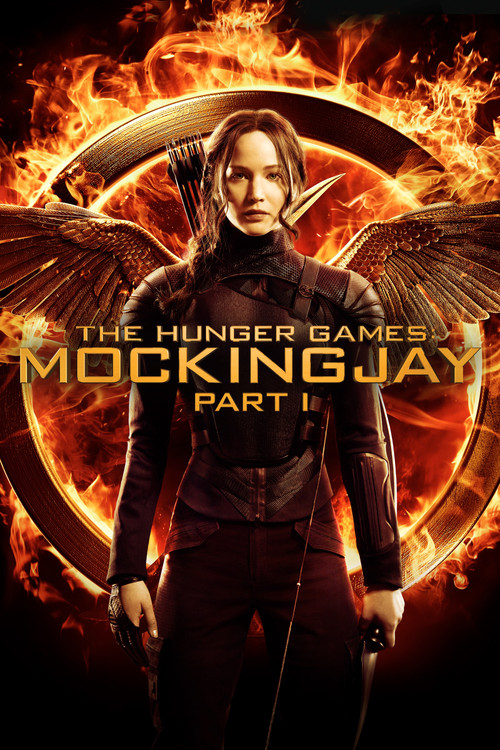
After surviving the Quarter Quell, Katniss finds herself in the hidden stronghold of District 13, where the rebellion against the Capitol is gaining momentum. Struggling with the weight of becoming the symbol of resistance, she must navigate fragile alliances while trying to protect those she loves. As propaganda battles rage and Panem moves closer to full-scale war, Katniss is forced to confront the true cost of revolution.
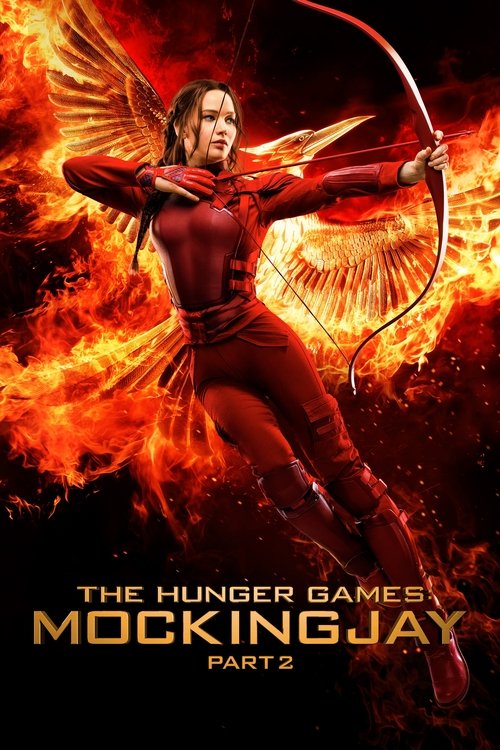
As the war between the Capitol and the districts reaches its peak, Katniss Everdeen embarks on a perilous mission to liberate Panem and confront President Snow. Joined by a team of trusted allies, she navigates deadly traps, shifting loyalties, and the heavy cost of rebellion, determined to bring freedom to her people and end the Hunger Games once and for all.
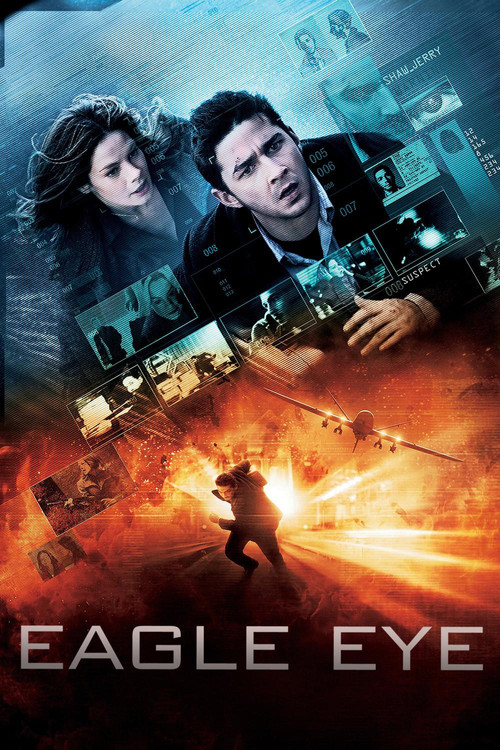
Eagle Eye
2008Jerry Shaw and Rachel Holloman are two strangers whose lives are suddenly thrown into turmoil by a mysterious woman they have never met. Threatening their lives and family, the unseen caller uses everyday technology to control their actions and push them into increasing danger. As events escalate, Jerry and Rachel become the country's most-wanted fugitives and must figure out what is happening to them.
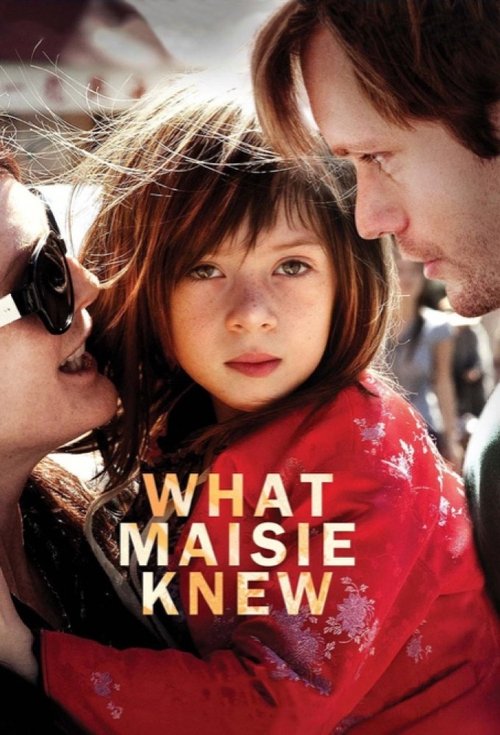
What Maisie Knew
2013In New York City, a young girl is caught in the middle of her parents' bitter custody battle.
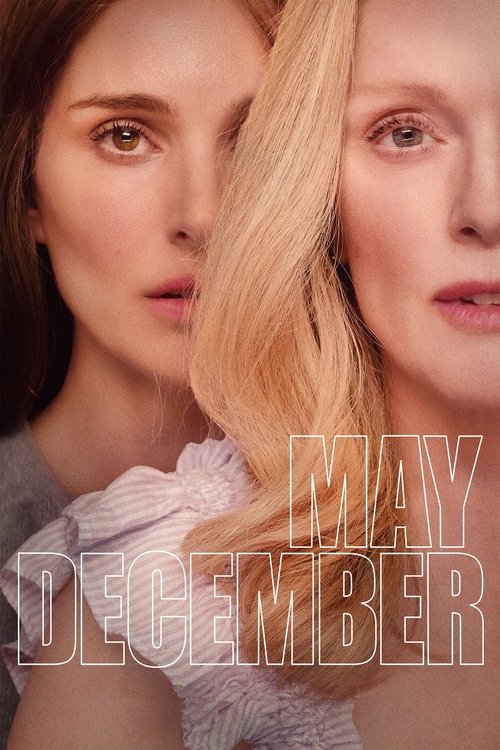
May December
2023Twenty years after their notorious tabloid romance gripped the nation, a married couple buckles under the pressure when an actress arrives to do research for a film about their past.
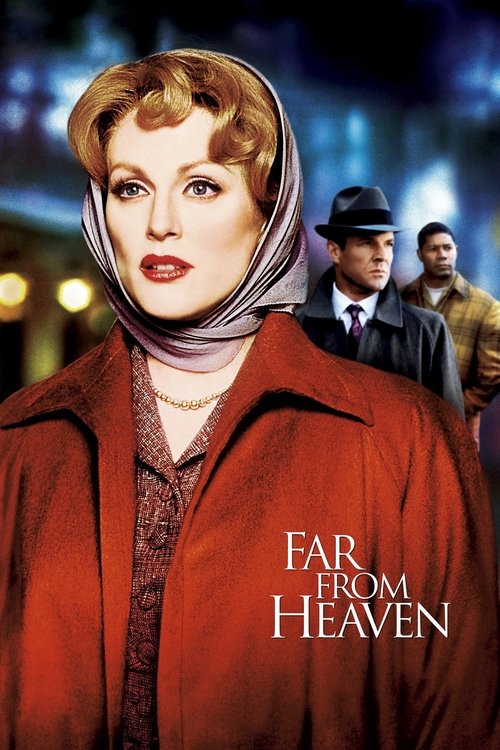
Far from Heaven
2002In 1950s Connecticut, a housewife's life is upended by a marital crisis and mounting racial tensions in society.
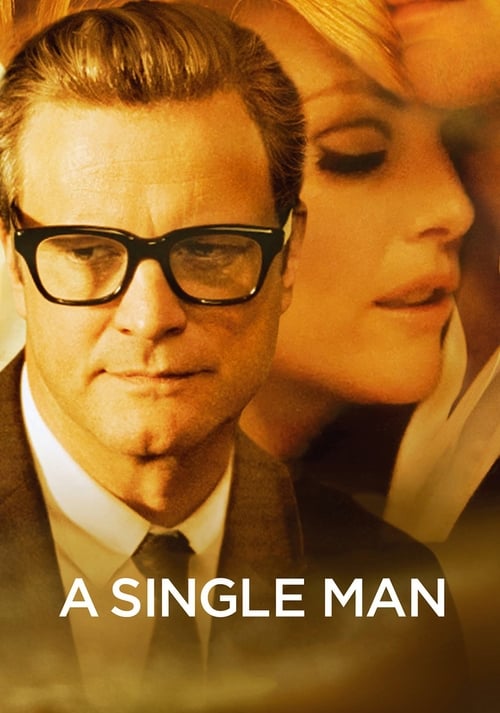
A Single Man
2009Set in Los Angeles in 1962, at the height of the Cuban missile crisis, is the story of a British college professor who dwells on the past and cannot see his future. We follow him through a single day, where a series of events and encounters ultimately lead him to decide if there is a meaning to life after the death of his long time partner, Jim.
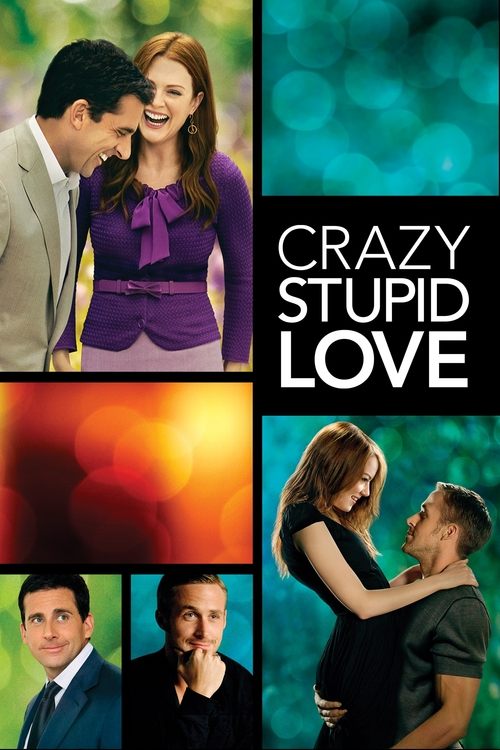
Crazy, Stupid, Love.
2011Cal Weaver is living the American dream. He has a good job, a beautiful house, great children and a beautiful wife, named Emily. Cal's seemingly perfect life unravels, however, when he learns that Emily has been unfaithful and wants a divorce. Over 40 and suddenly single, Cal is adrift in the fickle world of dating. Enter, Jacob Palmer, a self-styled player who takes Cal under his wing and teaches him how to be a hit with the ladies.
Moore navigates the complexities of a mid-life crisis with a subtle, relatable weariness that elevates the film beyond standard romantic comedy tropes. Her chemistry with Steve Carell relies on a shared, lived-in history that feels both authentic and heartbreakingly fragile.
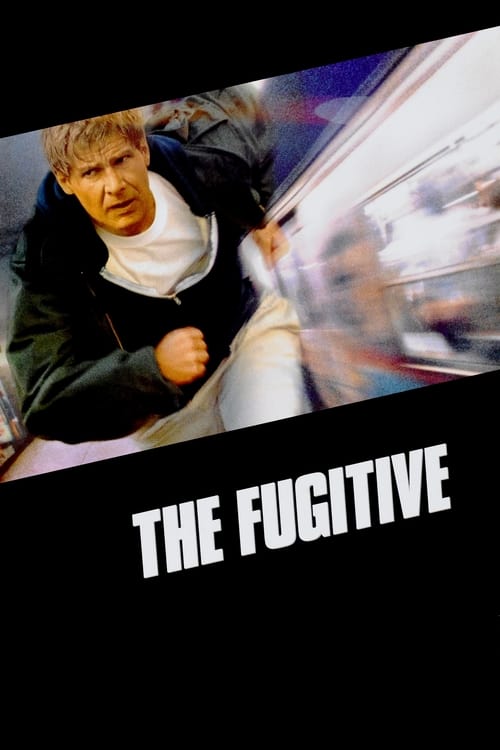
The Fugitive
1993Wrongfully convicted of murdering his wife and sentenced to death, Richard Kimble escapes from the law in an attempt to find the real killer and clear his name.
Though her screen time is limited in this action classic, Moore’s sharp intelligence as a skeptical doctor provides an essential foil to Harrison Ford’s desperate protagonist. It is a lean, professional turn that signaled her readiness for the Hollywood mainstream.
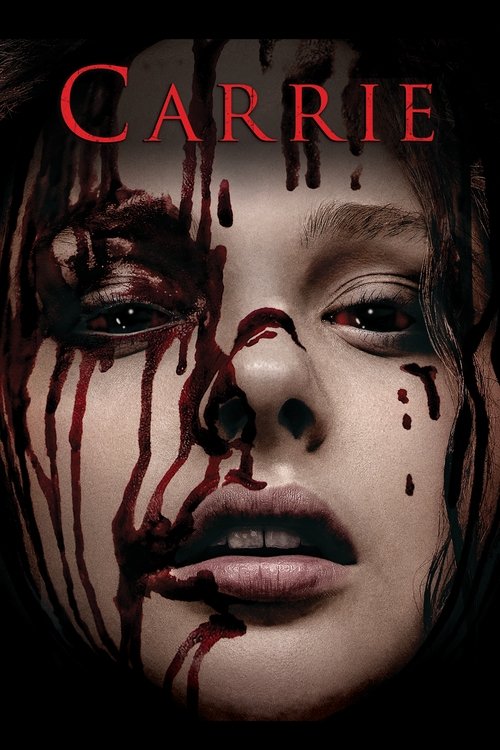
Carrie
2013An awkward, telekinetic teenage girl is the object of relentless bullying at school and an oppressively religious mother at home.
Stepping into the role of Margaret White, Moore avoids caricature by leaning into a chilling, zealot-like fervor that feels uncomfortably grounded. She reclaims the horror genre with a physical performance that emphasizes the suffocating, toxic nature of religious obsession.
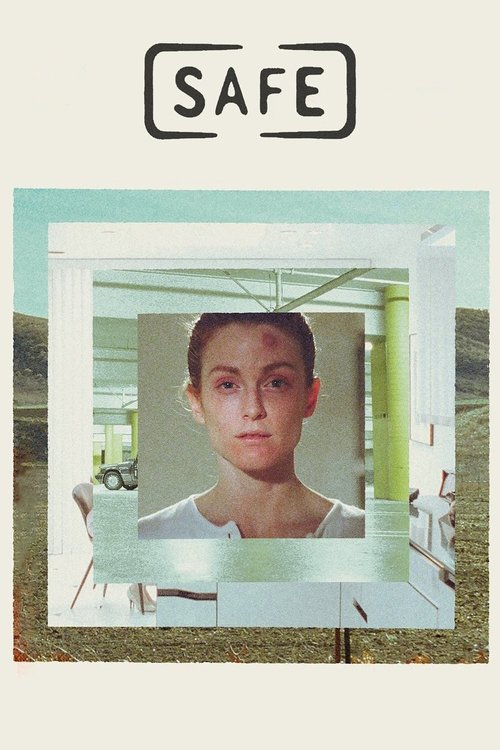
Safe
1995Carol White, a Los Angeles housewife in the late 1980s, comes down with a debilitating illness with no clear diagnosis.
Todd Haynes found his perfect muse in Moore, whose pale, eerie fragility captures the existential dread of a woman allergic to the modern world. This early career milestone demonstrated her willingness to explore challenging, non-linear character arcs within the realm of independent cinema.
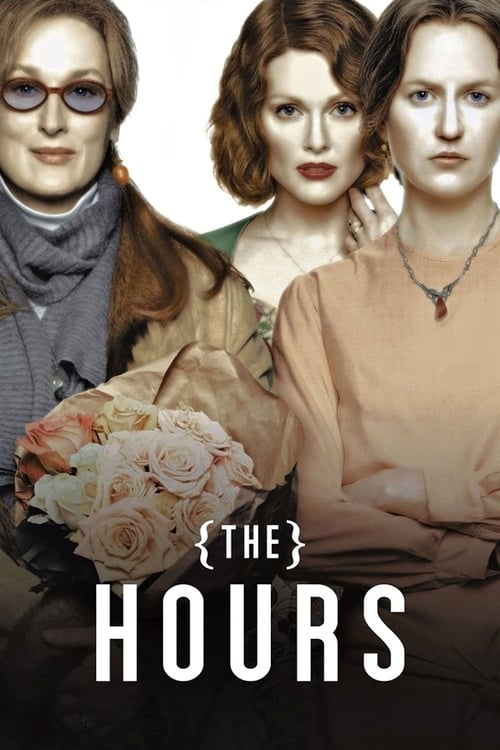
The Hours
2002The story of three women searching for more potent, meaningful lives. Each is alive at a different time and place, all are linked by their yearnings and their fears. Their stories intertwine, and finally come together in a surprising, transcendent moment of shared recognition.
Moore excels as a 1950s housewife suffocating under the weight of domestic artifice, her every smile appearing as a fragile porcelain mask on the verge of cracking. This role reflects her unique talent for articulating the silent, internal lives of women trapped by societal expectations.
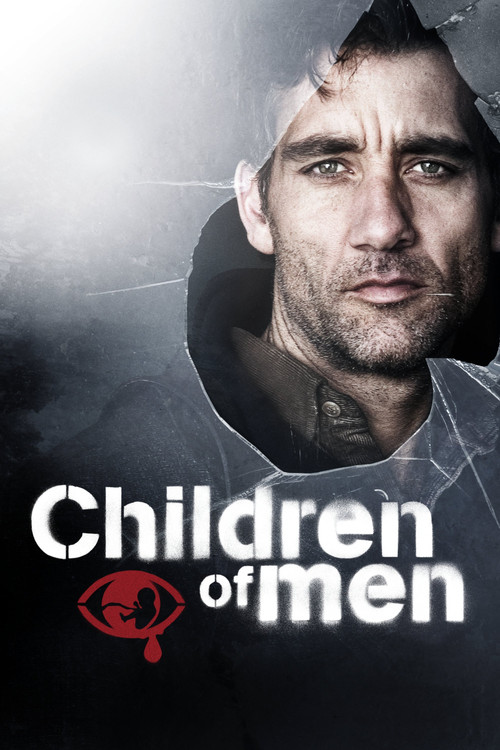
Children of Men
2006In 2027, in a chaotic world in which humans can no longer procreate, a former activist agrees to help transport a miraculously pregnant woman to a sanctuary at sea, where her child's birth may help scientists save the future of humankind.
Casting Moore as a revolutionary leader adds a necessary layer of grounded authority to Cuarón’s dystopian vision. Even in a relatively brief appearance, her presence establishes the moral stakes of the film, proving she can anchor a massive political thriller through sheer gravitas alone.
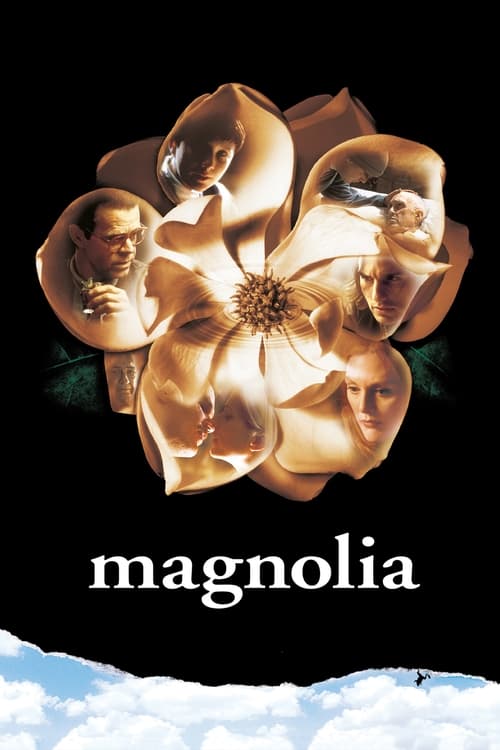
Magnolia
1999On one random day in the San Fernando Valley, a dying father, a young wife, a male caretaker, a famous lost son, a police officer in love, a boy genius, an ex-boy genius, a game show host and an estranged daughter will each become part of a dazzling multiplicity of plots, but one story.
Few actors can weaponize hysteria quite like Moore does here, transforming a pharmacy checkout counter into a battlefield of repressed guilt and pharmaceutical desperation. Her jagged, high-wire energy provides the emotional volatile fuel required for Anderson’s sprawling mosaic of Los Angeles angst.
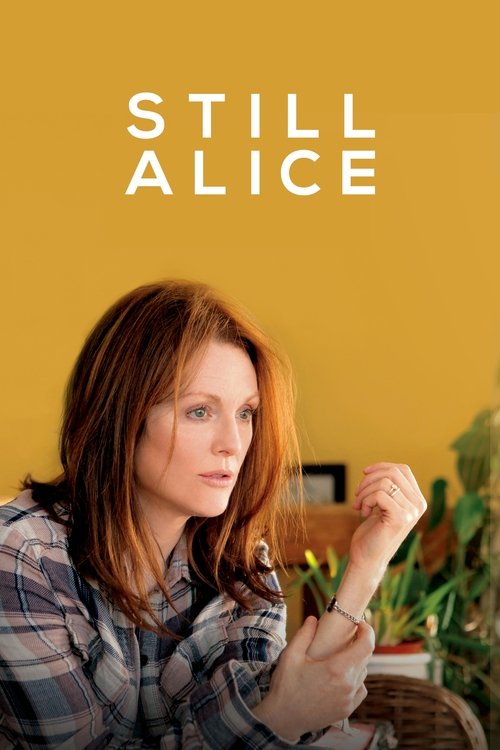
Still Alice
2014Alice Howland, happily married with three grown children, is a renowned linguistics professor who starts to forget words. When she receives a devastating diagnosis, Alice and her family find their bonds tested.
In this devastating portrait of early-onset Alzheimer’s, Moore eschews broad strokes for a terrifyingly precise depiction of cognitive erosion. Her Oscar-winning work here is remarkable for its restraint, capturing the quiet horror of a brilliant mind watching itself flicker out.
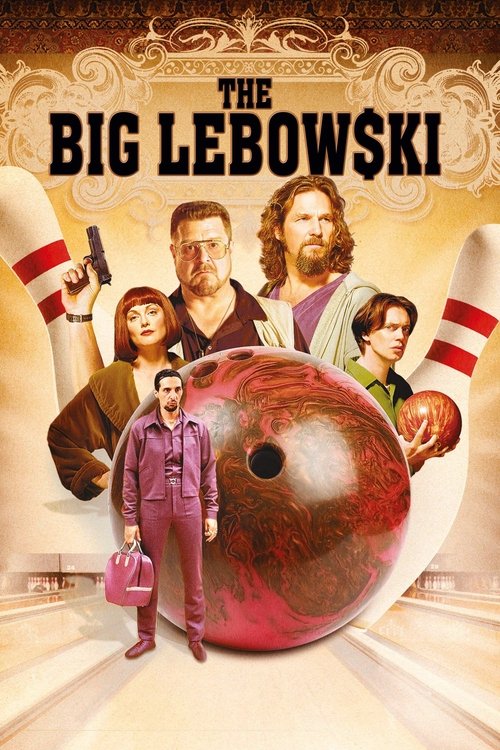
The Big Lebowski
1998Jeffrey 'The Dude' Lebowski, a Los Angeles slacker who only wants to bowl and drink White Russians, is mistaken for another Jeffrey Lebowski, a wheelchair-bound millionaire, and finds himself dragged into a strange series of events involving nihilists, adult film producers, ferrets, errant toes, and large sums of money.
Moore’s turn as the avant-garde Maude Lebowski is a masterclass in stylized eccentricity, utilizing a clipped Mid-Atlantic accent to command every frame of the Coens’ cult odyssey. It remains a definitive showcase of her ability to pivot into high-concept comedy without sacrificing her trademark intellectual gravity.
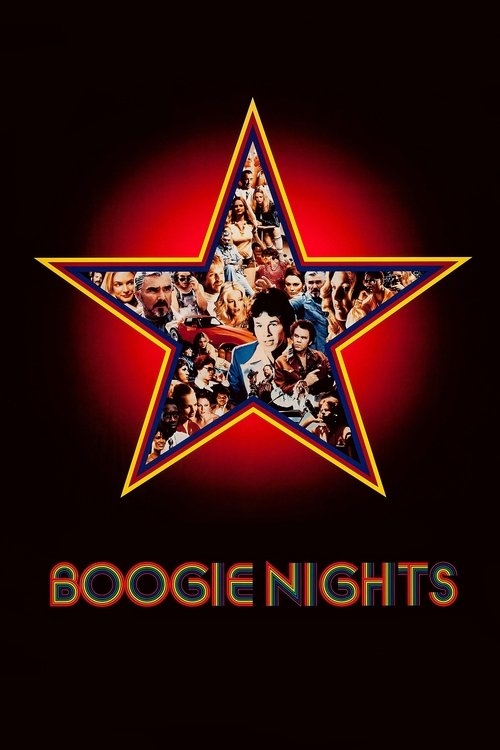
Boogie Nights
1997Set in 1977, back when sex was safe, pleasure was a business and business was booming, idealistic porn producer Jack Horner aspires to elevate his craft to an art form. Horner discovers Eddie Adams, a hot young talent working as a busboy in a nightclub, and welcomes him into the extended family of movie-makers, misfits and hangers-on that are always around. Adams' rise from nobody to a celebrity adult entertainer is meteoric, and soon the whole world seems to know his porn alter ego, "Dirk Diggler". Now, when disco and drugs are in vogue, fashion is in flux and the party never seems to stop, Adams' dreams of turning sex into stardom are about to collide with cold, hard reality.
As the maternal yet deeply fractured Amber Waves, Moore provides the soulful, aching hollow at the center of Paul Thomas Anderson’s neon-soaked epic. This performance solidified her reputation as the preeminent interpreter of suburban trauma, blending vulnerability with a fierce, protective maternal instinct.
Frequently Asked Questions
Everything you need to know about this list and SnakeDrafts
- Julianne Moore's powerful performance in "Still Alice" (2014) poignantly captures the emotional and physical challenges of early onset Alzheimer's disease, earning her widespread acclaim and an Academy Award. This role highlights her ability to convey vulnerability and raw emotional depth.
- Julianne Moore delivered standout performances in Paul Thomas Anderson's "Boogie Nights" (1997) and "Magnolia" (1999). Both films showcase her versatility, from portraying a complex adult film actress to a deeply emotional and troubled character navigating interconnected lives.
- In "The Big Lebowski" (1998), Julianne Moore embraces a comedic and quirky role that contrasts with her typically intense dramatic performances. Her character adds a unique blend of humor and crime noir elements, demonstrating her range across different film genres.
- Julianne Moore's collaborations with Todd Haynes, including "Safe" (1995), "Far from Heaven" (2002), and "May December" (2023), often explore themes of societal norms, personal identity, and emotional repression. These films emphasize her nuanced ability to portray characters grappling with internal and external conflicts.
- Julianne Moore appears in science fiction and thriller genres in "Children of Men" (2006) and "Eagle Eye" (2008). These roles highlight her adaptability, contributing to suspenseful narratives and existential themes while maintaining strong emotional performances.
- Yes, Julianne Moore has featured in commercially successful films like "The Fugitive" (1993), an action thriller with a major star-studded cast, showcasing her ability to perform in mainstream Hollywood blockbusters alongside her art-house and dramatic roles.
- In "Crazy, Stupid, Love." (2011), Moore brings a lighter, more comedic touch to her role, blending romance and humor. This contrasts with her typically intense, emotionally driven characters, illustrating her versatility across genres.