A Ranking of Florence Pugh's Best Movies
From Period Dramas to Sci-Fi Spectacles
Explore the definitive ranking of Florence Pugh's greatest film performances, featuring Little Women, Oppenheimer, and Midsommar.
About Florence Pugh
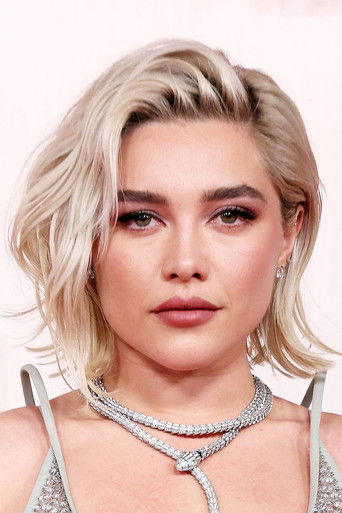
There is a specific kind of gravity that Florence Pugh brings to a frame, a grounded intensity that makes her feel less like a movie star and more like a force of nature. While many actors of her generation aim for a polished, untouchable aesthetic, she has built a reputation on being devastatingly human. She possesses a rare ability to weaponize a single facial twitch or a raspy vocal inflection to collapse the distance between the screen and the audience. Whether she is wailing in grief or staring down a powerhouse veteran, there is an unmistakable sense that she is the person in the room with the least to lose and the most to say.
Her ascent felt less like a gradual climb and more like a takeover. While early turns in Lady Macbeth showcased a chilling, flinty resolve, it was the explosive duality of 2019 that cemented her status as a generational talent. In Fighting with My Family, she brought grit and humor to the wrestling ring, only to pivot toward the visceral, sun-drenched horror of Midsommar. Her performance as Dani, a woman dissolving into madness and liberation, became an instant cultural touchstone. It takes a certain level of fearlessness to make a floral crown feel like a crown of thorns, and she wore it with a terrifying grace. That same year, she reclaimed the historically maligned Amy March in Little Women, infusing the character with a pragmatic ambition that earned her an Oscar nomination and reinvented the role for a modern audience.
What draws people to her is an apparent lack of vanity. She is comfortable being messy, whether she is playing a fugitive assassin in Black Widow or a grieving mother in A Good Person. She thrives in the dirt and the grey areas. In The Wonder, she anchored a quiet, haunting period piece with the same conviction she brought to the sprawling, high-stakes ensemble of Oppenheimer. Even when she is just a voice in an animated booth, as seen in the standout Puss in Boots: The Last Wish, her personality vibrates through the animation. She has an intuitive pulse on what makes a character tick, often choosing projects that challenge the audience's comfort zone, such as the psychological tension of Malevolent or the gritty historical stakes of Outlaw King.
Beyond the screen, her cultural impact stems from a refusal to play by the traditional Hollywood playbook. She treats her public persona with a refreshing candidness, often bridging the gap between high fashion and the relatability of a home cook. This authenticity makes her recent work in the devastatingly intimate We Live in Time feel like a natural evolution. She is not afraid of the ugly cry or the difficult conversation. Audiences do not just watch her movies to be entertained; they watch to see a reflection of their own complicated, loud, and vibrant emotions. She has successfully navigated the transition from indie darling to blockbuster mainstay without sacrificing the jagged edges that made her interesting in the first place. In an industry that often tries to smooth out the bumps, she remains gloriously, defiantly unpolished.

The Commuter
2018A businessman, on his daily commute home, gets unwittingly caught up in a criminal conspiracy that threatens not only his life but the lives of those around him.
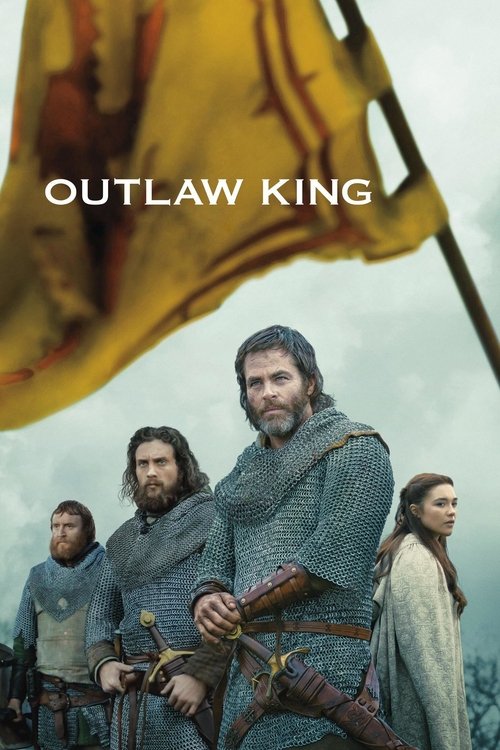
Outlaw King
2018Forced into exile by the English after being crowned King of Scotland, legendary warrior Robert the Bruce fights to reclaim the throne.
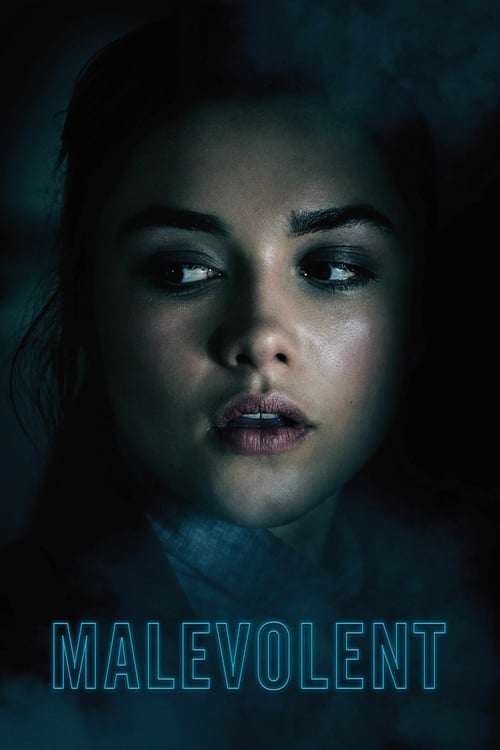
Malevolent
2018A brother-sister team who fake paranormal encounters for cash get more than they bargained for when a job at a haunted estate turns very, very real.
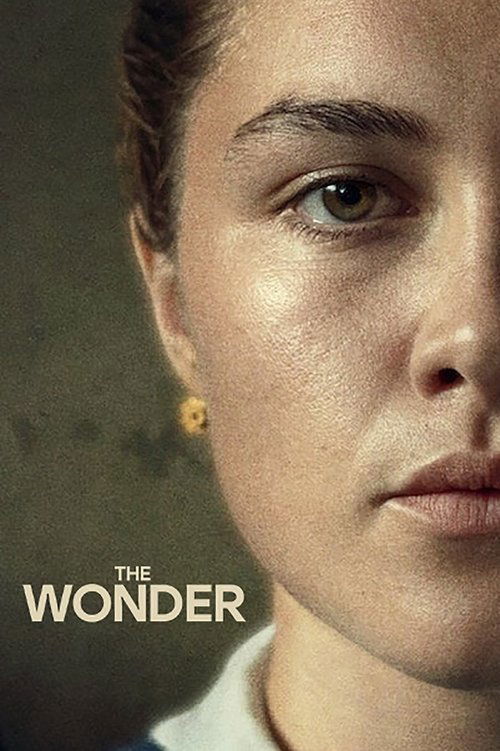
The Wonder
2022Haunted by her past, a nurse travels from England to a remote Irish village in 1862 to investigate a young girl's supposedly miraculous fast.
In this eerie folkloric meditation, Pugh utilizes a quiet, inquisitive intensity to bridge the gap between science and superstition. Her performance serves as a masterclass in restraint, anchoring the film’s atmospheric tension through subtle shifts in expression and posture.

Fighting with My Family
2019Born into a tight-knit wrestling family, Paige and her brother Zak are ecstatic when they get the once-in-a-lifetime opportunity to try out for the WWE. But when only Paige earns a spot in the competitive training program, she must leave her loved ones behind and face this new cutthroat world alone. Paige's journey pushes her to dig deep and ultimately prove to the world that what makes her different is the very thing that can make her a star.
As professional wrestler Saraya Knight, Pugh demonstrates an impressive physical versatility and an underdog spirit that anchors the film’s comedic beats. This role proved she could headline a mainstream crowd-pleaser while maintaining the distinctive indie edge of her earlier work.
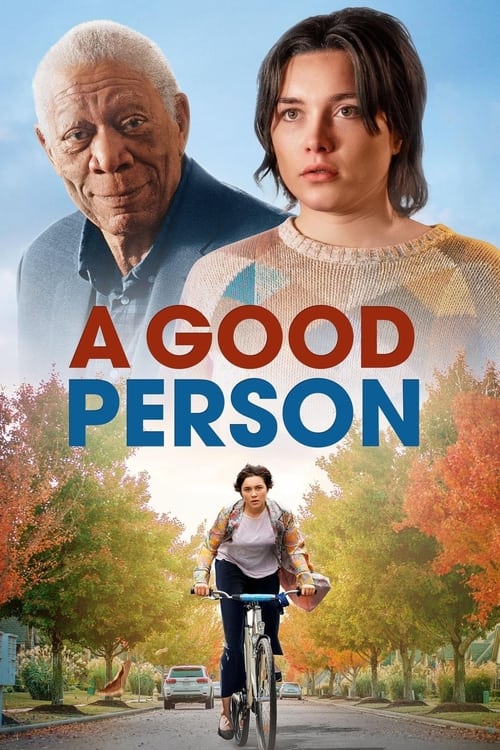
A Good Person
2023Allison's life falls apart following her involvement in a fatal accident. The unlikely relationship she forms with her would-be father-in-law helps her live a life worth living.
Wrestling with the messy logistics of recovery and guilt, Pugh elevates this indie drama with a bruised, unvarnished portrayal of a woman in freefall. It is a gritty exercise in character study that demonstrates her commitment to unflattering, painful realism.
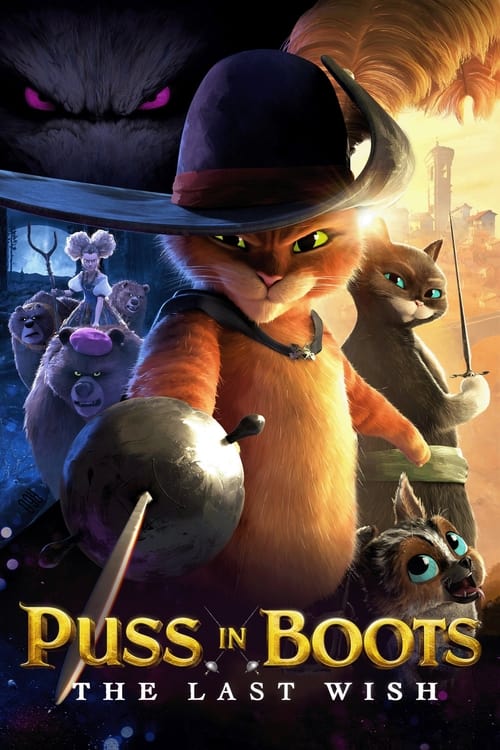
Puss in Boots: The Last Wish
2022Puss in Boots discovers that his passion for adventure has taken its toll: He has burned through eight of his nine lives, leaving him with only one life left. Puss sets out on an epic journey to find the mythical Last Wish and restore his nine lives.
Lending her signature gravelly grit to Goldilocks, Pugh’s voice work brings a surprising blue-collar edge to an animated fairy tale. She treats the medium with the same intensity as her live-action roles, proving her vocal texture is just as evocative as her physical presence.
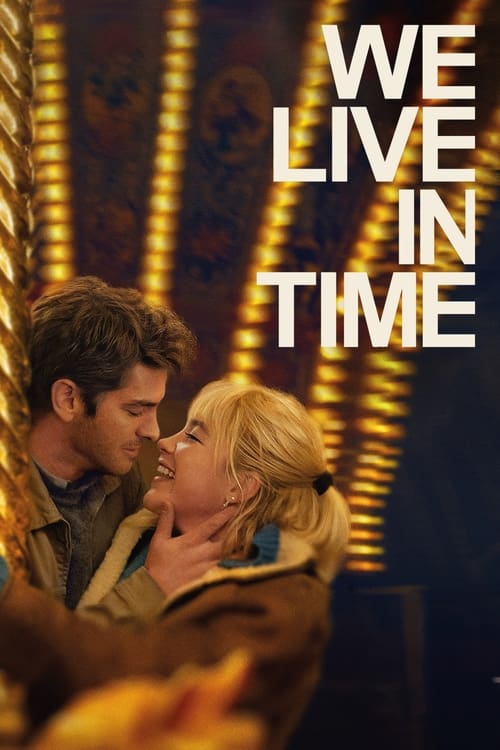
We Live in Time
2024An up-and-coming chef and a recent divorcée find their lives forever changed when a chance encounter brings them together, in a decade-spanning, deeply moving romance.
Pugh navigates the non-linear emotional architecture of this romance with a grounded vulnerability that keeps the story from drifting into sentimentality. Her chemistry with Andrew Garfield highlights her evolution into a sophisticated lead capable of carrying mature, character-driven dramas.
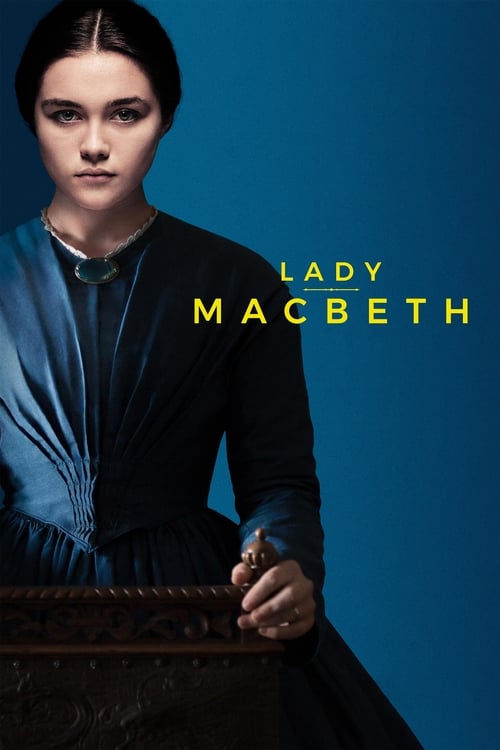
Lady Macbeth
2016Rural England, 1865. Katherine, suffocated by her loveless marriage to a bitter man and restrained by his father's tyranny, unleashes an irresistible force within her, so powerful that she will stop at nothing to get what she wants.
This breakout turn showcases a chilling, calculated stillness that remains the foundation of Pugh's screen presence. By subverting the trope of the Victorian victim, she announced herself as a performer who thrives in the dark, morally complex corners of the human psyche.
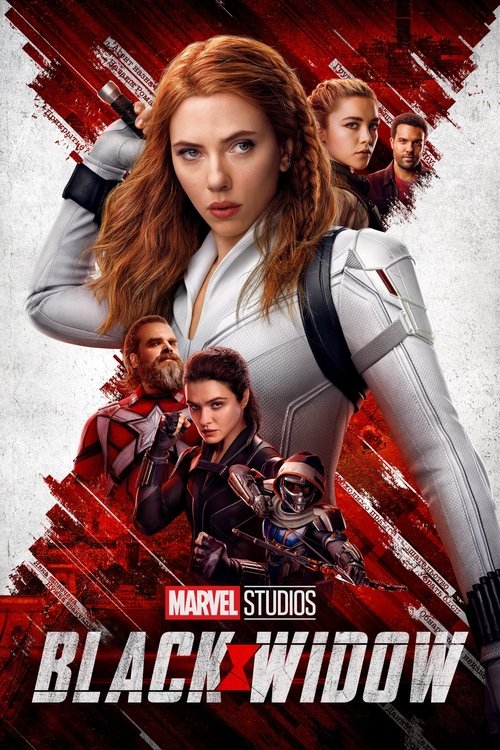
Black Widow
2021Natasha Romanoff, also known as Black Widow, confronts the darker parts of her ledger when a dangerous conspiracy with ties to her past arises. Pursued by a force that will stop at nothing to bring her down, Natasha must deal with her history as a spy and the broken relationships left in her wake long before she became an Avenger.
Providing a much-needed shot of cynical adrenaline to the MCU, Pugh’s Yelena Belova succeeds by leaning into deadpan sisterly friction rather than superhero tropes. It is a rare case of an actor hijacking a blockbuster franchise through sheer charisma and comedic timing.
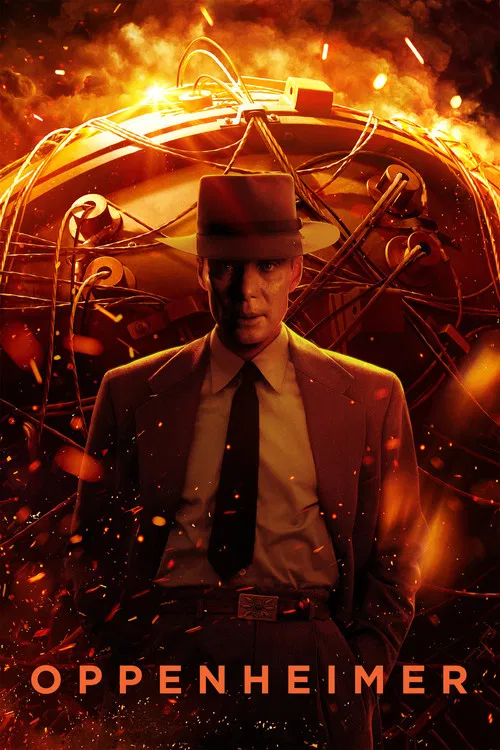
Oppenheimer
2023The story of J. Robert Oppenheimer's role in the development of the atomic bomb during World War II.
As Jean Tatlock, Pugh maximizes limited screen time to inject a haunting, tragic humanity into an otherwise clinical historical epic. She acts as the catalyst for the protagonist's inner turmoil, proving she can command the lens even within a massive ensemble cast.
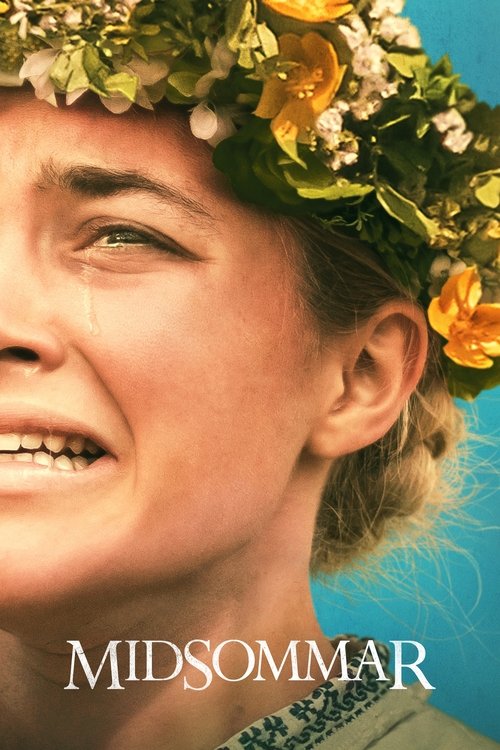
Midsommar
2019Several friends travel to Sweden to study as anthropologists a summer festival that is held every ninety years in the remote hometown of one of them. What begins as a dream vacation in a place where the sun never sets, gradually turns into a dark nightmare as the mysterious inhabitants invite them to participate in their disturbing festive activities.
In a masterclass of psychological unraveling, Pugh captures the visceral metamorphosis of grief through a performance that feels raw and almost dangerously exposed. This harrowing turn cemented her reputation as a generational talent capable of anchoring high-concept genre cinema with profound emotional depth.
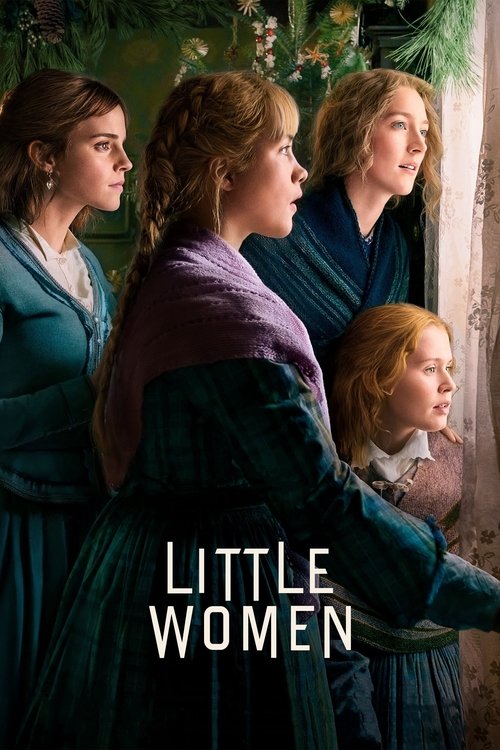
Little Women
2019Four sisters come of age in America in the aftermath of the Civil War.
Pugh accomplishes the impossible by transforming Amy March from a petulant historical brat into the film’s pragmatic, beating heart. This definitive reimagining earned her a rightful place among Hollywood’s elite through an exacting balance of commercial appeal and period-piece gravitas.
Frequently Asked Questions
Everything you need to know about this list and SnakeDrafts
- In Little Women, Florence Pugh delivers a nuanced and emotionally rich portrayal that captures the complexity of her character's ambitions and vulnerabilities. Her grounded intensity and chemistry with co-stars help elevate the film's dramatic and romantic elements.
- Midsommar allows Florence Pugh to explore horror and psychological thriller genres, where she conveys profound grief and terror with subtle facial expressions and vocal inflections. This performance highlights her ability to deeply connect with audience emotions in an unsettling narrative.
- Florence Pugh brings authenticity and emotional depth to Oppenheimer, grounding the historical narrative through her compelling portrayal of complex interpersonal dynamics. Her performance balances the weight of history with intimate character study.
- In Black Widow, Florence Pugh steps into the action-adventure and superhero genre, showcasing her versatility with physicality and wit. This role contrasts her dramatic performances by emphasizing action, comedic timing, and a dynamic relationship with Scarlett Johansson's character.
- Lady Macbeth is a standout early film that showcases Florence Pugh's intense and captivating dramatic skills, portraying a deeply conflicted and morally complex character. This role marked her emergence as a powerful dramatic actress.
- Florence Pugh's voice role in Puss in Boots: The Last Wish demonstrates her adaptability and charisma in animation, bringing warmth and humor through vocal performance. This contrasts with her live-action roles, where she often channels intense emotional depth and complexity.
- Florence Pugh frequently portrays characters experiencing intense emotional struggles, moral dilemmas, and personal growth, whether in historical dramas, psychological horror, or action films. This thematic consistency underscores her reputation for authenticity and emotional gravity.