The Best Viola Davis Movies Ranked: Iconic Roles and Powerful Performances
The Essential Filmography of a Modern Acting Titan
Explore the most powerful performances from Academy Award winner Viola Davis, from her breakout dramatic roles to commanding blockbuster leads.
About Viola Davis
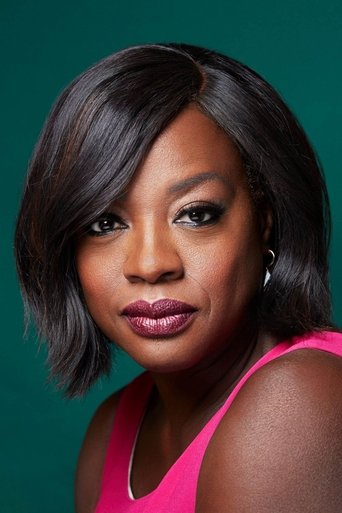
To watch Viola Davis on screen is to witness the physical weight of a soul. She possesses a rare, tectonic ability to shift the atmosphere of a room without saying a word, often relying on a stillness that feels more explosive than most actors' loudest outbursts. While the industry likes to categorize performers as either character actors or leading stars, she has spent decades proving that the distinction is irrelevant when you have the gravity of a supernova. Her presence is a masterclass in the economy of emotion, where a single trembling lip or a steady, unrelenting gaze says more than a dozen pages of dialogue ever could.
The world truly took notice when she entered the frame in Doubt, delivering an eleven minute performance that essentially recalibrated the expectations for modern acting. It was a brief window into a woman caught between impossible choices, yet it carried the density of a lifetime. That same raw, marrow deep honesty defined her work in The Help, where she anchored a glossy period drama with a quiet, revolutionary dignity. By the time she revisited the world of August Wilson for Fences, she wasn't just performing a role; she was exorcising the collective frustrations of a generation of women. Her portrayal of Rose Maxson remains a touchstone of American cinema, an achievement that cemented her status as an EGOT winner and a titan of the craft.
What draws audiences back to her work time and again is her refusal to sanitize the human experience. She finds the jagged edges in every character, whether she is playing a grieving mother in Prisoners or the formidable, high stakes strategist Amanda Waller in The Suicide Squad. There is a lack of vanity in her process that feels almost dangerous. In Ma Rainey's Black Bottom, she leaned into the sweat, the smeared makeup, and the uncompromising ego of a blues legend, forcing the viewer to confront a woman who refused to be small. Even when she ventures into blockbuster territory, like her turn as a terrifyingly eccentric villain in The Hunger Games: The Ballad of Songbirds & Snakes, she imbues the artifice with a grounded, chilling reality.
Her recent evolution into an action lead with The Woman King showcased a different kind of alchemy, proving that her emotional intensity translates seamlessly into physical prowess. Across a filmography that spans the heist grit of Widows, the corporate poise of Air, and the heart wrenching vulnerability of Antwone Fisher, she has rewritten the blueprint for what a Black leading woman can achieve in Hollywood. She does not just inhabit stories; she demands they be told with more integrity. To follow her career is to watch an artist who has moved from the sidelines to the center of the frame, not by changing who she is, but by forcing the world to finally look closer.
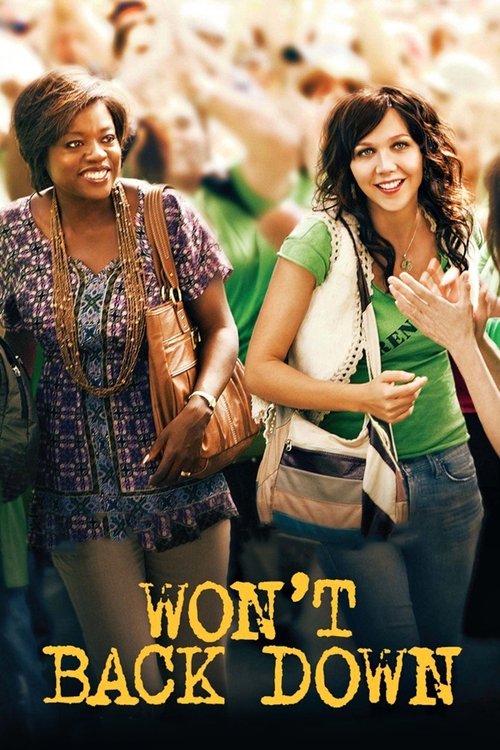
Won't Back Down
2012Jamie Fitzpatrick and Nona Alberts are two women from opposites sides of the social and economic track, but they have one thing in common: a mission to fix their community's broken school and ensure a bright future for their children. The two women refuse to let any obstacles stand in their way as they battle a bureaucracy that's hopelessly mired in traditional thinking, and they seek to re-energize a faculty that has lost its passion for teaching.

Kung Fu Panda 4
2024Po is gearing up to become the spiritual leader of his Valley of Peace, but also needs someone to take his place as Dragon Warrior. As such, he will train a new kung fu practitioner for the spot and will encounter a villain called the Chameleon who conjures villains from the past.
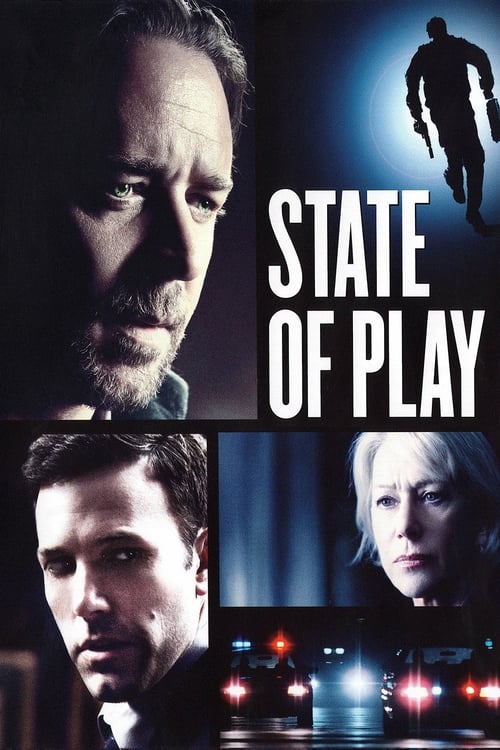
State of Play
2009When a congressional aide is killed, a Washington, D.C. journalist starts investigating the case involving the Representative, his old college friend.
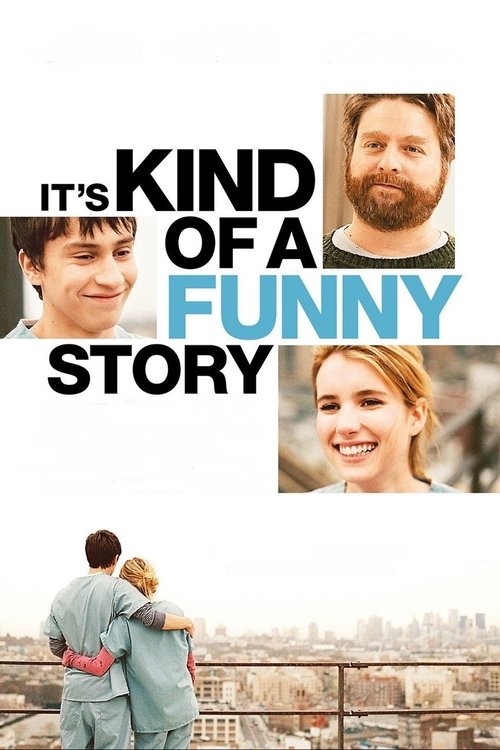
It's Kind of a Funny Story
2010A clinically depressed teenager gets a new start after he checks himself into an adult psychiatric ward.
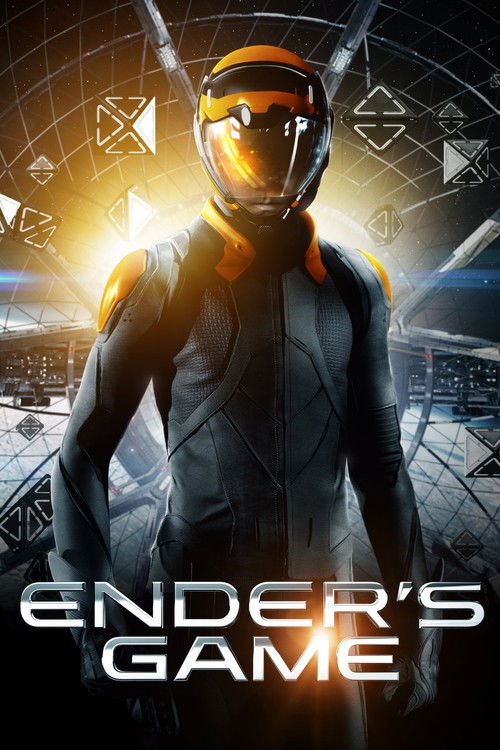
Ender's Game
2013Based on the classic novel by Orson Scott Card, Ender's Game is the story of the Earth's most gifted children training to defend their homeplanet in the space wars of the future.

Troop Zero
2019In rural 1977 Georgia, a misfit girl dreams of life in outer space. When a national competition offers her a chance at her dream, to be recorded on NASA’s Golden Record, she recruits a makeshift troupe of Birdie Scouts, forging friendships that last a lifetime and beyond.
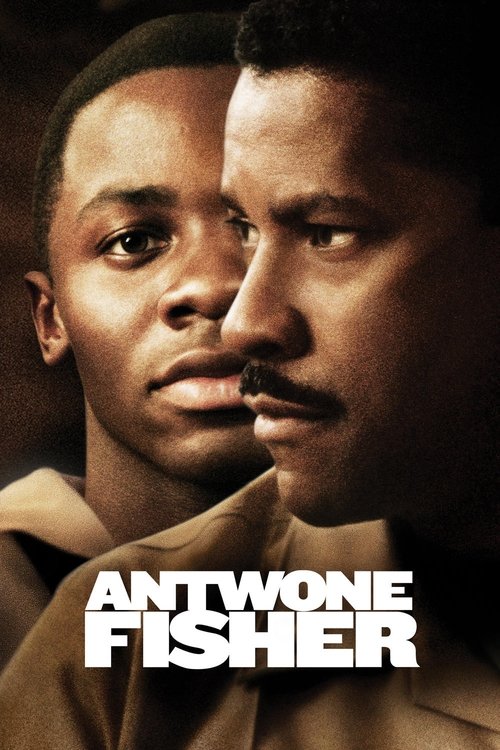
Antwone Fisher
2002A sailor prone to violent outbursts is sent to a naval psychiatrist for help. Refusing at first to open up, the young man eventually breaks down and reveals a horrific childhood. Through the guidance of his doctor, he confronts his painful past and begins a quest to find the family he never knew.
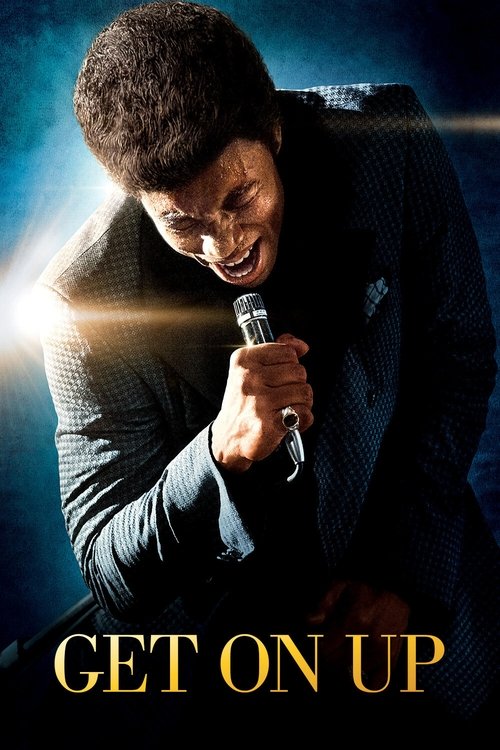
Get On Up
2014A chronicle of James Brown's rise from extreme poverty to become one of the most influential musicians in history.
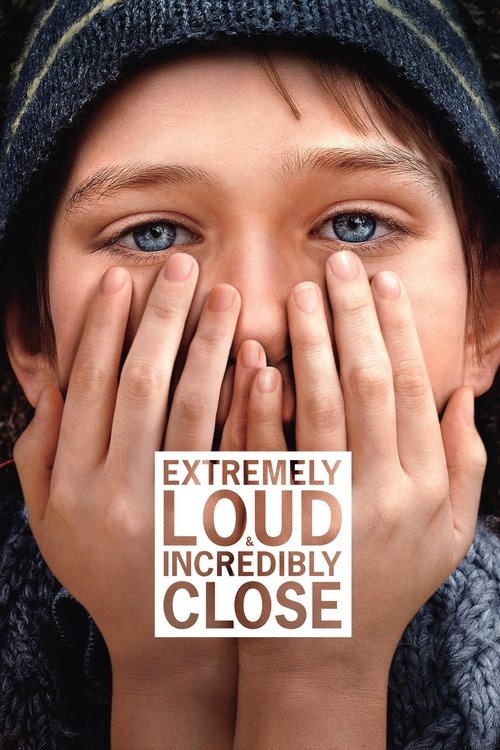
Extremely Loud & Incredibly Close
2011A year after his father's death, Oskar, a troubled young boy, discovers a mysterious key he believes was left for him by his father and embarks on a scavenger hunt to find the matching lock.

The Hunger Games: The Ballad of Songbirds & Snakes
202364 years before he becomes the tyrannical president of Panem, Coriolanus Snow sees a chance for a change in fortunes when he mentors Lucy Gray Baird, the female tribute from District 12.
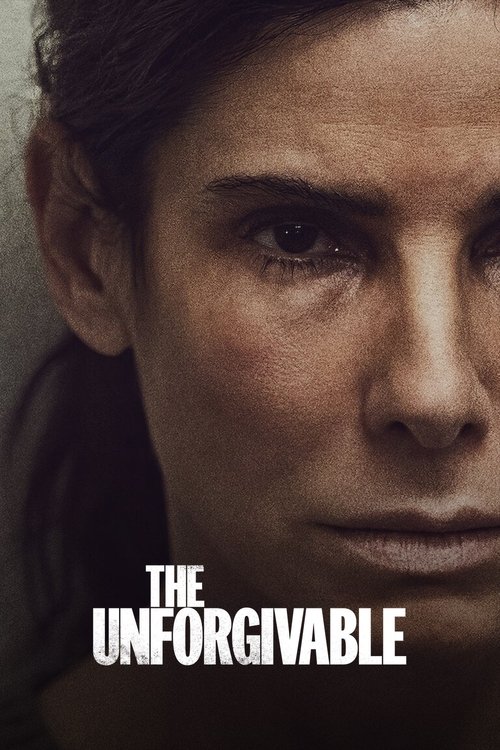
The Unforgivable
2021A woman is released from prison after serving a sentence for a violent crime and re-enters a society that refuses to forgive her past.
Even in a supporting capacity, Davis provides a sharp ideological foil by injecting the narrative with a much-needed sense of skepticism and protective heat. She maximizes her limited scenes to challenge the audience's sympathies, reminding viewers that her moral clarity is a vital narrative tool.
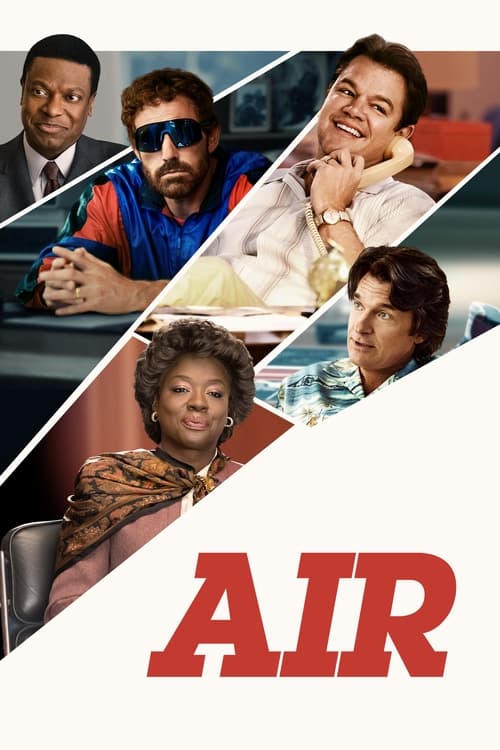
Air
2023Discover the game-changing partnership between a then undiscovered Michael Jordan and Nike's fledgling basketball division which revolutionized the world of sports and culture with the Air Jordan brand.
Requested specifically by Michael Jordan for the role, Davis brings a regal composure to the screen that dictates the terms of every negotiation. Her performance is a study in soft power, proving that a steady voice and a knowing smile can move mountains in a corporate boardroom.
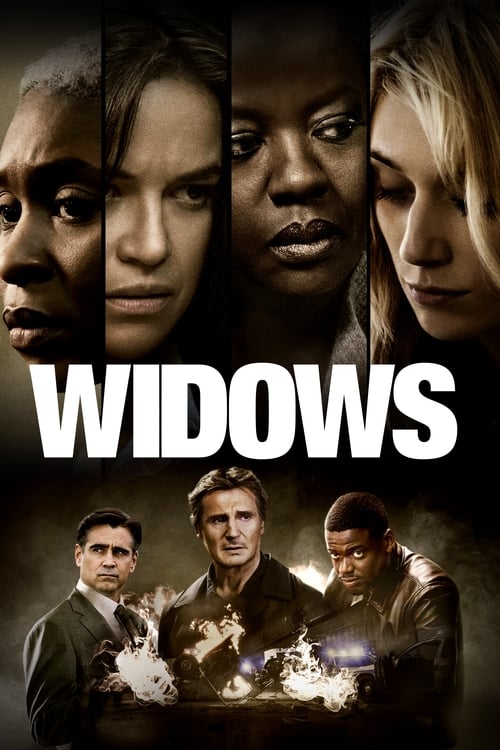
Widows
2018A police shootout leaves four thieves dead during an explosive armed robbery attempt in Chicago. Their widows have nothing in common except a debt left behind by their spouses' criminal activities. Hoping to forge a future on their own terms, they join forces to pull off a heist.
Leading a high-stakes heist, Davis thrives in the space between steely pragmatism and raw, widowly grief. She carries the film's structural weight with a sharp, no-nonsense grit that reinvented her as a formidable lead in the contemporary thriller genre.
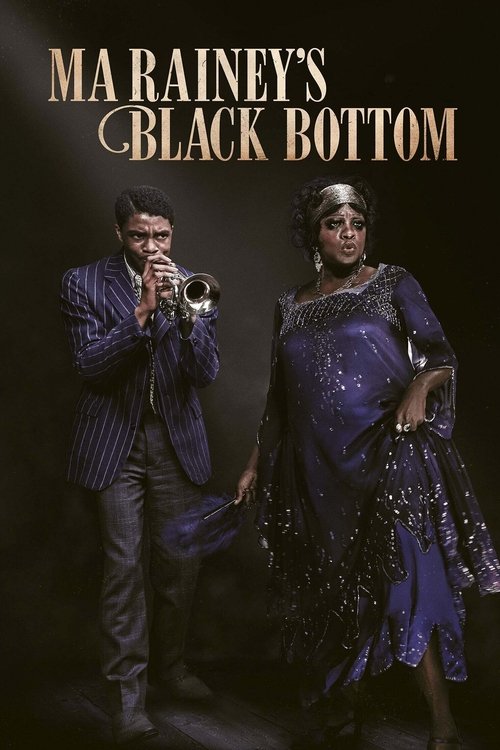
Ma Rainey's Black Bottom
2020Tensions rise when the trailblazing Mother of the Blues and her band gather at a Chicago recording studio in 1927. Adapted from August Wilson's play.
Disappearing behind gold teeth and layers of greasepaint, Davis captures the sweat-soaked friction of a woman refusing to be commodified. It is a bold, transformative swing that showcases her willingness to be abrasive and ugly in the pursuit of a character's uncompromising truth.
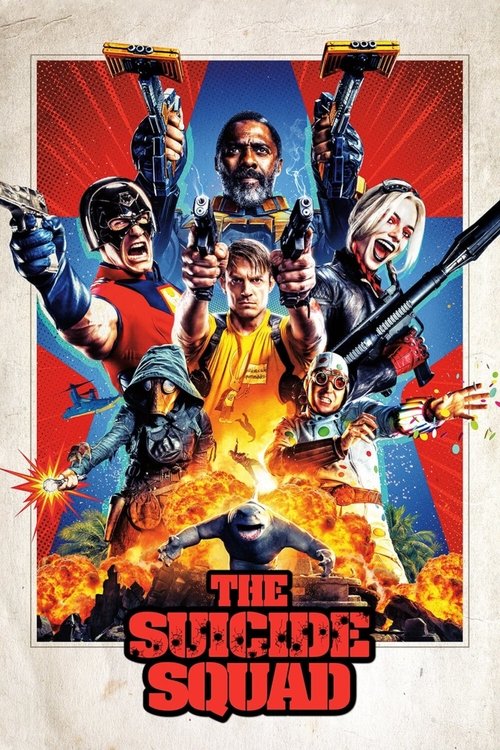
The Suicide Squad
2021Supervillains Harley Quinn, Bloodsport, Peacemaker and a collection of nutty cons at Belle Reve prison join the super-secret, super-shady Task Force X as they are dropped off at the remote, enemy-infused island of Corto Maltese.
Davis weaponizes her natural authority to create a bureaucratic monster who is more intimidating than any of the film’s actual supervillains. By leaning into a cold, transactional ruthlessness, she provides a necessary cynical weight to the surrounding comic book chaos.
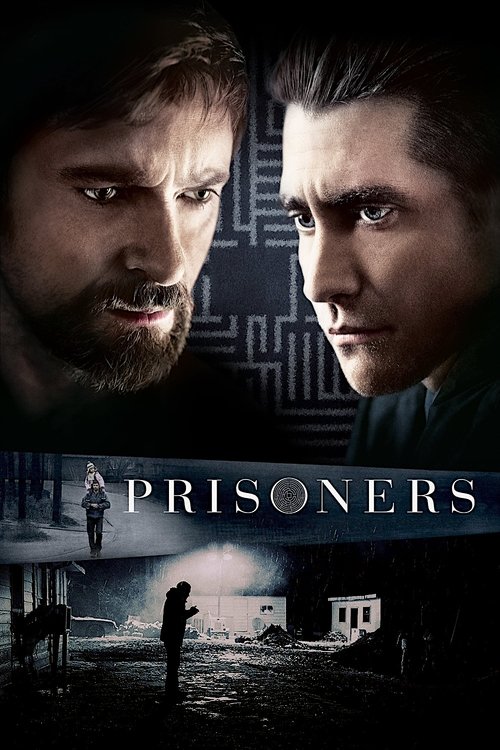
Prisoners
2013Keller Dover is facing every parent’s worst nightmare. His six-year-old daughter, Anna, is missing, together with her young friend, Joy, and as minutes turn to hours, panic sets in. The only lead is a dilapidated RV that had earlier been parked on their street.
Within a sprawling ensemble of grief, Davis distinguishes herself by portraying a mother whose internal collapse is terrifyingly still. She avoids the theatricality of trauma to offer a grounded, chillingly recognizable portrait of a parent pushed to the absolute brink of morality.
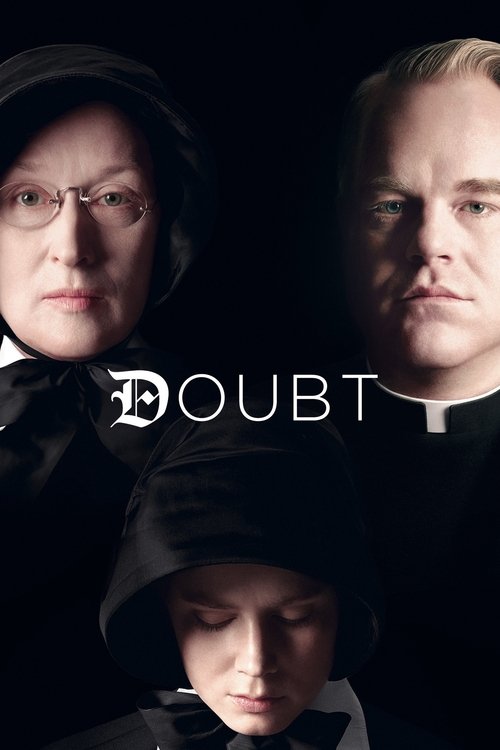
Doubt
2008In 1964 Bronx, two Catholic school nuns question the new priest's ambiguous relationship with a troubled African-American student.
With barely eight minutes of screen time, Davis halted the momentum of industry titans to deliver one of the most impactful cameos in modern film history. This brief yet volcanic appearance served as a definitive notice to Hollywood that her presence alone could shift the entire moral axis of a story.
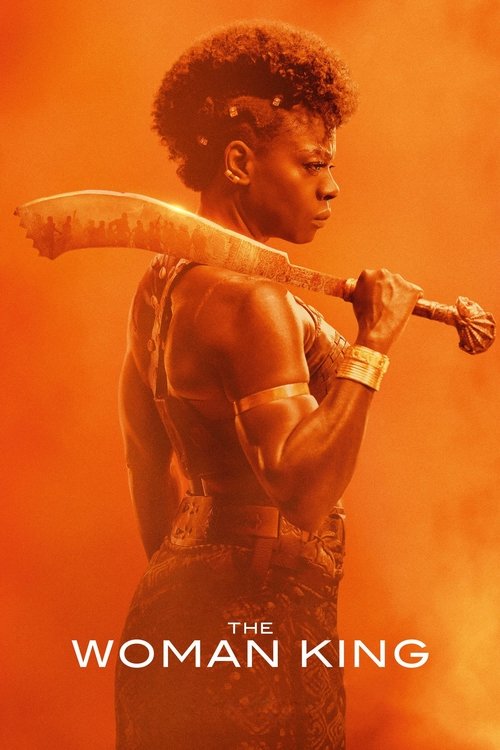
The Woman King
2022The story of the Agojie, the all-female unit of warriors who protected the African Kingdom of Dahomey in the 1800s with skills and a fierceness unlike anything the world has ever seen, and General Nanisca as she trains the next generation of recruits and readies them for battle against an enemy determined to destroy their way of life.
Transforming into a battle-hardened general, Davis redefines the late-career action pivot by infusing physical intensity with a heavy, historical gravity. She commands the screen with a ferocious physicality that proves her dramatic authority translates perfectly to the scale of an epic blockbuster.
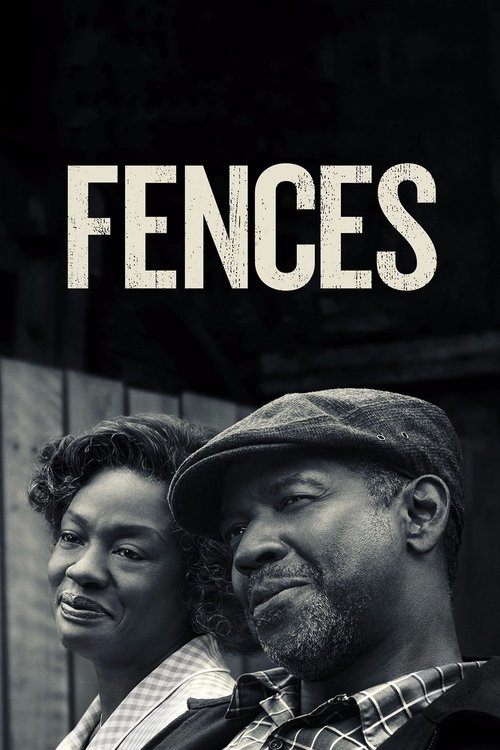
Fences
2016In 1950s Pittsburgh, a frustrated African-American father struggles with the constraints of poverty, racism, and his own inner demons as he tries to raise a family.
In a masterclass of emotional transparency, Davis deconstructs the long-suffering spouse archetype to find something far more jagged and visceral. This powerhouse turn secured her Oscar legacy by proving she could go toe-to-toe with the stage's most demanding dialogue and emerge as the film's undeniable heartbeat.
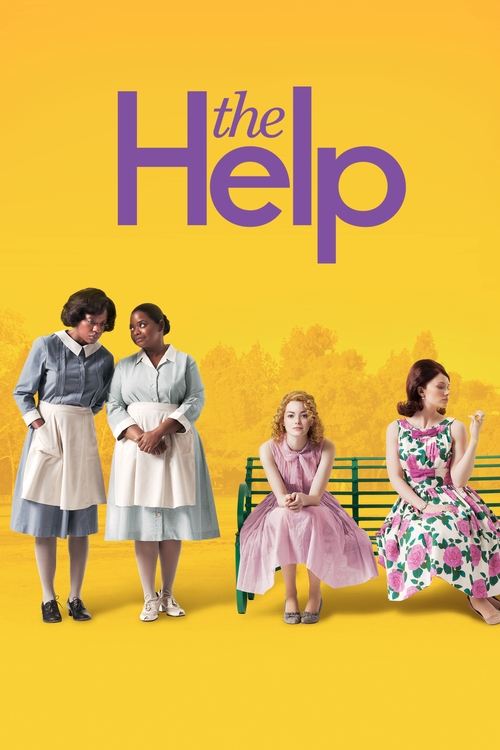
The Help
2011Aibileen Clark is a middle-aged African-American maid who has spent her life raising white children and has recently lost her only son; Minny Jackson is an African-American maid who has often offended her employers despite her family's struggles with money and her desperate need for jobs; and Eugenia "Skeeter" Phelan is a young white woman who has recently moved back home after graduating college to find out her childhood maid has mysteriously disappeared. These three stories intertwine to explain how life in Jackson, Mississippi revolves around "the help"; yet they are always kept at a certain distance because of racial lines.
Davis anchors this period drama with a quiet, bone-deep dignity that elevated her from a character actor to a household name. Her ability to telegraph decades of systemic exhaustion through a single weary glance remains the gold standard for understated cinematic endurance.
Frequently Asked Questions
Everything you need to know about this list and SnakeDrafts
- Viola Davis delivers a commanding performance in 'The Woman King,' a historical war drama directed by Gina Prince-Bythewood. Her role highlights her ability to anchor intense, action-packed narratives with emotional depth.
- 'Doubt' is the film where Viola Davis shines in a drama centered on moral uncertainty and suspicion. Directed by John Patrick Shanley, her performance elevates the intense emotional and ethical conflicts of the story.
- Viola Davis has notable roles in crime thrillers such as 'Prisoners' and 'Widows,' where her intense and nuanced performances contribute to the suspense and emotional tension. These films demonstrate her versatility in balancing vulnerability and strength.
- 'Ma Rainey's Black Bottom' and 'Get On Up' showcase Viola Davis's talent in blending musical narratives with historical contexts. Her portrayal in these films brings cultural authenticity and powerful emotional resonance.
- Yes, Viola Davis stars in 'The Hunger Games: The Ballad of Songbirds & Snakes,' a science fiction action film, marking her presence in a major franchise. Additionally, she plays a role in the action-packed 'The Suicide Squad,' blending comedy and adventure effectively.
- Viola Davis has significant roles in two films directed by Denzel Washington: 'Fences' and 'Antwone Fisher.' Both movies allow her to explore deeply emotional and historical themes, showcasing her commanding screen presence.
- Viola Davis often stars in films that explore themes of resilience, moral complexity, and social justice. Dramas like 'Fences' and 'The Help' highlight her ability to portray powerful women facing personal and societal challenges.
- Viola Davis brings a profound stillness and emotional weight to her roles, creating a magnetic screen presence. Her performances often shift the atmosphere of a scene with subtlety, intensifying the film's dramatic impact.

