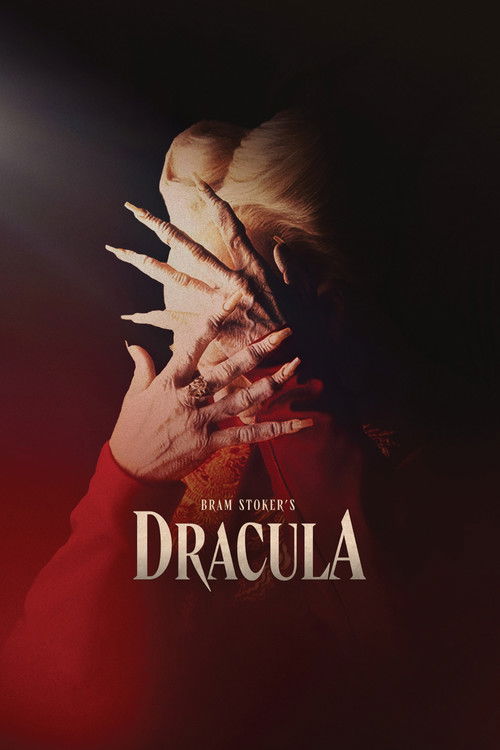
Bram Stoker's Dracula
Unleash your inner vampire with Francis Ford Coppola's visually stunning and passionately dark adaptation of the classic Bram Stoker novel. This cinematic masterpiece bites deep into themes of eternal love, insatiable desire, and the chilling cost of immortality, making it a must-watch for horror and romance enthusiasts alike.
Director
Release Year
1992
Runtime
128 minutes
Main Cast
Gary Oldman, Winona Ryder, Anthony Hopkins, Keanu Reeves, Sadie Frost
About Bram Stoker's Dracula
Francis Ford Coppola's *Bram Stoker's Dracula* (1992) stands as a richly textured cinematic immersion into the heart of Gothic horror. Far from a mere retelling, Coppola reimagines the timeless tale with a fervent emphasis on romantic tragedy and lavish visual artistry, drawing directly from Stoker's epistolary novel while infusing it with his signature operatic grandeur. The film's distinct aesthetic, characterized by its practical effects and homage to early cinema techniques, contributed significantly to its critical and commercial success, solidifying its place as a visually groundbreaking work.
The narrative unfurls as Count Dracula, portrayed with magnetic intensity by Gary Oldman, journeys from his Транsilvanian castle to Victorian London in pursuit of Mina Murray, who bears an uncanny resemblance to his long-lost love, Elisabeta. This central premise, steeped in themes of reincarnation and undying devotion, forms the emotional core of the film, elevating it beyond a simple monster movie. The film cleverly dissects the nature of good and evil, love and obsession, through its complex characters, including Anthony Hopkins's eccentric yet determined Professor Van Helsing and Winona Ryder's conflicted Mina.
Upon its release, *Bram Stoker's Dracula* garnered considerable critical acclaim, particularly for its breathtaking production design, authentic costume work by Eiko Ishioka (which earned her an Academy Award), and the evocative soundtrack. While some critics debated the performances of certain cast members, the film's overall ambition and stylistic audacity were widely praised. It was a significant box office success, demonstrating the enduring appeal of the Dracula mythos when approached with artistic vision and a deep understanding of its literary roots.
The legacy of *Bram Stoker's Dracula* endures as a captivating and influential horror romance. It re-energized the vampire genre, inspiring subsequent adaptations and interpretations. Its visual language, a blend of the classical and the avant-garde, continues to be studied and admired, solidifying its status not just as a memorable film, but as a significant cultural artifact that redefined how the legendary vampire could be portrayed on screen. The film remains a testament to Coppola's bold vision and the timeless power of Stoker's original narrative.
Drafts Featuring Bram Stoker's Dracula
Every SnakeDrafts listicle where this movie appears
The Best Keanu Reeves Movies Ranked
Ranked #12
Best Winona Ryder Movies as an Actress
Ranked #7
Gary Oldman Movies Ranked: The Chameleonic Acting Legend's Essential Filmography
Ranked #11
The Greatest Monica Bellucci Movies Ever
Ranked #4
Francis Ford Coppola's Greatest Films Ranked
Ranked #7
The Greatest Films of 1992
Ranked #36
Top 1992 Horror Movies Ranked
Ranked #2
Best 1990s Horror Movies Ranked
Ranked #6
Similar Movies
Movies related to Bram Stoker's Dracula
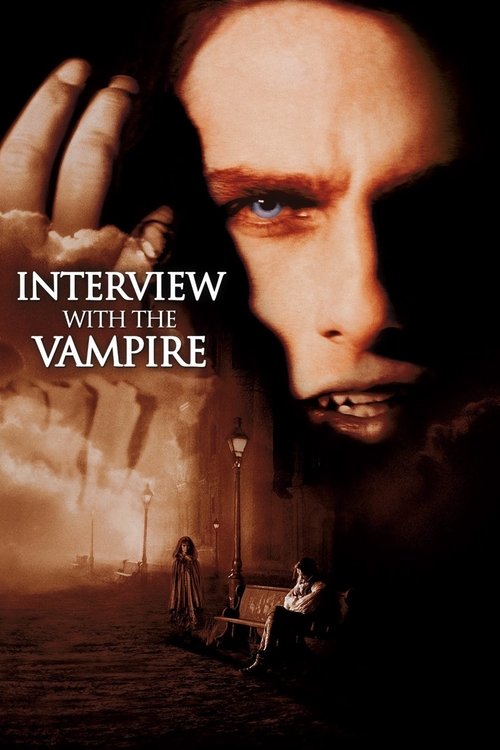
Interview with the Vampire
1994
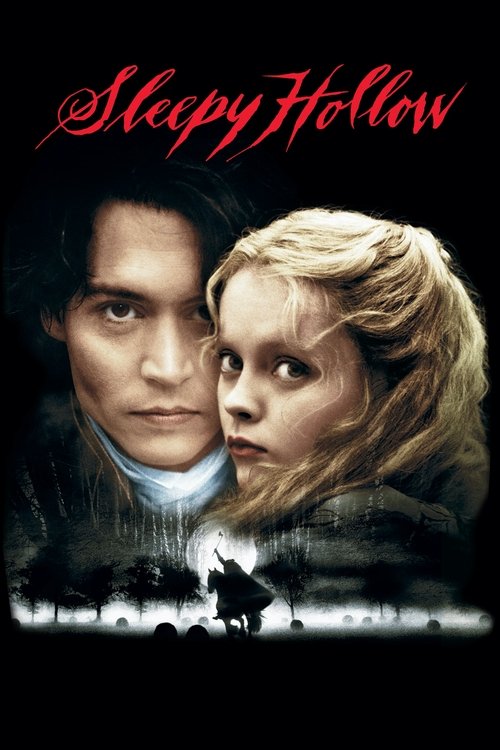
Sleepy Hollow
1999
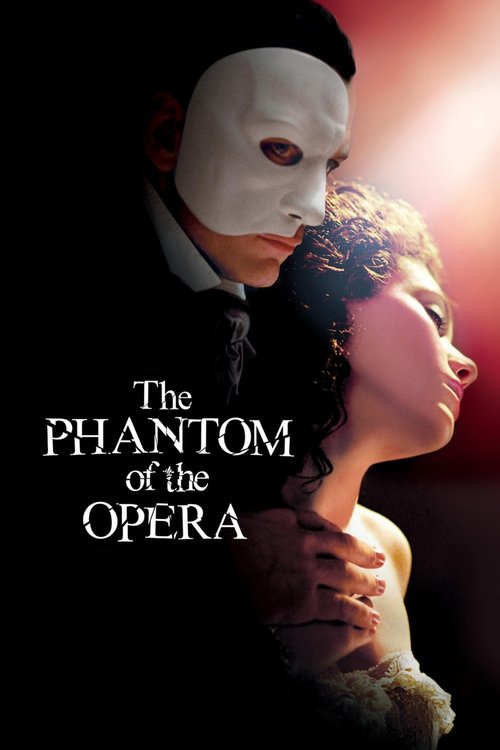
The Phantom of the Opera
2004
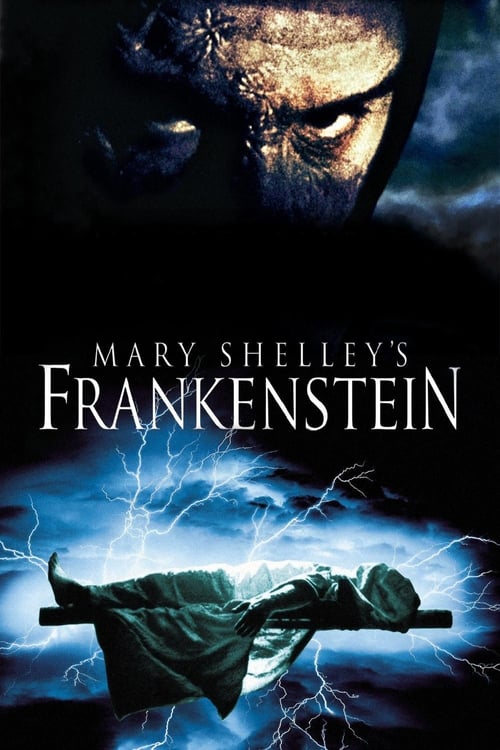
Mary Shelley's Frankenstein
1994
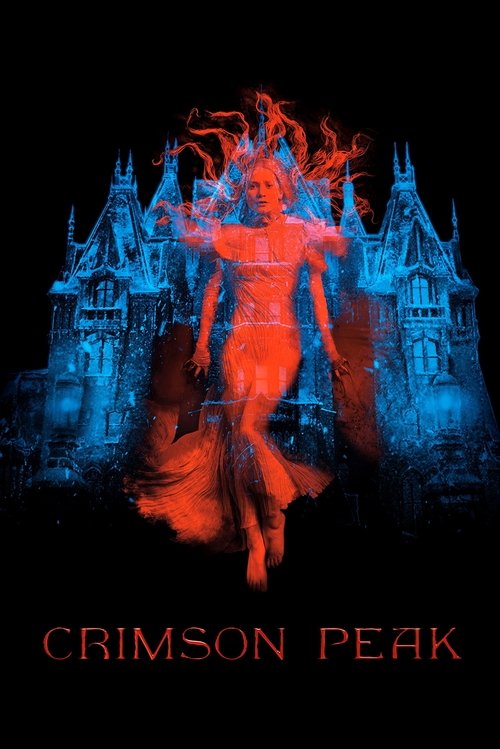
Crimson Peak
2015
Frequently Asked Questions
Everything you need to know about Bram Stoker's Dracula
- Dracula's anatomical armor is a powerful visual metaphor for his raw, animalistic nature and his centuries of enduring physical and emotional torment. It symbolizes his heart, constantly exposed and vulnerable despite his monstrous exterior, hinting at the tragic romantic core beneath the horror.
- Mina's ultimate choice is complex and open to interpretation, reflecting the film's nuanced exploration of love and fate. While she participates in his final rites, it's driven by a profound empathy and understanding of his cursed existence, rather than a full embrace of his vampiric life. It's an act of compassion, releasing him from his immortal torment and perhaps herself from his psychological thrall.
- The surreal green fairy sequence during Lucy's transformation into a vampire visually represents the seductive and intoxicating allure of damnation and forbidden pleasure. It symbolizes the abandonment of Victorian societal restraints and her descent into a more primal, unfettered existence, heightened by the hallucinatory effects of the vampire's bite.
- The ending of *Bram Stoker's Dracula* offers a poignant and almost redemptive closure for the titular character. By finally reuniting with his beloved Elisabeta in death and finding peace, Dracula is released from his eternal curse and immense suffering, transforming a tale of horror into a tragic love story with a definitive, albeit bittersweet, resolution.
- The use of shadow puppets throughout the film serves as a brilliant homage to early cinematic techniques and adds an ethereal, dreamlike quality to Dracula's supernatural powers. They visually convey his ability to manipulate reality and his pervasive, unseen influence, enhancing the film's Gothic atmosphere and theatricality while underscoring its timeless nature.

