Best Movies Starring Nastassja Kinski
Essential Performances of a Global Cinema Icon
Discover the most legendary films and iconic performances of Nastassja Kinski, from breakthrough arthouse classics to major Hollywood dramas.
About Nastassja Kinski

In the late seventies, a specific kind of cinematic haunting began to take shape on screen, embodied by a woman who seemed to exist in a permanent state of transit between innocence and something far more ancient. Nastassja Kinski arrived not just as a successor to a complicated acting lineage, but as a visceral, visual event. There is an unmistakable weight to her presence that bypasses traditional performance. Whether she is wrapped in a thick wool sweater or draped in a legendary red mohair cardigan, she carries a gaze that suggests she is holding a secret even the director hasn’t been told yet.
Her arrival in the global consciousness was cemented by Roman Polanski’s Tess, where she transformed an 1890s farm girl into a figure of timeless, tragic defiance. It was a role that defined the Kinski archetype: the survivor who remains fundamentally unreachable. Audiences connect with her because she resists the easy warmth of a typical leading lady. There is a perceptible distance even in her most intimate scenes, a quality that Paul Schrader exploited to primal effect in Cat People. As a woman discovering a predatory, feline heritage, she tapped into a raw, feral energy that few of her contemporaries could touch. She didn't just play a character undergoing a transformation; she became a high-fashion nightmare of erotic tension and animalistic dread.
If there is a single image that defines her cultural footprint, it is her reflection through the one-way glass in Paris, Texas. As Jane, the lost mother discovered in a Houston peep show, she delivers a masterclass in stillness. She manages to convey an entire lifetime of regret and longing while barely moving her lips, turning Wim Wenders’ desert odyssey into a heart-wrenching meditation on the impossibility of truly knowing another person. This collaboration with Wenders would prove to be a recurring soulful frequency in her career, later seen in the ethereal, melancholic beauty of Faraway, So Close! and her early, wordless breakthrough in Wrong Move.
Her versatility often took her into the eccentric corners of American cinema, such as the whimsical chaos of The Hotel New Hampshire or the neon-soaked artifice of Francis Ford Coppola’s One from the Heart. In Maria’s Lovers, she showcased an ability to anchor gritty, post-war dramas with a face that seemed stolen from a classical painting. Even when she moved into grander historical spectacles like Revolution or the stark, snowy landscapes of The Claim, her magnetism remained centered on her eyes. They possess a restless intelligence that found a natural home in the fractured, dream-logic world of David Lynch’s Inland Empire.
By the time she appeared in later works like the harrowing war drama Savior or the family tensions of An American Rhapsody and Town & Country, it was clear that Kinski had moved beyond the label of a muse. She remains a rare artifact of the celluloid age, an actor whose power lies in her refusal to be fully understood. To watch her is to engage with a mystery that never quite resolves, a quality that keeps her filmography feeling modern and provocative decades after her first appearance in the occult shadows of To the Devil a Daughter. She is a reminder that the most enduring movie stars are the ones who allow the camera to watch them while they are busy looking at something we can't see.

Stay as You Are
1978A married Roman landscape architect starts an affair with a young woman who might be a shadow from his past.
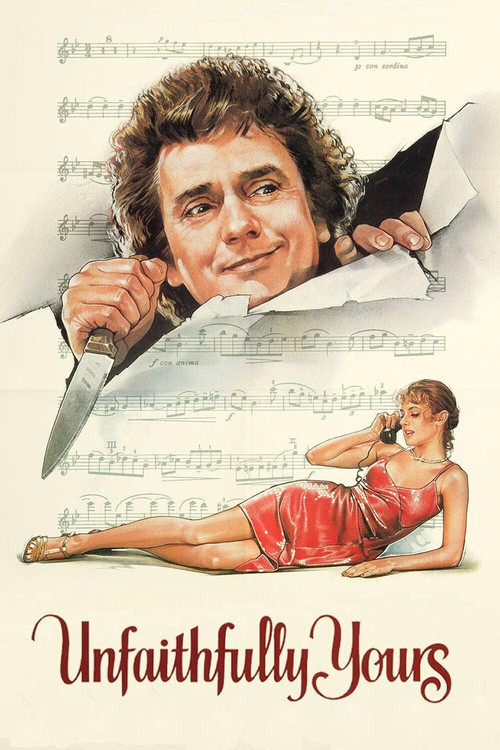
Unfaithfully Yours
1984A composer—who suspects his wife of cheating—plots to kill her and frame it on her lover, but things don't turn out as planned.
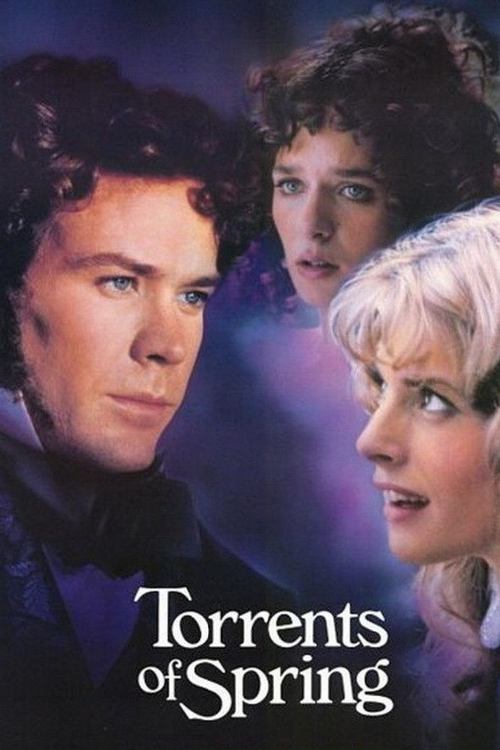
Torrents of Spring
1989In 1840, a young Russian aristocrat, Dimitri Sanin, is returning home after a long tour of Europe. In Germany, he falls in love with a beautiful pastry shop girl, Gemma Rosselli, who soon starts sharing his feelings. They decide to get married and, in order to finance the wedding, Dimitri goes back to Russia to sell his family estate. Unfortunately he falls prey to a seductress, Princess Maria Nikolaevna, who pretends to be willing to buy his land to come nearer him. Now Sanin is in a fix: should he choose the pure Gemma or the evil but irresistible Maria?
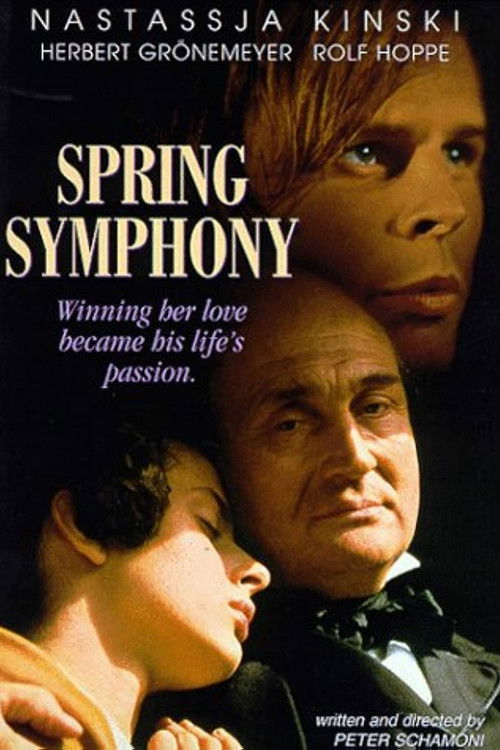
Spring Symphony
1983"Spring Symphony" is the story of Robert Schumann and Clara Wieck. Both were music entities. Robert Schumann turns out to have been a second tier composer, if that, never rising to the heights of a Beethoven or Mozart. In contrast, Clara Wieck was a master technician in the playing of the piano, a composer (probably not at Schumann's level), and was a child prodigy.
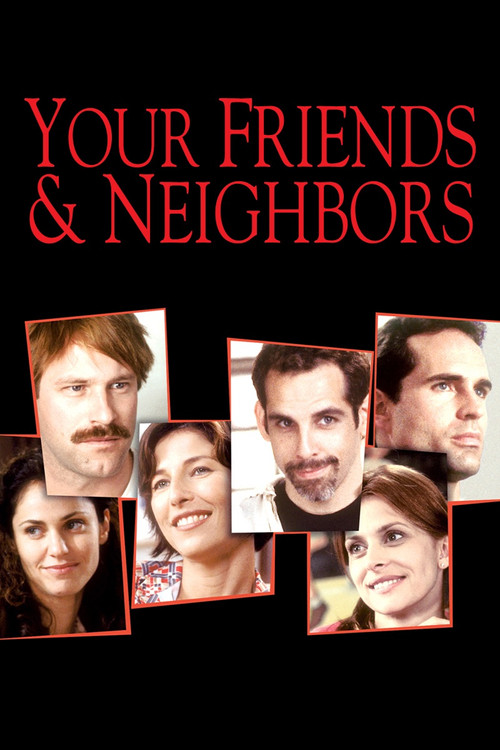
Your Friends & Neighbors
1998Restless and unhappy, two couples get caught up in infidelity and deception. Barry is a sullen businessman married to Mary, a writer who is unsatisfied with their relationship. Mary begins an affair with Jerry, a smug theater professor and husband of her friend, Terri, who is also a writer. Adding to the adulterous mix are Cary, a callous doctor, and Cheri, an art-gallery assistant.
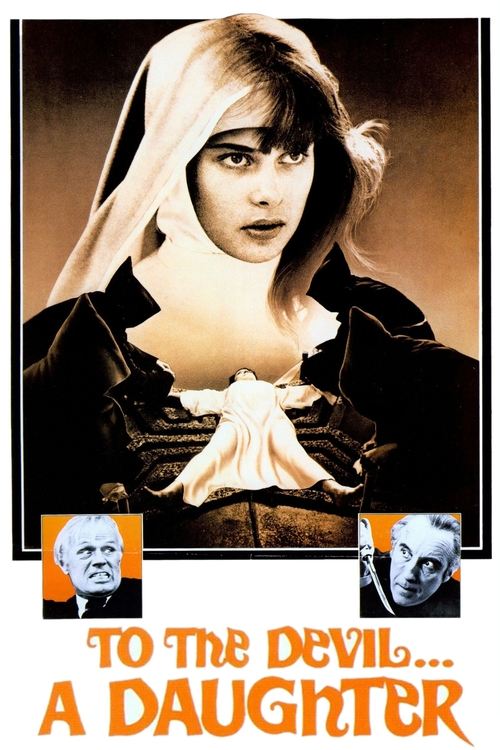
To the Devil a Daughter
1976An American occult novelist battles to save the soul of a young girl from a group of Satanists, led by an excommunicated priest, who plan on using her as the representative of the Devil on Earth.
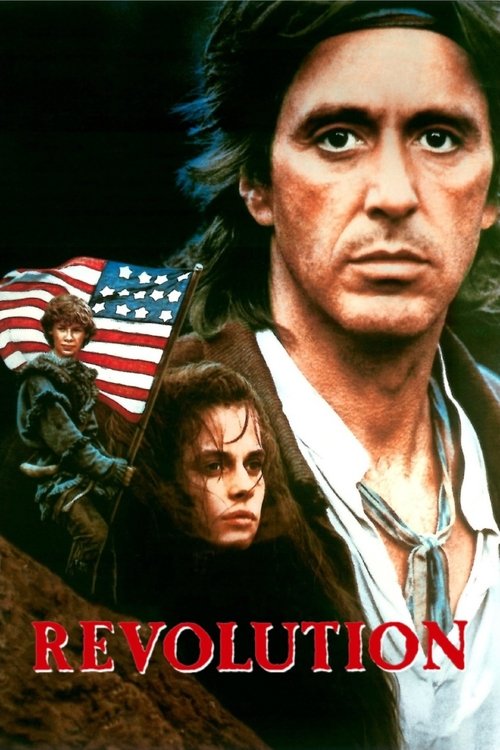
Revolution
1985New York trapper Tom Dobb becomes an unwilling participant in the American Revolution after his son Ned is drafted into the Army by the villainous Sergeant Major Peasy. Tom attempts to find his son, and eventually becomes convinced that he must take a stand and fight for the freedom of the Colonies, alongside the aristocratic rebel Daisy McConnahay. As Tom undergoes his change of heart, the events of the war unfold in large-scale grandeur.
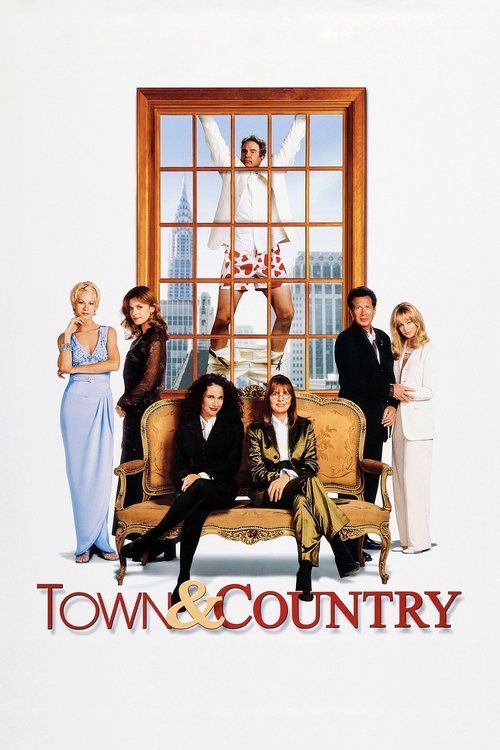
Town & Country
2001Porter Stoddard is a well-known New York architect who is at a crossroads... a nexus where twists and turns lead to myriad missteps, some with his wife Ellie, others with longtime friends Mona and her husband Griffin. Deciding which direction to take often leads to unexpected encounters with hilarious consequences.
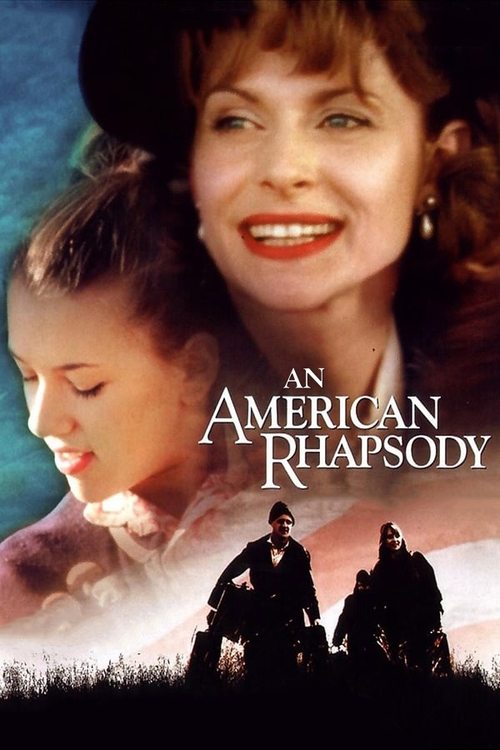
An American Rhapsody
2001A Hungarian family forced to flee the Communist country for the United States must leave a young daughter behind. Six years later, the family arranges to bring the absent daughter to the United States where she has trouble adjusting. The daughter then decides to travel to Budapest to discover her identity.
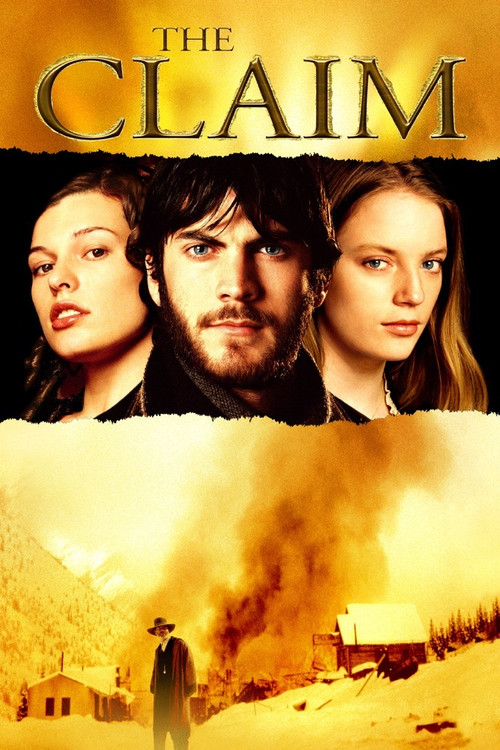
The Claim
2000A prospector sells his wife and daughter to another gold miner for the rights to a gold mine. Twenty years later, the prospector is a wealthy man who owns much of the old west town named Kingdom Come. But changes are brewing and his past is coming back to haunt him. A surveyor and his crew scouts the town as a location for a new railroad line and a young woman suddenly appears in the town and is evidently the man's daughter.
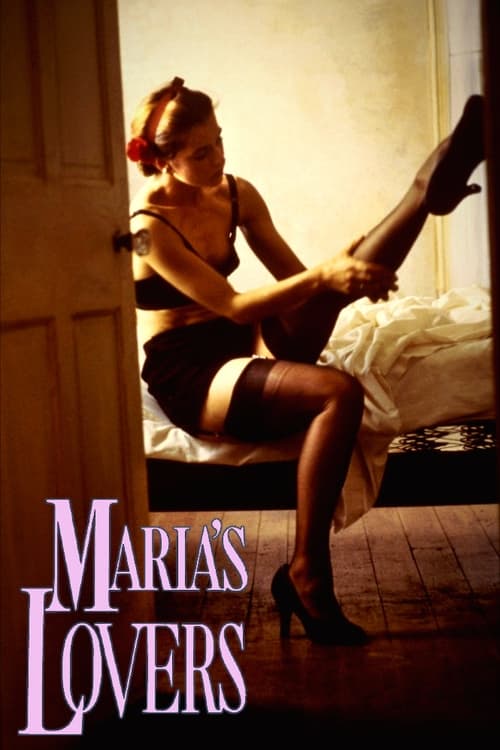
Maria's Lovers
1984A World War II prisoner returns home to his childhood sweetheart. However, back home, he discovers that he has to compete to win her love.
Kinski portrays the titular Maria with a desperate, radiant longing that anchors Konchalovsky’s exploration of post-war trauma. She manages to find the dignity within a claustrophobic marriage, turning an internal struggle into a captivating visual poem of endurance.
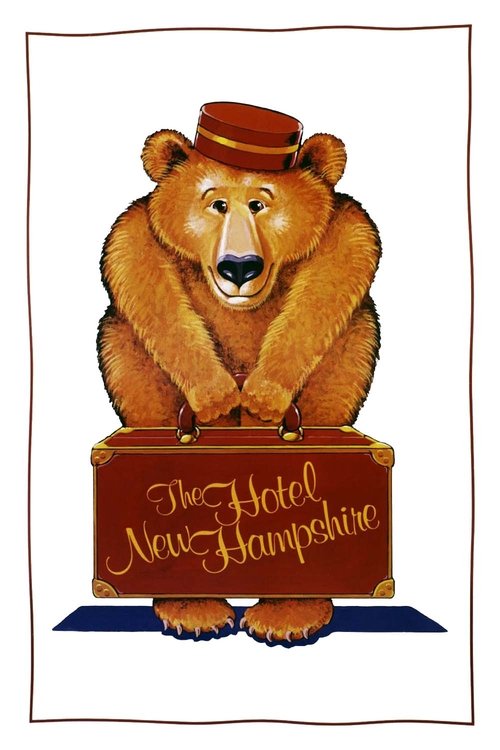
The Hotel New Hampshire
1984Over the course of several years beginning in the 1950s, a man and his oddball family run hotels in New England and Vienna, as unexpected events change their lives forever.
Playing a woman perpetually costumed in a bear suit, Kinski embraces the eccentricities of John Irving’s world with surprising pathos. This performance highlights her willingness to lean into the absurd while maintaining a grounded, human core amidst a chaotic ensemble.
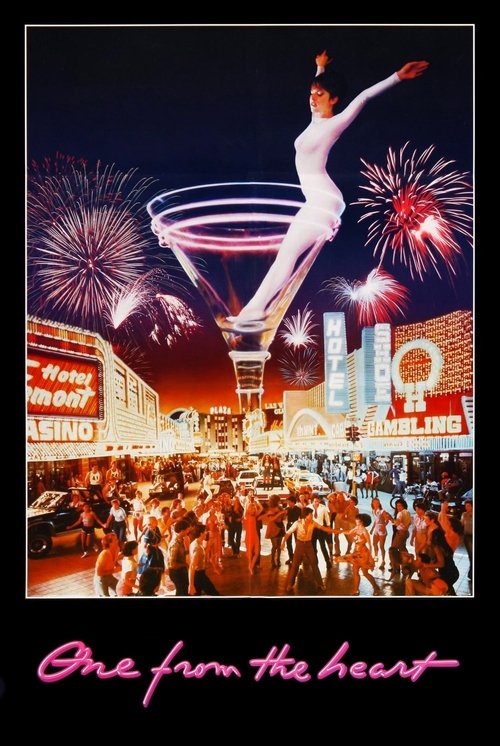
One from the Heart
1982In a dazzling, dreamlike Las Vegas, longtime couple Hank and Frannie break up on their fifth anniversary and each pursue the fantasy of new love over one neon-soaked night—he with a free-spirited acrobat, she with a seductive musician. But as illusion and reality blur, both must decide whether passion or devotion truly defines the heart.
Coppola utilizes Kinski as a shimmering, acrobatic vision within his neon-lit soundstage experiment. She provides the film’s most surreal visual flourishes, embodying a dreamlike artifice that highlights her unique capacity for physical storytelling.
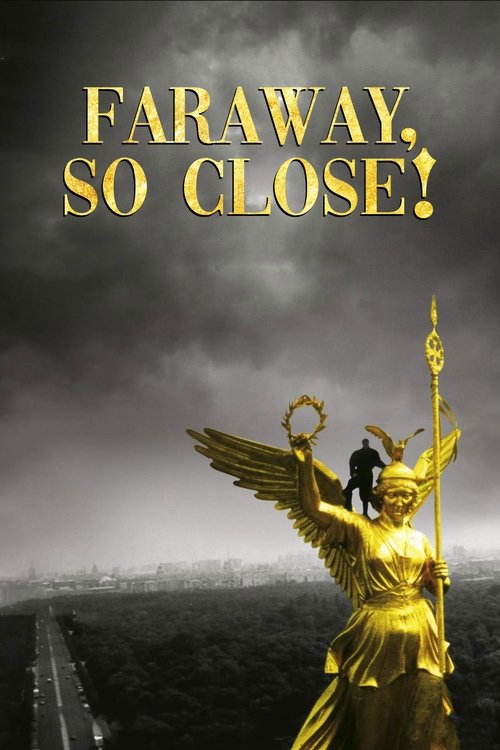
Faraway, So Close!
1993A group of angels look longingly upon the life of humans. Berlin now is a very different place: unified in name but overrun with crime, corruption, and—in what turns out to be a key theme here—Americans.
Returning to the world of Wim Wenders, Kinski personifies a celestial gentleness as the angel Raphaela. She exudes a weary, protective grace that serves as the perfect tonal bridge between the film's grounded reality and its metaphysical aspirations.

Inland Empire
2006When actress Nikki Grace gets the lead role in a cursed film, her world becomes more and more surreal, blending realities and ideas of infidelity, reincarnation, and supernatural forces.
Contributing to David Lynch’s fragmented nightmare, she offers a piercing, enigmatic cameo that adds a layer of haunting glamour to the film’s digital grit. Her presence functions as a meta-commentary on her own status as a cult icon, flickering through the surrealist gloom like a ghost of cinema past.
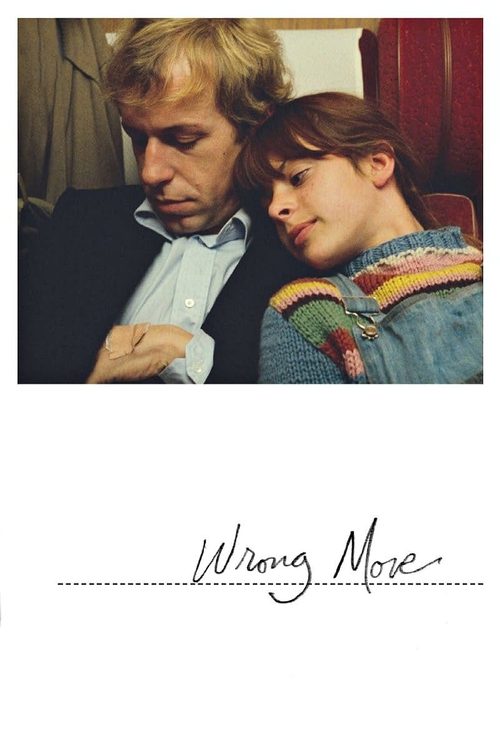
Wrong Move
1975Six days in the life of Wilhelm: a detached man without qualities. He wants to write, so his mother gives him a ticket to Bonn, telling him to live. On the train he meets an older man, an athlete in the 1936 Olympics, and his mute teen companion, Mignon. She's an acrobat in market squares for spare change.
As a mute street performer, Kinski’s debut is a masterclass in non-verbal magnetism that launched her collaboration with the New German Cinema movement. She communicates a precocious, unsettling wisdom without uttering a single word, instantly marking her as a muse for the avant-garde.
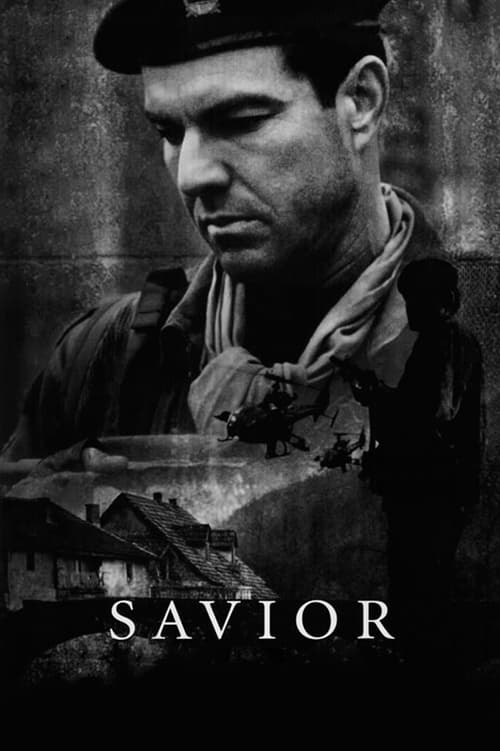
Savior
1998A hardened mercenary in the Foreign Legion begins to find his own humanity when confronted with atrocities during the fighting in Bosnia.
Stripping away her usual ethereal persona, Kinski delivers a raw and jagged turn as a victim of the Bosnian War. It is a gritty departure that showcases her maturity, stripping her presence down to a singular, harrowing instinct for survival.
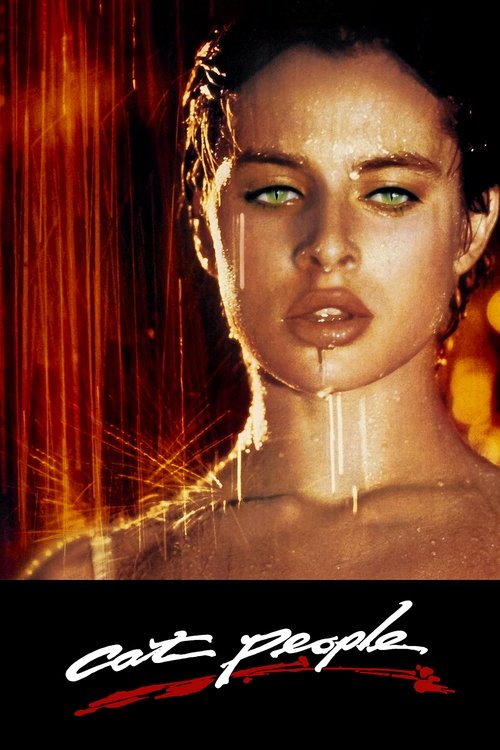
Cat People
1982After years of separation, Irena Gallier and her minister brother, Paul, reunite in New Orleans. When zoologists capture a wild panther, Irena is drawn to the cat – and zoo curator Oliver to her. Soon, Paul will have to reveal the family secret: that when sexually aroused, they revert into predatory jungle cats.
In this eroticized horror odyssey, Kinski navigates a difficult transition into Hollywood by blending feline grace with a simmering, ancestral dread. She breathes life into the film’s primal metaphors, proving she could command high-concept genre pieces just as effectively as period dramas.
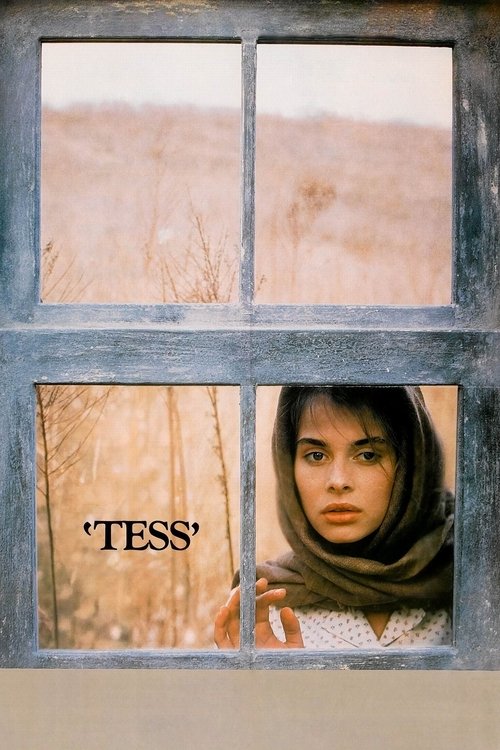
Tess
1979This multiple-Oscar-winning film by Roman Polanski is an exquisite, richly layered adaptation of Thomas Hardy’s Tess of the d’Urbervilles. A strong-willed peasant girl is sent by her father to the estate of some local aristocrats to capitalize on a rumour that their families are from the same line. This fateful visit commences an epic narrative of sex, class, betrayal, and revenge, which Polanski unfolds with deliberation and finesse. With its earthy visual textures, achieved by two world-class cinematographers—Geoffrey Unsworth and Ghislain Cloquet; Tess is a work of great pastoral beauty as well as vivid storytelling.
Under Polanski’s meticulous gaze, Kinski occupies the frame with a tragic, earthy stillness that elevated her from a teenage starlet to a formidable dramatic force. This role demanded a grueling emotional transparency that remains the definitive pillar of her early career.
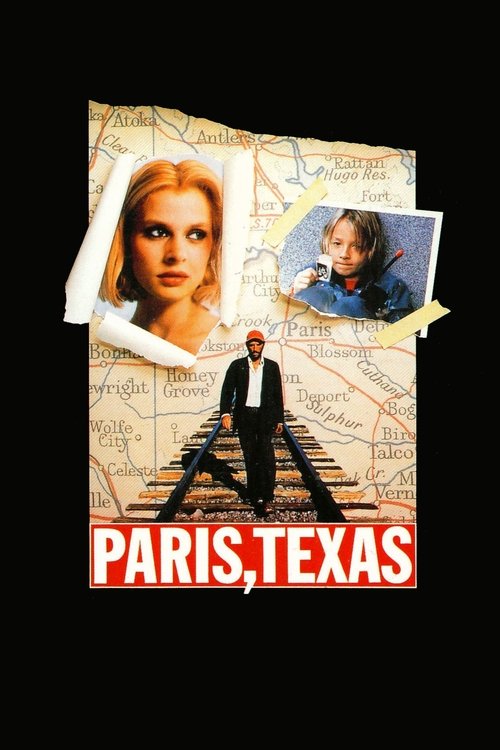
Paris, Texas
1984A man wanders out of the desert not knowing who he is. His brother finds him, and helps to pull his memory back of the life he led before he walked out on his family and disappeared four years earlier.
Kinski serves as the film’s spectral heart, transfixing the camera through a plexiglass partition in a sequence that redefined cinematic intimacy. Her ability to anchor Wim Wenders’ sprawling Americana with such profound, hushed vulnerability cemented her status as the quintessential face of European arthouse cool.
Frequently Asked Questions
Everything you need to know about this list and SnakeDrafts
- Nastassja Kinski's role in 'Paris, Texas' is celebrated for its subtle emotional depth and haunting presence, capturing the complexities of human connection. Her portrayal contributes significantly to the film's enduring status as a cinematic masterpiece by Wim Wenders.
- 'Tess,' directed by Roman Polanski, showcases Kinski's remarkable ability to embody innocence and vulnerability, which is pivotal to the film's exploration of love and tragedy. Her performance earned critical acclaim and remains one of her most iconic roles.
- Kinski's enigmatic portrayal in 'Cat People' brought a unique sensual and psychological complexity to the horror-thriller genre. Her performance helped redefine female leads in suspense films, blending allure with eerie mystique.
- Nastassja Kinski often portrays characters that oscillate between innocence and profound emotional or psychological depths, as evidenced in movies like 'Wrong Move' and 'Inland Empire.' Her roles typically embody a blend of vulnerability and enigmatic strength.
- Collaborations with auteurs like Wim Wenders have allowed Kinski to explore complex, introspective roles in films such as 'Paris, Texas' and 'Faraway, So Close!.' These partnerships have been crucial in defining the haunting, ethereal quality that characterizes much of her work.
- Films like 'Tess,' 'One from the Heart,' and 'Maria's Lovers' highlight Nastassja Kinski's versatility in romantic dramas, where she delivers performances that blend passion with emotional realism. These roles have helped cement her reputation as a compelling lead in romantic narratives.
- According to the listicle, Nastassja Kinski has worked across a range of genres including drama, horror, thriller, romance, fantasy, and history. This diverse selection demonstrates her adaptability and broad appeal as an actress.