Fred Astaire Movies Ranked Definitively
The Definitive Filmography of a Hollywood Legend
Discover the most iconic films of Fred Astaire, from his legendary dance partnerships to his acclaimed dramatic performances in Hollywood cinema.
About Fred Astaire
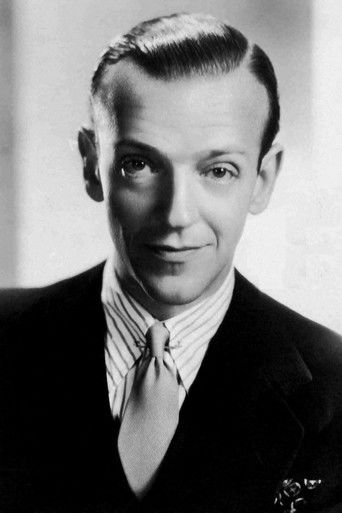
When audiences visualize the golden age of the movie musical, they invariably see a lean, elegant silhouette in white tie and tails, moving with a lightness that suggests gravity is merely a suggestion. Fred Astaire did not just dance; he engineered a new visual language for the silver screen. His insistence that the camera remain wide, capturing the full body from head to toe in long, unbroken takes, changed the way movement was documented. While modern spectacles rely on frantic editing, his magnetism lived in the fluidity of his ankles and the precise tilt of his top hat.
Beginning with the explosive chemistry found in Flying Down to Rio, he formed a partnership with Ginger Rogers that remains the gold standard for romantic synergy. Their work in The Gay Divorcee and Follow the Fleet established a rhythm where dialogue felt like a prelude to the real conversation happening on the ballroom floor. By the time they reached the Art Deco heights of Top Hat and the whimsical roller-skating sequences of Shall We Dance, he had cemented his status as the everyman aristocrat. He wasn't a brooding heartthrob, but he possessed a sophisticated charm that made him the ultimate romantic surrogate for the public.
As the studio era shifted, he proved his longevity by transitioning from the black-and-white elegance of the thirties into the vibrant Technicolor explosions of the forties and fifties. In Easter Parade, he found a perfect foil in Judy Garland, while his work alongside Rita Hayworth in You Were Never Lovelier showcased a more sensual, athletic energy. He was a notorious perfectionist, often rehearsing until his shoes were soaked in blood, yet on camera, he made the impossible look like a casual stroll. This effortless quality defines The Band Wagon and Silk Stockings, where he mocked his own aging process with high-concept numbers that blurred the lines between high art and popular entertainment. Even when paired with a much younger Audrey Hepburn in Funny Face, his charisma bridged the generational gap through sheer stylistic authority.
What truly separates him from his contemporaries was a refusal to be pigeonholed as a mere song-and-dance man. In his later years, he pivoted toward character acting with a grace that surprised critics. His dramatic turns in the post-apocalyptic On the Beach and the high-octane disaster epic The Towering Inferno revealed a vulnerability beneath the polished exterior, earning him an Oscar nomination that recognized his depth. For younger generations, his voice became the definitive sound of the holidays as the narrator of Santa Claus Is Comin to Town, proving that his warmth translated just as well through a microphone as it did on a soundstage.
He left behind a legacy of total discipline disguised as pure joy. Whether he was reuniting with Rogers for a final bow in The Barkleys of Broadway or trading steps with Bing Crosby in Holiday Inn, he remained the quintessential professional. He taught us that elegance is a byproduct of hard work and that the most complex emotions are often best expressed through the tap of a toe. He was more than a performer; he was the primary architect of cinematic elegance.
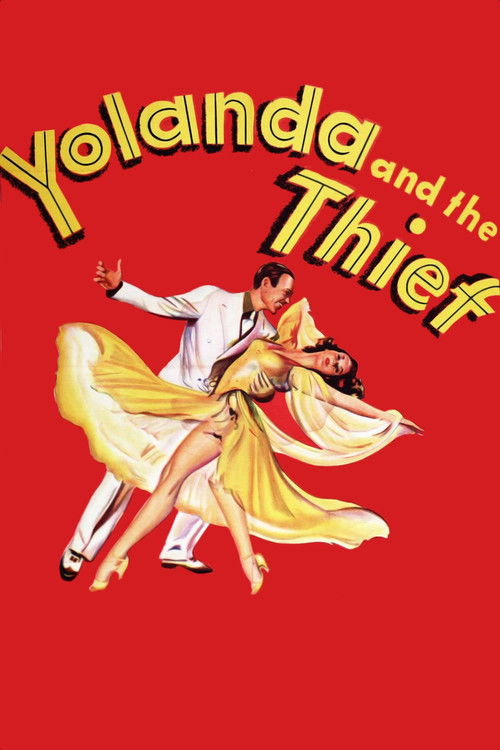
Yolanda and the Thief
1945Johnny Riggs, a con man on the lam, finds himself in a Latin-American country named Patria. There, he overhears a convent-bred rich girl praying to her guardian angel for help in managing her tangled business affairs. Riggs decides to materialize as the girl's "angel", gains her unquestioning confidence, and helps himself to the deluded girl's millions. Just as he and his partner are about to flee Patria with their booty, Riggs realizes he has fallen in love with the girl and returns the money, together with a note that is part confession and part love letter. But the larcenous duo's escape from Patria turns out to be more difficult than they could ever have imagined.
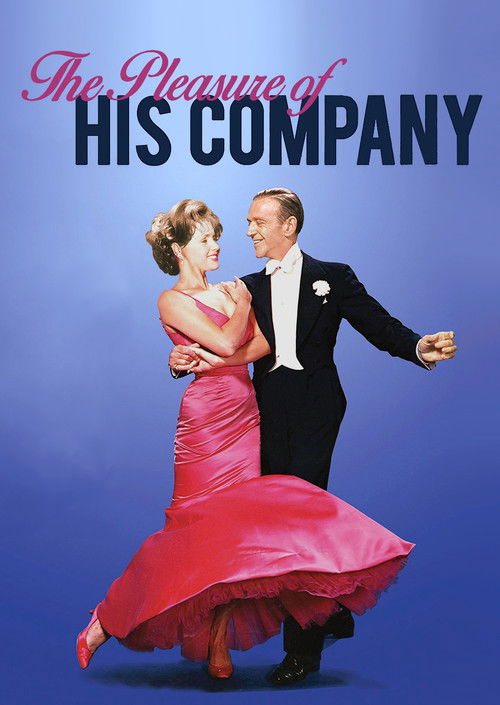
The Pleasure of His Company
1961Biddeford "Pogo" Poole, an urbane charmer, has been absent for most of the life of his daughter, Jessica, but he pops up again as she prepares to marry a California rancher. Though Pogo's ex-wife remains unimpressed, Jessica quickly falls for her father's charismatic offensive. Soon, however, his reappearance causes complications for the bride-to-be, and she must decide whether or not to go ahead with the wedding.
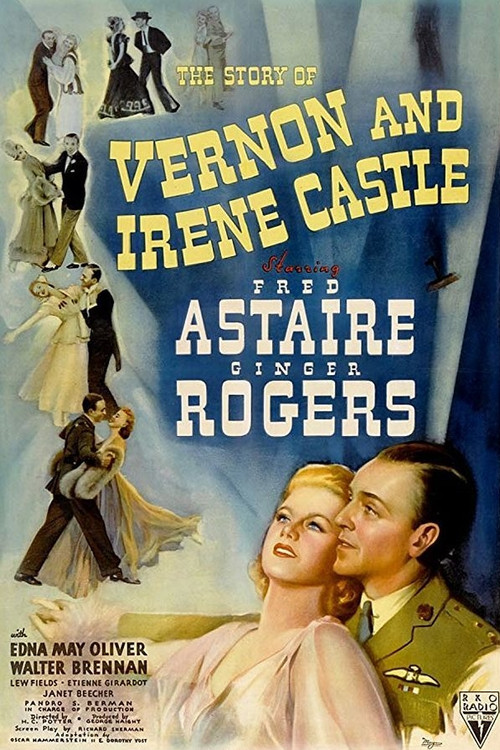
The Story of Vernon and Irene Castle
1939In 1911, minor stage comic, Vernon Castle meets the stage-struck Irene Foote. A few misadventures later, they marry and then abandon comedy to attempt a dancing career together. While they're performing in Paris, an agent sees them rehearse and starts them on their brilliant career as the world's foremost ballroom dancers. However, at the height of their fame, World War I begins.
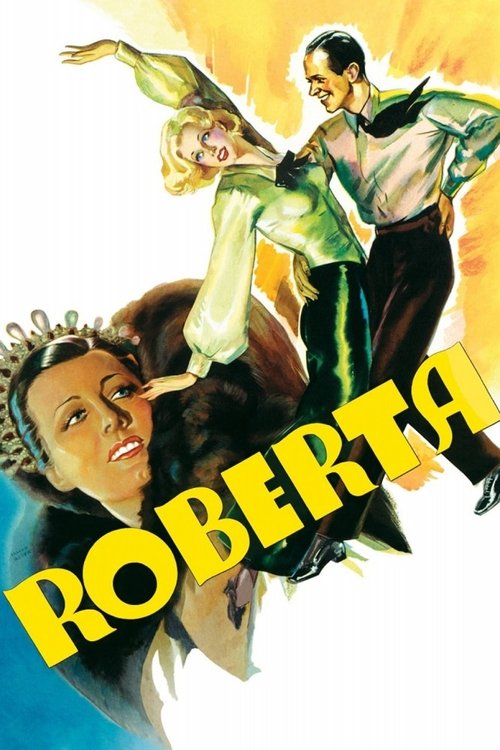
Roberta
1935Football player John Kent tags along as Huck Haines and the Wabash Indianians travel to an engagement in Paris, only to lose it immediately. John and company visit his aunt, owner of a posh fashion house run by her assistant, Stephanie. There they meet the singer Scharwenka (alias Huck's old friend Lizzie), who gets the band a job. Meanwhile, Madame Roberta passes away and leaves the business to John and he goes into partnership with Stephanie.
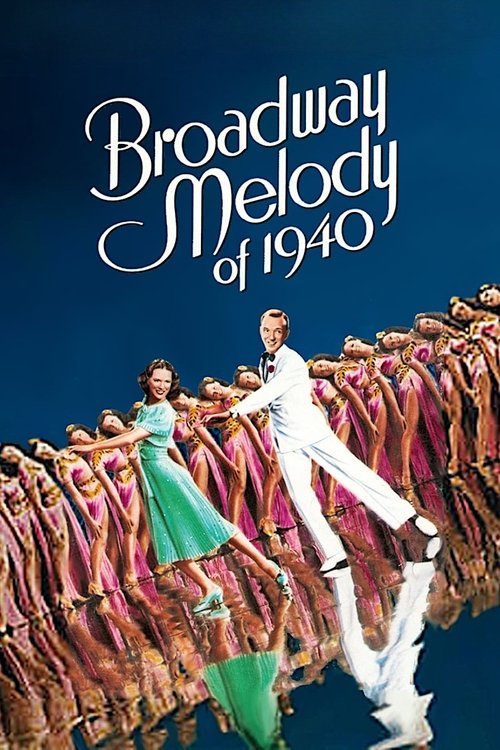
Broadway Melody of 1940
1940Johnny Brett and King Shaw are an unsuccessful dance team in New York. A producer discovers Brett as the new partner for Clare Bennett, but Brett, who thinks he is one of the people they lent money to, gives him the name of his partner.
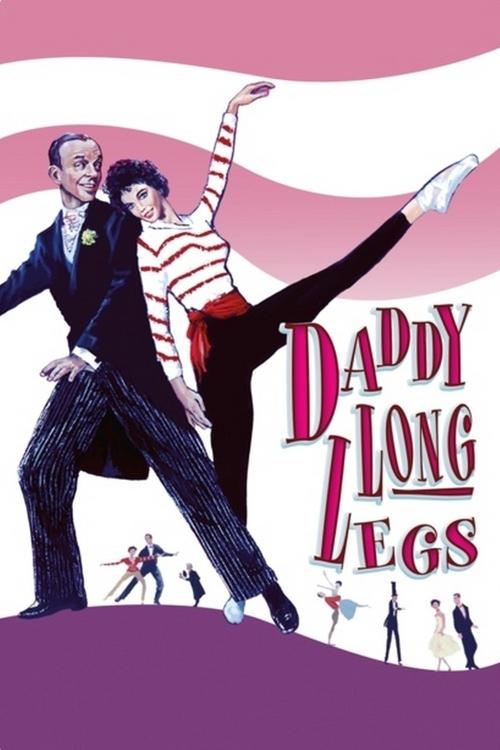
Daddy Long Legs
1955Wealthy American, Jervis Pendleton has a chance encounter at a French orphanage with a cheerful 18-year-old resident, and anonymously pays for her education at a New England college. She writes letters to her mysterious benefactor regularly, but he never writes back. Several years later, he visits her at school, while still concealing his identity, and—despite their large age difference—they soon fall in love.
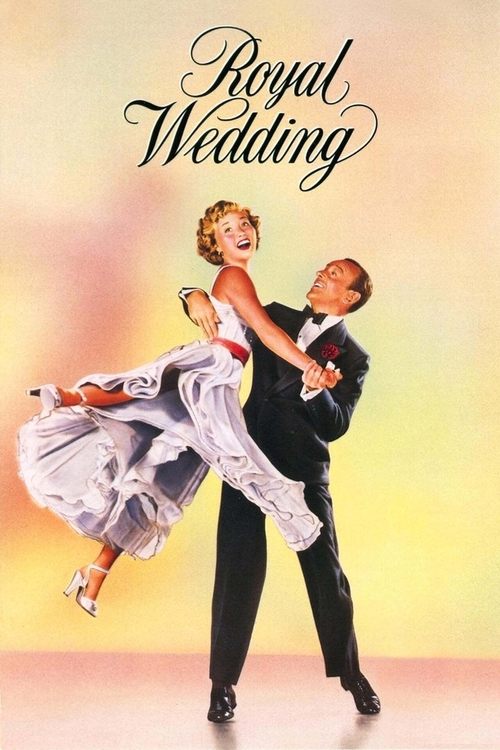
Royal Wedding
1951A brother and sister dance act encounter challenges and romance when booked in London during the Royal Wedding.
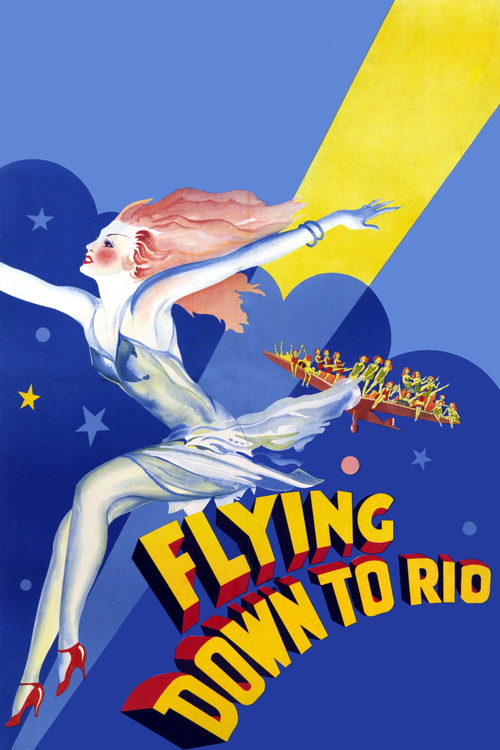
Flying Down to Rio
1933An American bandleader woos a Brazilian beauty who is already engaged to his employer. His friends try to help him, while learning the local dance, The Carioca. The first pairing of Fred Astaire & Ginger Rogers, and their only pre-Code film.
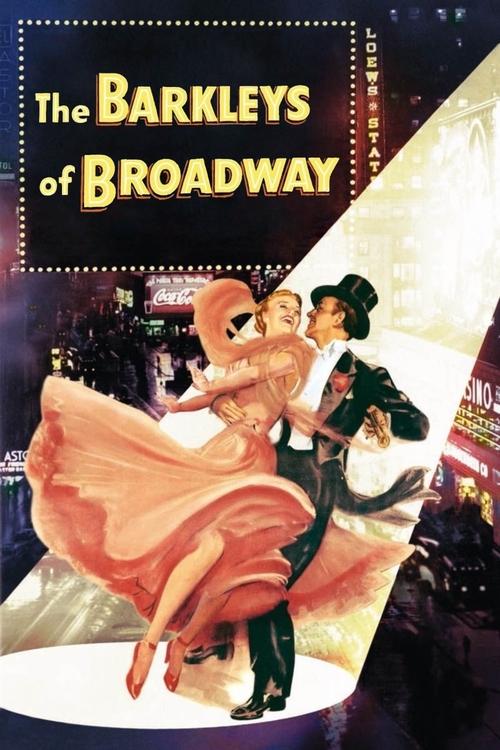
The Barkleys of Broadway
1949Josh and Dinah Barkley are a successful musical-comedy team, known for their stormy but passionate relationship. Dinah feels overshadowed by Josh and limited by the lighthearted musical roles he directs her in. So she decides to stretch her skills by taking a role in a serious drama, directed by another man.
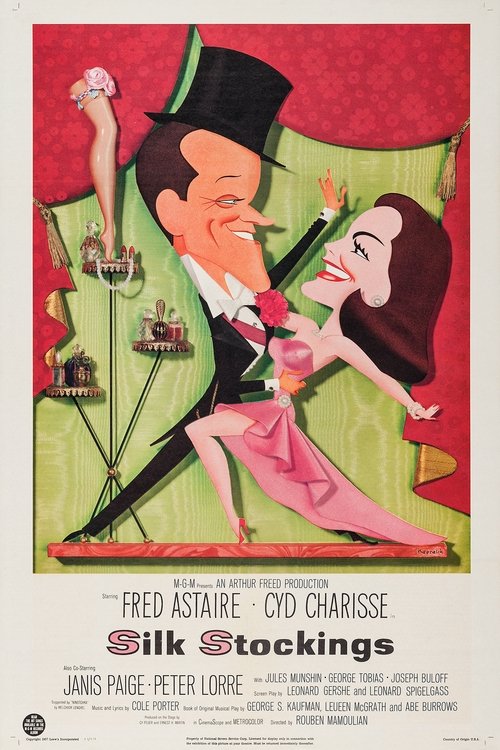
Silk Stockings
1957After three bumbling Soviet agents fail in their mission to retrieve a straying Soviet composer from Paris, the beautiful, ultra-serious Ninotchka is sent to complete their mission and to retrieve them. She starts out condemning the decadent West, but gradually falls under its spell—with the help of an American movie producer. A remake of Ninotchka (1939).
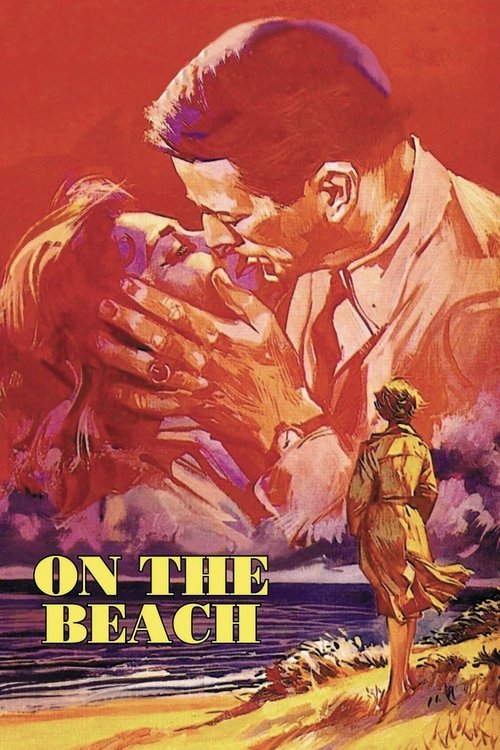
On the Beach
1959In 1964, atomic war wipes out humanity in the northern hemisphere; one American submarine finds temporary safe haven in Australia, where life-as-usual covers growing despair. In denial about the loss of his wife and children in the holocaust, American Captain Towers meets careworn but gorgeous Moira Davidson, who begins to fall for him. The sub returns after reconnaissance a month (or less) before the end; will Towers and Moira find comfort with each other?
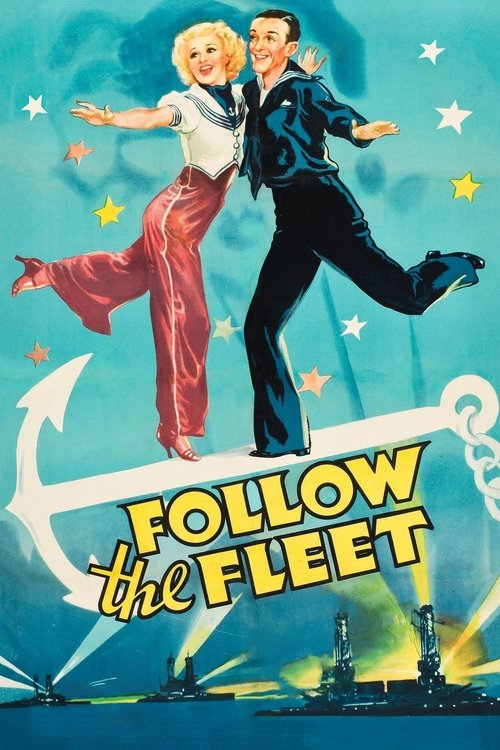
Follow the Fleet
1936When the US Navy fleet docks at San Francisco, sailor Bake Baker tries to rekindle the flame with his old dancing partner, Sherry Martin, while Bake's buddy Bilge Smith romances Sherry's sister, Connie. But it's not all smooth sailing—Bake has a habit of losing Sherry's jobs for her and, despite Connie's dreams, Bilge is not ready to settle down.
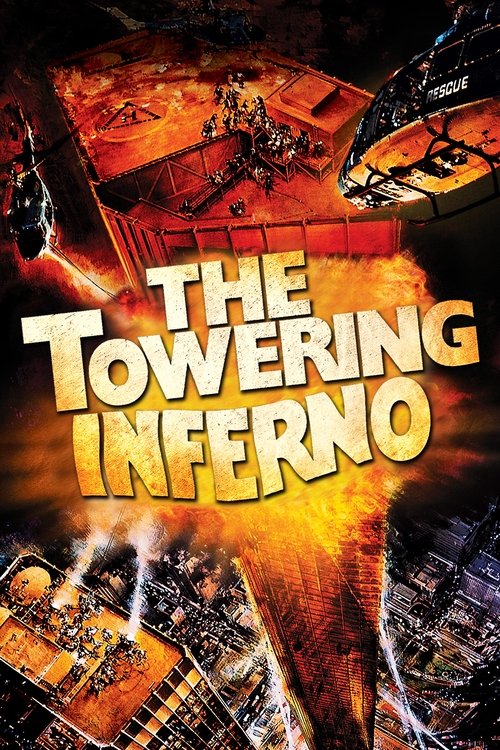
At the opening party of a colossal—but poorly constructed—skyscraper, a massive fire breaks out, threatening to destroy the tower and everyone in it.
Earning his only Academy Award nomination, Astaire’s transition into dramatic acting revealed a poignant, understated vulnerability. He trades his dancing shoes for a role of quiet dignity, proving that his legendary screen presence was rooted in a profound acting capability.
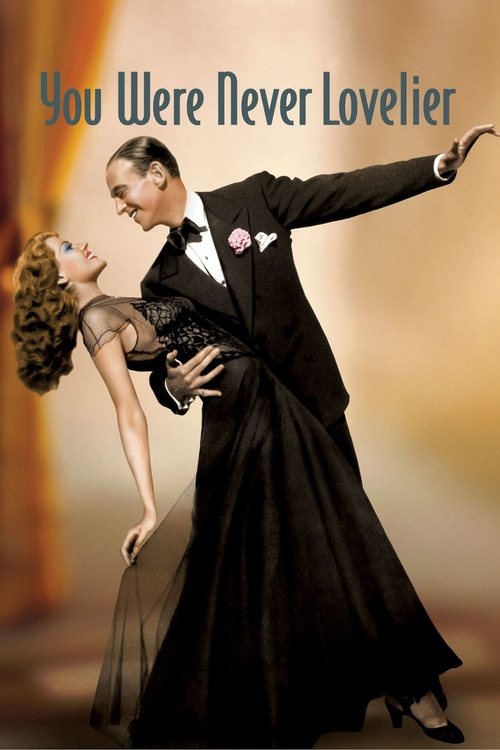
You Were Never Lovelier
1942An Argentine heiress thinks a penniless American dancer is her secret admirer.
Paired with Rita Hayworth, Astaire navigates the complex rhythms of Latin-influenced jazz with a rejuvenated, flirtatious energy. The film stands as a critical bridge in his filmography where he successfully pivoted toward a more lush, romantic lead persona.
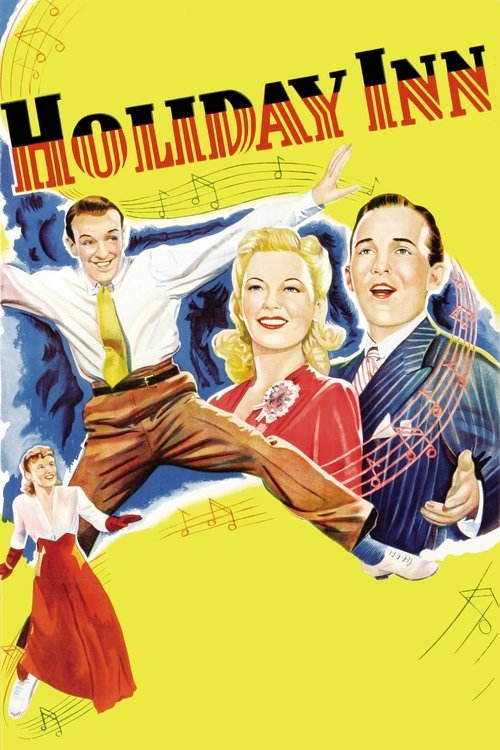
Holiday Inn
1942Lovely Linda Mason has crooner Jim Hardy head over heels, but suave stepper Ted Hanover wants her for his new dance partner after fickle Lila Dixon gives him the brush. Jim's supper club, Holiday Inn, is the setting for the chase by Hanover and his manager.
Often remembered for his solo firecracker routine, Fred demonstrates a rigorous technical explosive power that remains unmatched in film history. This role highlighted his ability to steal scenes from even the most established crooners through sheer percussive intensity.
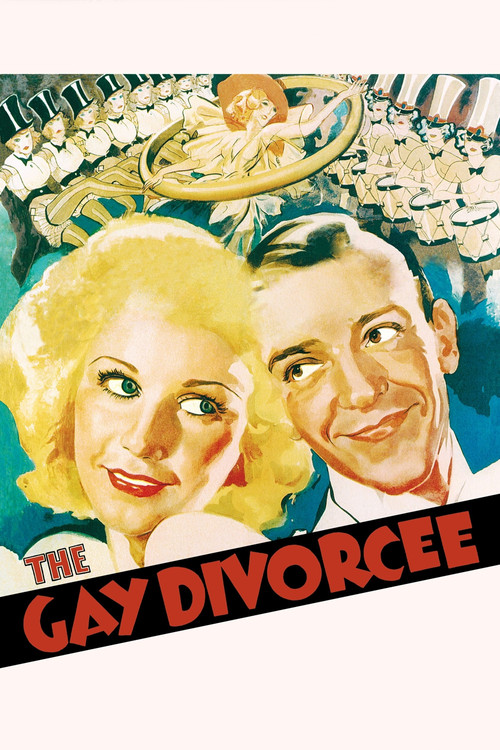
The Gay Divorcee
1934Seeking a divorce from her absentee husband, Mimi Glossop travels to an English seaside resort. There she falls in love with dancer Guy Holden, whom she later mistakes for the corespondent her lawyer hired.
This pivotal outing redefined the musical genre by integrating dance as a narrative tool rather than a static interlude. Astaire’s athletic grace here transformed him from a Broadway export into a singular cinematic icon who could carry a feature film on the strength of his footwork.
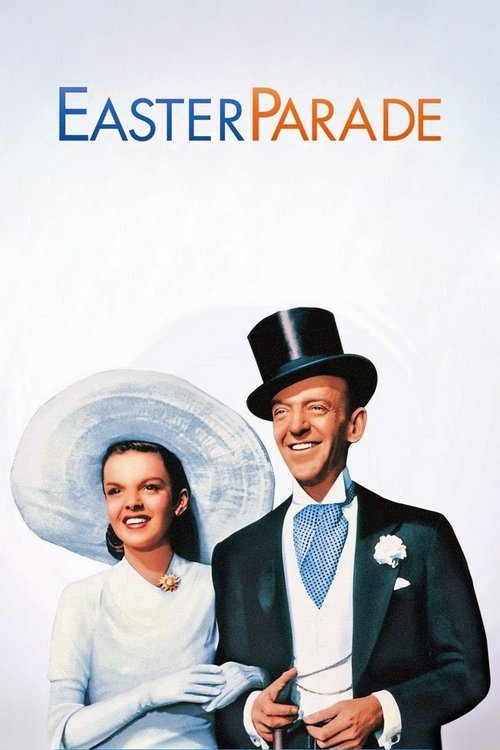
Easter Parade
1948On the day before Easter in 1911, Don Hewes is crushed when his dancing partner (and object of affection) Nadine Hale refuses to start a new contract with him. To prove Nadine's not important to him, Don acquires innocent new protege Hannah Brown, vowing to make her a star in time for next year's Easter parade.
Stepping in for an injured Gene Kelly, Astaire revitalized his career by showcasing a playful, vaudevillian chemistry with Judy Garland. This film reestablished him as a powerhouse at MGM and proved his style was adaptable enough to thrive alongside the studio’s most vibrant personality.
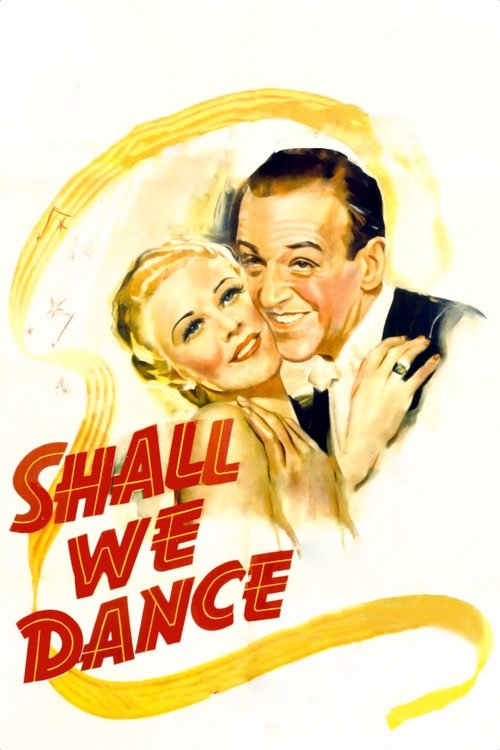
Shall We Dance
1937Ballet star Petrov arranges to cross the Atlantic aboard the same ship as the dancer and musical star he's fallen for but barely knows. By the time the ocean liner reaches New York, a little white lie has churned through the rumour mill and turned into a hot gossip item—that the two celebrities are secretly married.
The film captures Fred at his most innovative, famously merging high art and popular culture through Gershwin compositions. It matters as a testament to his creative ambition, specifically showcasing his ability to synchronize industrial machinery with the fluidity of his own movement.
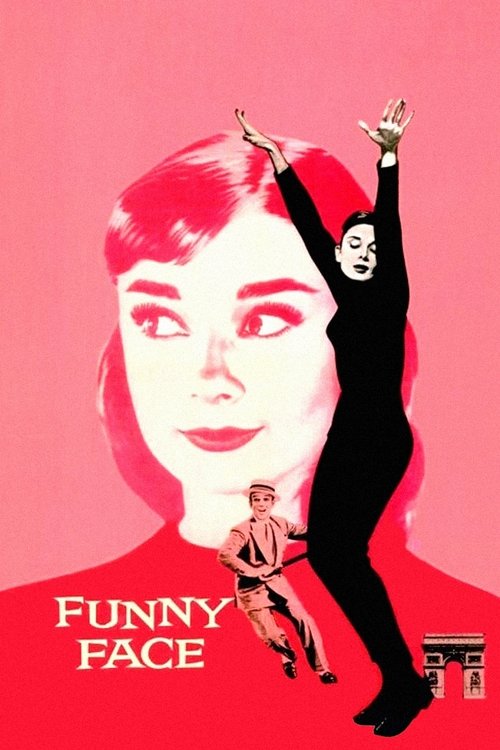
Funny Face
1957A shy Greenwich Village book clerk is discovered by a fashion photographer and whisked off to Paris where she becomes a reluctant model.
Opposite Audrey Hepburn, Astaire adopts a mentor-like poise that bridged the gap between old Hollywood glamour and the burgeoning chic of the 1950s. His performance is a masterclass in stillness and timing, proving he could command a frame through sartorial flair and charisma alone.

Santa Claus Is Comin' to Town
1970A postman, S.D. Kluger, decides to answer some of the most common questions about Santa Claus, and tells us about a baby named Kris who is raised by a family of elf toymakers named Kringle. When Kris grows up, he wants to deliver toys to the children of Sombertown. But its Mayor is too mean to let that happen. And to make things worse, the Winter Warlock lives between the Kringles and Sombertown.
By lending his unmistakable vocal cadence to the stop-motion narrator Sam the Snowman, Astaire transitioned into a beloved patriarchal figure for a new generation. This role capitalized on his rhythmic speaking voice and innate warmth, proving his star power could transcend physical presence.
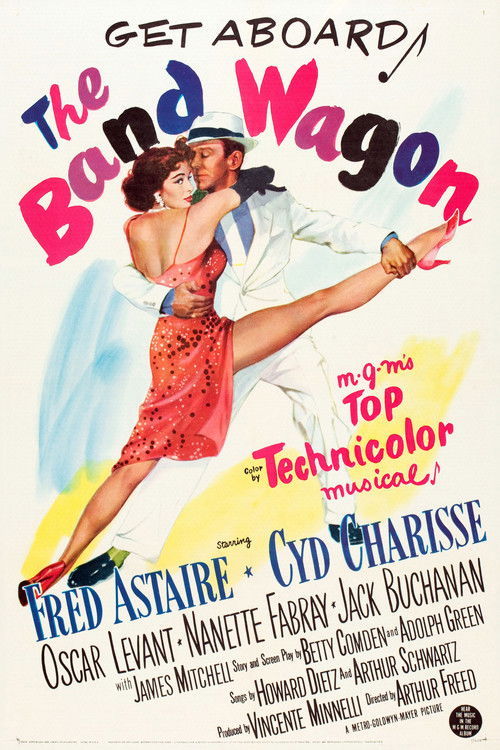
The Band Wagon
1953A Broadway artiste turns a faded film star's comeback vehicle into an artsy flop.
Astaire proves his enduring relevance in the Technicolor era by leaning into a self-referential, slightly weary charm that anchors this sophisticated backstage satire. His performance in the Girl Hunt Ballet sequences demonstrates a gritty, noir-inflected versatility that countered critics who labeled him merely a tuxedo-clad stiff.
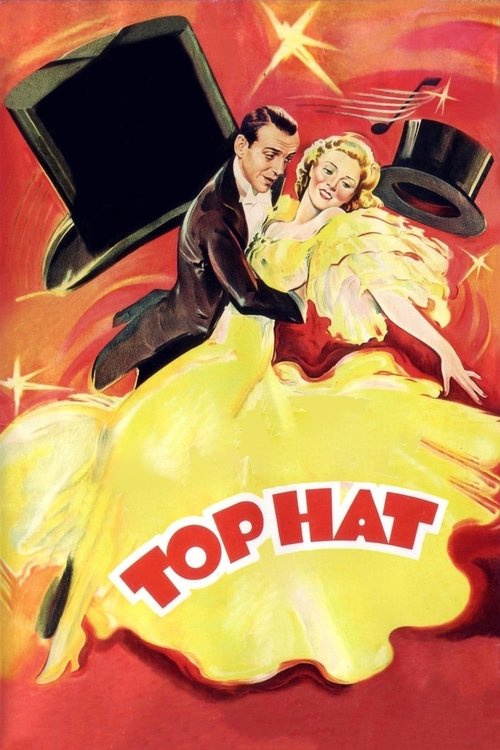
Top Hat
1935Showman Jerry Travers is working for producer Horace Hardwick in London. Jerry demonstrates his new dance steps late one night in Horace's hotel room, much to the annoyance of sleeping Dale Tremont below. She goes upstairs to complain and the two are immediately attracted to each other. Complications arise when Dale mistakes Jerry for Horace.
This is the definitive crystallization of the Astaire-Rogers alchemy, where Fred’s effortless elegance and rhythmic precision reached a zenith of Art Deco sophistication. It serves as the quintessential blueprint for the screwball musical, cementing his status as the silver screen's premier aristocrat of dance.
Frequently Asked Questions
Everything you need to know about this list and SnakeDrafts
- 'Top Hat' (1935) secures the top spot due to its iconic dance sequences, timeless musical numbers, and the quintessential Fred Astaire-Ginger Rogers chemistry that defined the golden age of Hollywood musicals. Its influence on the genre and enduring popularity make it a definitive classic in Astaire's filmography.
- 'The Band Wagon' (1953) stands out for its sophisticated blend of comedy, music, and romance, directed by Vincente Minnelli. It highlights Astaire’s seamless transition into more mature, theatrical dance performances, showcasing his adaptability beyond early musical comedies like 'The Gay Divorcee.'
- 'Santa Claus Is Comin’ to Town' (1970) is a unique inclusion as it features Fred Astaire's distinctive voice work rather than his dance performances. This TV special demonstrates his versatility and charm, extending his legacy beyond the dance floor into family and fantasy entertainment.
- Romance and comedy are the dominant themes, with many films like 'Shall We Dance' (1937) and 'Easter Parade' (1948) blending witty dialogue and heartfelt romance with stunning musical numbers. Music and dance remain central, illustrating Astaire's signature style and lasting impact on the genre.
- While this list covers Astaire’s major works comprehensively, some fans might find 'Royal Wedding' (1951) absent, a film renowned for its innovative dance scenes. However, the included titles represent a broad spectrum of his career highlights, balancing popular acclaim with historical significance.
- Astaire’s insistence on full-body visibility through wide shots and long takes revolutionized musical choreography on film, as seen in classics like 'Holiday Inn' (1942) and 'Funny Face' (1957). His elegant, effortless style elevated these movies, setting a standard for dance sequences in Hollywood musicals.
- Apart from musicals, Fred Astaire showcased his acting range in dramatic roles like those in 'The Towering Inferno' (1974) and 'On the Beach' (1959). These films reveal Astaire's ability to handle suspense, drama, and romance without relying solely on his dance persona.