Ralph Macchio's Greatest Movies Ranked
From All-Valley Championships to Courtroom Classics
Discover the most iconic film roles of Ralph Macchio, featuring his legendary performances in martial arts classics and beloved cult dramas.
About Ralph Macchio
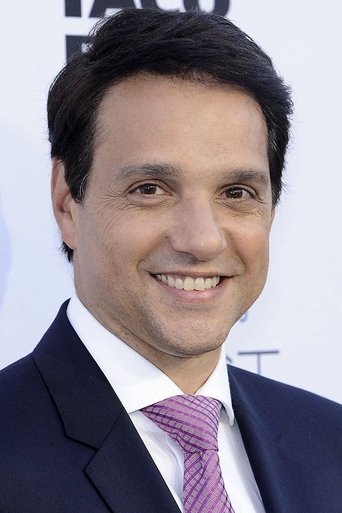
In the pantheon of eighties icons, few faces carry the same soulful, earnest weight as Ralph Macchio. To look at him is to see the definitive underdog, a neighborhood kid whose slight frame always seemed to house a surplus of heart. While many of his peers from the Brat Pack era chased grit or vanity, he leaned into a specific kind of sincerity that felt less like acting and more like a shared secret with the audience. He became a vessel for our collective growing pains, embodying the awkward transition from vulnerability to quiet strength.
The world first took notice when Francis Ford Coppola cast him in The Outsiders, where he delivered a devastating performance as Johnny Cade. Surrounded by a stable of future superstars, Macchio anchored the film with a tragic, poetic stillness that proved he could command the screen without raising his voice. This knack for playing high-stakes innocence paved the way for the 1984 phenomenon The Karate Kid, a cultural earthquake that redefined the sports movie. As Daniel LaRusso, he didn't just perform crane kicks; he gave a generation permission to be afraid while standing their ground. The chemistry he shared with Pat Morita provided the emotional spine for a trilogy that remains a cornerstone of the American cinematic mythos.
What makes his trajectory so fascinating is how he navigated the inevitable pigeonholing that follows such a massive role. Instead of fading into the background of nostalgia, Macchio took swings at different genres, proving his versatility beyond the dojo. In Crossroads, he traded karate for blues guitar, engaging in a legendary supernatural duel that showcased a frantic, technical energy. He then pivoted beautifully into comedy with My Cousin Vinny, playing the straight man to Joe Pesci with a frantic, wide-eyed anxiety that grounded the film’s absurdity. Even in smaller projects like the gritty Teachers or the social drama Distant Thunder, he maintained a grounded New York sensibility that kept his performances feeling lived-in and relatable.
Audiences stick with him because he never lost that approachable quality, even as he transitioned into character roles in films like Hitchcock or the indie comedy Beer League. There is no cynicism in his work. Whether he is playing a father in a television movie like Holiday Spin or a man navigating a chaotic afternoon in Lost Cat Corona, he carries an innate decency that is increasingly rare in modern entertainment. His recent resurgence through the Cobra Kai revival only confirms what we already knew: we never stopped rooting for him. He represents the endurance of the Everyman, a survivor of the Hollywood machine who managed to keep his soul intact while remaining the kid from the Valley we all grew up with.
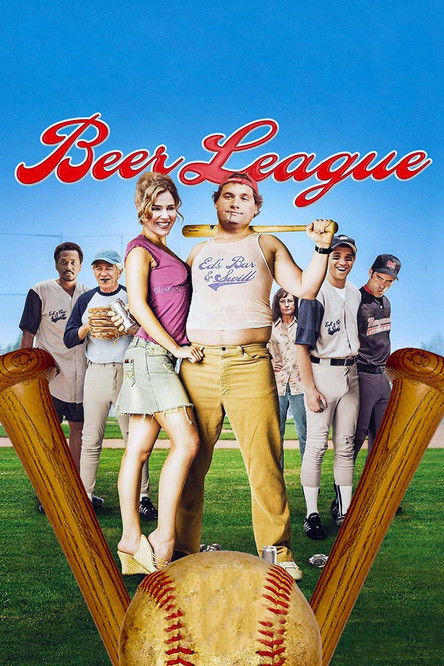
Beer League
2006An unemployed slacker inspires his softball teammates to improve their game to avoid getting kicked out of the local league.
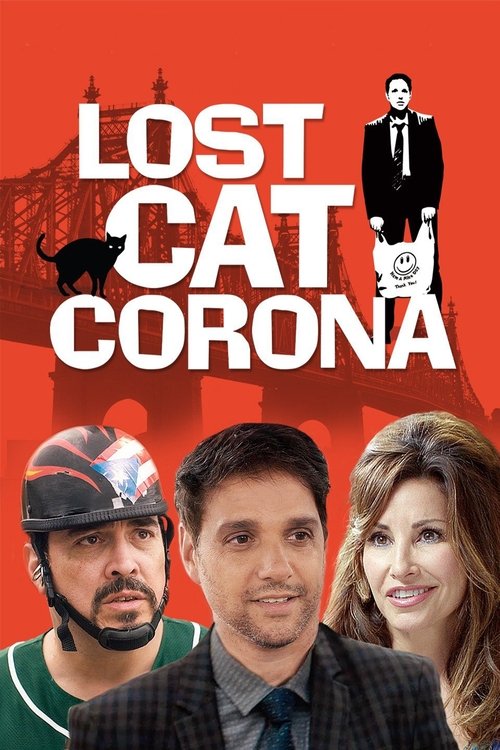
Lost Cat Corona
2017A play-it-safe guy must search for his wife's missing cat, bringing him face-to-face with the colorful, wacky, and sometimes, the more dangerous element of his neighborhood, forcing him to confront his fears and rethink his M.O.
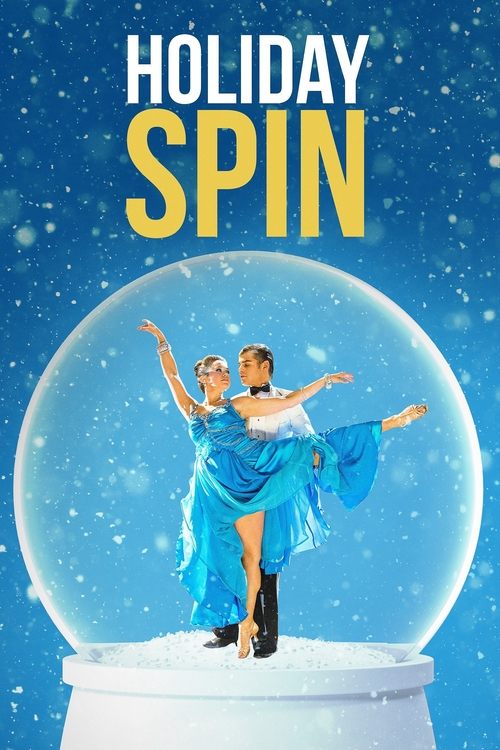
Holiday Spin
2012A former dance champion sidelined years by an injury enlists the help of his estranged son to prepare for the Holiday Spin, a ballroom dance contest held every Christmas Eve. Meanwhile, his son takes an interest in a dance prodigy.
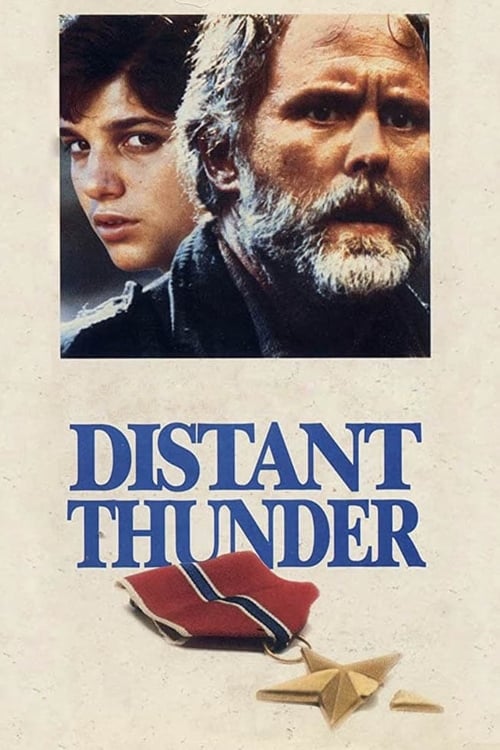
Distant Thunder
1988A troubled Vietnam war vet deserts his wife and child shortly after he returns from the war. He returns after 10 years, where he's been living like an animal in the forest. He finds himself unprepared for the changes that he will have to cope with, and when the vet tries to contact his son, he realizes that he has caused more damage than he had imagined.
Macchio explores the strained dynamics of a fractured family, leaning into a more gritty and overlooked side of his dramatic range. His portrayal of a son wrestling with his father’s past trauma offers a different perspective on the youthful angst he mastered earlier in the decade.
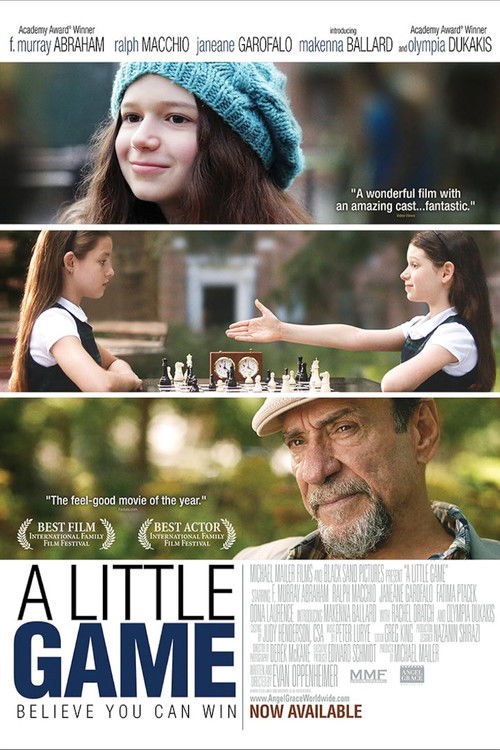
A Little Game
2014Ostracized at her posh new uptown school and shaken by the death of her beloved grandmother, a 10-year-old downtown girl finds an unlikely mentor in an irascible chess master, who uses the game to teach Max lessons in resilience, perseverance, and how to embrace inevitable change.
Taking on a peripheral role as a father figure, Macchio transitions gracefully into the 'vetern' phase of his career with a quiet, dependable warmth. It is a subtle performance that honors his legacy as cinema's favorite kid by passing the torch to a new generation of performers.
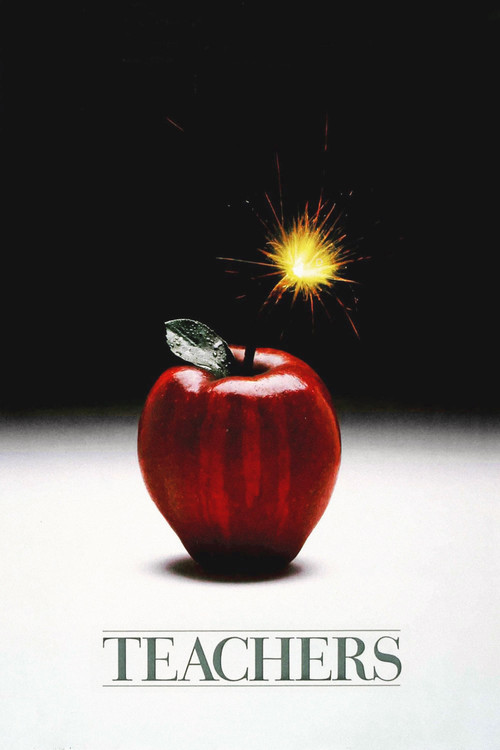
Teachers
1984A teacher reconnects with an old student who is now an attorney representing a family who is suing the school for graduating their son who still cannot read or write. Amid the daily chaos of teaching in an inner city school, Alex Jurel tries to decide if he will lie at his deposition to protect the school or tell the truth and risk throwing away his career.
Macchio provides a spark of rebellious energy in this satirical look at the American education system, portraying a student who feels like a natural extension of his gritty Outsiders roots. His presence adds a layer of streetwise authenticity to the film's chaotic ensemble.
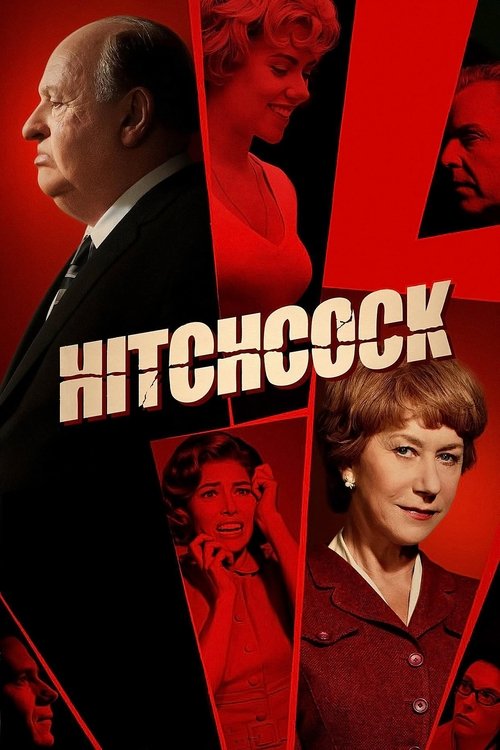
Hitchcock
2012Following his great success with "North by Northwest," director Alfred Hitchcock makes a daring choice for his next project: an adaptation of Robert Bloch's novel "Psycho." When the studio refuses to back the picture, Hitchcock decides to pay for it himself in exchange for a percentage of the profits. His wife, Alma Reville, has serious reservations about the film but supports him nonetheless. Still, the production strains the couple's marriage.
In a brief but polished turn as Psycho screenwriter Joe Stefano, Macchio offers a glimpse into his capabilities as a sophisticated character actor within a prestige period piece. He captures the intellectual spark of an artist working under the shadow of a legend with effortless precision.
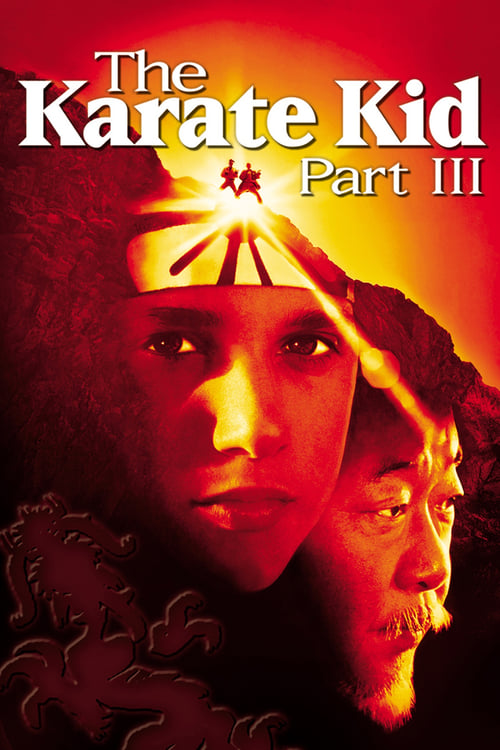
The Karate Kid Part III
1989Despondent over the closing of his karate school, Cobra Kai teacher John Kreese joins a ruthless businessman and martial artist to get revenge on Daniel and Mr. Miyagi.
Even as the narrative formula begins to stretch thin, Macchio maintains a committed intensity that sells Daniel’s psychological manipulation and subsequent crisis of faith. His dedication to the role’s physical and emotional requirements remains unwavering despite the script's shift toward melodrama.
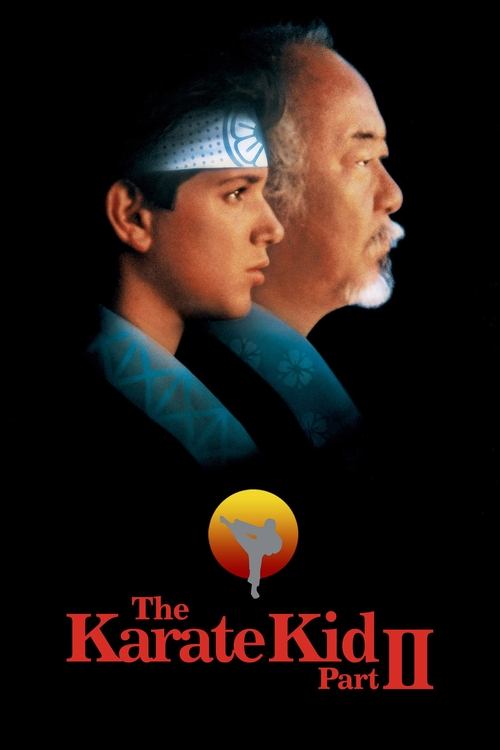
The Karate Kid Part II
1986Summoned by his dying father, Miyagi returns to his homeland of Okinawa, with Daniel, after a 40-year exile. There he must confront Yukie, the love of his youth, and Sato, his former best friend turned vengeful rival. Sato is bent on a fight to the death, even if it means the destruction of their village. Daniel finds his own love in Yukia's niece, Kumiko, and his own enemy in Sato's nephew, the vicious Chozen. Now, far away from the tournaments, cheering crowds and safety of home, Daniel will face his greatest challenge ever when the cost of honor is life itself.
Returning to his most famous role, Macchio deepens the character of Daniel LaRusso by navigating a more mature, fish-out-of-water dynamic in Okinawa. He successfully carries the weight of a higher-stakes cultural conflict, proving the character's appeal was rooted in more than just a crane kick.
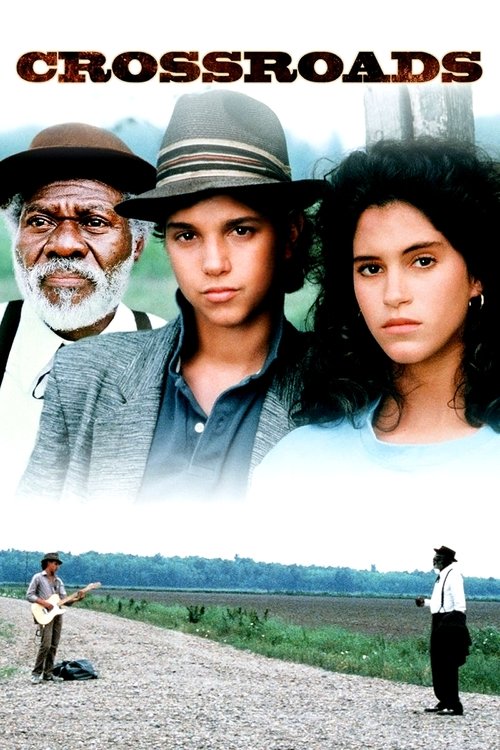
Crossroads
1986A wanna-be blues guitar virtuoso seeks a long-lost song by legendary musician, Robert Johnson.
Macchio pivots from karate strikes to blues riffs, showcasing an impressive physicality while holding his own against the formidable presence of Joe Seneca. He captures the obsessive hunger of a young virtuoso, making the character's musical evolution feel both earned and visceral.
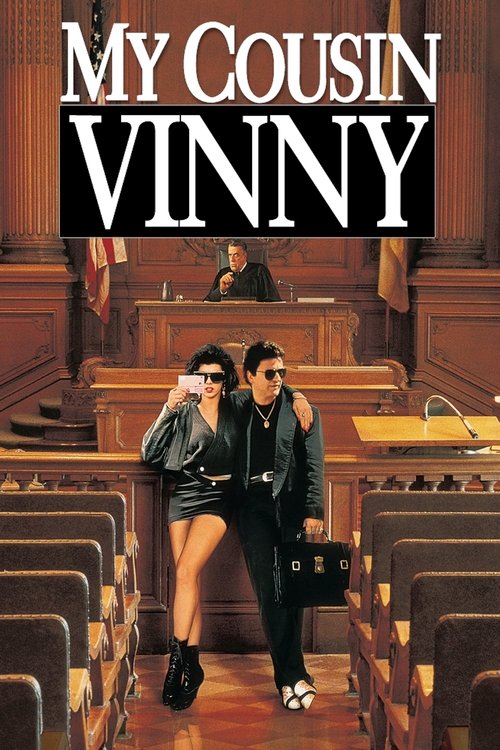
My Cousin Vinny
1992Two carefree pals traveling through rural Alabama on their way back to college are mistakenly arrested and charged with murder. Fortunately, one of them has a cousin who's a lawyer - Vincent Gambini, a former auto mechanic from Brooklyn who has just passed his bar exam after his sixth try. When he arrives with his leather-clad girlfriend to try his first case, it's a real shock - for him and the Deep South!
Playing the straight man to Joe Pesci’s comedic whirlwind, Macchio utilizes a panicked, wide-eyed sincerity that provides the necessary stakes for the film's courtroom absurdity. He masterfully navigates the role of the 'average joe' caught in a legal nightmare without ever fading into the background.
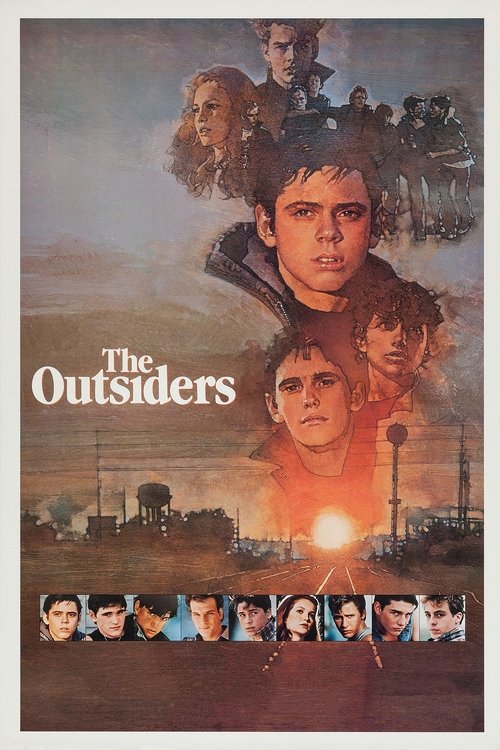
The Outsiders
1983In 1960s Tulsa, class divisions ignite a violent rivalry between the working-class Greasers and the privileged Socs. When a deadly encounter forces two Greasers, Ponyboy and Johnny, to flee, their struggle for survival and redemption exposes the fragile innocence and enduring bonds of youth on the wrong side of town.
As Johnny Cade, Macchio serves as the tragic soul of Francis Ford Coppola’s brat-pack ensemble, stripping away any artifice to portray a haunting sense of fragility. It remains his most poignant dramatic turn, proving he could hold his own alongside an entire generation of burgeoning icons.
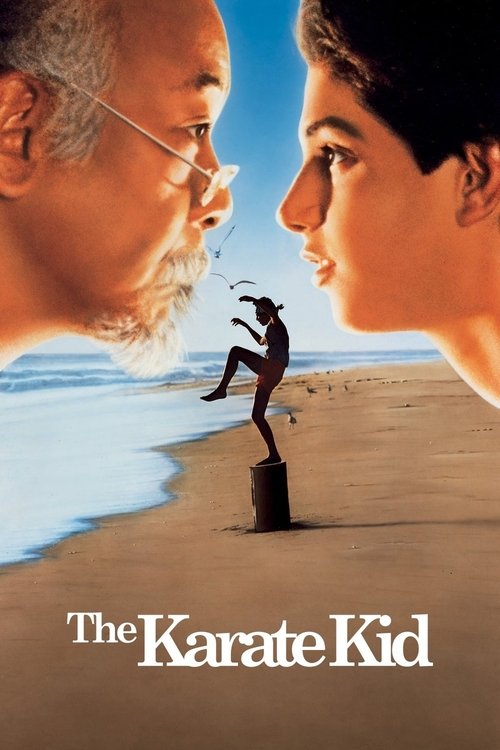
The Karate Kid
1984New Jersey teen Daniel LaRusso moves to Los Angeles with his mother, and soon strikes up a relationship with Ali. He quickly finds himself the target of bullying by a group of thugs, led by Ali's ex-boyfriend Johnny, who study karate at the Cobra Kai dojo under ruthless sensei John Kreese. Fortunately, Daniel befriends Mr. Miyagi, an unassuming repairman who just happens to be a martial arts master himself. Miyagi takes Daniel under his wing, training him in a more compassionate form of karate for self-defense and, later, preparing him to compete against the brutal Cobra Kai.
Macchio embodies the quintessential cinematic underdog, grounding an archetypal hero's journey with a specific, wiry vulnerability that redefined 1980s masculinity. His chemistry with Pat Morita creates an emotional anchor so potent it launched a multi-generational franchise.
Frequently Asked Questions
Everything you need to know about this list and SnakeDrafts
- Ralph Macchio's portrayal of Daniel LaRusso in The Karate Kid captured the essence of the earnest underdog with heart and sincerity, making it an iconic role that resonated with audiences. His martial arts journey under Mr. Miyagi's mentorship became a cultural touchstone and exemplified his ability to embody youthful vulnerability and resilience.
- In The Outsiders, Ralph Macchio played a more dramatic and gritty role that showcased his range beyond the martial arts genre. His character navigated the complex dynamics of teenage life and class conflict, highlighting Macchio's talent in portraying nuanced emotional struggles.
- My Cousin Vinny allowed Ralph Macchio to step into a comedic role, balancing humor with drama as he played a young defendant learning the ropes of the legal world. This film demonstrated Macchio's range by blending light-hearted comedy with memorable dramatic moments, differing from his predominantly action and drama-heavy past.
- Crossroads features Ralph Macchio in a story centered on music and personal growth, showcasing his ability to tackle roles involving artistic passion and mystery. Unlike his martial arts or comedic roles, this film emphasizes emotional depth and romantic elements, revealing his versatility as an actor.
- The Karate Kid sequels allowed Ralph Macchio to further develop his character Daniel LaRusso, deepening the emotional and action-driven aspects of his story. These films solidified his status as an enduring figure in martial arts cinema and kept his connection with fans strong across different generations.
- In Hitchcock, Ralph Macchio took on a supporting role in a biographical drama, stepping into a more mature and historically rooted narrative. It marked a departure from his youthful protagonist image, proving his adaptability in diverse cinematic contexts.
- Teachers and Lost Cat Corona showcase Ralph Macchio's willingness to explore different genres, including comedy and drama, outside of his famous action and coming-of-age roles. These films highlight his commitment to taking on varied characters and narratives, enriching his overall filmography.