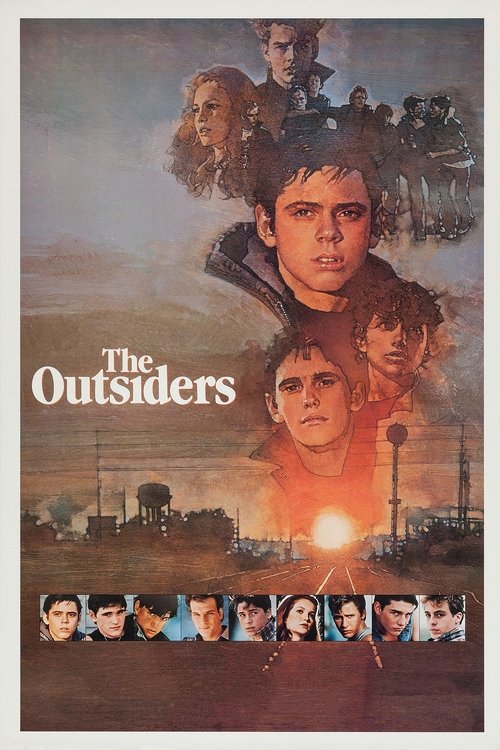
The Outsiders
Experience the raw emotion and brutal realities of youth gang rivalry in 1960s Tulsa with Francis Ford Coppola's "The Outsiders." This cinematic adaptation of S.E. Hinton's beloved novel vividly portrays themes of class struggle, loyalty, and the aching loss of innocence, resonating deeply with audiences even today.
Director
Release Year
1983
Runtime
91 minutes
Main Cast
C. Thomas Howell, Matt Dillon, Ralph Macchio, Patrick Swayze, Rob Lowe
About The Outsiders
Francis Ford Coppola's 1983 adaptation of S.E. Hinton's seminal novel, "The Outsiders," arrived with significant anticipation, bringing to the screen a story that had already captivated millions of young readers. The film not only captured the nuanced social dynamics and emotional turmoil of its source material but also served as a cultural touchstone, launching the careers of a new generation of Hollywood heartthrobs who would become known as the "Brat Pack." Its authentic portrayal of teenage angst and the stark realities of societal division cemented its place in cinematic history.
The narrative plunges into the gritty world of Tulsa, Oklahoma, where the working-class Greasers and the affluent Socs are locked in a perpetual struggle for dominance and respect. When a tragic confrontation escalates, Greasers Ponyboy Curtis and Johnny Cade find themselves on the run, forced to confront the harsh consequences of their circumstances. The film masterfully explores the bonds of brotherhood, the fleeting nature of innocence, and the universal longing for understanding in a world Quick to judge.
Upon its release, "The Outsiders" garnered a mixed critical reception, with some critics praising its powerful performances and faithful adaptation, while others questioned its occasional melodramatic tone. However, its impact on popular culture, particularly among younger audiences, was undeniable. The film's exploration of friendship, sacrifice, and the search for identity resonated deeply, fostering a lasting legacy that continues to draw new viewers to its timeless themes. Its cult status endured, leading to a "Complete Novel" re-release in 2005, which restored previously cut scenes and offered a more comprehensive vision of Coppola's original intent.
"The Outsiders" remains a poignant examination of class conflict and the inherent difficulties of growing up. The film's enduring appeal lies in its compassionate depiction of characters striving for connection and meaning amidst adversity, making it a powerful and enduring contribution to the coming-of-age genre. Its exploration of youthful rebellion and the dream of a life beyond predetermined social boundaries continues to inspire discussion and reflection.
Drafts Featuring The Outsiders
Every SnakeDrafts listicle where this movie appears
The Best of Tom Cruise Movies Ranked
Ranked #28
The Best Matt Dillon Movies Ranked
Ranked #3
The Best Emilio Estevez Movies
Ranked #5
The Definitive Patrick Swayze Movie Rankings
Ranked #5
The Definitive Diane Lane Career Ranking
Ranked #2
Francis Ford Coppola's Greatest Films Ranked
Ranked #5
Ralph Macchio's Greatest Movies Ranked
Ranked #2
Top Movies of 1983 Ranked
Ranked #13
Rob Lowe's Top Movies Ranked
Ranked #13
The Best Crime Movies of 1983, Ranked
Ranked #3
The Best 1980s Crime Movies Ranked
Ranked #32
Similar Movies
Movies related to The Outsiders

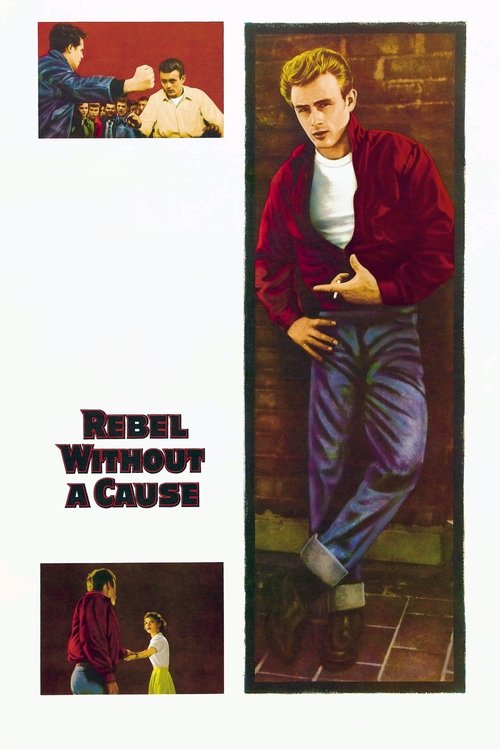
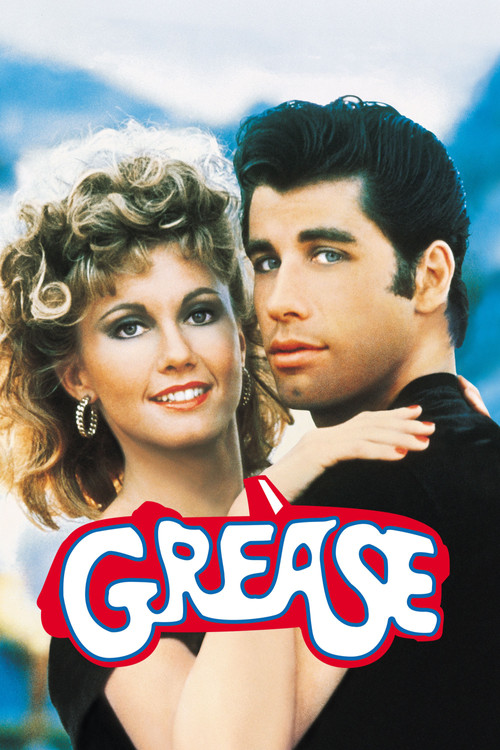
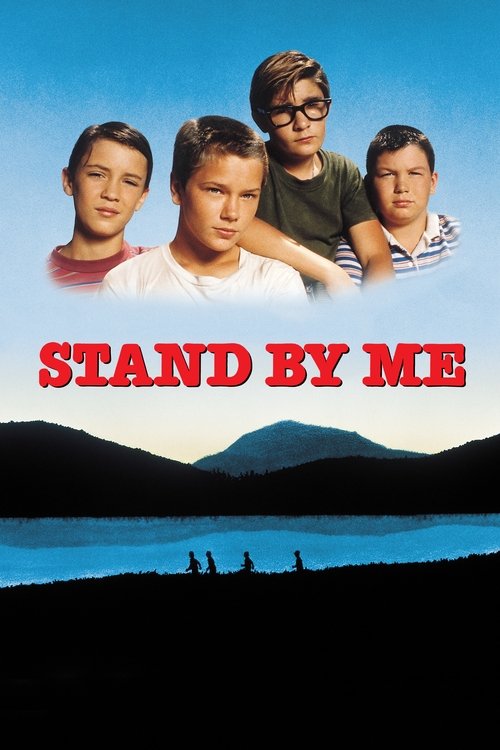
Frequently Asked Questions
Everything you need to know about The Outsiders
- Robert Frost's poem 'Nothing Gold Can Stay' is a central motif, symbolizing the fleeting nature of innocence and youth, particularly for Ponyboy and Johnny. It underscores the idea that beautiful, pure things – like golden sunrises or a child's unburdened spirit – are ephemeral and inevitably fade with time and experience.
- Soda Pop embodies an emotional and nurturing responsibility, often mediating between his brothers, while Darry shoulders the heavy practical and financial burdens as the eldest. Their differing approaches highlight the various forms of care and sacrifice necessary to keep their fractured family unit together.
- Johnny's dying words, 'Stay gold, Ponyboy,' are a direct reference to Robert Frost's poem and serve as a poignant plea for Ponyboy to retain his innocence and sensitivity. It's a powerful message urging him not to let the harsh realities of their world harden him completely, but to cherish the good within himself.
- The rumble, while a decisive victory for the Greasers, ultimately brings more tragedy and loss than triumph. It solidifies the futility of their feuds, leading to Johnny's death and Dally's subsequent demise, fundamentally altering Ponyboy's perspective on violence and the cycle of hatred.
- Drive-in movies serve as an important escape and gathering place for the Greasers, offering a temporary reprieve from their tough reality. They represent a space for camaraderie, youthful adventure, and innocent flirtation, contrasting sharply with the violence and tension that often define their day-to-day lives.

