The Best Steve McQueen Movies Ranked
The Essential Films of Hollywood’s King of Cool
Discover the definitive ranking of Steve McQueen's greatest cinematic performances, from high-octane thrillers to legendary war epics.
About Steve McQueen
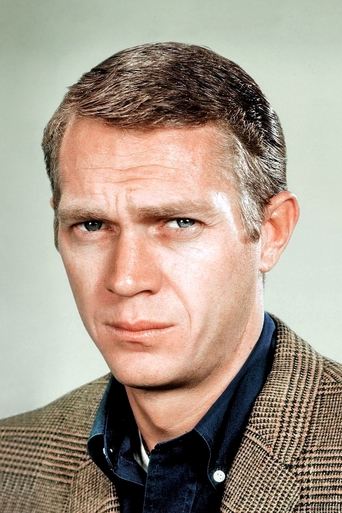
In the landscape of mid-century cinema, most leading men arrived with a polished veneer, but Steve McQueen felt like he had just climbed out of a greasy engine pit. He was the definitive anti-hero of the 1960s and 70s, a man who realized that a well-timed squint or a silent gear shift held more power than a page of dialogue. He didn't just act; he occupied space with a coiled, restless energy that suggested he might walk off the set at any moment if the vibe felt off. This icy detachment earned him the title King of Cool, yet it was rooted in a genuine, hard-earned cynicism that audiences instinctively trusted.
His ascent wasn't built on theatricality but on gravity. In The Magnificent Seven, he managed to steal scenes from more established heavyweights simply by fiddling with his hat or checking his shotgun. By the time he led The Great Escape, his persona was etched in stone. As Hilts, the prisoner who refused to be broken, he turned a motorcycle jump into a symbol of universal defiance. It was a role that bridged the gap between old-school grit and a new kind of individualistic rebellion.
The late sixties saw him leaning into a sophisticated brand of stoicism. In Bullitt, he redefined the police procedural, replacing melodrama with the visceral roar of a Mustang GT through the streets of San Francisco. He followed this with The Thomas Crown Affair, proving he could wear a three-piece suit as effectively as a flight jacket, engaging in a high-stakes psychological chess match that sizzled with unspoken tension. Whether he was playing a high-stakes gambler in The Cincinnati Kid or a sailor on a doomed mission in The Sand Pebbles, which earned him his only Oscar nomination, he remained remarkably consistent. He was always the man who knew something you didn't, or perhaps just didn't care to share it.
The seventies pushed his physical and emotional limits. In movies like The Getaway and Papillon, the slickness of his earlier roles gave way to a desperate, survivalist edge. His performance as Henri Charriere in Papillon remains a brutal testament to his range, shedding the cool exterior to showcase raw, skeletal endurance. Even when he played against type in the soulful character study Junior Bonner or shared the screen with a massive cast in The Towering Inferno, he anchored the frame. His obsession with authenticity reached its peak with Le Mans, a project fueled by his real-life passion for racing, where he famously stripped away the script to let the machinery and the speed tell the story.
Audiences connected with him because he never seemed to be trying. In a town of pretenders, he was a guy who preferred grease under his fingernails to the glare of the flashbulbs. He represented a specific American archetype: the loner who operates by a private code, uninterested in the approval of the establishment. Decades after his final role, that effortless, jagged charisma persists. We don't just watch his films to see a performance; we watch them to see a man who seemed entirely comfortable in his own skin, even when the world around him was burning down.
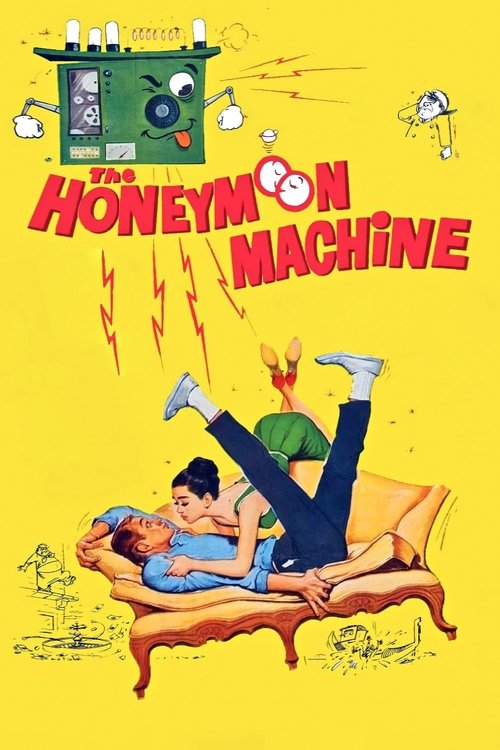
The Honeymoon Machine
1961Lt. Fergie Howard teams up with Lt. Beau Gilliam and Navy scientist Jason Eldridge to turn a supercomputer with missile-tracking capabilities into a tool to predict where a roulette ball will land. They dock in Venice, Italy, and begin making a killing at the casino, but their shore-to-ship signals get misinterpreted as signs of attack by Adm. Fitch, putting a serious crimp in the officers' get-rich-quick scheme.
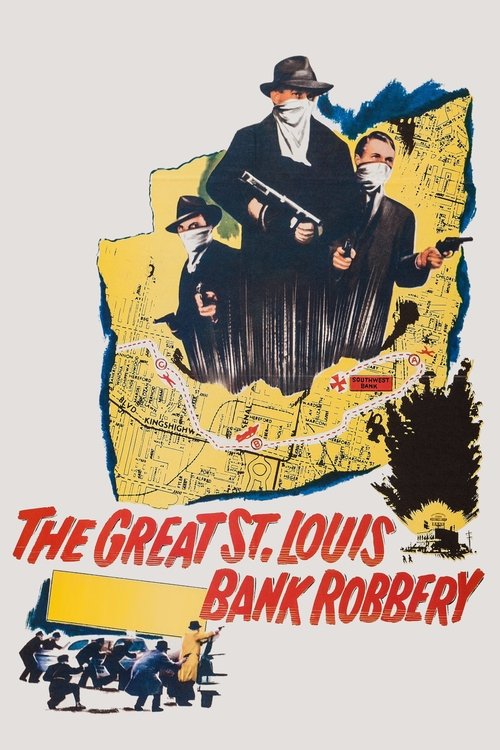
The Great St. Louis Bank Robbery
1959Career criminals and a local youth carefully plan and rehearse the robbery of a Missouri bank.
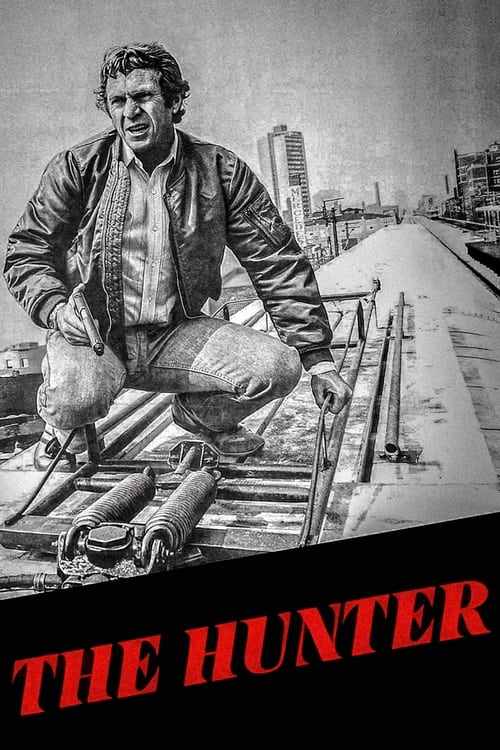
The Hunter
1980During his long career, bounty hunter Ralph "Papa" Thorson has caught over 5,000 criminals. Now, while he is working on apprehending fugitives in Illinois, Texas and Nebraska, he himself is being hunted by a psychotic killer.
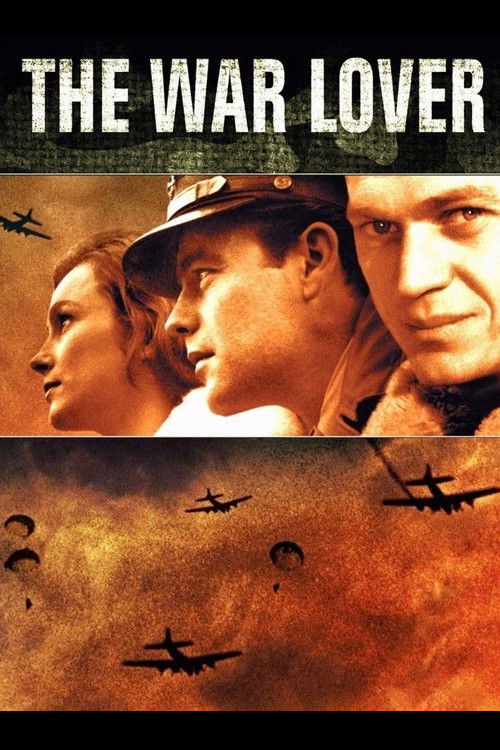
The War Lover
1962Buzz Rickson is a dare-devil World War II bomber pilot with a death wish. Failing at everything not involving flying, Rickson lives for the most dangerous missions. His crew lives with this aspect of his personality only because they know he always brings them back alive.
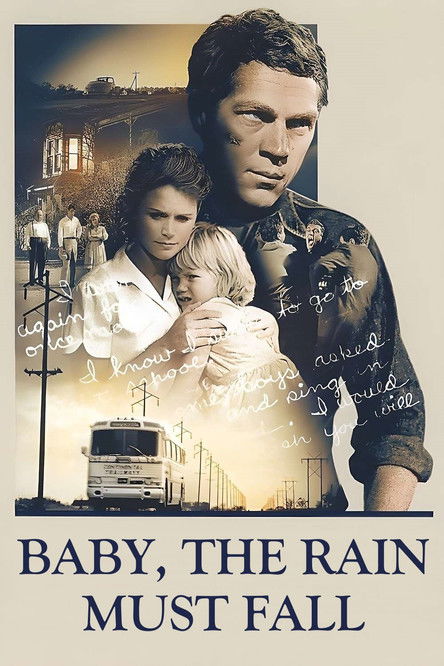
Baby the Rain Must Fall
1965Henry Thomas tries to overcome the horrors of his childhood and start a new life with his wife and kid. However, his abusive step-mother and his dependence on alcohol threaten to ruin his future.
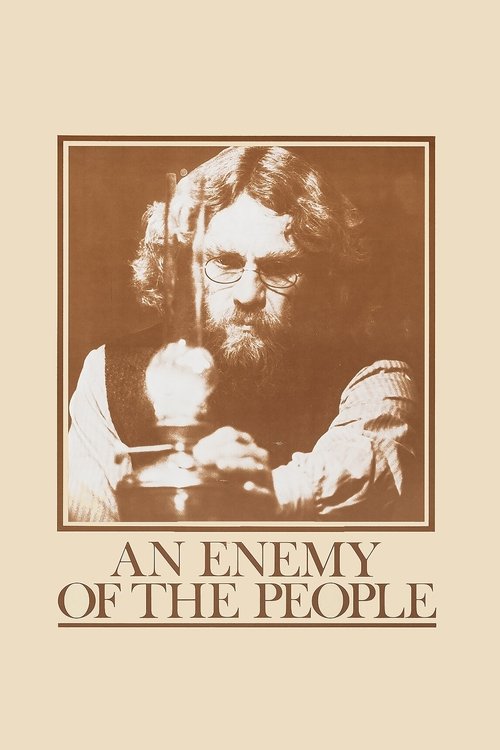
An Enemy of the People
1978A small forest town is trying to promote itself as a place for tourists to come enjoy the therapeutic hot springs and unspoiled nature. Dr. Stockmann, however, makes the inconvenient discovery that the nature around the village is not so unspoiled. In fact, the runoff from the local tanning mill has contaminated the water to a dangerous degree. The town fathers argue that cleaning up the mess would be far too expensive and the publicity would destroy the town's reputation, so therefore news of the pollution should be suppressed. Dr. Stockmann decides to fight to get the word out to the people, but receives as very mixed reaction.
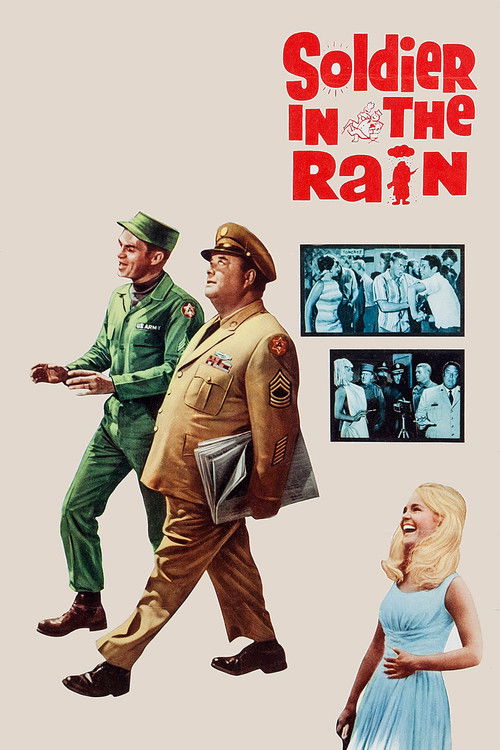
Soldier in the Rain
1963Maxwell Slaughter is a kind, heavyset guy who has reached the rank of master sergeant in the army. Admired by handsome young Sgt. Eustis Clay, Slaughter forms a close bond with his peer. Clay hopes to convince Slaughter to join him in a business venture outside of the service, but, in the meantime, he introduces the older officer to the beautiful young Bobby Jo Pepperdine, inadvertently creating trouble for both men.
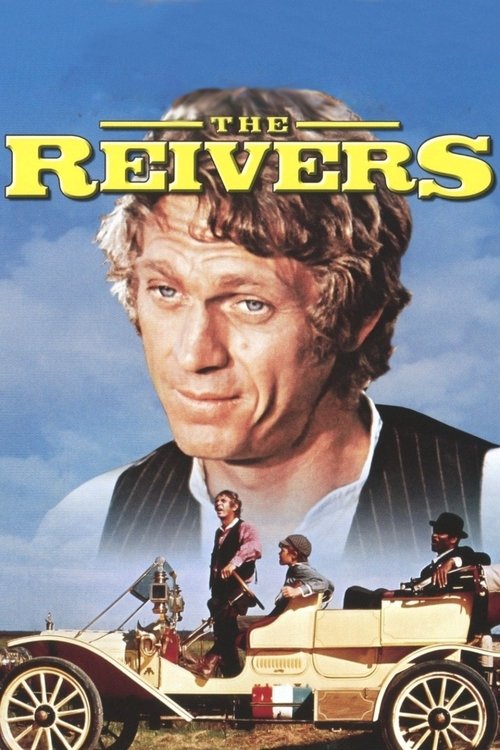
The Reivers
1969In turn-of-the-century Mississippi, an 11-year-old boy comes of age as two mischievous adult friends talk him into sneaking the family car out for a trip to Memphis and a series of adventures.
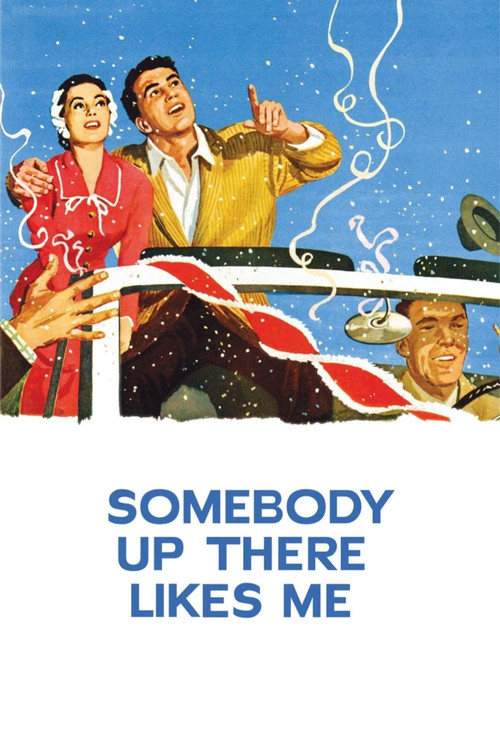
Somebody Up There Likes Me
1956The story of boxer Rocky Graziano's rise from juvenile delinquent to world champ.
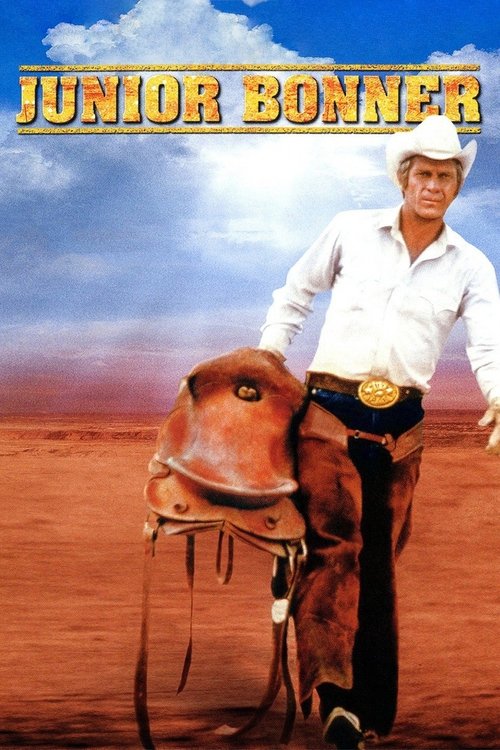
Junior Bonner
1972With his bronco-busting career on its last legs, Junior Bonner heads to his hometown to try his luck in the annual rodeo. But his fond childhood memories are shattered when he finds his family torn apart by his greedy brother and hard-drinking father.
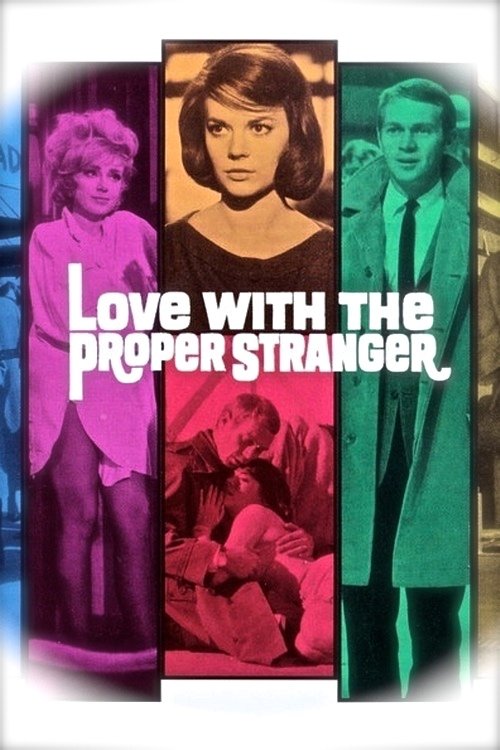
Love with the Proper Stranger
1963Angie Rossini, an innocent New York City sales clerk from a repressive Italian-American family, engages in a short-lived affair with a handsome jazz musician named Rocky Papasano. When Angie becomes pregnant, she tracks down Rocky hoping he'll pay for her abortion.
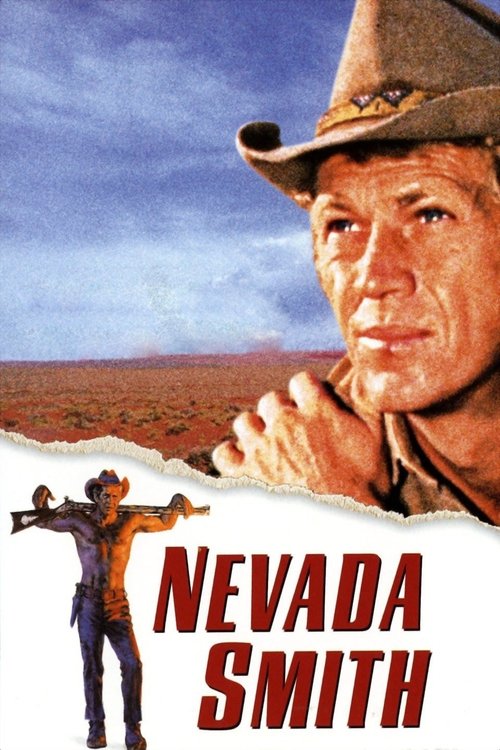
Nevada Smith
1966Nevada Smith is the young son of an Indian mother and white father. When his father is killed by three men over gold, Nevada sets out to find them and kill them. The boy is taken in by a gun merchant. The gun merchant shows him how to shoot and to shoot on time and correct.
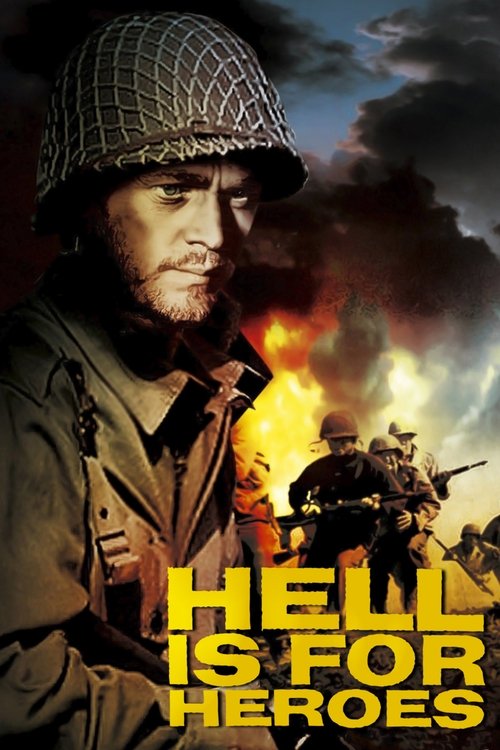
Hell Is for Heroes
1962World War II drama where the action centers around a single maneuver by a squad of GIs in retaliation against the force of the German Siegfried line. Reese joins a group of weary GIs unexpectedly ordered back into the line when on their way to a rest area. While most of the men withdraw from their positions facing a German pillbox at the far side of a mine-field, half a dozen men are left to protect a wide front. By various ruses, they manage to convince the Germans that a large force is still holding the position. Then Reese leads two of the men in an unauthorized and unsuccessful attack on the pillbox, in which the other two are killed; and when the main platoon returns, he is threatened with court-martial. Rather that face the disgrace, and in an attempt to show he was right, he makes a one-man attack on the pillbox.
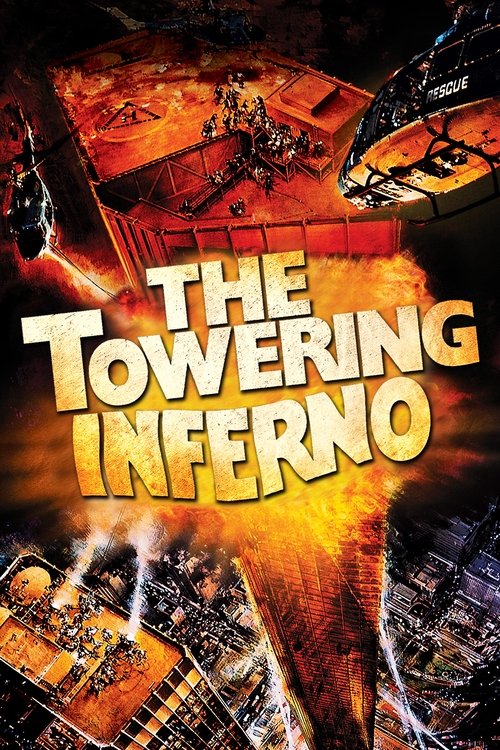
At the opening party of a colossal—but poorly constructed—skyscraper, a massive fire breaks out, threatening to destroy the tower and everyone in it.
Standing tall amidst the spectacle of the disaster genre, McQueen brought a grounded, no-nonsense authority to the role of Fire Chief O'Hallorhan. Even in a massive ensemble of heavy hitters, his understated command serves as the film's necessary moral and physical anchor.
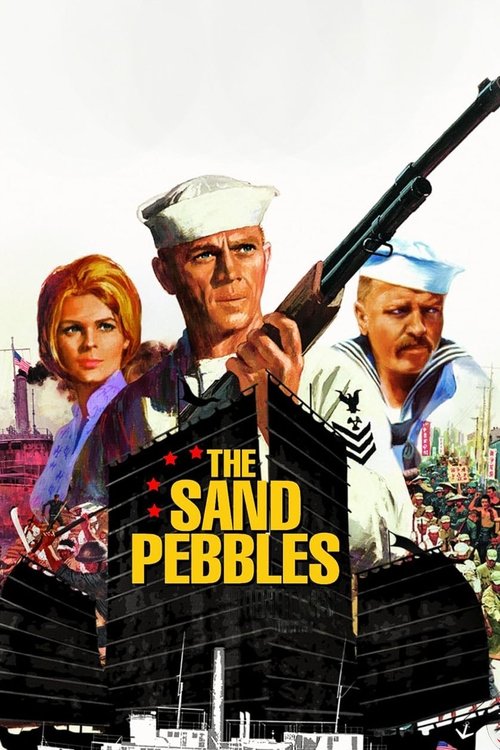
The Sand Pebbles
1966Engineer Jake Holman arrives aboard the gunboat USS San Pablo, assigned to patrol a tributary of the Yangtze in the middle of exploited and revolution-torn 1926 China. His iconoclasm and cynical nature soon clash with the 'rice-bowl' system which runs the ship and the uneasy symbiosis between Chinese and foreigner on the river. Hostility towards the gunboat's presence reaches a climax when the boat must crash through a river-boom and rescue missionaries upriver at China Light Mission.
McQueen received his only Academy Award nomination for this performance, a soulful turn that grounded an epic historical scope in humanist melancholy. He moved beyond the action star mold here to portray a man caught between duty and conscience with profound sensitivity.
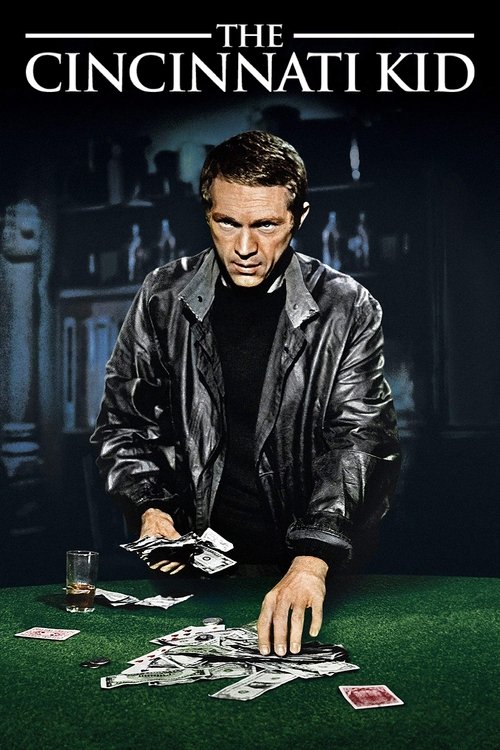
The Cincinnati Kid
1965An up-and-coming poker player tries to prove himself in a high-stakes match against a long-time master of the game.
Pitting his youth against Edward G. Robinson's veteran stature, McQueen navigates this smoky gambling drama with a twitchy, ambitious intensity. It captures the exact moment the actor refined his ability to hold a close-up through nothing but calculated, high-stakes internal pressure.
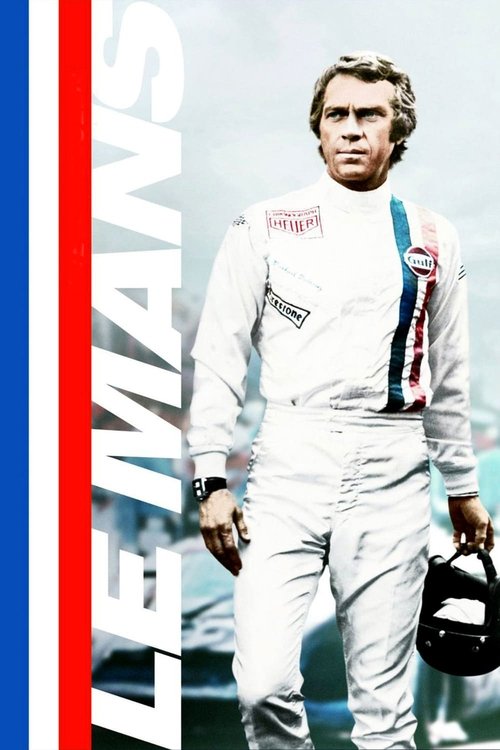
Le Mans
1971Filmed during the annual 24-hour endurance race at Le Mans, Michael Delaney is a Porsche driver haunted by the memory of an accident at the previous year's race in which a competing driver was killed. Delaney also finds himself increasingly infatuated with the man's widow.
This is less a standard narrative and more a pure distillation of McQueen's real-life obsession with speed and mechanical precision. He eschews traditional character arcs to present a documentary-style portrait of professional focus and the singular drive of an elite driver.
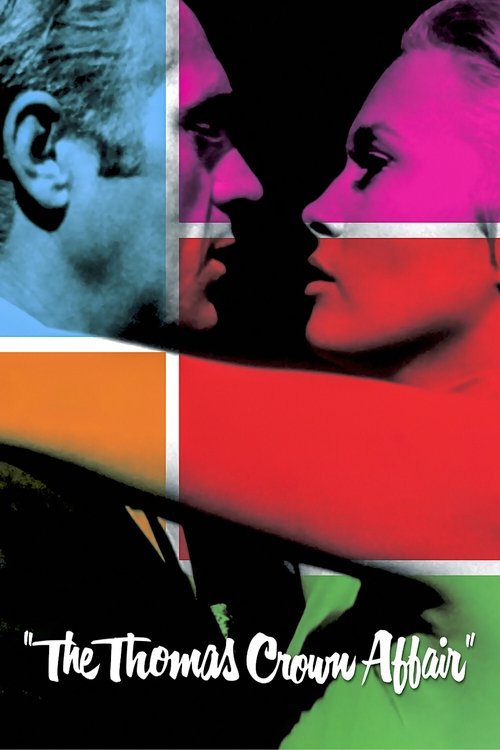
The Thomas Crown Affair
1968Young businessman Thomas Crown is bored and decides to plan a robbery and assigns a professional agent with the right information to the job. However, Crown is soon betrayed yet cannot blow his cover because he’s in love.
This film served as a high-fashion playground where McQueen proved he could inhabit the world of the wealthy elite as convincingly as he did the grease-stained trenches. He weaponized his natural magnetism during the famous chess sequence, demonstrating that silence is his most potent tool.
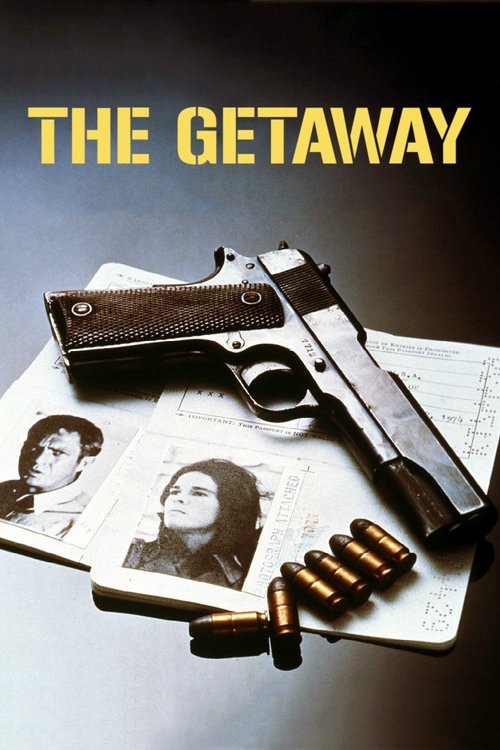
The Getaway
1972A recently released ex-convict and his loyal wife go on the run after a heist goes wrong.
Working under Sam Peckinpah, McQueen channeled a leaner, meaner brand of masculinity that crackled with genuine tension and moral ambiguity. This role allowed him to explore a more cynical edge, trading his hero persona for the rugged skin of a professional thief.
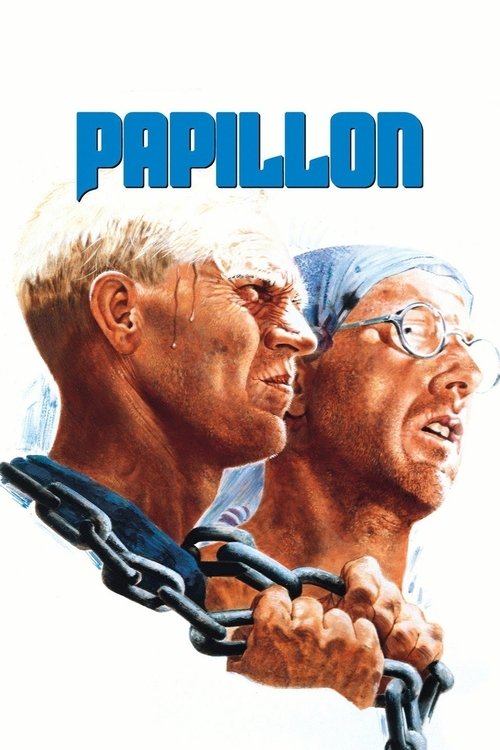
Papillon
1973A man befriends a fellow criminal as the two of them begin serving their sentence on a dreadful prison island, which inspires the man to plot his escape.
In this visceral survival epic, McQueen strips away his usual veneer of detached suave to reveal a gritty, desperate vulnerability that proved his dramatic range reached far beyond action tropes. It is a grueling masterclass in physical transformation and raw psychological endurance.
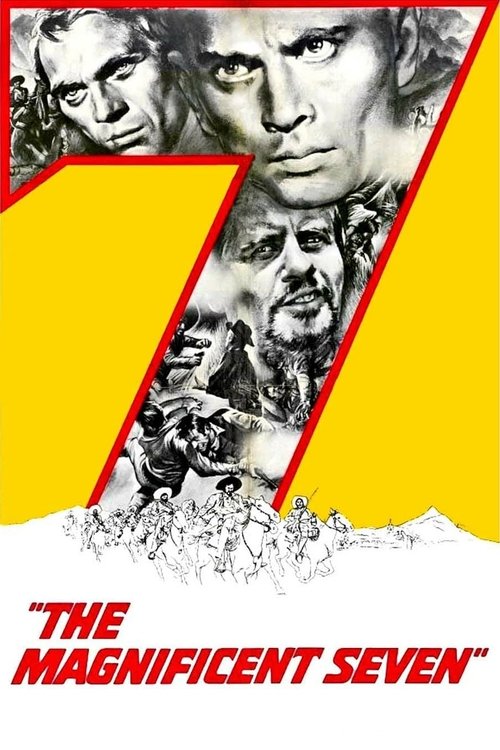
The Magnificent Seven
1960An oppressed Mexican peasant village hires seven gunfighters to help defend their homes.
While part of an ensemble, McQueen stole the spotlight through subtle scene-stealing gestures and a restless energy that signaled his impending transition to a leading man. He brought a contemporary, laconic flair to the traditional Western archetype that felt revolutionary for the time.
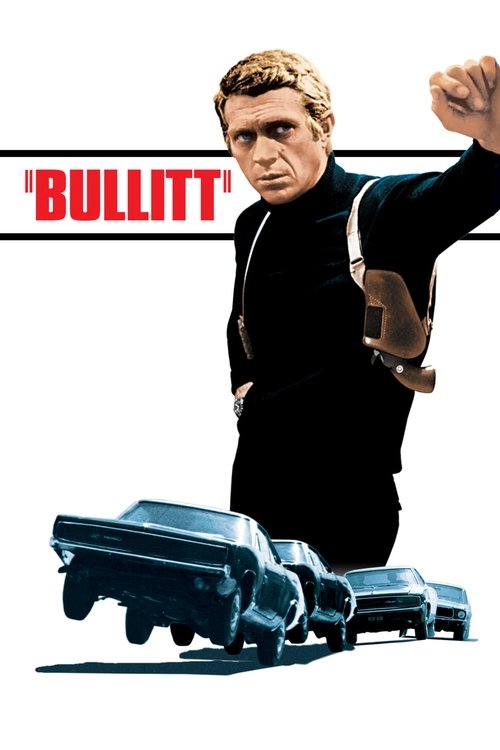
Bullitt
1968Senator Walter Chalmers is aiming to take down mob boss Pete Ross with the help of testimony from the criminal's hothead brother Johnny, who is in protective custody in San Francisco under the watch of police lieutenant Frank Bullitt. When a pair of mob hitmen enter the scene, Bullitt follows their trail through a maze of complications and double-crosses. This thriller includes one of the most famous car chases ever filmed.
As Frank Bullitt, McQueen perfected the art of minimalist acting, letting a steely gaze and precise movements dominate the frame more than any dialogue ever could. He effectively redefined the cinematic police procedural by injecting it with an icy, modern stoicism.
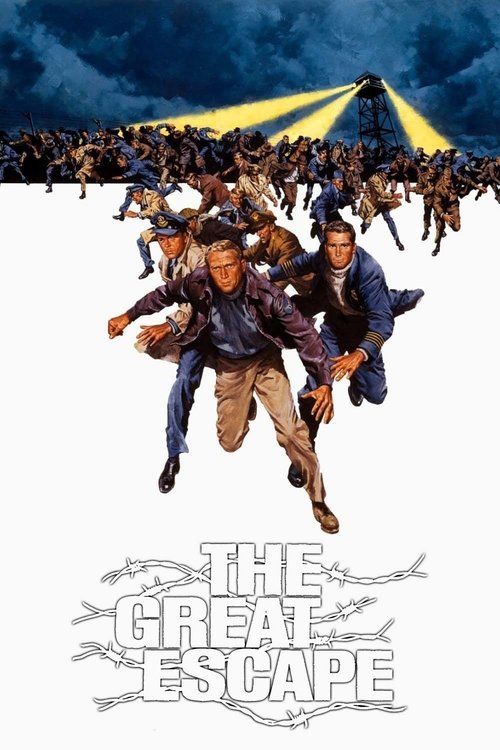
The Great Escape
1963The Nazis, exasperated at the number of escapes from their prison camps by a relatively small number of Allied prisoners, relocate them to a high-security 'escape-proof' camp to sit out the remainder of the war. Undaunted, the prisoners plan one of the most ambitious escape attempts of World War II. Based on a true story.
McQueen solidified his status as the definitive anti-authoritarian icon by weaponizing a baseball glove and a motorcycle against the backdrop of a high-stakes prisoner-of-war camp. His portrayal of Hilts remains the ultimate marriage of individualistic physical prowess and effortless cinematic cool.
Frequently Asked Questions
Everything you need to know about this list and SnakeDrafts
- "The Great Escape" is ranked highest due to its iconic portrayal of McQueen as the rebellious and daring Captain Virgil Hilts. The film combines thrilling war drama with McQueen's signature cool charisma, solidifying its status as a classic and a hallmark of his career.
- "Bullitt" is notable for its groundbreaking car chase scenes and McQueen's portrayal of a tough, no-nonsense cop. Its blend of crime thriller elements with McQueen's understated performance elevates it to one of the most influential action movies of the 1960s.
- Yes, many top-ranked films like "The Great Escape," "Bullitt," and "The Magnificent Seven" feature McQueen as an anti-hero who operates on the fringes of society, often embodying themes of rebellion, resilience, and stoic toughness. This consistent character motif helps define his enduring screen persona.
- "Papillon" showcases McQueen's ability to portray emotional depth and endurance in a challenging prison escape narrative. Its gritty realism and powerful drama make it a standout in his later career, earning it a high ranking for its intense storytelling and performance.
- Films like "Love with the Proper Stranger" and "The Cincinnati Kid" reveal McQueen's range beyond action, exploring romantic and dramatic roles. These movies highlight his subtle emotional expressiveness and charm, broadening his appeal as more than just an action star.
- "The Thomas Crown Affair" blends crime, romance, and sophistication, showcasing McQueen in a suave, charismatic role that contrasts with his typically rugged anti-hero characters. Its stylish narrative and chemistry with co-star Faye Dunaway make it a unique entry on the list.
- The list is comprehensive, but some fans might note the absence of lesser-known titles like "Nevada Smith" that still contribute to McQueen’s Western legacy. However, the ranking primarily focuses on his most influential and critically acclaimed works.
- "Le Mans" is celebrated for its authentic depiction of endurance racing and McQueen’s personal passion for motorsports, making it a distinct and authentic piece in his filmography. While not his highest-grossing film, it remains culturally significant and a fan favorite for its thrilling action sequences.