Best Movies Starring Julie Christie
The Definitive Screen Legacy of a British Cinema Icon
Explore the essential performances of Julie Christie, from the swinging sixties to modern classics in this expert-curated filmography guide.
About Julie Christie
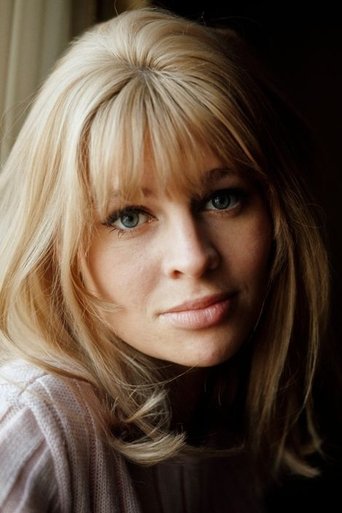
In the mid-sixties, a specific kind of electricity crackled across the cinema screens of London, and its name was Julie Christie. She did not just enter the frame; she swung into it during Billy Liar with a handbag and a stride that signaled the death of post-war austerity. She was the face of the decade, a blend of aristocratic poise and revolutionary spirit that made her the ultimate muse for the camera. While other stars of her generation chased the traditional Hollywood polish, she seemed more interested in dismantling the idea of the movie star entirely, choosing roles that prioritized psychological messiness over easy glamor.
Her ascent reached its zenith in 1965, a year that saw her claim an Oscar for the cynical, social-climbing model in Darling and anchor the sweeping romanticism of Doctor Zhivago. Such a range should have been impossible, moving from the biting satire of the Swinging Sixties to the epic tragedy of Lara Antipova, yet she carried both with a gaze that felt ancient and modern all at once. She possessed a transparency that allowed audiences to see every flicker of doubt or desire. This vulnerability made her the perfect centerpiece for Far from the Madding Crowd, where she played Bathsheba Everdene not as a simple romantic heroine, but as a woman fiercely struggling for her own agency.
As the seventies dawned, many expected her to settle into comfortable leading-lady status. Instead, she pivoted toward some of the most challenging and atmospheric cinema of the era. Her partnership with Warren Beatty yielded the gritty, snow-dusted masterpiece McCabe and Mrs. Miller and the satirical bite of Shampoo. In Nicholas Roeg's Don't Look Now, she delivered a performance of such raw, grieving intimacy that it remains a benchmark for cinematic naturalism. Even in brief turns, like her meta appearance as herself in Nashville, her presence felt like a commentary on the transience of fame.
Her relationship with the spotlight has always been one of strategic retreat. She famously preferred her farm in Wales to the red carpets of Los Angeles, appearing only when a script demanded her specific, luminous intelligence. This selective nature meant that when she did return, the impact was profound. In the mid-nineties, she brought a grounded gravity to Kenneth Branagh's Hamlet and even lent her dignity to the fantasy realm of DragonHeart. But it was her turn in the 2007 drama Away from Her that reminded the world of her peerless ability to articulate the silent erosion of the self. Playing a woman succumbing to Alzheimer’s, she stripped away every vestige of her legendary beauty to find something far more haunting and human.
Audiences connect with her because she never seems to be performing for our approval. Whether she is the futuristic heroine in Fahrenheit 451 or the forbidden lover in The Go-Between, there is a sense that she is guarding a secret. She remains the rare icon who managed to outlast the era that birthed her by constantly evolving and refusing to be a relic. She did not just capture the spirit of an age; she navigated the decades with a fierce independence that made her the most elusive, and therefore most enduring, star of her generation.
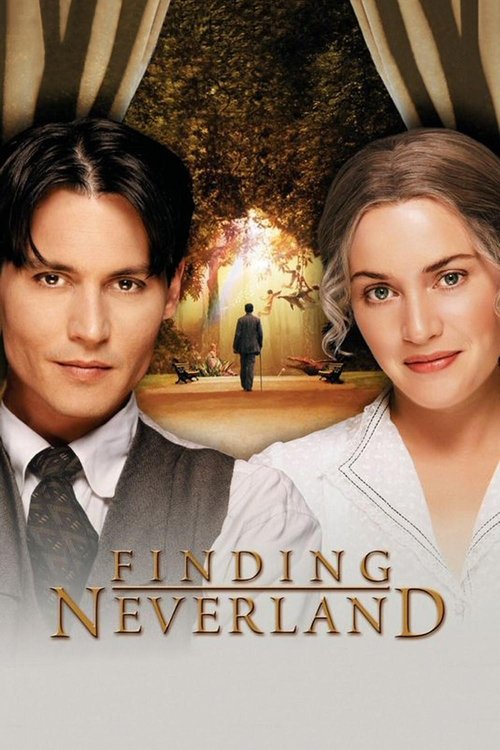
During a writing slump, playwright J.M. Barrie meets a widow and her four children, all young boys—who soon become an important part of Barrie’s life and the inspiration that lead him to create his masterpiece. Peter Pan.
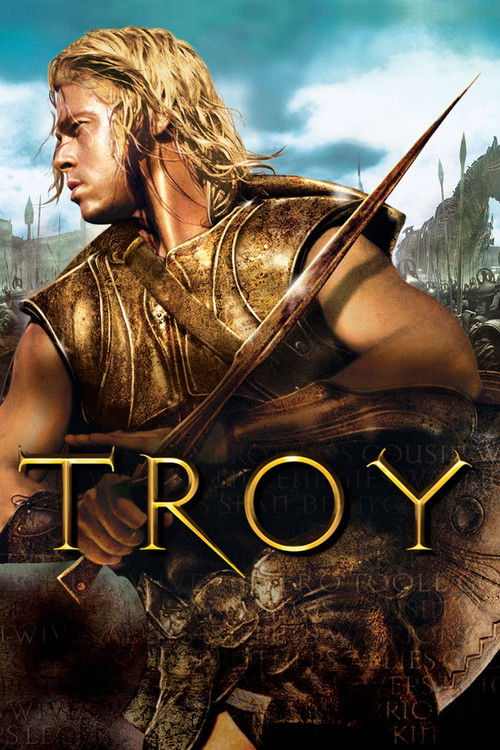
Troy
2004In year 1250 B.C. during the late Bronze age, two emerging nations begin to clash. Paris, the Trojan prince, convinces Helen, Queen of Sparta, to leave her husband Menelaus, and sail with him back to Troy. After Menelaus finds out that his wife was taken by the Trojans, he asks his brother Agamemnon to help him get her back. Agamemnon sees this as an opportunity for power. They set off with 1,000 ships holding 50,000 Greeks to Troy.
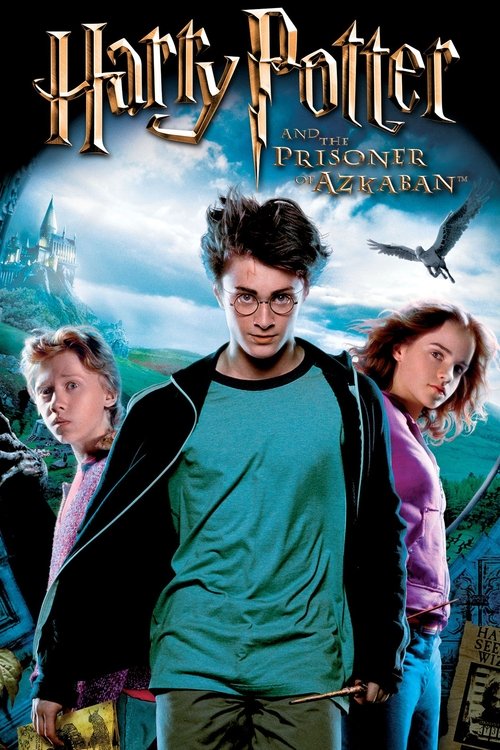
Year three at Hogwarts means new fun and challenges as Harry learns the delicate art of approaching a Hippogriff, transforming shape-shifting Boggarts into hilarity and even turning back time. But the term also brings danger: soul-sucking Dementors hover over the school, an ally of the accursed He-Who-Cannot-Be-Named lurks within the castle walls, and fearsome wizard Sirius Black escapes Azkaban. And Harry will confront them all.
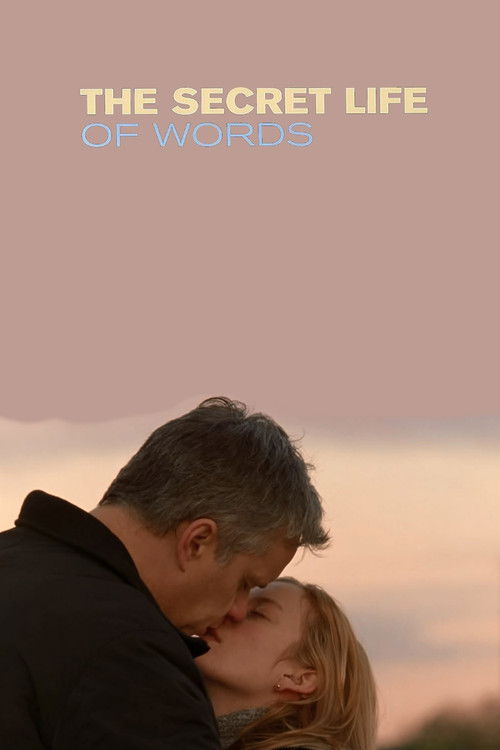
The Secret Life of Words
2005A solitary nurse bonds with a badly burned patient who survived an accident on an oil rig.
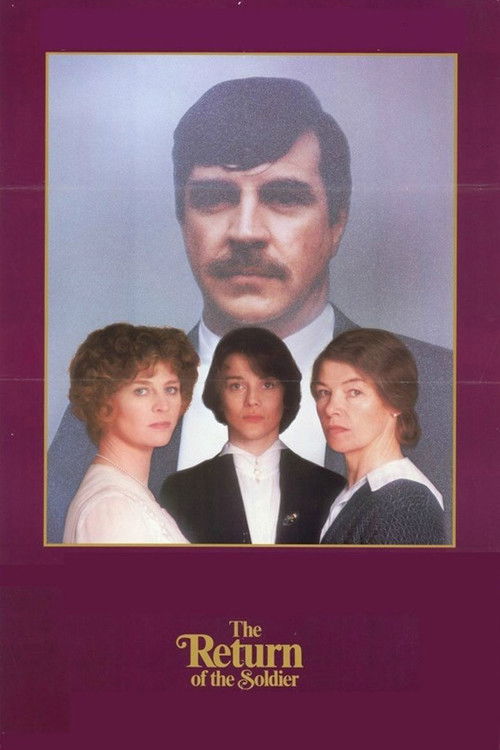
The Return of the Soldier
1983The horrors of World War I have robbed returning veteran Chris Baldry of his memory. The traumatized soldier doesn't even recognize his own wife, Kitty, or remember their years together. While Baldry attempts to cope with the unfamiliar surroundings of his own home, he seeks out the company of an old flame from his childhood, Margaret Grey. His amnesia also makes him a ready target for the affections of his older cousin, Jenny.
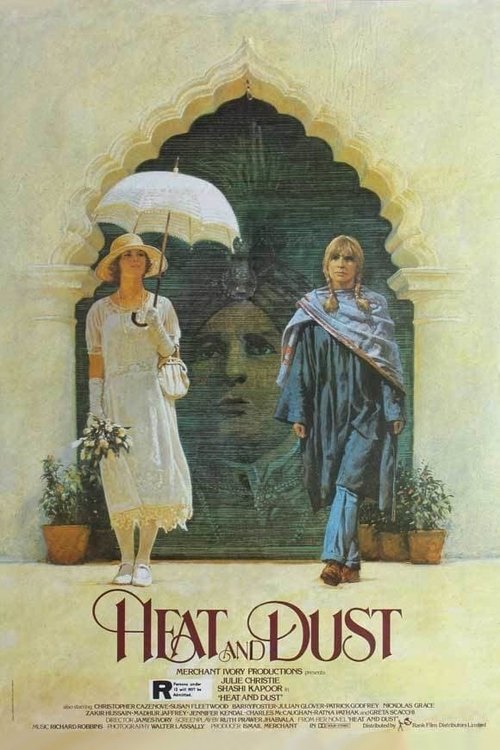
Heat and Dust
1983Anne is investigating the life of her grand-aunt Olivia, whose destiny has always been shrouded with scandal. As Anne delves into the history of her grand-aunt, she is led to reconsider her own life.
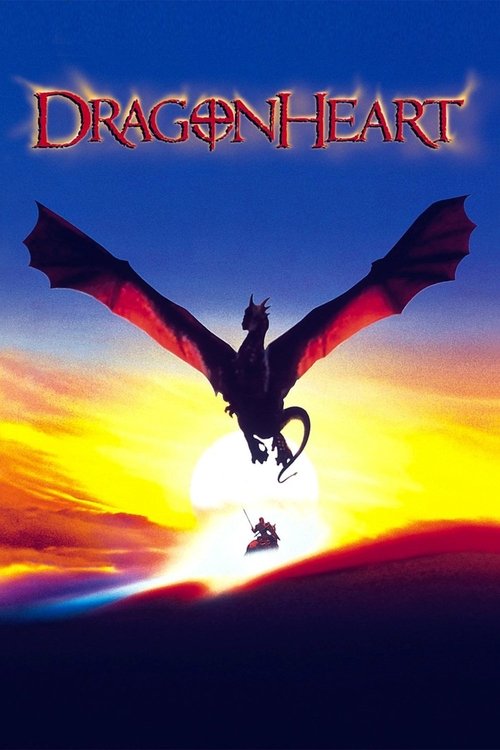
DragonHeart
1996In an ancient time when majestic fire-breathers soared through the skies, a knight named Bowen comes face to face and heart to heart with the last dragon on Earth, Draco. Taking up arms to suppress a tyrant king, Bowen soon realizes his task will be harder than he'd imagined: If he kills the king, Draco will die as well.
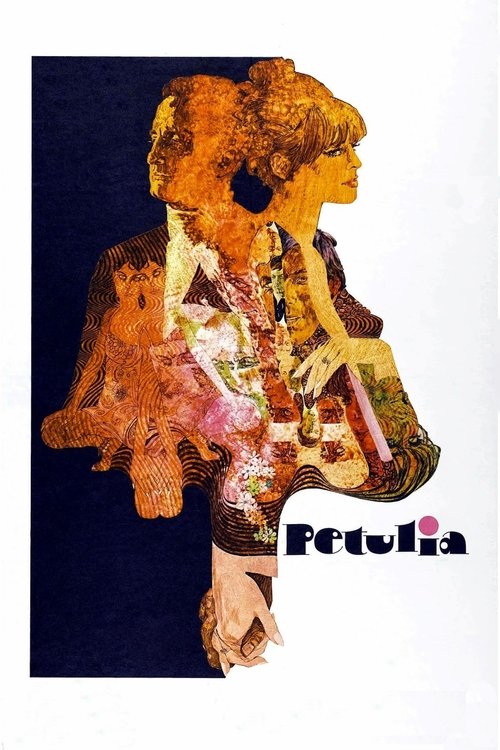
Petulia
1968Dr. Archie Bollen is having a midlife crisis. He's just divorced his wife and is establishing a new life for himself. One night, he catches the eye of Petulia Danner, a charming, free-spirited young woman. Petulia's vibrant personality hides her fear of her abusive husband, David, whose father is a powerful society figure. As Petulia and Archie's feelings for each other grow, they must decide what it is they truly want.
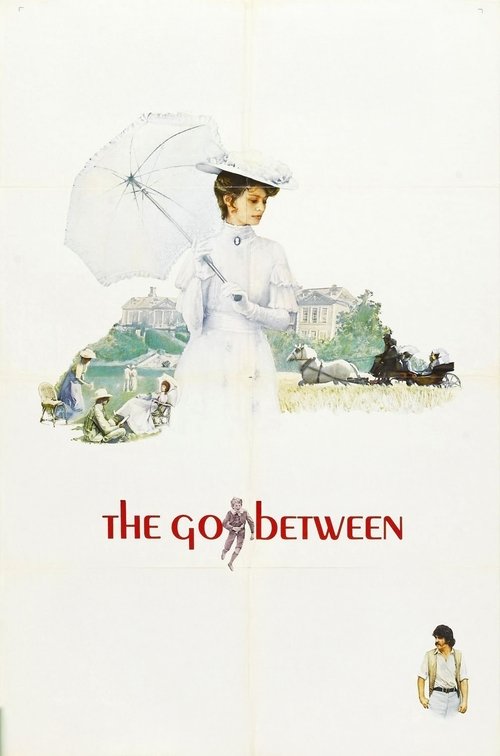
The Go-Between
1971British teenager Leo Colston spends a summer in the countryside, where he develops a crush on the beautiful young aristocrat Marian. Eager to impress her, Leo becomes the "go-between" for Marian, delivering secret romantic letters to Ted Burgess, a handsome neighboring farmer.
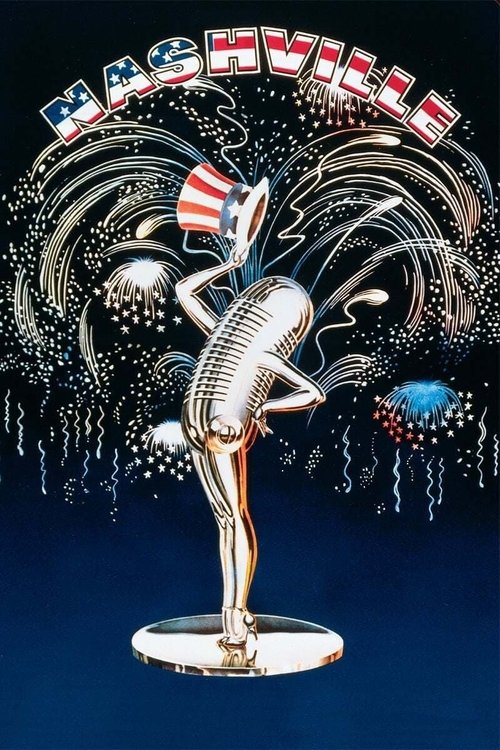
Nashville
1975The intersecting stories of twenty-four characters—from country star to wannabe to reporter to waitress—connect to the music business in Nashville, Tennessee.
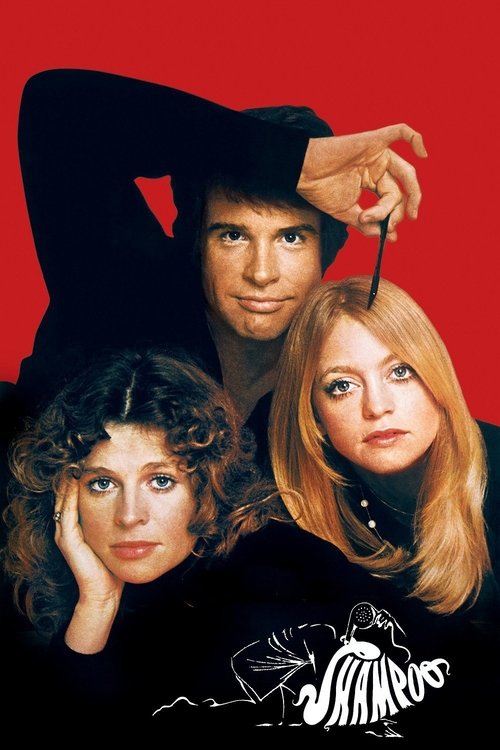
Shampoo
1975On Election Day, 1968, irresponsible hairdresser and ladies' man George Roundy is too busy cutting hair and dealing with his girlfriends and mistress Felicia Karpf, whose husband Lester is having an affair with his ex-girlfriend Jackie.
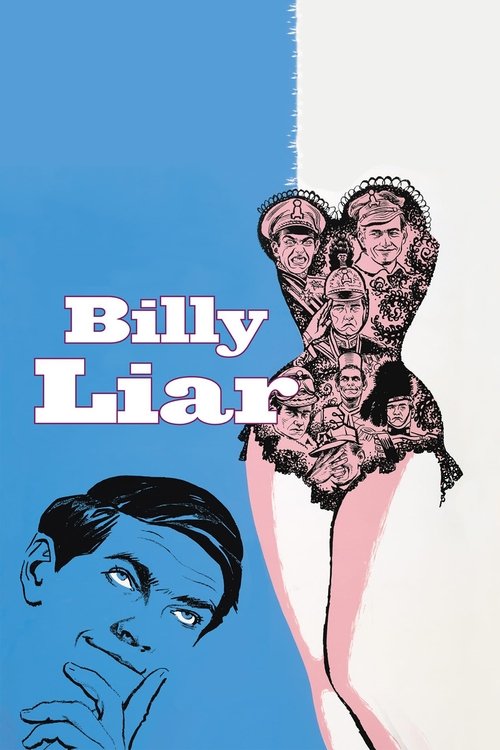
Billy Liar
1963A young Englishman dreams of escaping from his working class family and dead-end job as an undertaker's assistant. A number of indiscretions cause him to lie in order to avoid the penalties. His life turns into a mess and he has an opportunity to run away and leave it all behind.
Though her screen time is brief, Christie’s entrance as the freewheeling Liz changed British film history by introducing an icon of total liberation. She represents the tantalizing possibility of escape from grey conformity, lit by a smile that feels like a revolution.
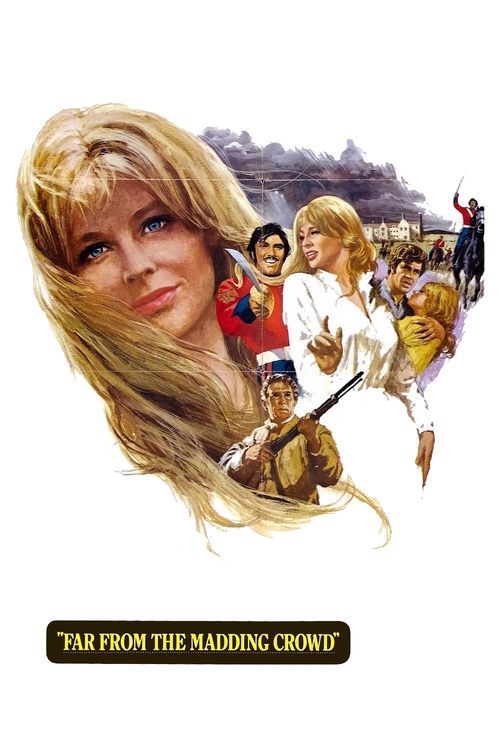
Far from the Madding Crowd
1967Bathsheba Everdine, a willful, flirtatious, young woman, unexpectedly inherits a large farm and becomes romantically involved with three widely divergent men.
Christie brings a fierce, modern independence to Thomas Hardy’s Bathsheba Everdene, making the Victorian heroine feel startlingly contemporary. She navigates the character’s complex romantic entanglements with a headstrong vitality that refuses to be stifled by period constraints.
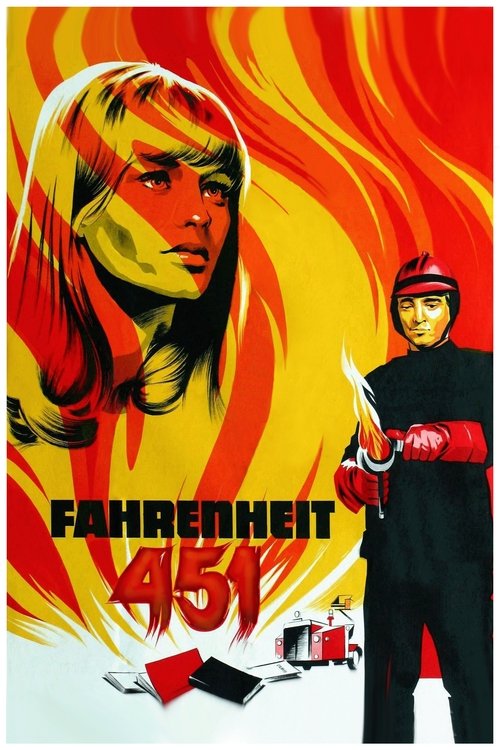
Fahrenheit 451
1966In the future, the government maintains control of public opinion by outlawing literature and maintaining a group of enforcers, known as “firemen,” to perform the necessary book burnings. Fireman Montag begins to question the morality of his vocation…
By playing two diametrically opposed roles, Christie highlights the chilling contrast between mindless social conformity and subversive intellectual curiosity. It is a bold dual performance that anchors Truffaut’s dystopian vision in a very personal struggle for identity.
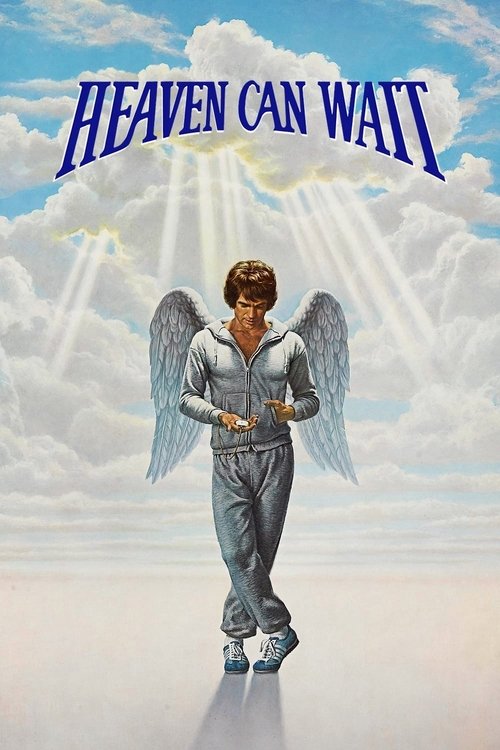
Heaven Can Wait
1978Joe Pendleton is a quarterback preparing to lead his team to the superbowl when he is almost killed in an accident. An overanxious angel plucks him to heaven only to discover that he wasn't ready to die, and that his body has been cremated. A new body must be found, and that of a recently-murdered millionaire is chosen. His wife and accountant—the murderers—are confused by this development, as he buys the L.A. Rams in order to once again quarterback them into the Superbowl.
Even in a whimsical comedic fantasy, Christie radiates a grounded intelligence that keeps the film from floating into pure saccharine territory. She serves as the perfect foil to Warren Beatty, elevating a lighthearted romance with her trademark understated elegance.
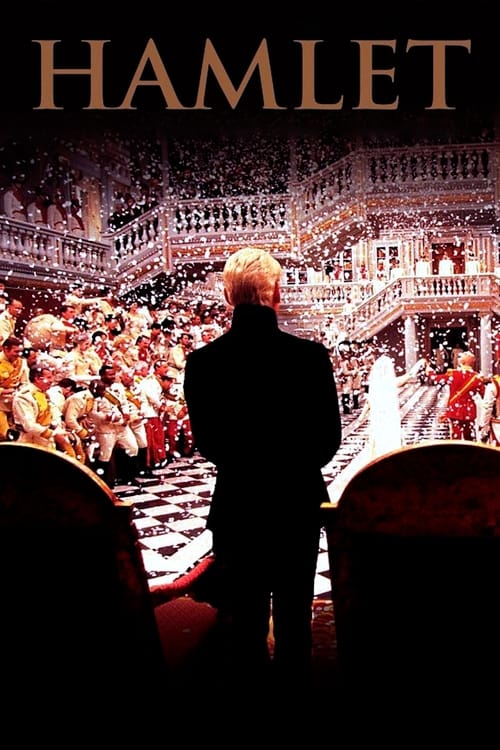
Hamlet
1996Hamlet, Prince of Denmark, returns home to find his father murdered and his mother now marrying the murderer... his uncle. Meanwhile, war is brewing.
Christie provides a haunting, mature counterweight to Kenneth Branagh’s high-energy production as a Gertrude trapped between maternal instinct and political survival. Her performance explores the complicity of the crown with a sophisticated, wordless tension.
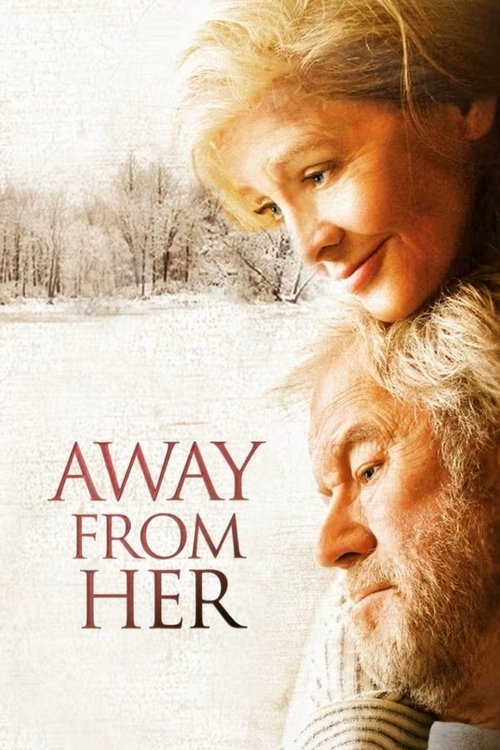
Away from Her
2007Fiona and Grant have been married for nearly 50 years. They have to face the fact that Fiona’s absent-mindedness is a symptom of Alzheimer’s disease. She must go to a specialized nursing home, where she slowly forgets Grant and turns her affection to Aubrey, another patient in the home.
Decades into her storied career, Christie delivers a quietly shattering late-period triumph as a woman losing herself to Alzheimer’s. She eschews melodrama for a translucent, ethereal grace that Makes the character’s mental drift feel like a radical act of disappearance.
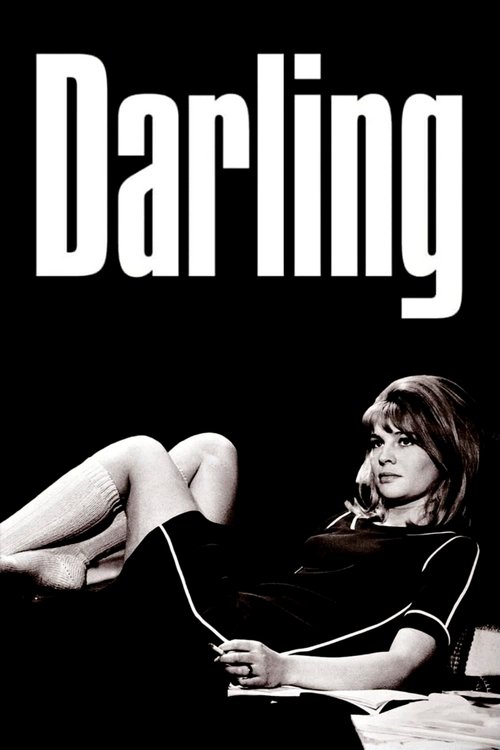
Darling
1965Diana, a beautiful but shallow and easily distracted model and failed actress, toys with the affections of several men while attempting to gain fame and fortune in Swinging London.
Capturing the hollow core of the Jet Set era, Christie’s Oscar-winning turn as Diana Scott is a jagged portrait of ambition and boredom. She manages to be simultaneously magnetic and devastatingly empty, embodying the mercurial spirit of Swinging London.
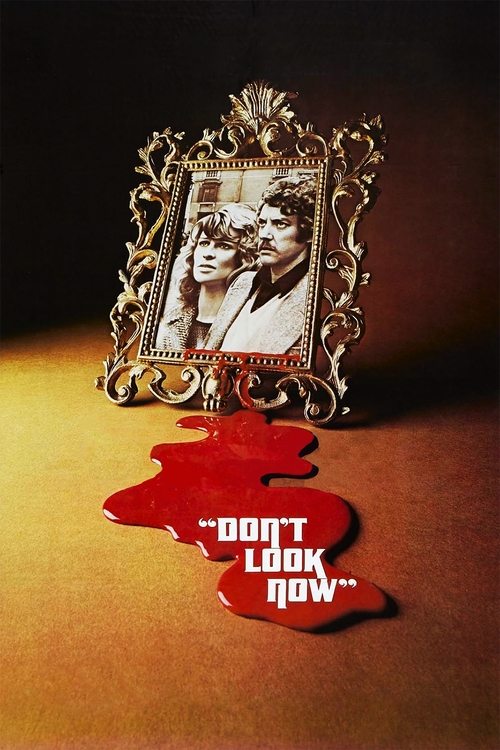
Don't Look Now
1973While grieving a terrible loss, a married couple meet two mysterious sisters, one of whom gives them a message sent from the afterlife.
In this visceral exploration of maternal grief, Christie grounds the supernatural dread with a raw, agonizingly human vulnerability. Her chemistry with Donald Sutherland remains one of the most erotic and emotionally authentic depictions of a fracturing marriage ever filmed.
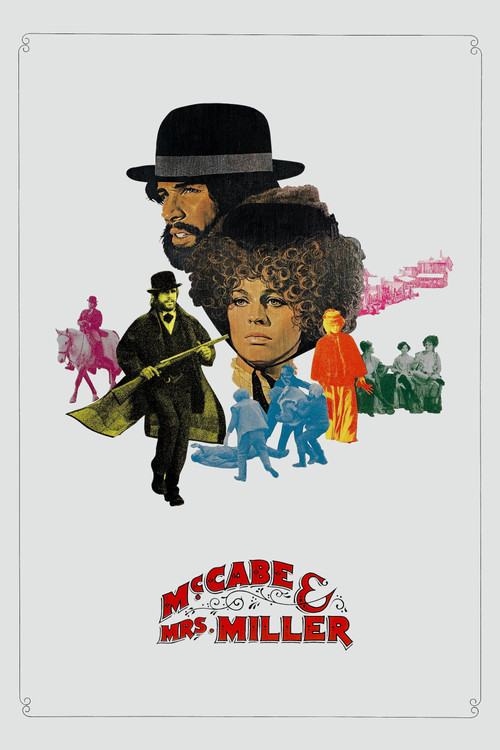
McCabe & Mrs. Miller
1971A gambler and a prostitute become thriving business partners in a remote Old West mining town until a large corporation arrives on the scene.
Subverting the damsel archetype, Christie brings a frosty, opium-addicted pragmatism to Robert Altman’s revisionist winter. Her Constance Miller is a masterclass in calculated detachment, proving she could dismantle her own glamorous image with sharp, business-minded cynicism.
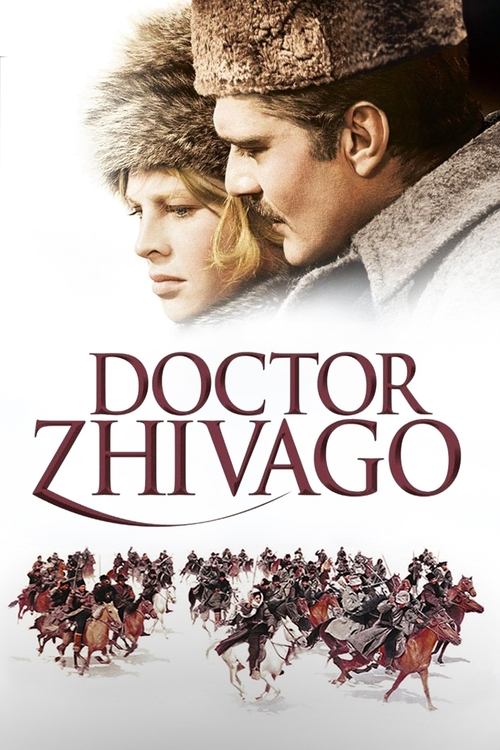
Doctor Zhivago
1965The life of a Russian physician and poet who, although married to another, falls in love with a political activist's wife and experiences hardship during World War I and then the October Revolution.
Christie serves as the luminous, aching heart of David Lean’s sweeping epic, transforming Lara into a monumental symbol of lost Russian romanticism. Her ability to hold the screen against literal revolutions cemented her status as the definitive face of 1960s international cinema.
Frequently Asked Questions
Everything you need to know about this list and SnakeDrafts
- Julie Christie's portrayal of Lara Antipova in 'Doctor Zhivago' is iconic due to her ability to embody complex emotions amidst historical turmoil, blending romance and tragedy. Her performance under David Lean's direction helped secure the film's status as a classic drama and romantic war epic.
- In 'McCabe & Mrs. Miller,' Julie Christie brought depth and nuance to the Western genre by playing a strong, independent woman who challenges traditional gender roles. Her collaboration with Robert Altman introduced a fresh, revisionist perspective to Western films in the early 1970s.
- 'Don't Look Now' showcases Julie Christie's compelling performance in a psychologically intense thriller, blending elements of horror and drama. Her role helped elevate the film's eerie atmosphere and emotional depth, making it a standout in her diverse filmography.
- Julie Christie embodied the spirit of the swinging sixties in 'Darling,' where her portrayal of a glamorous, ambitious woman captured the era's cultural and social shifts. This role was significant in establishing her as a symbol of modernity and style in 1960s British cinema.
- In 'Away from Her,' Julie Christie explores themes of love, memory, and aging through her sensitive and heartfelt portrayal of a woman coping with Alzheimer's disease. The film stands out as a poignant drama and a testament to Christie's mature acting prowess.
- Julie Christie's performances in 'Hamlet' and 'Fahrenheit 451' highlight her versatility, moving effortlessly from classic Shakespearean drama to dystopian science fiction. These roles demonstrate her ability to adapt to diverse genres while maintaining powerful character portrayals.
- Julie Christie's collaborations with John Schlesinger in films like 'Billy Liar' and 'Far from the Madding Crowd' are notable for their rich character studies and exploration of English social landscapes. Their partnership yielded critically acclaimed performances that helped define British cinema in the 1960s.