The Greatest Crime Movies of 1993
Gritty Classics and Cult Thrillers Remembered
Explore the best crime cinema from a landmark year. From mob dramas to urban thrillers, discover top-rated films like True Romance and A Bronx Tale.
About 1993 Crime Movies
In the long view of cinema history, 1993 is often remembered as the year Steven Spielberg conquered the world with dinosaurs and heartbreak. But away from the spectacle of blockbusters and historical epics, the crime genre was undergoing a fascinating metamorphosis. It was a year where the gritty street poetry of the eighties began to bleed into the stylized, self conscious cool that would define the nineties. If 1992 was about the shock of Reservoir Dogs, 1993 was about the genre finding its soul again through operatic tragedy and neon soaked noir.
The undisputed heavyweight champion of the year was Brian De Palma’s Carlito’s Way. On the surface, it looked like a Retread of Scarface, reuniting Al Pacino with his director from a decade prior. However, the film was a complete inversion of Tony Montana’s rise. As Carlito Brigante, Pacino played a man exhausted by his own legend, trying desperately to escape a destiny written in the pavement. It remains one of the most romantic and mournful crime films ever made, trading mindless carnage for a sense of inevitable doom. The climactic chase through Grand Central Station is a masterclass in tension, but the heart of the film lies in Carlito’s realization that the street doesn't let you retire.
While De Palma was looking at the end of a career, a young brothers duo named the Hughes siblings were looking at the harsh reality of the beginning. Menace II Society arrived with a visceral, documentary like intensity that shook audiences. It didn't just depict crime; it analyzed the systemic cycle of violence in South Central Los Angeles with a nihilistic clarity that made other contemporary urban dramas feel soft by comparison. It was a vital, angry piece of work that signaled a shift toward a more raw, uncompromising form of storytelling.
Across the pond, the crime genre was getting a dose of sleek, high stakes tension with The Fugitive. While technically an action thriller, its bones were pure procedural noir. Tommy Lee Jones created an instantly iconic archetype in Samuel Gerard, the relentless lawman who didn't care about innocence or guilt, only the hunt. It proved that crime movies could still be massive, intelligent tentpoles without losing their edge.
Even the smaller, more eccentric corners of the genre were thriving. True Romance, written by Quentin Tarantino and directed by Tony Scott, gave us a candy colored, hyper violent fairy tale. It blended the grit of a drug deal gone wrong with a breathless, star crossed lover narrative. It featured arguably the greatest dialogue scene of the decade between Dennis Hopper and Christopher Walken, proving that in a great crime film, words are often deadlier than bullets.
Looking back, 1993 was a bridge between eras. It maintained the hard boiled cynicism of the past while embracing the visual flair and cultural urgency of the future. Whether it was the somber tragedy of A Bronx Tale or the courtroom intensity of The Firm, the year proved that crime cinema was no longer just about guys with guns. It was about legacy, consequence, and the impossible dream of walking away clean. It was a vintage year for the genre, offering a dark mirror to a society that was just beginning to grapple with the complexities of a new decade.
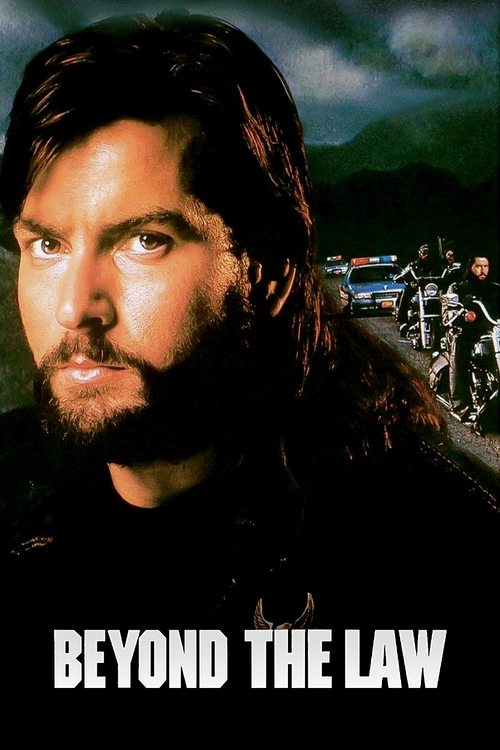
Beyond the Law
1993Dan Saxon is an undercover cop who infiltrates a biker gang to nail the scum behind a drug-smuggling operation. In order to maintain the trust of the gang's leader, he must commit ever more dangerous and heinous crimes. Just how far 'beyond the law' will Saxon go?
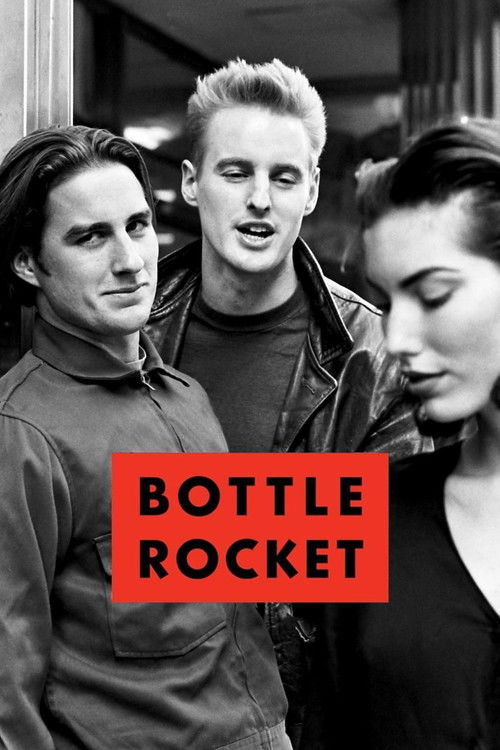
Bottle Rocket
1993Dysfunctional friends Dignan and Anthony plan and execute a robbery with their pot-growing friend, Bob. The short film that inspired Wes Anderson’s feature debut.
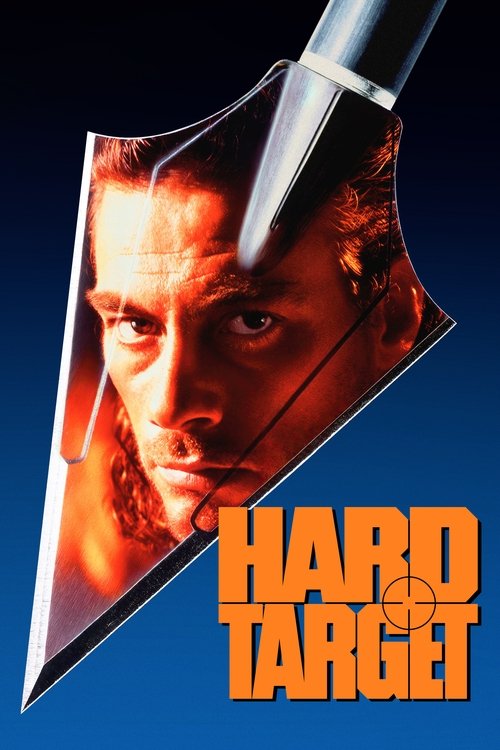
Hard Target
1993When a woman's father goes missing, she enlists a local to aid in her search. The pair soon discover that her father has died at the hands of a wealthy sportsman who hunts homeless men as a form of recreation.
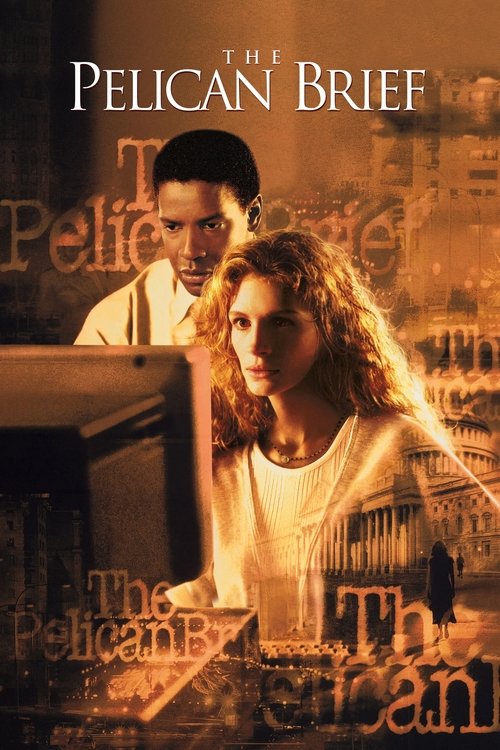
The Pelican Brief
1993A law student's theory about the recent deaths of two Supreme Court justices embroils her in a far-reaching web of murder, corruption, and greed.
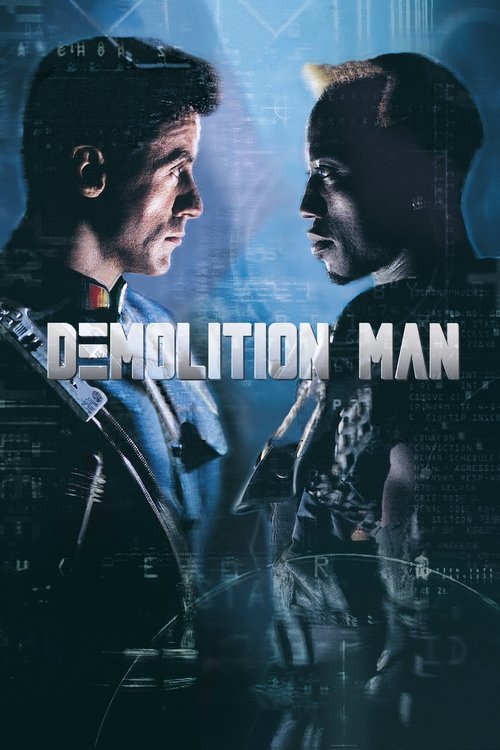
Demolition Man
1993In 1996, brash L.A. detective John Spartan and maniac killer Simon Phoenix are both sentenced to decades in a cryogenic prison as punishment for a rescue mission gone wrong. When Phoenix escapes 36 years later to wreak havoc on the future, Spartan is awakened to capture his nemesis the old-fashioned way.
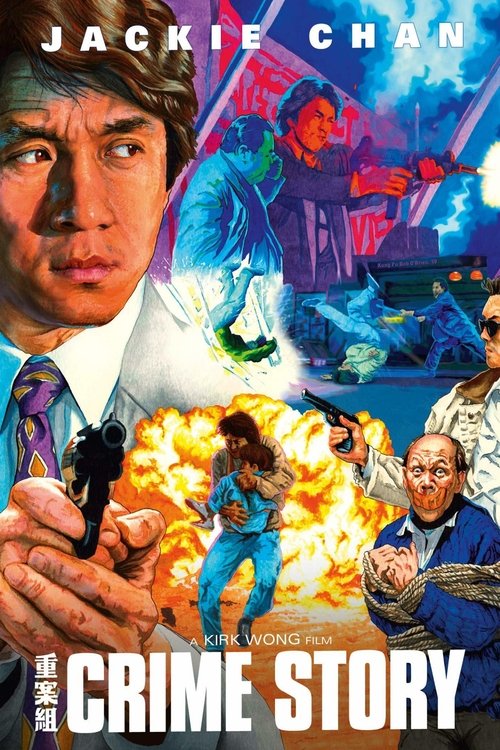
Crime Story
1993A special agent is assigned to protect a wealthy business magnate. However, when the businessman is kidnapped in a daring ambush, he teams up with a seasoned detective to crack the case. But soon he discovers the case isn't that simple.
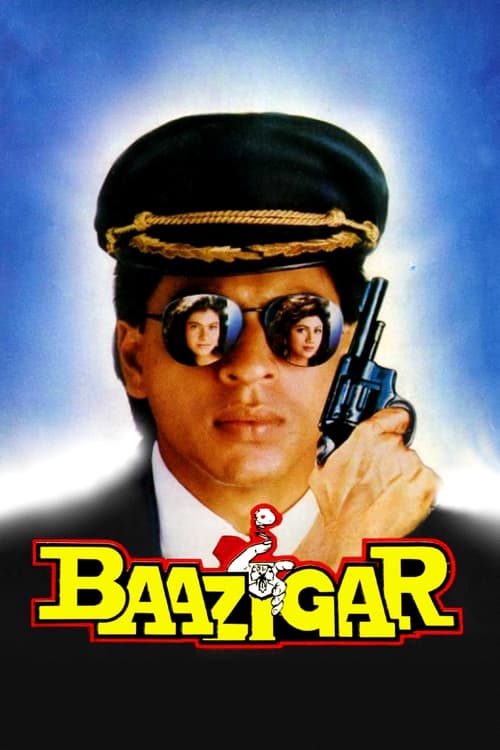
Baazigar
1993A young man with a vendetta against a business tycoon seduces and kills his eldest daughter and then proceeds to his younger daughter but she begins to suspect her new lover's ulterior motive.
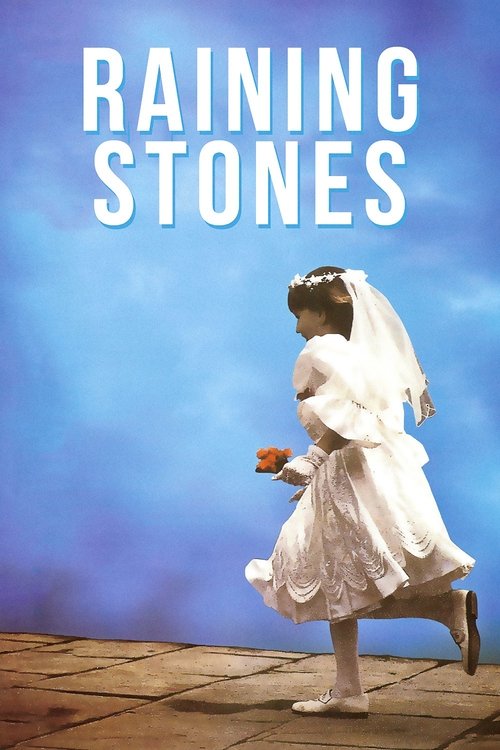
Raining Stones
1993Proud, though poor, Bob wants his little girl to have a beautiful (and costly) brand-new dress for her First Communion. His stubbornness and determination get him into trouble as he turns to more and more questionable measures, in his desperation to raise the needed money. This tragic flaw leads him to risk all that he loves and values, his beloved family, indeed even his immortal soul and salvation, in blind pursuit of that goal.
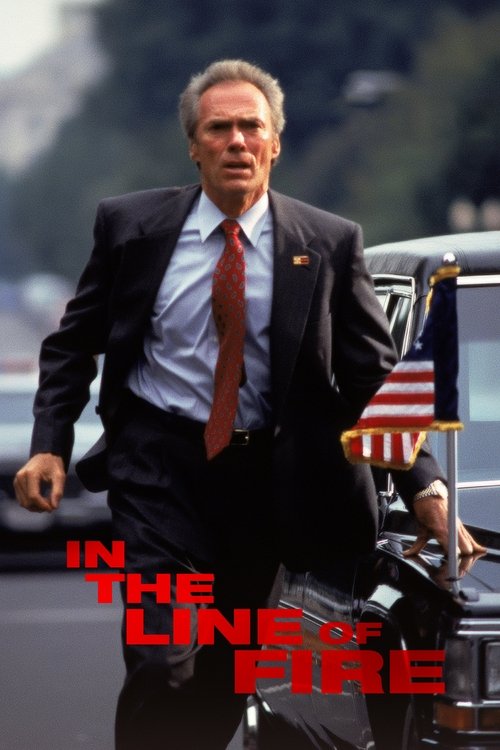
In the Line of Fire
1993Veteran Secret Service agent Frank Horrigan is a man haunted by his failure to save President Kennedy while serving protection detail in Dallas. Thirty years later, a man calling himself "Booth" threatens the life of the current President, forcing Horrigan to come back to protection detail to confront the ghosts from his past.
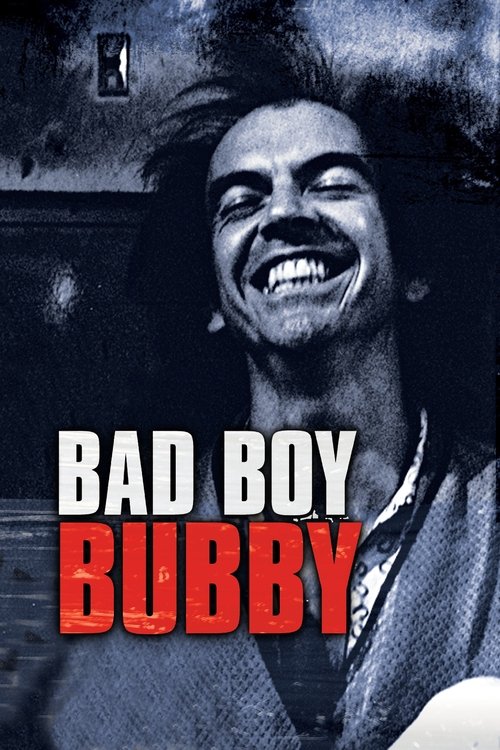
Bad Boy Bubby
1993Bad Boy Bubby is just that: a bad boy. So bad, in fact, that his mother has kept him locked in their house for his entire thirty years, convincing him that the air outside is poisonous. After a visit from his estranged father, circumstances force Bubby into the waiting world, a place which is just as unusual to him as he is to the world.
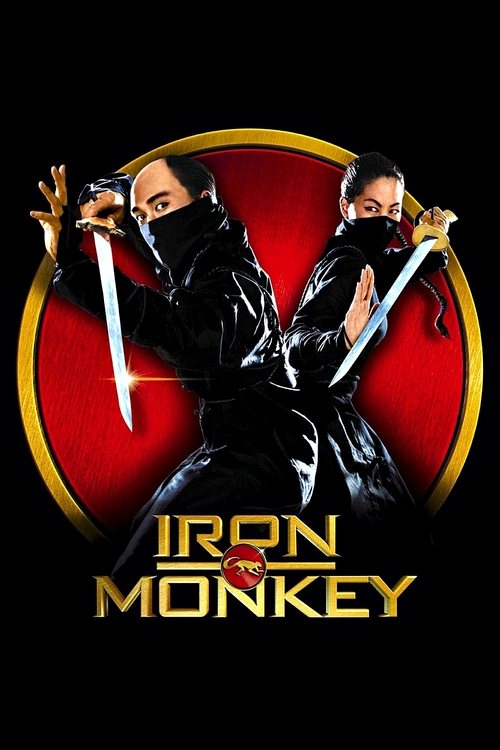
Iron Monkey
1993In this Hong Kong variation of Robin Hood, corrupt officials of a Chinese village are robbed by a masked bandit known as "Iron Monkey", named after a benevolent deity. When all else fails, the Governor forces a traveling physician into finding the bandit.
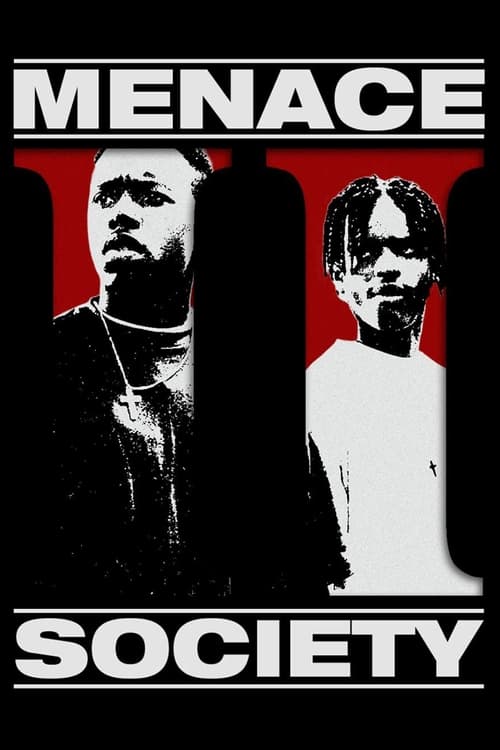
A young street hustler attempts to escape the rigors and temptations of the ghetto in a quest for a better life.
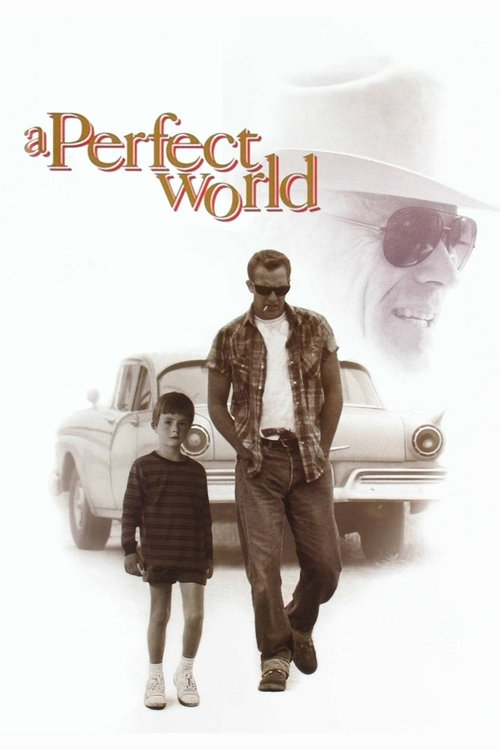
A Perfect World
1993A kidnapped boy strikes up a friendship with his captor: an escaped convict on the run from the law, headed by an honorable U.S. Marshal.
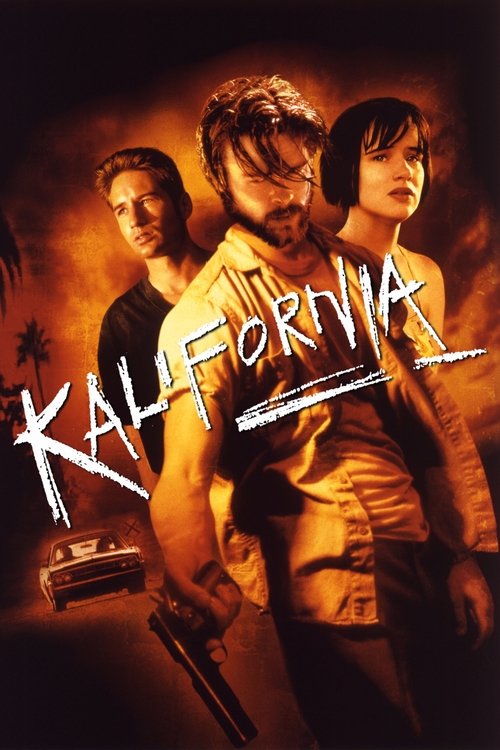
Kalifornia
1993A journalist duo go on a tour of serial killer murder sites with two companions, unaware that one of them is a serial killer himself.
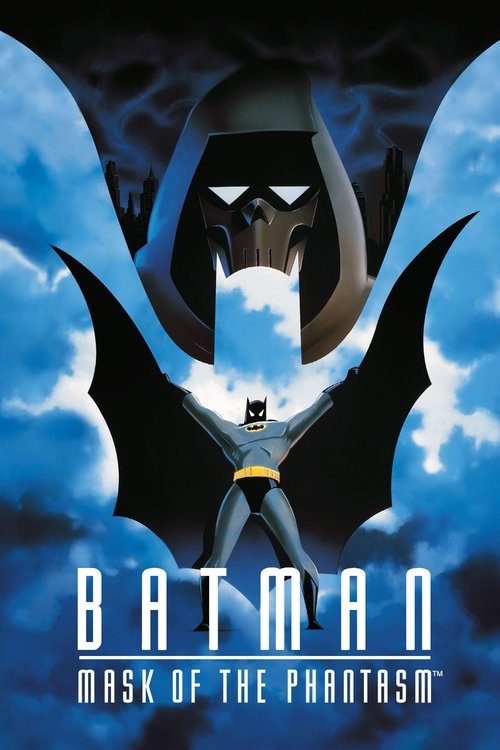
Batman: Mask of the Phantasm
1993Andrea Beaumont leaves her father to return to Gotham, rekindling an old romance with Bruce Wayne. At the same time, a mysterious figure begins to hunt down Gotham's criminals, wrongly implicating Batman in the murders. Now on the run from the law, Batman must find and stop the culprit, while also navigating his relationship with Andrea.
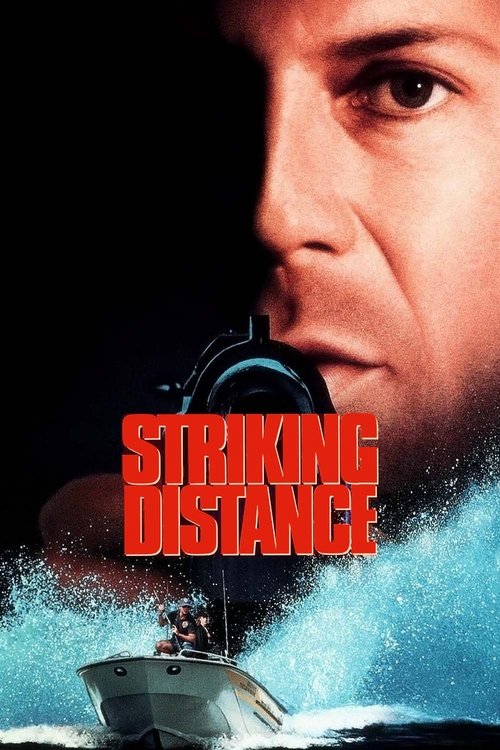
Striking Distance
1993Coming from a police family, Tom Hardy ends up fighting his uncle after the murder of his father. Tom believes the killer is another cop, and goes on the record with his allegations. Demoted to water-way duty Tom, along with new partner Jo Christman, navigate the three rivers looking for clues and discovering bodies. This time the victims are women Tom knows, he must find the killer to prove his innocence.
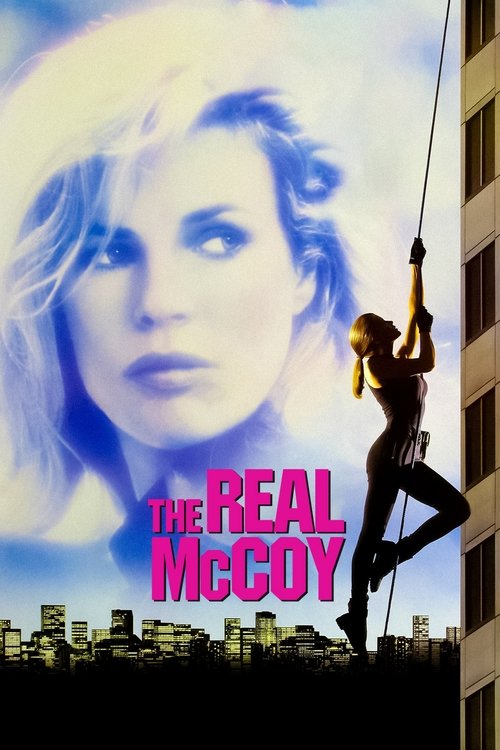
The Real McCoy
1993Karen McCoy is released from prison with nothing but the clothes on her back. Before being incarcerated, Karen was the bank robber of her time, but now she wishes for nothing more than to settle down and start a new life. Unfortunately, between a dirty parole officer, old business partners, and an idiot ex, she will have to do the unthinkable in order to save her son.
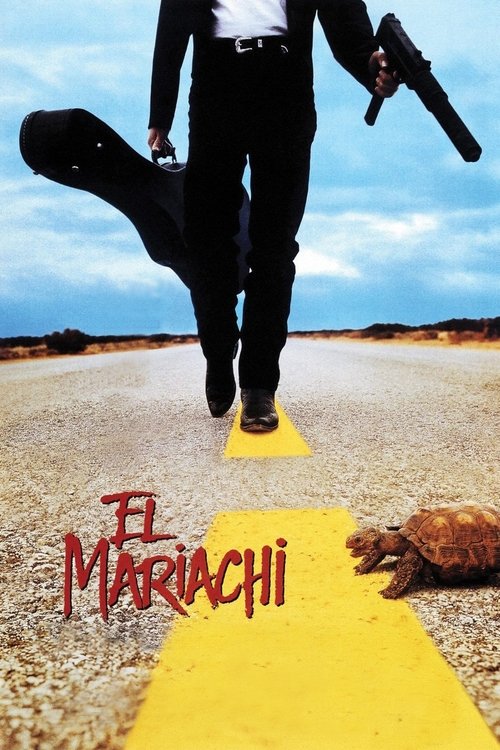
El Mariachi
1993El Mariachi just wants to play his guitar and carry on the family tradition. Unfortunately, the town he tries to find work in has another visitor, a killer who carries his guns in a guitar case. The drug lord and his henchmen mistake el Mariachi for the killer, Azul, and chase him around town trying to kill him and get his guitar case.
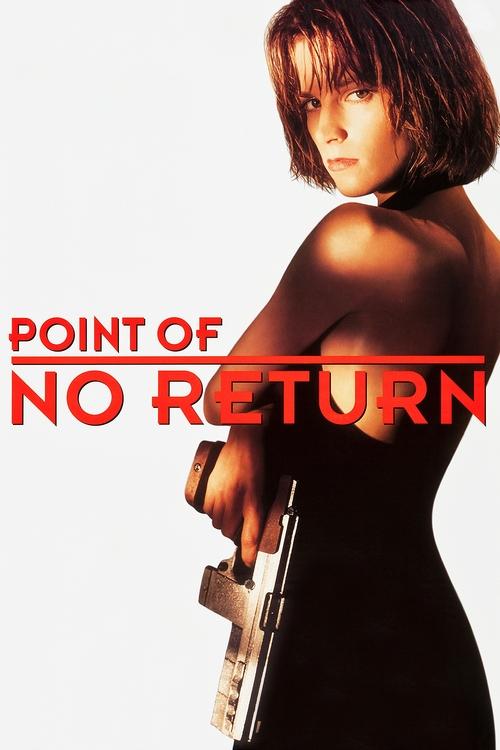
Point of No Return
1993Hardened criminal Maggie Hayward's consistent violence, even in police custody, ends in the execution chamber. However, top-secret US government agent 'Bob' arranges a staged death, so Maggie can be elaborately trained as a phantom killer and subdued into obedience.
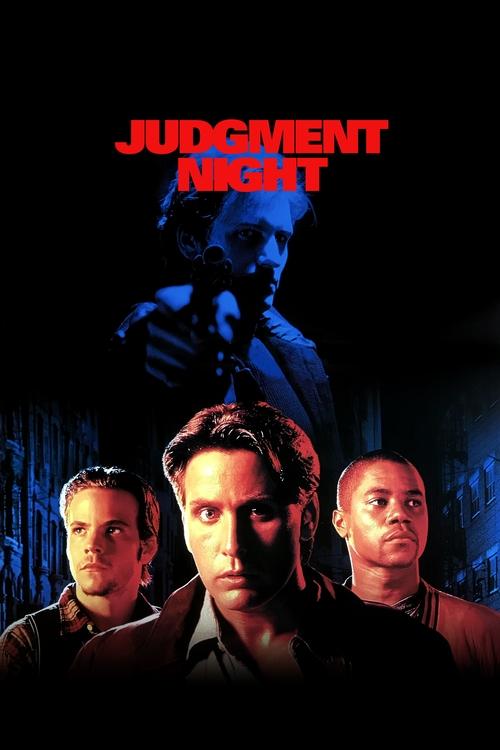
Judgment Night
1993Four young friends, while taking a shortcut en route to a local boxing match, witness a brutal murder which leaves them running for their lives.
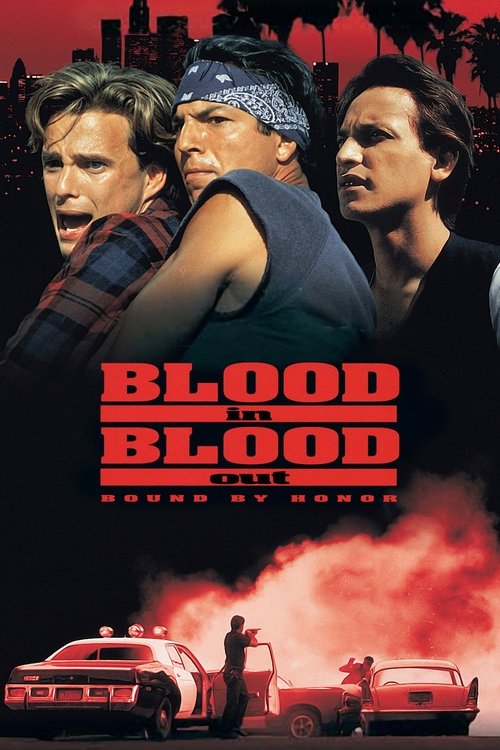
Bound by Honor
1993Based on the true life experiences of poet Jimmy Santiago Baca, the film focuses on half-brothers Paco and Cruz, and their bi-racial cousin Miklo. It opens in 1972, as the three are members of an East L.A. gang known as the "Vatos Locos", and the story focuses on how a violent crime and the influence of narcotics alter their lives. Miklo is incarcerated and sent to San Quentin, where he makes a "home" for himself. Cruz becomes an exceptional artist, but a heroin addiction overcomes him with tragic results. Paco becomes a cop and an enemy to his "carnal", Miklo.
Taylor Hackford’s sprawling epic offers a monumental look at Chicano culture through the lens of prison sociology and gang loyalty. Its gritty authenticity and massive scale create a definitive portrait of how systemic forces and blood ties forge the criminal identity over decades.
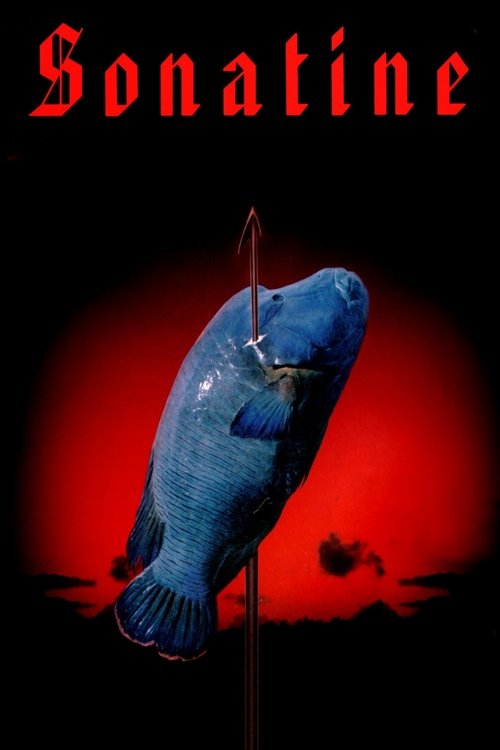
Sonatine
1993Murakawa, an aging Tokyo yakuza tiring of gangster life, is sent by his boss to Okinawa along with a few of his henchmen to help end a gang war, supposedly as mediators between two warring clans. He finds that the dispute between the clans is insignificant and whilst wondering why he was sent to Okinawa at all, his group is attacked in an ambush. The survivors flee and make a decision to lay low at the beach while they await further instructions.
Takeshi Kitano reinvents the Yakuza film by punctuating long stretches of meditative stillness with bursts of shocking, poetic violence. This is a minimalist masterpiece that replaces the typical genre bravado with a profound, existential sense of boredom and impending doom.
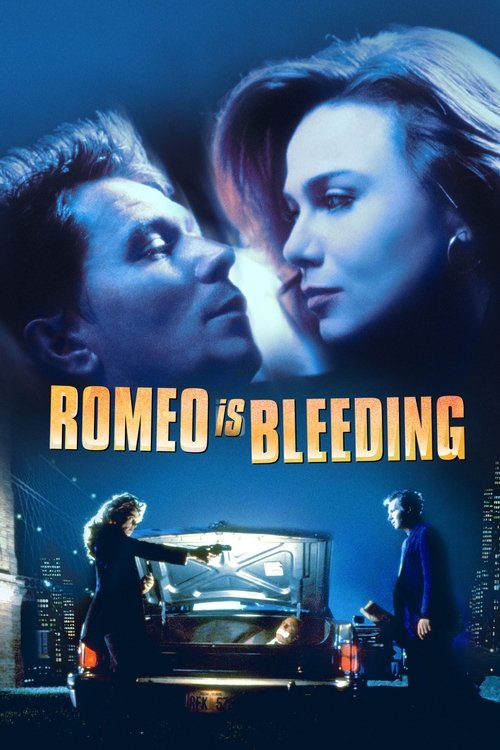
Romeo Is Bleeding
1993A corrupt cop gets in over his head when he tries to assassinate a beautiful Russian hit-woman.
Gary Oldman delivers a performance of sweaty, frantic desperation in this unapologetically pulpy and visceral exploration of corruption. The film leans into the stylistic extremes of neo-noir, crafting a world where every moral compromise feels like a lethal trap tightening around the protagonist.
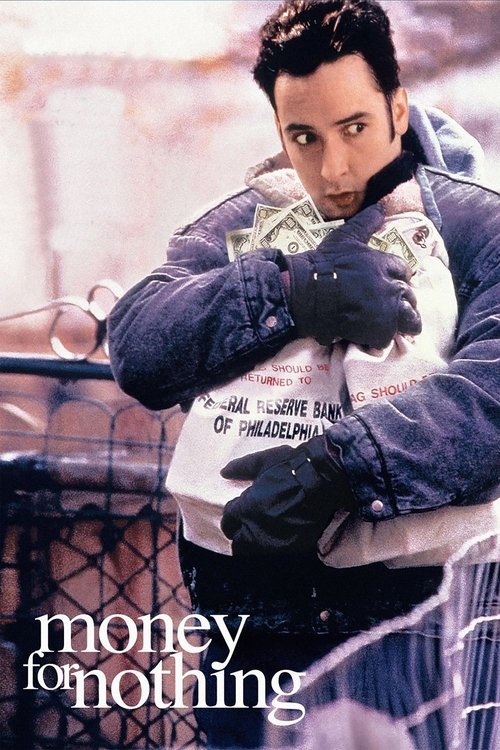
Money for Nothing
1993When unemployed dockworker Joey Coyle finds $1.2 million that fell off of an armored car, he decides to do the logical thing: take the money and run. After all, he says, finders keepers. He turns to his ex-girlfriend Monica, who works in an investment firm, for advice, before turning to the mob for help laundering the money. While Joey makes plans to leave the country, however, a detective is following his ever-warmer trail in order to recover the cash.
This black comedy explores the chaotic nexus of accidental fortune and blue-collar desperation with a cynical, biting wit. It stands out in 1993 for its grounded approach to the 'easy money' fantasy, highlighting the clumsy, unglamorous reality of amateur criminality.
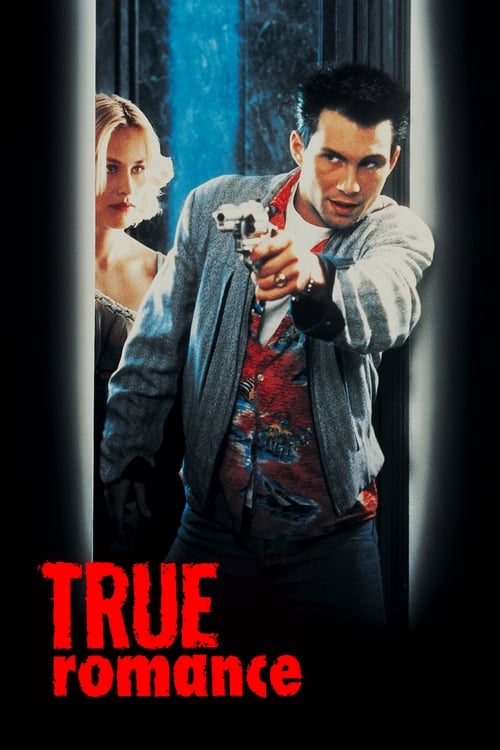
True Romance
1993Clarence marries hooker Alabama, steals cocaine from her pimp, and tries to sell it in Hollywood, while the owners of the coke try to reclaim it.
Tony Scott’s slick direction meet Quentin Tarantino’s rapid-fire nihilism in a pop-culture explosion that redefined the lovers-on-the-lamb archetype. It is a hyper-violent, candy-colored valentine to outlaws that remains unparalleled for its sheer stylistic audacity and relentless pacing.
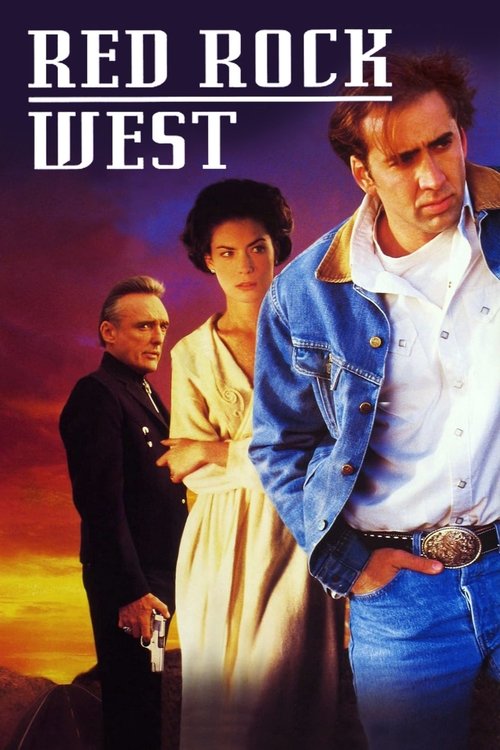
Red Rock West
1993When a promised job for Texan Michael fails to materialize in Wyoming, Mike is mistaken by Wayne to be the hitman he hired to kill his unfaithful wife, Suzanne. Mike takes full advantage of the situation, collects the money, and runs. During his getaway, things go wrong, and soon get worse when he runs into the real hitman, Lyle.
John Dahl revitalizes the noir tradition with this lean, mean exercise in mistaken identity and desperate gambles. This is a clockwork piece of tension where the desolate Wyoming landscape serves as a stark canvas for the genre's most deliciously cruel ironies.
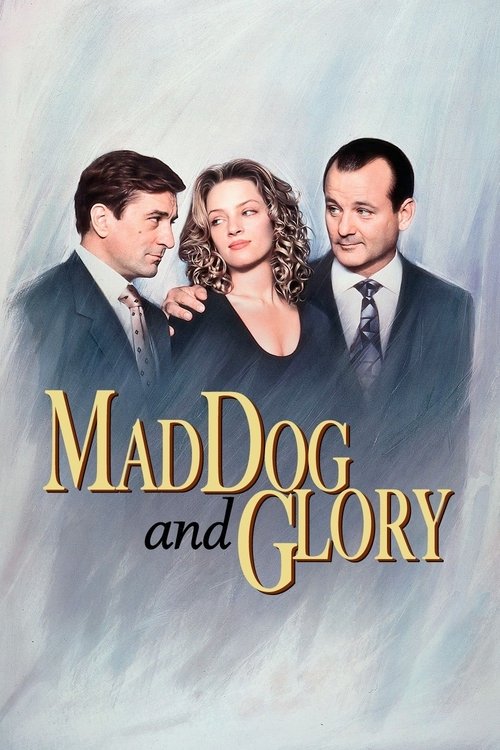
Mad Dog and Glory
1993Wayne Dobie is a shy cop whose low-key demeanor has earned him the affectionate nickname "Mad Dog." After Mad Dog saves the life of Frank Milo, a crime boss and aspiring stand-up comedian, he's offered the company of an attractive young waitress named Glory for a week. At first both are uneasy about the arrangement, but they eventually fall in love. However, the situation becomes complicated when Milo demands Glory back.
John McNaughton subverts the gritty tropes of the underworld by injecting a surreal, deadpan humor into a story of debt and indentured servitude. The film thrives on its bizarre interpersonal chemistry, proving that crime dramas can be as intellectually quirky as they are dangerous.
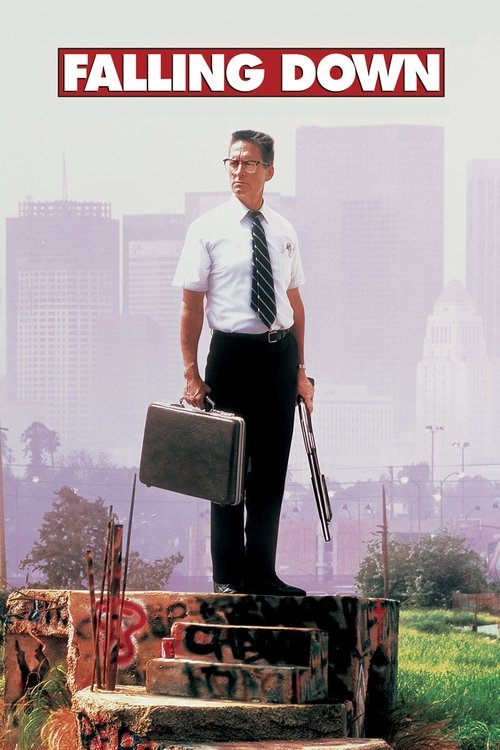
Falling Down
1993An ordinary man frustrated with the various flaws he sees in society begins to psychotically and violently lash out against them.
This provocative urban thriller captures the precise moment when societal friction ignites into a one-man crime wave. Joel Schumacher weaponizes mundane middle-class frustrations, transforming a white-collar breakdown into a disturbing and razor-sharp critique of the American dream's decay.
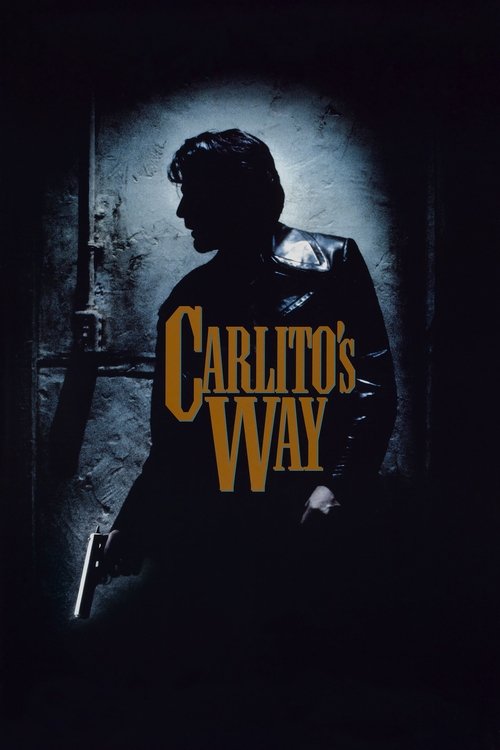
Carlito's Way
1993Free after years in prison, Carlito Brigante intends to give up his criminal ways, but it's not long before the ex-con is sucked back into the New York City underworld.
Brian De Palma trades the operatic excess of his earlier work for a soulful, fatalistic elegance that defines the autumnal gangster epic. Al Pacino imbues the narrative with a weary nobility, making the character's desperate scramble for a clean exit feel like a masterclass in suspenseful tragedy.
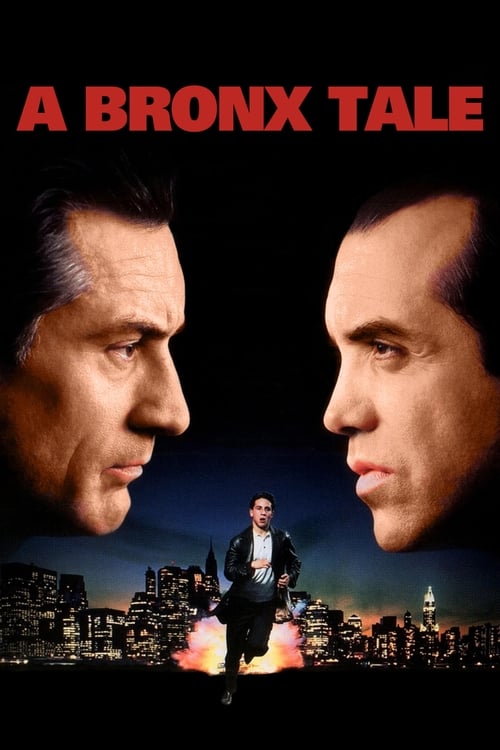
A Bronx Tale
1993Set in the Bronx during the tumultuous 1960s, an adolescent boy is torn between his honest, working-class father and a violent yet charismatic crime boss. Complicating matters is the youngster's growing attraction - forbidden in his neighborhood - for a beautiful black girl.
Robert De Niro’s directorial debut transcends the typical mob opera by framing the street-level corruption of the 1960s as a sophisticated moral tug-of-war. Its genius lies in treating the criminal allure not just as a thrill, but as a formidable pedagogical rival to the virtues of the working class.
Frequently Asked Questions
Everything you need to know about this list and SnakeDrafts
- The crime movies of 1993 often explore themes such as loyalty, betrayal, morality, and redemption. Films like True Romance blend crime with romance, while A Bronx Tale delves into mob family dynamics and ethical choices.
- 1993 crime films captured the transition from gritty 80s street crime stories to more stylized, character-driven narratives. This is evident in movies like Carlito's Way, which combines old-school mobster drama with a fresh cinematic approach reflecting early 90s sensibilities.
- Directors like Robert De Niro in A Bronx Tale and Brian De Palma in Carlito's Way brought distinct artistic visions to their crime dramas. Tony Scott's True Romance is notable for its energetic and visually intense storytelling style, setting it apart in the crime genre of that year.
- Yes, many 1993 crime films expertly blend genres. Mad Dog and Glory mixes crime with comedy and romance, while El Mariachi combines action, crime, and Western elements, showcasing the diversity within the year’s crime genre offerings.
- Character-driven narratives are central to many 1993 crime films, focusing on complex personalities and moral dilemmas. Movies like Falling Down depict psychological depth amidst crime and societal tension, making personal stories as important as the plot.
- True Romance exemplifies the 1993 crime genre trend of mixing crime with romance and action, all underscored by a stylish, self-aware tone. The film’s sharp dialogue and dynamic storytelling highlight the shift toward more polished and genre-blending crime cinema.
- A Bronx Tale offered a grounded, heartfelt portrayal of mob life and coming-of-age struggles, distinguishing itself with Robert De Niro’s nuanced direction. It contributed a more intimate, character-focused perspective to the crime genre landscape of 1993.