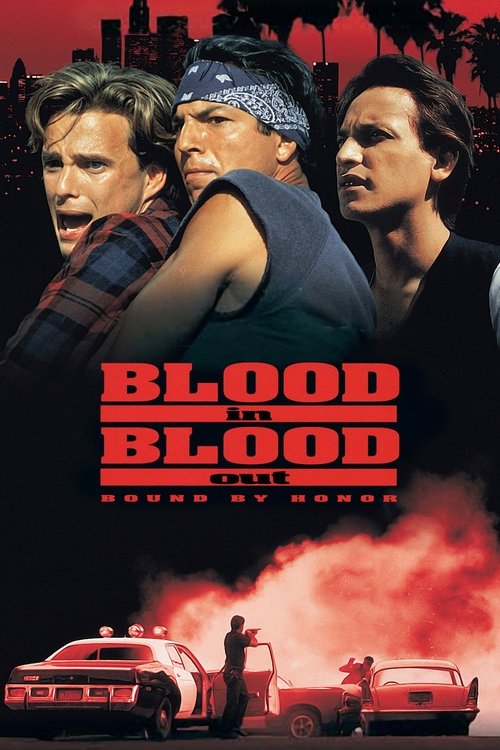
Bound by Honor
"Bound by Honor" is a gripping crime drama that explores loyalty, identity, and the harsh realities of gang life in East Los Angeles during the early 1970s. Directed by Taylor Hackford, the film delves into the complicated relationships among three half-brothers and their struggles against a backdrop of violence, drugs, and personal transformation. This emotionally charged story reveals how their choices define their destinies, capturing the raw essence of brotherhood and survival.
About Bound by Honor
"Bound by Honor" stands out as a significant cultural portrayal of Chicano life and gang culture in East L.A., shedding light on the nuanced human stories behind headlines of crime and incarceration. Inspired by the real-life experiences of poet Jimmy Santiago Baca, the film authentically explores themes of family, betrayal, and redemption. Its depiction of the 1970s gang scene is both gritty and empathetic, offering a perspective often overlooked in mainstream cinema.
The plot centers on half-brothers Paco, Cruz, and their cousin Miklo, members of the "Vatos Locos" gang. As the narrative unfolds, viewers witness the divergent paths they take after a violent incident dramatically alters their lives. Miklo's time in the brutal environment of San Quentin Prison, Cruz's struggle with heroin addiction despite his artistic talents, and Paco’s role as a police officer create a compelling study of contrasting choices within a fractured family.
Critics praised the film for its powerful performances, especially by Damian Chapa, Jesse Borrego, and Benjamin Bratt, and for its unflinching portrayal of gang life that avoids clichés. Although not a massive box office hit, "Bound by Honor" garnered respect for its storytelling and cultural resonance. It contributed to greater awareness and dialogue around Mexican-American experiences and the impact of systemic issues such as poverty and addiction.
Over the years, "Bound by Honor" has developed a cult following and is revered for its honest depiction of brotherhood and identity struggles amid adversity. It remains a poignant narrative about how environment and choices intertwine, leaving a lasting legacy as a rare and impactful film about Chicano gang culture and the possibility of change beyond violence.
Drafts Featuring Bound by Honor
Every SnakeDrafts listicle where this movie appears
The Best Billy Bob Thornton Movies Ranked
Ranked #6
The Definitive Ving Rhames Movie Ranking: Iconic Performances
Ranked #7
Delroy Lindo Movies Ranked From Worst to Best
Ranked #6
Best 1993 Movies of All Time
Ranked #24
The Best 1993 Action Movies Ranked
Ranked #20
The Greatest Crime Movies of 1993
Ranked #10
The Greatest Thriller Movies of 1993
Ranked #14
The Greatest 1990s Crime Movies Ranked
Ranked #56
Similar Movies
Movies related to Bound by Honor
Frequently Asked Questions
Everything you need to know about Bound by Honor
- The title reflects the complex loyalty and sense of family among the three protagonists despite their conflicting paths. It highlights how honor governs their decisions within the gang culture and personal relationships, driving much of the drama and tragedy.
- Miklo's time in San Quentin hardens him but also forces him to confront his identity and loyalties. The prison environment shapes his survival instincts and leadership qualities, marking a turning point in his evolution from a gang member to a formidable figure.
- Art symbolizes hope and escape for Cruz, showcasing his potential beyond gang life. Unfortunately, his heroin addiction undermines this promise, illustrating the tension between aspiration and the destructive forces in his world.
- Brotherhood is central to the film, portrayed through the bond and conflicts among Paco, Cruz, and Miklo. Their relationships reveal the strength and fragility of family ties within harsh social realities, often tested by loyalty and betrayal.
- Yes, narcotics play a critical role in shaping the characters' lives, especially through Cruz's heroin addiction. The film portrays how drugs contribute to personal downfall and community decay, deepening the tragic elements of the story.
- One notable quote is about honor and loyalty within the gang, emphasizing the moral code that drives the characters. These lines resonate deeply, reflecting the tension between survival and ethical conduct in their world.
- The film authentically captures the socio-political struggles, including racial tensions, poverty, and gang influence prevalent in 1970s East L.A. This backdrop is essential to understanding the characters' motivations and the systemic challenges they face.
- As one of the few mainstream films focusing on Chicano gang life with depth and respect, it holds a vital place in Chicano cinema. It opened doors for more stories that represent Mexican-American experiences with authenticity and complexity.
- Paco's position as a police officer puts him at odds with his brother Miklo and gang affiliations, intensifying themes of loyalty versus duty. This conflict adds dramatic tension and explores the complicated intersections of family and law enforcement.
- Yes, the film is inspired by the real-life experiences of poet Jimmy Santiago Baca, lending authenticity to its portrayal of gang culture, incarceration, and personal transformation within the Chicano community.

