Best Lara Flynn Boyle Movies Ranked
The Definitive Filmography of a Nineties Icon
Discover the most essential movies and performances from Lara Flynn Boyle, from cult indie classics to major Hollywood blockbusters.
About Lara Flynn Boyle
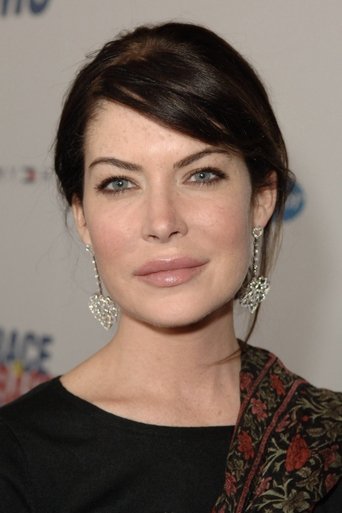
In the early nineties, Lara Flynn Boyle possessed a specific kind of porcelain gravity that felt both vintage and dangerously modern. She emerged as the dark princess of the indie boom, carrying a haughty, intelligent energy that suggested she knew a secret the rest of the room hadn't grasped yet. While most of her peers were chasing sun-drenched blockbuster roles, she leaned into the shadows, establishing a screen presence defined by sharp cheekbones and an even sharper delivery.
The world truly met her in the misty woods of Twin Peaks, where she provided the soulful, grieving counterpoint to the town’s surrealist rot. As Donna Hayward, she wasn't just a high school best friend; she was the audience's emotional anchor in a narrative designed to drift. That ability to ground even the most bizarre premises became her trademark. She could pivot from the slapstick obsession of Stacy in Wayne's World to the gritty, desperate survivalism of a runaway in Where the Day Takes You without losing an ounce of her signature poise.
Her filmography from that era reads like a masterclass in versatility. In Red Rock West, she played the quintessential neo noir femme fatale with a chilling efficiency, while Threesome allowed her to explore the messy, collegiate angst of a complicated love triangle. Even in high-concept studio fare like Men in Black II, where she played a tentacled alien villainess, she maintained a sophisticated, icy veneer that elevated the material. She had a knack for the uncomfortable and the avant-garde, appearing in cult curiosities like The Dark Backward and the satirical madness of The Road to Wellville, always looking entirely at home in the middle of the chaos.
Audiences connected with her because she never seemed interested in being likable. Whether she was maneuvering through the stylish violence of Mobsters or the suburban tragedy of Todd Solondz’s Happiness, she prioritized honesty over vanity. In Happiness specifically, her performance as a successful but hollow poet showcased a willingness to peel back the layers of female ambition and insecurity. It was a brave, prickly turn that reminded critics she was far more than a fashion plate or a tabloid fixture.
Even her smaller moments carry a legacy. Most people forget she was the mourning sister in the background of Dead Poets Society, yet she moved from those quiet beginnings to carry massive commercial hits like Baby's Day Out and the biblical epic Jacob. By the time she ventured into the self-aware camp of Hansel and Gretel Get Baked later in her career, it felt like a nod to the fact that she had always been in on the joke.
Ultimately, her career arc reflects a woman who conquered every medium she touched by being unapologetically herself. From the romantic melancholy of Afterglow to her long tenure as a legal powerhouse on television, she remained an actress who demanded attention rather than asking for it. She remains a symbol of an era when a stare could be as impactful as an explosion, leaving behind a body of work that feels as elegant and enigmatic as her first arrival on screen.
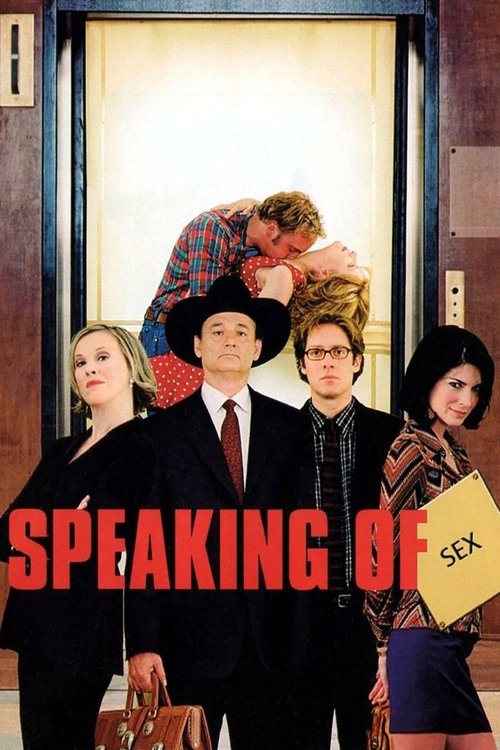
Speaking of Sex
2001A counselor, an expert on depression, and two attorneys try to help a couple who have marital problems.
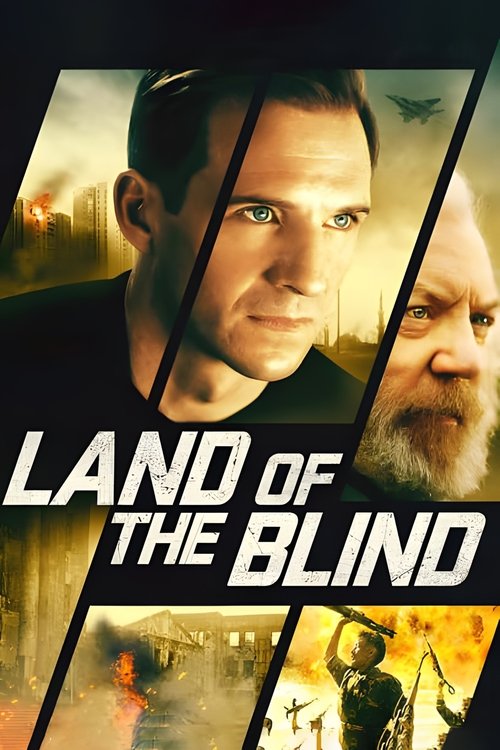
Land of the Blind
2006A soldier recounts his relationship with a famous political prisoner attempting to overthrow their country's authoritarian government.
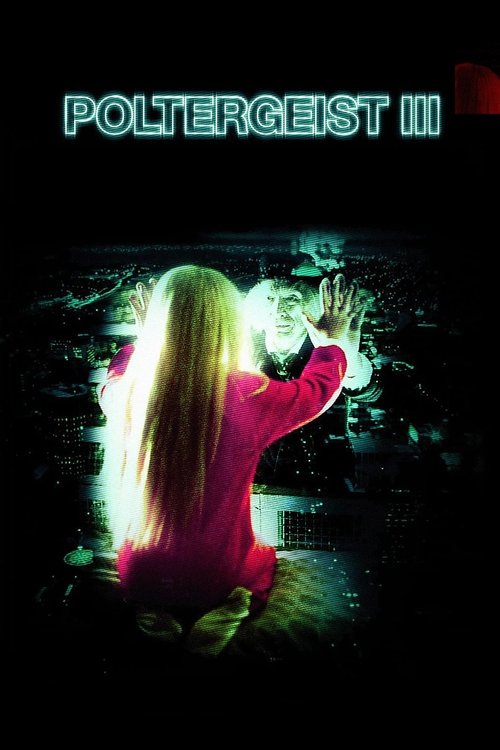
Poltergeist III
1988Carol Anne has been sent to live with her Aunt and Uncle in an effort to hide her from the clutches of the ghostly Reverend Kane, but he tracks her down and terrorises her in her relatives' appartment in a tall glass building. Will he finally achieve his target and capture Carol Anne again, or will Tangina be able, yet again, to thwart him?
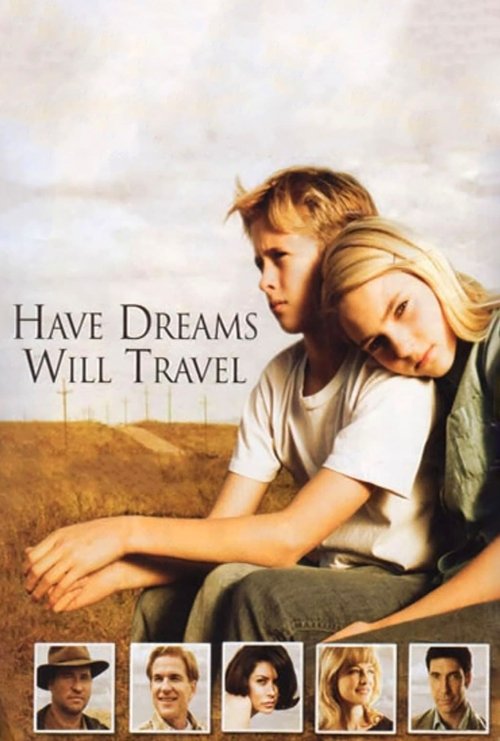
Have Dreams, Will Travel
2007West Texas, in the 1960's. A tale of two 12-year-olds who embark on an adventure to find new parents in order to escape their unhappy and emotionally unsatisfying family life.
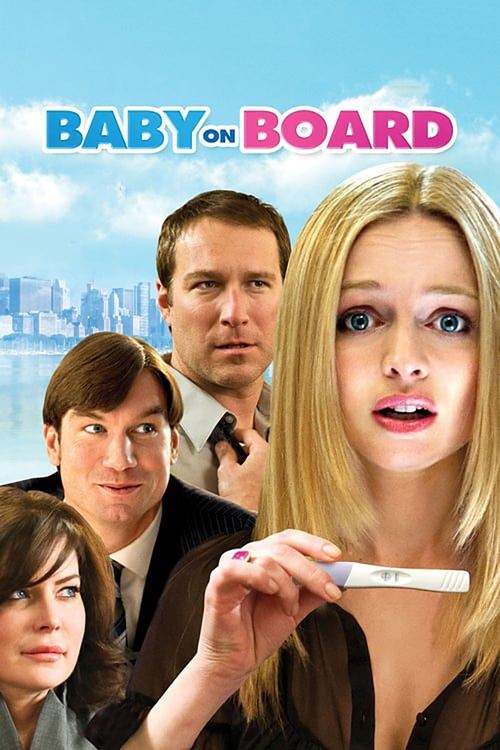
Baby on Board
2009The story of Angela, an ambitious, image-conscious businesswoman working for over-demanding boss Mary. When Angela becomes unexpectedly pregnant at the peak of her career, her life with her divorce attorney husband, Curtis, is turned upside-down.
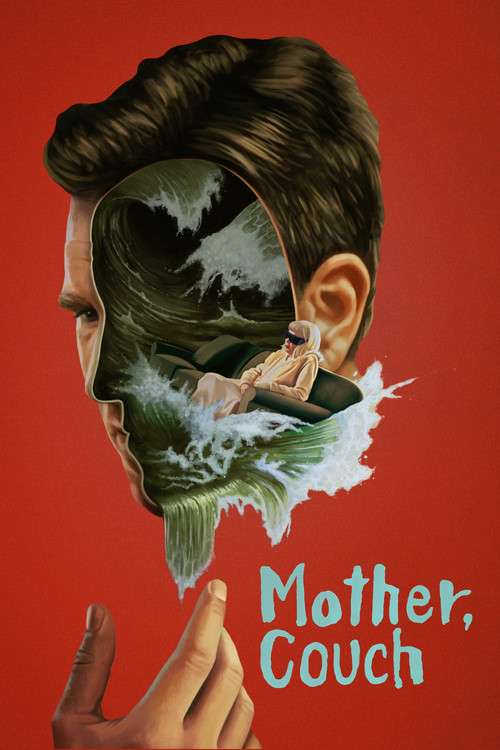
Mother, Couch
2024The members of a dysfunctional family find themselves mysteriously trapped in an antiquated furniture store when their elderly matriarch suddenly refuses to get up from one of the display couches.
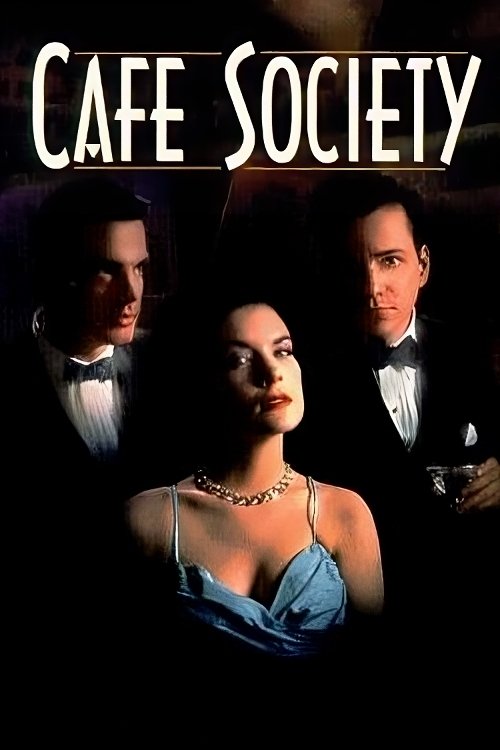
Cafe Society
1997New York 1952. Mickey Jelke inherits a big sum of money and spends his nights in Manhattan, painting the city red. Night after night, he can be found in one Broadway bar or the other, in the company of disreputable persons like pimps and prostitutes. One day,a shady cop, aided by Mickey's own girlfriend, Patricia, decides to accuse him of running a prostitution network. A scandal breaks out.
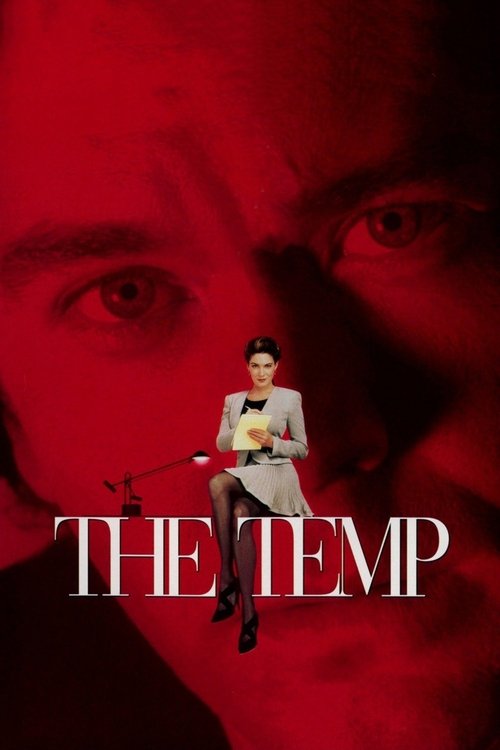
The Temp
1993A series of mysterious accidents at a food company lead a manager to suspect his impressive new temporary secretary.
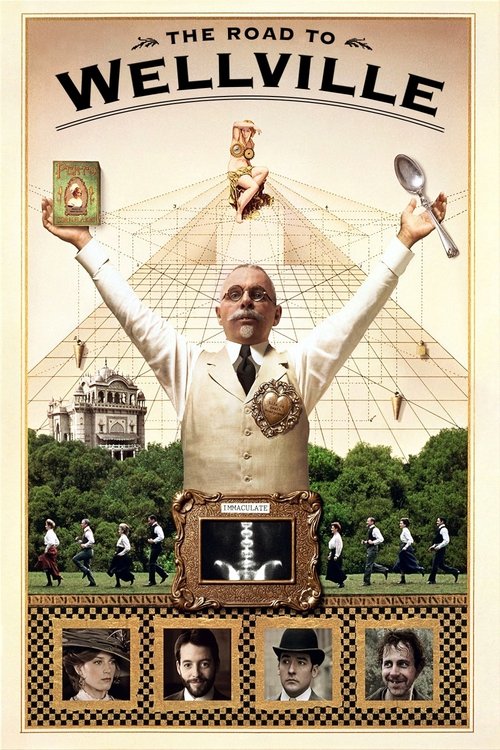
The Road to Wellville
1994An unhappy young couple visit the infamous Kellogg spa in Battle Creek, Michigan while a young hustler tries get into the breakfast-cereal business and compete against John Kellogg's corn flakes.
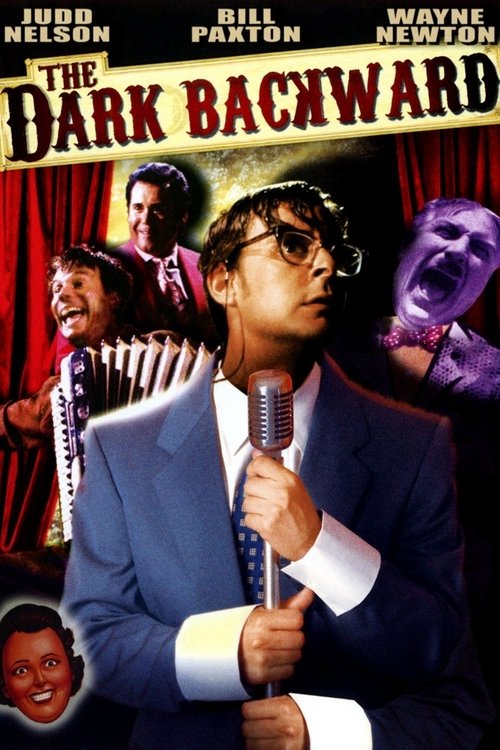
The Dark Backward
1991A man pursues stand-up comedy encouraged by his fellow garbage man. Though his friend, who accompanies him on accordion, continues to tell him how great he is, he actually stinks. When the "comedian" grows a third arm out of his back, the friend uses this twist to get him signed up with a sleazy talent agent, and it begins to look like his career is on the move, even though his girlfriend has left him.
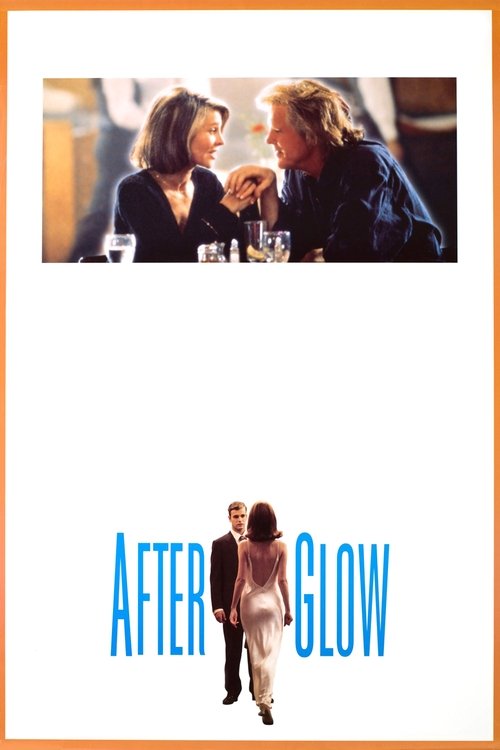
Afterglow
1997Lucky Mann is a builder equally handy at repairs and seduction. The latest housewife to succumb to his charms is Marianne, unhappily married to corporate exec Jeffrey. When Jeffrey becomes enraptured by Lucky’s wife Phyllis, the four get caught in a love quadrangle that reignites their marriages.

Hansel and Gretel Get Baked
2013An intense new marijuana strain named “Black Forest” is taking Los Angeles by storm, and Gretel’s stoner boyfriend can’t get enough. But when the old woman growing the popular drug turns out to be an evil witch, cooking and eating her wasted patrons for their youth, Gretel and her brother Hansel must save him from a gruesome death — or face the last high of their lives.
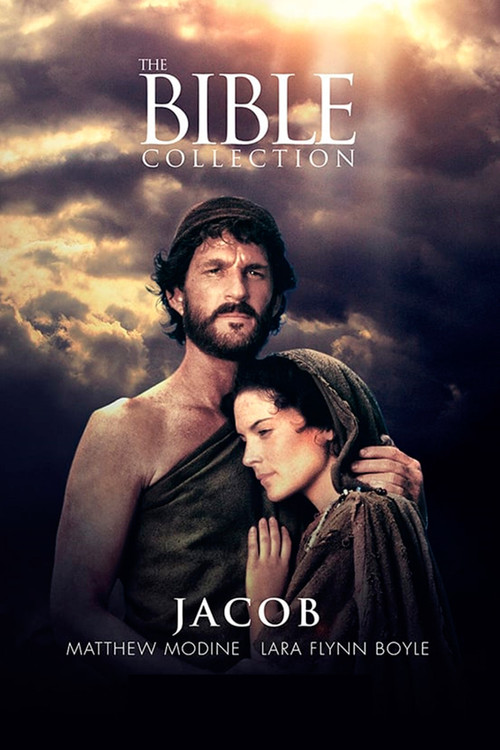
Jacob
1994Isaac's son Jacob deprives his brother Esau of his birthright and has to flee for his life. He finds shelter with his uncle Laban, but is himself deceived. Finally, Jacob has to face both his uncle and brother.
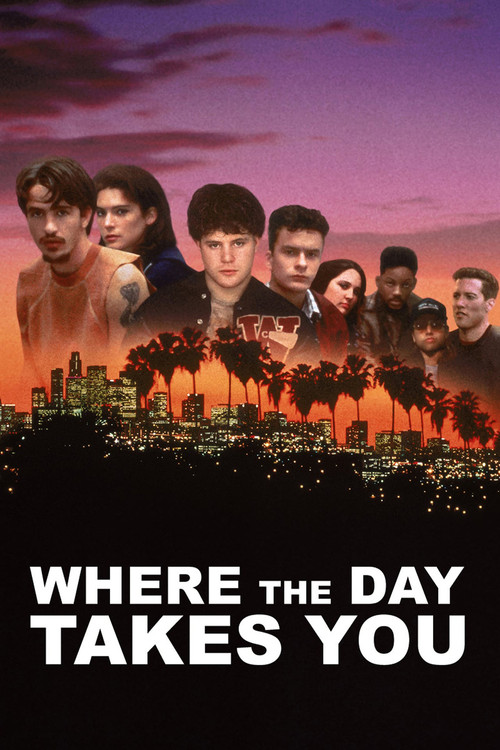
Where the Day Takes You
1992King is a young man, but he's already a veteran of life on the streets of Los Angeles. The de facto leader of a group of teenage runaways, King acts as a mentor to troubled kids such as gay hustler Little J and junkie Greg. When Heather, a beautiful girl from Chicago, starts hanging out with King and his crew, it changes the dynamic of the gang. However, it seems as though nothing will alter their dangerous lifestyle.
This gritty ensemble piece saw Boyle shedding her polished veneer to explore the harrowing realities of teenage homelessness. Her raw, unadorned work in this cult drama highlighted a gritty naturalism that suggested a different, more experimental path her career might have taken.
Mobsters
1991The story of a group of friends in turn of the century New York, from their early days as street hoods to their rise in the world of organized crime...
As the sole female lead in a sea of hyper-masculine posturing, Boyle provides the necessary gravity to keep this period piece from drifting into caricature. She effectively utilizes her classical beauty and sharp delivery to establish a character who feels like a legitimate survivor in a violent, male-dominated underworld.
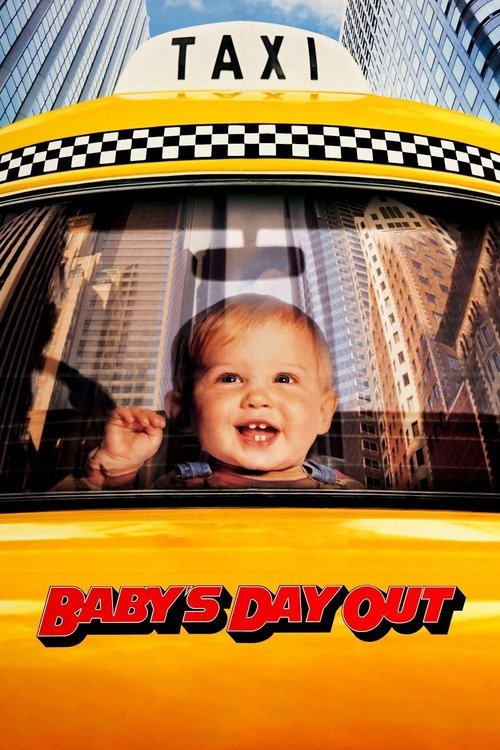
Baby's Day Out
1994Baby Bink couldn't ask for more: he has adoring (if somewhat sickly-sweet) parents, lives in a huge mansion, and he's just about to appear in the social pages of the paper. Unfortunately, not everyone in the world is as nice as Baby Bink's parents—especially the three enterprising kidnappers who pretend to be photographers from the newspaper. Successfully kidnapping Baby Bink, they have a harder time keeping hold of the rascal, who not only keeps one step ahead of them, but seems to be more than a little bit smarter than the three bumbling criminals.
Playing the frantic mother in this slapstick comedy, she demonstrated an ability to play the 'straight man' amidst escalating cartoonish absurdity. The role expanded her reach into family-oriented cinema, even if it required her to prioritize reactionary intensity over her usual psychological depth.
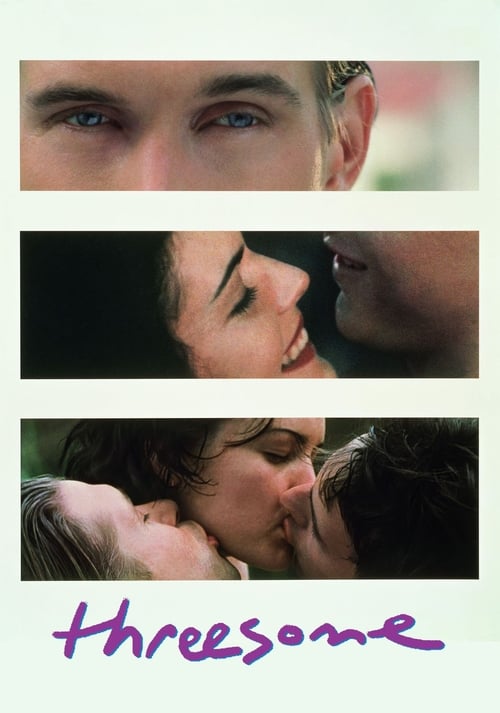
Threesome
1994At a sizable public college, high-minded student Eddy is forced to room with the slovenly Stuart, but the pair strike up a surprising friendship. When attractive co-ed Alex is assigned to live with the two male students because of her gender-neutral name, a roundabout love triangle ensues. Eddy secretly yearns for Stuart, who wants Alex, but she prefers Eddy. The complex situation leads to sexual experimentation and strained relationships.
Boyle navigates the complexities of a collegiate romantic entanglement with a nuanced focus on her character's internal conflict and burgeoning autonomy. Her performance anchors the film’s sexual politics, offering a sophisticated look at young adulthood that stood out during the mid-nineties indie boom.
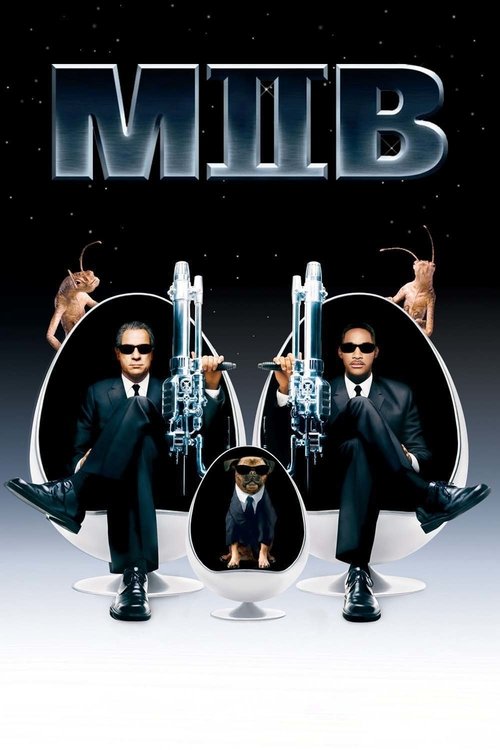
Men in Black II
2002Kay and Jay reunite to provide our best, last and only line of defense against a sinister seductress who levels the toughest challenge yet to the MIB's untarnished mission statement – protecting Earth from the scum of the universe. It's been four years since the alien-seeking agents averted an intergalactic disaster of epic proportions. Now it's a race against the clock as Jay must convince Kay – who not only has absolutely no memory of his time spent with the MIB, but is also the only living person left with the expertise to save the galaxy – to reunite with the MIB before the earth submits to ultimate destruction.
Stepping into the boots of a high-fashion alien antagonist, Boyle leaned heavily into a statuesque, campy villainy that defined the blockbuster phase of her career. She commanded the screen with a stylized, cold authority that bridged the gap between her television stardom and big-budget spectacle.
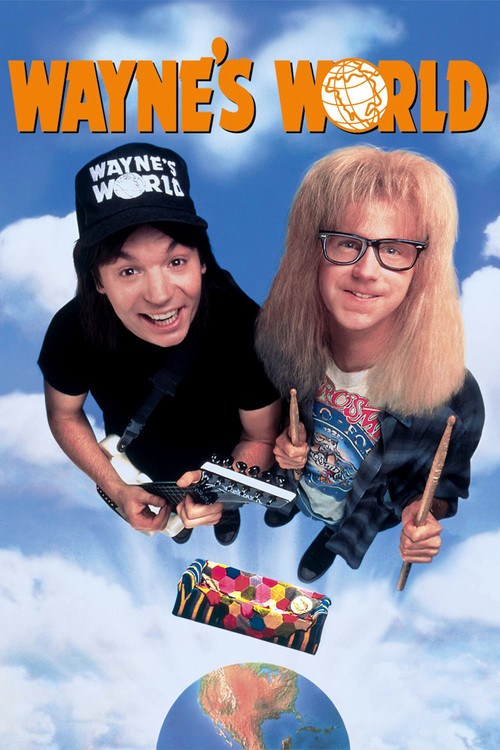
Wayne's World
1992The adventures of two amiably aimless metal-head friends, Wayne and Garth. From Wayne's basement, the pair broadcast a talk-show called "Wayne's World" on local public access television. The show comes to the attention of a sleazy network executive who wants to produce a big-budget version of "Wayne's World"—and he also wants Wayne's girlfriend, a rock singer named Cassandra. Wayne and Garth have to battle the executive not only to save their show, but also Cassandra.
In a rare comedic pivot, she leaned into the 'psycho hose beast' archetype with a fearless lack of vanity. This role showcased a gift for physical comedy and a willingness to subvert her glamorous image, providing a necessary, chaotic foil to the film's slacker protagonists.
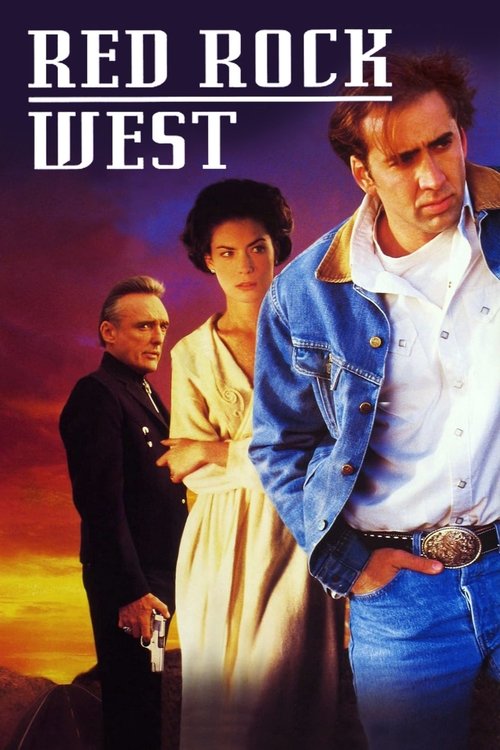
Red Rock West
1993When a promised job for Texan Michael fails to materialize in Wyoming, Mike is mistaken by Wayne to be the hitman he hired to kill his unfaithful wife, Suzanne. Mike takes full advantage of the situation, collects the money, and runs. During his getaway, things go wrong, and soon get worse when he runs into the real hitman, Lyle.
Embracing the sharp edges of the neo-noir genre, Boyle excels as a femme fatale whose desperation is as palpable as her deceit. Her work here elevates the film's gritty atmosphere, proving she could hold her own against heavyweights like Nicolas Cage and Dennis Hopper by maintaining a steely, inscrutable composure.
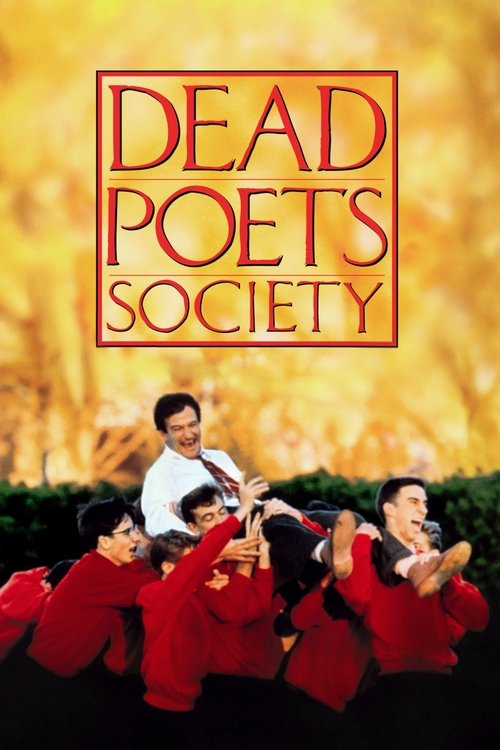
At an elite, old-fashioned boarding school in New England, a passionate English teacher inspires his students to rebel against convention and seize the potential of every day, courting the disdain of the stern headmaster.
Even in an uncredited capacity, her presence in this prestige academy drama signaled her early status as a burgeoning talent poised for the mainstream. It serves as a brief but vital footnote in her filmography, marking her transition from character actor to a recognizable figure of the era's cinematic landscape.

Happiness
1998The lives of several individuals intertwine as they go about their lives in their own unique ways, engaging in acts which society as a whole might find disturbing in a desperate search for human connection.
Boyle weaponizes her icy elegance to portray a successful writer whose vanity masks a profound hollowness. This role proved her aptitude for Todd Solondz's brand of pitch-black social satire, allowing her to lean into an unsettling, detached persona that few other projects dared to exploit.
Twin Peaks
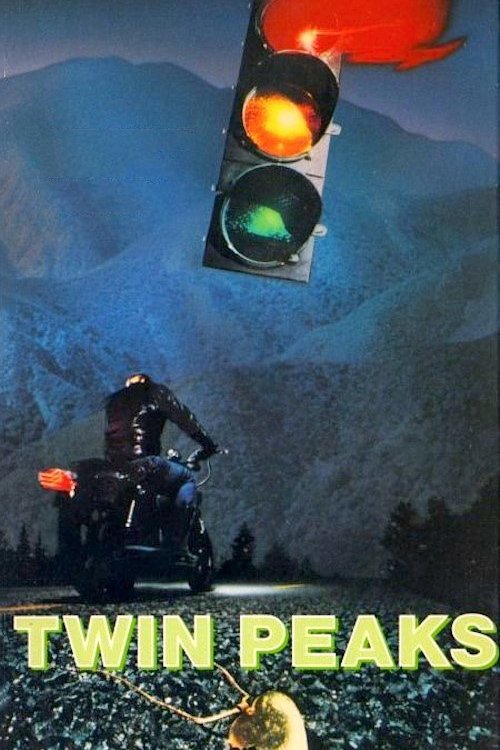
1989An idiosyncratic FBI agent investigates the murder of a young woman in the even more idiosyncratic town of Twin Peaks. (This standalone version of the series pilot was produced for the European VHS market and has an alternate, closed ending.)
As Donna Hayward, Boyle anchors the emotional core of David Lynch's surrealist masterpiece through a grounded, vulnerable sensitivity. It remains her definitive contribution to the screen, capturing a specific brand of suburban mourning that transformed her into a quintessential face of nineties television drama.
Frequently Asked Questions
Everything you need to know about this list and SnakeDrafts
- Lara Flynn Boyle shines in the mystery and thriller genre with her performance in David Lynch's Twin Peaks. This cult classic TV series is known for its eerie atmosphere and complex characters, with Boyle delivering a memorable role that blends drama and suspense.
- Boyle delivers a standout performance in the dark comedy-drama Happiness, directed by Todd Solondz. Her role in this film highlights her ability to navigate complex emotional landscapes, making it one of her most praised performances.
- Lara Flynn Boyle appears in the popular blockbuster Men in Black II, directed by Barry Sonnenfeld. This film combines action, comedy, and science fiction, allowing Boyle to showcase her versatility beyond indie films and dramas.
- Yes, Boyle had a key role in Dead Poets Society, a highly regarded coming-of-age drama directed by Peter Weir. This film remains iconic for its heartfelt theme about youth and individuality, with Boyle contributing to its emotional depth.
- Red Rock West is a notable crime drama thriller featuring Lara Flynn Boyle, directed by John Dahl. The film's neo-noir style and suspenseful plot highlight her ability to perform compelling roles in darker, atmospheric settings.
- Lara Flynn Boyle frequently appears in films that blend drama with elements of comedy, thriller, and crime. Her career includes a mix of indie dramas like Afterglow and genre-crossing blockbusters such as Wayne's World and Men in Black II, showcasing her range as an actress.
- Baby's Day Out is a family-friendly adventure comedy featuring Lara Flynn Boyle. This film highlights her ability to participate in lighter, comedic roles, contrasting with some of her darker or more dramatic performances.
- In Wayne's World, Lara Flynn Boyle embraces a comedic and musical tone that contrasts with her often intense dramatic roles. This film allowed her to display her versatility and comedic timing in a cult classic comedy setting.