Best Crime Movies of 1994, Ranked
Gritty Noir and Cult Classics of a Cinematic Golden Era
Explore the best crime films of the mid-nineties. From cult hits to gritty noir dramas, discover the most influential masterpieces that defined the genre.
About 1994 Crime Movies
If you were to look at a calendar of cinema history, 1994 stands as an almost impossible peak. It was the year that the crime genre stopped being a reliable collection of tropes and started becoming a playground for radical reinvention. Before this particular twelve month stretch, the crime movie was mostly defined by the stoic police procedural or the operatic tragedy of the mafia. By the time the ball dropped on New Year's Eve, the rules of the game had been completely rewritten.
The seismic shift, of course, began with Quentin Tarantino and Pulp Fiction. It is difficult to overstate how much this single film tilted the earth on its axis. Suddenly, hitmen were not silent specters in trench coats. They were talkative, neurotic men arguing about the integrity of a foot massage or the names of French hamburgers. Tarantino took the grit of the underworld and infused it with a pop culture literacy that felt electric. He proved that high stakes violence and mundane conversation could occupy the same space, creating a blueprint that almost every crime film for the next decade would try to copy.
While Tarantino was introducing us to the chatty criminal, Luc Besson was refining the silent one in Leon: The Professional. Taking place in a grimy, stylized vision of New York, the film gave us a hitman who functioned with the precision of a machine but the social intelligence of a child. It was a bizarre, soulful, and deeply violent fairy tale that stood in stark contrast to the irony of Pulp Fiction. It featured a career-defining turn from Gary Oldman as a pill-popping corrupt DEA agent, a performance so unhinged that it set a new bar for the cinematic villain.
The year also showcased the sheer elasticity of the genre. You had Natural Born Killers, Oliver Stone's hallucinogenic, blood-soaked critique of the media's obsession with violence. It was a frantic, experimental fever dream that felt more like a music video from hell than a traditional heist or getaway movie. Then, on the other side of the spectrum, you had the quiet, classicist mastery of Quiz Show. While it lacked the firearms and body counts of its peers, it was a crime film at its core, dealing with the systemic fraud and moral rot of the television industry.
Even the world of independent film got in on the action with Shallow Grave, the debut feature from Danny Boyle. It was a razor sharp look at how a suitcase full of money could turn ordinary friends into paranoid predators. It stripped away the glamour of the outlaw life and replaced it with a claustrophobic, cynical reality.
Looking back, 1994 was the year the crime movie grew up and grew weirder. We moved away from the simple morality plays of the eighties and into a more cynical, stylized, and self aware era. These films did more than just provide thrills; they reflected a decade that was becoming increasingly obsessed with the intersection of celebrity and violence. The genre hasn't quite seen a year of such concentrated brilliance since. If you want to understand where modern cinema comes from, you have to start with the blood and the dialogue of 1994.
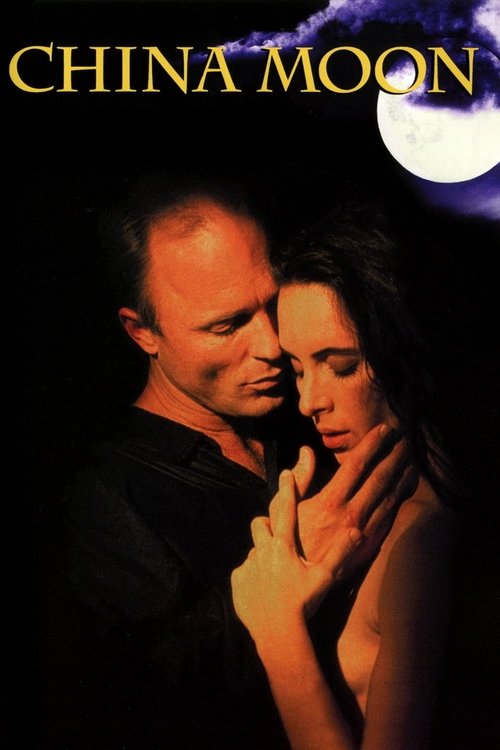
China Moon
1994Detective Kyle Bodine falls for Rachel Munro who is trapped in a violent marriage. After she shoots her husband, Kyle relucantly agrees to help hide the body, but his partner is showing an unusual flair for finding clues.
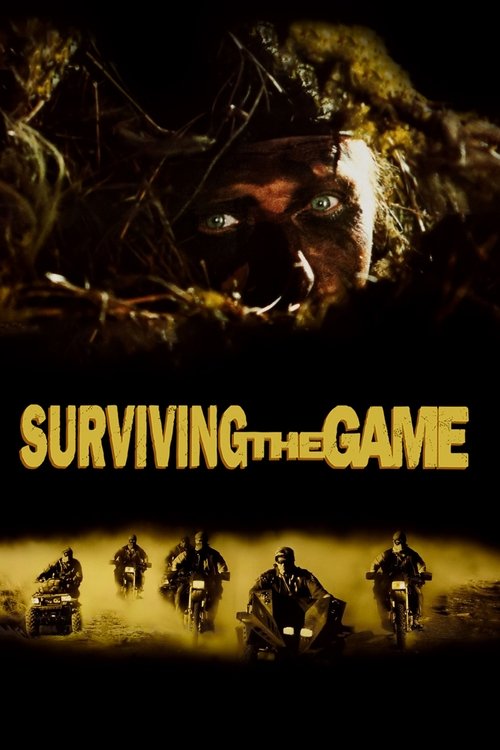
Surviving the Game
1994A homeless man is hired as a survival guide for a group of wealthy businessmen on a hunting trip in the mountains, unaware that they are killers who hunt humans for sport, and that he is their new prey.
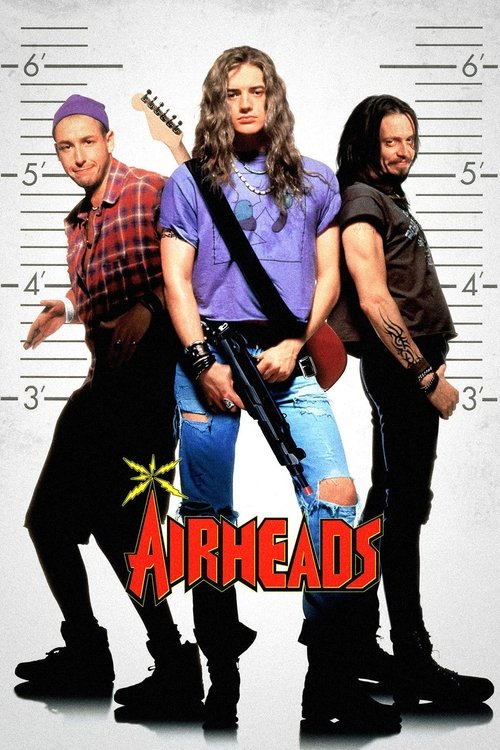
Airheads
1994The Lone Rangers have heavy-metal dreams and a single demo tape they can't get anyone to play. The solution: Hijack an FM rock radio station and hold the deejays hostage until they agree to broadcast the band's tape.
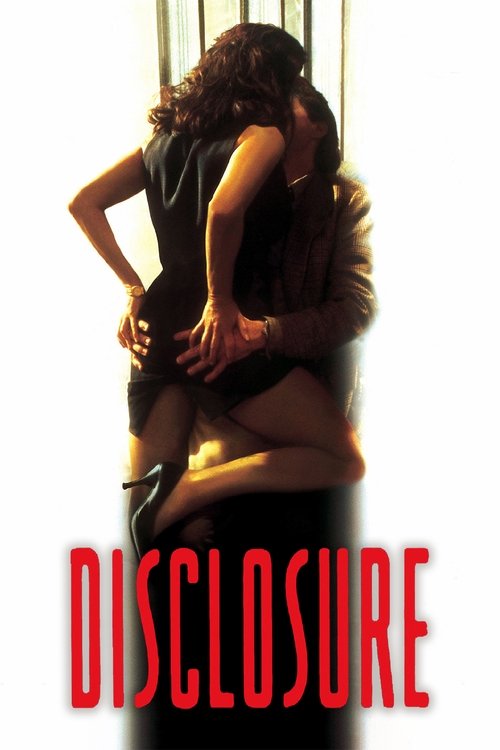
Disclosure
1994A computer specialist is sued for sexual harassment by a former lover turned boss who initiated the act forcefully, which threatens both his career and his personal life.
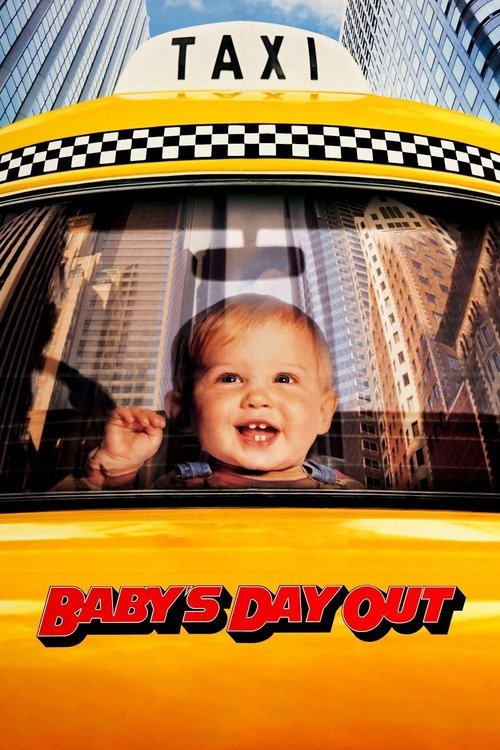
Baby's Day Out
1994Baby Bink couldn't ask for more: he has adoring (if somewhat sickly-sweet) parents, lives in a huge mansion, and he's just about to appear in the social pages of the paper. Unfortunately, not everyone in the world is as nice as Baby Bink's parents—especially the three enterprising kidnappers who pretend to be photographers from the newspaper. Successfully kidnapping Baby Bink, they have a harder time keeping hold of the rascal, who not only keeps one step ahead of them, but seems to be more than a little bit smarter than the three bumbling criminals.
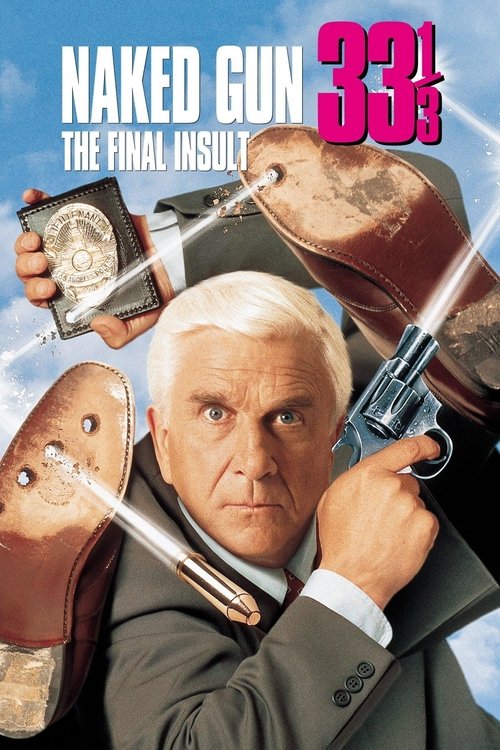
Naked Gun 33⅓: The Final Insult
1994Frank Drebin is persuaded out of retirement to go undercover in a state prison. There he has to find out what top terrorist, Rocco, has planned for when he escapes. Adding to his problems, Frank's wife, Jane, is desperate for a baby.
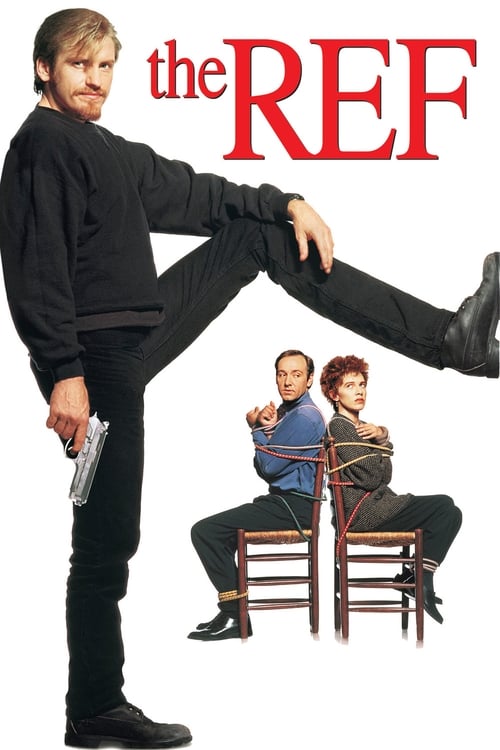
The Ref
1994A cat burglar is forced to take a bickering, dysfunctional family hostage on Christmas Eve.
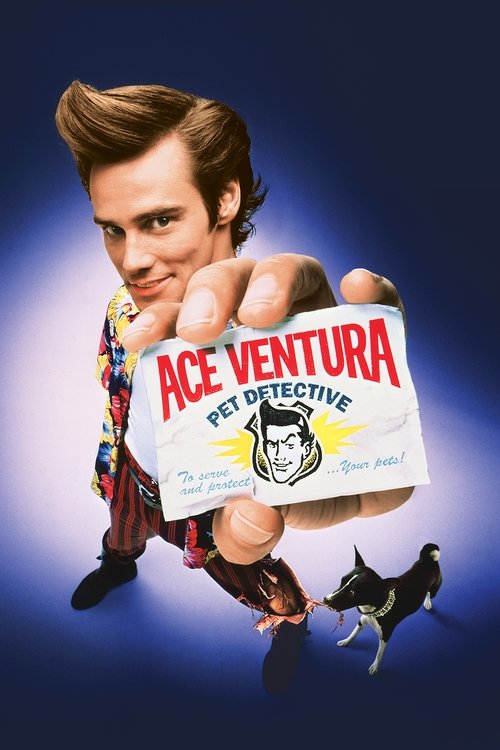
He's Ace Ventura: Pet Detective. The Ace is on the case to find the Miami Dolphins' missing mascot and quarterback Dan Marino. He goes eyeball to eyeball with a man-eating shark, stakes out the Miami Dolphins and woos and wows the ladies. Whether he's undercover, under fire or underwater, he always gets his man… or beast!
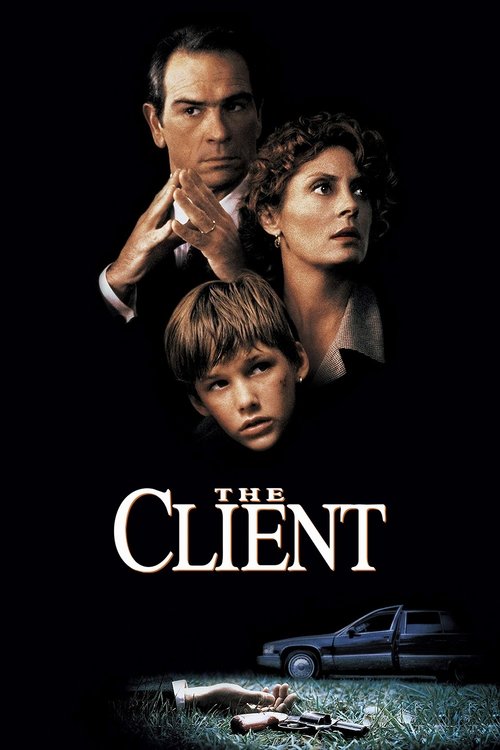
The Client
1994A street-wise kid, Mark Sway, sees the suicide of Jerome Clifford, a prominent Louisiana lawyer, whose current client is Barry 'The Blade' Muldano, a Mafia hit-man. Before Jerome shoots himself, he tells Mark where the body of a Senator is buried. Clifford shoots himself and Mark is found at the scene, and both the FBI and the Mafia quickly realize that Mark probably knows more than he says.
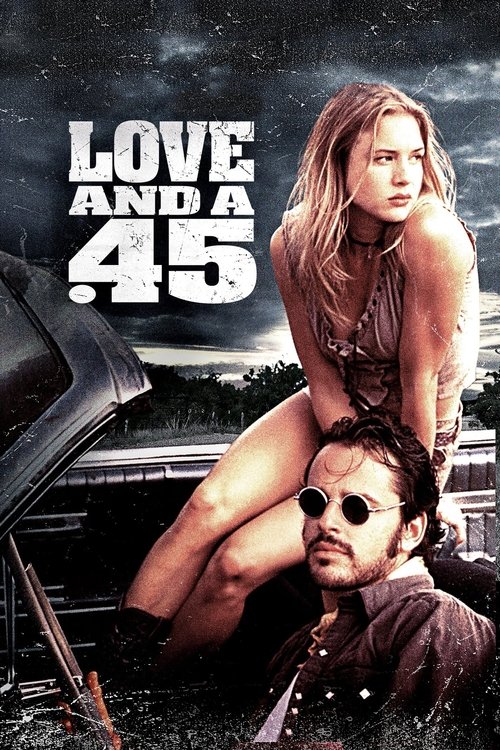
Love and a .45
1994Small-time criminal Watty Watts attempts to rob a convenience store with his drug-addict buddy, Billy Mack Black. The robbery, however, leads to murder, and soon Watty leaves Billy behind and goes on the run with his beloved girlfriend, Starlene. Heading toward Mexico, the fugitive couple gets plenty of media coverage, until there are even more people on their trail. Can Watty and Starlene make it south of the border without getting caught?
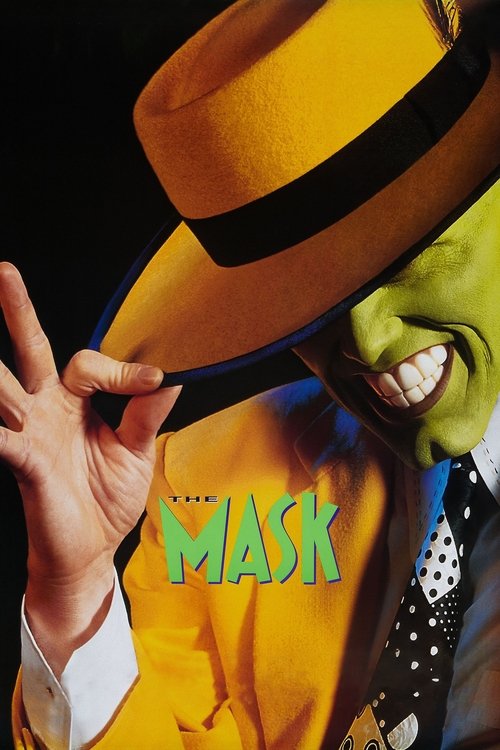
The Mask
1994Stanley Ipkiss, an insecure banker who has lost his zest for life stumbles upon an ancient mask, that turns him into a confident suave cartoon-like character who upsets his ordinary life.
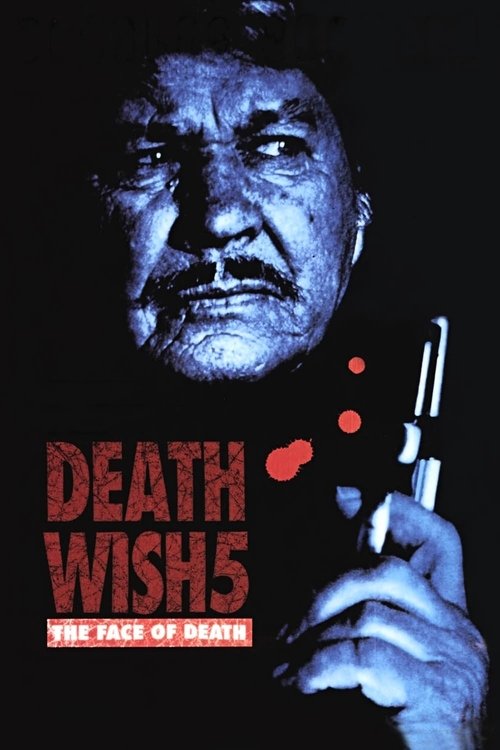
Death Wish V: The Face of Death
1994Paul Kersey is back at working vigilante justice when his fiancée, Olivia, has her business threatened by mobsters.
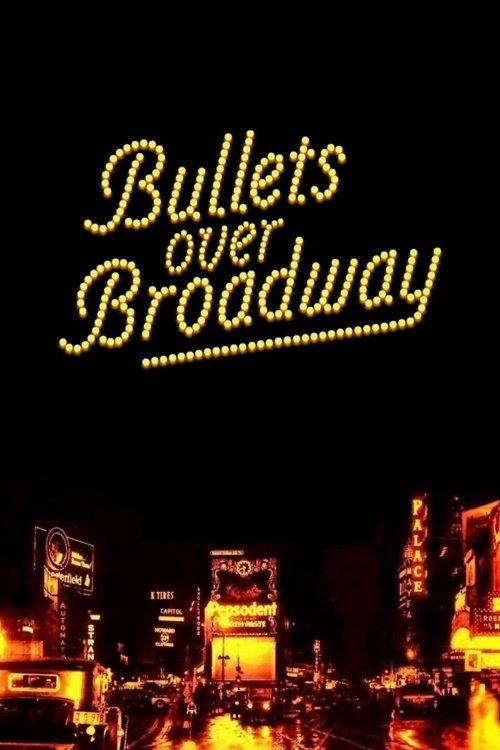
After young playwright, David Shayne obtains funding for his play from gangster Nick Valenti, Nick's girlfriend Olive miraculously lands the role of a psychiatrist—but not only is she a bimbo who could never pass for a psychiatrist—she's a dreadful actress. David puts up with the leading man who is a compulsive eater, the grand dame who wants her part jazzed up, and Olive's interfering hitman/bodyguard—but, eventually he must decide whether art or life is more important.

Rebels of the Neon God
1994Within the urban gloom of Taipei, four youths face alienation, loneliness, and moments of existential crisis amidst a series of minor crimes.
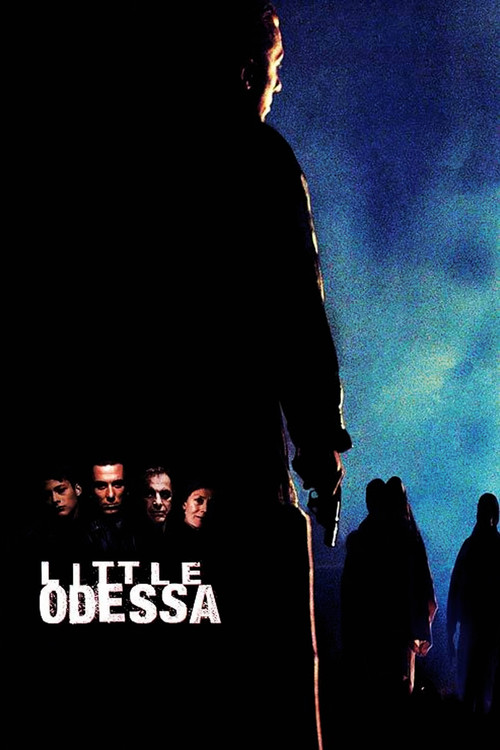
Little Odessa
1994Long separated from his family, hitman Joshua returns to Brighton Beach for a contract killing for the Russian Mafia. His abusive father, Arkady, banned him from returning after Joshua committed his first murder. He takes up residence in a hotel, and soon everyone knows he has returned. He goes home to visit his dying mother, Irina, and prepares for the assassination, getting drawn back into the criminal community he left behind.
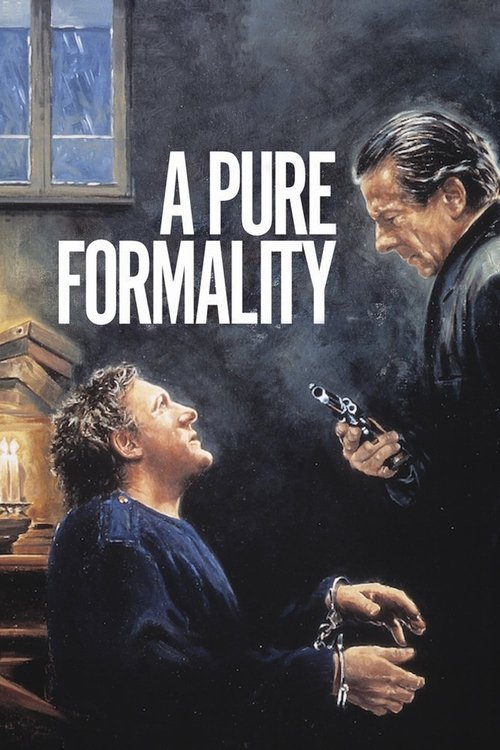
A Pure Formality
1994Onoff is a famous writer, now a recluse. The Inspector is suspicious when Onoff is brought into the station one night, disoriented and suffering a kind of amnesia. In an isolated, rural police station, the Inspector tries to establish the events surrounding a killing, to reach a startling resolution.
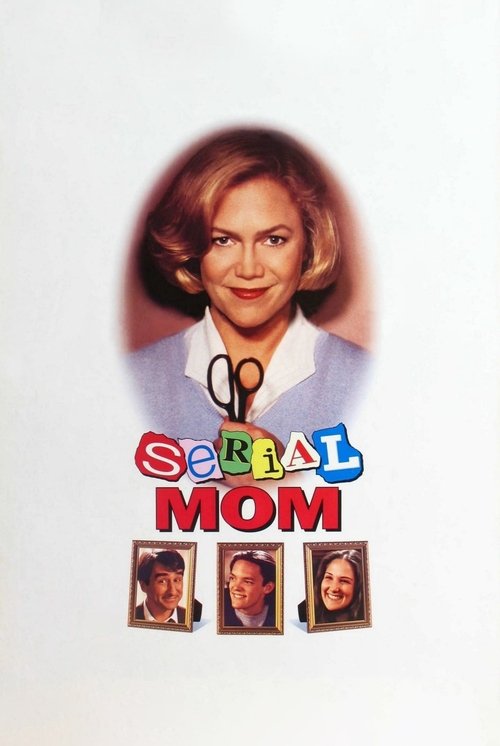
Serial Mom
1994Beverly is the perfect happy homemaker, along with her doting husband and two children, but this nuclear family just might explode when her fascination with serial killers collides with her ever-so-proper code of ethics.
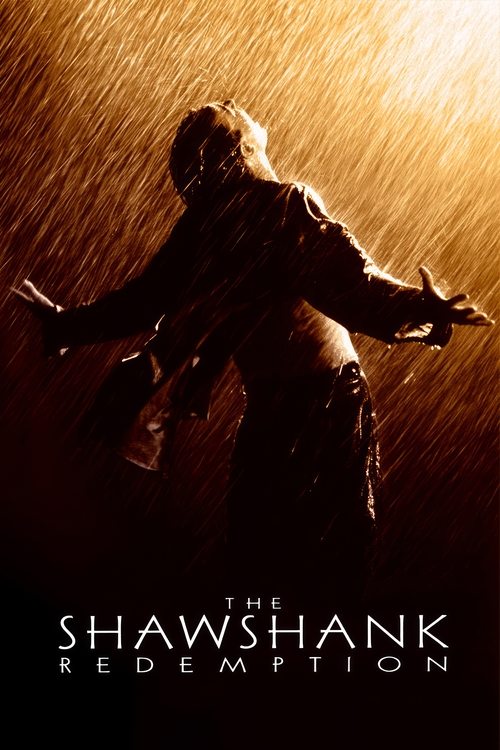
Imprisoned in the 1940s for the double murder of his wife and her lover, upstanding banker Andy Dufresne begins a new life at the Shawshank prison, where he puts his accounting skills to work for an amoral warden. During his long stretch in prison, Dufresne comes to be admired by the other inmates -- including an older prisoner named Red -- for his integrity and unquenchable sense of hope.
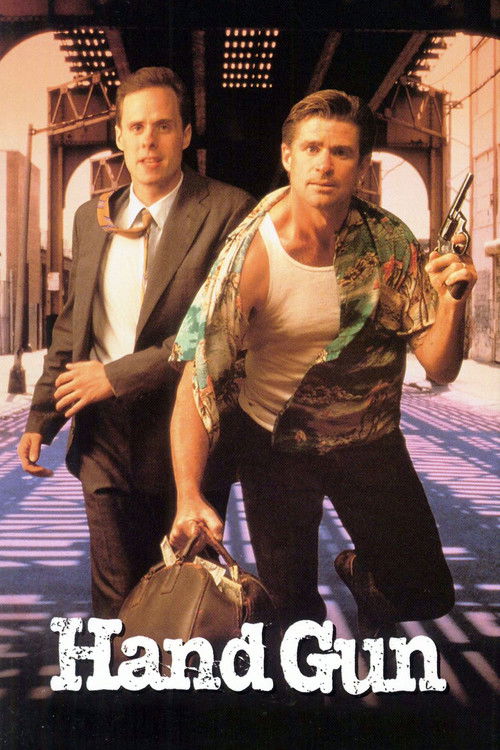
Hand Gun
1994Jack is in the midst of a major robbery, which leaves him injured and his accomplices dead. Jack manages to hide the $500,000 from the robbery before he makes his way to his death bed.
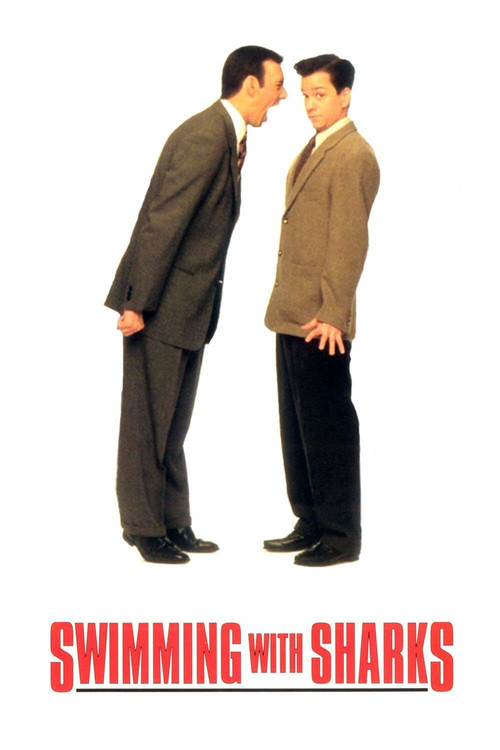
Swimming with Sharks
1994Guy is a young film executive who's willing to do whatever it takes to make it in Hollywood. He begins working for famed producer Buddy Ackerman, a domineering, manipulative, coldhearted boss. When Guy also finds out that his cynical girlfriend, Dawn, has been using sex as a career move, he reaches his limit. Guy decides to exact revenge on Buddy by kidnapping him and subjecting him to cruel and unusual punishment.
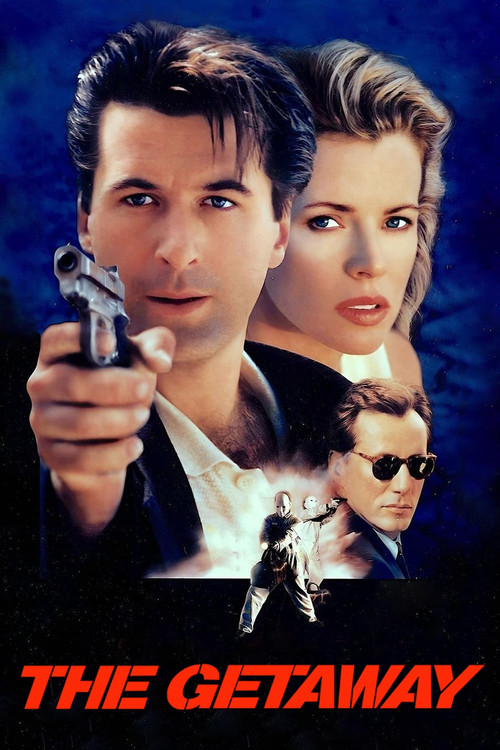
The Getaway
1994An ex-con and his devoted wife must flee from danger when a heist doesn't go as planned.
While iterating on a classic Peckinpah blueprint, this remake leans into the slick, eroticized gloss of nineties high-stakes heist cinema. It functions as a polished showcase for star power and kinetic momentum, proving that the lovers-on-the-run archetype remains eternally bankable.
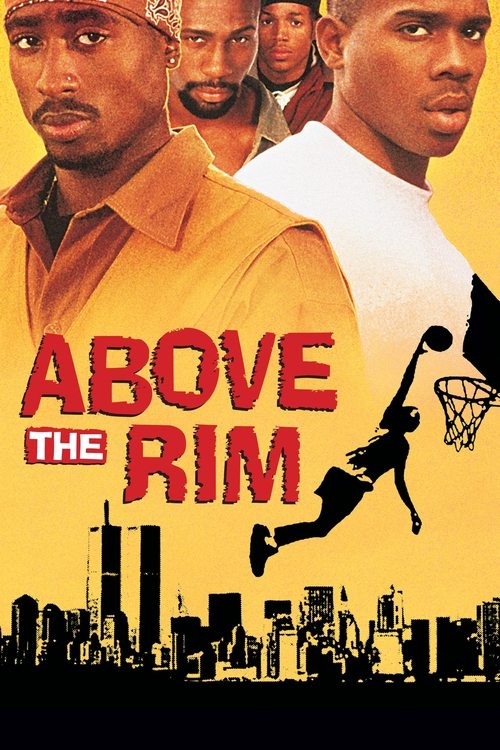
Above the Rim
1994Story of a promising high school basketball star and his relationships with two brothers, one a drug dealer and the other a former basketball star fallen on hard times and now employed as a security guard.
Fusing the street-ball drama with the high-stakes risk of the drug trade, this film captures the predatory nature of neighborhood kingpins. Tupac Shakur’s magnetic screen presence provides a terrifyingly charismatic face to the forces pulling at the soul of a gifted athlete.
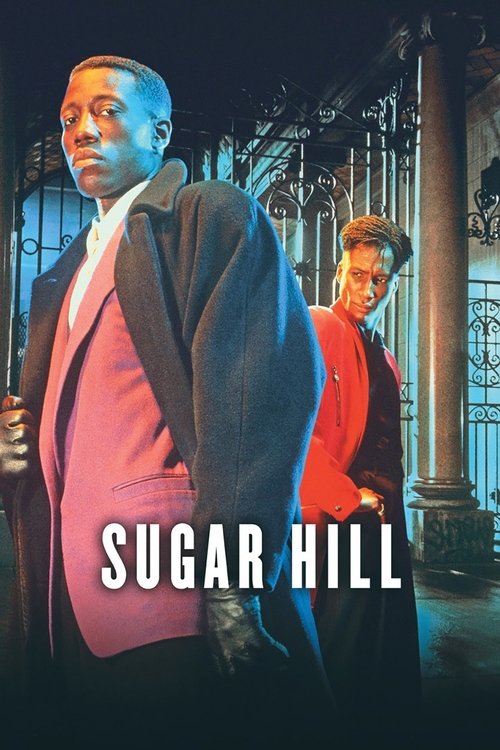
Sugar Hill
1994In the Harlem neighborhood of New York City, the Mafia steps in when a drug dealer quits his partner and brother to lead a straight life with his girlfriend.
Wesley Snipes brings a mournful, Shakespearean weight to this chronicle of a crumbling drug empire. While many of its contemporaries leaned into action, this film finds its teeth in the elegiac tragedy of a man trying to outrun his own legacy.
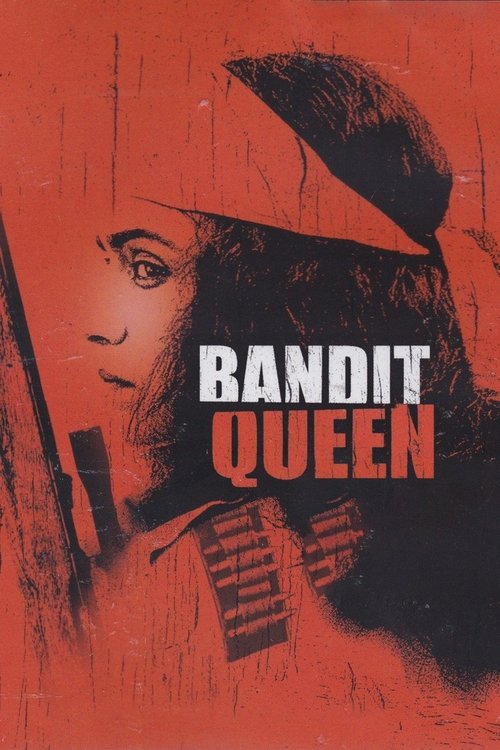
Bandit Queen
1994Born a lower-caste girl in rural India's patriarchal society, "married" at 11, repeatedly raped and brutalized, Phoolan Devi finds freedom only as an avenging warrior, the eponymous Bandit Queen. Devi becomes a kind a bloody Robin Hood; this extraordinary biographical film offers both a vivid portrait of a driven woman and a savage critique of the society that made her.
This harrowing biographical odyssey transcends typical revenge tropes to examine the intersection of caste politics and systemic gender violence. It is a brutal, essential piece of world cinema that finds raw power in its unflinching depiction of a real-world outlaw.
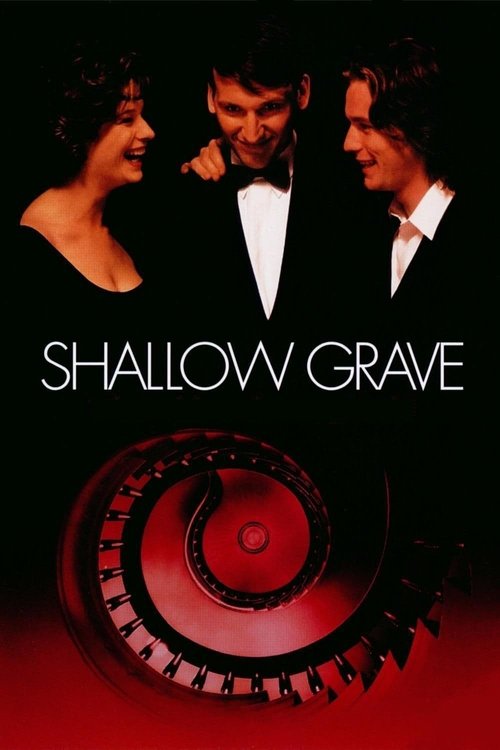
Shallow Grave
1994When David, Juliet, and Alex find their new roommate dead with a large sum of money, they agree to hide the body and keep the cash. However, this newfound fortune gradually corrodes their friendship.
Danny Boyle’s debut injected a jolt of claustrophobic, stylish energy into the British thriller landscape. It masterfully tracks the disintegration of human loyalty when confronted with a suitcase full of cash and a rotting corpse.

The Last Seduction
1994A devious femme fatale steals her husband’s drug money and hides out in a small town where she meets the perfect dupe for her next scheme.
Linda Fiorentino delivers the definitive neo-noir performance as a protagonist who possesses neither a heart of gold nor a redemptive arc. This is a lean, mean exercise in pure opportunism that outmaneuvers the audience at every cynical turn.
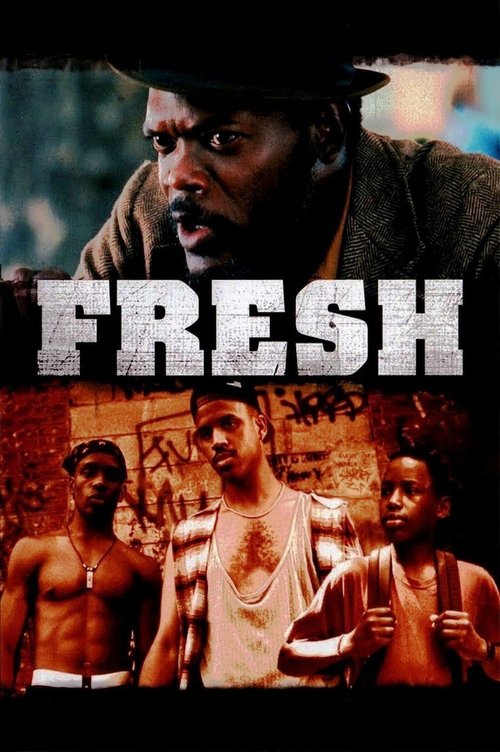
Fresh
1994Death and violence anger twelve year old drug courier Fresh, who sets his rival employers against each other.
Boaz Yakin avoids the sensationalized tropes of the urban thriller to deliver a cold, cerebral look at survival through the eyes of a chess-playing prodigy. It is a quiet powerhouse of a film, replacing kinetic gunplay with a devastatingly sharp display of tactical manipulation.
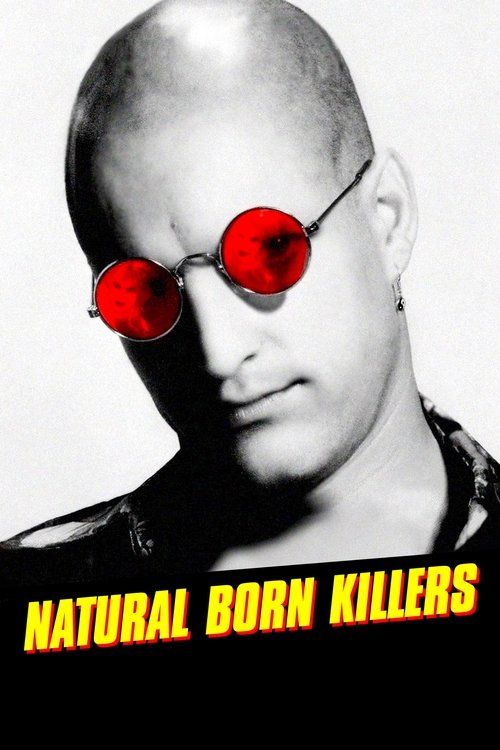
Two victims of traumatized childhoods become lovers and serial murderers irresponsibly glorified by the mass media.
Oliver Stone’s sensory assault serves as a blistering indictment of the media's hunger for sensationalism, turning the camera back on the viewer with psychedelic aggression. It is a chaotic, hallucinatory masterpiece of satirical malice that captures the nihilistic zeitgeist of the mid-nineties.
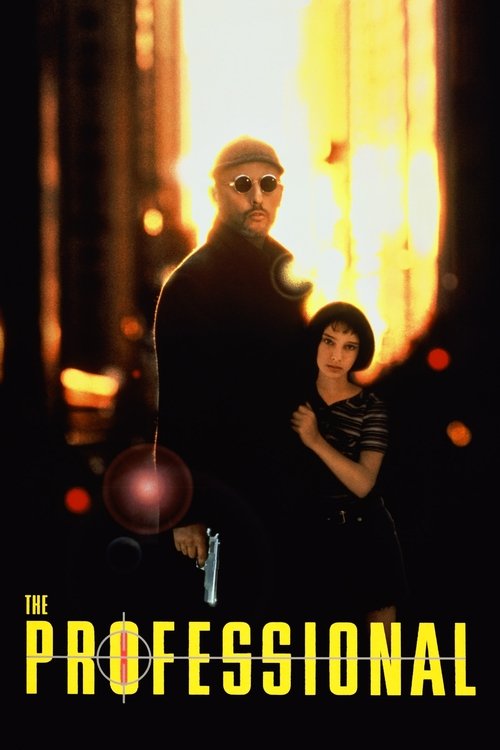
Léon, the top hit man in New York, has earned a rep as an effective "cleaner". But when his next-door neighbors are wiped out by a loose-cannon DEA agent, he becomes the unwilling custodian of 12-year-old Mathilda. Before long, Mathilda's thoughts turn to revenge, and she considers following in Léon's footsteps.
Luc Besson balances operatic violence with a startlingly tender, albeit controversial, core of emotional codependency. Jean Reno’s stoic minimalism provides the perfect anchor for a film that feels like a polished, European fever dream of New York urban decay.
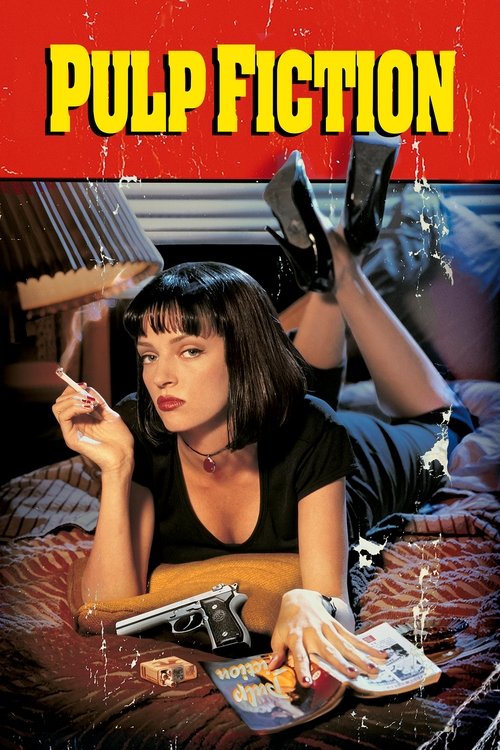
Pulp Fiction
1994A burger-loving hit man, his philosophical partner, a drug-addled gangster's moll and a washed-up boxer converge in this sprawling, comedic crime caper. Their adventures unfurl in three stories that ingeniously trip back and forth in time.
Quentin Tarantino redefined the cinematic lexicon here, weaponizing non-linear structure and hyper-literate dialogue to revitalize the tired underworld archetype. This is the moment the crime genre traded grit for a pop-culture sheen that remains inescapable.
Frequently Asked Questions
Everything you need to know about this list and SnakeDrafts
- The 1994 crime movies are exceptional because they marked a radical reinvention of the genre, moving away from traditional stoic police procedurals and mafia operas to more experimental and diverse storytelling, such as the non-linear narrative of 'Pulp Fiction' and the intense character focus in 'Léon: The Professional.'
- 'Pulp Fiction' revolutionized the crime genre with its eclectic mix of thriller, crime, and comedy elements, alongside a nonlinear storyline and sharp dialogue, setting a new standard for crime films in 1994 and inspiring a wave of innovative storytelling within the genre.
- 'Swimming with Sharks' is a standout 1994 film that skillfully combines crime and comedy, offering a satirical look into the dark side of Hollywood power dynamics, contrasting sharply with more serious crime dramas from the year.
- Yes, 'Léon: The Professional' from France and 'Bandit Queen' from India showcase the global reach of crime cinema in 1994, each bringing unique cultural perspectives and storytelling styles to the genre's evolution that year.
- The 1994 crime movies frequently explore themes of morality, revenge, and the psychological depth of characters caught in crime's web, as seen in films like 'Natural Born Killers' and 'The Shawshank Redemption,' which delve into human complexity beyond mere criminal acts.
- 'Natural Born Killers' used a provocative and highly stylized approach to critique media sensationalism and violence, pushing the boundaries of traditional crime narratives in 1994 by blending drama and thriller elements with social commentary.
- 'The Last Seduction' stands out for incorporating a thrilling crime story with intense romantic drama, highlighting the complexities of betrayal and manipulation within its narrative.
- Although centered around prison life, 'The Shawshank Redemption' is classified as a crime drama because it deeply explores themes of justice, hope, and redemption linked to crimes, focusing on the consequences and personal transformations rather than the acts themselves.