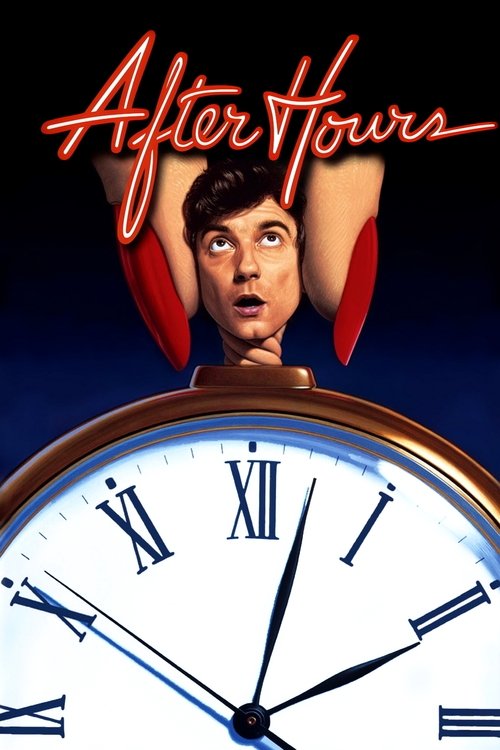
After Hours
Explore the chaotic and darkly humorous descent of Paul Hackett into a surreal nocturnal odyssey through the labyrinthine streets of 1980s SoHo. "After Hours" masterfully blends comedy, thriller, and drama, offering a unique and unforgettable cinematic experience that remains a cult classic.
Director
Release Year
1985
Runtime
97 minutes
Main Cast
Griffin Dunne, Rosanna Arquette, Verna Bloom, Tommy Chong, Linda Fiorentino
About After Hours
Martin Scorsese, renowned for his gritty portrayals of urban life, plunges audiences into a different kind of New York nightmare with "After Hours." Released in 1985, this darkly comedic thriller deviates from his more epic crime dramas, yet still bears his indelible stylistic hallmarks. The film critiques the alienation of modern city life and the anxieties of social interaction, resonating deeply with viewers who have ever felt out of place or caught in a series of unfortunate events.
The premise is deceptively simple: an ordinary word processor, Paul Hackett, seeks a casual late-night encounter in downtown Manhattan. However, what unfolds is a nightmarish escalation of absurd encounters and escalating misfortunes that test his sanity and push him further into a bizarre urban underworld. Scorsese brilliantly crafts a suffocating atmosphere of paranoia and unease, making the audience feel every ounce of Paul's growing desperation without resorting to conventional horror.
"After Hours" received critical acclaim for its bold originality, sharp wit, and Scorsese's inventive direction. While not a massive box office hit, it quickly gained a dedicated following and is now considered a quintessential example of 1980s cult cinema. Griffin Dunne's performance as the increasingly unhinged Paul is particularly lauded, capturing the essence of an everyman trapped in an inescapable, logic-defying situation. The film garnered Scorsese the Best Director award at the 1986 Cannes Film Festival, further solidifying its artistic merit.
Its legacy lies in its unique blend of genres and its enduring exploration of urban alienation and the thin line between reality and nightmare. "After Hours" continues to be celebrated for its audacious storytelling and its ability to provoke both laughter and genuine anxiety, cementing its place as a distinctive and influential work in Scorsese's diverse filmography. It remains a fascinating study of cosmic inconvenience and the bizarre underbelly of metropolitan existence.
Drafts Featuring After Hours
Every SnakeDrafts listicle where this movie appears
Similar Movies
Movies related to After Hours


Frequently Asked Questions
Everything you need to know about After Hours
- The women Paul meets throughout the night, each with their distinct eccentricities and agendas, represent different facets of the chaotic and unpredictable nature of urban life. They act as catalysts for his escalating misfortunes, embodying the surreal traps and bewildering social dynamics he navigates. Their varied personalities contribute to the film's darkly comedic and anxious tone.
- The film's circular ending, with Paul mysteriously returning to his starting point, offers a darkly ironic and open-ended conclusion to his night of terror. It suggests a cyclical nature to his trapped existence and the impossibility of escape from the absurdities he encountered. This ambiguous resolution reinforces the film's themes of alienation and the surreal, allowing for multiple interpretations.
- The downtown SoHo setting is more than just a backdrop; it's a character in itself, actively contributing to Paul's disorientation and sense of entrapment. Its nocturnal emptiness, quirky inhabitants, and labyrinthine streets amplify the dreamlike and increasingly hostile atmosphere. The unfamiliarity of the environment heightens Paul's vulnerability and isolation.
- The key, initially a symbol of access and possibility to a new connection, quickly transforms into a recurring symbol of Paul's escalating misfortune and the impossible predicament he finds himself in. Its repeated loss and mishandling underscore his lack of control and the arbitrary nature of the obstacles he faces. It represents the elusive nature of what he seeks and the increasingly complicated path to get it.
- Instead of relying on stereotypical villains or clear-cut dangers, 'After Hours' generates suspense through a relentless series of bizarre coincidences, misunderstandings, and the sheer absurdity of everyday interactions. It transforms mundane social anxieties into a chilling and comedic nightmare, where the real threat lies in the breakdown of logic and conventional behavior rather than overt violence. This subversion creates a unique and unforgettable sense of dread.

