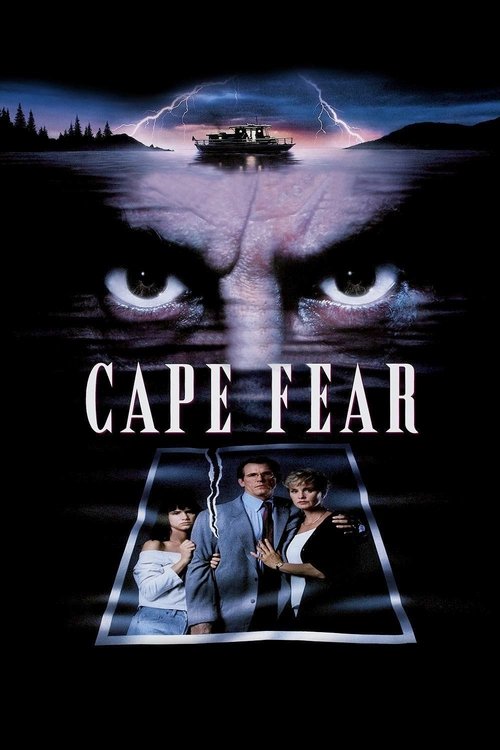
Cape Fear
Cape Fear (1991) is a nail-biting psychological thriller that delves into the terrifying world of a family stalked by a vengeful ex-convict. With masterful direction from Martin Scorsese, this film promises relentless suspense and unforgettable performances that will leave you on the edge of your seat. Explore the dark depths of justice and retribution in this cinematic tour de force.
Director
Release Year
1991
Runtime
128 minutes
Main Cast
Robert De Niro, Nick Nolte, Jessica Lange, Juliette Lewis, Joe Don Baker
About Cape Fear
Martin Scorsese’s 1991 remake of *Cape Fear* injects a potent dose of psychological torment and visceral intensity into the classic thriller premise. Unlike the more subdued 1962 original, Scorsese’s version amplifies the menace, crafting a terrifying ballet of cat-and-mouse that explores themes of justice, morality, and the corrupting nature of revenge. Its cultural impact stemmed from its unflinching portrayal of terror and its examination of how past actions can haunt individuals and families.
The plot centers on Sam Bowden, a lawyer whose past ethical transgression comes back to haunt him when Max Cady, a man he failed to adequately represent, is released from prison. Cady, a charismatic yet utterly psychopathic figure, systematically terrorizes Bowden and his family, slowly dismantling their sense of security. The film masterfully builds tension, showcasing Cady’s insidious manipulation and the ever-increasing desperation of the Bowden family.
Critically, *Cape Fear* was a commercial success and garnered significant attention, particularly for Robert De Niro's chilling performance as Max Cady, which earned him an Academy Award nomination. The film was praised for its stylistic brilliance, its ability to generate palpable suspense, and its bold performances from the entire cast, including Nick Nolte, Jessica Lange, and a young Juliette Lewis. While some critics found its violence and intensity polarizing, its artistic merits and effectiveness as a thriller were widely acknowledged.
Beyond its initial release, *Cape Fear* has cemented its place as a quintessential modern thriller. It’s frequently cited for its memorable antagonist, its unsettling atmosphere, and its exploration of the fragility of safety. The film’s legacy lies in its enduring power to unsettle audiences and its contribution to the thriller genre as a benchmark for psychological intensity and directorial prowess.
Drafts Featuring Cape Fear
Every SnakeDrafts listicle where this movie appears
The Best Robert De Niro Movies Ranked
Ranked #22
The Best Nick Nolte Movies Ranked
Ranked #3
The Best Gregory Peck Movies Ranked
Ranked #11
Juliette Lewis's Greatest Movies Ranked
Ranked #1
The Ultimate Martin Scorsese Movie Rankings
Ranked #7
1991's Best Movies Ranked
Ranked #3
The Best Movies of the 1990s Ranked
Ranked #47
Best Crime Movies of 1991, Ranked
Ranked #6
Jessica Lange Movies Ranked From Worst to Best
Ranked #5
The Greatest Crime Movies Ranked
Ranked #90
The Best Thriller Movies of All Time, Ranked
Ranked #7
Top 1990s Thriller Movies Ranked
Ranked #4
The Greatest 1990s Crime Movies Ranked
Ranked #18
Best Thriller Movies of 1991, Ranked
Ranked #2
Similar Movies
Movies related to Cape Fear
Frequently Asked Questions
Everything you need to know about Cape Fear
- Max Cady's religious references, particularly his selective quoting of scripture, serve to twist notions of divine justice and righteousness, justifying his vengeful acts in his own distorted mind. His prominent tattoos, especially those depicting religious iconography alongside violent imagery, visually represent his warped moral code and his self-perception as an instrument of retribution. These elements contribute to his terrifying and unsettling characterization, blurring the lines between fanaticism and psychosis.
- The film masterfully explores moral ambiguity through Sam Bowden's past actions and their devastating consequences. While he is the victim of Cady's terror, Sam's earlier ethical lapse in handling Cady's case initiated the chain of events, forcing viewers to confront the complexities of right and wrong. This ambiguity extends to the Bowden family as they are pushed to their limits, blurring the lines of acceptable behavior in their fight for survival.
- The chaotic and violent climax at Cape Fear represents the ultimate confrontation with the forces of nature and humanity's primal instincts. The storm-ravaged waters symbolize the complete breakdown of order and the raw, untamed nature of Cady's vengeance. Ultimately, the survival of the Bowden family, albeit scarred, suggests a painful, hard-won victory and the enduring, albeit fragile, nature of familial bonds in the face of overwhelming terror.
- Danielle Bowden's conflicted fascination and fear of Max Cady create a deeply unsettling dynamic that significantly heightens the film's tension. Her teenage vulnerability and curiosity are expertly manipulated by Cady, making her a pawn in his game and a direct threat to her family's safety. This psychological manipulation underscores Cady's insidious nature and the profound emotional distress he inflicts on the entire family.
- The setting, particularly the remote and isolated location of Cape Fear itself, serves as a crucial element in intensifying the film's suspense and sense of dread. As the Bowden family retreats to this seemingly safe haven, they are inadvertently trapped, making them more vulnerable to Cady's relentless pursuit. The wild, untamed environment mirrors the raw and violent nature of the unfolding events, emphasizing their isolation and helplessness against their tormentor.

