Ranking the Best Kevin Pollak Movies
Character Mastery and Scene Stealing Performances
Explore Kevin Pollak's most essential roles, from gritty crime dramas and legal thrillers to beloved cult comedies and fantasy classics.
About Kevin Pollak

In the pantheon of Hollywood utility players, Kevin Pollak occupies a rarified space. He is the guy who makes every scene better simply by being the smartest person in the room, or perhaps just the one with the sharpest tongue. While many actors spend their careers running away from the character actor label, he has leaned into it with the precision of a master craftsman, building a body of work that bridges the gap between high-stakes drama and Borscht Belt comedy. To watch him on screen is to witness a delicate balancing act. He possesses a specific kind of everyman energy that is deceptively difficult to pull off; he is grounded enough to be your best friend but cynical enough to be the one who knows where the bodies are buried.
His ascent in the early nineties remains a blueprint for how to survive in a leading man's world. In A Few Good Men, he served as the moral and intellectual ballast, holding his own against the high-decibel pyrotechnics of Tom Cruise and Jack Nicholson. It was a performance defined by restraint, a quality he pivoted away from entirely when he stepped into the chaotic world of Willow or the neon-soaked corruption of Casino. Martin Scorsese understood what many directors would eventually learn: he can telegraph a character's entire history with a single, weary exhale or a precisely timed crack wise. He treats dialogue like music, finding the rhythm in a script that others might miss.
This rhythmic sensibility likely stems from his roots in stand-up, where silence is just as important as the punchline. He brought that comic agility to The Usual Suspects, where his portrayal of Todd Hockney provided much of the film's grit and dark humor. In a movie famous for its twists and shadows, he was the skeptical heartbeat of the crew. He transitioned seamlessly into the beloved bickering of Grumpy Old Men and its sequel, proving he could navigate the waters of mainstream studio comedy without losing his edge. Whether he was playing the long-suffering son or a neurotic dentist in The Whole Nine Yards, he maintained an authentic, lived-in quality that felt miles away from Hollywood artifice.
Audiences connect with him because there is an inherent honesty in his delivery. He does not disappear so much as he adapts, fitting into the stylistic demands of an Barry Levinson period piece like Avalon just as easily as the satirical whimsy of L.A. Story. Even in teen staples like She is All That or high-concept thrillers like Hostage, he remains the most believable person on the call sheet. His career is a masterclass in longevity, stretching from the indie eccentricity of Buffalo 66 to the grounded grit of War Dogs and the psychological depth of Three Christs. He is the ultimate insurance policy for a filmmaker. If Kevin Pollak is on the screen, even if only for five minutes in That Thing You Do, you know you are in steady, capable hands. He is the quintessential collaborator, an actor who understands that his job is not just to shine, but to ensure the entire engine is running at peak performance.
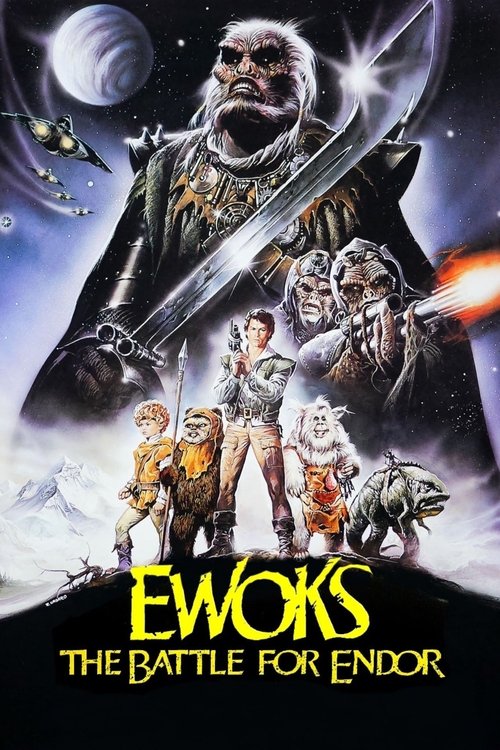
Ewoks: The Battle for Endor
1985The army of the Marauders, led by King Terak and the witch Charal, attack the Ewoks village, killing Cindel's family. Cindel and the Ewok Wicket escape and meet Teek in the forest, a naughty and very fast animal. Teek takes them to a house in which an old man, Noa, lives. Like Cindel, he also crashed with his Starcruiser on Endor. Together they fight Terak and Charal.
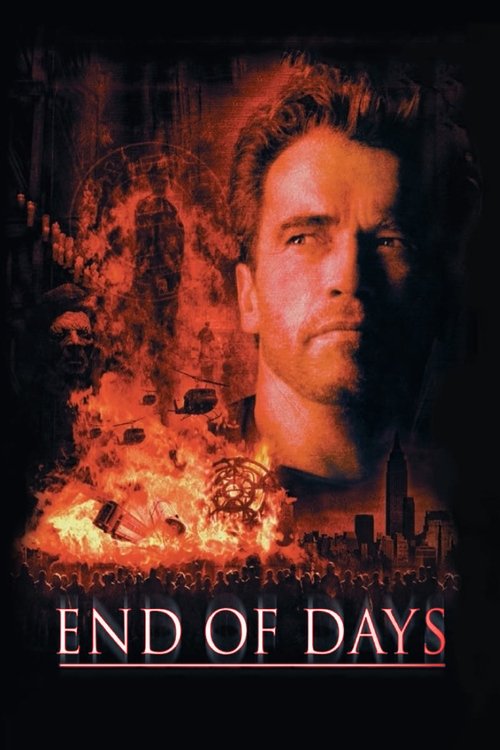
End of Days
1999Cynical bodyguard Jericho is hired by a man possessed by Satan, who is in search of his bride. When Jericho realizes what is happening, he must do everything he can to save the woman and the world.
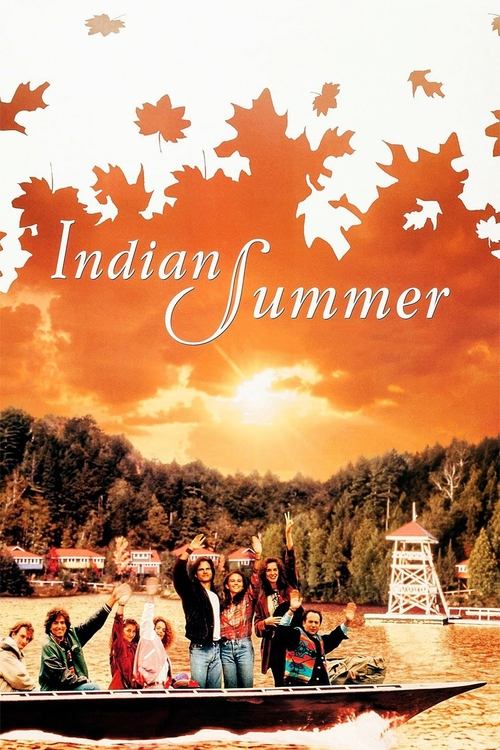
Indian Summer
1993A group of childhood friends, now in their thirties, reunite at Camp Tamakwa. Only a few of the original campers show up, but they still have a good time reminiscing. The people share experiences and grow while at the camp. They are dismayed to discover that the camp's owner, Unca Lou, is going to close the camp down.
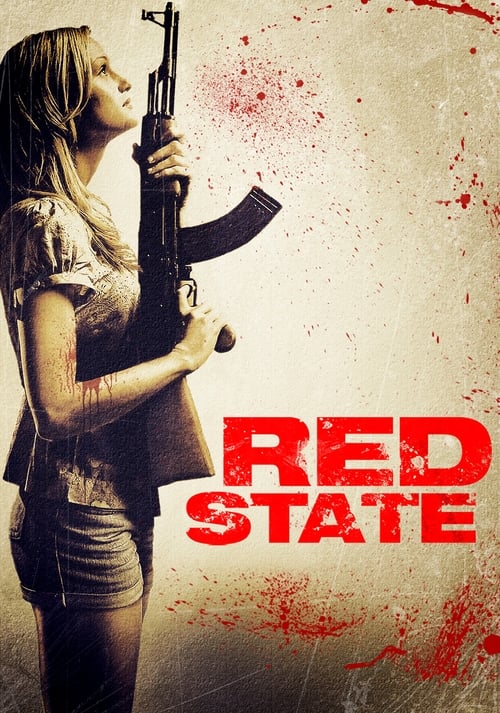
Red State
2011Set in Middle America, a group of teens receive an online invitation for sex, though they soon encounter Christian fundamentalists with a much more sinister agenda.
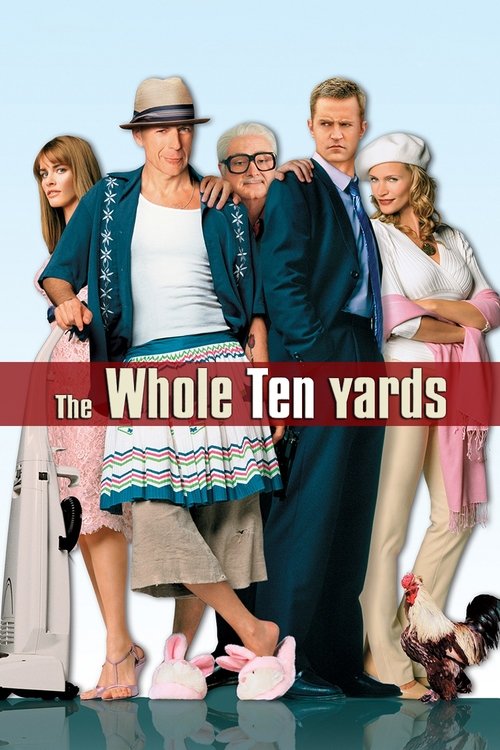
The Whole Ten Yards
2004Jimmy "The Tulip" Tudeski now spends his days compulsively cleaning his house and perfecting his culinary skills with his wife, Jill, a purported assassin who has yet to pull off a clean hit. Suddenly, an uninvited and unwelcome connection to their past unexpectedly shows up on Jimmy and Jill's doorstep; it's Oz, and he's begging them to help him rescue his wife, Cynthia.

L.A. Story
1991With the help of a talking freeway billboard, a "wacky weatherman" tries to win the heart of an English newspaper reporter, who is struggling to make sense of the strange world of early-90s Los Angeles.

She's All That
1999High school hotshot Zach Siler is the envy of his peers. But his popularity declines sharply when his cheerleader girlfriend, Taylor, leaves him for sleazy reality-television star Brock Hudson. Desperate to revive his fading reputation, Siler agrees to a seemingly impossible challenge. He has six weeks to gain the trust of nerdy outcast Laney Boggs -- and help her to become the school's next prom queen.
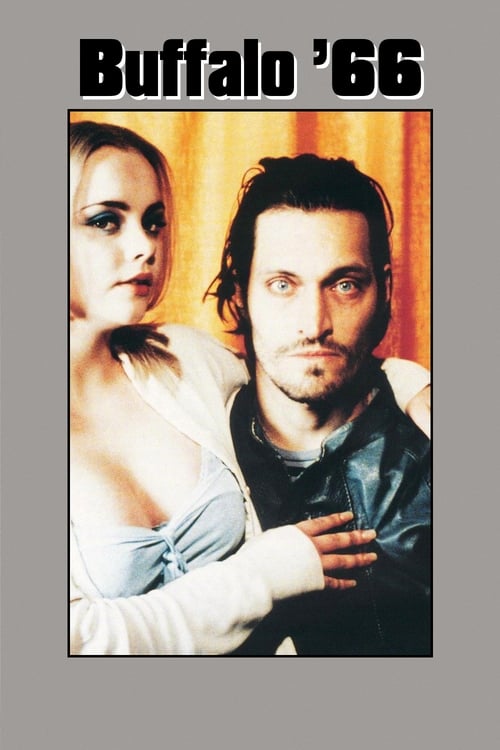
Buffalo '66
1998Billy is released after five years in prison. In the next moment, he kidnaps teenage student Layla and visits his parents with her, pretending she is his girlfriend and they will soon marry.

War Dogs
2016Based on the true story of two young men, David Packouz and Efraim Diveroli, who won a $300 million contract from the Pentagon to arm America's allies in Afghanistan.
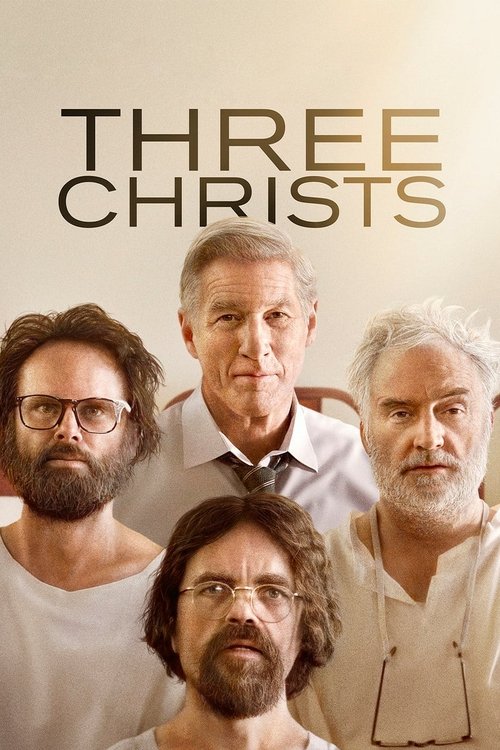
Three Christs
2017Dr. Alan Stone breaks new ground for treatment of the mentally ill through an experiment on three paranoid schizophrenic patients who believe they are Jesus Christ.
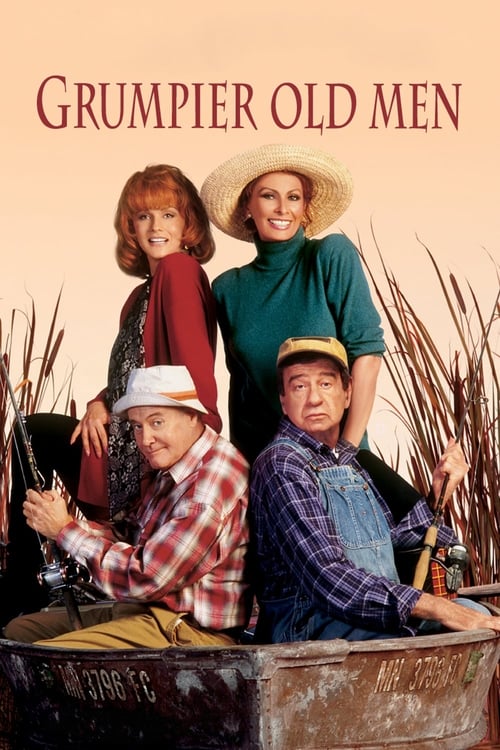
Grumpier Old Men
1995A family wedding reignites the ancient feud between next-door neighbors and fishing buddies John and Max. Meanwhile, a sultry Italian divorcée opens a restaurant at the local bait shop, alarming the locals who worry she'll scare the fish away. But she's less interested in seafood than she is in cooking up a hot time with Max.
Returning to the chaotic orbit of Matthau and Lemmon, Pollak maintains the series' heart while navigating the increasingly cartoonish stakes. He serves as the vital link that keeps this sequel's frantic energy connected to the original's character-driven charm.
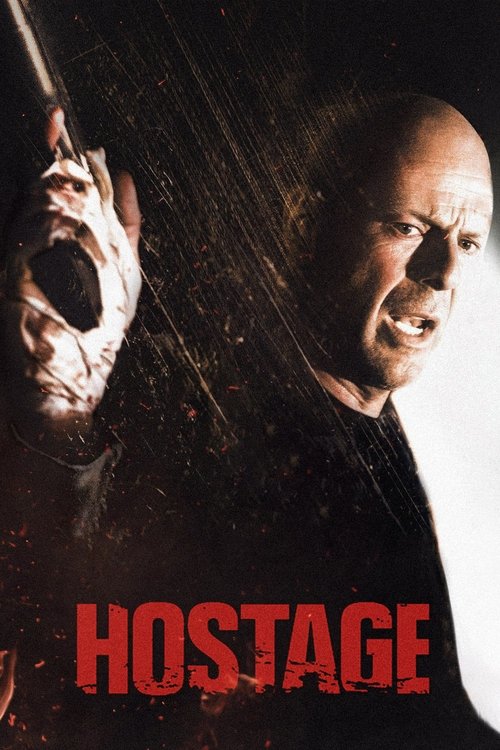
Hostage
2005When a mafia accountant is taken hostage on his beat, a police officer – wracked by guilt from a prior stint as a negotiator – must negotiate the standoff, even as his own family is held captive by the mob.
Pollak shifts gears into darker territory here, portraying a man whose technical expertise becomes a catalyst for an escalating hostage crisis. It is a tense and gritty departure that utilized his fast-talking persona for suspense rather than punchlines.
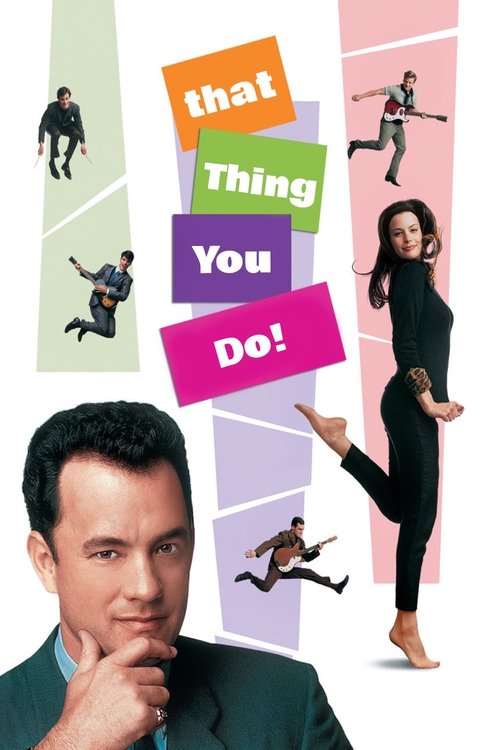
A Pennsylvania band scores a hit in 1964 and rides the star-making machinery as long as it can, with lots of help from its manager. But behind the scenes, the group’s sudden fame tests their strength, their maturity and responsibility, and their ability to resist the temptations that money and notoriety always make possible.
Though his screen time is brief, Pollak’s sharp turn as the cynical talent scout captures the ruthless machinery behind hit-making. He injecting a dose of industry realism into Tom Hanks’ nostalgic vision of the sixties pop scene.
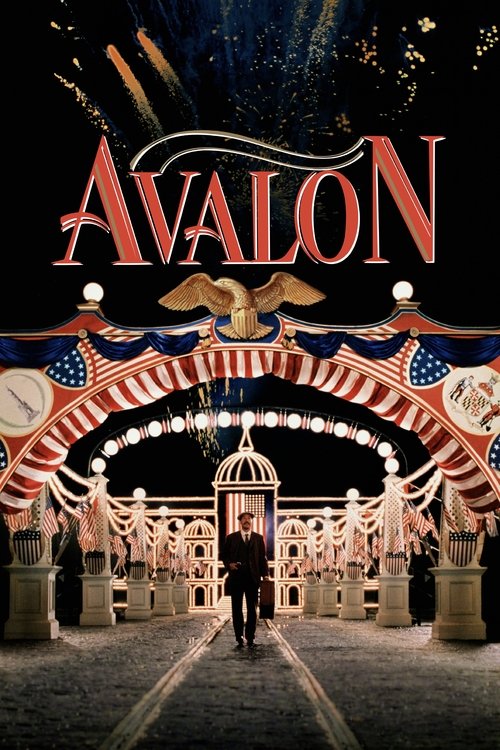
Avalon
1990A Polish-Jewish family comes to the U.S. at the beginning of the twentieth century. There, the family and their children try to make themselves a better future in the so-called promised land.
In Barry Levinson’s immigrant tapestry, Pollak delivers a soulful performance that trades his usual sarcasm for genuine pathos. It is a pivotal moment in his filmography that proved he could handle quiet, generational drama with sophisticated restraint.
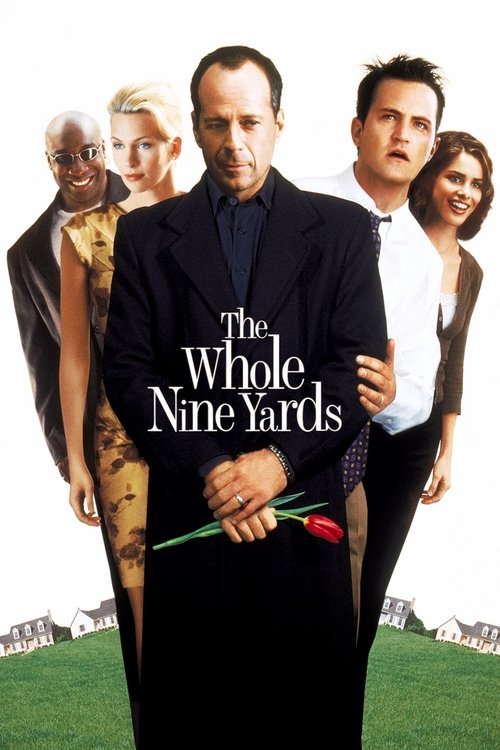
After a mobster agrees to cooperate with an FBI investigation in order to stay out of prison, he's relocated by the authorities to a life of suburban anonymity as part of a witness protection program. It's not long before a couple of his new neighbours figure out his true identity and come knocking to see if he'd be up for one more hit—suburban style.
By leaning into the absurdity of the mobster archetype, Pollak provides a sharp contrast to the more traditional leading men on screen. His performance demonstrates his mastery of the comic foil, finding humor in the menacing shadows of an suburban hitman plot.
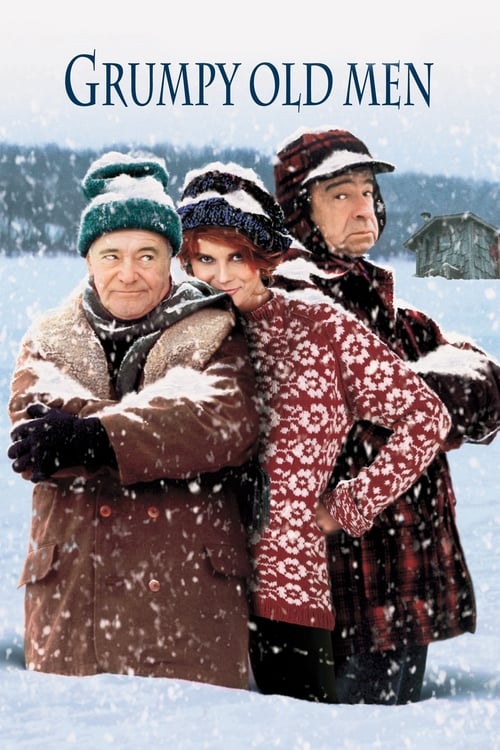
Grumpy Old Men
1993For decades, next-door neighbors and former friends John and Max have feuded, trading insults and wicked pranks. When an attractive widow moves in nearby, their bad blood erupts into a high-stakes rivalry full of naughty jokes and adolescent hijinks.
Caught in the crossfire of two comedy legends, Pollak excels as the long-suffering straight man who adds a layer of modern reality to the film's slapstick rivalry. His presence bridges the generational gap, turning a potential caricature into a grounded supporting role.
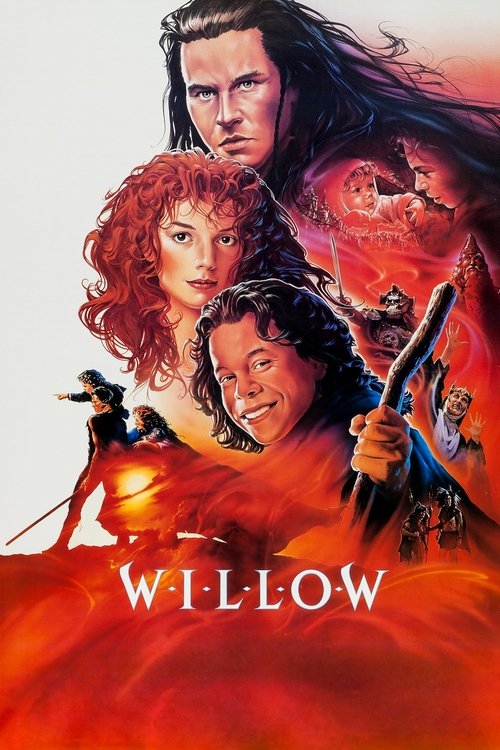
Willow
1988The evil Queen Bavmorda hunts the newborn princess Elora Danan, a child prophesied to bring about her downfall. When the royal infant is found by Willow, a timid farmer and aspiring sorcerer, he's entrusted with delivering her from evil.
Buried under prosthetics as the Brownie Rool, Pollak leans into physical comedy and high-pitched banter to provide the film’s essential levity. This early role showcased his chameleonic ability to disappear into a high-concept fantasy world without losing his comedic edge.
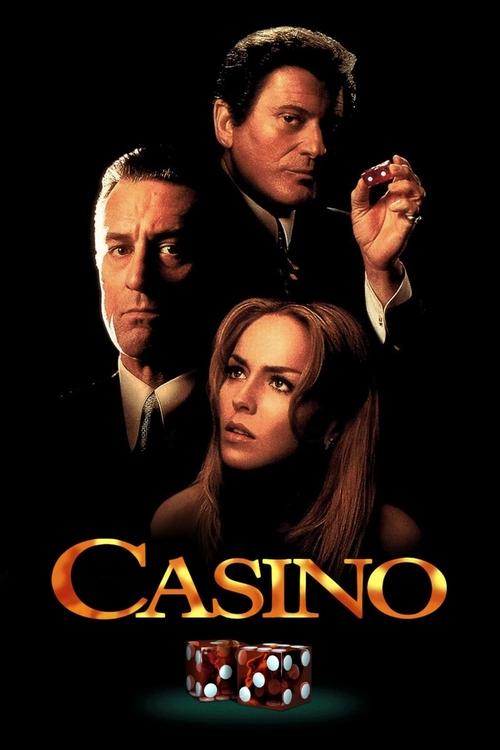
Casino
1995In Las Vegas, two best friends--a casino executive and a Mafia enforcer--compete for a gambling empire and a fast-living, fast-loving socialite.
As the quintessential corrupt mid-level functionary, Pollak captures the sweaty desperation of a man caught between the mob and the law. He perfectly inhabits Scorsese’s greedy landscape, showing an impressive range for playing characters defined by their own incompetence.
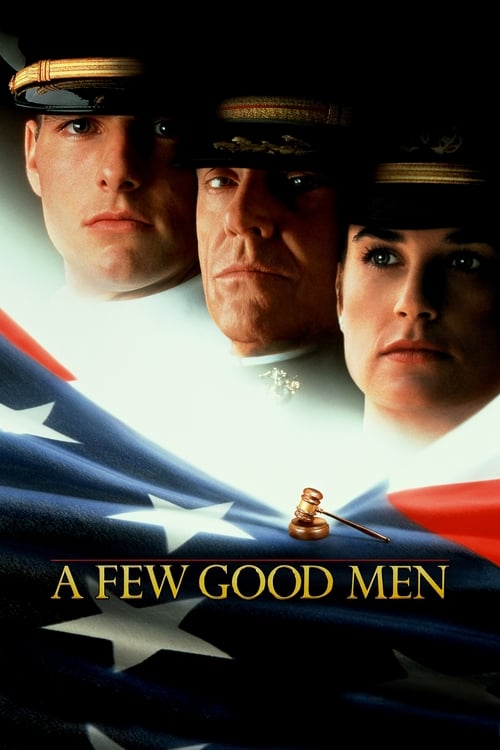
A Few Good Men
1992When cocky military lawyer Lt. Daniel Kaffee and his co-counsel, Lt. Cmdr. JoAnne Galloway, are assigned to a murder case, they uncover a hazing ritual that could implicate high-ranking officials such as shady Col. Nathan Jessep.
Playing the conscience of the legal team, Pollak provides a necessary moral friction against Cruise and Moore's idealism. His understated work here solidified his reputation as a reliable dramatic lieutenant in major studio prestige pictures.
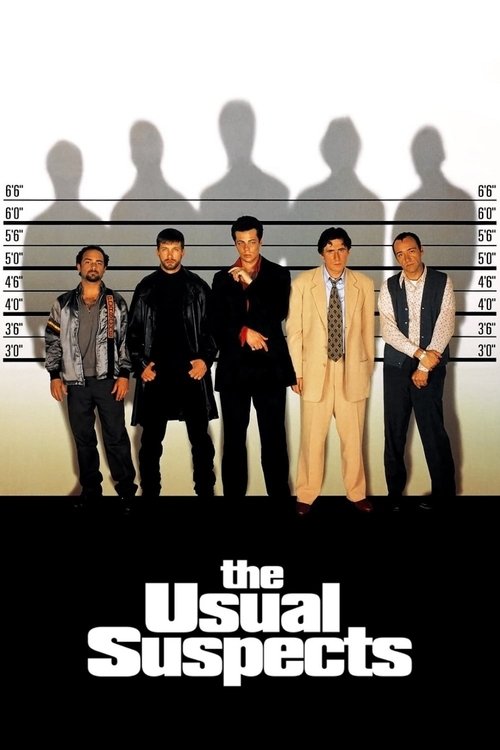
Held in an L.A. interrogation room, Verbal Kint attempts to convince the feds that a mythic crime lord, Keyser Soze, not only exists, but was also responsible for drawing him and his four partners into a multi-million dollar heist that ended with an explosion in San Pedro harbor – leaving few survivors. Verbal lures his interrogators with an incredible story of the crime lord's almost supernatural prowess.
Pollak serves as the cynical glue of the ensemble, weaponizing his deadpan timing to ground a narrative built on deception. It remains his definitive cinematic contribution, proving he could hold his own alongside heavyweights in a high-stakes shell game.
Frequently Asked Questions
Everything you need to know about this list and SnakeDrafts
- Kevin Pollak's top movies span a diverse range of genres including crime dramas like "The Usual Suspects" and "Casino," legal dramas such as "A Few Good Men," and crowd-pleasing comedies like "The Whole Nine Yards" and "Grumpy Old Men." This versatility showcases his ability to adapt to both intense and comedic roles seamlessly.
- In "The Usual Suspects," Kevin Pollak delivers a memorable performance as a sharp-tongued character that adds wit and complexity to the movie's intricate crime thriller narrative, enhancing the film's suspense and character interplay.
- "The Whole Nine Yards" perfectly balances Kevin Pollak's comedic timing with crime drama elements, allowing him to showcase his skill in delivering humor while maintaining a strong presence in a thriller setting.
- In the fantasy adventure "Willow," Kevin Pollak steps into a more lighthearted and whimsical role, displaying his range beyond gritty or legal dramas by contributing to the movie’s imaginative world with charm and humor.
- Absolutely, Kevin Pollak’s filmography highlighted in the list ranges from serious crime dramas like "Casino" to romantic comedies such as "Grumpier Old Men," reflecting his remarkable versatility and ability to enhance any film genre he participates in.
- A standout feature of Kevin Pollak’s acting style is his sharp wit and intelligence, which brings depth to his characters, particularly evident in films like "A Few Good Men" and "The Usual Suspects," where he elevates the dialogue-driven drama with his precise delivery.
- Kevin Pollak enhances ensemble casts by being the clever, often scene-stealing supporting actor, as seen in "The Usual Suspects" and "Casino," where his performances add nuance and elevate the dynamics among the main characters.

