Kevin Smith Films Ranked Definitively
From Quickstop Groceries to Cinematic Cult Classics
Explore the ultimate guide to Kevin Smith’s filmography, featuring the best of the View Askewniverse and his most iconic independent films.
About Kevin Smith
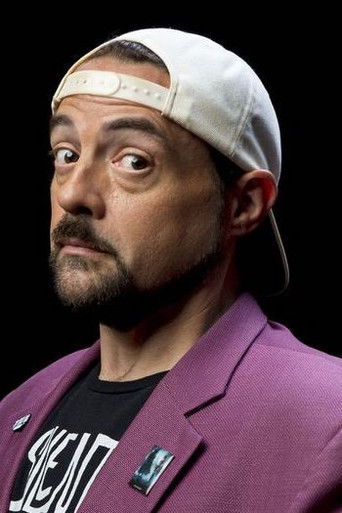
In the mid nineties, a unassuming guy from New Jersey maxed out a handful of credit cards to film a black and white comedy in the convenience store where he worked. That gamble, the scrappy and foul mouthed Clerks, did more than just launch a career. It signaled the arrival of a filmmaker who prioritized the rhythm of conversation over the polish of a lens. Kevin Smith built an entire cinematic universe, the View Askewniverse, on the foundation of geeks debating pop culture, the nuances of sex, and the mundane frustrations of the service industry. While his contemporaries chased high concept thrills, he found a goldmine in the way real people actually talk when they think no one is listening.
This obsession with dialogue defines his early masterpieces. In Chasing Amy, he pushed past the stoner jokes to deliver a raw, uncomfortable look at sexual insecurity and the fragilities of the ego. It was a tonal pivot that proved he could handle heavy emotional lifting without losing his signature wit. Mallrats and Jay and Silent Bob Strike Back leaned into the cartoonish, absurdist side of his brain, transforming his recurring characters into folk heroes for a generation of comic book shop regulars. Even when he dipped into religious satire with Dogma, the approach remained grounded in human curiosity. He treated celestial conflict with the same casual, irreverent intelligence he applied to a conversation about Star Wars.
His legacy is one of radical independence and total transparency. He has never been a stylist in the traditional sense; his cameras generally stay still to let the actors chew on his dense, rhythmic monologues. This static aesthetics puts the weight entirely on the writing. By the time he hit his stride with Clerks II, there was a soulful, middle aged yearning creeping into his work, a realization that his characters were growing up alongside him. He eventually veered into daring, jagged territory with the grim intensity of Red State and the body horror absurdity of Tusk, projects that shocked audiences who expected another round of bong hits and fart jokes. These films showcased a director willing to alienate his base just to see if a wild idea could breathe.
The recent evolution of his filmography feels like an intimate conversation with a lifelong friend. Clerks III and Jay and Silent Bob Reboot are deeply meta, self reflective pieces that grapple with mortality and the weight of artistic history. He has become the ultimate chronicler of his own life, turning his personal health scares and nostalgic milestones into communal cinema. With his latest effort, The 4:30 Movie, he returns to the formative glow of the cinema lobby, celebrating the very act of moviegoing that shaped him. He remains an outlier in a polished industry, a filmmaker who treats every script like a diary entry and every premiere like a family reunion. His films are monuments to the power of showing up, being loud, and never leaving your hometown behind.
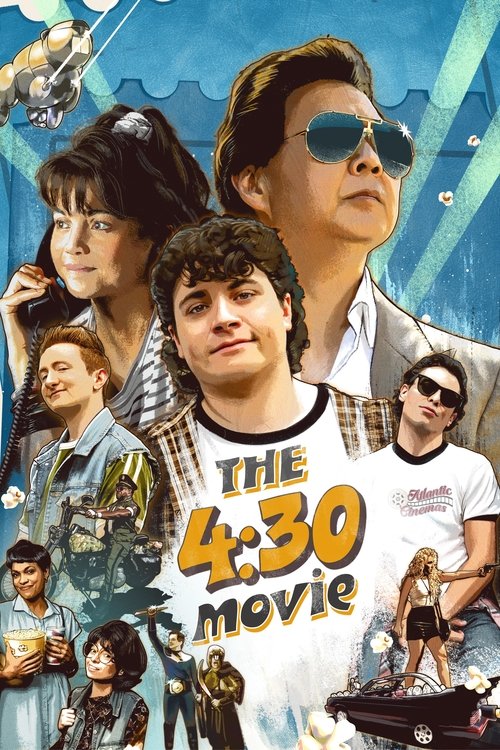
The 4:30 Movie
2024In the summer of 1986, three sixteen year old friends spend their Saturdays sneaking into movies at the local multiplex. But when one of the guys also invites the girl of his dreams to see the latest comedy, each of the teens learn more about life and love.
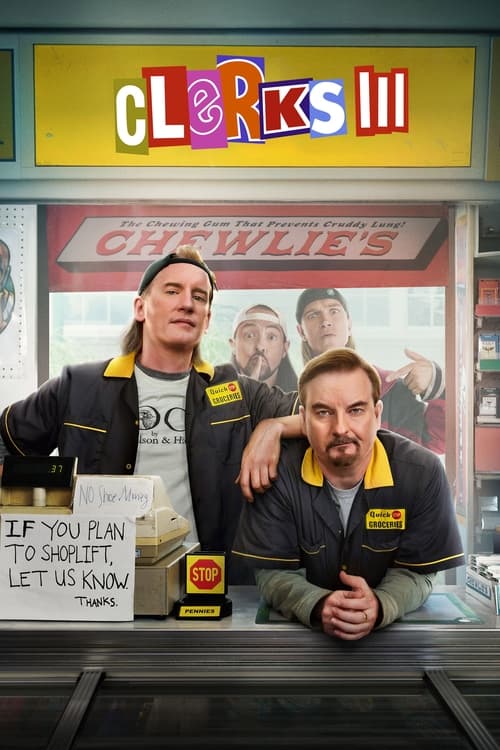
Clerks III
2022After narrowly surviving a massive heart attack, Randal enlists his old friend Dante to help him make a movie immortalizing their youthful days at the little convenience store that started it all.
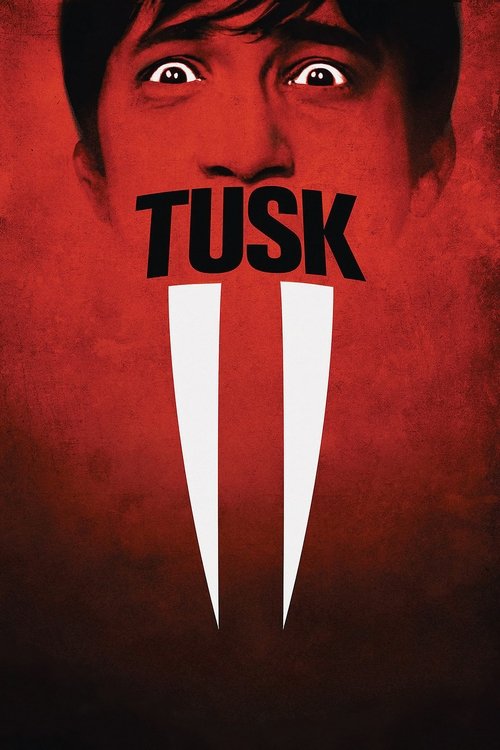
Tusk
2014When his best friend and podcast co-host goes missing in the backwoods of Canada, a young guy joins forces with his friend's girlfriend to search for him.
This experimental dive into body horror represents the director’s most eccentric creative impulse, birthed entirely from a podcast riff and realized through an uncompromisingly grotesque vision. While it sits at the fringes of his filmography, it serves as a fascinating testament to his willingness to prioritize absurd personal curiosity over mainstream palatability.
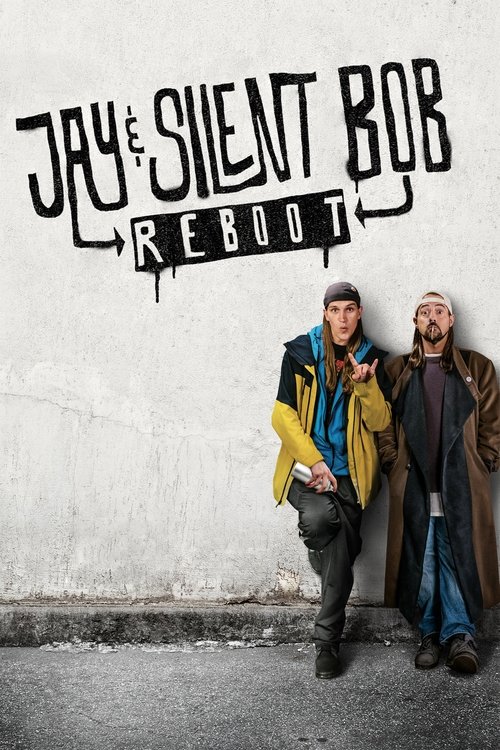
Jay and Silent Bob Reboot
2019Jay and Silent Bob embark on a cross-country mission to stop Hollywood from rebooting a film based on their comic book characters Bluntman and Chronic.
Functioning as both a legacy sequel and a self-aware critique of Hollywood’s recycling culture, this film is an unapologetic love letter to the director's own enduring legacy. It prioritizes emotional fan service over narrative innovation, reflecting a filmmaker who has become entirely comfortable operating within his own dedicated echo chamber.
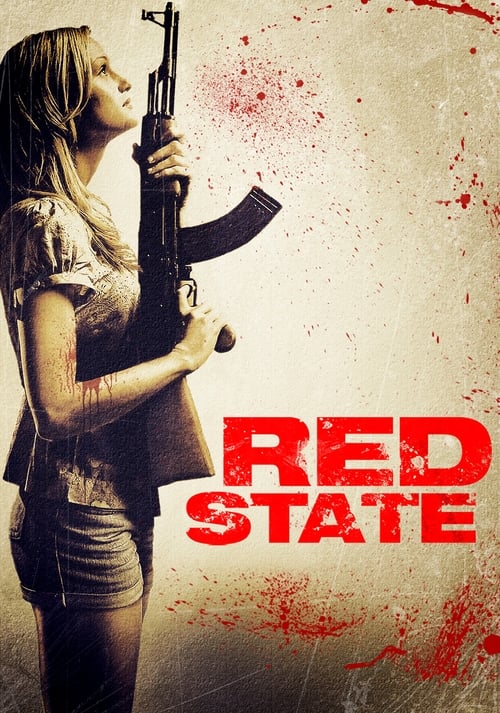
Red State
2011Set in Middle America, a group of teens receive an online invitation for sex, though they soon encounter Christian fundamentalists with a much more sinister agenda.
A jarring swerve into claustrophobic horror, this film showcased a stylistic versatility that silenced critics who boxed Smith into purely dialogue-driven comedies. The direction favors a grim, kinetic tension, marking a brave if polarizing departure that prioritizes visceral discomfort over his signature verbal banter.
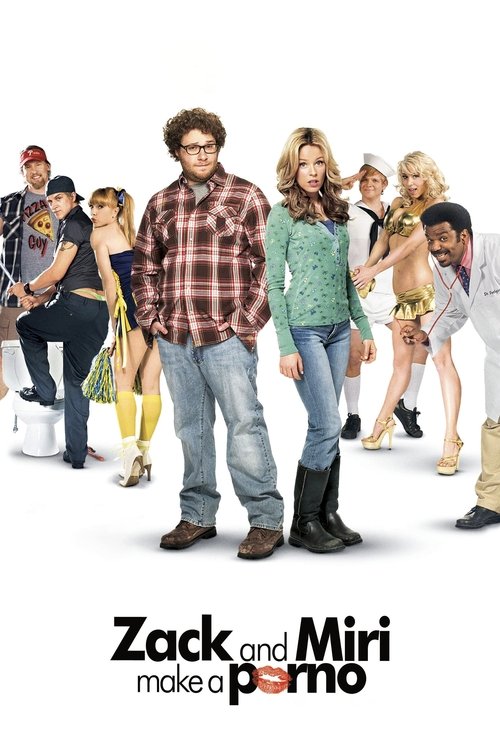
Zack and Miri Make a Porno
2008Lifelong platonic friends Zack and Miri look to solve their respective cash-flow problems by making an adult film together. As the cameras roll, however, the duo begin to sense that they may have more feelings for each other than they previously thought.
By stepping outside his established cinematic universe, Smith delivered a surprisingly crisp romantic comedy that emphasizes his underappreciated ability to direct genuine chemistry. The film succeeds by anchoring its crude premise in a middle-class desperation that feels more grounded and cinematically polished than his earlier idiosyncratic romps.
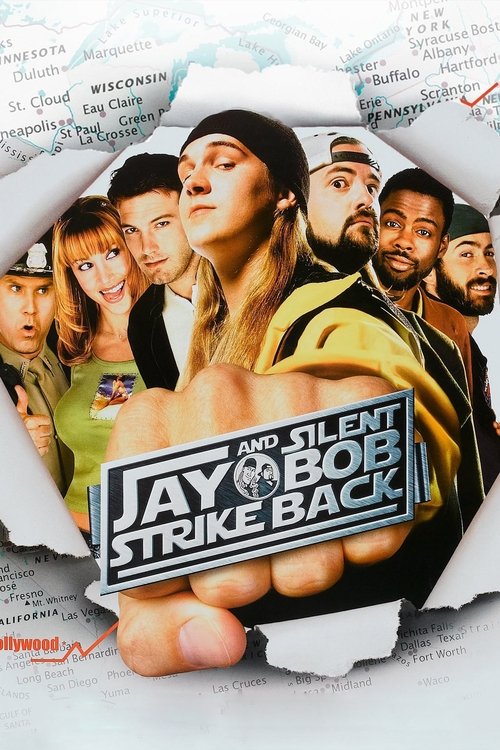
Jay and Silent Bob Strike Back
2001When Jay and Silent Bob learn that their comic-book alter egos, Bluntman and Chronic, have been sold to Hollywood as part of a big-screen movie that leaves them out of any royalties, the pair travels to Tinseltown to sabotage the production.
This meta-theatrical road movie functions as a chaotic victory lap, leaning heavily into the self-referential shorthand that defined a generation of cult fandom. It is Smith at his most indulgent, playfully dismantling his own celebrity while cementing his mascots as enduring pillars of the stoner comedy genre.
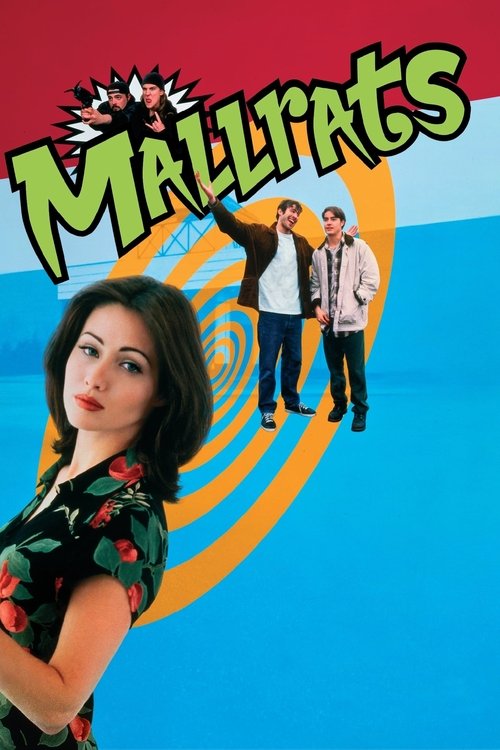
Mallrats
1995Both dumped by their girlfriends, two best friends seek refuge in the local mall. Eventually, they decide to try and win back their significant others and take care of their respective nemeses.
Often dismissed upon release, this sophomore effort codified the View Askewniverse as a lived-in playground where consumerist culture and nerd neurosis collide. It represents the director’s purest commitment to the slapstick ensemble comedy, establishing a visual language for the suburban sprawl he would haunt for decades.
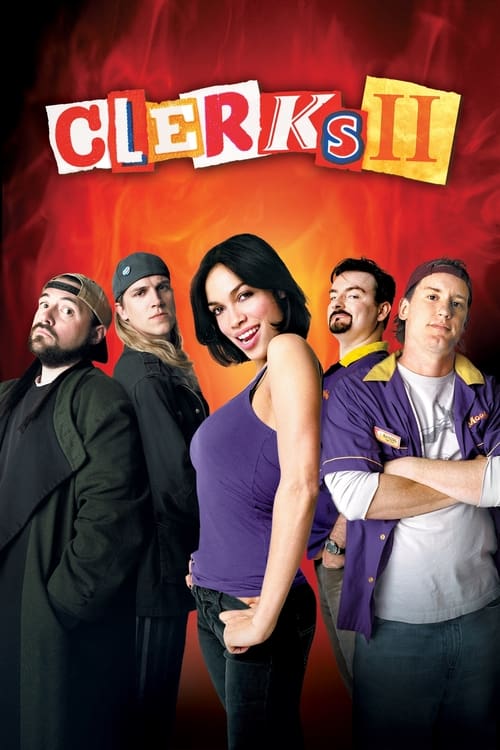
Clerks II
2006A calamity at Dante and Randall's shops sends them looking for new horizons - but they ultimately settle at Mooby's, a fictional Disney-McDonald's-style fast-food empire.
Returning to his roots with a surprisingly soulful perspective, Smith replaces the cynical detachment of the original with a vibrant, Technicolor heart. This sequel serves as a definitive meditation on aging within one's own mythos, proving that his vulgar sensibilities could evolve into a profound celebration of lifelong friendship.
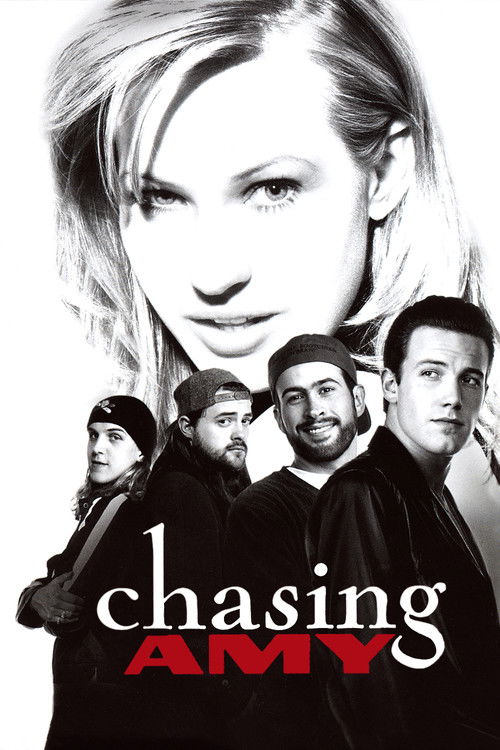
Chasing Amy
1997Holden and Banky are comic book artists. Everything is going good for them until they meet Alyssa, also a comic book artist. Holden falls for her, but his hopes are crushed when he finds out she's a lesbian.
Smith pivotally transitioned from slacker vignettes to emotionally bruising territory here, stripping away his usual deflection mechanisms to examine the toxicity of the male ego. It stands as his most mature tonal balancing act, trading easy laughs for a raw exploration of sexual politics and insecurity.

Dogma
1999An abortion clinic worker with a special heritage is called upon to save the existence of humanity from being negated by two renegade angels trying to exploit a loophole and reenter Heaven.
This ambitious theological satire captures a filmmaker at the peak of his world-building powers, fearlessly deconstructing religious iconography through a lens of comic book irreverence. It remains a singular entry in his body of work for bridging the gap between juvenile absurdity and genuine philosophical inquiry.
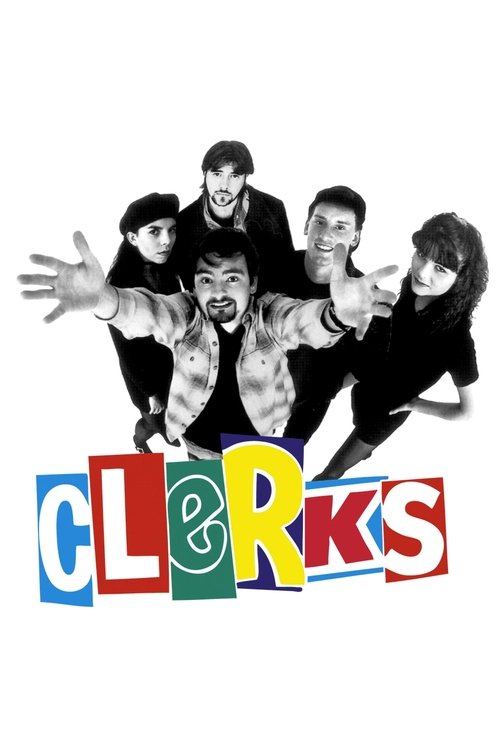
Clerks
1994Convenience and video store clerks Dante and Randal are sharp-witted, potty-mouthed and bored out of their minds. So in between needling customers, the counter jockeys play hockey on the roof, visit a funeral home and deal with their love lives.
A masterpiece of lo-fi aesthetics and high-concept dialogue, this monochrome debut redefined nineties independent cinema by weaponizing the mundane rhythms of service industry purgatory. Smith’s sharp, structural minimalism proves that a compelling directorial voice only requires a grain of truth and a restless, profane wit.
Frequently Asked Questions
Everything you need to know about this list and SnakeDrafts
- Kevin Smith's 'Clerks' marked his debut as a filmmaker and set the tone for his unique style, characterized by witty dialogue and relatable characters. This low-budget black and white comedy became a cult classic, establishing the foundation for the View Askewniverse.
- 'Dogma' uniquely combines fantasy, comedy, and adventure elements, showcasing Kevin Smith's ability to tackle controversial religious themes with humor and thought-provoking storytelling within the View Askewniverse.
- 'Chasing Amy' delves into complex romantic and personal identity themes with a blend of comedy and drama. It stands out in Smith's filmography for its mature and heartfelt exploration of relationships.
- Recurring characters like Jay and Silent Bob create continuity within the View Askewniverse, providing fan-favorite comedic moments and linking various storylines across movies such as 'Jay and Silent Bob Strike Back' and 'Jay and Silent Bob Reboot.'
- Kevin Smith has ventured into horror and thriller genres with films like 'Red State' and 'Tusk,' showcasing his versatility by blending his signature dialogue-driven style with darker and more intense narratives.
- With 'Clerks III,' Kevin Smith returns to the characters and themes of his original film, offering a nostalgic yet fresh take that explores growth, creativity, and the passage of time within the View Askewniverse.
- This film combines raunchy comedy with genuine romantic storytelling, highlighting Smith's skill in balancing humor with emotional depth, making it a standout romantic comedy in his portfolio.
- The ranked films illustrate Smith's journey from indie comedies rooted in everyday life to more ambitious genre blends, demonstrating his creative growth and willingness to challenge both audience expectations and his own artistic boundaries.