Ranking Todd Phillips's Greatest Films
From Frat House Laughs to Gritty Gotham Realism
Discover the essential Todd Phillips filmography, tracking his evolution from raucous comedies like The Hangover to the psychological depth of Joker.
About Todd Phillips

Todd Phillips occupies a space in Hollywood that few others dare to inhabit, standing at the jagged intersection of nihilistic humor and prestige sociopathy. To watch his trajectory is to witness a fascinating mutation of the alpha male comedy. He began his career documenting the self destructive filth of GG Allin and ended up reimagining the worlds most famous comic book villain as a tragic figure of urban decay. Throughout that journey, his lens has remained fixed on the chaotic energy of men behaving badly, or more accurately, men losing their grip on a world they no longer understand.
His early work defined the frat house aesthetic of the early 2000s, but even in foundational hits like Road Trip and Old School, there was a distinctive grit underneath the gags. While his contemporaries were leaning into sweetness or slapstick, he was busy exploring the desperate, often pathetic impulse for rebellion. By the time The Hangover arrived in 2009, he had mastered a specific brand of glossy carnage. That film transformed the comedy genre into something akin to a mystery thriller, where the stakes felt dangerously high and the consequences felt physical. He shoots his comedies with the visual language of a serious drama, utilizing wide anamorphic frames and a moody, atmospheric palette that suggests something sinister is always lurking just off camera.
As his career progressed, the humor began to sour into a more cynical, provocative worldview. War Dogs acted as a bridge, trading the bachelor party antics of his past for a slick, Scorsese lite examination of the American dream through the eyes of arms dealers. It was the moment he stopped asking the audience to laugh with his protagonists and started asking them to watch in horror as they flourished. This penchant for documenting social outsiders reached its zenith with Joker. In that film, he stripped away the spectacle of the superhero genre to deliver a grimy, 1970s styled character study that polarized critics and audiences alike. He replaced the neon slapstick of Starsky and Hutch with a suffocating, rain soaked vision of Gotham that felt more like Taxi Driver than a multibillion dollar franchise installment.
What makes his films so recognizable is this refusal to play nice. Whether he is directing a frantic road trip in Due Date or the grim conclusion of a trilogy in The Hangover Part III, there is a recurring theme of friendship forged in fire and the inevitable collapse of order. He treats chaos as a natural state of being. His aesthetic is polished but his subjects are unwashed, creating a friction that keeps the viewer off balance. He has successfully pivoted from being the king of the R rated comedy to a serious auteur of the dark and the disturbed, proving that the distance between a punchline and a tragedy is often just a matter of perspective. He remains a filmmaker who thrives in the wreckage, finding beauty and cinematic grandeur in the moments when everything goes wrong.
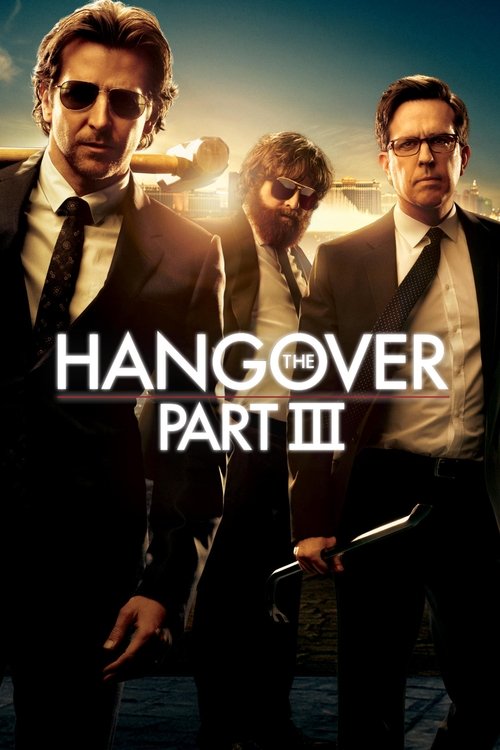
The Hangover Part III
2013This time, there's no wedding. No bachelor party. What could go wrong, right? But when the Wolfpack hits the road, all bets are off.
Abandoning the formulaic structure of the previous installments entirely, this finale leans into the genre-bending fusion of dark thriller and deadpan comedy. It represents the moment Phillips became more interested in the cinematic mood and the consequences of violence than the mechanics of the traditional joke.
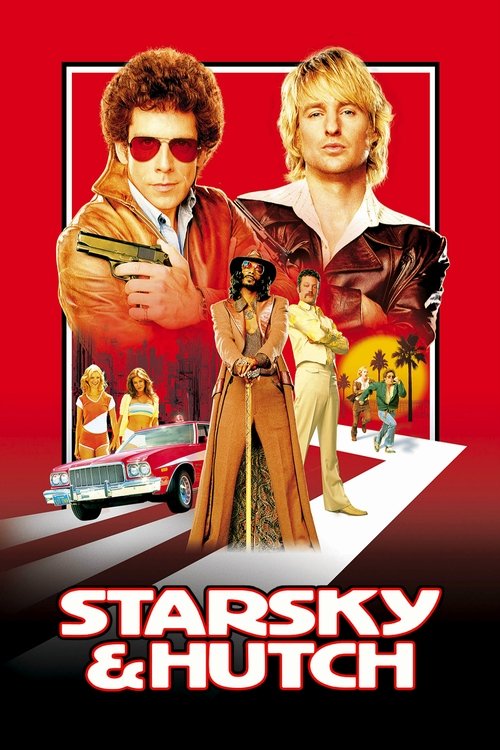
Starsky & Hutch
2004Join uptight David Starsky and laid-back Ken "Hutch" Hutchinson as they're paired for the first time as undercover cops. The new partners must overcome their differences to solve an important case with help from street informant Huggy Bear and persuasive criminal Reese Feldman.
The director approaches the buddy-cop revival with a vibrant, tongue-in-cheek appreciation for seventies kitsch and saturated color palettes. It remains a notable entry for its stylistic cohesion and the way Phillips manages to synthesize nostalgic parody with his own brand of modern, ironic irreverence.
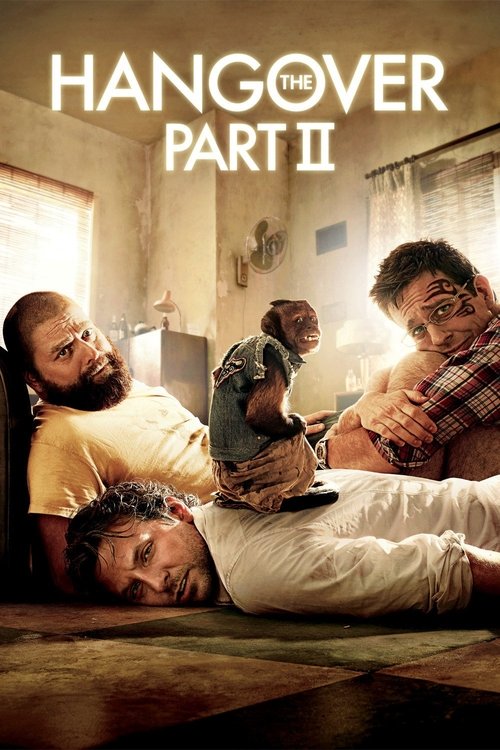
The Hangover crew heads to Thailand for Stu's wedding. After the disaster of a bachelor party in Las Vegas last year, Stu is playing it safe with a mellow pre-wedding brunch. However, nothing goes as planned and Bangkok is the perfect setting for another adventure with the rowdy group.
A dark, almost punishing mirror of its predecessor that trades the sunny delirium of Las Vegas for the claustrophobic dread of Bangkok. This entry highlights the filmmaker's instinct to lean into the grotesque, signaling a shift toward the nihilism that would eventually peak in his later dramatic efforts.
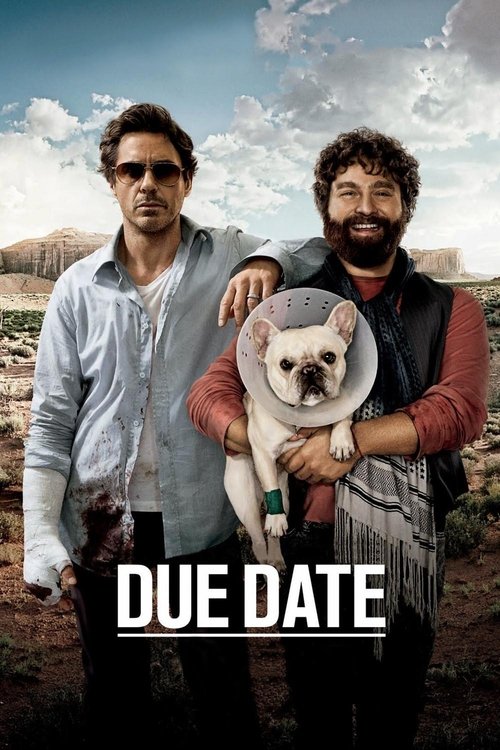
Due Date
2010Peter Highman must scramble across the US in five days to be present for the birth of his first child. He gets off to a bad start when his wallet and luggage are stolen, and put on the 'no-fly' list. Peter embarks on a terrifying journey when he accepts a ride from an actor.
Phillips experiments with a meaner, more abrasive brand of buddy-comedy that pushes the boundaries of audience empathy. While structurally traditional, the film is an interesting exercise in tonal discomfort, showcasing the director's willingness to let his characters remain unapologetically unlikable for the sake of the gag.
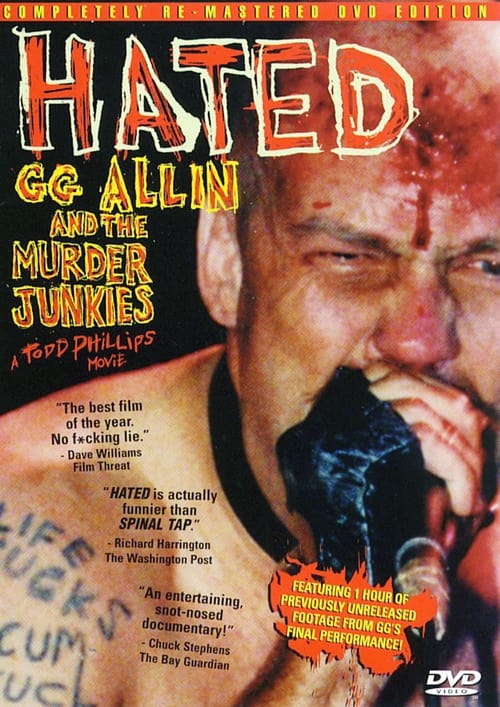
Hated: GG Allin and The Murder Junkies
1993An overview of the life of the most shocking, vile, and notorious of punk rock legends.
This raw and unflinching debut captures the confrontational energy that would subterraneanly inform every one of his later studio features. As a documentary, it serves as a crucial artifact of Phillips' obsession with societal outcasts and the volatile intersection of performance and genuine madness.
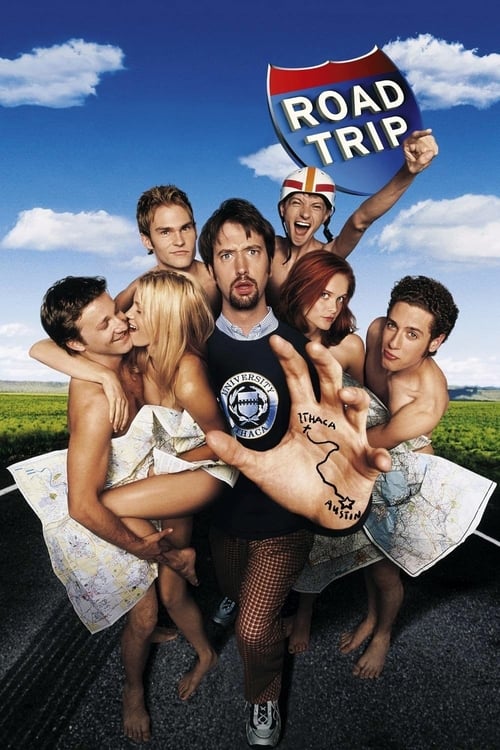
Road Trip
2000After an Ithaca College student films his one-night stand with a beautiful sorority girl, he discovers one of his friends has accidentally mailed the homemade sex tape to his girlfriend in Austin. In a frenzy, he must borrow a car and hit the road in a desperate bid to intercept the tape.
In this quintessential millennial road movie, Phillips demonstrates an early mastery of the kinetic pacing and outrageous set-pieces that would become his hallmark. It is a foundational work that established his career-long fascination with the unpredictable friction that occurs when disparate personalities are trapped in a confined, moving space.
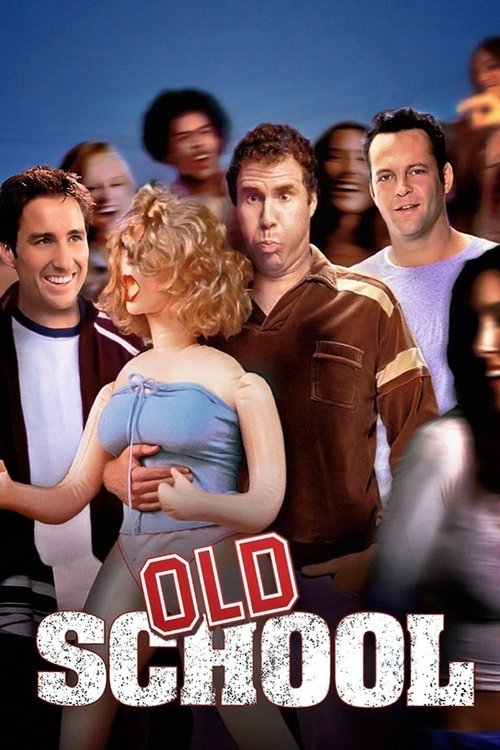
Old School
2003Three friends attempt to recapture their glory days by opening up a fraternity near their alma mater.
By subverting the traditional underdog sports trope and applying it to a mid-life crisis, Phillips solidified the 'frat-pack' aesthetic for an entire generation. The film thrives on his innate ability to find a weirdly sentimental heart within the most juvenile of premises, cementing a directorial voice defined by male bonding and suburban rebellion.
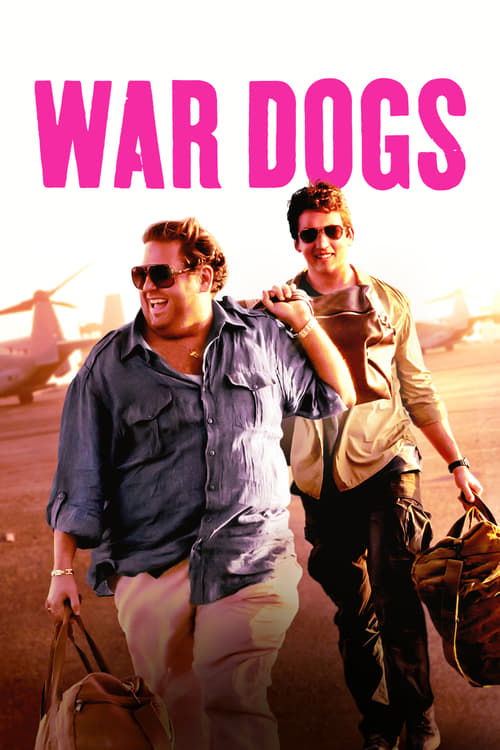
War Dogs
2016Based on the true story of two young men, David Packouz and Efraim Diveroli, who won a $300 million contract from the Pentagon to arm America's allies in Afghanistan.
A cynical, stylish exploration of the military-industrial complex that showcases a mounting obsession with the dark side of the American Dream. It marks a pivotal evolution in his career as he begins to swap slapstick energy for a slicker, more ambitious visual language influenced by the true-crime epics of the seventies.
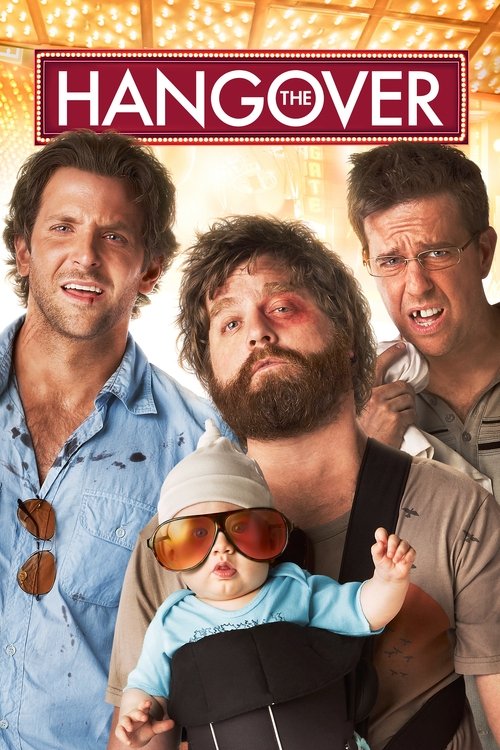
The Hangover
2009When three friends finally come to after a raucous night of bachelor-party revelry, they find a baby in the closet and a tiger in the bathroom. But they can't seem to locate their best friend, Doug – who's supposed to be tying the knot. Launching a frantic search for Doug, the trio perseveres through a nasty hangover to try to make it to the church on time.
This career-defining masterclass in escalating tension transformed the structure of the American ensemble comedy through its clever utilization of a mystery-driven narrative. Phillips excels here by treating the absurdity with a grounded, almost cinematic austerity, proving that chaos is most effective when captured with precise comedic timing and stylistic confidence.
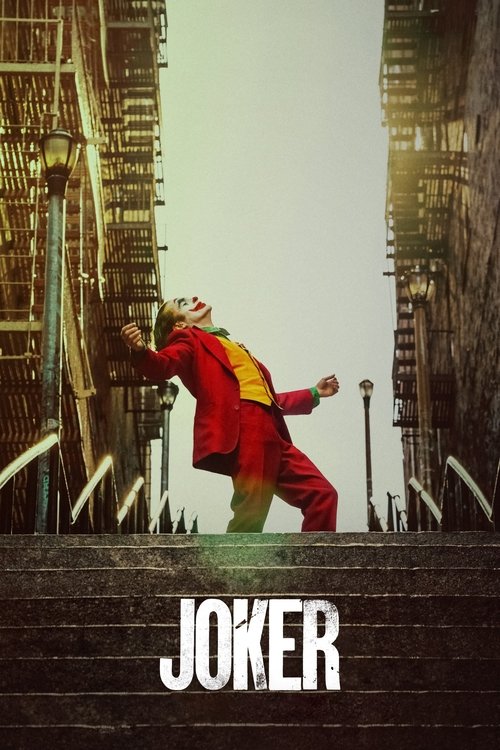
Joker
2019During the 1980s, a failed stand-up comedian is driven insane and turns to a life of crime and chaos in Gotham City while becoming an infamous psychopathic crime figure.
Phillips pivots from anarchy to nihilism with a gritty, Scorsese-flecked character study that redefined the commercial potential of the comic book genre. By meticulously stripping away blockbuster artifice, he crafts a visceral meditation on social decay that serves as the definitive bridge between his transgressive documentary roots and high-concept prestige filmmaking.
Frequently Asked Questions
Everything you need to know about this list and SnakeDrafts
- Todd Phillips's style has evolved from directing raucous, male-centric comedies like 'The Hangover' and 'Old School' to exploring much darker and psychological themes in films like 'Joker'. This evolution showcases his ability to blend nihilistic humor with complex character studies, reflecting a maturation in his storytelling.
- Phillips consistently explores themes of male chaos, nihilism, and self-destruction, often highlighting flawed and complex characters. His films range from light-hearted comedies such as 'Road Trip' to intense dramas like 'War Dogs', all retaining a signature focus on unpredictable male energy.
- Todd Phillips began his career with the documentary 'Hated: GG Allin and The Murder Junkies,' which delved into the self-destructive punk rock lifestyle. This raw exploration of chaos and subculture provided a foundation for his later Hollywood career, where he translated similar themes into narrative films with broader appeal, including 'The Hangover' series and 'Joker'.
- 'Joker' best demonstrates Phillips's gift for crafting deeply layered characters, portraying the iconic villain as a tragic figure shaped by urban decay and mental illness. This film departs from his comedic roots to deliver a psychologically rich narrative that earned critical acclaim.
- Yes, actors like Bradley Cooper and Zach Galifianakis have frequently collaborated with Todd Phillips, particularly in the 'Hangover' trilogy. These recurring collaborations help maintain a consistent tone and chemistry that are hallmarks of his comedic work.
- Phillips's comedies, such as 'Old School' and 'The Hangover,' emphasize outrageous humor and chaotic situations often centered on male bonding, while his dramatic works like 'War Dogs' and 'Joker' delve into darker, more serious themes involving crime, psychology, and societal issues. This range highlights his versatility as a director.
- The success of 'The Hangover' trilogy catapulted Todd Phillips into mainstream fame, establishing him as a leading director of modern comedy. The franchise's blend of raunchy humor and intricate storytelling opened doors for him to tackle more ambitious projects like 'Joker'.
- 'War Dogs' represents a mid-point in Phillips's career, blending his comedic sensibility with crime and drama elements. It showcases his skill at balancing humor with critical social commentary, marking an evolution towards more complex narratives.