The Best Steve Martin Movies Ranked
From Wild and Crazy Guy to Cinematic Icon
Explore the definitive ranking of Steve Martin's most legendary film performances, featuring his best comedies, dramas, and beloved cult classics.
About Steve Martin
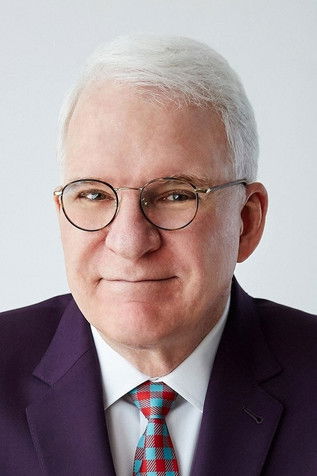
In the late 1970s, comedy was a grit-and-grime business, but Steve Martin arrived looking like a polished high-end car salesman who had lost his mind. With his shock of premature white hair and a custom-tailored suit, he weaponized absurdity, transforming the very idea of a stand-up comic into a piece of avant-garde performance art. He didn't just tell jokes; he inhabited a persona of supreme, unearned confidence. This "wild and crazy guy" energy catapulted him into a stratosphere of fame where he eventually walked away from the stage at his peak, choosing instead to redefine the cinematic leading man.
His transition to film started with a explosion of pure, unadulterated silliness in The Jerk, a movie that thrived on his ability to play a character whose innocence was as vast as his stupidity. Yet, as his career matured, he revealed a sophisticated physical comedian with the soul of a poet. In Roxanne, he reinvented Cyrano de Bergerac with a sweetness that balanced his manic energy, while All Of Me showcased a legendary display of body-contortionist slapstick that remains a masterclass in the craft. He possessed a rare capacity to pivot from the frantic, high-stakes desperation of Neal Page in Planes, Trains and Automobiles to the suave, calculating con artistry of Lawrence Jamieson in Dirty Rotten Scoundrels.
Audiences connect with him because there is an inherent dignity beneath his most ridiculous moments. Even when he is getting high-fived by a plant in Little Shop of Horrors or navigating the existential suburban anxieties of Parenthood, he remains remarkably relatable. He captures the suburban father’s plight better than almost anyone, a quality he perfected in Father of the Bride and Cheaper by the Dozen. In those roles, he became the avatar for every man trying to hold his world together while it descends into expensive, chaotic nonsense.
His intellect often peeks through the curtain of his performances. He isn't just a clown; he is an author, a playwright, and a bluegrass enthusiast who understands the architecture of a scene. This depth allowed him to slide effortlessly into the noir-soaked tension of The Spanish Prisoner or the meta-commentary of Bowfinger. Even in pastiches like Dead Men Don't Wear Plaid or the joyous lunacy of Three Amigos, there is a sense of a craftsman at work, someone who respects the history of entertainment enough to lovingly subvert it.
Today, he occupies a space in the cultural landscape as a refined elder statesman of wit. Whether he is skewering the artifice of Hollywood in L.A. Story or providing a touch of class to Fantasia 2000, he retains that signature spark of a man who knows something the rest of us don't. He managed to age out of the "wild" and lean into a cerebral, comforting warmth, proving that one of the most anarchic minds of his generation was also its most enduring heart. He didn't just survive the changing tides of comedy; he became the gold standard for how to grow old without ever losing the capacity for play.
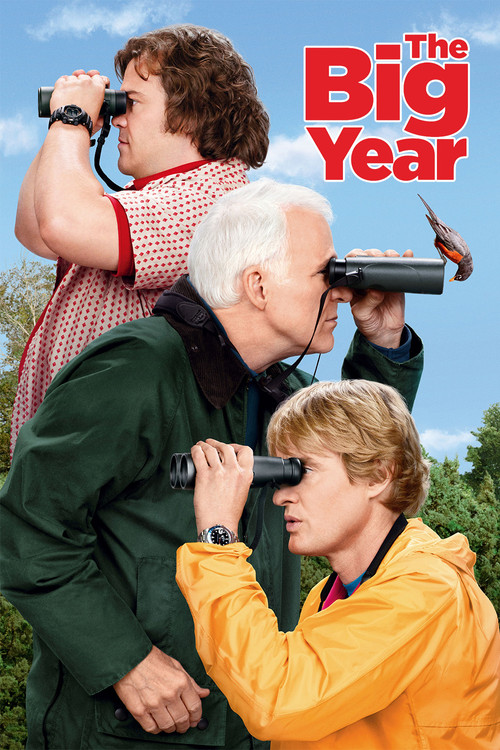
The Big Year
2011Three fanatical bird-watchers spend an entire year competing to spot the highest number of species as El Nino sends an extraordinary variety of rare breeds flying up into the U.S., but they quickly discover that there are more important things than coming out on top of the competition.
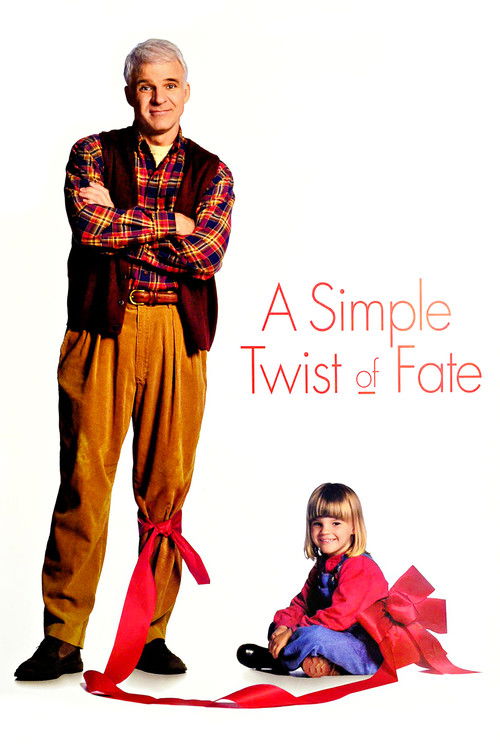
A Simple Twist of Fate
1994When Michael McCann is thrown over by the woman he loves, he becomes something of a misanthrope and a miser, spending all of his spare money on collectible gold coins. Living in the same town is an affluent family with two sons: John and Tanny. Tanny's a wild boy, whom John cannot control, and one night he breaks into McCann's house, and steals the gold and disappears, which nearly confirms McCann's distrust of mankind. But then, a mysterious young woman dies in the snow outside McCann's house, and her small daughter makes her way to McCann's house and into McCann's life and heart.
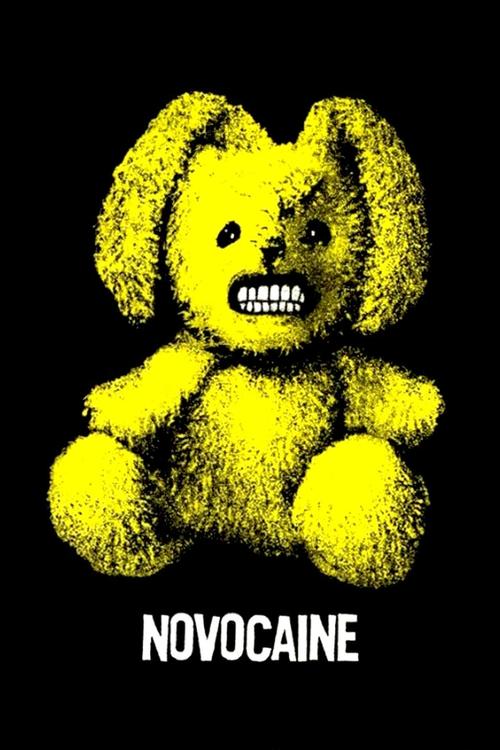
Novocaine
2001A dentist finds himself a murder suspect after a sexy patient seduces him into prescribing her drugs.
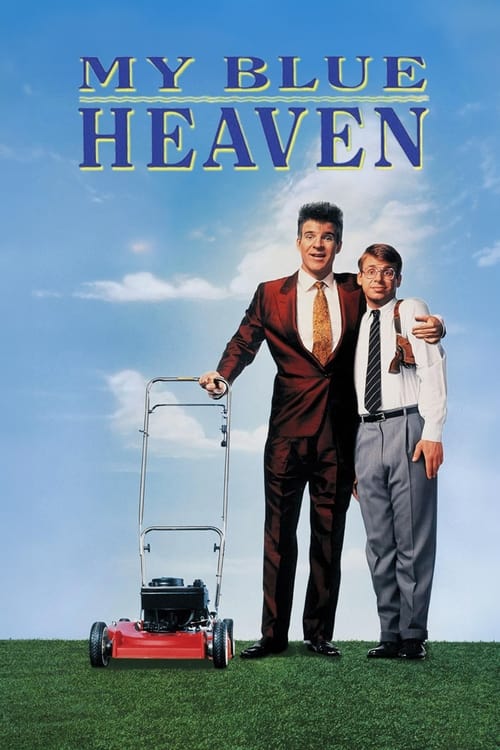
My Blue Heaven
1990FBI agent Barney Coopersmith is assigned to protect former Mafia figure turned informant Vincent Antonelli. In the witness protection program one is supposed to keep a low profile, but that is something that Antonelli has trouble doing. Coopersmith certainly has his hands full keeping Antonelli away from the Mafia hitmen who want to stop him testifying, not to mention the nightclubs...
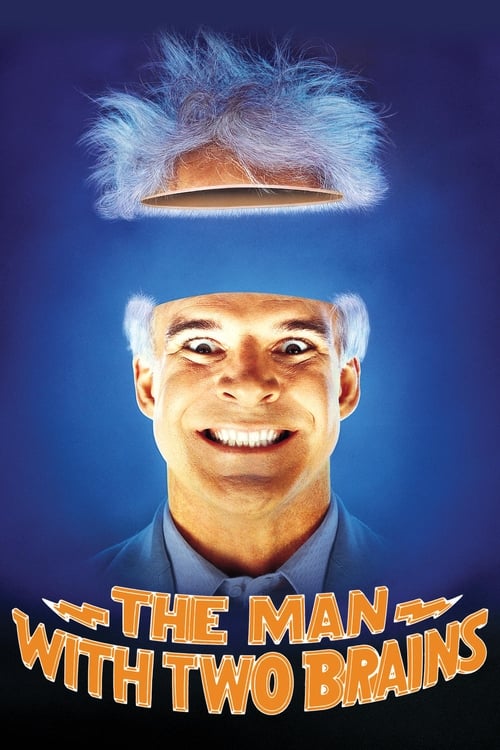
The Man with Two Brains
1983A brain surgeon marries a femme fatale, causing his life to turn upside down. Things go more awry when he falls in love with a talking brain.
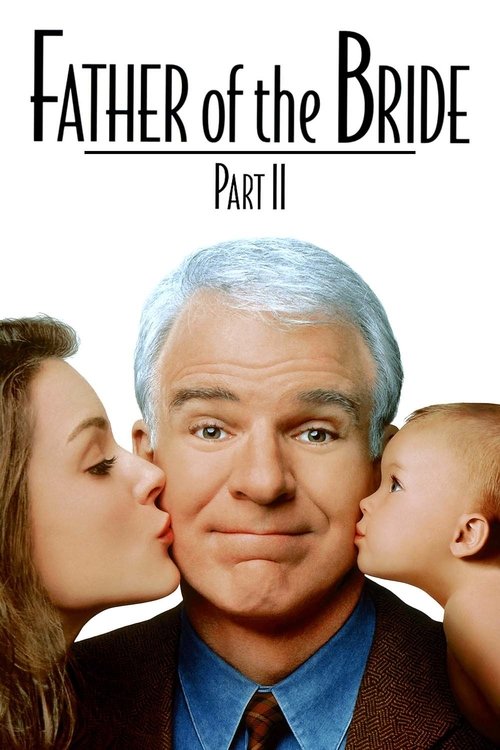
Father of the Bride Part II
1995Just when George Banks has recovered from his daughter's wedding, he receives the news that she's pregnant ... and that George's wife is expecting too. He was planning on selling their home, but that's a plan that—like George—will have to change with the arrival of both a grandchild and a kid of his own.
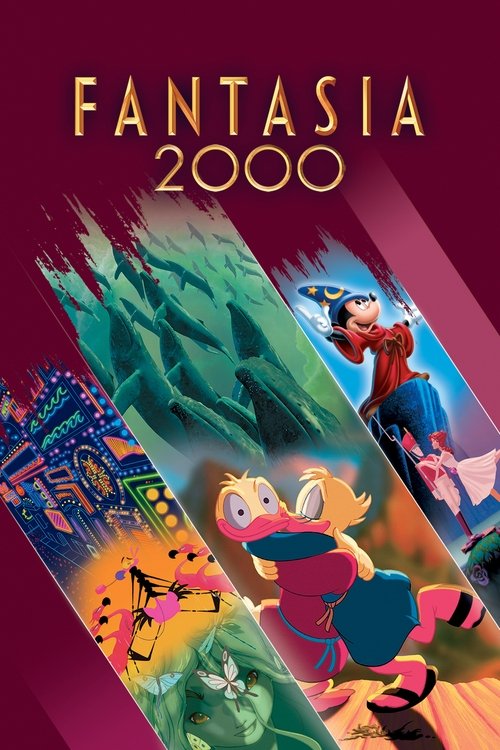
Fantasia 2000
2000Blending lively music and brilliant animation, this sequel to the original 'Fantasia' restores 'The Sorcerer's Apprentice' and adds seven new shorts.
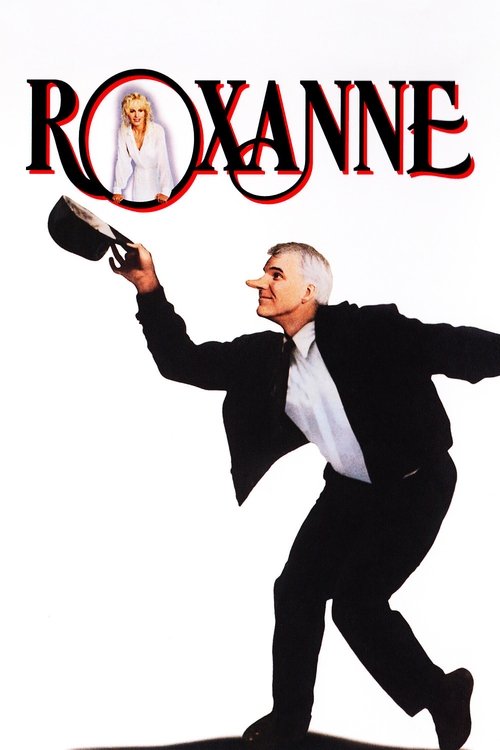
Roxanne
1987In this modern take on Edmond Rostand's classic play "Cyrano de Bergerac," C. D. Bales is the witty, intelligent, and brave fire chief of a small Pacific Northwest town who, due to the size of his enormous nose, declines to pursue the girl of his dreams, lovely Roxanne Kowalski. Instead, when his shy underling Chris McConnell becomes smitten with Roxanne, C.D. feeds the handsome young man the words of love to win her heart.
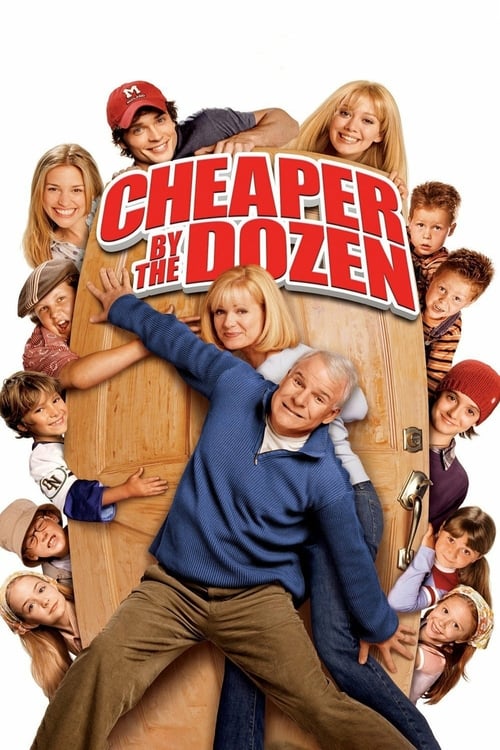
Cheaper by the Dozen
2003The Baker brood moves to Chicago after patriarch Tom gets a job coaching football at Northwestern University, forcing his writer wife, Kate, and the couple's 12 children to make a major adjustment. The transition works well until work demands pull the parents away from home, leaving the kids bored -- and increasingly mischievous.
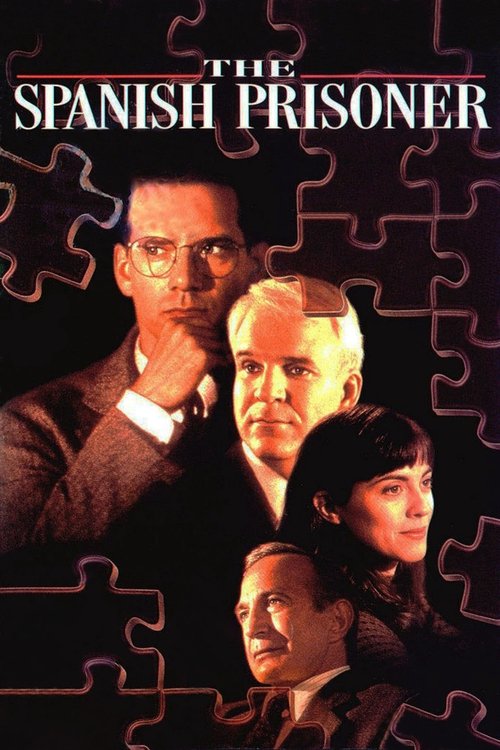
The Spanish Prisoner
1997An inventor of a secret process suddenly finds himself alone as both his friends and the corporation he works for turn against him.
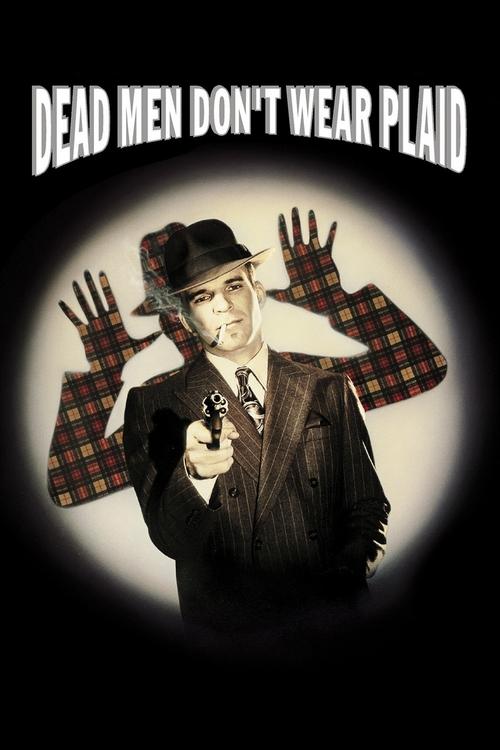
Dead Men Don't Wear Plaid
1982Juliet Forrest is convinced that the reported death of her father in a mountain car crash was no accident. Her father was a prominent cheese scientist working on a secret recipe. To prove it was murder, she enlists the services of private eye Rigby Reardon. He finds a slip of paper containing a list of people who are 'The Friends and Enemies of Carlotta'.
Martin plays it straight against the ghosts of Hollywood’s past, demonstrating a sophisticated understanding of noir tropes and timing. It is an experimental exercise in meta-comedy that succeeds largely due to his disciplined, poker-faced commitment to the bit.
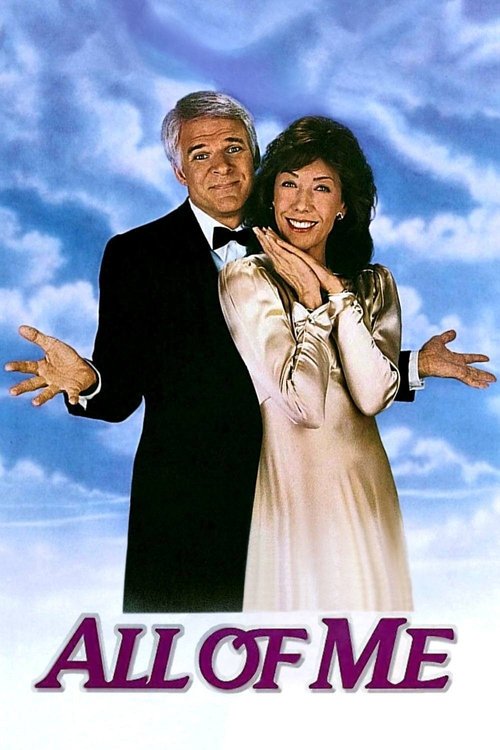
All of Me
1984Just before stubborn millionaire Edwina Cutwater dies, she asks her uptight lawyer, Roger Cobb, to amend her will so that her soul will pass to the young, vibrant Terry Hoskins – but the spiritual transference goes awry. Edwina enters Roger's body instead, forcing him to battle Edwina for control of his own being.
This film provides a staggering display of Martin’s physical dexterity as he splits his motor functions to portray two souls fighting for control of one body. It is a virtuosic, limb-contorting feat that remains one of the most underrated technical achievements of his career.
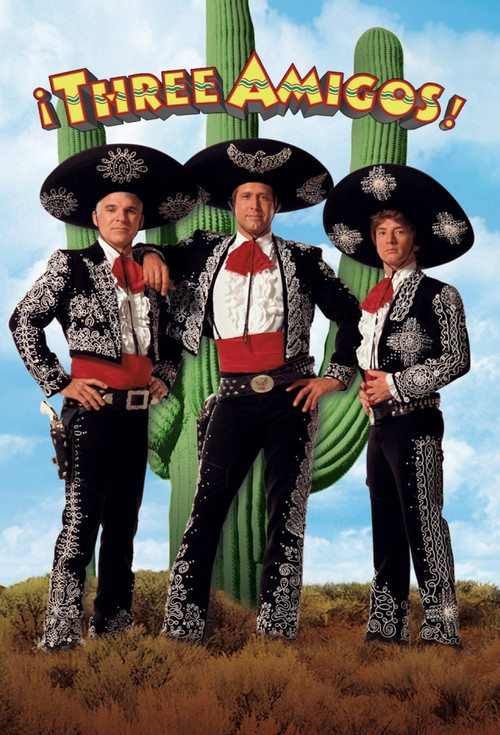
¡Three Amigos!
1986A trio of unemployed silent film actors are mistaken for real heroes by a small Mexican village in search of someone to stop a malevolent bandit.
Collaborating with fellow comedy titans, Martin utilizes his background in vaudeville and magic to bring a stylized, deadpan rhythmic quality to the character of Lucky Day. The role is a testament to his ability to share the screen while maintaining a distinct, ego-driven comedic presence.
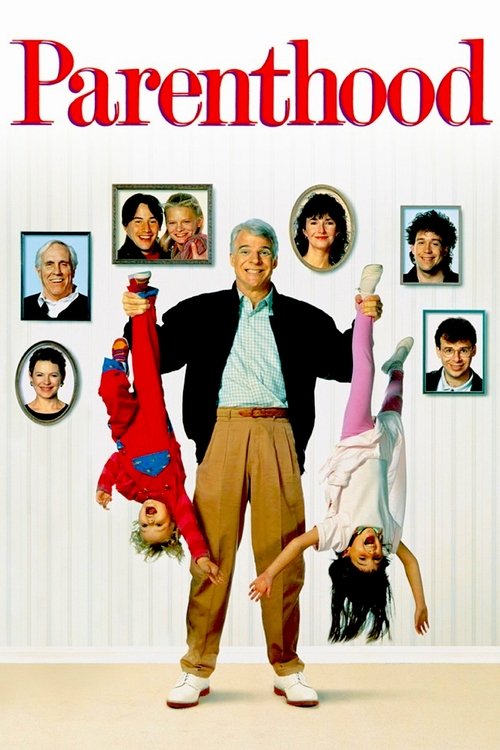
Parenthood
1989The story of the Buckman family and friends, attempting to bring up their children. They suffer/enjoy all the events that occur: estranged relatives, the 'black sheep' of the family, the eccentrics, the skeletons in the closet, and the rebellious teenagers.
Martin sheds his absurdist skin to lead this ensemble, offering a relatable, neurotic portrait of patriarchal anxiety that signaled his transition into prestigious mainstream comedies. He captures the frantic desperation of middle-class fatherhood with a sharp, observational wit.
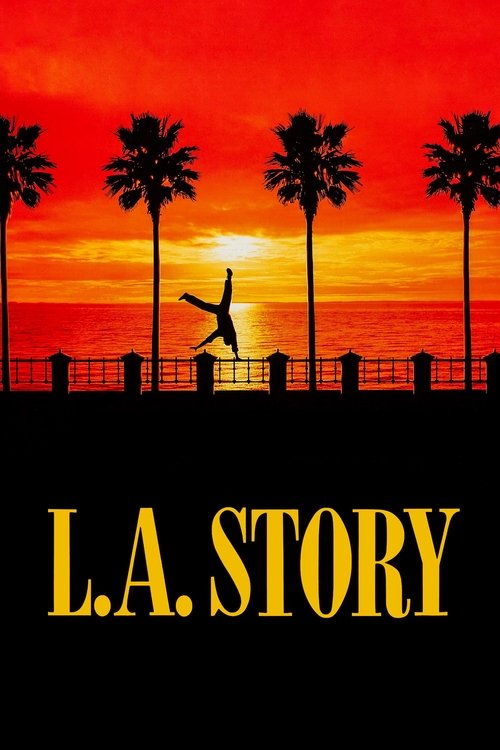
L.A. Story
1991With the help of a talking freeway billboard, a "wacky weatherman" tries to win the heart of an English newspaper reporter, who is struggling to make sense of the strange world of early-90s Los Angeles.
Martin trades his wild-and-crazy persona for a soulful, bittersweet silliness, portraying weathercaster Harris Telemacher with a breezy grace that redefined him as a romantic leading man. It is the definitive showcase of his "intellectual clown" aesthetic, blending precise physical comedy with a deeply felt melancholy that proved he could be as poignant as he was absurd. This is Martin at his most vulnerable and whimsical, crafting a lovelorn valentine to the city that perfectly captures his transition from stand-up icon to sophisticated screen artist.
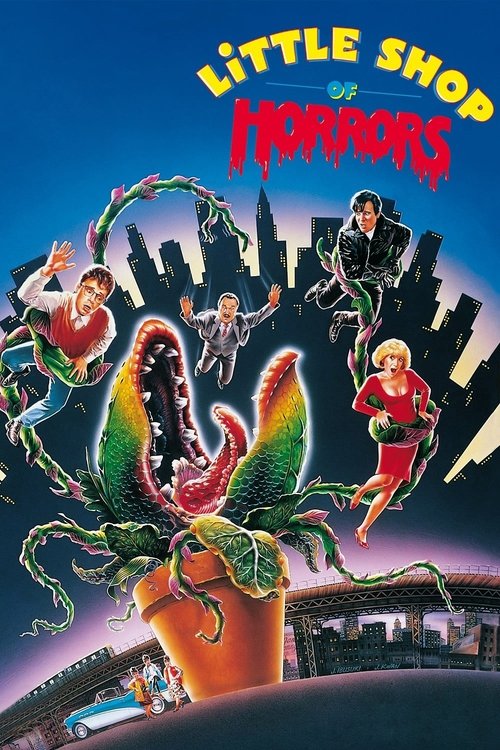
Seymour Krelborn is a nerdy orphan working at Mushnik's; a flower shop in urban Skid Row. He harbors a crush on fellow co-worker, Audrey Fulquard, and is berated by Mr. Mushnik daily. One day, Seymour finds a very mysterious unidentified plant which he calls Audrey II. The plant seems to have a craving for blood and soon begins to sing for it’s supper.
In a brief but electrifying turn, Martin steals the spotlight as a sadistic, nitrous-oxide-huffing dentist, radiating a menacing, Elvis-inflected charisma. It is a rare, pitch-black character turn that highlights his capacity for villainous eccentricity.
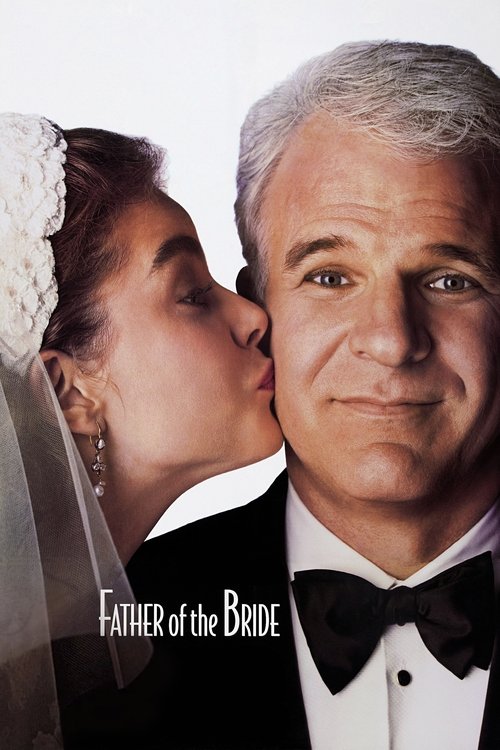
Father of the Bride
1991George Banks is an ordinary, middle-class man whose 22 year-old daughter Annie has decided to marry a man from an upper-class family, but George can't think of what life would be like without his daughter. His wife tries to make him happy for Annie, but when the wedding takes place at their home and a foreign wedding planner takes over the ceremony, he becomes slightly insane.
By channeling his signature frantic energy into the domestic sphere, Martin reinvented himself as the definitive Everyman for the 1990s. This performance relies on subtly expressive facial work to convey the heartbreaking and hilarious pangs of letting go.
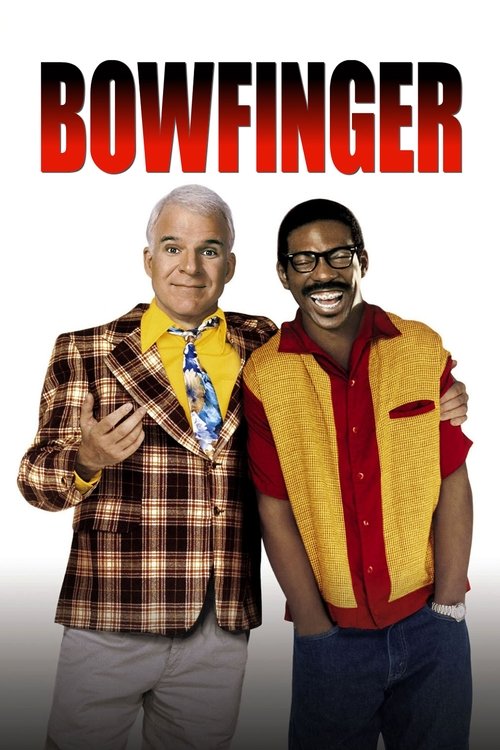
Bowfinger
1999On the verge of bankruptcy and desperate for his big break, aspiring filmmaker Bobby Bowfinger concocts a crazy plan to make his ultimate dream movie. Rallying a ragtag team that includes a starry-eyed ingenue, a has-been diva and a film studio gofer, he sets out to shoot a blockbuster featuring the biggest star in Hollywood, Kit Ramsey -- only without letting Ramsey know he's in the picture.
Returning to his roots as a writer-performer, Martin offers a biting yet affectionate satire of Hollywood desperation through the eyes of a low-rent visionary. His Bobby Bowfinger is a late-career triumph of hopeful delusion, played with a relentless, frantic optimism.
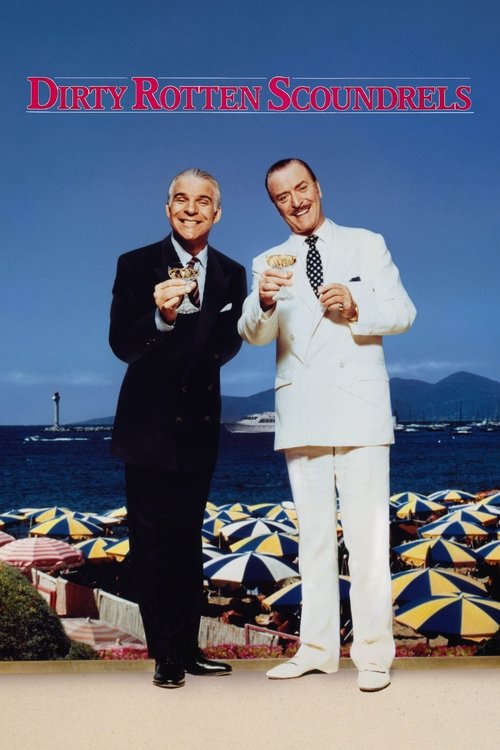
Dirty Rotten Scoundrels
1988Con artist Lawrence Jamieson is a longtime resident of a luxurious coastal resort, where he enjoys the lavish fruits of his deceptions -- that is, until a competitor, Freddy Benson, shows up. When the new guy's lowbrow tactics impinge on his own sophisticated work and believing him to be the infamous conman 'The Jackal', Lawrence resolves to get rid of him. Confident of his own duplicitous talents, he challenges Freddy to a winner-takes-all competition: whoever swindles their latest mark, American heiress Janet Colgate, out of $50,000 first can stay, while the other must leave town.
Playing the crude American interloper against Michael Caine’s refined elegance, Martin excels in a role that weaponizes his talent for sophisticated buffoonery. His performance as 'Ruprecht' serves as a hilarious reminder of the grotesque physical commitment he can bring to an otherwise high-brow caper.
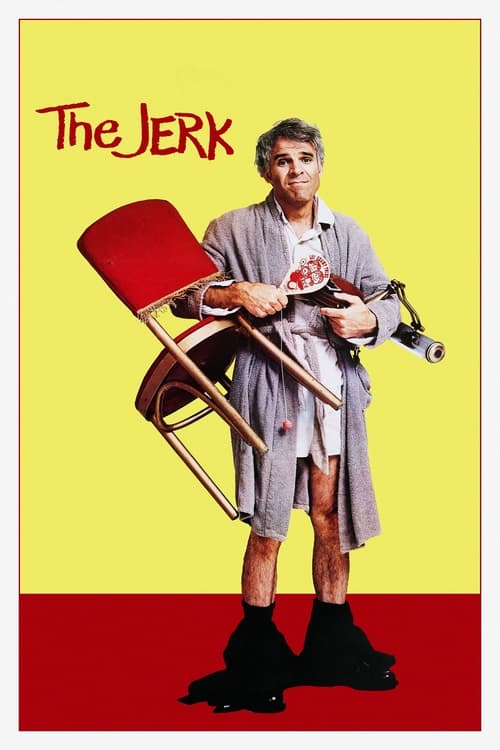
The Jerk
1979After discovering he's not really black like the rest of his family, likable dimwit Navin Johnson sets off on a hilarious misadventure that takes him from rags to riches and back again. The slaphappy jerk strikes it rich, but life in the fast lane isn't all it's cracked up to be and, in the end, all that really matters to Johnson is his true love.
This is the purest distillation of Martin’s 'wild and crazy guy' persona, a high-wire act of weaponized stupidity that redefined the parameters of cinematic absurdity. By leaning into total artifice, he transformed a sketch-like premise into a foundational text of modern physical comedy.
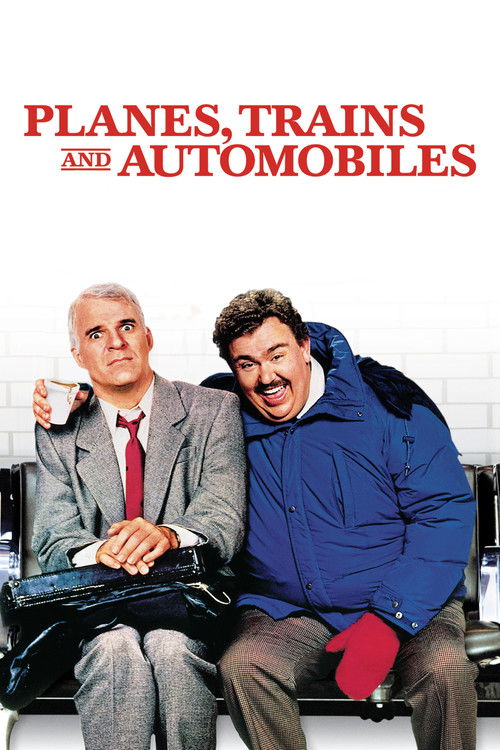
Planes, Trains and Automobiles
1987An irritable marketing executive, Neal Page, is heading home to Chicago for Thanksgiving when a number of delays force him to travel with a well meaning but overbearing shower curtain ring salesman, Del Griffith.
Martin grounds his manic energy in a masterclass of slow-burn frustration, proving he could anchor a grounded emotional arc without sacrificing his comedic edge. It remains the definitive showcase of his ability to pivot from acerbic cynicism to genuine warmth.
Frequently Asked Questions
Everything you need to know about this list and SnakeDrafts
- The listicle highlights 'Planes, Trains and Automobiles' as one of Steve Martin's best comedy performances, showcasing his impeccable timing and chemistry with co-star John Candy. It's celebrated for its blend of humor and heart, making it a quintessential Steve Martin film.
- 'The Jerk' is noted for being one of Steve Martin's breakthrough roles, where his 'wild and crazy guy' persona shines through in a uniquely absurd and quirky comedy. This film set the tone for many of his future comedic performances, emphasizing his knack for physical comedy and wit.
- Yes, several movies in the listicle combine comedy with other genres, such as 'Dirty Rotten Scoundrels,' which mixes comedy with crime, and 'Little Shop of Horrors,' blending horror and comedy. These films highlight Martin's versatility in balancing humor with different narrative styles.
- Common themes in Steve Martin's top-ranked movies include absurdity, clever wit, and a juxtaposition of confidence with vulnerability. Films like 'Parenthood' and 'L.A. Story' showcase his ability to handle comedic elements alongside drama and romance, offering a well-rounded portrayal of his craft.
- The listicle features multiple collaborations between Steve Martin and directors such as Carl Reiner, Frank Oz, and John Hughes. These partnerships have resulted in iconic movies like 'The Jerk,' 'Dirty Rotten Scoundrels,' and 'Planes, Trains and Automobiles,' helping to cement Martin's status as a comedy legend.
- 'Father of the Bride' showcased Steve Martin's charm in a romantic comedy setting, highlighting his appeal beyond slapstick humor. This film helped broaden his audience by demonstrating his ability to anchor heartfelt, family-centric stories with humor and warmth.
- 'Dead Men Don't Wear Plaid' stands out as a unique project where Steve Martin blends comedy with mystery and crime, paying homage to film noir. This film exemplifies his willingness to experiment with genre and narrative style while keeping his comedic edge intact.