The Definitive Ranking of Ingrid Bergman Movies
The Queen of Silver Screen Luminosity and Grace
Discover the finest cinematic achievements of Ingrid Bergman, from Hollywood golden age classics like Casablanca to her final masterpiece Autumn Sonata.
About Ingrid Bergman
In an era of Hollywood artifice where stars were polished into unreachable icons, Ingrid Bergman arrived with a revolutionary lack of makeup and a gaze that felt uncomfortably honest. She was the great paradox of the golden age, a woman who looked like a saint but possessed a volatile, restless emotional depth that could shatter a scene with a single flicker of her eyelids. Audiences did not just watch her; they looked for themselves in her. She projected an accessible sort of nobility, a luminous transparency that made her the most relatable goddess the screen ever produced.
Her ascent was defined by an ability to ground high melodrama in psychological truth. While Casablanca anchored her forever in the cultural imagination as the definitive face of wartime sacrifice, it was her collaborations with Alfred Hitchcock that revealed her darker, more complex textures. In Notorious, she navigated a claustrophobic web of betrayal with a trembling sophistication, while Spellbound saw her dissecting the subconscious with a clinical yet desperate intensity. She won her first Oscar for Gaslight by making a character’s slow unraveling feel agonizingly physical, turning a thriller into a haunting study of systemic cruelty.
She was never content to remain a studio asset, however. Her career trajectory is a testament to a woman who prized artistic evolution over safety. When she fled the rigid structures of Hollywood for the raw neorealism of Roberto Rossellini, she traded glamour for the gritty, spiritual desolation of Stromboli and Europe 51. This period, though initially met with a public scandal that nearly derailed her career, produced some of the most intellectual work of her life. Journey to Italy remains a masterclass in stillness, capturing the quiet death of a marriage against the backdrop of ancient ruins. It was a bold pivot that proved she was more interested in the messy realities of the human condition than the adoration of the masses.
Her inevitable return to the fold was triumphant, securing another Academy Award for the regal, identity-blurring Anastasia, but she refused to settle into the comfortable archetype of the aging legend. She stayed nimble, pivoting from the lighthearted comedic timing of Cactus Flower to a sharp, supporting turn in Murder on the Orient Express that netted her a third Oscar. Even as her health flickered toward the end, she delivered a swan song of devastating power in Autumn Sonata. Facing off against Ingmar Bergman, she stripped away every remnant of movie star vanity to play a mother whose narcissism had poisoned her family, proving that her talent had only grown more serrated with age.
Her legacy is one of fierce Independence. From the earnest bravery of For Whom the Bell Tolls to the gentle warmth of The Bells of St. Mary's, she navigated every genre with a soulful intelligence that felt entirely modern. By the time she portrayed a transformative political leader in A Woman Called Golda, her transformation was complete. She had moved beyond being a mere face of the silver screen to become a symbol of artistic resilience. She remains the gold standard for how to live a life on screen with your nerves exposed, reminding us that true beauty is found in the courage to be seen exactly as you are.
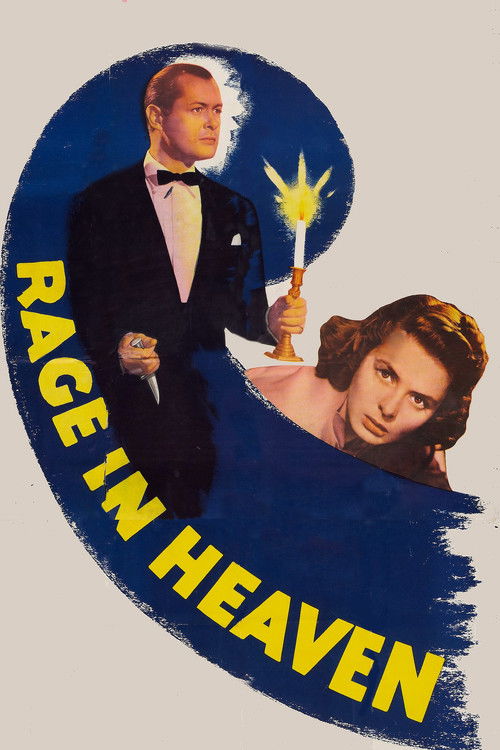
Rage in Heaven
1941A jealous man frames his wife's suspected lover for murder.
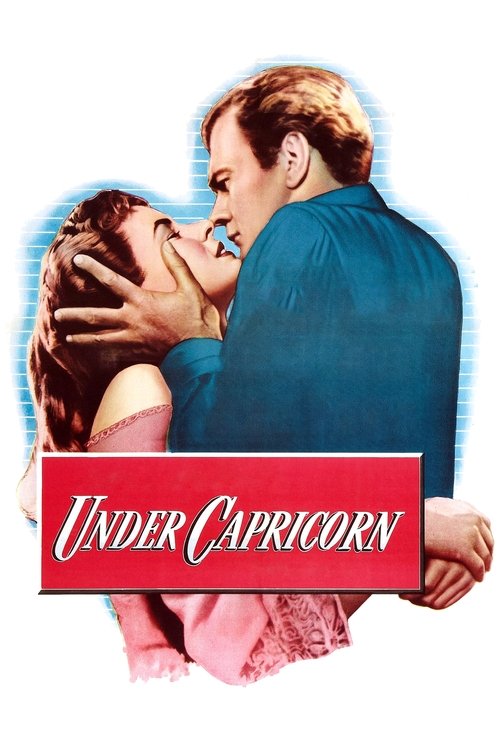
Under Capricorn
1949A British ex-convict in colonial Australia and his fragile wife, haunted by the past crime that binds them, struggle to rebuild their lives when a young newcomer stirs long-buried passions and secrets.
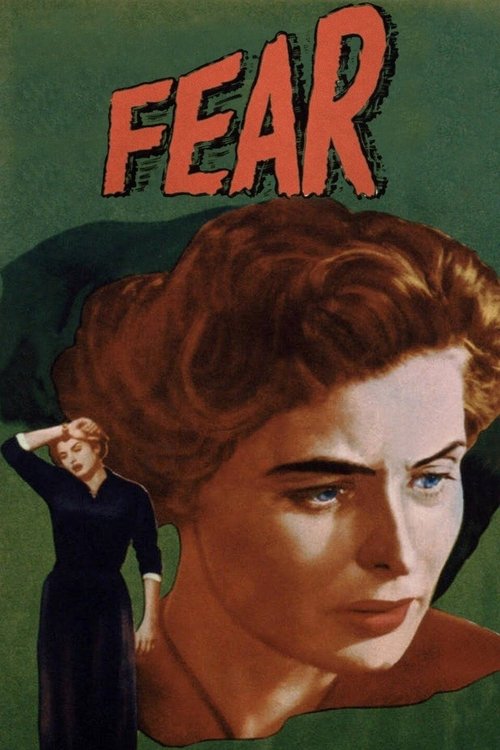
Fear
1954Irene Wagner, the wife of the prominent German scientist Professor Albert Wagner, had been having an affair with Erich Baumann. She does not disclose this to her husband, hoping to preserve his innocence and their "perfect marriage". This fills her with anxiety and guilt. However, Johanna Schultze, Erich's jealous ex-girlfriend, learns about the affair and begins to blackmail Irene, turning Irene's psychological torture into a harsh reality.
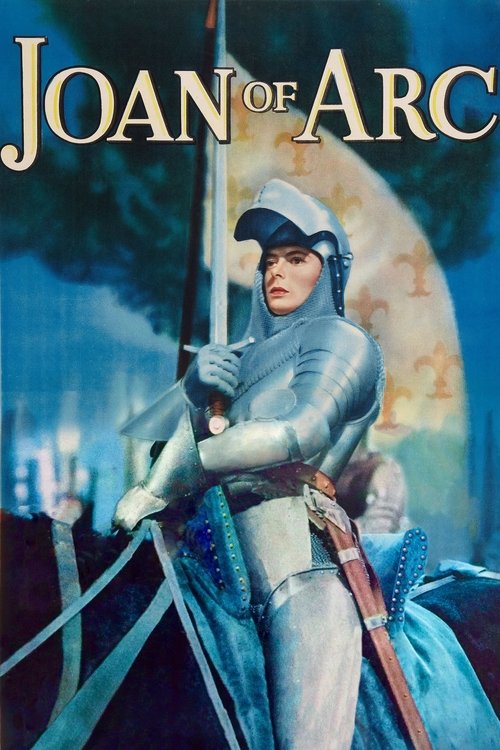
Joan of Arc
1948In the 15th Century, France is a defeated and ruined nation after the One Hundred Years War against England. The fourteen-year-old farm girl Joan of Arc claims to hear voices from Heaven asking her to lead God's Army against Orleans and crowning the weak Dauphin Charles VII as King of France. Joan gathers the people with her faith, forms an army, and conquers Orleans.
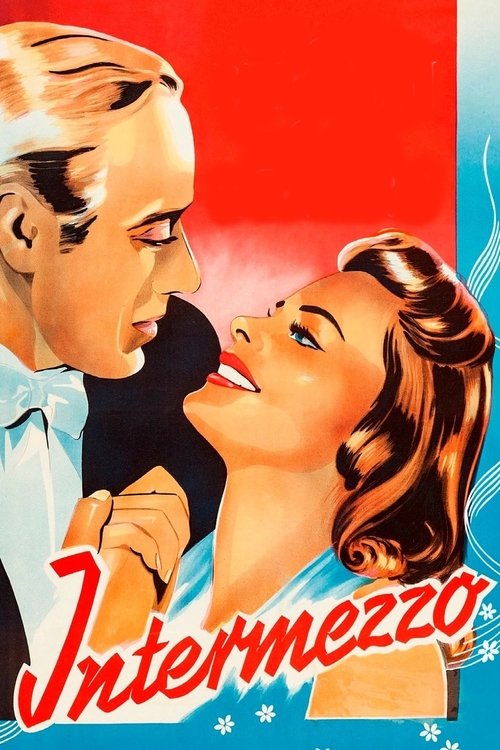
Intermezzo: A Love Story
1939A concert violinist becomes charmed with his daughter's talented piano teacher. When he invites her to go on tour with him, they make beautiful music away from the concert hall as well. He soon leaves his wife so the two can go off together.
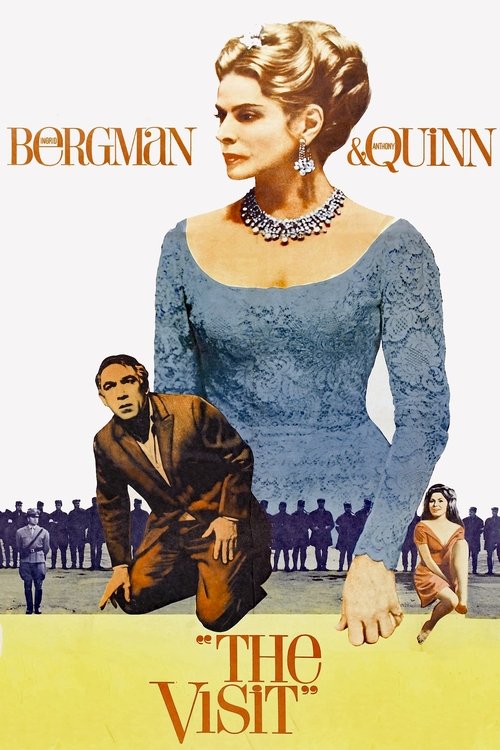
The Visit
1964Carla Zachanassian had a child by Serge Miller as a teenager. When Serge refused to marry her, she was driven out of town. By her own wit and cunning, she has returned as a multi-millionaire for a visit. The town lays out the red carpet expecting big things from Carla, only to learn that her sole purpose is to see Serge Miller killed...
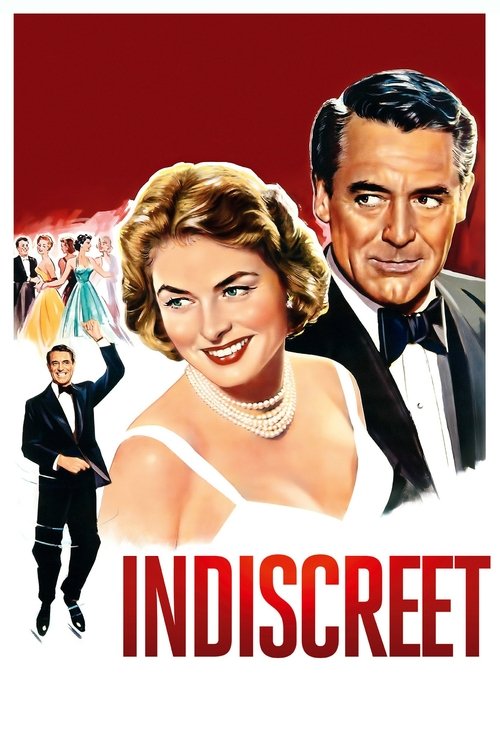
Indiscreet
1958Anna Kalman is an accomplished actress who has given up hope of finding the man of her dreams. While talking about this subject with her sister, in walks Philip Adams and she realizes that this is the charming, smart, and handsome man she has been waiting for.
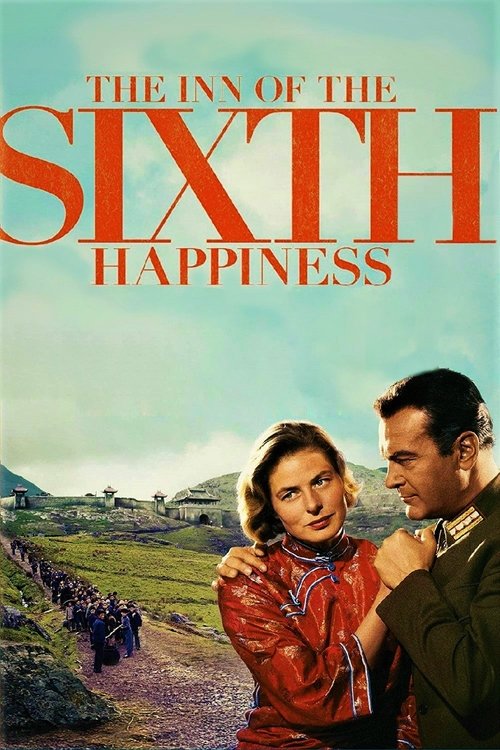
The Inn of the Sixth Happiness
1958All her life, Englishwoman Gladys Aylward knew that China was the place where she belonged. Not qualified to be sent there as a missionary, Gladys works as a domestic to earn the money to send herself to a poor, remote village. There she eventually lives a full and happy life: running the inn, acting as "foot inspector", advising the local Mandarin, and even winning the heart of mixed race Captain Lin Nan. But Gladys discovers her real destiny when the country is invaded by Japan and the Chinese children need her to save their lives. Based on a true story.
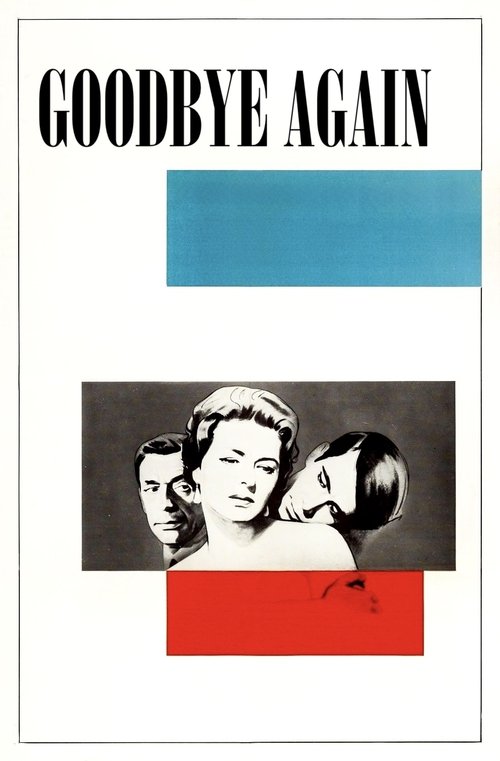
Goodbye Again
1961Middle-aged businesswoman Paula Tessier rejects the advances of her client's amusing 25-year-old son, Philip Van der Besh, but reconsiders when her longtime philandering partner begins yet another casual affair with a younger woman. She soon learns that May-December romances with older women are frowned upon in society.
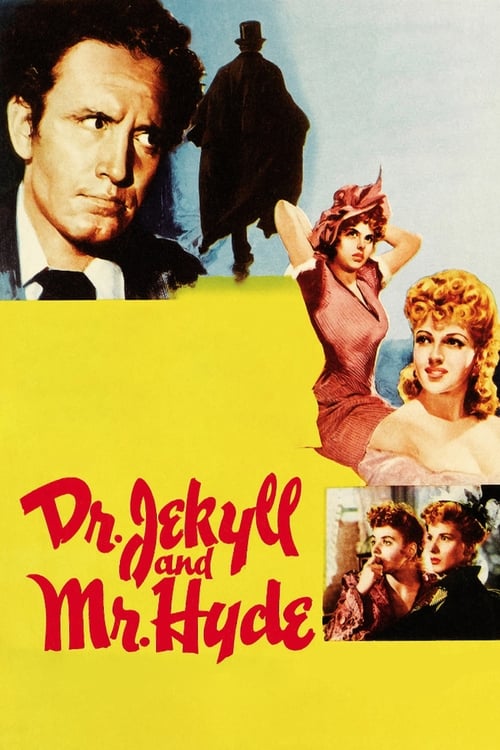
Dr. Jekyll and Mr. Hyde
1941Dr. Jekyll believes good and evil exist in everyone and creates a potion that allows his evil side, Mr. Hyde, to come to the fore. He faces horrible consequences when he lets his dark side run amok.
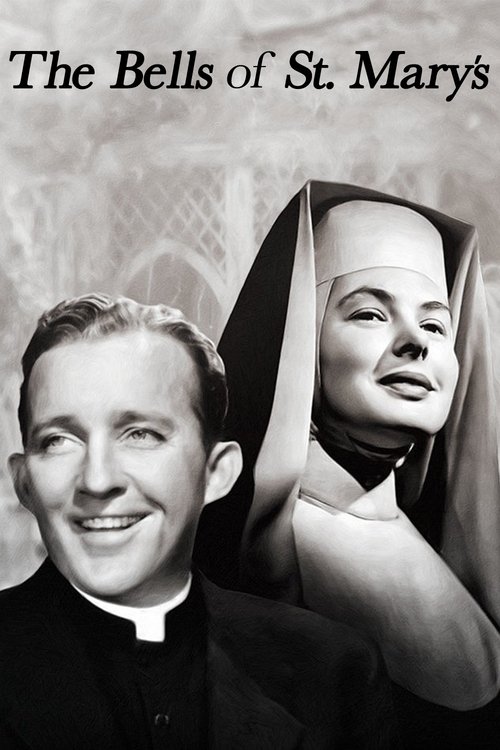
The Bells of St. Mary's
1945Father O'Malley is sent to St. Mary's, a run-down parochial school on the verge of condemnation. He and Sister Benedict work together in an attempt to save the school, though their differing methods often lead to good-natured disagreements.
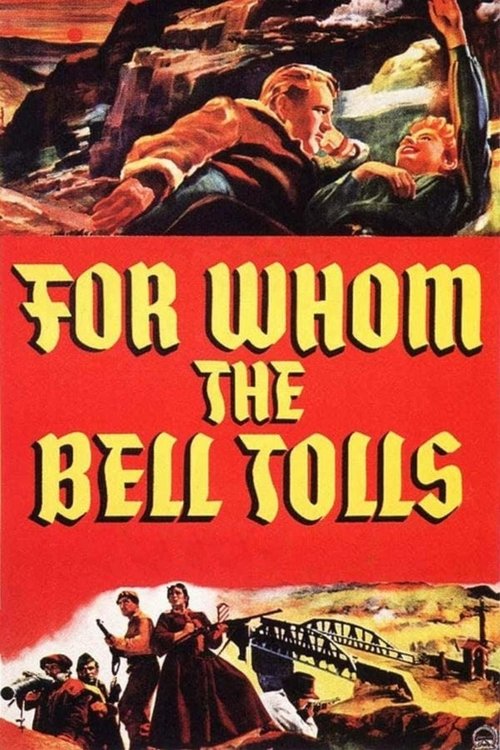
For Whom the Bell Tolls
1943Spain in the 1930s is the place to be for a man of action like Robert Jordan. There is a civil war going on and Jordan—who has joined up on the side that appeals most to idealists of that era—has been given a high-risk assignment up in the mountains. He awaits the right time to blow up a crucial bridge in order to halt the enemy's progress.
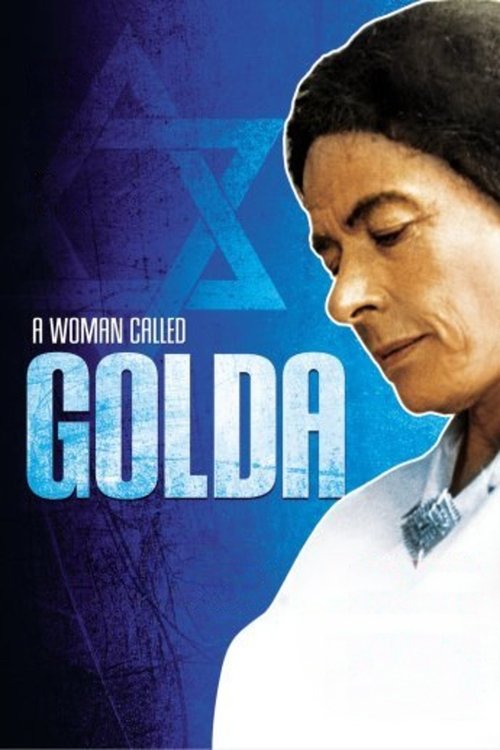
A Woman Called Golda
1982The story of the Russian-born, Wisconsin-raised woman who rose to become Israel's prime minister in the late 1960s and early 1970s.
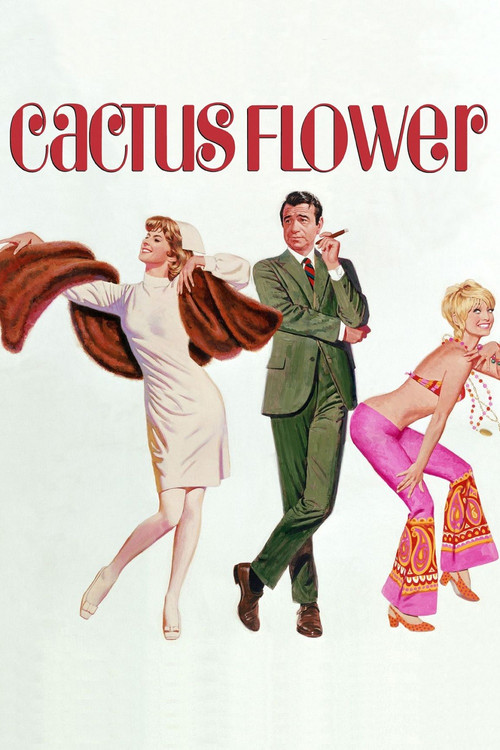
Cactus Flower
1969A dentist pretends to be married to avoid commitment, but when he falls for his girlfriend and proposes, he must recruit his lovelorn nurse to pose as his wife.
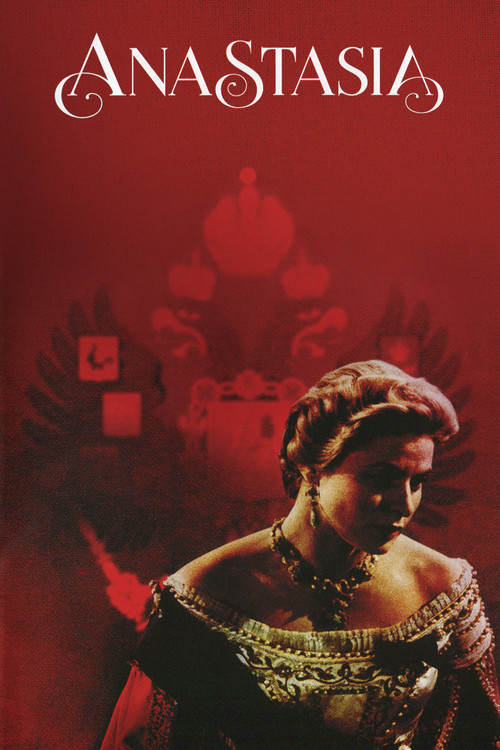
Anastasia
1956Russian exiles in Paris plot to collect ten million pounds from the Bank of England by grooming a destitute, suicidal girl to pose as heir to the Russian throne. While Bounin is coaching her, he comes to believe that she is really Anastasia. In the end, the Empress must decide her claim.
Her triumphant return to the studio system allowed Bergman to lean into her regal poise and technical precision. She navigates the shifting identities of her character with a calculated grace that reminded the industry of her unmatched star power.
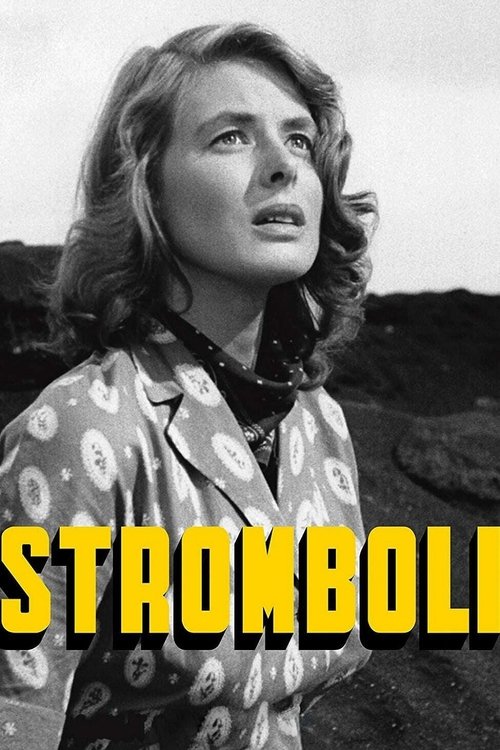
Stromboli
1950After the end of WWII, a young Lithuanian woman and a young Italian man from Stromboli impulsively marry, but married life on the island is more demanding than she can accept.
Marking a seismic shift in her personal and professional life, Bergman’s work here is defined by a sense of genuine displacement against a harsh volcanic backdrop. She uses her presence to bridge the gap between documentary reality and heightened melodrama.
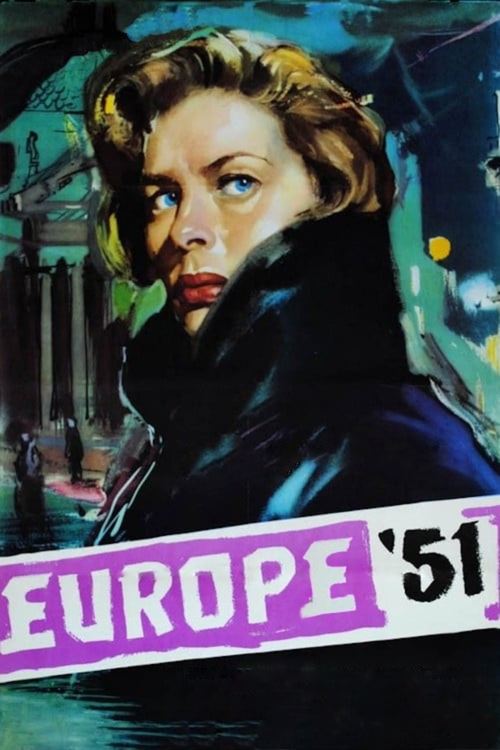
Europe '51
1952A wealthy, self-absorbed Rome socialite is racked by guilt over the death of her young son. As a way of dealing with her grief and finding meaning in her life, she decides to devote her time and money to the city’s poor and sick. Her newfound, single-minded activism leads to conflicts with her husband and questions about her sanity.
Bergman portrays a grieving socialite’s descent into spiritual radicalism with a haunting, saint-like intensity. The film captures the friction between her Hollywood stardom and the gritty demands of Italian neorealism.
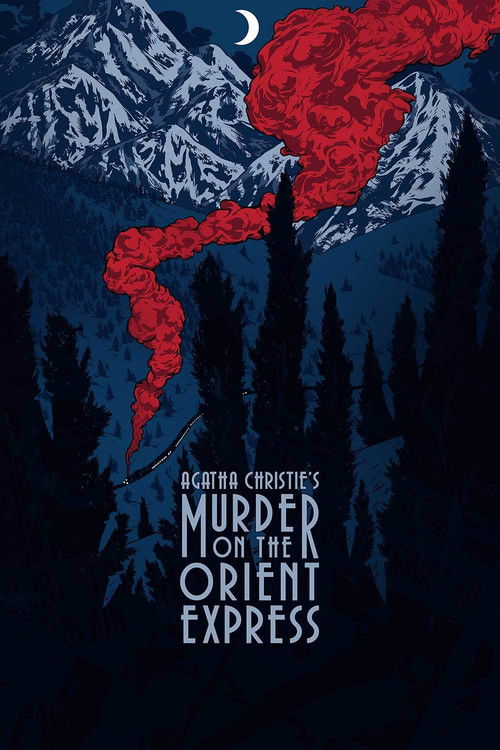
Murder on the Orient Express
1974In 1935, when his train is stopped by deep snow, detective Hercule Poirot is called on to solve a murder that occurred in his car the night before.
In a brief but transformative supporting turn, Bergman sheds her leading lady glamour to inhabit the role of a timid, eccentric missionary. This transformative work proved her incredible range as a character actress and secured her a third Academy Award.
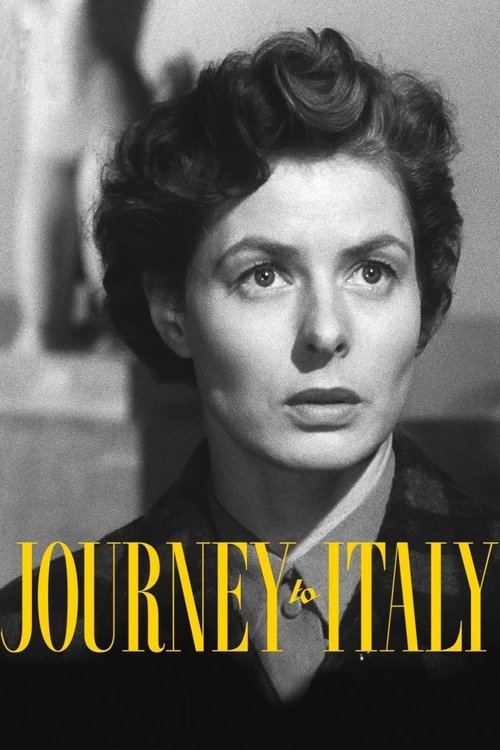
Journey to Italy
1954Married for eight years with no children, Brits Katherine and Alex Joyce are driving to Italy, their ultimate destination just outside of Naples to sell the villa they have just inherited from his uncle, the villa where they will be staying during their time there. On the drive, they come to the realization that this trip marks the first time that they have truly been alone together, and as such don't really know one another in the true sense.
This collaboration with Roberto Rossellini finds Bergman at her most minimalist, capturing a modern sense of alienation amidst the ruins of Naples. Her performance pioneered a new kind of cinematic naturalism that would influence the trajectory of European art house cinema.
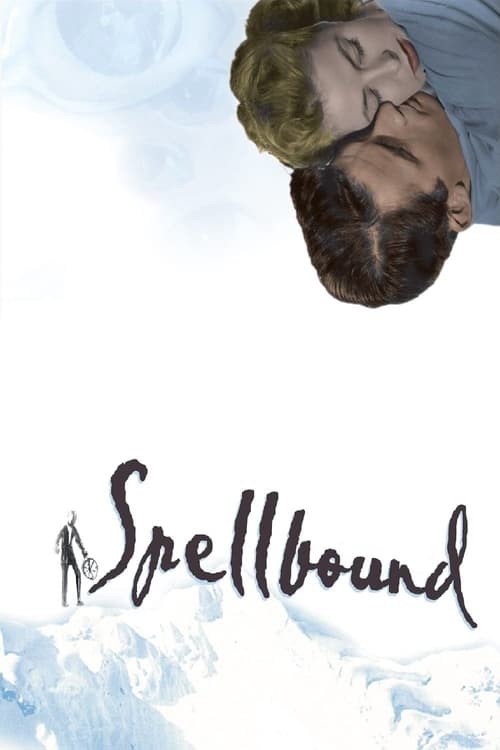
Spellbound
1945When Dr. Anthony Edwardes arrives at a Vermont mental hospital to replace the outgoing hospital director, Dr. Constance Peterson, a psychoanalyst, discovers Edwardes is actually an impostor. The man confesses that the real Dr. Edwardes is dead and fears he may have killed him, but cannot recall anything. Dr. Peterson, however is convinced his impostor is innocent of the man's murder, and joins him on a quest to unravel his amnesia through psychoanalysis.
Playing a coolly analytical psychoanalyst, Bergman brings a rare intellectual rigor to this surrealist noir. She effortlessly Balances rigid professionalism with an awakening passion, proving she could command the screen as a cerebral protagonist.
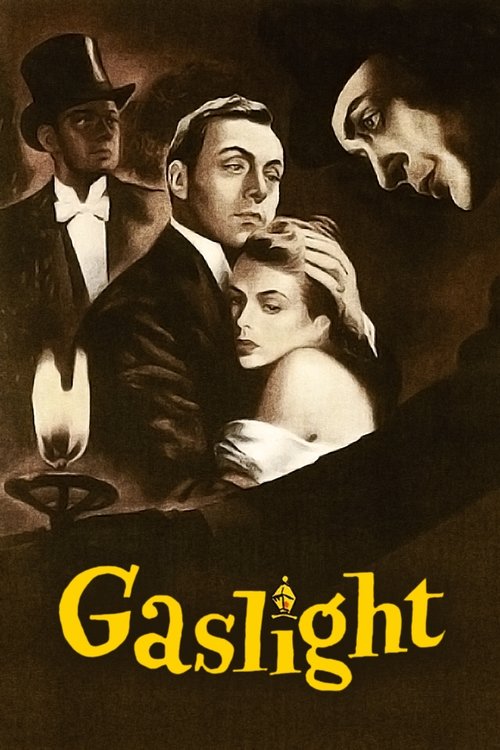
Gaslight
1944A newlywed fears she's going mad when strange things start happening at the family mansion.
Her first Oscar win was earned through an agonizingly precise portrayal of a woman being systematically dismantled by psychological manipulation. Bergman captures the frantic, claustrophobic slide from confidence into trembling self-doubt with terrifying conviction.

Autumn Sonata
1978After a seven-year absence, Charlotte Andergast travels to Sweden to reunite with her daughter Eva. The pair have a troubled relationship: Charlotte sacrificed the responsibilities of motherhood for a career as a classical pianist. Over an emotional night, the pair reopen the wounds of the past. Charlotte gets another shock when she finds out that her mentally impaired daughter, Helena, is out of the asylum and living with Eva.
Returning to her Swedish roots for her final theatrical role, Bergman delivers a masterclass in controlled ferocity as a mother confronting her own narcissism. It is a raw, unflinching swan song that strips away decades of Hollywood artifice.
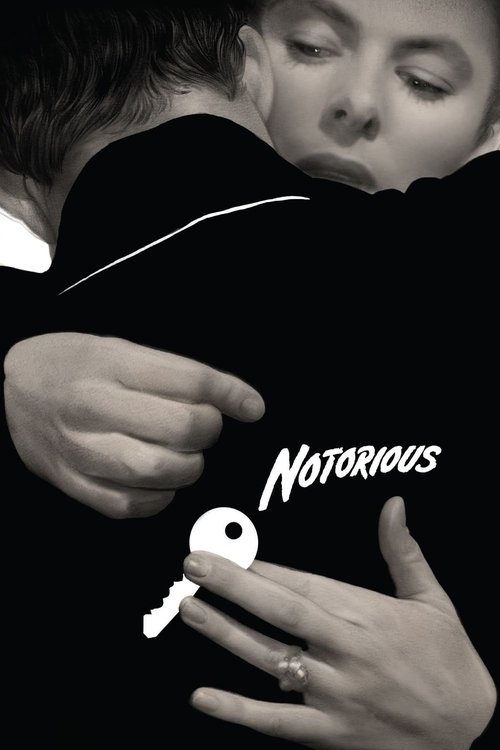
Notorious
1946In order to help bring Nazis to justice, U.S. government agent T.R. Devlin recruits Alicia Huberman, the American daughter of a convicted German war criminal, as a spy. As they begin to fall for one another, Alicia is instructed to win the affections of Alexander Sebastian, a Nazi hiding out in Brazil. When Sebastian becomes serious about his relationship with Alicia, the stakes get higher, and Devlin must watch her slip further undercover.
In Hitchcock’s darkest romance, Bergman abandons her wholesome image to play a self-loathing socialite caught in a web of psychological torture. Her chemistry with Cary Grant is electric, yet she maintains a tragic vulnerability that elevates the film beyond a standard spy thriller.
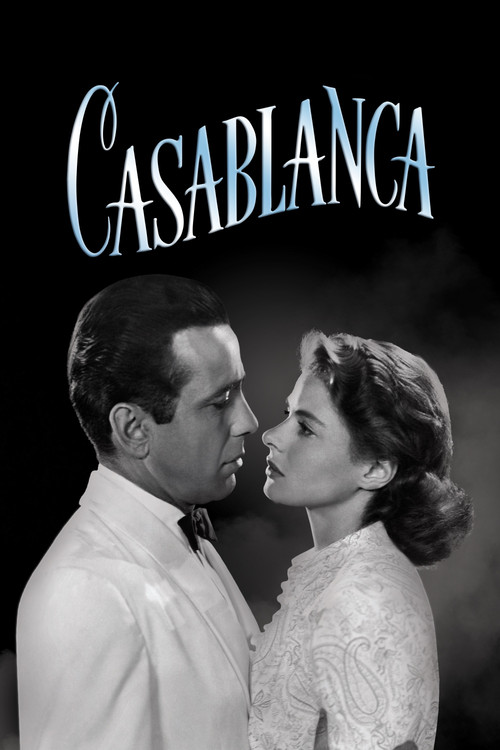
Casablanca
1943In Casablanca, Morocco in December 1941, a cynical American expatriate meets a former lover, with unforeseen complications.
Bergman’s face becomes a literal landscape of conflicting loyalties, grounding this wartime melodrama in a profound, quiet desperation. It is the definitive showcase of her ability to suggest a rich internal life through a single, tear-filled gaze.
Frequently Asked Questions
Everything you need to know about this list and SnakeDrafts
- Casablanca is ranked number one because it is not only a landmark of Hollywood's golden age but also showcases Ingrid Bergman's luminous performance as Ilsa Lund. The film's blend of romance and wartime drama, directed by Michael Curtiz, solidified Bergman's iconic status in cinema history.
- Bergman's work with Hitchcock in Notorious and Spellbound highlights her versatility in thriller and mystery genres, while her collaborations with Rossellini in Journey to Italy, Stromboli, and Europe '51 mark her significant contributions to Italian neorealism. These films demonstrate her range from Hollywood glamour to European art cinema, enriching her filmography and this ranking.
- Autumn Sonata, directed by Ingmar Bergman, stands out for its intense emotional depth and Bergman's raw, vulnerable performance. As one of her final masterpieces, it contrasts with her Hollywood roles by exploring complex mother-daughter dynamics, showcasing her profound dramatic capabilities in a deeply personal narrative.
- The list focuses on Bergman's most critically acclaimed and culturally significant films, but some fans might find the absence of lesser-known films surprising. However, the inclusion of TV movies like A Woman Called Golda and comedies like Cactus Flower highlights the broad scope of her career beyond classic Hollywood.
- Recurring themes in Bergman's top films include love and sacrifice, moral ambiguity, and psychological complexity. Films like Notorious and Gaslight delve into suspense and trust issues, while romantic dramas like Casablanca and Anastasia emphasize emotional resilience and noble love.
- Murder on the Orient Express features Bergman in a supporting yet memorable role in a star-studded ensemble cast, showcasing her ability to bring nuance even in limited screen time. Directed by Sidney Lumet, this film adds a mystery thriller dimension to her diverse career portfolio.
- Dr. Jekyll and Mr. Hyde is included to illustrate Bergman's early versatility and work in genre films, such as horror and science fiction, early in her career. This inclusion provides a comprehensive view of her evolving talent from supporting roles to leading lady.
- In Gaslight, Bergman delivers a compelling portrayal of psychological manipulation that defined the term 'gaslighting,' while in Spellbound, her work with Hitchcock explores psychoanalysis and memory. These roles are celebrated for blending suspense with emotional depth, highlighting her skill in complex psychological dramas.