The Best John Ford Movies Ranked
The Definitive Filmography of the Master of Westerns
Explore the legendary career of Director John Ford with this curated list of his greatest cinematic achievements, from Western epics to poignant dramas.
About John Ford
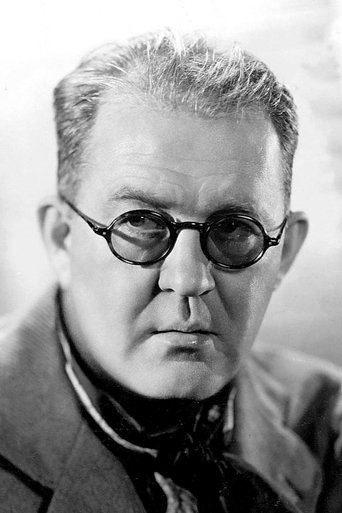
If you asked the man himself who he was, he would likely adjust his trademark eyepatch, spit a bit of tobacco, and offer the most famous introduction in cinema history: My name is John Ford. I make Westerns. It was a classic bit of redirection from a director who spent his career hiding a deeply poetic, complex soul behind a crusty, authoritarian persona. While he arguably invented the visual grammar of the American frontier, Ford was far more than a chronicler of cowboys. He was the great architect of our national mythology, a man who understood that a silhouette against a sunset could communicate more about honor, loneliness, and the passage of history than ten pages of dialogue.
His canvas was Monument Valley, a jagged landscape of sandstone buttes that he transformed into a spiritual home. In Stagecoach, he used this backdrop to elevate the B-movie Western into a high-art character study, introducing a young John Wayne to the world in a flurry of camera zooms and dusty hoofbeats. Yet, for all his love of the open range, Ford was a master of the claustrophobic interior and the crushing weight of reality. In The Grapes of Wrath, he swapped the desert for the dust bowl, capturing the Great Depression with a stark, chiaroscuro beauty that felt more like a prayer than a protest. He had an uncanny ability to find the dignity in defeat, whether he was documenting the crumbling traditions of a Welsh mining village in How Green Was My Valley or the moral rot of an alcoholic betrayer in The Informer.
The quintessential Fordian frame is a study in composition and stillness. He favored steady cameras and deep focus, allowing the audience to live within the space. You see this mastery in My Darling Clementine, where the anticipation of a gunfight is measured in the rhythmic creak of a rocking chair. Even his more sentimental outings, like the lush, emerald-hued The Quiet Man, bear his signature obsession with community and the friction between the individual and the group. This tension peaked in his later years. The Searchers and The Man Who Shot Liberty Valance dismantled the very legends he spent decades building. In the former, he presented Ethan Edwards as a man too haunted by his own hatred to ever truly come home; in the latter, he admitted that when the legend becomes fact, we print the legend.
His versatility was hidden in plain sight. He could pivot from the naval camaraderie of Mister Roberts to the sprawling cavalry trilogy of Fort Apache, She Wore a Yellow Ribbon, and Rio Grande without losing his grip on the human element. He viewed history through a nostalgic, often fractured lens, best seen in the gentle humanity of Young Mr. Lincoln or the elegiac pace of The Horse Soldiers. By the time he settled into the twilight of his career with Steamboat Round the Bend, he had become the definitive voice of a vanishing era. He did not just film movies; he composed hymns to the American experience, proving that the most profound truths are often found in the long shadows cast by the desert sun.
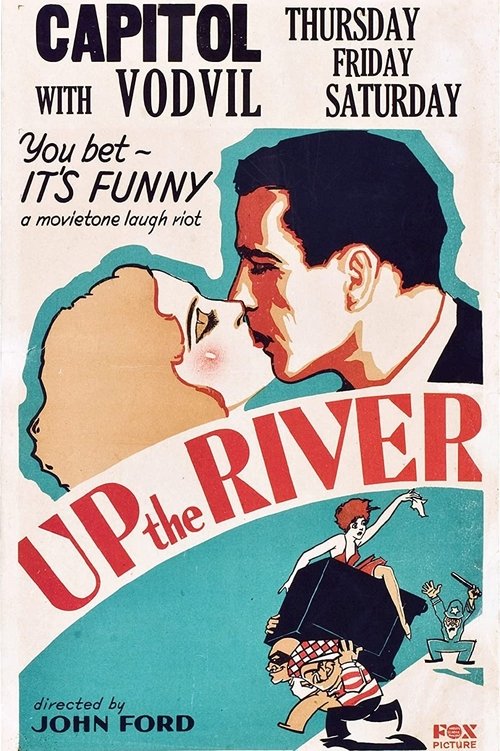
Up the River
1930Daily life at men and women's prison units where baseball and the marching band are serious business. Two prisoners escape in order to help paroled Steve from being blackmailed by his girlfriend's ex-partner-in-crime.
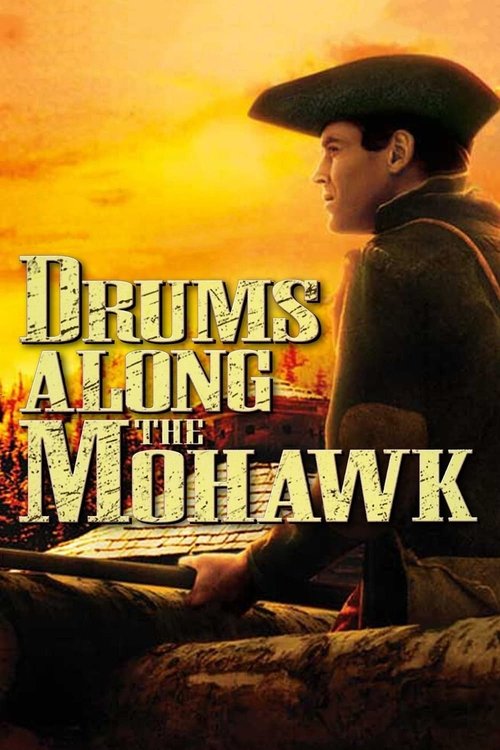
Drums Along the Mohawk
1939Albany, New York, 1776. After marrying, Gil and Lana travel north to settle on a small farm in the Mohawk River Valley, but soon their growing prosperity and happiness are threatened by the sinister sound of drums that announce dark times of revolution and war.
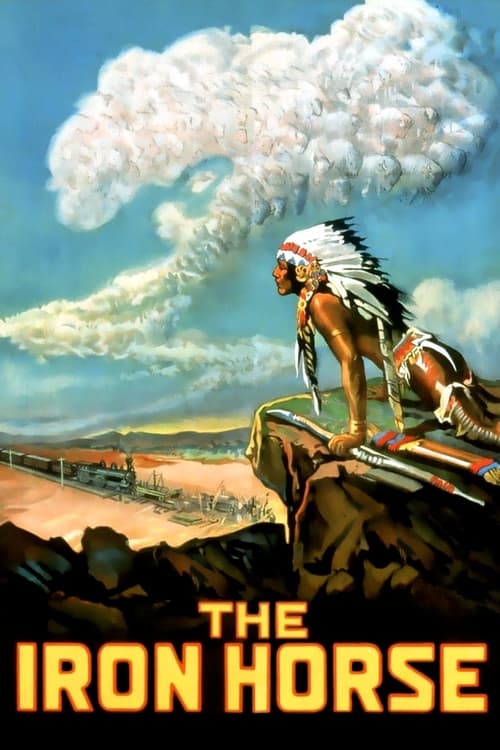
The Iron Horse
1925Brandon, a surveyor, dreams of building a railway to the west. He sets off with his son, Davy, to survey a route. They discover a new pass which will shave 200 miles off the expected distance, but they are set upon by a party of Cheyenne. One of them, a white renegade with only two fingers on his right hand, kills Brandon and scalps him. Davy is all alone now.
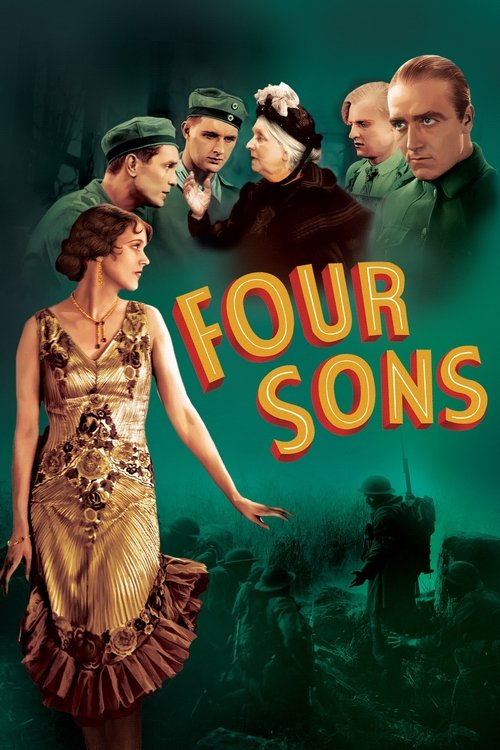
Four Sons
1928A family saga in which three of a Bavarian widow's sons go to war for Germany and the fourth goes to America, Germany's eventual opponent. Preserved by the Academy Film Archive in partnership with L'Imaginne Ritrovato and Twentieth Century Fox Film Corporation in 1999.
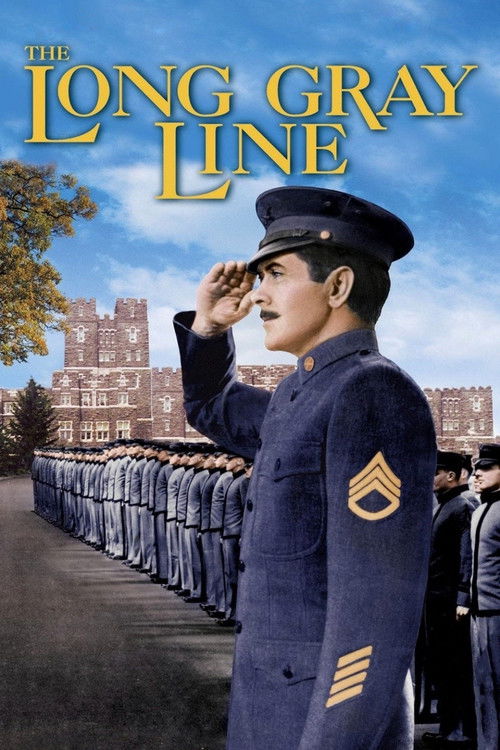
The Long Gray Line
1955The life story of a salt-of-the-earth Irish immigrant, who becomes an Army Noncommissioned Officer and spends his 50 year career at the United States Military Academy at West Point. This includes his job-related experiences as well as his family life and the relationships he develops with young cadets with whom he befriends. Based on the life of a real person.
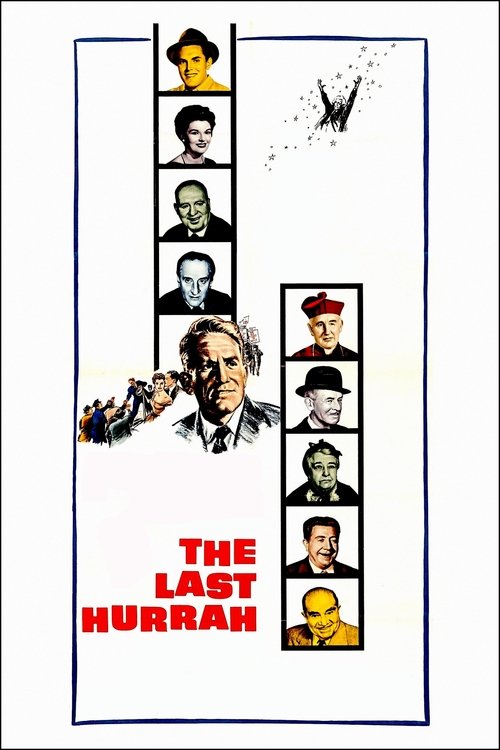
The Last Hurrah
1958In a changing world where television has become the main source of information, Adam Caulfield, a young sports journalist, witnesses how his uncle, Frank Skeffington, a veteran and honest politician, mayor of a New England town, tries to be reelected while bankers and captains of industry conspire in the shadows to place a weak and manageable candidate in the city hall.
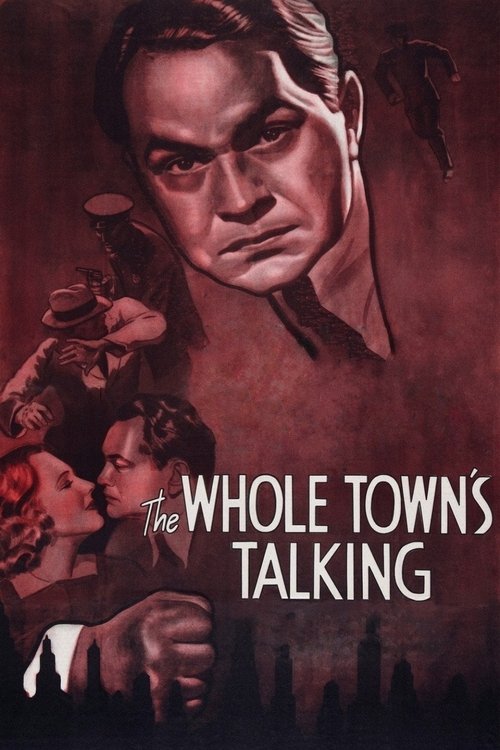
The Whole Town's Talking
1935Ordinary man-in-the-street Arthur Ferguson Jones leads a very straightforward life. He's never late for work and nothing interesting ever happens to him. One day everything changes: he oversleeps and is fired as an example, he's then mistaken for evil criminal killer Mannion and is arrested. The resemblance is so striking that the police give him a special pass to avoid a similar mistake. The real Mannion sees the opportunity to steal the pass and move around freely and chaos results.
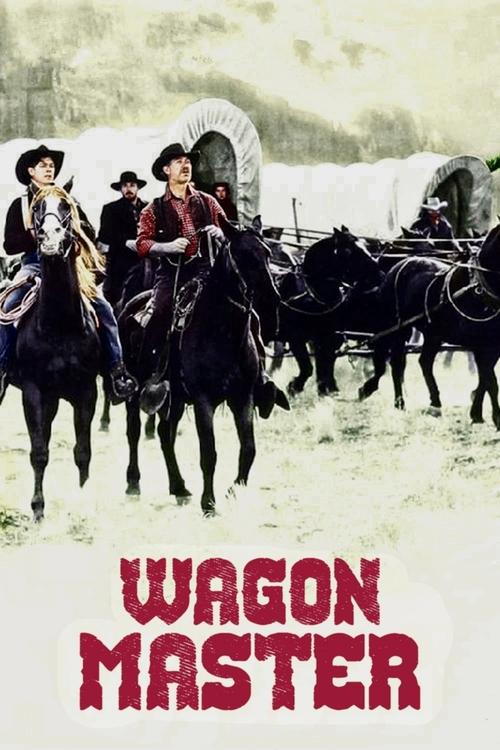
Wagon Master
1950Two young horse traders guide a Mormon wagon train to the San Juan Valley and encounter rugged terrain, the cutthroat Clegg gang, hospitable Navajo, and moral challenges on the journey.
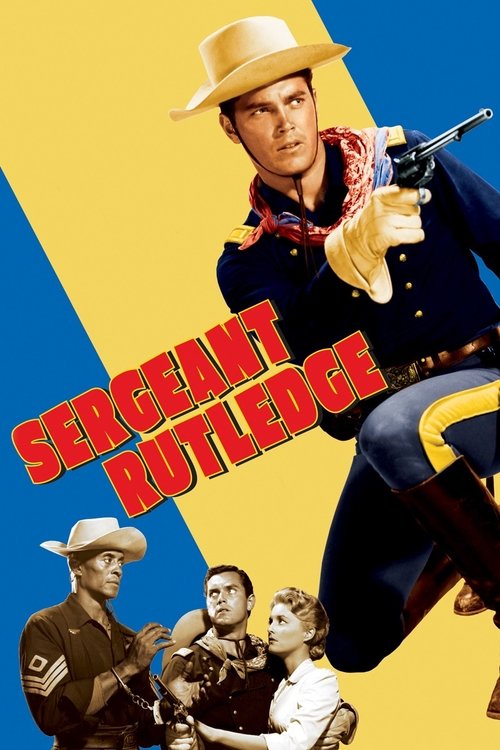
Sergeant Rutledge
1960Respected black cavalry Sergeant Brax Rutledge stands court-martial for raping and killing a white woman and murdering her father, his superior officer.
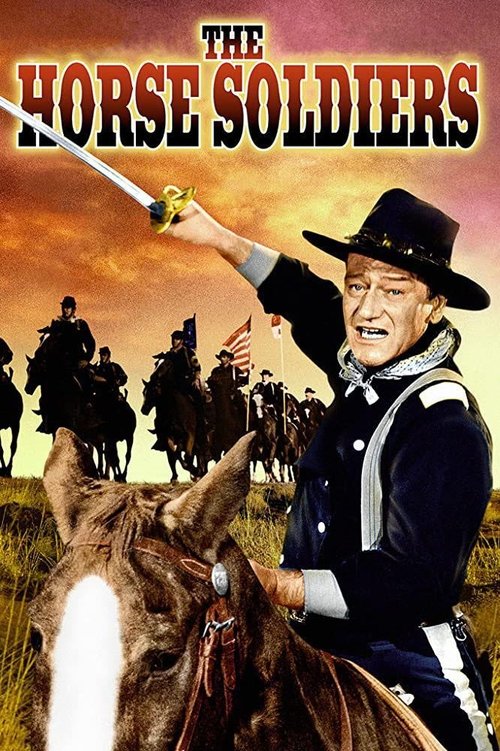
The Horse Soldiers
1959A Union Cavalry outfit is sent behind confederate lines in strength to destroy a rail supply center. Along with them is sent a doctor who causes instant antipathy between him and the commander. The secret plan for the mission is overheard by a southern belle who must be taken along to assure her silence.
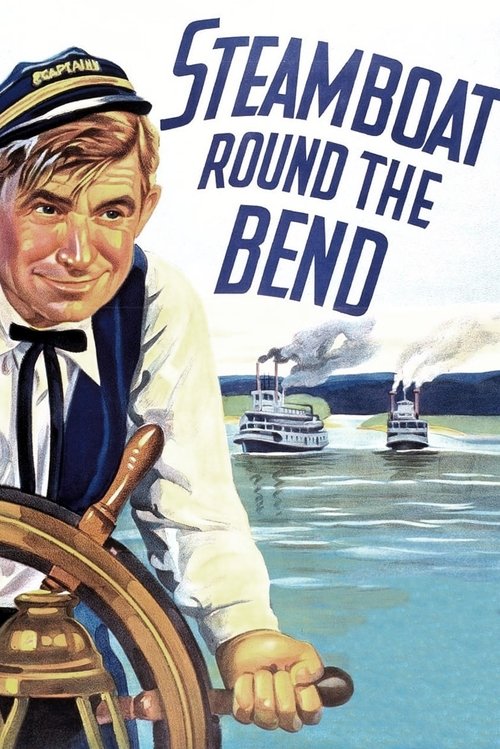
Steamboat Round the Bend
1935A Louisiana con man enters his steamboat into a winner-take-all race with a rival while trying to find a witness to free his nephew, about to be hanged for murder.
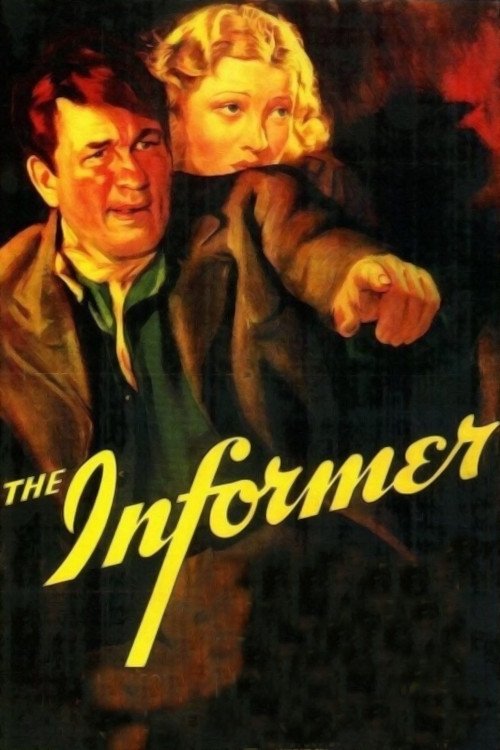
The Informer
1935Gypo Nolan is a former Irish Republican Army man who drowns his sorrows in the bottle. He's desperate to escape his bleak Dublin life and start over in America with his girlfriend. So when British authorities advertise a reward for information about his best friend, current IRA member Frankie, Gypo cooperates. Now Gypo can buy two tickets on a boat bound for the States, but can he escape the overwhelming guilt he feels for betraying his buddy?
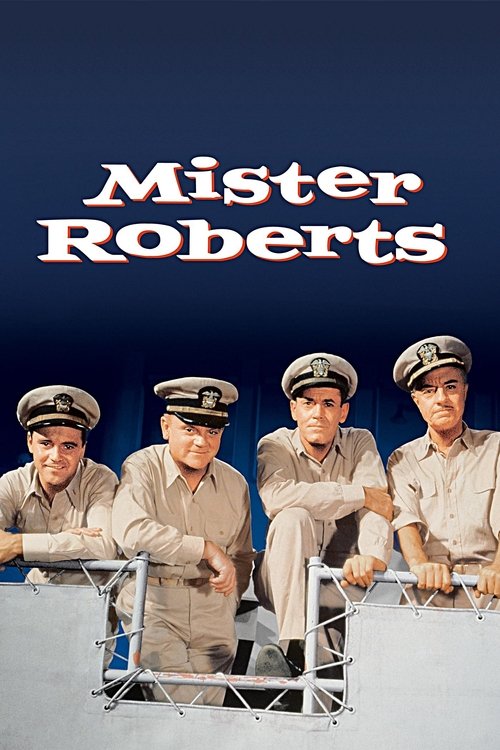
Mister Roberts
1955Mr. Roberts is a Navy officer who's yearning for battle but is stuck in the backwaters of World War II on a non-commissioned ship run by the bullying Captain Morton.
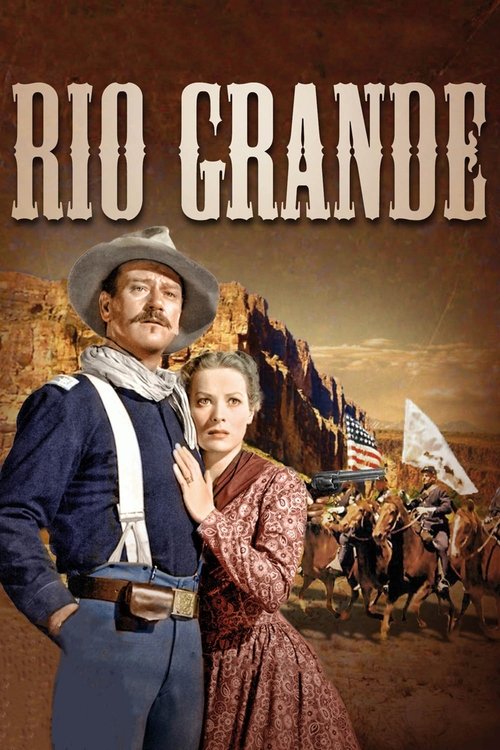
Rio Grande
1950Lt. Col. Kirby Yorke is posted on the Texas frontier to defend settlers against depredations of marauding Apaches. Col. Yorke is under considerable stress by a serious shortage of troops of his command. Tension is added when Yorke's son (whom he hasn't seen in fifteen years), Trooper Jeff Yorke, is one of 18 recruits sent to the regiment.
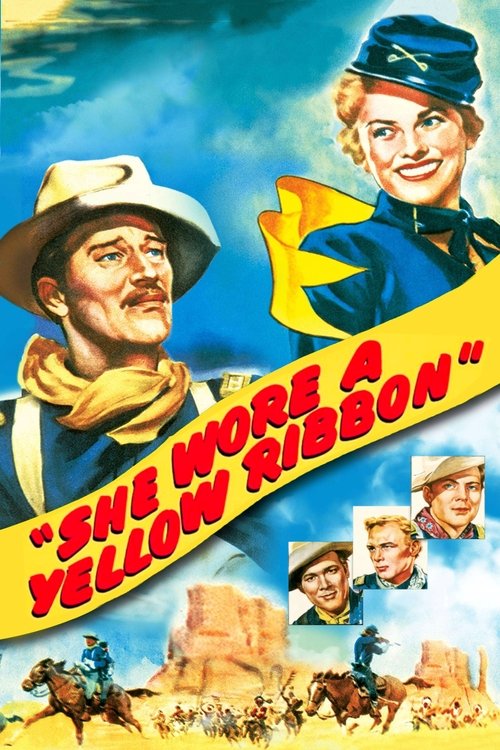
She Wore a Yellow Ribbon
1949On the eve of retirement, Captain Nathan Brittles takes out a last patrol to stop an impending massive Indian attack. Encumbered by women who must be evacuated, Brittles finds his mission imperiled.
Winston Hoch’s vibrant, Oscar winning cinematography captures a sense of twilight grandeur that mirrors the aging protagonist’s final days of service. Ford turns the screen into a moving canvas of Remington inspired imagery, emphasizing the duty and quiet loneliness of the professional soldier.
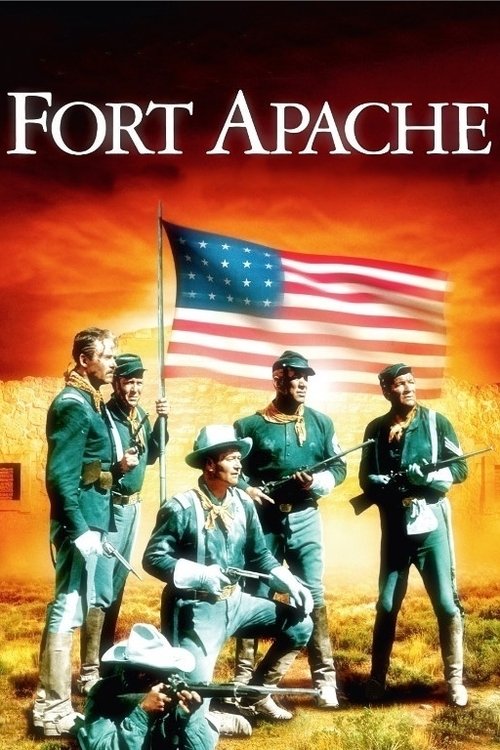
Fort Apache
1948Owen Thursday sees his new posting to the desolate Fort Apache as a chance to claim the military honour which he believes is rightfully his. Arrogant, obsessed with military form and ultimately self-destructive, he attempts to destroy the Apache chief Cochise after luring him across the border from Mexico, against the advice of his subordinates.
The first entry in the Cavalry Trilogy marks a sophisticated shift in Ford's perspective on military tradition and the fallibility of leadership. He brilliantly balances the rigidity of the rank and file against the nuance of the indigenous perspective, crafting a dense critique of vanity and the bureaucratic machinery of war.
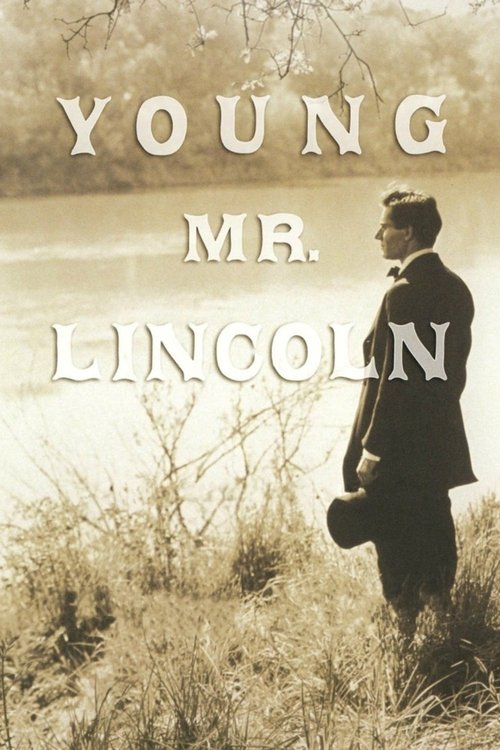
Young Mr. Lincoln
1939In this dramatized account of his early law career in Illinois, Abraham Lincoln is born into a modest log cabin, where he is encouraged by his first love, Ann Rutledge, to pursue law. Following her tragic death, Lincoln establishes a law practice in Springfield, where he meets a young Mary Todd. Lincoln's law skills are put to the test when he takes on the difficult task of defending two brothers who have been accused of murder.
By focusing on the formative years of an American icon, Ford creates a folk myth that feels both intimate and monumental. The film demonstrates his unique talent for capturing the moral weight of a single man against the backdrop of a burgeoning nation, utilizing high contrast lighting to signal the gravitas of a destiny in progress.
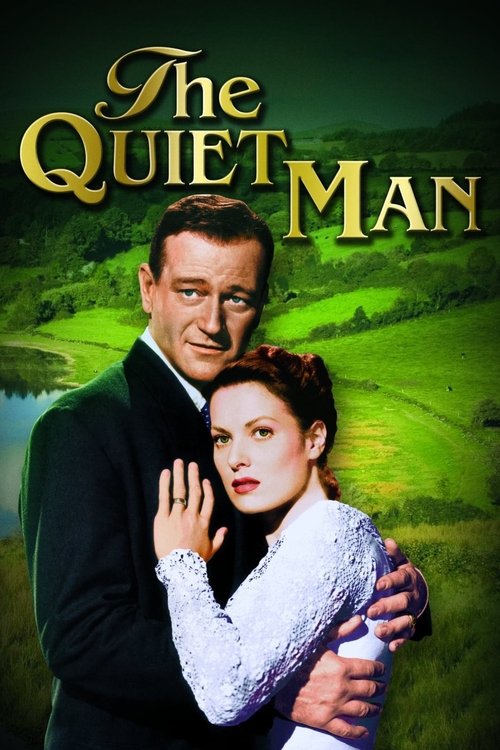
The Quiet Man
1952An American man returns to the village of his birth in Ireland, where he finds love and conflict.
This vibrant Technicolor dream serves as Ford’s romanticized love letter to his ancestral homeland, trading his trademark grit for a whimsical, rhythmic vitality. It is a rare glimpse into the director’s softer sensibilities, blending boisterous humor with a lushly saturated aesthetic that feels like a shared cultural memory.
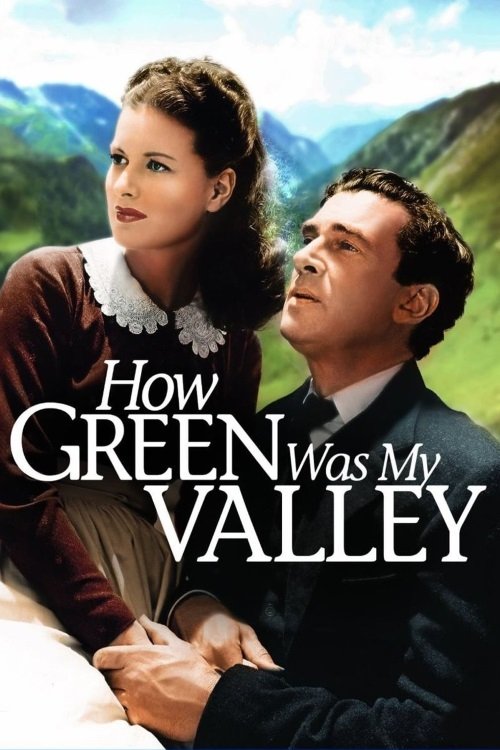
How Green Was My Valley
1941Huw Morgan, the academically inclined youngest son in a proud family of Welsh coal miners, witnesses the tumultuous events of his young life during a period of rapid social change. At the dawn of the 20th-century, a miners' strike divides the Morgans: the sons demand improvements, and the father doesn't want to rock the boat.
Ford’s deeply felt exploration of coal mining life in Wales showcases his unparalleled ability to evoke communal memory and the sensory details of a vanishing past. The film functions as a lush, visual symphony of light and shadow, prioritizing emotional truth and the weight of tradition over a traditional narrative drive.
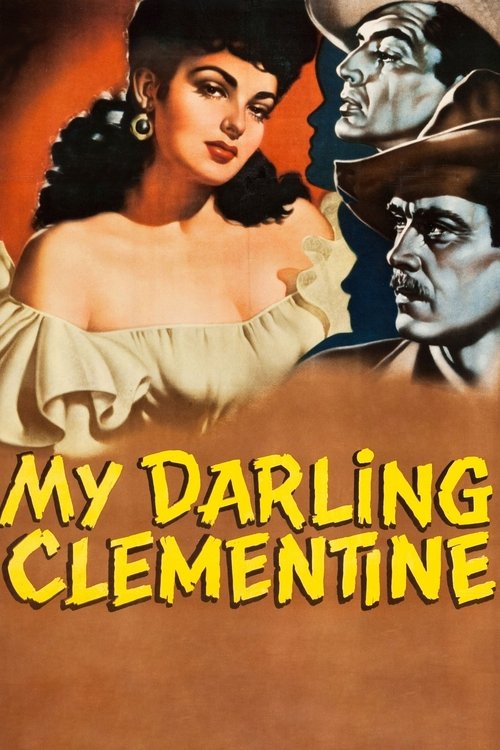
My Darling Clementine
1946Three brothers stop off for a night in the town of Tombstone. The next morning they find one of their brothers dead and their cattle stolen. They decide to take revenge on the culprits.
Simultaneously poetic and disciplined, this film represents the pinnacle of Ford’s formalist rigor and his obsession with the civilizing rituals of the Old West. Through meticulously composed frames and a rhythmic pace, he transfigures a violent historical shootout into a serene, almost spiritual meditation on community and progress.
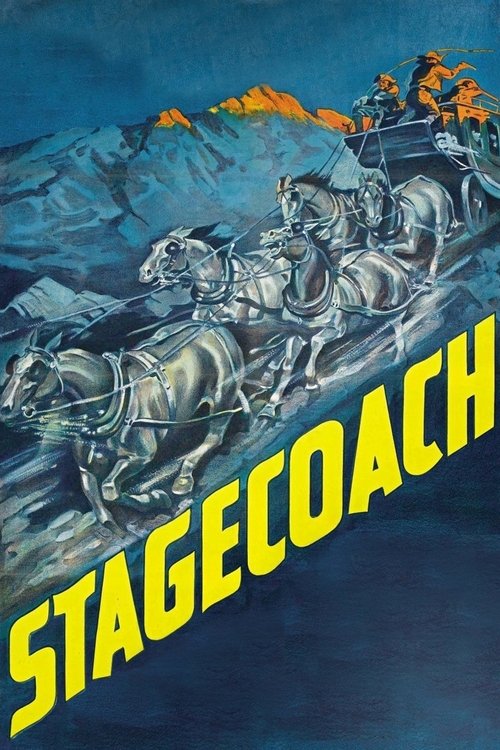
Stagecoach
1939A group of people traveling on a stagecoach find their journey complicated by the threat of Geronimo, and learn something about each other in the process.
The blueprint for the modern Western remains a masterclass in spatial dynamics and ensemble blocking within the confines of a moving vessel. It is the moment Ford transformed the genre from a B movie staple into a sophisticated vessel for social commentary and high art.
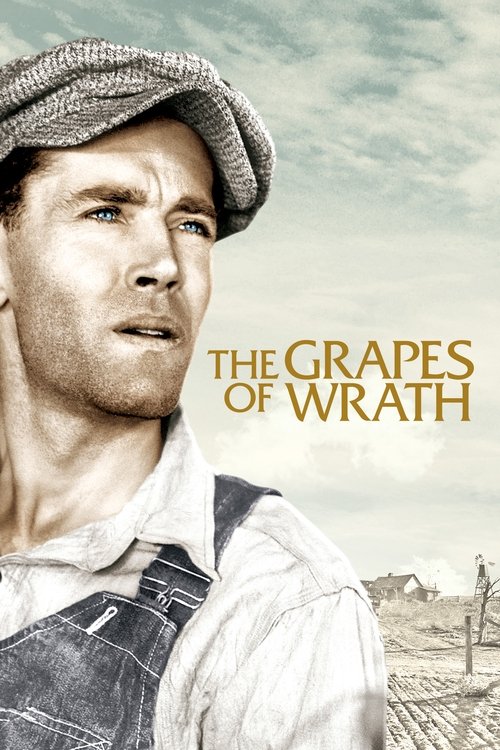
The Grapes of Wrath
1940Tom Joad returns to his home after a jail sentence to find his family kicked out of their farm due to foreclosure. He catches up with them on his Uncle’s farm, and joins them the next day as they head for California and a new life... Hopefully.
Gregg Toland’s stark, expressionistic cinematography elevates this social protest film into a timeless visual poem about human endurance and systemic failure. Ford strips away sentimental artifice to find a rugged, biblical dignity in the disenfranchised, proving his mastery extended far beyond the Western genre.
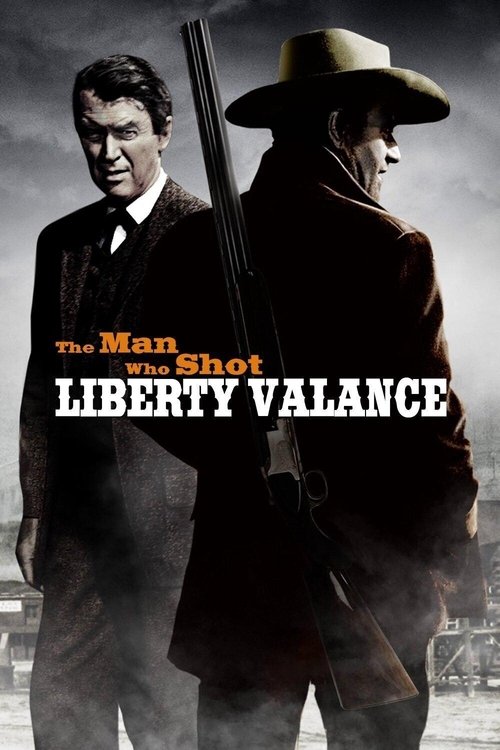
The Man Who Shot Liberty Valance
1962Questions arise when Senator Stoddard attends the funeral of a local man named Tom Doniphon in a small Western town. Flashing back, we learn Doniphon saved Stoddard, then a lawyer, when he was roughed up by a crew of outlaws terrorizing the town, led by Liberty Valance. As the territory's safety hung in the balance, Doniphon and Stoddard, two of the only people standing up to him, proved to be very important, but different, foes to Valance.
Ford embraces a somber, claustrophobic visual style to examine the painful transition from frontier lawlessness to the rule of civil law. This elegiac work serves as the ultimate cinematic interrogation of history versus folklore, famously concluding that the legend is often more vital to the national identity than the truth.
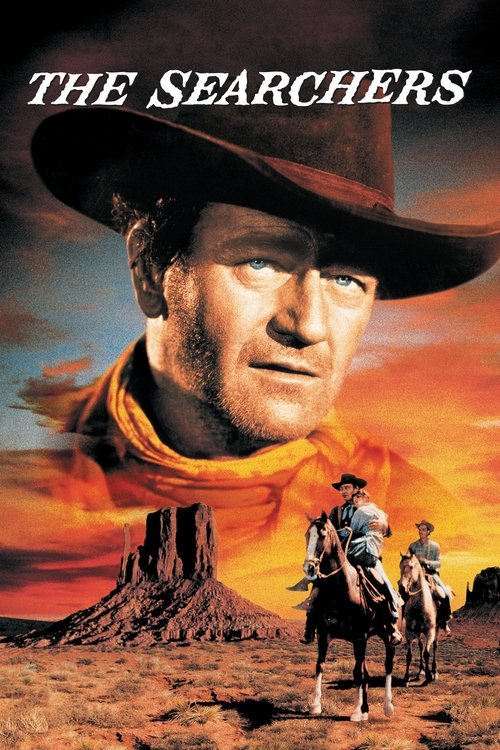
The Searchers
1956As a Civil War veteran spends years searching for a young niece captured by Indians, his motivation becomes increasingly questionable.
A harrowing deconstruction of the Western myth, Ford utilizes the vast negative space of Monument Valley to mirror the spiritual isolation and obsessive prejudice of his most complex protagonist. It stands as the director’s definitive masterpiece, challenging the very frontier archetypes he helped build by forcing the audience to confront the darkness inherent in the American pioneer spirit.
Frequently Asked Questions
Everything you need to know about this list and SnakeDrafts
- 'The Searchers' is ranked number one because it exemplifies Ford's mastery of the Western genre, combining a complex narrative with stunning cinematography. Its deep exploration of themes like racism and obsession has cemented it as a timeless classic in American cinema.
- 'The Grapes of Wrath' showcases Ford's versatility beyond Westerns, focusing on social drama and human resilience during the Great Depression. This 1940 film contrasts with his frontier epics by portraying contemporary issues with profound emotional impact.
- Ford's Westerns, including 'Stagecoach,' 'The Man Who Shot Liberty Valance,' and 'My Darling Clementine,' often explore themes of justice, honor, and the mythic American frontier. They delve into the tension between civilization and wilderness while highlighting complex characters and moral ambiguity.
- 'How Green Was My Valley' stands out for its lyrical portrayal of family and community amidst industrial change. Unlike his Westerns, this film centers on Welsh mining life, earning Ford an Academy Award for Best Director in 1941.
- Yes, films like 'The Quiet Man' and 'Mister Roberts' incorporate comedy alongside drama and romance. These movies reveal Ford's skill at blending humor with deeper emotional storytelling, broadening his appeal beyond traditional Western and dramatic genres.
- 'Young Mr. Lincoln' focuses on the early legal career of Abraham Lincoln, emphasizing historical events and character development. While it contains frontier elements, its primary identity as a courtroom and biographical drama sets it apart from Ford's typical Westerns.
- 'The Man Who Shot Liberty Valance' critically examines the legend versus reality of the American West, challenging traditional Western myths. Released in 1962, it is often seen as Ford's reflective commentary on shifting cultural attitudes toward heroism and law.