Henry Fonda's Best Movies
The Definitive Filmography of Hollywood's Stoic Icon
Discover the finest cinematic achievements of Henry Fonda, from courtroom dramas to sprawling Westerns and Oscar-winning family sagas.
About Henry Fonda
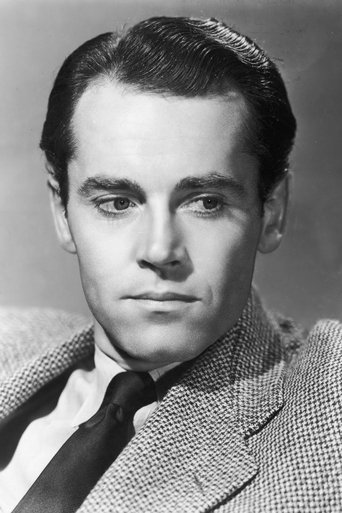
To watch Henry Fonda on screen was to witness the slow, deliberate pulse of the American conscience. He possessed a lanky, unassuming grace that suggested he had just stepped off a porch in Nebraska, yet there was a flinty steel behind those pale blue eyes that could command a courtroom or a cavalry charge. While his contemporaries often leaned into bravado or theatricality, he mastered the art of being still. He represented the common man at his most principled, a walking embodiment of integrity who seemed to weigh the moral cost of every word before he spoke it.
The bedrock of this reputation was forged in the dust of the Great Depression. As Tom Joad in The Grapes of Wrath, he became the face of a displaced nation, articulating a quiet, simmering rage against injustice that felt startlingly modern. It was a role that established his primary archetype: the reluctant hero. This same moral gravity anchored 12 Angry Men, where he stood as a solitary voice of reason against a tide of prejudice. He didn't need to shout to be heard. His power came from a stubborn, quiet insistence on the truth, a quality that made him the definitive cinematic Abraham Lincoln in Young Mr. Lincoln. Even when playing the law, as he did as Wyatt Earp in My Darling Clementine or the weary colonel in Fort Apache, he brought a sense of burden to the badge, as if the weight of civilization rested squarely on his shoulders.
However, beneath that prairie-bred sincerity lay a capacity for coldness that he occasionally weaponized to brilliant effect. He could pivot from the bumbling, romantic lead of The Lady Eve to the terrifying, ice-cold killer of Once Upon a Time in the West. Seeing that familiar, trusted face behind the barrel of a villainous gun was a shock to the system for 1960s audiences, proving that his minimalism could be lethal as easily as it could be noble. He understood the architecture of authority, whether he was playing a President facing nuclear annihilation in Fail Safe or a senator navigating the shark-infested waters of D.C. in Advise and Consent.
As his career stretched into its twilight, that famous reserve softened into something more fragile. In On Golden Pond, he finally allowed the world to see the vulnerability hiding behind the stoicism, earning a late-career validation that felt like a collective hug from the industry he had served for half a century. Audiences connected with him because he never seemed to be performing a character so much as he was living out a philosophy. He was the man we wanted to believe we could be when the world turned ugly. From the deck of Mister Roberts to the harrowing gallows of The Ox-Bow Incident, he remained the ultimate observer, a performer who showed us that sometimes the most radical act a person can commit is simply standing their ground.
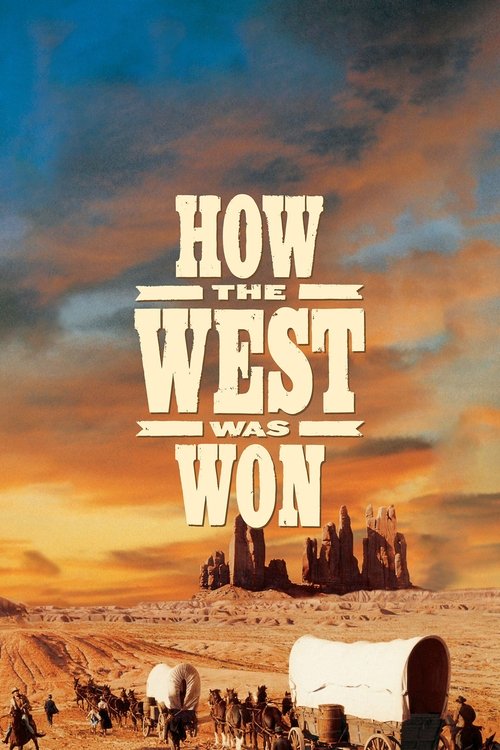
How the West Was Won
1962The epic tale of the development of the American West from the 1830s through the Civil War to the end of the century, as seen through the eyes of one pioneer family.
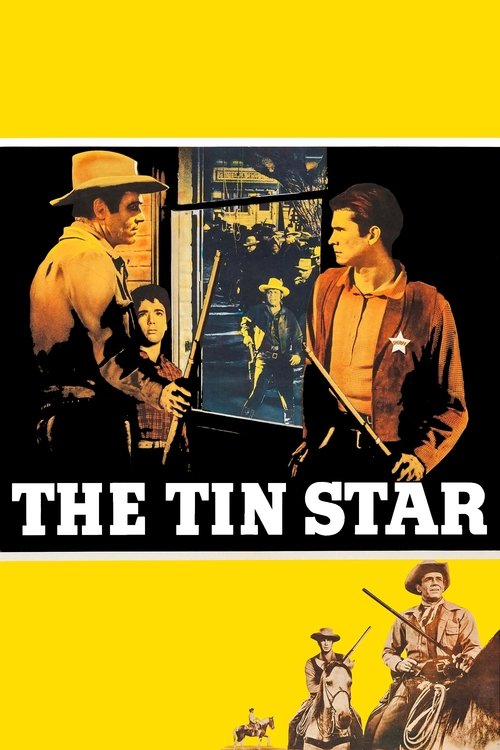
The Tin Star
1957An experienced bounty hunter helps a young sheriff learn the meaning of his badge.
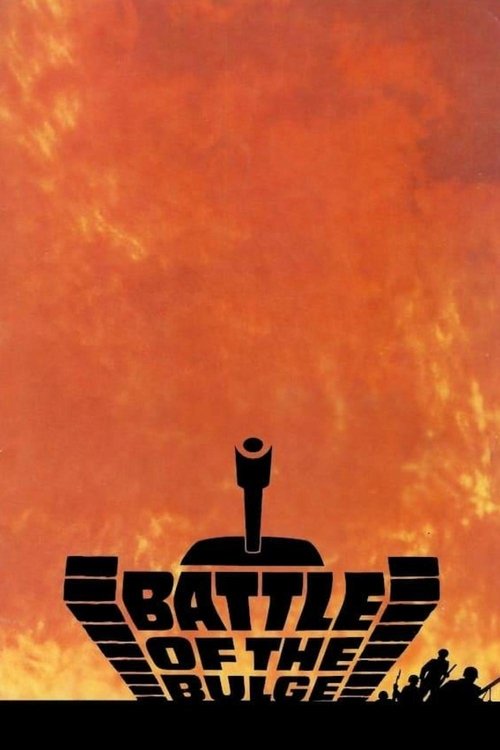
Battle of the Bulge
1965In the winter of 1944, the Allied Armies stand ready to invade Germany at the coming of a New Year. To prevent it, Hitler orders an all-out offensive to re-take French territory and capture the major port city of Antwerp.
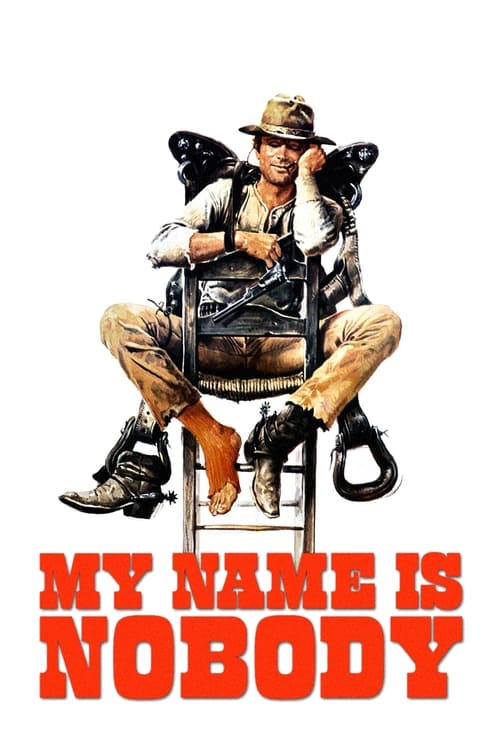
My Name Is Nobody
1973Jack Beauregard, an aging gunman of the Old West, only wants to retire in peace and move to Europe, but a young gunfighter known as "Nobody" who idolizes Beauregard wants him to go out in a blaze of glory. So, he arranges for Jack to face the 150-man gang known as The Wild Bunch and earn his place in history.
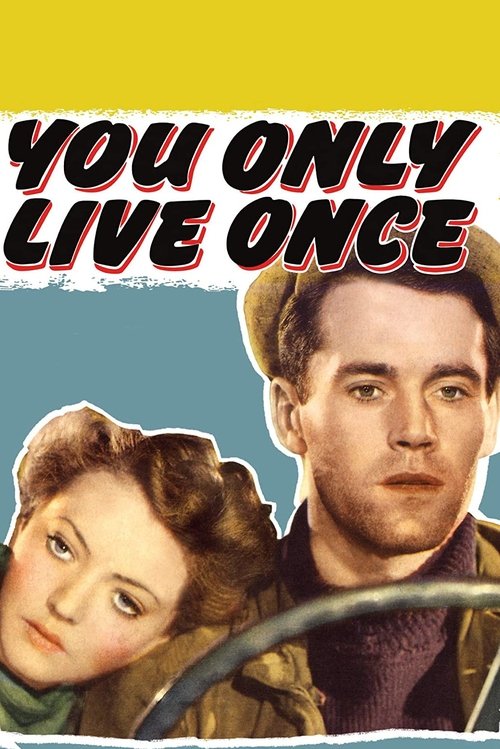
You Only Live Once
1937Based partially on the story of Bonnie and Clyde, Eddie Taylor is an ex-convict who cannot get a break after being released from prison. When he is framed for murder, Taylor is forced to flee with his wife Joan Graham and baby. While escaping prison after being sentenced to death, Taylor becomes a real murderer, condemning himself and Joan to a life of crime and death on the road.
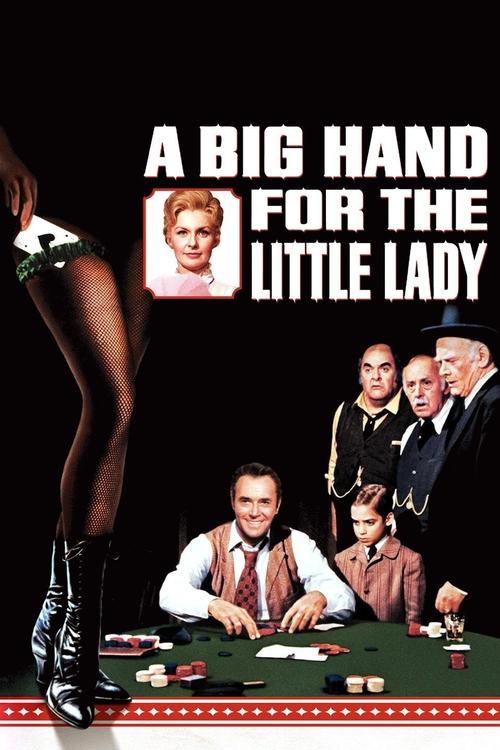
A Big Hand for the Little Lady
1966A naive traveler in Laredo gets involved in a poker game between the richest men in the area, jeopardizing all the money he has saved for the purpose of settling with his wife and child in San Antonio.
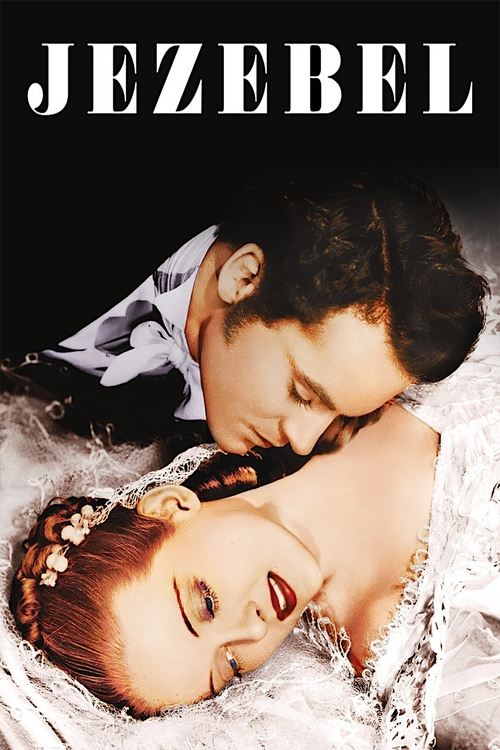
Jezebel
1938In 1850s Louisiana, the willfulness of a tempestuous Southern belle threatens to destroy all who care for her.
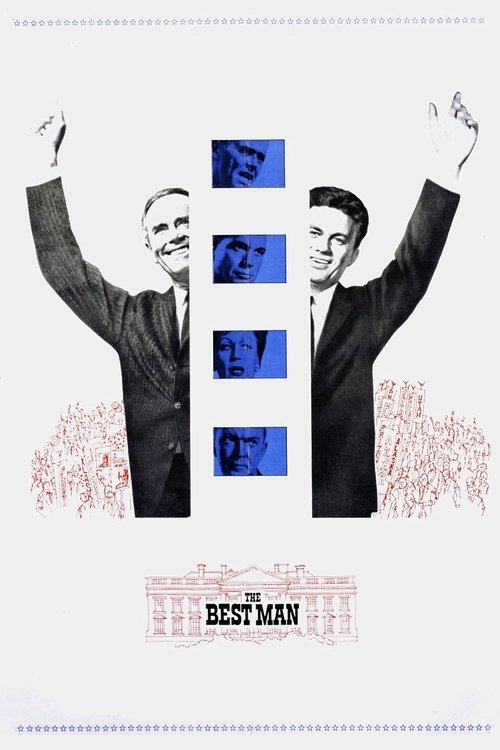
The Best Man
1964The other party is in disarray. Five men vie for the party nomination for president. No one has a majority as the first ballot closes and the front-runners begin to decide how badly they want the job.
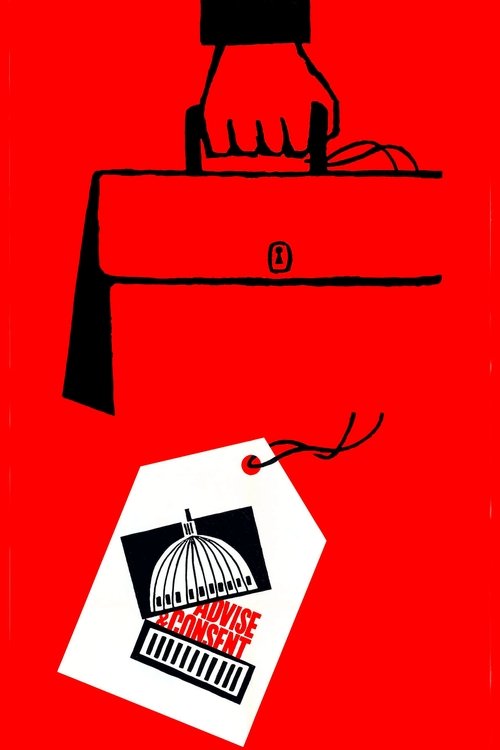
Advise & Consent
1962Proposed by the President of the United States to fill the post of Secretary of State, Robert Leffingwell appears before a Senate committee, chaired by the idealistic Senator Brig Anderson, which must decide whether he is the right person for the job.
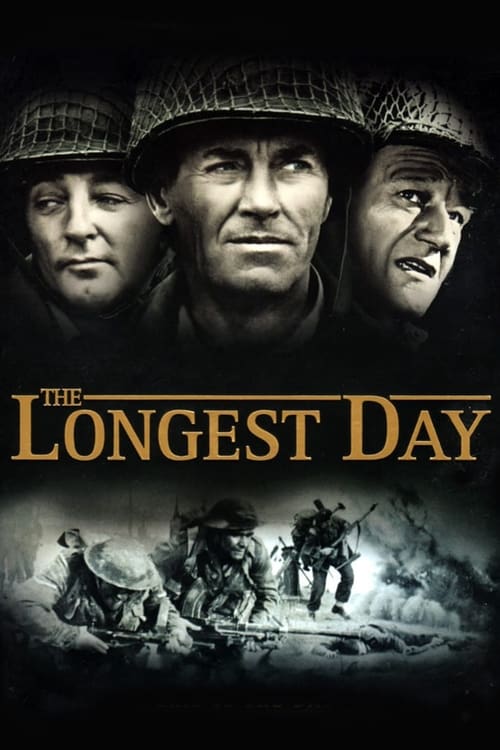
The Longest Day
1962The retelling of June 6, 1944, from the perspectives of the Germans, US, British, Canadians, and the Free French. Marshall Erwin Rommel, touring the defenses being established as part of the Reich's Atlantic Wall, notes to his officers that when the Allied invasion comes they must be stopped on the beach. "For the Allies as well as the Germans, it will be the longest day"
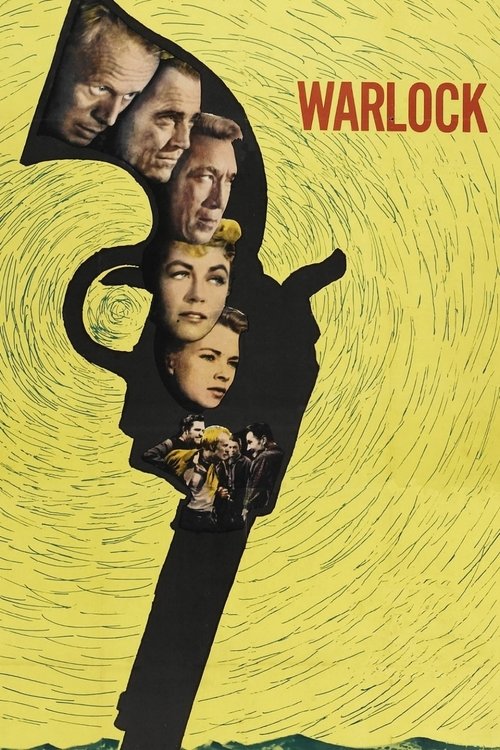
Warlock
1959A band of murderous cowboys has imposed a reign of terror on the town of Warlock. With the sheriff humiliatingly run out of town, the residents hire the services of Clay Blaisedell as de facto town marshal. He arrives along with his friend, Tom Morgan, and sets about restoring law and order on his own terms whilst also overseeing the establishment of a gambling house and saloon.
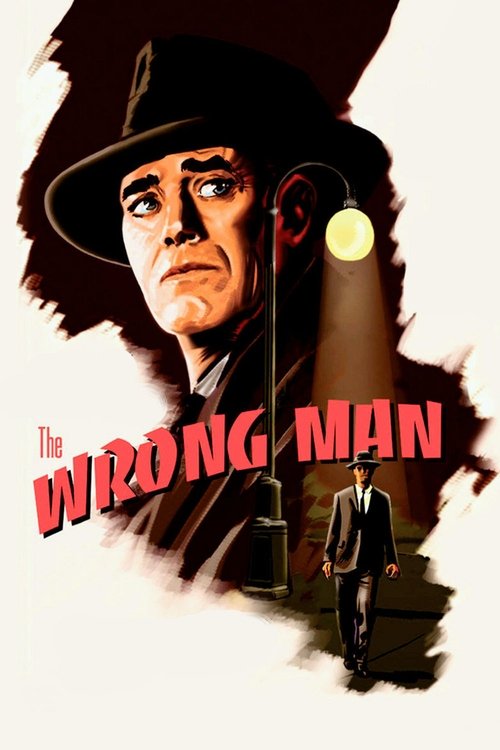
The Wrong Man
1956In 1953, an innocent man named Christopher Emmanuel "Manny" Balestrero is arrested after being mistaken for an armed robber.
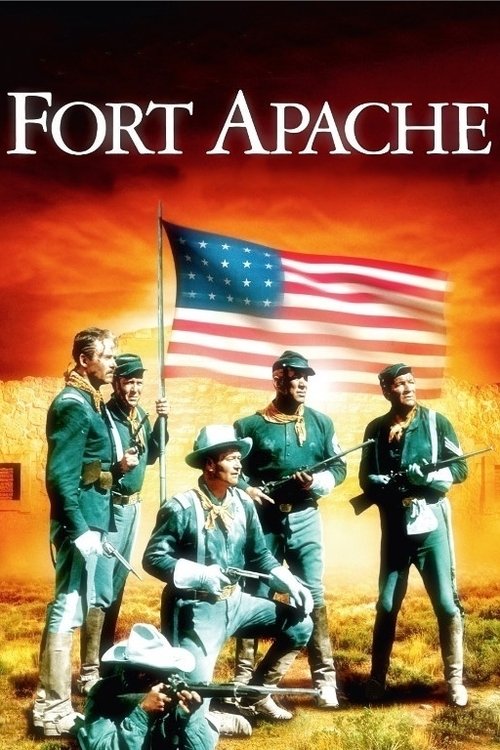
Fort Apache
1948Owen Thursday sees his new posting to the desolate Fort Apache as a chance to claim the military honour which he believes is rightfully his. Arrogant, obsessed with military form and ultimately self-destructive, he attempts to destroy the Apache chief Cochise after luring him across the border from Mexico, against the advice of his subordinates.
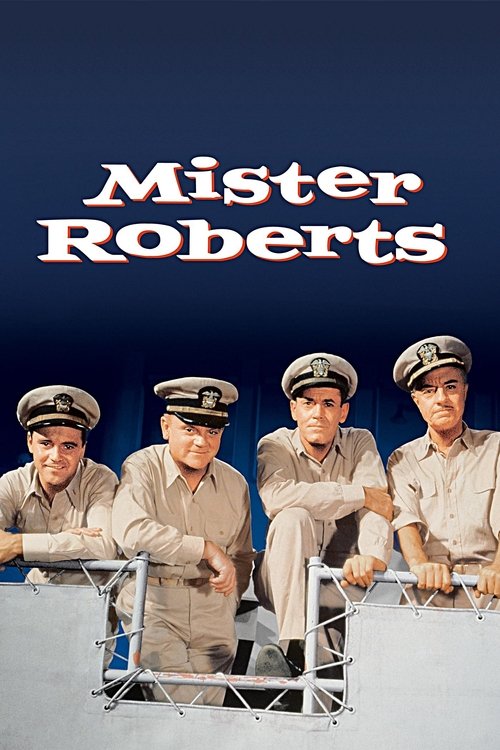
Mister Roberts
1955Mr. Roberts is a Navy officer who's yearning for battle but is stuck in the backwaters of World War II on a non-commissioned ship run by the bullying Captain Morton.
Returning to a role he had perfected on stage, Fonda portrays the quiet desperation of a man stuck in the backwaters of war. He captures the specific frustration of middle management with a dignity that ensures the character's mundane struggle feels genuinely monumental.
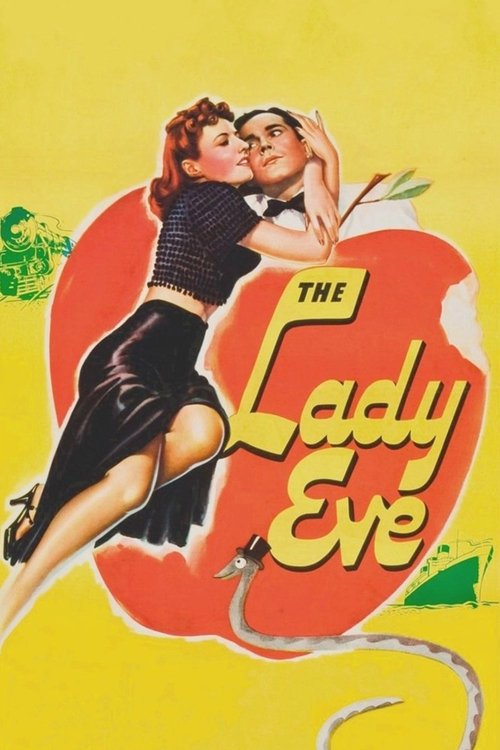
The Lady Eve
1941It's no accident when wealthy Charles falls for Jean. Jean is a con artist with her sights set on Charles' fortune. Matters complicate when Jean starts falling for her mark. When Charles suspects Jean is a gold digger, he dumps her. Jean, fixated on revenge and still pining for the millionaire, devises a plan to get back in Charles' life. With love and payback on her mind, she re-introduces herself to Charles, this time as an aristocrat named Lady Eve Sidwich.
Proving his range beyond somber dramas, Fonda excels as the delightfully baffled straight man to Barbara Stanwyck’s predatory charm. His wide eyed sincerity provides the perfect comedic foil, allowing him to lampoon his own reputation for being the most serious man in the room.
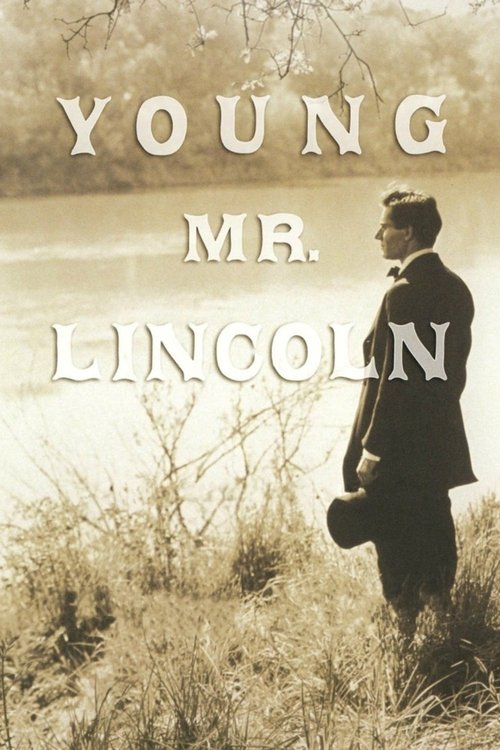
Young Mr. Lincoln
1939In this dramatized account of his early law career in Illinois, Abraham Lincoln is born into a modest log cabin, where he is encouraged by his first love, Ann Rutledge, to pursue law. Following her tragic death, Lincoln establishes a law practice in Springfield, where he meets a young Mary Todd. Lincoln's law skills are put to the test when he takes on the difficult task of defending two brothers who have been accused of murder.
Long before he was the elder statesman of Hollywood, Fonda captured the awkward, gangly earnestness of a young Abe Lincoln. He avoids the traps of hagiography by grounding the future president in a physical clumsiness and a sharp, folksy legal mind.
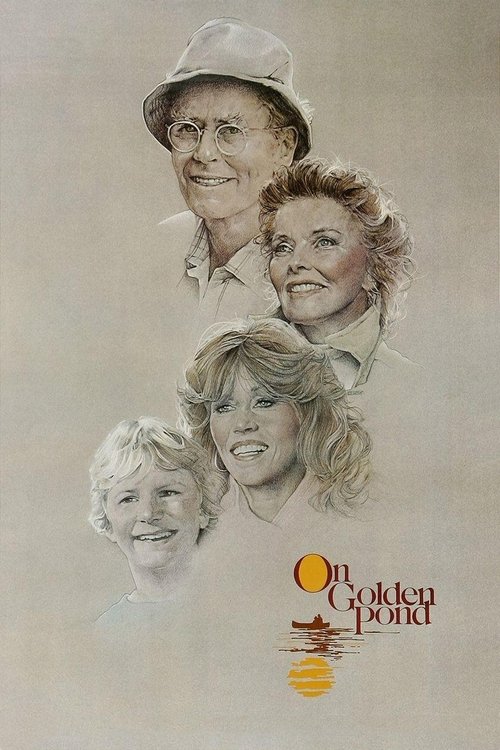
On Golden Pond
1981For Norman and Ethel Thayer, this summer on golden pond is filled with conflict and resolution. When their daughter Chelsea arrives, the family is forced to renew the bonds of love and overcome the generational friction that has existed for years.
In this final curtain call, Fonda sheds his trademark stoicism to reveal a vulnerable, prickly mortality. This performance served as a poignant reconciliation with his own legacy, earning him the long-overdue industry validation that his storied career had always deserved.
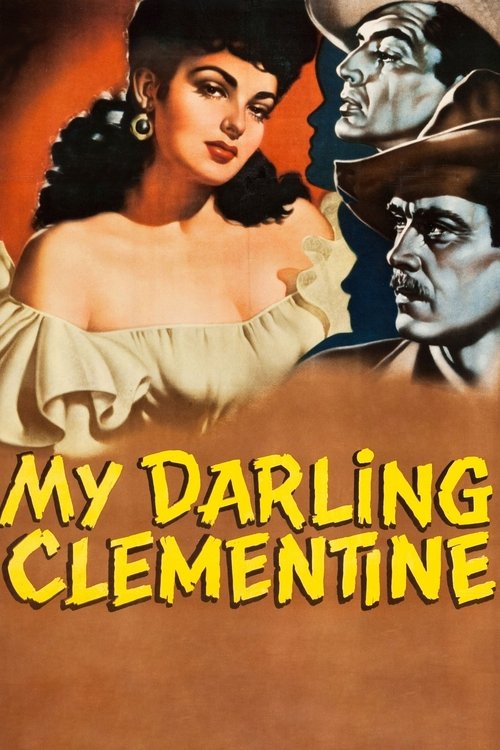
My Darling Clementine
1946Three brothers stop off for a night in the town of Tombstone. The next morning they find one of their brothers dead and their cattle stolen. They decide to take revenge on the culprits.
Fonda’s Wyatt Earp is a study in poetic stillness, moving with a deliberate grace that suggests a man trying to civilize himself along with the town. Under John Ford’s direction, he crafts a mythological yet deeply human lawman who remains the benchmark for the genre's shift toward the melancholic.
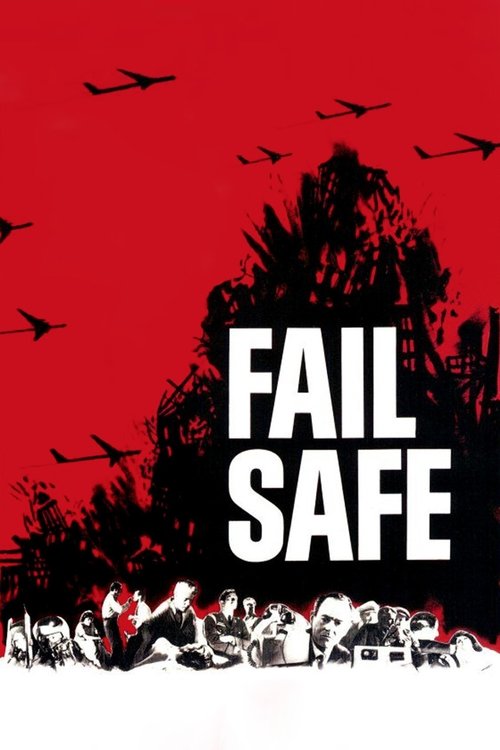
Fail Safe
1964Because of a technical defect an American bomber team mistakenly orders the destruction of Moscow. The President of the United States has but little time to prevent an atomic catastrophe from occurring.
Trapped in a claustrophobic phone booth for much of the runtime, Fonda anchors this nuclear thriller with a performance of excruciating restraint. His ability to convey the weight of global annihilation through a cracking voice cements his status as the premier actor of principled crises.
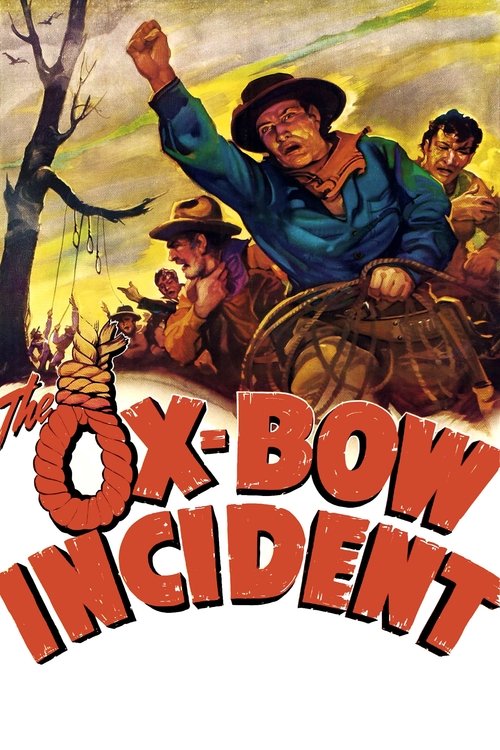
The Ox-Bow Incident
1943A posse discovers a trio of men they suspect of murder and cow theft and are split between handing them over to the law or lynching them on the spot.
Fonda provides a masterclass in helpless indignation, playing the rare Western protagonist who cannot stop the tragedy he witnesses. It is a bleak, vital entry in his filmography that stripped away the myth of frontier justice to reveal the raw nerves of mob mentality.
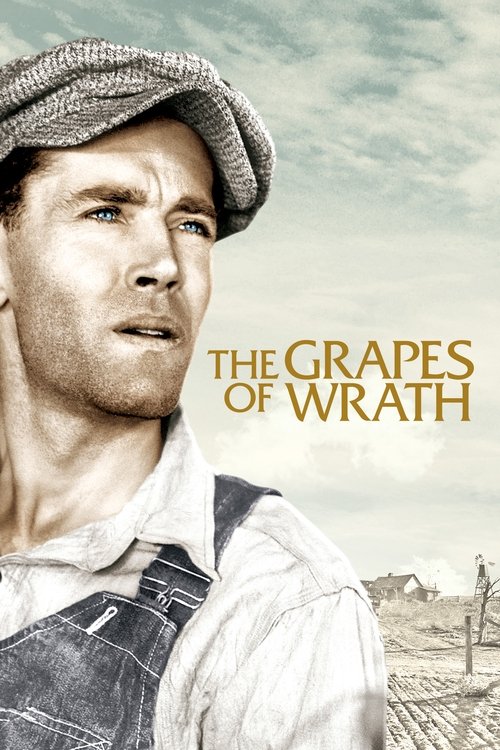
The Grapes of Wrath
1940Tom Joad returns to his home after a jail sentence to find his family kicked out of their farm due to foreclosure. He catches up with them on his Uncle’s farm, and joins them the next day as they head for California and a new life... Hopefully.
As Tom Joad, Fonda becomes the visceral bridge between personal struggle and the plight of the common man. His weary, haunted intensity captures the disillusionment of the Great Depression, marking the definitive transition of his career into a symbol of the national conscience.
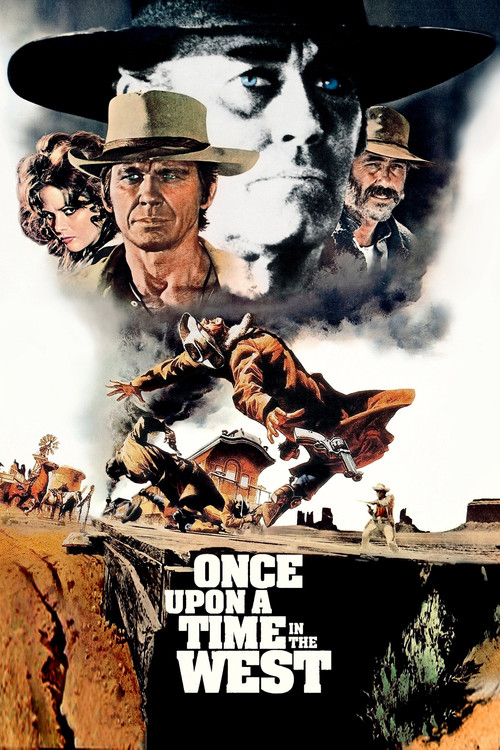
Once Upon a Time in the West
1968As the railroad builders advance unstoppably through the Arizona desert on their way to the sea, Jill arrives in the small town of Flagstone with the intention of starting a new life.
In a shocking subversion of his heroic archetype, Fonda uses those icy blue eyes to project a terrifying, soul-deep cruelty. By casting the face of American virtue as a child-killing mercenary, Sergio Leone forever altered the landscape of the Western and liberated Fonda from his own goodness.
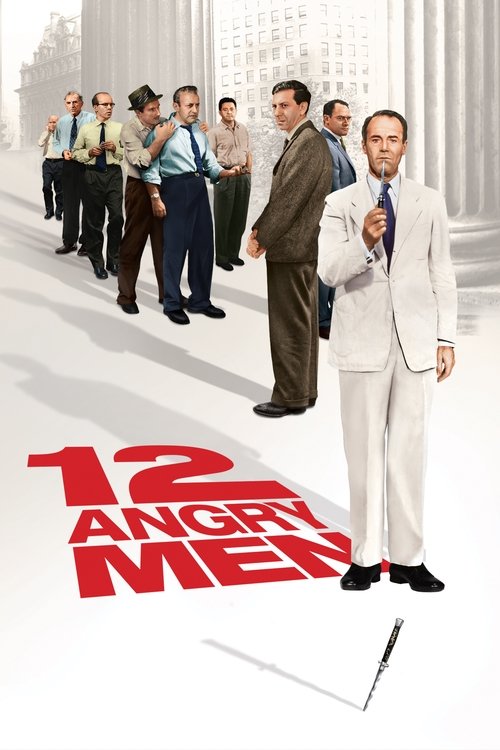
12 Angry Men
1957The defense and the prosecution have rested and the jury is filing into the jury room to decide if a young Spanish-American is guilty or innocent of murdering his father. What begins as an open and shut case soon becomes a mini-drama of each of the jurors' prejudices and preconceptions about the trial, the accused, and each other.
Fonda personifies the unwavering moral compass of mid-century American cinema, weaponizing quiet logic to dismantle a room’s collective prejudice. This role stands as the ultimate thesis on his screen persona, proving that a single voice of reason can be more cinematic than a thousand explosions.
Frequently Asked Questions
Everything you need to know about this list and SnakeDrafts
- The movie featuring Henry Fonda in a tense jury room setting is '12 Angry Men' (1957), directed by Sidney Lumet. It is acclaimed for its intense drama and Fonda's compelling performance as a principled juror.
- Henry Fonda starred in the classic Western 'Once Upon a Time in the West' (1968), directed by Sergio Leone. This film is celebrated for Leone's stylistic direction and Fonda's memorable role as a villain, which was a departure from his usual characters.
- 'The Grapes of Wrath' (1940), directed by John Ford, depicts Henry Fonda as Tom Joad, a family man enduring the hardships of the Great Depression. The film is a landmark American drama that highlights social issues and Fonda's powerful performance.
- 'Fail Safe' (1964) is the notable thriller on the list featuring Henry Fonda. Directed by Sidney Lumet, the film deals with the tension of Cold War nuclear threat and showcases Fonda in a commanding role of a U.S. Air Force general.
- 'The Ox-Bow Incident' (1943) is a Western drama starring Henry Fonda that powerfully explores themes of justice and mob mentality. The film is noted for its grim portrayal of frontier justice and Fonda's earnest portrayal of a principled citizen.
- Yes, Henry Fonda starred in 'The Lady Eve' (1941), a romantic comedy directed by Preston Sturges. The film is praised for its witty screenplay and Fonda's charming chemistry with co-star Barbara Stanwyck.
- 'On Golden Pond' (1981) features Henry Fonda in an Oscar-winning role where he reflects on aging and reconciliation within his family. The film is notable for its heartfelt drama and Fonda's profound performance as an elderly patriarch.