A Ranking of Elia Kazan's Best Films
The Master of Method and Psychological Realism
Discover the essential films of Elia Kazan, from powerhouse dramas to Oscar-winning masterpieces that defined American cinema and method acting.
About Elia Kazan
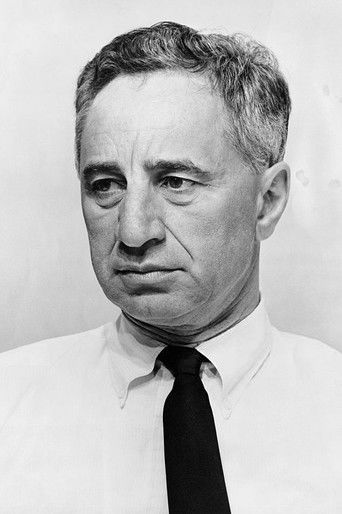
To understand the modern American actor, one must first understand the psychological architecture built by Elia Kazan. He was less a traditional filmmaker and more a master of human excavation, a director who treated the movie camera like a surgical tool designed to peel back the skin and reveal the nervous system underneath. His sets were the breeding ground for a seismic shift in performance, moving away from theatrical artifice toward a raw, fumbling, and visceral reality that forever altered the landscape of cinema.
What distinguishes his work is an almost predatory pursuit of emotional truth. In A Streetcar Named Desire, he didn't just adapt a play; he trapped his audience in the humid, claustrophobic decay of a New Orleans tenement. By harnessing Marlon Brando's primal energy, he introduced a generation to the idea that a protagonist could be both magnetic and repulsive. He repeated this magic with James Dean in East of Eden, capturing a jittery, adolescent vulnerability that felt so spontaneous it seemed as if the film were capturing a private breakdown in real time. Kazan possessed a unique ability to coax performances that bypassed the brain and hit the gut, favoring the messy stumble of life over the rehearsed polish of the old studio system.
His visual language evolved into something deeply textured and often haunting. On the Waterfront remains the definitive example of his gritty social realism, where the gray fog of the Hoboken docks mirrors the internal fog of a conscience in crisis. He had a gift for placing characters within environments that suffocated them, whether it was the scorched southern landscapes of Baby Doll or the encroaching industrialization found in Wild River. Even his earlier forays into social commentary, such as the blistering look at antisemitism in Gentleman's Agreement or the racial tensions of Pinky, crackled with a tension that felt dangerous because it was so grounded in the domestic and the everyday.
Beyond the intensity of his dramas, Kazan was a profound satirist of the American machine. In A Face in the Crowd, he predicted the terrifying intersection of media celebrity and political power with a cynicism that feels more prophetic today than it did in the fifties. This fascination with the American psyche continued in his deeply personal America America, where he traded the shadows of Film Noir seen in Panic in the Streets for an epic, immigrant journey that felt like an ancestral heartbeat.
Ultimately, his legacy is one of beautiful, agonizing contradiction. He was the director who understood the cost of betrayal and the weight of silence better than any of his peers. While films like Splendor in the Grass and A Tree Grows in Brooklyn showcase his talent for mining the poignant tragedies of the family unit, the core of his vision always returned to the individual standing alone against a crushing world. He taught us that the most cinematic thing on earth wasn't a sprawling vista or a grand explosion, but the twitch of an eyelid or the cracking of a voice when a person finally runs out of places to hide.
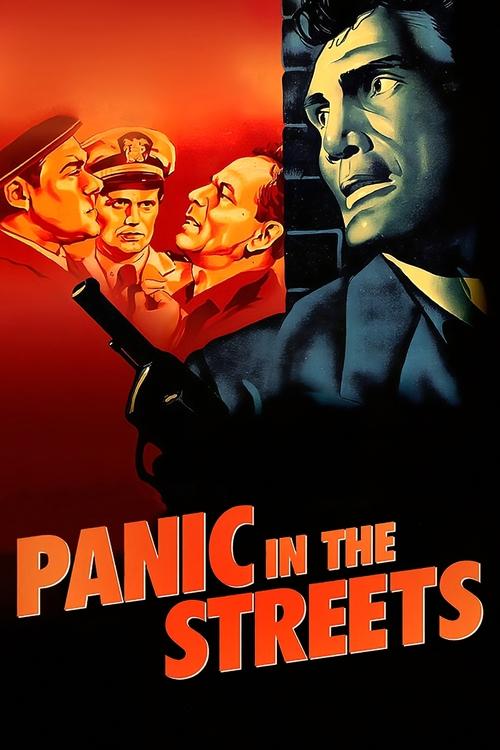
Panic in the Streets
1950A medical examiner discovers that an innocent shooting victim in a robbery died of bubonic plague. With only 48 hours to find the killer, who is now a ticking time bomb threatening the entire city, a grisly manhunt through the seamy underworld of the New Orleans Waterfront is underway.
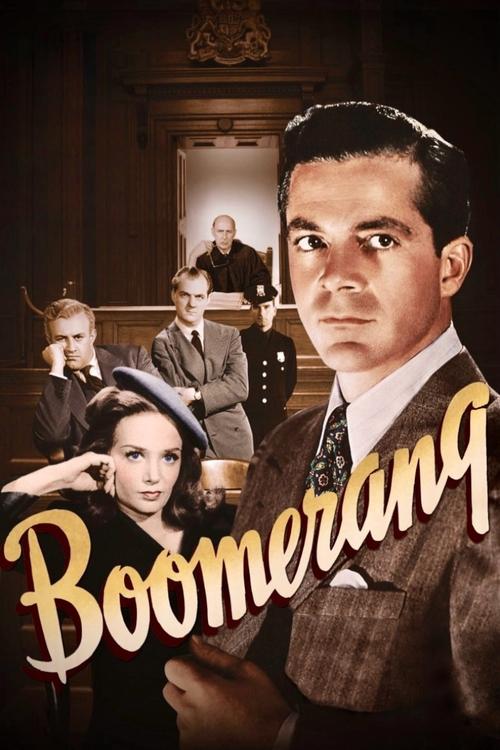
Boomerang!
1947When a kindly priest is murdered while waiting at a street corner in a quiet Connecticut town, the citizens are horrified and demand action from the police. All of the witnesses identify John Waldron, a nervous out-of-towner, as the killer. District Attorney Henry Harvey is then put on the case and faces political opposition in his attempt to prove Waldron's innocence.
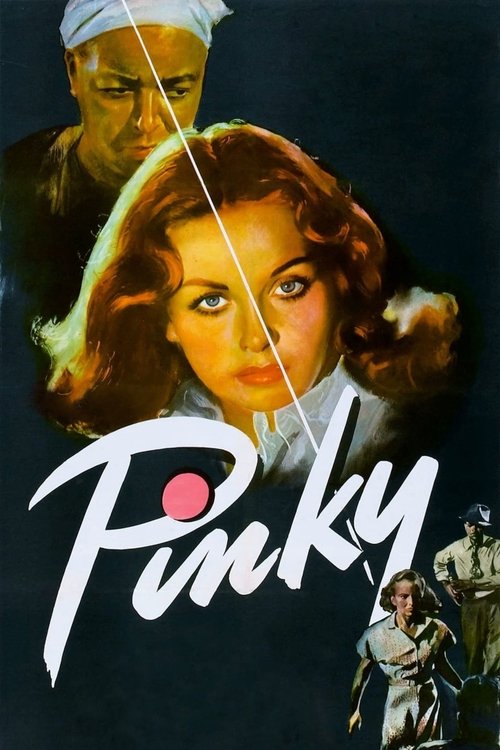
Pinky
1949Pinky, a light skinned black woman, returns to her grandmother's house in the South after graduating from a Northern nursing school. Pinky tells her grandmother that she has been "passing" for white while at school in the North. In addition, she has fallen in love with a young white doctor, who knows nothing about her black heritage.

Baby Doll
1956Archie Lee Meighan is a failing cotton gin owner who is married to Baby Doll, a 19-year old childlike beauty whose father arranged the marriage for financial reasons. As Archie awaits the arrival of Baby Doll's 20th birthday, the day that they are supposed to consummate their marriage, he faces interference from business rival Silva Vacarro, who plots to seduce Baby Doll away from Meighan.
Provocative and dripping with Southern Gothic humidity, this film pushes the boundaries of censorship through its bold exploration of taboo and squalor. Kazan’s direction is playfully transgressive, finding a dark, satirical humor in the decay of a crumbling domestic landscape.
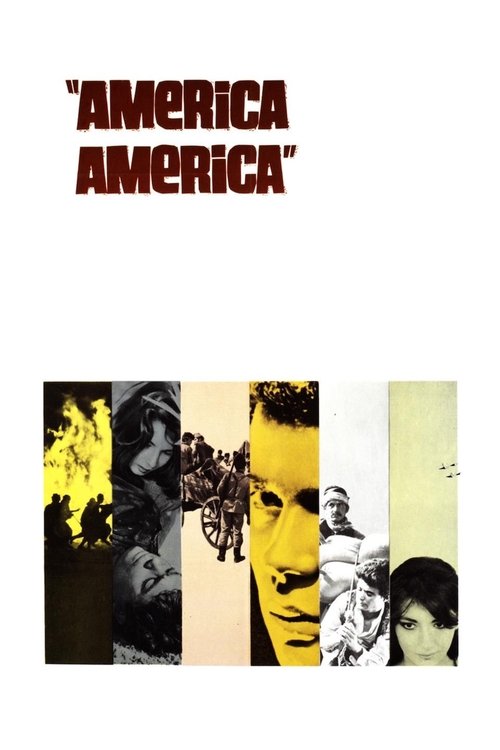
America America
1963A young Anatolian Greek, entrusted with his family's fortune, loses it en route to Istanbul and dreams of going to America.
Brutally personal and sprawling in scope, this immigrant odyssey serves as a monumental tribute to the director’s own ancestral roots. The film’s rhythmic editing and visual grit emphasize the physical and spiritual cost of pursuit, marking it as Kazan’s most intimate epic.
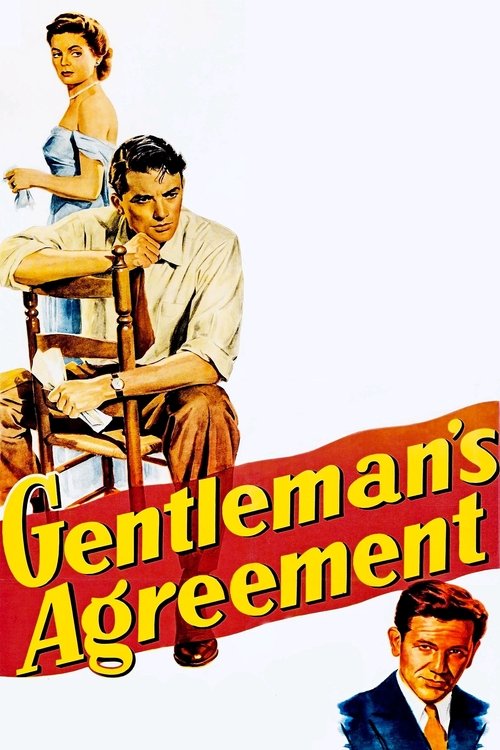
Gentleman's Agreement
1947A magazine writer poses as a Jew to expose anti-Semitism.
Kazan utilizes a sterile, professional aesthetic to expose the pervasive rot of polite bigotry within the upper echelons of society. Its legacy rests on the director’s willingness to confront uncomfortable sociological truths through a lens of controlled, intellectual indignation.
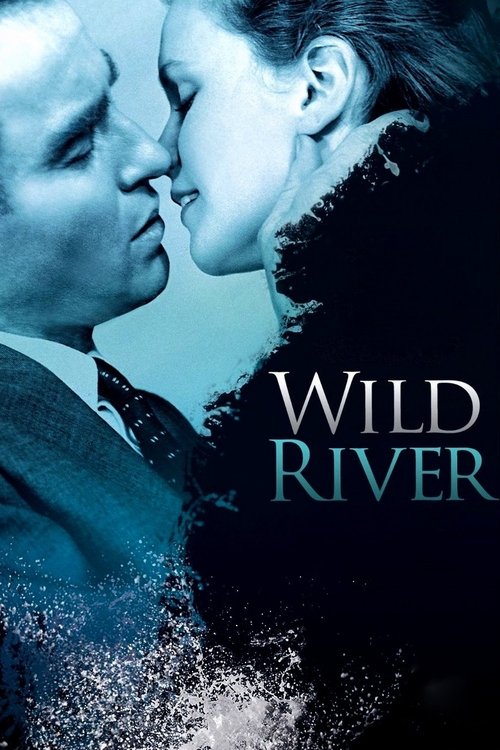
Wild River
1960A young bureaucrat for the Tennessee Valley Authority goes to rural Tennessee to oversee the building of a dam. He encounters opposition from the local people, in particular a farmer who objects to his employment (with pay) of local black laborers. Much of the plot revolves around the eviction of a stubborn octogenarian from her home on an island in the river, and the young man's love affair with that woman's widowed granddaughter. Preserved by the Academy Film Archive in partnership with The Film Foundation.
A masterful exercise in visual storytelling, this film pits the inevitability of industrial progress against the stubborn dignity of personal history. Kazan’s use of light and landscape reflects a rare, elegiac sensitivity to the shifting tides of the American spirit.
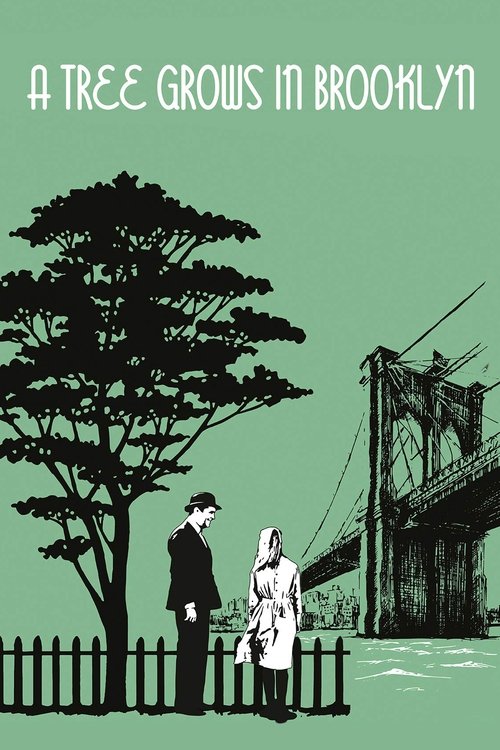
A Tree Grows in Brooklyn
1945In Brooklyn circa 1900, the Nolans manage to enjoy life on pennies despite great poverty and Papa's alcoholism. We come to know these people well through big and little troubles: Aunt Sissy's scandalous succession of "husbands"; the removal of the one tree visible from their tenement; and young Francie's desire to transfer to a better school...if irresponsible Papa can get his act together.
In his debut feature, Kazan displays an immediate mastery of spatial intimacy and atmospheric texture within a traditional studio framework. He avoids sentimental traps by grounding the narrative in a tactile, lived-in realism that prioritizes character nuance over melodrama.
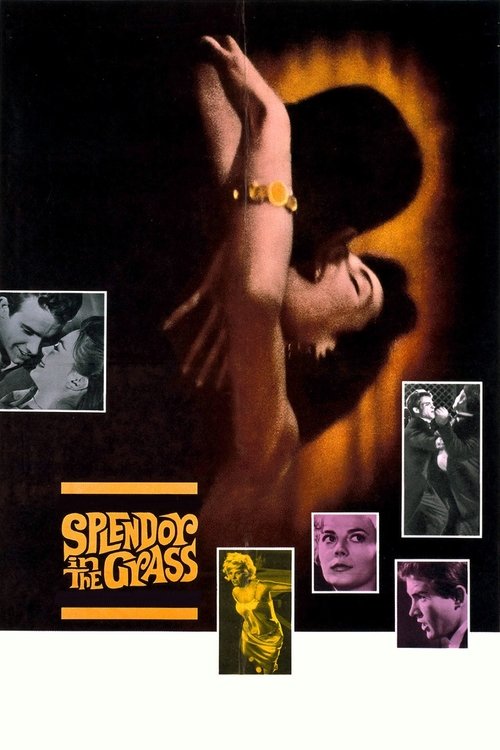
Splendor in the Grass
1961A fragile Kansas girl's unrequited and forbidden love for a handsome young man from the town's most powerful family drives her to heartbreak and madness.
This saturated, feverish exploration of sexual repression and societal expectation showcases Kazan’s unique ability to choreograph emotional fragility. The director meticulously balances a sense of nostalgic longing with the harsh, breaking-point intensity of adolescent desire.
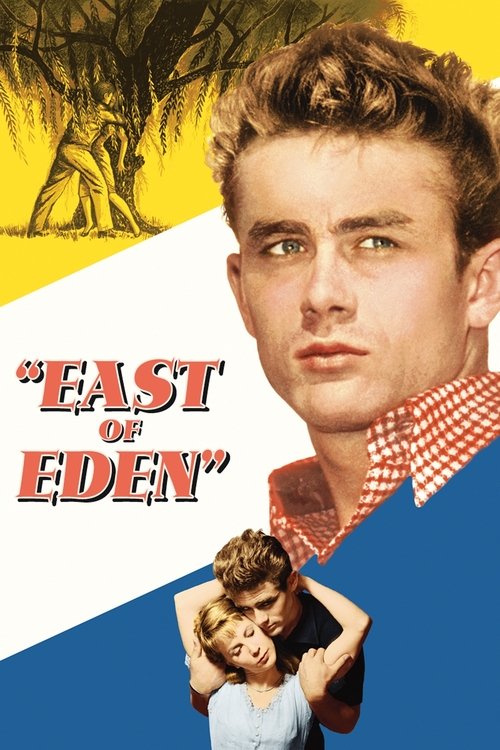
East of Eden
1955In the Salinas Valley in and around World War I, Cal Trask feels he must compete against overwhelming odds with his brother for the love of their father. Cal is frustrated at every turn, from his reaction to the war, how to get ahead in business and in life, and how to relate to his estranged mother.
Exploring the jagged edges of youthful alienation, Kazan utilizes the vastness of CinemaScope to externalize the internal turbulence of familial rejection. It is a visually lush, expressionistic achievement that captures the volatile energy of a new generation’s rebellion.
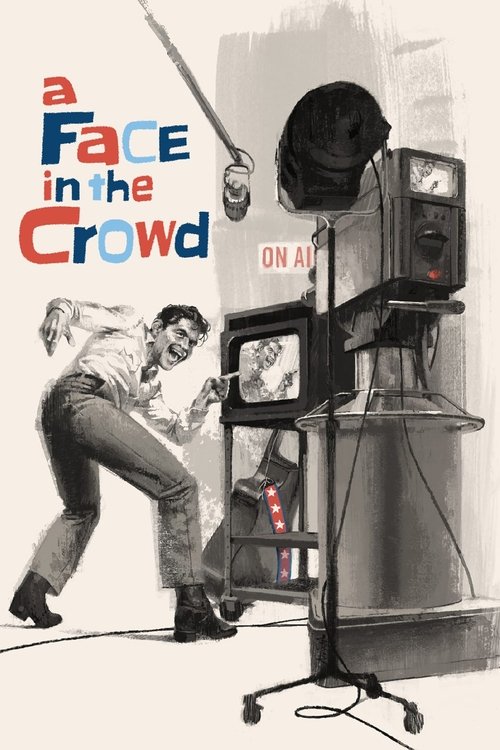
A Face in the Crowd
1957The rise of a raucous hayseed named Lonesome Rhodes from itinerant Ozark guitar picker to local media rabble-rouser to TV superstar and political king-maker. Marcia Jeffries is the innocent Sarah Lawrence girl who discovers the great man in a back-country jail and is the first to fall under his spell.
Decades ahead of its time, this prophetic masterpiece deconstructs the terrifying intersection of mass media charisma and populist demagoguery. Kazan’s cynical, high-energy framing exposes the machinery of manufactured celebrity with a sharp-edged skepticism that feels increasingly relevant today.
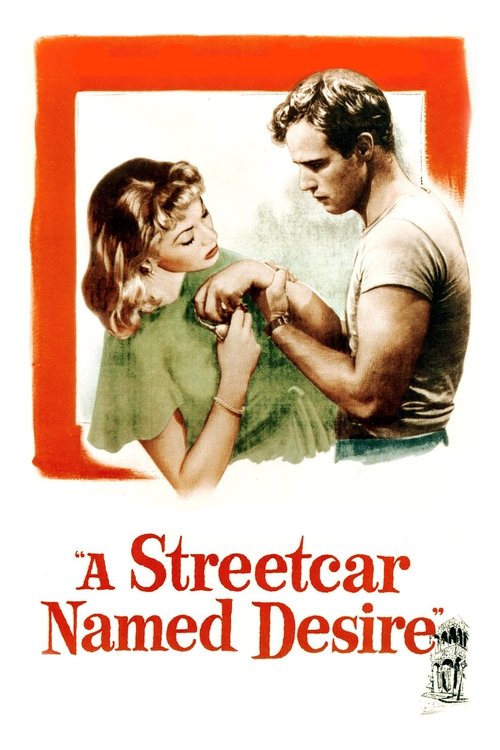
A Streetcar Named Desire
1951A disturbed, aging Southern belle moves in with her sister for solace — but being face-to-face with her brutish brother-in-law accelerates her downward spiral.
Kazan translates Tennessee Williams’s poetic claustrophobia into a visceral sensory experience that shattered the artifice of 1950s studio filmmaking. The camera acts as a psychological provocateur, capturing a raw, animalistic tension that permanently shifted the trajectory of screen performance.
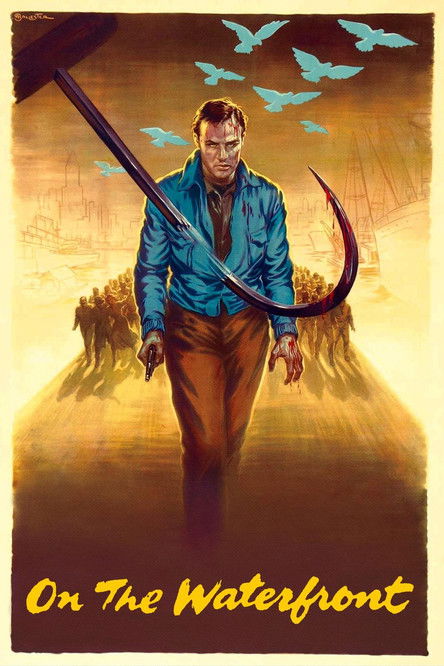
On the Waterfront
1954A prizefighter-turned-longshoreman with a conscience goes up against labor leaders to expose corruption, extortion, and murder among the union ranks.
A landmark of Method naturalism, this gritty urban symphony weaponizes social realism to redefine the cinematic hero through moral compromise. Kazan’s direction fuses documentary-style urgency with an operatic emotional depth that remains the gold standard for American ensemble acting.
Frequently Asked Questions
Everything you need to know about this list and SnakeDrafts
- Elia Kazan's films frequently delve into intense human emotions, social issues, and psychological conflicts. His movies like 'On the Waterfront' and 'A Streetcar Named Desire' explore themes of personal morality, power struggles, and raw interpersonal dynamics.
- Kazan pioneered a new level of realism through method acting and intimate character studies. His films, such as 'East of Eden' and 'Splendor in the Grass,' showcase a raw, visceral storytelling style that helped define modern American acting and cinematic narrative.
- While Elia Kazan's work spans multiple genres, he is particularly noted for his powerful dramas that often incorporate elements of romance and thriller. Films like 'A Face in the Crowd' combine drama with psychological tension, while 'Panic in the Streets' blends crime and thriller elements.
- 'On the Waterfront' is a quintessential example where Kazan uses character complexity and moral dilemmas to drive the narrative. This film highlights his mastery in extracting profound performances and exploring the human condition.
- Yes, several of Kazan's films earned critical acclaim and major awards. For instance, 'On the Waterfront' won multiple Oscars, cementing his legacy as a director who expertly combined artistic vision with social commentary.
- Films like 'A Streetcar Named Desire' and 'East of Eden' demonstrate Kazan's skill in translating complex literary characters and themes to the screen with emotional depth and realism. His adaptations are noted for honoring the source material while enhancing character psychology through innovative direction.
- Social commentary is a significant element in Kazan’s work, often addressing issues like corruption, prejudice, and identity. 'Gentleman's Agreement' tackles anti-Semitism head-on, reflecting Kazan's commitment to socially conscious storytelling.