Audrey Hepburn's Greatest Movies Ranked
The Definitive Guide to Hollywood's Eternal Icon
Explore the most legendary films of Audrey Hepburn, from her Oscar-winning breakout in Roman Holiday to the chic sophistication of Breakfast at Tiffany's.
About Audrey Hepburn
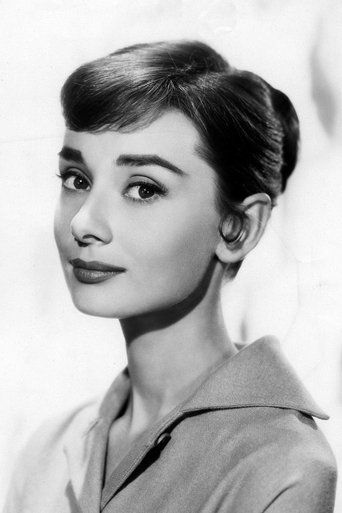
In an era of Hollywood dominated by the heavy curves and blonde bombshell energy of Marilyn Monroe, a gamine brunette with the posture of a prima ballerina and the eyes of a silent film star arrived to rewrite the rules of stardom. Audrey Hepburn did not just act; she curated a silhouette that redefined mid-century elegance. While her peers were playing broad characters with breathy voices, she brought a sharp, continental intelligence to the screen, blending a fragile grace with a surprisingly steely resolve.
The world fell for her practically overnight during the Vespa-fueled escapades of Roman Holiday. It was a debut that secured her an Oscar and established the blueprint for her appeal: the royal who yearns for the common experience, radiating a magnetism that felt both aspirational and deeply intimate. This charm deepened in Sabrina, where she transitioned from a chauffeur’s daughter to a vision in Givenchy, beginning a creative partnership that would cement her as the ultimate fashion icon. She possessed a rare ability to make high couture look like a natural extension of her personality rather than a costume.
Few roles carry the cultural weight of Holly Golightly in Breakfast at Tiffany’s. It is a testament to her skill that she transformed a character who was, on paper, a chaotic socialite into a symbol of urban sophistication and hidden vulnerability. Whether she was strumming a guitar on a fire escape or hiding behind oversized sunglasses, she made the audience feel the loneliness beneath the glamour. This capacity for internal nuance drove her more dramatic turns too. In The Nun's Story and The Children's Hour, she shed the pixie dust to explore heavy themes of faith and societal repression, proving she was more than just a manicured image.
Her versatility shone brightest when she stepped into the world of the thriller and the sophisticated romp. In Charade, she sparred with Cary Grant in a masterclass of chemistry and suspense, while How to Steal a Million showcased her impeccable comedic timing. Even when she went dark, as she did playing a blind woman terrorized in Wait Until Dark, her poise never faltered. She could transition from the musical theater heights of My Fair Lady or Funny Face to the gritty, non-linear heartbreak of Two for the Road without ever losing her core identity.
Audrey survived a childhood in war-torn Europe, and that history birthed the profound empathy she carried throughout her later life. By the time she appeared in the elegiac Robin and Marian, there was a lived-in wisdom to her performance that went beyond Hollywood artifice. Audiences connect with her because she represented a specific kind of dignity that survived the chaos of the twentieth century. She remains the gold standard for the transformative power of style, but it was the soulful depth beneath the pearls that turned her into an immortal figure of the silver screen.
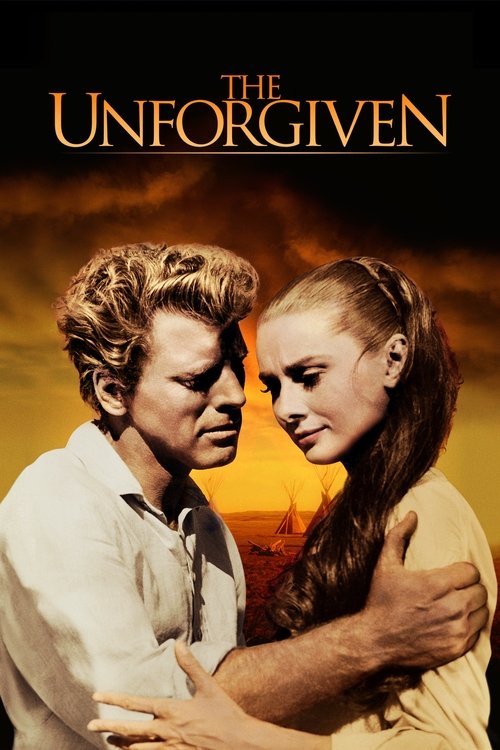
The Unforgiven
1960The neighbors of a frontier family turn on them when it is suspected that their beloved adopted daughter was stolen from the Kiowa tribe.
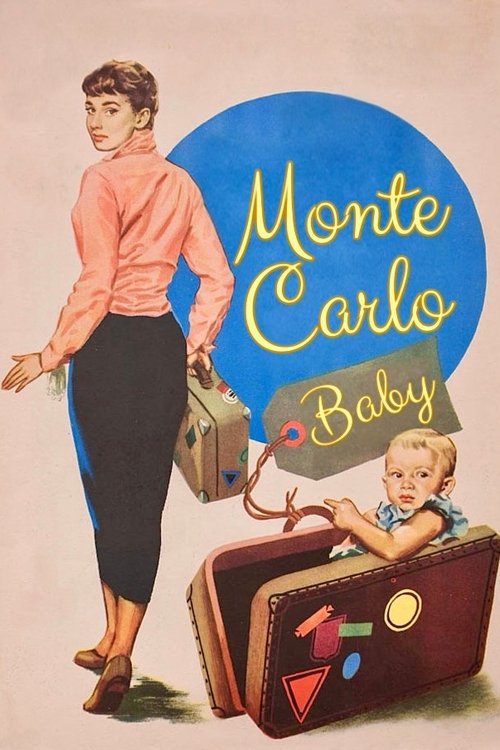
Monte Carlo Baby
1951When a measles epidemic forces the temporary closing of a child care center, the son of a film star and her estranged husband, a concert pianist, is mistakenly delivered to a touring musician.
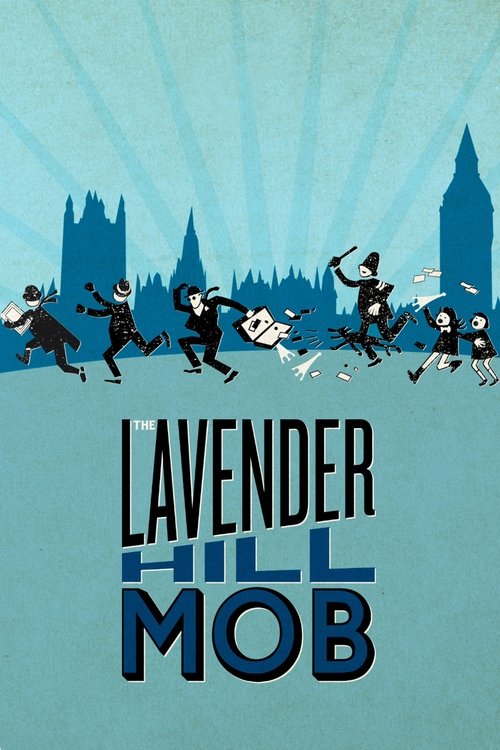
The Lavender Hill Mob
1951A meek bank clerk who oversees the shipments of bullion joins with an eccentric neighbor to steal gold bars and smuggle them out of the country.
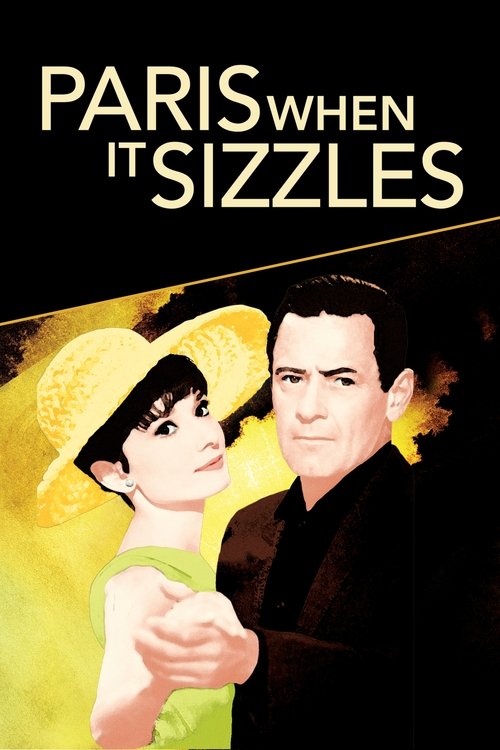
Paris When It Sizzles
1964Hollywood producer Alexander Meyerheimer has hired drunken writer Richard Benson to write his latest movie. Benson has been in Paris supposedly working on the script for months, but instead has spent the time living it up. Benson now has just two days to the deadline and thus hires a temporary secretary, Gabrielle Simpson, to help him finish on time.
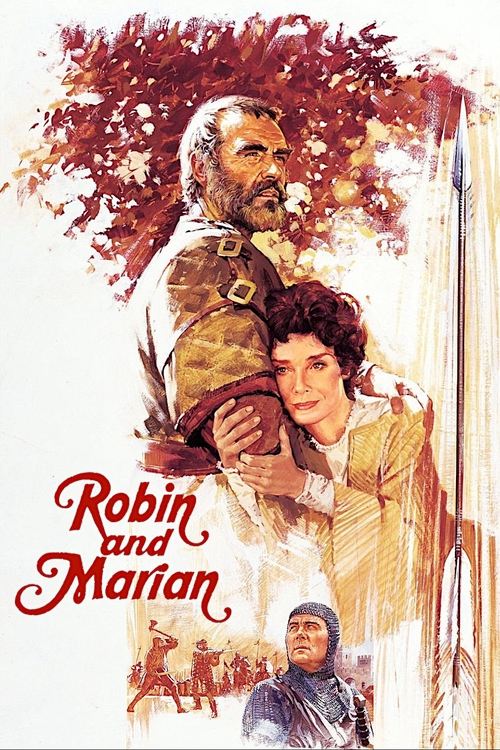
Robin and Marian
1976Robin Hood, aging none too gracefully, returns exhausted from the Crusades to woo and win Maid Marian one last time.
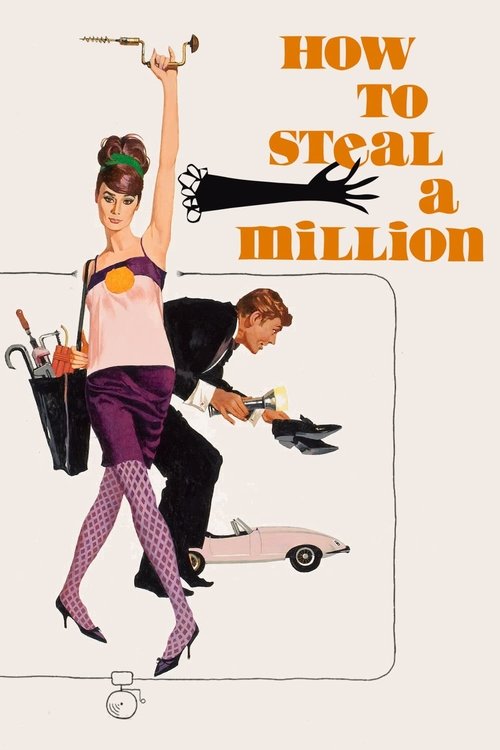
How to Steal a Million
1966A woman must steal a statue from a Paris museum to help conceal her father's art forgeries.
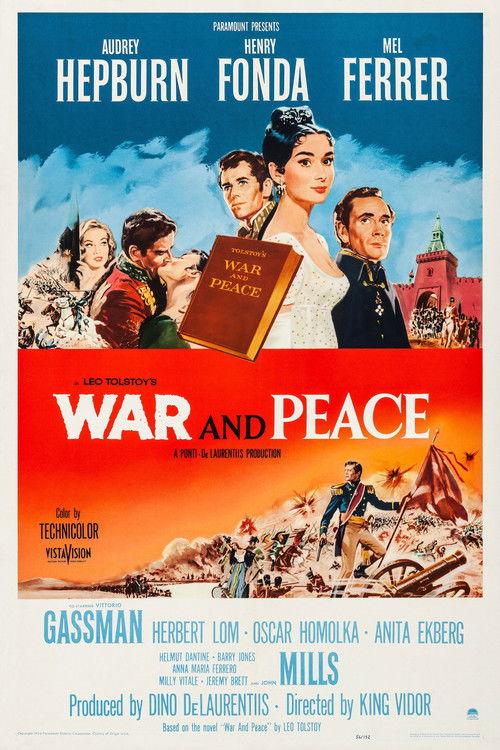
War and Peace
1956The love story of young Countess Natasha Rostova and Count Pierre Bezukhov is interwoven with the Great Patriotic War of 1812 against Napoleon's invading army.
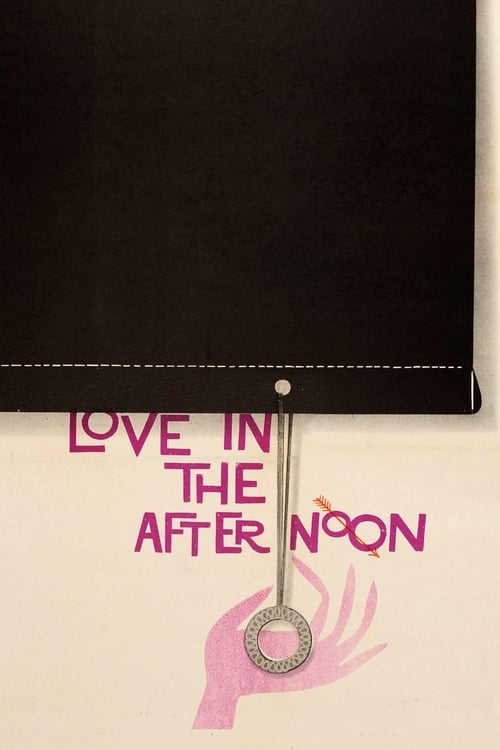
Love in the Afternoon
1957A middle-aged playboy becomes fascinated by the daughter of a private detective who has been hired to entrap him with a client's wife.
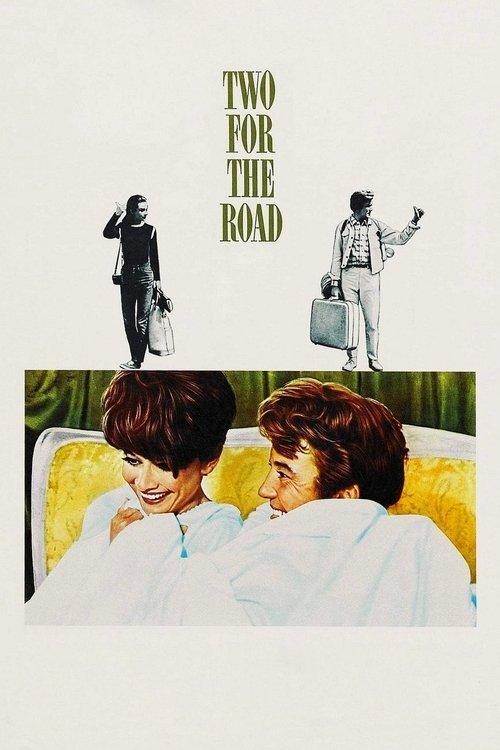
Two for the Road
1967Architect Mark Wallace and his wife, Joanna, travel to France to meet with an affluent client. While there, they reflect on their first decade of marriage -- memories of when they first met, of courtship, and of road trips through the French countryside. As flirtation and playful quarreling turn to boredom with the banality of married life, the Wallaces struggle to rekindle their passion, while mutual infidelity threatens to tear them apart.
Adopting a jagged, non-linear approach to a failing marriage, Hepburn reveals a rare cynical edge that cuts through her usual sweetness. Her performance is vital and modern, proving she could master the experimental textures of late-sixties European-style cinema.
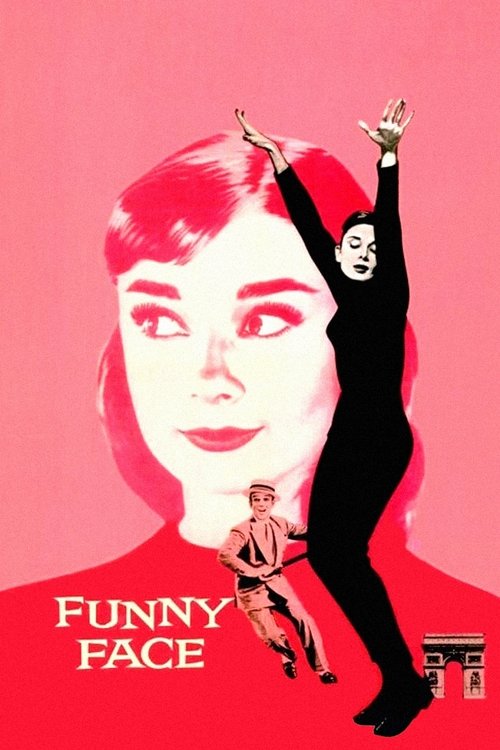
Funny Face
1957A shy Greenwich Village book clerk is discovered by a fashion photographer and whisked off to Paris where she becomes a reluctant model.
This Gershwin-scored fantasy allows Hepburn to lean into her background as a dancer, imbuing the Beatnik-turned-model role with rhythmic elegance. It stands as the quintessential marriage of her gamine charm and the high-fashion aesthetic that defined her public image.
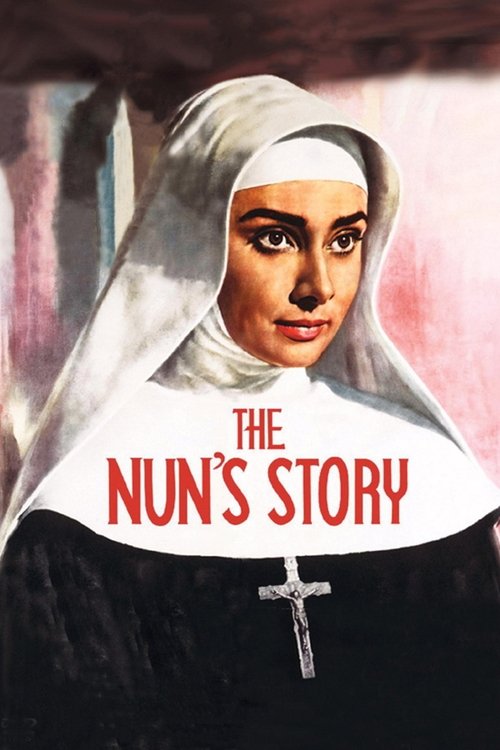
The Nun's Story
1959After leaving a wealthy Belgian family to become a nun, Sister Luke struggles with her devotion to her vows during crisis, disappointment, and World War II.
Frequently cited as her own personal favorite, this performance is a study in silence and internal conflict. Hepburn sheds the artifice of stardom to capture the grueling spiritual discipline and suppressed identity of a woman at odds with her vocation.
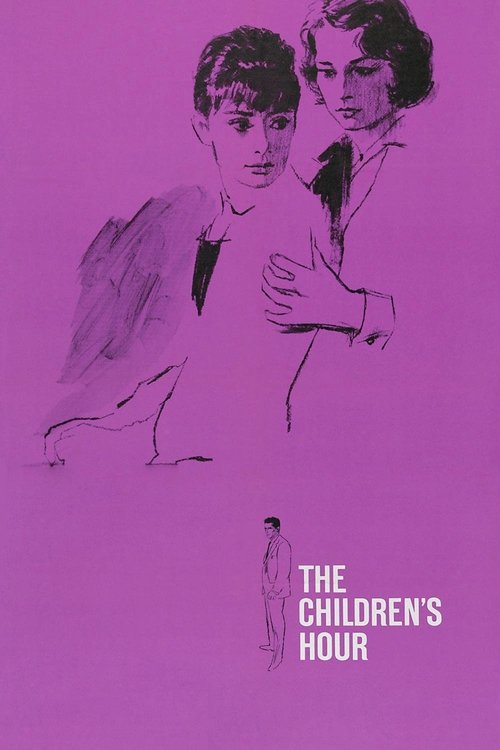
The Children's Hour
1961An unruly student at a private all-girls boarding school scandalously accuses the two women who run it of having a romantic relationship.
Hepburn anchors this provocative drama with a somber, understated dignity that allows the heavy subject matter to take center stage. Her restrained chemistry with Shirley MacLaine provides the film's moral compass, showcasing her ability to handle taboo narratives with profound sensitivity.
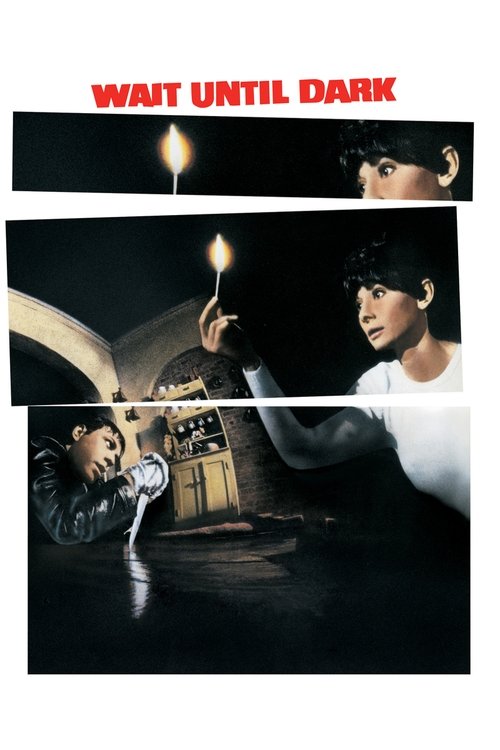
Wait Until Dark
1967After a flight back home, Sam Hendrix returns with a doll he innocently acquired along the way. As it turns out, the doll is actually stuffed with heroin, and a group of criminals led by the ruthless Roat has followed Hendrix back to his place to retrieve it. When Hendrix leaves for business, the crooks make their move -- and find his blind wife, Susy, alone in the apartment. Soon, a life-threatening game begins between Susy and the thugs.
Stripping away her usual glamour, Hepburn delivers a claustrophobic and physically demanding portrayal of resilience under siege. This pivot into psychological horror demonstrated a gritty dramatic range that many critics of the era had previously underestimated.
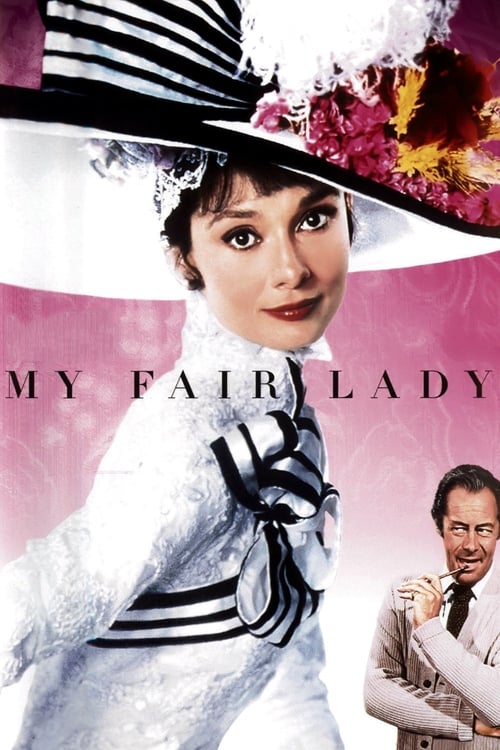
My Fair Lady
1964A snobbish phonetics professor agrees to a wager that he can take a flower girl and make her presentable in high society.
While her casting was initially mired in controversy, Hepburn brings a grit and vulnerability to Eliza Doolittle that transcends the vocal dubbing. She expertly tracks the character’s internal evolution, making the fiery independence of the final act feel entirely earned.
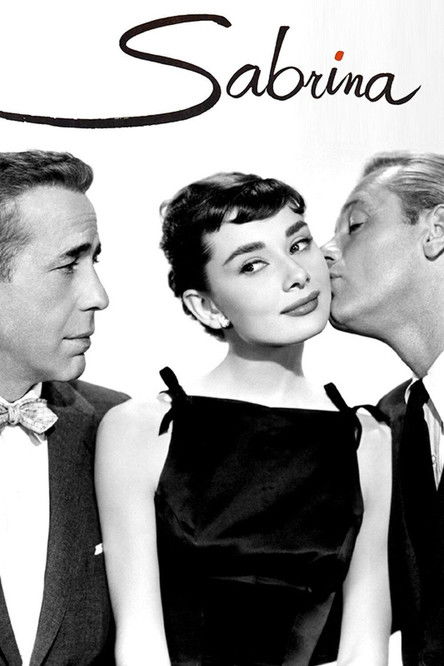
Sabrina
1954After her return from school in Paris, a playboy finally takes notice of his family's chauffeur's daughter Sabrina, who's long had a crush on him, but he questions his more serious brother's motives when he warns against getting involved with her.
Under Billy Wilder’s direction, Hepburn executes a breathtaking metamorphosis from a quiet wallflower into a Parisian sophisticate of unrivaled grace. The film serves as a masterclass in how her physical presence alone could command the romantic gravity of a scene.
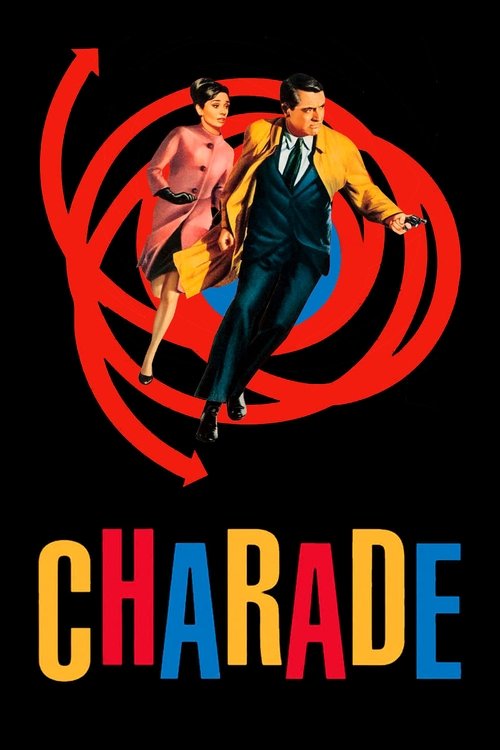
Charade
1963After Regina Lampert falls for the dashing Peter Joshua on a skiing holiday in the French Alps, she discovers upon her return to Paris that her husband has been murdered. Soon, she and Peter are giving chase to three of her late husband's World War II cronies, Tex, Scobie and Gideon, who are after a quarter of a million dollars the quartet stole while behind enemy lines.
Navigating a high-stakes Hitchcockian playground, Hepburn proves she is the rare ingenue capable of matching Cary Grant’s sophisticated comedic timing. Her work here highlights a sharp, chic intelligence that transitioned her career into more mature, taut thrillers.
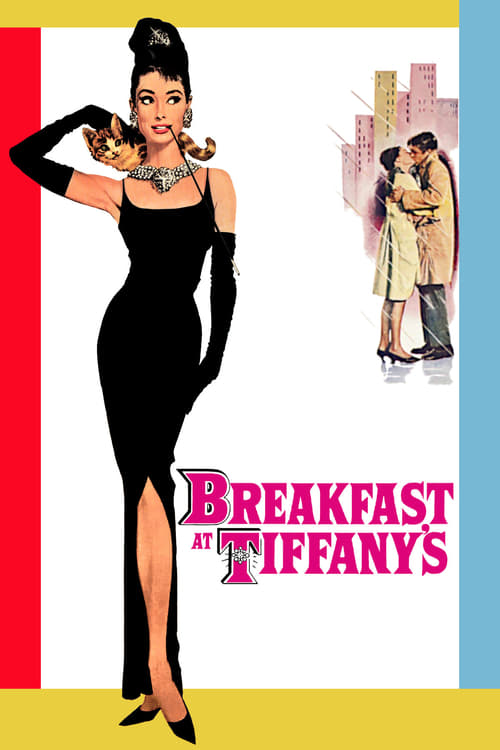
Breakfast at Tiffany's
1961Holly Golightly is an eccentric New York City playgirl determined to marry a Brazilian millionaire. But when young writer Paul Varjak moves into her apartment building, her past threatens to get in their way.
As Holly Golightly, Hepburn transformed a gritty Truman Capote character into an indelible fashion icon while grounding the socialite’s manic energy with a haunting sense of urban loneliness. It is the performance that cemented her status as the ultimate mid-century muse.
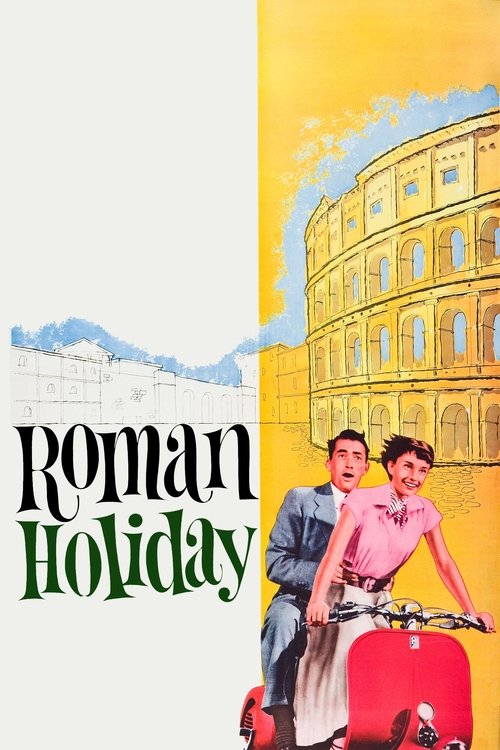
Roman Holiday
1953Overwhelmed by her suffocating schedule, touring European princess Ann takes off for a night while in Rome. When a sedative she took from her doctor kicks in, however, she falls asleep on a park bench and is found by an American reporter, Joe Bradley, who takes her back to his apartment for safety. At work the next morning, Joe finds out Ann's regal identity and bets his editor he can get exclusive interview with her, but romance soon gets in the way.
Hepburn’s arrival in Hollywood remains the gold standard for screen debuts, weaponizing a singular blend of regal poise and girlish spontaneity. This role did more than earn an Oscar; it established the 'Audrey' archetype as a definitive cultural shift away from the traditional blonde bombshell.
Frequently Asked Questions
Everything you need to know about this list and SnakeDrafts
- Audrey Hepburn won an Academy Award for Best Actress for her role in "Roman Holiday" (1953), her breakout film directed by William Wyler. This romantic comedy-drama established her as a major Hollywood star and remains one of her most beloved performances.
- Audrey Hepburn famously portrayed Holly Golightly in "Breakfast at Tiffany's" (1961), a role that showcased her chic sophistication and helped popularize her image as a style icon. The film is a blend of comedy, romance, and drama set against the backdrop of New York City.
- "Charade" (1963) is a unique mix of comedy, mystery, and romance directed by Stanley Donen, featuring Hepburn as a witty and resourceful heroine. In contrast, "Sabrina" (1954), directed by Billy Wilder, is primarily a romantic comedy-drama focusing on Hepburn's character's transformation and romantic entanglements, highlighting her versatility in different genres.
- Hepburn demonstrated her dramatic range in films like "The Children's Hour" (1961), a serious drama directed by William Wyler, and the suspenseful thriller "Wait Until Dark" (1967), directed by Terence Young. These roles displayed her talent for intense and complex characters outside her usual romantic and comedic repertoire.
- In "My Fair Lady" (1964), Audrey Hepburn took on the role of Eliza Doolittle, blending comedy and romance in a musical format. Although her singing was dubbed, her elegant portrayal and transformation of the character remain iconic, further cementing her status as a versatile leading lady.
- Audrey Hepburn carefully selected roles that highlighted her gamine charm, elegance, and intelligence, setting her apart from contemporaries like Marilyn Monroe. Films such as "Breakfast at Tiffany's" and "Roman Holiday" exemplify her blend of sophistication and vulnerability, rewriting mid-century cinematic femininity with a continental flair.
- William Wyler directed Audrey Hepburn in the Oscar-winning "Roman Holiday" (1953) and the intense drama "The Children's Hour" (1961). These collaborations allowed Hepburn to showcase her range from light-hearted romance to serious dramatic acting.
- In romantic comedies like "Sabrina" and "How to Steal a Million," Hepburn displayed her knack for charm and wit, delivering performances full of lightness and humor. Conversely, her serious dramas such as "The Nun's Story" and thrillers like "Wait Until Dark" revealed a deeper emotional intensity and resilience, highlighting her versatility as an actress.