Norman Jewison's Best Directed Films Ranked
The Genre-Defying Visionary of Social Justice Cinema
Explore the essential films of Norman Jewison, from gripping social dramas and hit musicals to beloved romantic comedies and courtroom thrillers.
About Norman Jewison
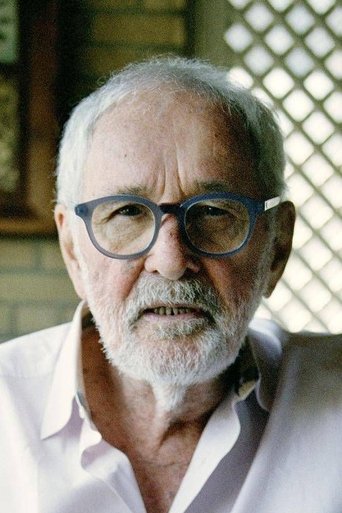
Norman Jewison was a craftsman who possessed a rare, restless curiosity, a filmmaker who refused to be pinned down by a single genre or aesthetic signature. While his contemporaries often leaned into personal neuroses or flashy visual gimmicks, he operated with a quiet, muscular efficiency that placed the human spirit at the center of every frame. He was a storyteller who understood that the most profound political statements are often wrapped in the most entertaining packages. Throughout a career that spanned over half a century, he moved fluidly from the high stakes poker tables of The Cincinnati Kid to the sun-soaked capers of The Thomas Crown Affair, proving that he could master the rhythms of a thriller just as easily as the comedic timing of lighthearted fare like Send Me No Flowers and The Thrill of It All.
What truly defined his filmography was an unwavering commitment to social justice, though he never let a message overshadow the narrative. In the Heat of the Night remains a masterclass in tension, using the visual language of the sweltering American South to dissect racial animosity through the prism of a procedural. He returned to these themes frequently, exploring the intersections of law and prejudice in A Soldier's Story and the searing biographical drama The Hurricane. Even when he dipped into the satirical, as seen in the Cold War comedy The Russians Are Coming! The Russians Are Coming!, his work was infused with an optimistic humanism, suggesting that if people could just look past their banners and uniforms, they might find a common ground.
His versatility was perhaps his greatest weapon. He could swing from the kinetic, futuristic brutality of Rollerball to the courtroom theatrics of And Justice for All with zero friction. He possessed a unique ear for music and rhythm, which allowed him to translate stage sensations into cinematic landmarks. He captured the earthy, folkloric soul of Fiddler on the Roof with as much conviction as the psychedelic, desert-set rock opera Jesus Christ Superstar. These films felt lived-in and vibrant, transcending their theatrical origins to become something purely cinematic.
Then there was the legendary warmth he brought to his more intimate projects. Moonstruck is arguably the perfect romantic comedy, a film that pulses with an operatic, lunar madness and celebrates the messy, beautiful chaos of family life. It showcases his ability to guide actors toward career-defining performances while maintaining a tone that is simultaneously sophisticated and populist. Whether he was exploring the ruthless world of corporate raiding in Other People's Money or the labor struggles of F.I.S.T., he prioritized the emotional truth of his characters above all else. His legacy is one of a versatile humanist who believed that cinema should make you think, but more importantly, it should make you feel. He never needed a flashy trademark because his signature was the honesty he drew from every actor and the clarity he brought to every story.
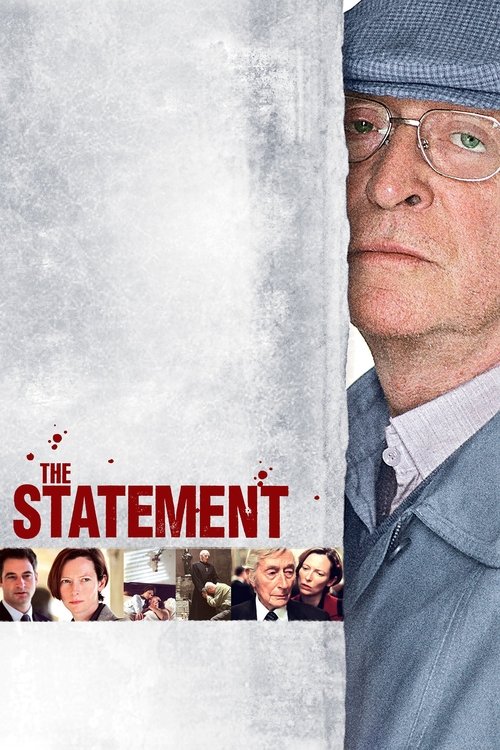
The Statement
2003An ambitious Judge and an exacting Colonel re-open the sixty-year-old case of Pierre Brossard, an escaped Nazi collaborator accused of murdering seven Jews. Now an old man living a sheltered life within the Catholic Church, Brossard is also being trailed by mysterious hit men, determined to kill him before he's arrested.

In Country
1989Samantha Hughes, a teenaged Kentucky girl, never knew her father, who died in Vietnam before her birth. Samantha lives with her uncle Emmett, who also served in Vietnam. Emmett hangs around with Tom, Earl, and Pete, three other Vietnam vets who, like Emmett, all have problems of one kind or another that relate to their war experiences. Samantha becomes obsessed with finding out about her father.
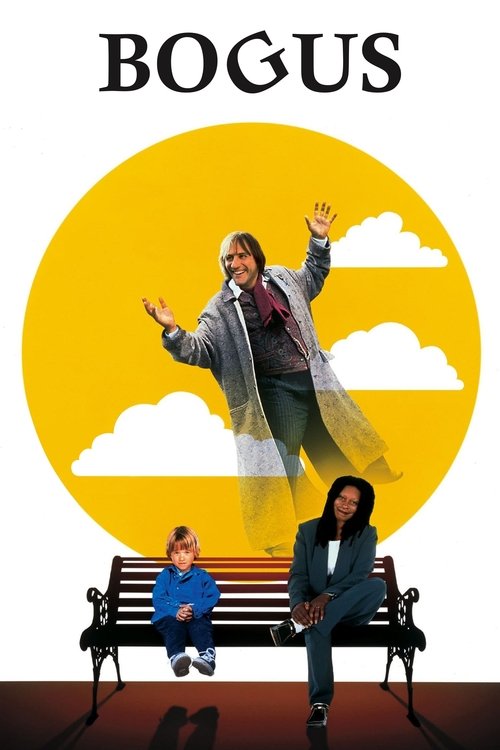
Bogus
1996Recently orphaned, a young boy is taken in by his godmother who is shocked to realize that she can see the boy's imaginary friend: a flamboyant, French magician named Bogus.
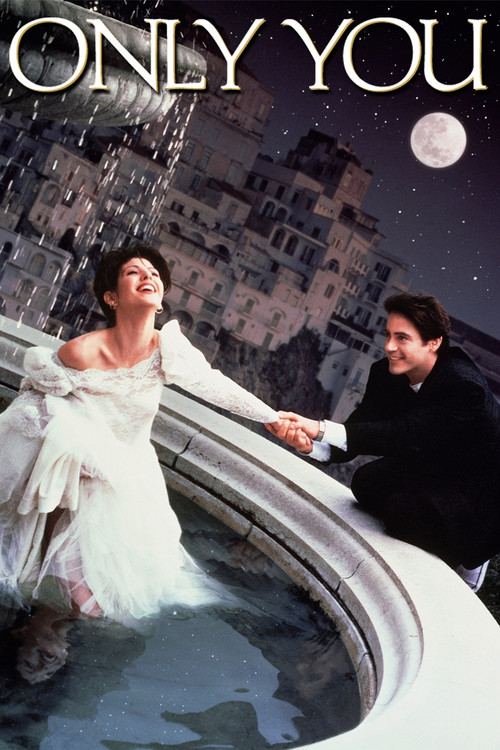
Only You
1994Two childhood paranormal incidents have convinced schoolteacher Faith Corvatch that her true love is a guy named 'Damon Bradley', but she has yet to meet him. Preparing to marry podiatrist Dwayne in ten days, Faith receives a phone call from Dwayne's old classmate Damon Bradley, who is on his way to Venice. She impulsively decides to fly to Italy with the hope of finally encountering the man of her dreams. Accompanying her on the trip is her sister-in-law and best friend Kate, who has just left her husband, Faith's brother Larry.
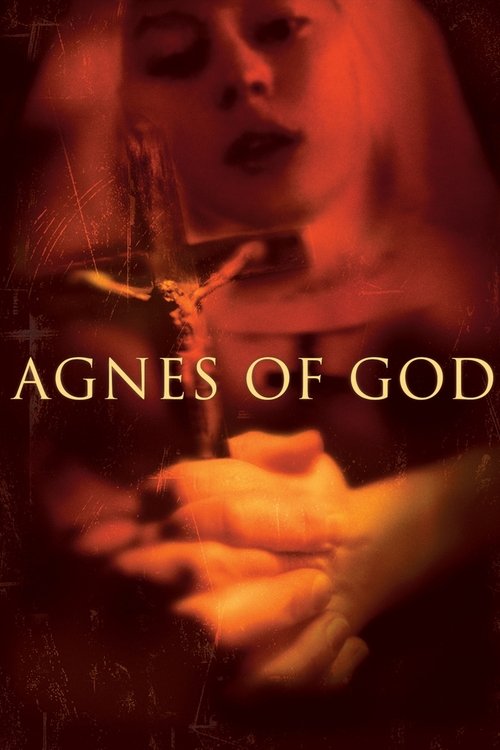
Agnes of God
1985When a dead newborn is found, wrapped in bloody sheets, in the bedroom wastebasket of a young novice, psychiatrist Martha Livingston is called in to determine if the seemingly innocent novice, who knows nothing of sex or birth, is competent enough to stand trial for the murder of the baby.
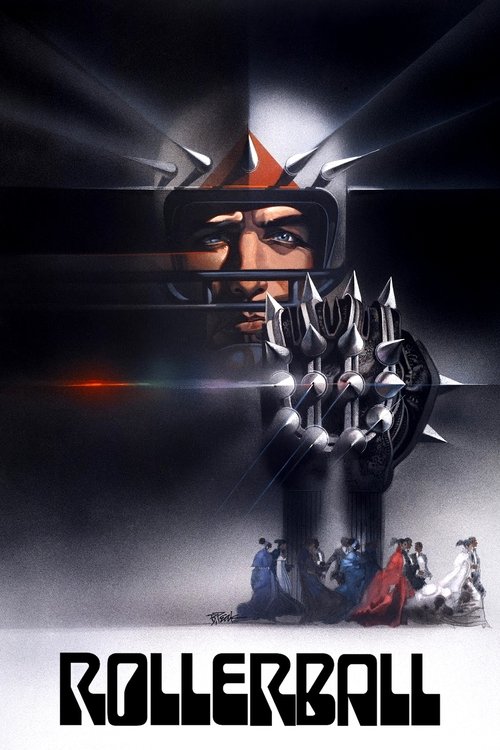
Rollerball
1975In a corporate-controlled future, an ultra-violent sport known as Rollerball represents the world, and one of its powerful athletes is out to defy those who want him out of the game.
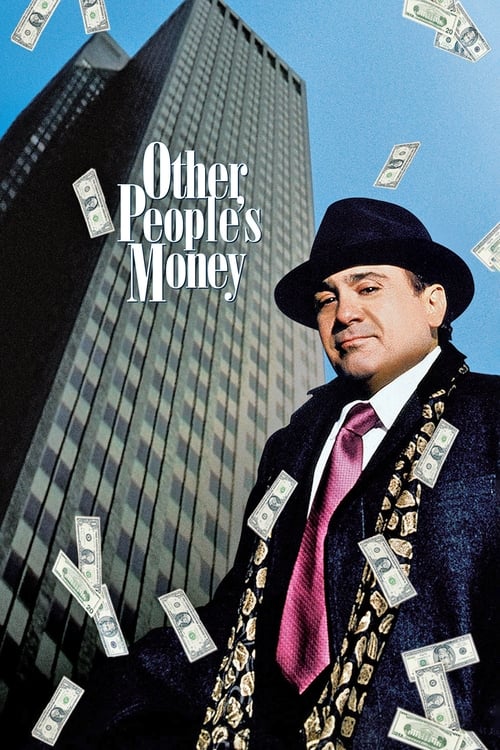
Other People's Money
1991When a corporate raider threatens a hostile takeover of a 'mom and pop' company, the patriarch of the company enlists the help of his wife's attractive daughter—who is a lawyer—to stop the takeover. However, the raider soon becomes infatuated with her, and enjoys the legal manoeuvring as he tries to win her heart.
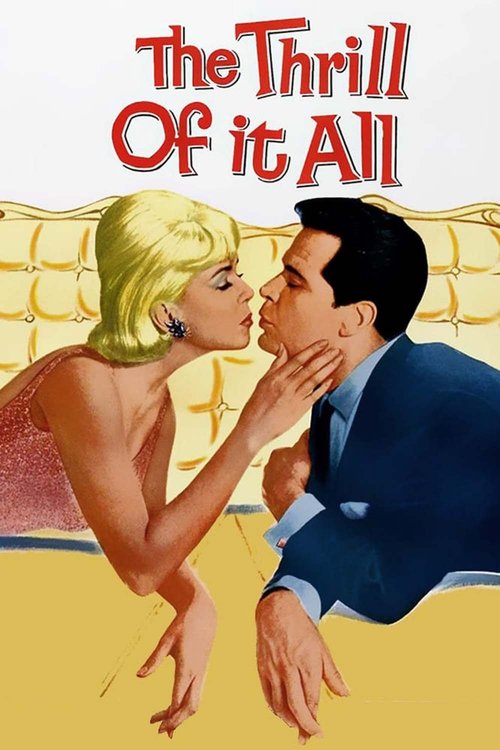
The Thrill of It All
1963A housewife's sudden rise to fame as a soap spokesperson leads to chaos in her home life.
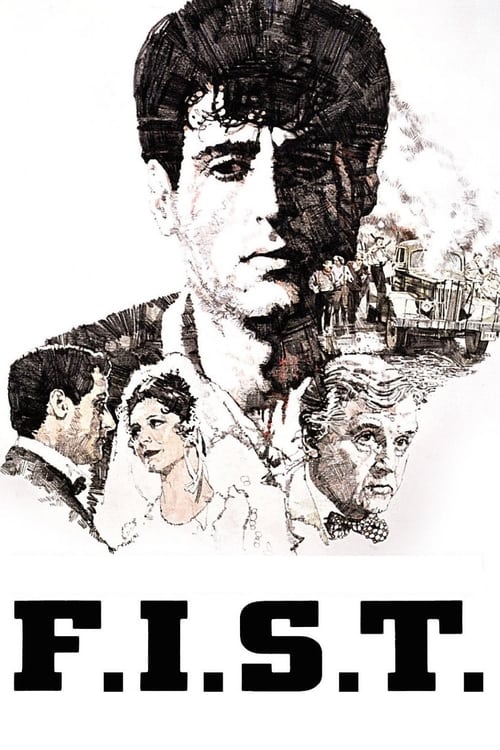
F.I.S.T.
1978Johnny Kovak joins the Teamsters trade-union in a local chapter in the 1930s and works his way up in the organization. As he climbs higher and higher his methods become more ruthless and finally senator Madison starts a campaign to find the truth about the alleged connections with the Mob.
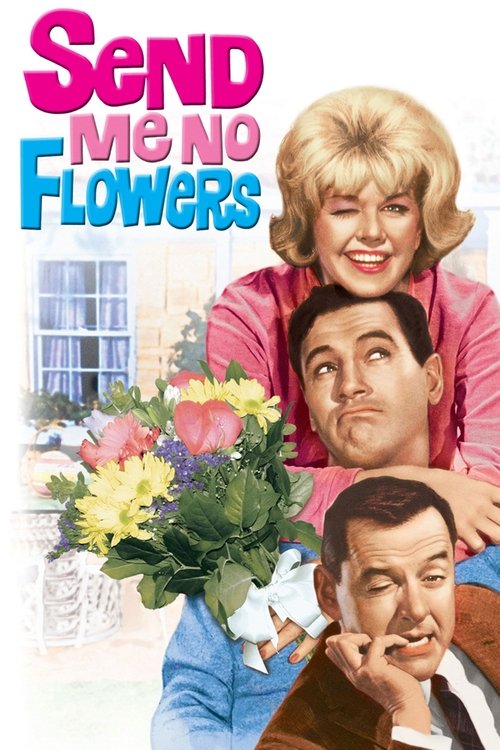
Send Me No Flowers
1964When a hypochondriac assumes that he is dying, he makes an elaborate plan to ensure his wife's happiness. However, trouble ensues when she misunderstands his intentions.
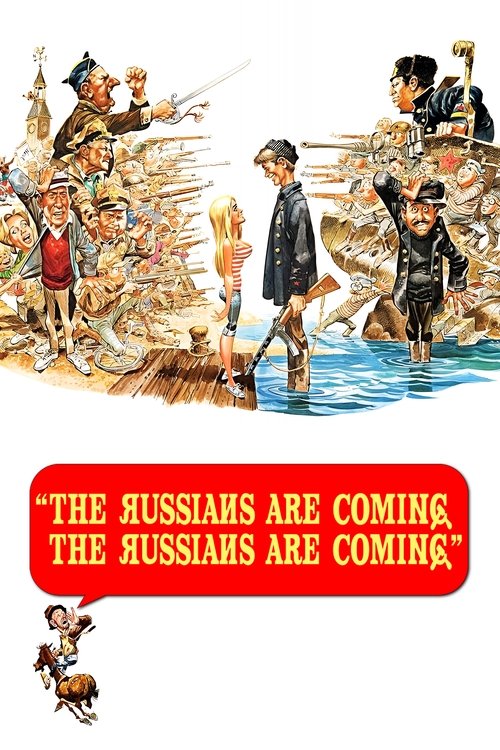
The Russians Are Coming! The Russians Are Coming!
1966When a Soviet submarine gets stuck on a sandbar off the coast of a New England island, its commander orders his second-in-command, Lieutenant Rozanov, to get them moving again before there is an international incident. Rozanov seeks assistance from the island locals, including the police chief and a vacationing television writer, while trying to allay their fears of a Communist invasion by claiming he and his crew are Norwegian sailors.
In this frantic Cold War satire, Jewison demonstrates a gift for escalating slapstick that serves a larger plea for humanism over nationalism. The film’s chaotic energy is channeled through a precise comedic timing that mocks institutional paranoia with a sharp, enduring wit.
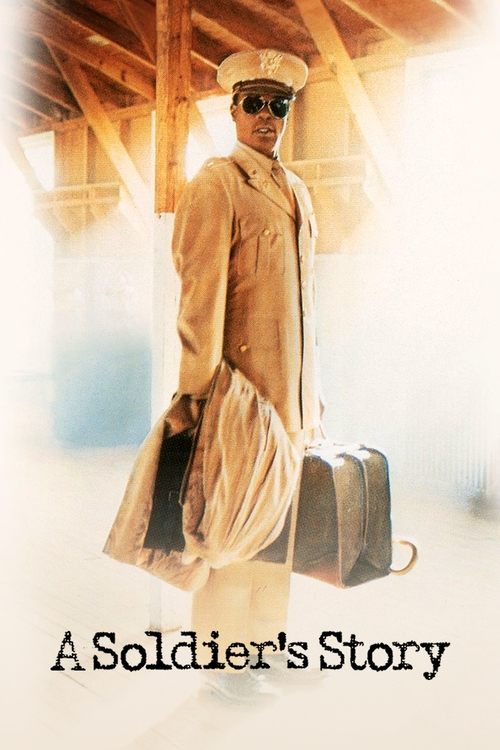
A Soldier's Story
1984In a rural town in Louisiana, a black Master Sergeant is found shot to death just outside the local Army Base. Military lawyer, Captain Davenport—also a black man—is sent from Washington to conduct an investigation. Facing an uncooperative chain of command and fearful black troops, Davenport must battle with deceit and prejudice in order to find out exactly who really did kill the Master Sergeant.
Returning to themes of racial tension through a rigid military framework, Jewison utilizes a precise, stage-influenced geometry to explore the internal frictions of the Black experience during wartime. The film is a rigorous study of hierarchy and identity, handled with the director’s characteristic sober intelligence.
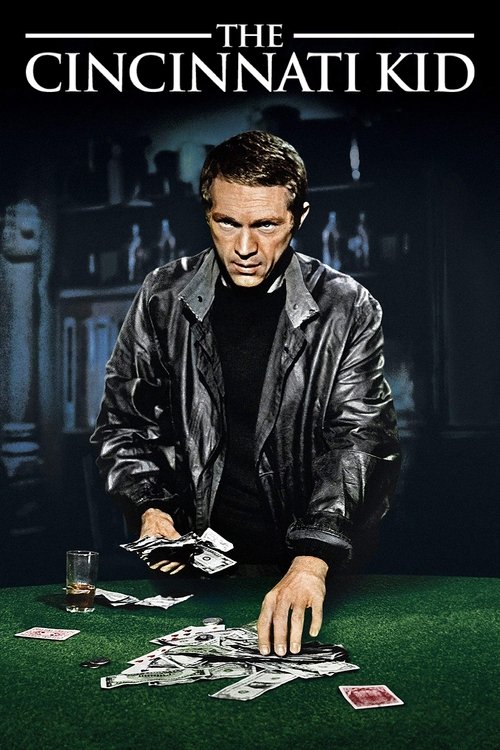
The Cincinnati Kid
1965An up-and-coming poker player tries to prove himself in a high-stakes match against a long-time master of the game.
Jewison creates a claustrophobic pressure cooker around the card table, utilizing tight framing and a gritty, smoke-filled atmosphere to turn a game of poker into an epic psychological duel. His craft here lies in the economy of movement and the ability to find high drama in the smallest of human tells.
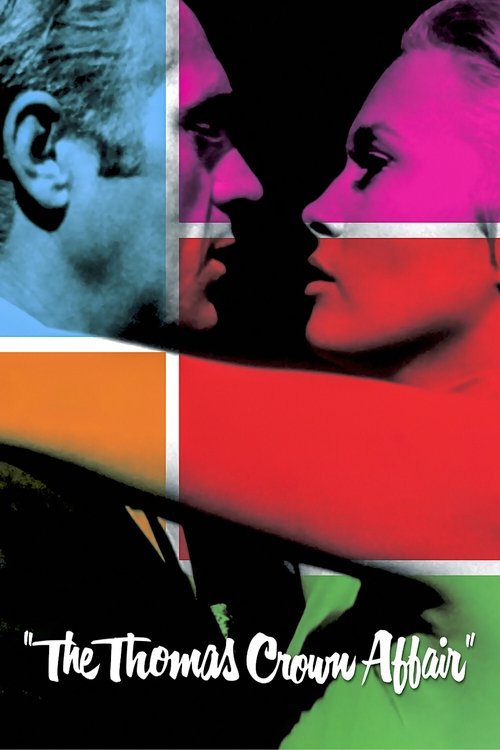
The Thomas Crown Affair
1968Young businessman Thomas Crown is bored and decides to plan a robbery and assigns a professional agent with the right information to the job. However, Crown is soon betrayed yet cannot blow his cover because he’s in love.
A landmark of 1960s aesthetic cool, this film highlights Jewison’s innovative use of split-screen techniques and a sleek, rhythmic editorial style. It remains the director’s most purely visual exercise, trading heavy social moralizing for a sophisticated, high-fashion thrill ride.
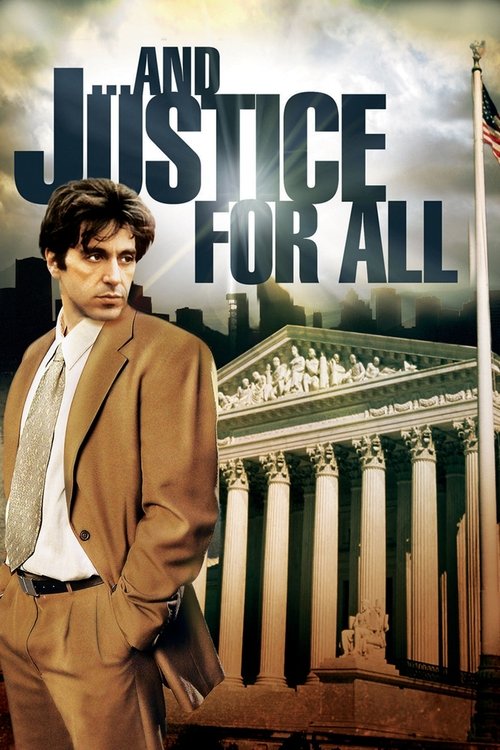
...And Justice for All
1979An ethical Baltimore defense lawyer disgusted with rampant legal corruption is forced to defend a judge he despises in a rape trial under the threat of being disbarred.
This satirical interrogation of the American courts showcases Jewison’s knack for controlled hysteria and his cynicism toward institutional corruption. His direction leans into the absurdity of the legal bureaucracy, creating a sprawling, agitated portrait of a system on the verge of total collapse.
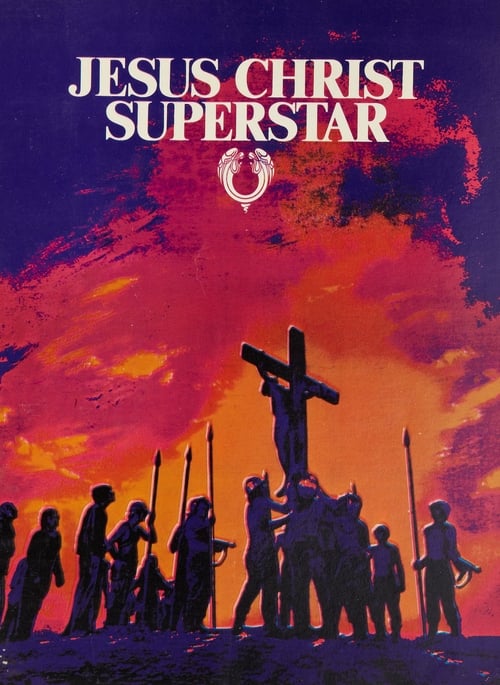
Jesus Christ Superstar
1973As played out by a theatre troupe, the last days of Jesus Christ are depicted from the perspective of Judas Iscariot, his betrayer. As Jesus' following increases, Judas begins to worry that Jesus is falling for his own hype, forgetting the principles of his teachings and growing too close to the prostitute Mary Magdalene.
Jewison’s decision to frame this biblical rock opera as a meta-theatrical desert odyssey remains a bold stroke of counter-cultural expression. By stripping away traditional religious iconography in favor of dusty realism and anachronistic flair, he revitalized the genre for a skeptical modern age.
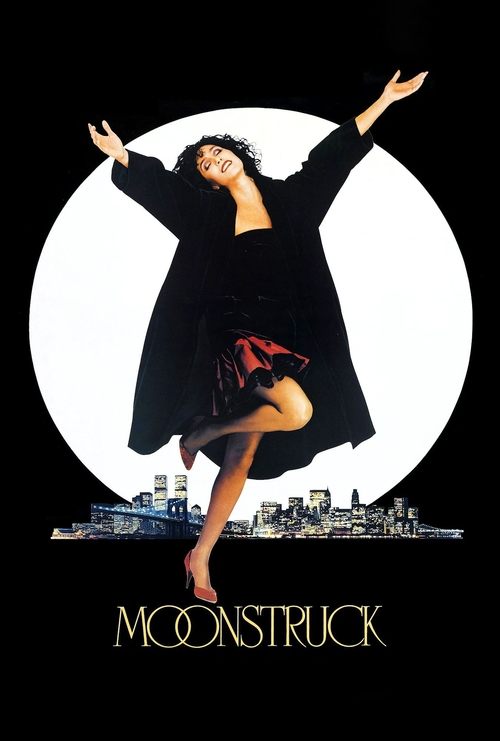
Moonstruck
198737-year-old Italian-American widow Loretta Castorini believes she is unlucky in love, and so accepts a marriage proposal from her boyfriend Johnny, even though she doesn't love him. When she meets his estranged younger brother Ronny, an emotional and passionate man, she finds herself drawn to him. She tries to resist, but Ronny, who blames his brother for the loss of his hand, has no scruples about aggressively pursuing her while Johnny is out of the country. As Loretta falls for Ronny, she learns that she's not the only one in her family with a secret romance.
Jewison captures the operatic lunacy of Brooklyn life with a deft touch, proving his versatility by blending farce with a soulful, moonlit romanticism. The film stands as a testament to his ability to find the profound within the parochial, elevated by a sophisticated visual rhythm that choreographs domestic chaos into high art.
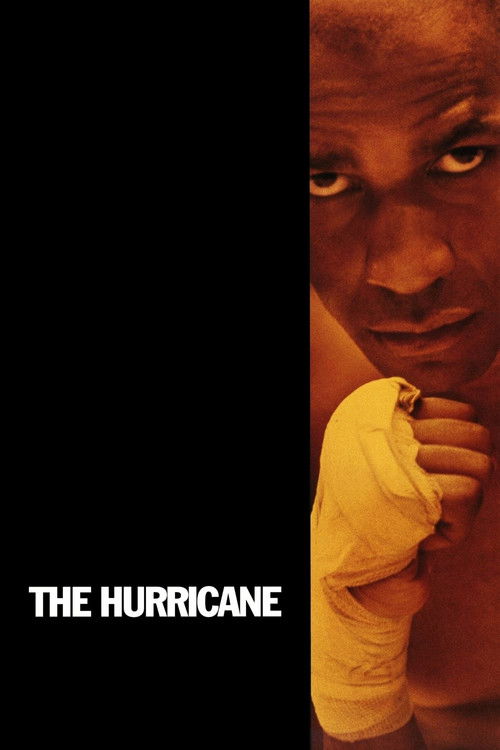
The Hurricane
1999The story of Rubin "Hurricane" Carter, a boxer wrongly imprisoned for murder, and the people who aided in his fight to prove his innocence.
The director employs a non-linear vigor in this late-career triumph, focusing on the claustrophobia of injustice and the spiritual resilience of the human spirit. It serves as a potent bookend to his career-long obsession with the flaws of the legal system and the redemptive power of the truth.
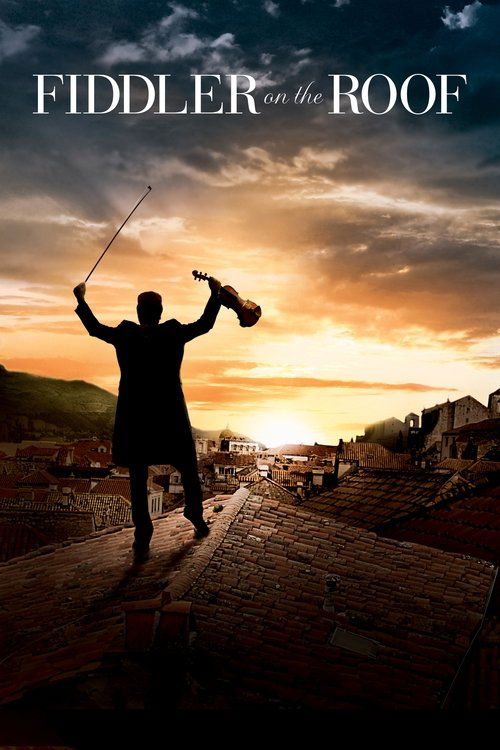
Fiddler on the Roof
1971In a pre-revolutionary Russia, a poor Jewish milkman struggles with the challenges of a changing world as his daughters fall in love and antisemitism grows.
By rejecting the artifice of soundstage musicals for the grit and texture of the Yugoslavian countryside, Jewison achieved a grounded, earthy grandeur that remains unparalleled in the genre. His direction balances the weight of cultural displacement with a sweeping, cinematic lyricism that elevates the source material to a mythic scale.
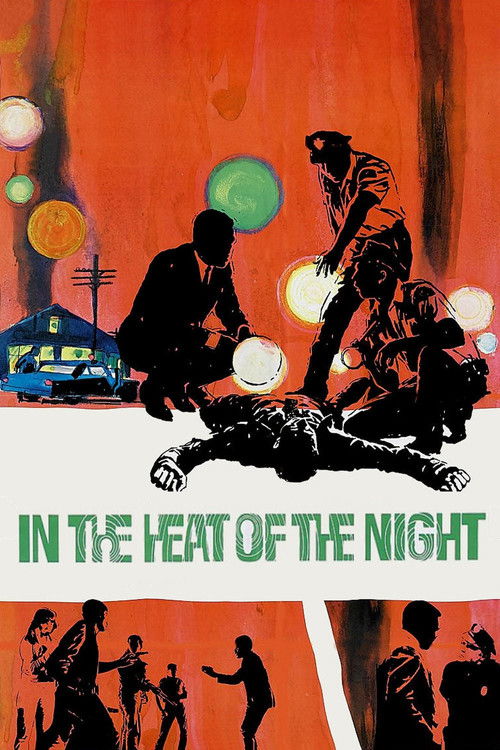
In the Heat of the Night
1967African-American Philadelphia police detective Virgil Tibbs is arrested on suspicion of murder by Bill Gillespie, the racist police chief of tiny Sparta, Mississippi. After Tibbs proves not only his own innocence but that of another man, he joins forces with Gillespie to track down the real killer. Their investigation takes them through every social level of the town, with Tibbs making enemies as well as unlikely friends as he hunts for the truth.
Jewison masterfully weaponizes the tension of the American South, utilizing a sharp, procedural lens to dissect systemic prejudice through a masterclass in atmospheric pacing. This seminal work defines his legacy as a filmmaker who could translate volatile social commentary into high-stakes, prestige cinema without losing its visceral edge.
Frequently Asked Questions
Everything you need to know about this list and SnakeDrafts
- "In the Heat of the Night" is one of Norman Jewison's most acclaimed films, praised for its gripping portrayal of racial tensions and a compelling crime drama narrative. This film exemplifies Jewison's skill in embedding profound social commentary within an engaging thriller.
- Jewison masterfully blends music and cultural themes, as seen in "Fiddler on the Roof," which explores Jewish traditions and family dynamics through a dramatic musical framework. Additionally, "Jesus Christ Superstar" showcases his ability to intertwine historical and religious themes with musical storytelling.
- "Moonstruck" stands out as a beloved romantic comedy that captures the eccentricities of an Italian-American family with warmth and humor, reflecting Jewison's versatility across genres beyond drama.
- Jewison’s films often highlight social justice, human perseverance, and complex interpersonal relationships. From courtroom dramas like "...And Justice for All" to sports and labor issues in "F.I.S.T.", his work frequently tackles moral dilemmas and political undertones with engaging storytelling.
- "The Thomas Crown Affair" is a notable example where Jewison combines the intrigue of a high-stakes crime plot with a sophisticated romantic storyline, showcasing his ability to balance thrilling action with character-driven romance.
- Jewison's direction in "A Soldier’s Story" provides a powerful exploration of racial themes within a military context, combining elements of mystery and drama. His nuanced approach heightens the emotional impact and delivers a compelling narrative on race and justice.
- "...And Justice for All" is a key example where Jewison uses the courtroom as a backdrop to critique the justice system and explore themes of integrity, corruption, and moral complexity. This film mirrors his interest in addressing political issues within accessible storytelling.
- "Rollerball" is unique among Jewison’s films as a science fiction action movie, diverging from his usual focus on social dramas and romances. It explores themes of corporate control and individual rebellion within a dystopian future setting, highlighting Jewison’s genre versatility.