Best William Wyler Films of All Time
The Master of Golden Age Perfection and Epic Cinema
Discover the finest films by legendary director William Wyler, from sweeping historical epics to intimate award-winning dramas and classic romances.
About William Wyler
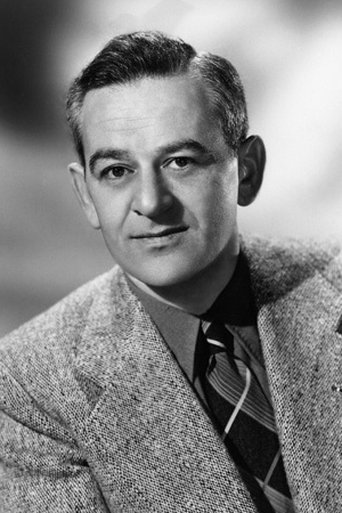
In the golden era of Hollywood, when the studio system churned out assembly line spectacles, William Wyler stood as the ultimate perfectionist. He earned the nickname 40 Take Wyler for a reason. While his contemporaries might have been satisfied with a standard wide shot and a close up, he demanded an exhaustive precision that often drove his actors to the brink of insanity. Yet, the results were indisputable. He possessed a supernatural ability to capture the exact frequency of human emotion, whether he was filming a sweeping desert epic or a claustrophobic parlor drama.
What truly set his work apart was a mastery of deep focus cinematography. Rather than telling the audience where to look through shallow focal lengths, he composed his frames with layers of action. In The Little Foxes and The Best Years of Our Lives, he utilized the entire depth of the room, allowing multiple narrative threads to play out simultaneously in the foreground and background. This technique gave his films a sense of architectural permanence and realism that felt light years ahead of the flat, theatrical staging common in the 1940s. He trusted his viewers to be observant, and in turn, his films felt lived in and intellectually rigorous.
His versatility remains his most staggering legacy. Most directors find a niche and stay there, but he drifted effortlessly between genres while maintaining a singular standard of excellence. He could pivot from the sun drenched romantic whimsy of Roman Holiday to the brooding, gothic intensity of Wuthering Heights without losing his stylistic footing. He understood the sharp, jagged edges of social ambition in The Heiress as clearly as he grasped the explosive, widescreen tension of the chariot race in Ben Hur. Even when he ventured into the western genre with The Big Country, he avoided the usual tropes, focusing instead on a deconstruction of masculinity that felt daringly modern.
Performance was the cornerstone of his process. He was a notorious star maker who pushed his leads until they shed their polished personas and revealed something raw. Barbra Streisand in Funny Girl and Bette Davis in The Letter or Jezebel delivered career defining work under his relentless gaze because he refused to accept anything less than total psychological honesty. He possessed an uncanny knack for stripping away the artifice of the movie star to find the person underneath. This dedication to character elevated even his later genre experiments, like the chilling psychological suspense of The Collector or the breezy heist charm of How to Steal a Million.
Ultimately, his films endure because they are built on a foundation of unyielding craftsmanship. There is no Wyler brand in the sense of a recurring visual gimmick; instead, his signature is a total absence of compromise. Whether he was exploring the gritty realism of Detective Story or the controversial themes of The Children's Hour, he approached every frame with the same obsession for detail. He was the invisible architect of the American cinema, a man who believed that if you did not get it right on the first thirty nine takes, you simply kept going until you reached the fortieth. That insistence on excellence turned a technician into a legend.
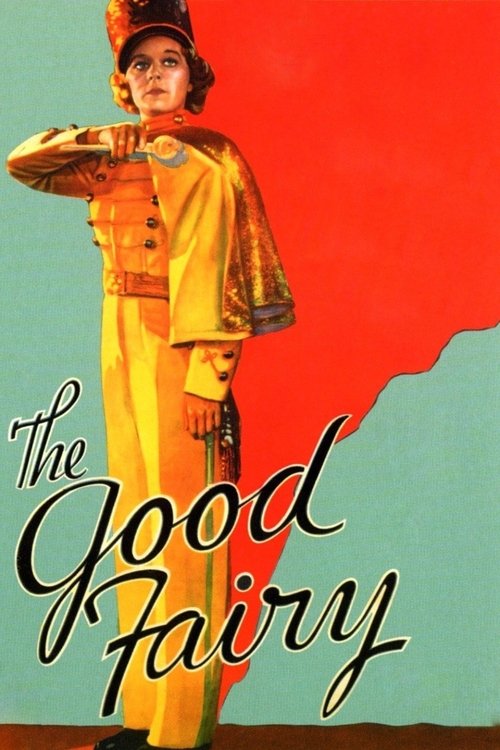
The Good Fairy
1935In 1930s Budapest, naïve orphan Luisa Ginglebuscher becomes an usherette at the local movie house, determined to succeed in her first job by doing good deeds for others and maintaining her purity. Luisa's well-meaning lies get her caught between a lecherous businessman, Konrad, and a decent but confused doctor, Max Sporum. When Luisa convinces Konrad that she's married to Max, Konrad tries everything he can to get rid of the baffled doctor.
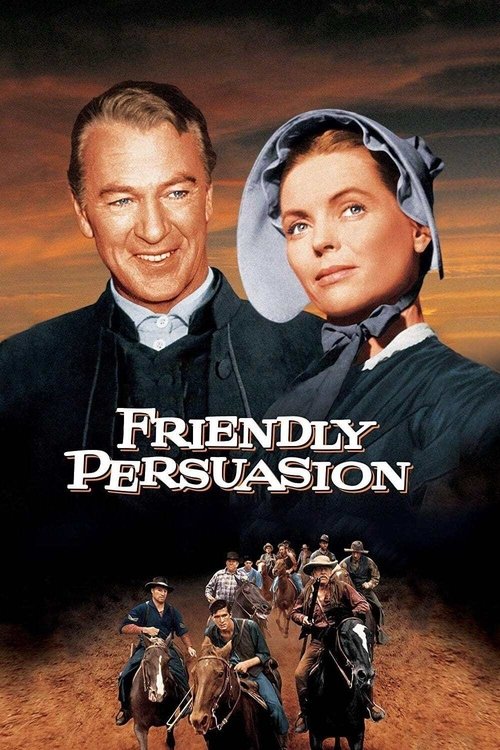
Friendly Persuasion
1956The story of a family of Quakers in Indiana in 1862. Their religious sect is strongly opposed to violence and war. It's not easy for them to meet the rules of their religion in everyday life but when Southern troops pass the area they are in real trouble. Should they fight, despite their peaceful attitude?
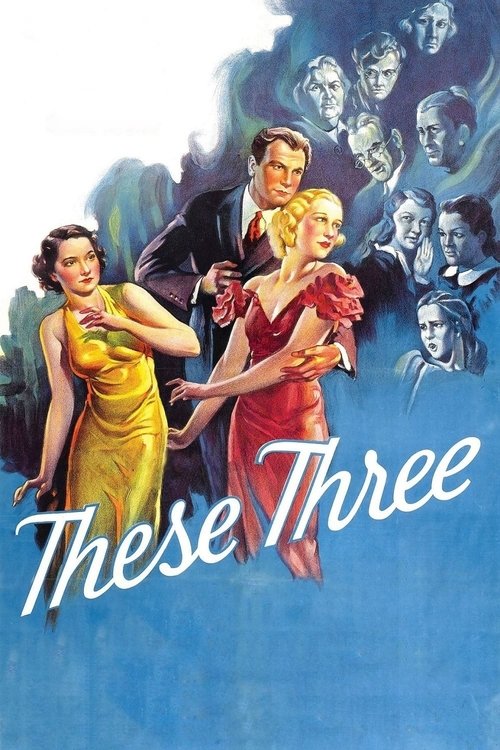
These Three
1936Close friends Martha and Karen build a private boarding school together with the aid of the local doctor Joe. The school takes off and many students enroll, one of whom is a trouble-maker who tells a scandalous lie that threatens to destroy the trio's lives.
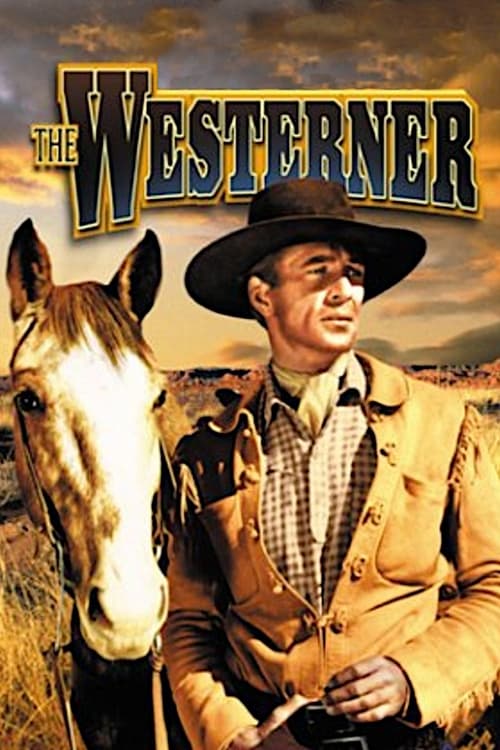
The Westerner
1940Drifter Cole Harden is accused of stealing a horse and faces hanging by self-appointed Judge Roy Bean, but Harden manages to talk his way out of it by claiming to be a friend of stage star Lillie Langtry, with whom the judge is obsessed, even though he has never met her. Tensions rise when Harden comes to the defense of a group of struggling homesteaders who Judge Bean is trying to drive away.
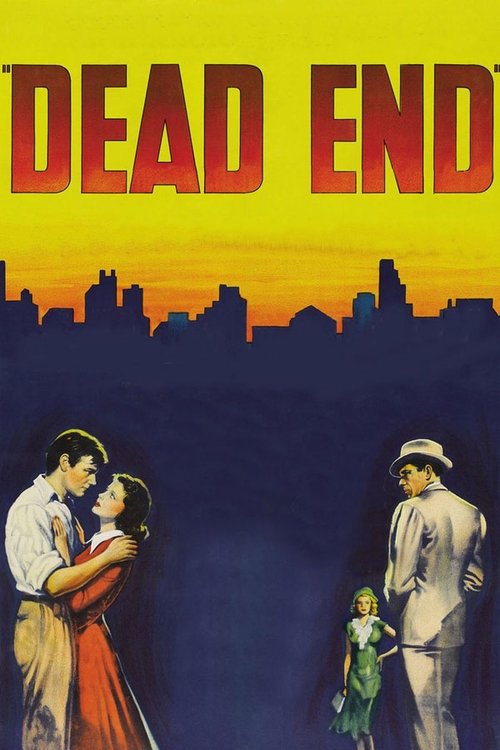
Dead End
1937The lives of a young man and woman, an infamous gangster and a group of street kids converge one day in a volatile New York City slum.
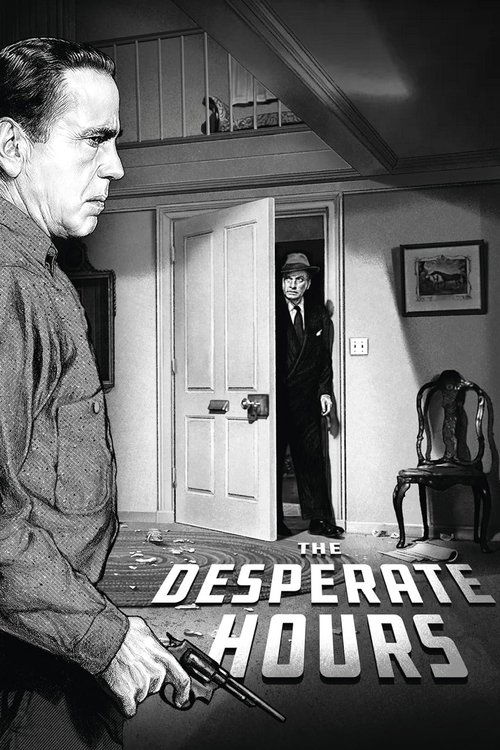
The Desperate Hours
1955Escaped convicts terrorize a suburban family they're holding hostage.
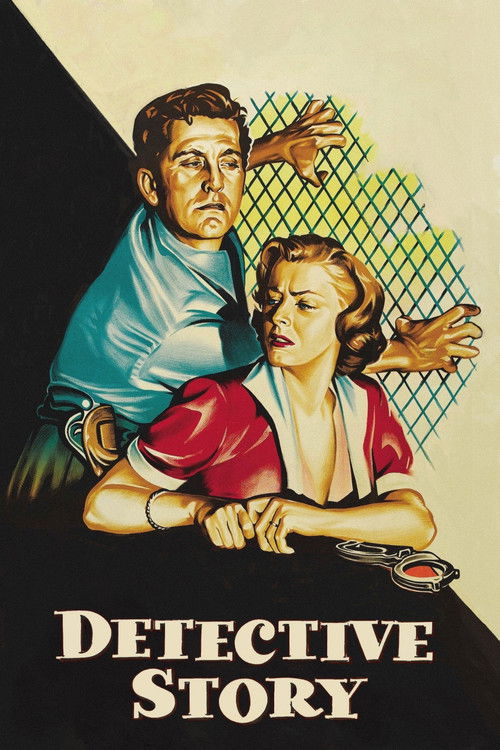
Detective Story
1951Tells the story of one day in the lives of the various people who populate a police detective squad. An embittered cop, Det. Jim McLeod, leads a precinct of characters in their grim daily battle with the city's lowlife. The characters who pass through the precinct over the course of the day include a young petty embezzler, a pair of burglars, and a naive shoplifter.
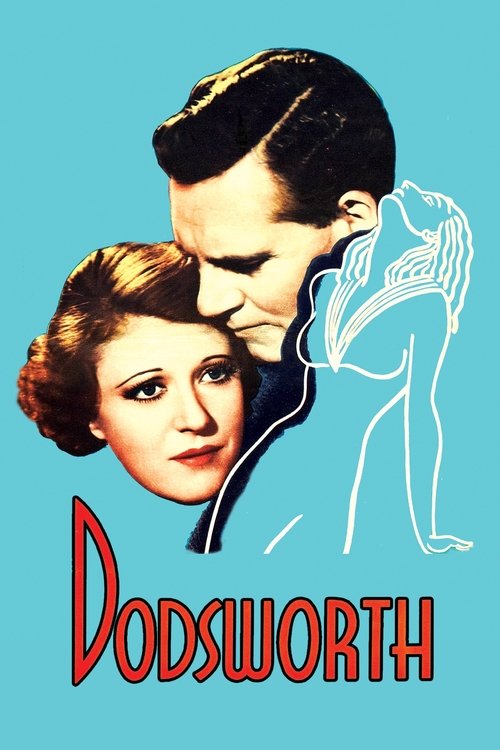
Dodsworth
1936A retired auto manufacturer and his wife take a long-planned European vacation only to find that they want very different things from life.
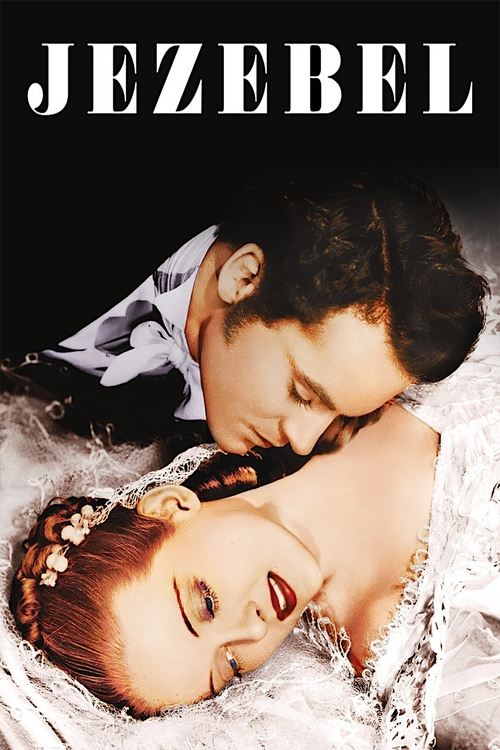
Jezebel
1938In 1850s Louisiana, the willfulness of a tempestuous Southern belle threatens to destroy all who care for her.
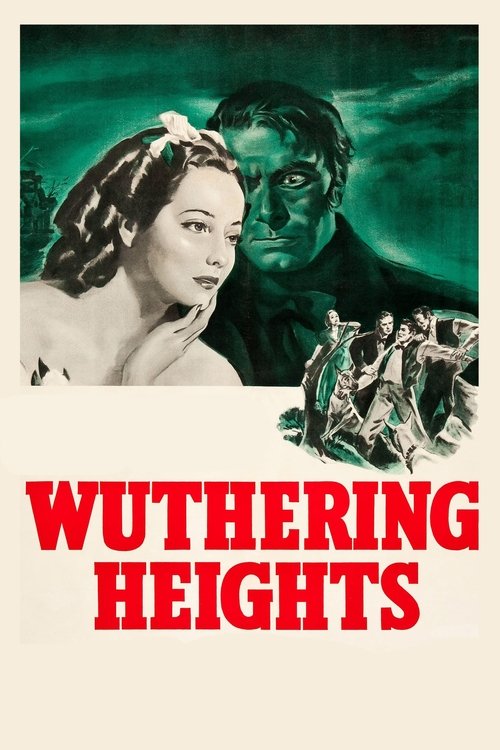
Wuthering Heights
1939Young orphan Heathcliff is adopted by the wealthy Earnshaw family and moves into their estate, Wuthering Heights. Soon, the new resident falls for his compassionate foster sister, Cathy. The two share a remarkable bond that seems unbreakable until Cathy, feeling the pressure of social convention, suppresses her feelings and marries Edgar Linton, a man of means who befits her stature. Heathcliff vows to win her back.
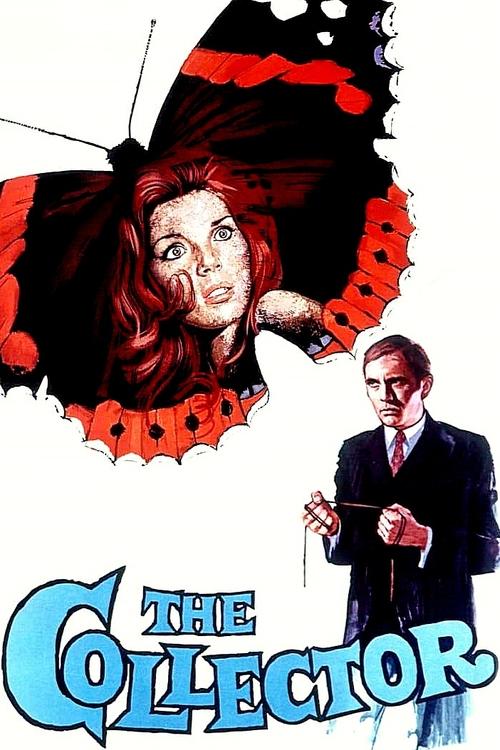
The Collector
1965A man kidnaps a woman and holds her hostage just for the pleasure of having her there.
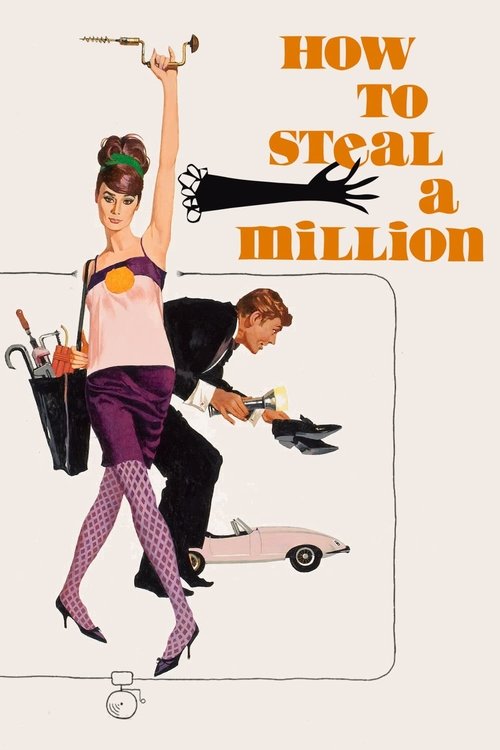
How to Steal a Million
1966A woman must steal a statue from a Paris museum to help conceal her father's art forgeries.
This chic heist caper highlights Wyler’s understated versatility and his late-career pivot toward a playful, European-inflected visual wit. It serves as an elegant coda to his career, proving that his legendary technical perfectionism could be applied to froth and fashion just as effectively as to high drama.
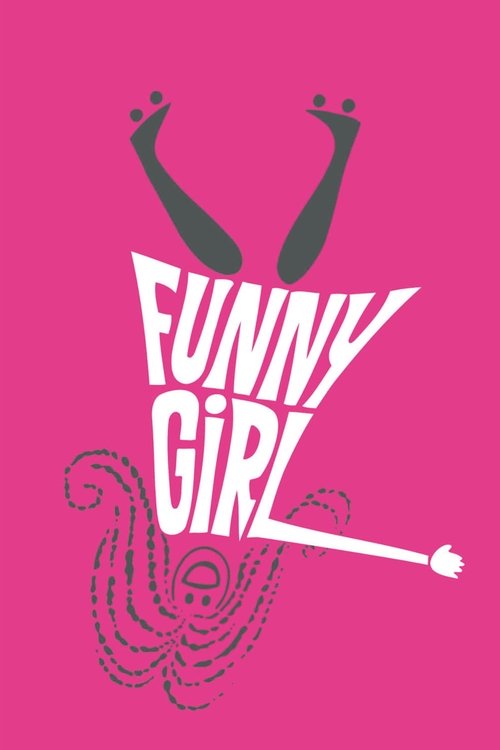
Funny Girl
1968The life of famed 1930s comedienne Fanny Brice, from her early days in the Jewish slums of New York, to the height of her career with the Ziegfeld Follies, as well as her marriage to the rakish gambler Nick Arnstein.
Wyler successfully transitioned his rigorous compositional style to the vibrant world of the modern musical, proving his adaptability across radically different tonal shifts. He manages to balance the gravity of a dissolving marriage with the explosive theatricality required for a debut of such immense proportions.
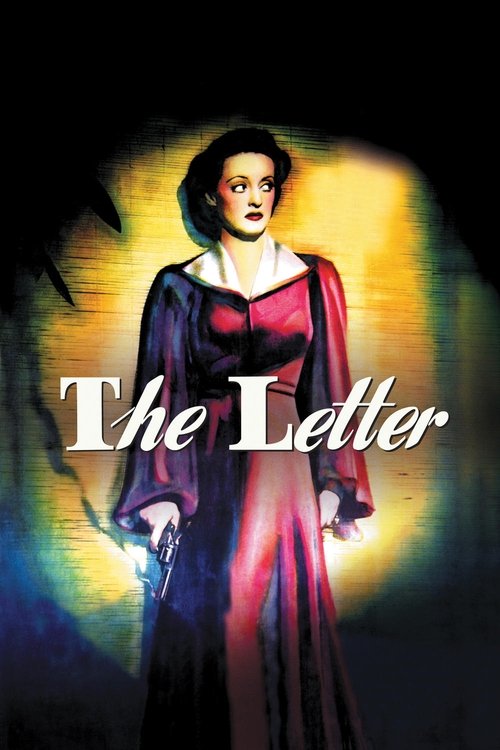
The Letter
1940After a woman shoots a man to death, a damning letter she wrote raises suspicions.
The opening tracking shot alone establishes Wyler as a pioneer of atmosphere, immediately plunging the viewer into a humid world of colonial repression and hidden violence. It is a quintessential film noir that benefits from his disciplined refusal to provide easy moral resolutions.
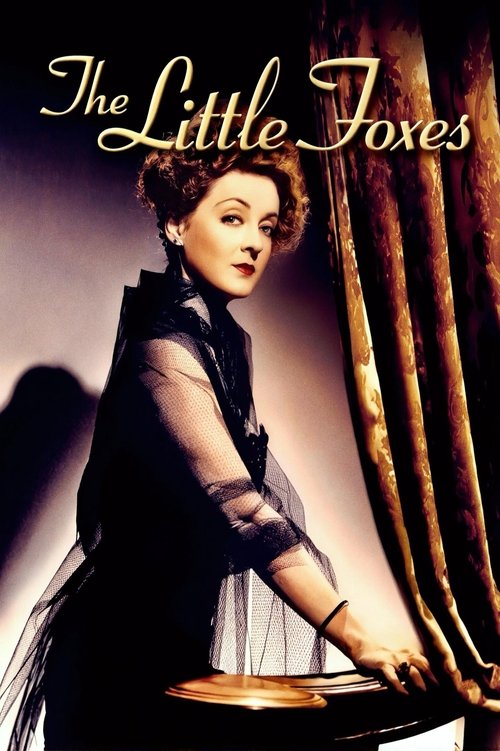
The Little Foxes
1941In 1900, a clan attempts to strike a deal with a Chicago industrialist to get him to build cotton mills in their Deep South town.
In this exercise in choreographed malice, Wyler utilizes complex staging and layered blocking to mirror the entrapment of a family consumed by greed. Every frame is a calculated masterpiece of domestic horror that demonstrates his total command over the internal dynamics of a theatrical adaptation.
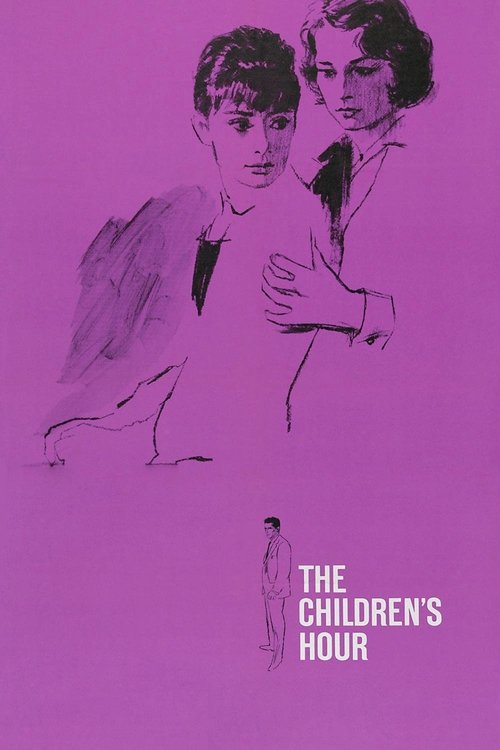
The Children's Hour
1961An unruly student at a private all-girls boarding school scandalously accuses the two women who run it of having a romantic relationship.
Returning to material he had previously been forced to censor, Wyler crafts a stark, somber study of how societal suspicion can weaponize a lie. The film is a bridge between the rigid codes of Old Hollywood and a more daring, psychologically unvarnished era of filmmaking.
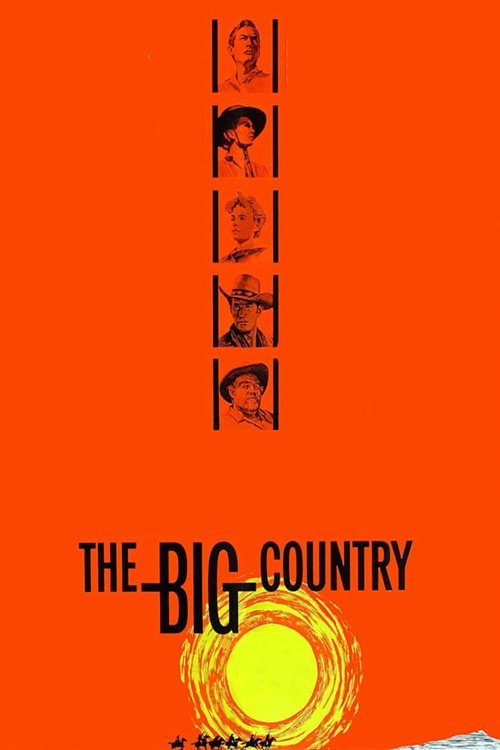
The Big Country
1958Retired wealthy sea captain Jim McKay arrives in the Old West, where he becomes embroiled in a feud between his future father-in-law, Major Terrill, and the rough and lawless Hannasseys over a valuable patch of land.
The traditional Western is reimagined here as a sprawling ideological battlefield where Wyler uses the 70mm frame to emphasize the irony of men fighting over vastness they cannot hope to contain. His subversion of frontier virility challenges the very foundations of the genre's typical moral simplicity.
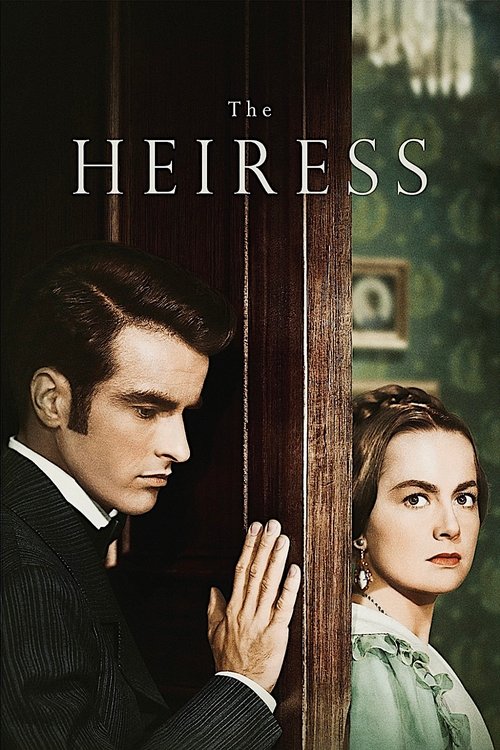
The Heiress
1949In 1840s New York, the uneventful and boring days of the daughter of a wealthy doctor come to an end when she meets a dashing poorer man — who may or may not be after her inheritance.
Wyler transforms a period drawing room into a psychological pressure cooker, wielding silence and shadow to chart a devastating arc of personal hardening. The film showcases his ruthless precision in capturing the slow, inevitable erosion of a soul under the weight of patriarchal cruelty.
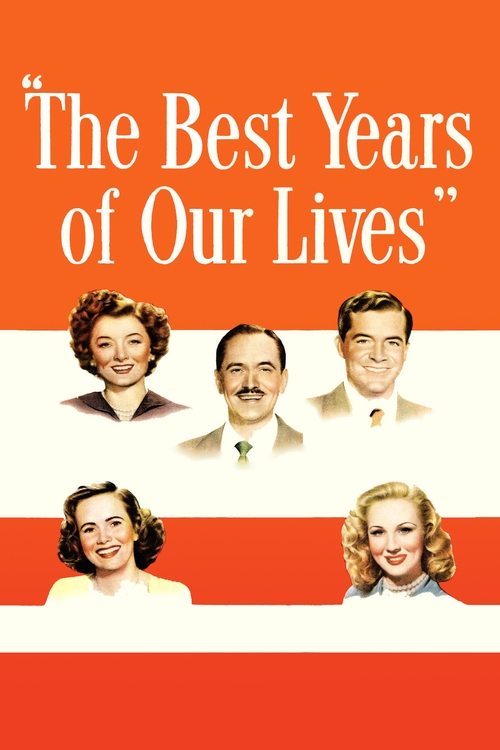
The Best Years of Our Lives
1946It's the hope that sustains the spirit of every GI: the dream of the day when he will finally return home. For three WWII veterans, the day has arrived. But for each man, the dream is about to become a nightmare.
This profound exploration of post-war disillusionment utilizes deep-focus cinematography to weave three disparate lives into a single, cohesive emotional landscape. It represents Wyler at his most empathetic, stripping away artifice to capture the quiet, architectural weight of the American psyche.
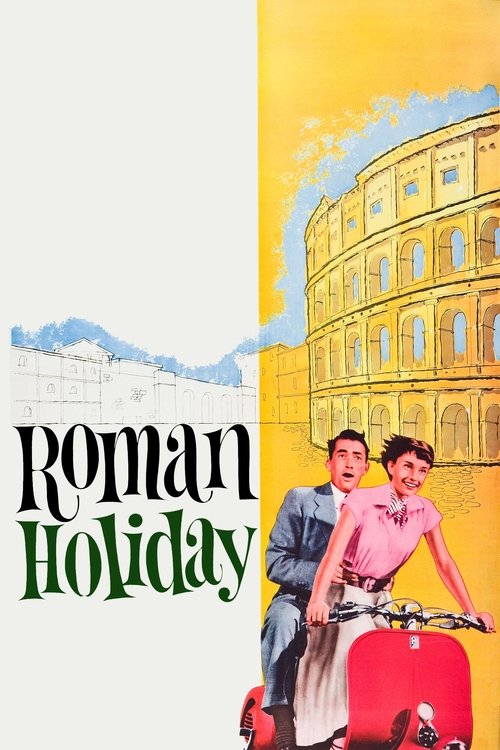
Roman Holiday
1953Overwhelmed by her suffocating schedule, touring European princess Ann takes off for a night while in Rome. When a sedative she took from her doctor kicks in, however, she falls asleep on a park bench and is found by an American reporter, Joe Bradley, who takes her back to his apartment for safety. At work the next morning, Joe finds out Ann's regal identity and bets his editor he can get exclusive interview with her, but romance soon gets in the way.
By choosing to shoot on location in Italy, Wyler infused the romantic comedy genre with a gritty neorealist aesthetic that grounded its fairy-tale premise. The film stands as a testament to his ability to discover and mold star power through sophisticated pacing and a deceptively light directorial touch.
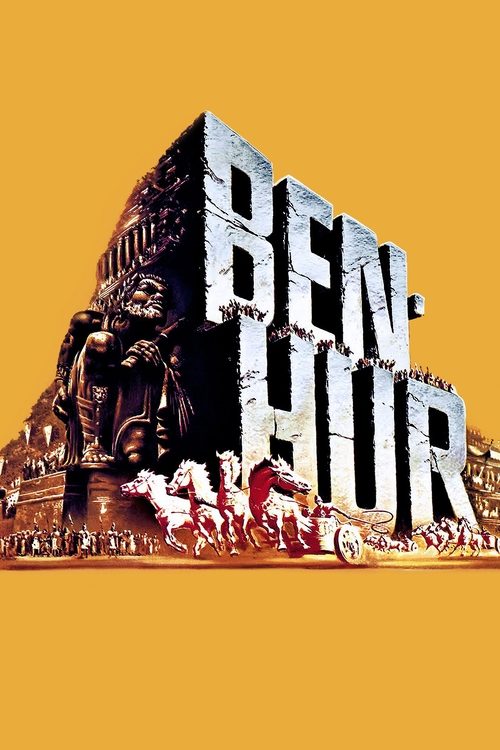
Ben-Hur
1959In 26 AD, Judah Ben-Hur, a Jew in ancient Judea, opposes the occupying Roman empire. Falsely accused by a Roman childhood friend-turned-overlord of trying to kill the Roman governor, he is put into slavery and his mother and sister are taken away as prisoners.
Wyler achieved the impossible by marriage of intimate human drama and overwhelming spectacle, setting the gold standard for the Hollywood epic. His meticulous choreography of the chariot race remains a masterclass in spatial clarity and visceral tension that remains unsurpassed in the digital age.
Frequently Asked Questions
Everything you need to know about this list and SnakeDrafts
- William Wyler's films frequently explore themes of human emotion, moral dilemmas, and complex relationships, often set against historical or social backdrops. For example, 'The Best Years of Our Lives' delves into the struggles of returning WWII veterans, while 'The Heiress' examines social class and personal transformation.
- 'Ben-Hur' is celebrated for its sweeping historical epic scale, breathtaking chariot race scene, and dramatic storytelling. It remains one of Wyler's most iconic and influential works in the history of cinema.
- Wyler earned the nickname '40 Take Wyler' because of his perfectionist directing style, often requiring actors to shoot numerous takes to capture the perfect performance. This meticulous approach resulted in emotionally rich, authentic scenes in films like 'Roman Holiday' and 'The Little Foxes.'
- 'Roman Holiday' is a standout romantic comedy that showcases Wyler's ability to balance humor with heartfelt moments. The film's charming portrayal of a princess's escapade in Rome earned critical acclaim and remains a timeless classic.
- 'The Best Years of Our Lives' focuses on the challenges faced by veterans returning home after World War II, addressing themes of reintegration, trauma, and the shifting dynamics of American society. It is widely regarded as a powerful social drama.
- Wyler was known for his intense focus on extracting nuanced performances from actors, particularly in romantic dramas like 'The Heiress' and 'Wuthering Heights.' His attention to emotional depth helped create compelling character studies that resonate with audiences.
- 'The Big Country' uniquely combines the Western genre with a romantic drama narrative. Wyler's direction highlights rugged landscapes alongside intense personal conflicts, making it a distinctive entry in his filmography.
- Yes, the list includes films such as 'The Collector,' a psychological thriller, and 'The Letter,' a crime drama. Both films demonstrate Wyler's versatility in handling suspenseful and dramatic storytelling beyond his more well-known historical and romantic dramas.