The Definitive Ranking of George A. Romero Films
The Master of Modern Horror and Social Satire
Explore the essential filmography of George A. Romero, from his foundational zombie masterpieces to cult classics and psychological thrillers.
About George A. Romero
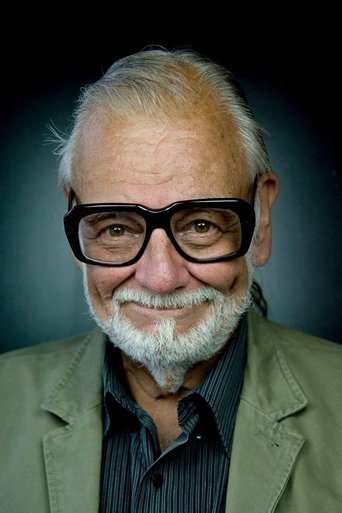
Long before the shuffling undead became a multi-billion dollar corporate commodity, they were a radical tool for social dissection in the hands of a soft-spoken giant from Pittsburgh. George Romero did not just invent the modern zombie; he weaponized it. While his peers in the late sixties were chasing studio polish, he was in the woods with a 16mm camera, dragging the horror genre out of the fog-drenched castles of Europe and dropping it directly into the cynical heart of the American psyche. Night of the Living Dead was a seismic shift, trading gothic melodrama for a bleak, nihilistic realism that mirrored the racial and political anxieties of its era. This was the birth of horror as high-concept protest art, a tradition he would nurture for the rest of his life.
The genius of his work lies in the realization that the monsters are rarely the most interesting thing on screen. His films are tactical studies of human frailty under pressure. In Dawn of the Dead, he turned a suburban shopping mall into a satirical cathedral of consumerism, forcing his survivors to engage in a retail fantasy while the world rotted outside. By the time he reached Day of the Dead, his focus had sharpened onto the hubris of the military-industrial complex, where the internal squabbling of the living proved far more lethal than the literal ghouls at the door. His camera was always more interested in the cracks in the social contract than the gore on the floor, though he never skimped on the visceral, stomach-turning practical effects that defined the era.
Beyond the dead, his filmography reveals a restless artist obsessed with the darker corners of our evolution. The Crazies explored government incompetence through a biological lens, while Martin reimagined the vampire myth as a lonely, psychological tragedy of urban decay. He possessed a playful side too, evident in the comic-book vibrancy of Creepshow and the medieval-renaissance motorcycle madness of Knightriders. Even in later entries like Land of the Dead, he continued to use his monsters to comment on class warfare and the fencing off of society. He understood that horror is a mirror, and if we do not like what we see in his frame, the fault lies with us rather than the creature.
His style remained defiantly independent, often shunning the slick artifice of Hollywood for a gritty, blue-collar aesthetic. This was a man who saw the beauty in the breakdown. From the frantic, found-footage experimentation of Diary of the Dead to the haunting, rediscovered nightmare of The Amusement Park, his lens captured a world that was perpetually falling apart at the seams. He remained the ultimate outsider looking in, an auteur who recognized that the true terror of the human condition isn't that we might be eaten, but that we might forget how to be human long before the teeth sink in. He left behind a legacy that transformed a niche subgenre into a profound language for documenting the end of the world.
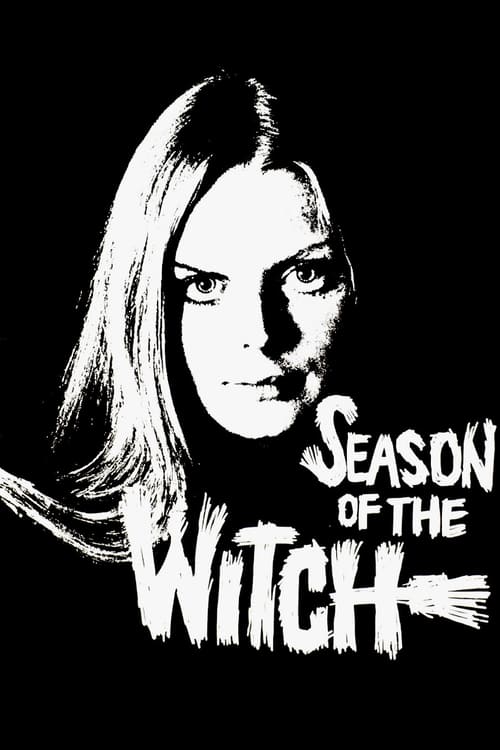
Hungry Wives
1972An unhappy suburban housewife gets mixed up in witchcraft with unexpected consequences.
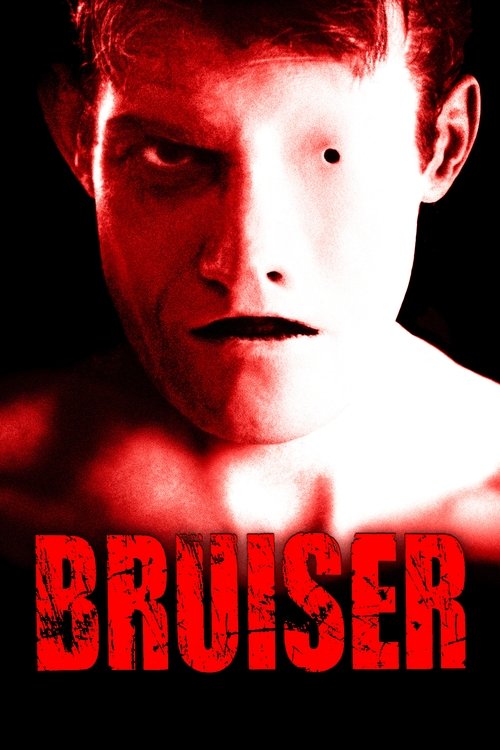
Bruiser
2000After years of being browbeaten and walked on, a man wakes one day wearing an expressionless mask, fitted with a personality that enables him to take revenge.
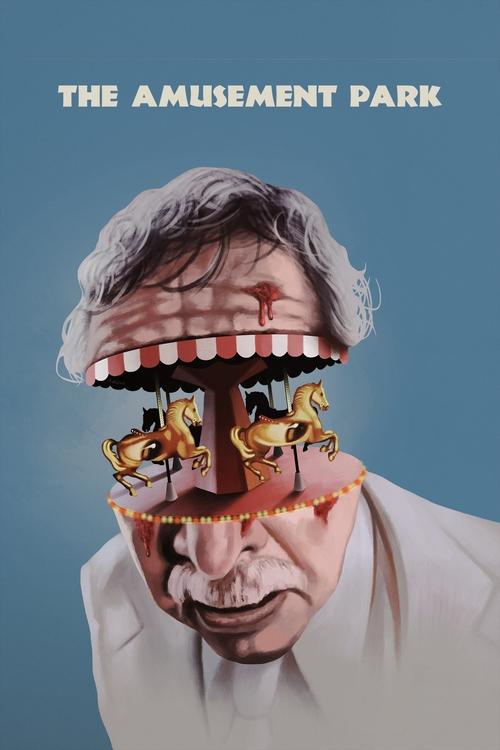
The Amusement Park
2021An elderly gentleman goes for what he assumes will be an ordinary day at the amusement park, only to find himself in the midst of a hellish nightmare.
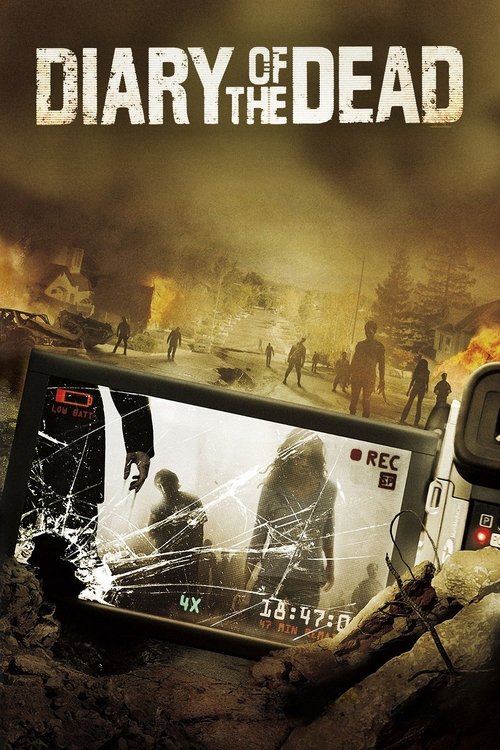
Diary of the Dead
2007A group of young filmmakers encounter real zombies while filming a horror movie of their own.
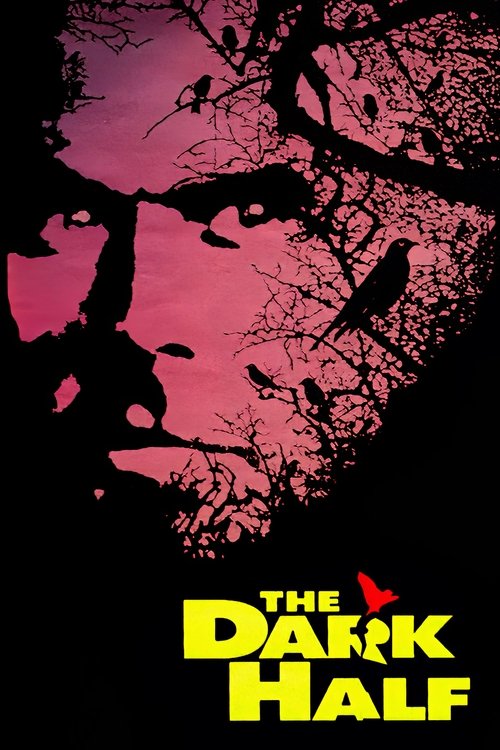
The Dark Half
1993Following the public's realization that Thad Beaumont and George Stark are one and the same, the former stages a mock funeral, only for a series of gruesome murders to begin occurring as in his books.
In this polished studio effort, the director tackles the internal war of creative identity through a high-concept psychological lens. It stands as a testament to his versatility in handling traditional suspense while maintaining his signature focus on the duality of the human condition.
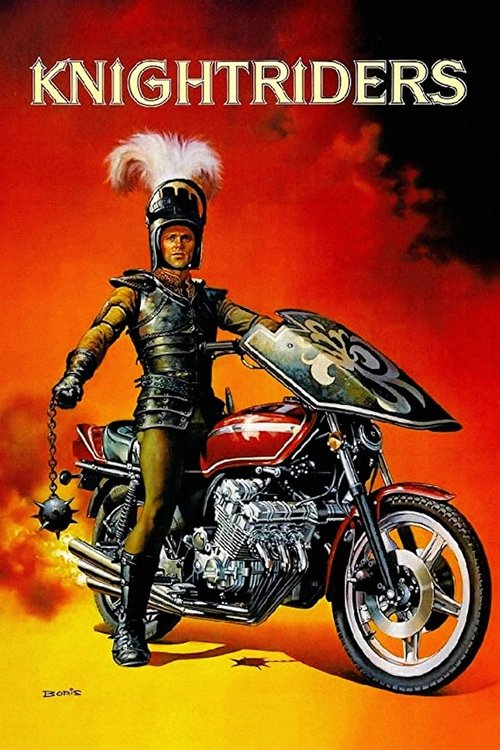
Knightriders
1981A medieval reenactment troupe struggles to maintain its family-like dynamic amid pressure from local authorities, interest from talent agents, and their so-called king's delusions of grandeur.
Perhaps his most personal and eccentric vision, this sprawling drama about nomadic bikers living by a code of Arthurian chivalry rejects horror entirely. It provides a vital window into Romero’s own countercultural ideals and his lifelong fascination with individuals who refuse to conform to a commercialized society.
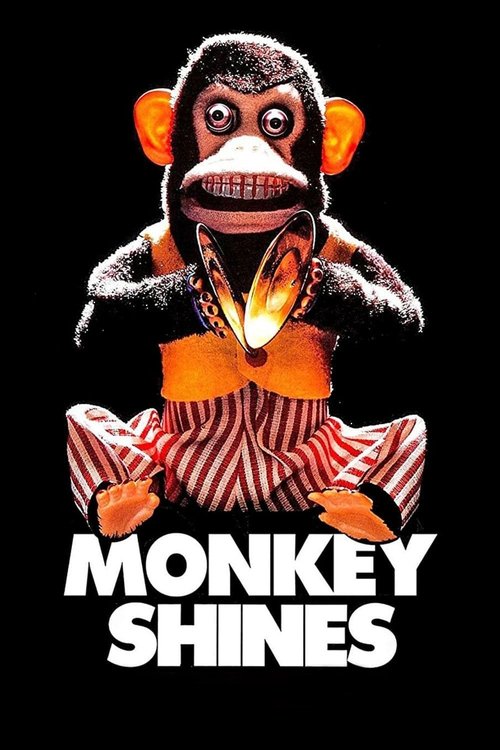
Monkey Shines
1988A quadriplegic man is given a trained monkey help him with every day activities, until the little monkey begins to develop feelings, and rage, against its new master and those who get too close to him.
A chilling departure into medical thriller territory, this film explores the violation of the psyche through a symbiotic relationship gone wrong. It demonstrates his ability to generate suspense through intimate, domestic spaces and the uncomfortable intersection of science and animal instinct.
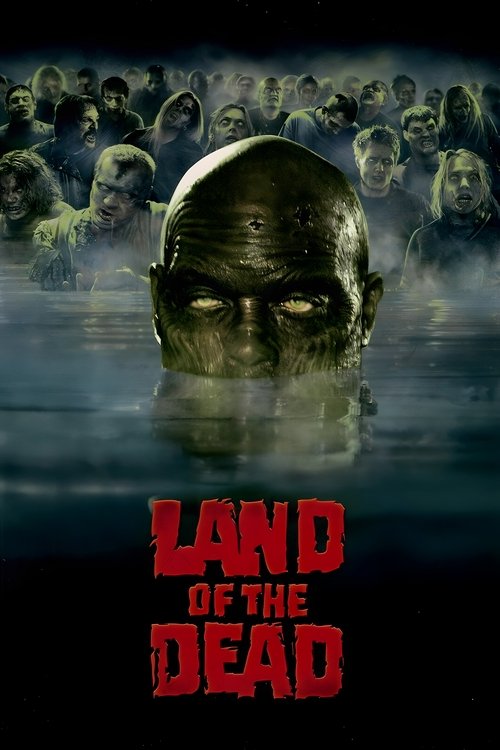
Land of the Dead
2005The living dead have taken over the world, and the remaining humans live in a walled city to protect themselves as they cope with the situation.
Returning to his dead world with a larger budget, Romero crafted a sophisticated allegory regarding class warfare and the literal walls built to protect the elite. This late-career entry evolves his mythology by granting the undead a burgeoning consciousness and a rightful claim to the earth.
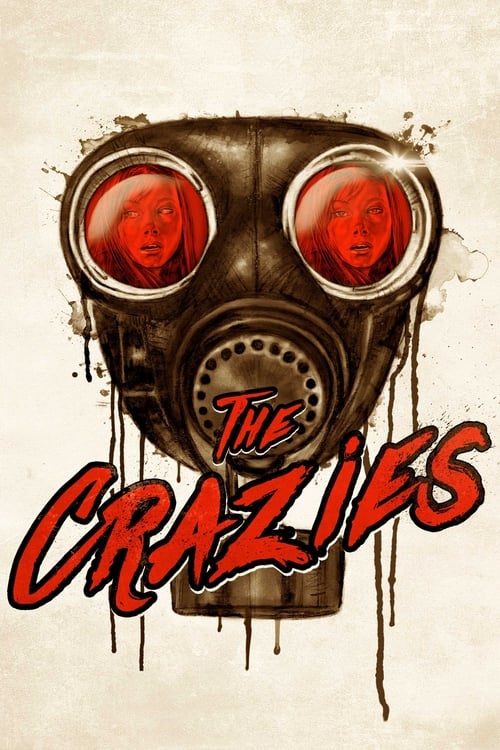
The Crazies
1973The military attempts to contain a manmade virus causing death and permanent insanity in those infected, as it overtakes a small Pennsylvania town.
This frantic depiction of a military biocontainment failure serves as a blueprint for the director’s persistent distrust of government machinery. The film’s chaotic editing and documentary-style urgency capture the terrifying reality of a society unraveling from within by its own designed defenses.
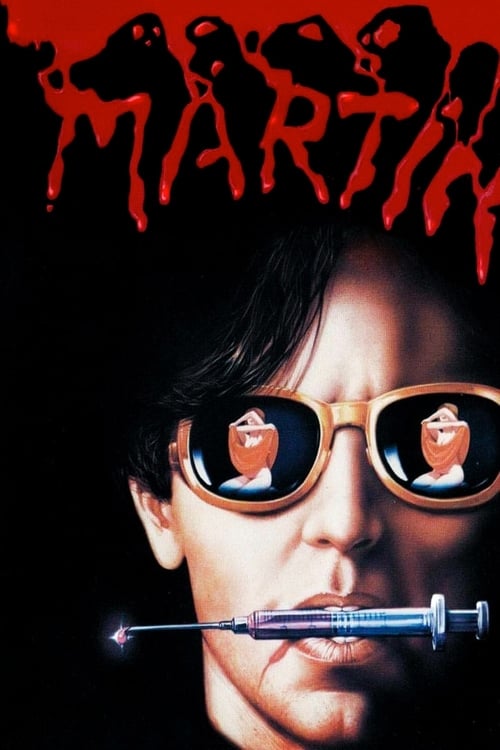
Martin
1978A young man, convinced he's a vampire, goes to live with his elderly and hostile cousin in a small Pennsylvanian town, where he tries to suppress his bloodlust.
By stripping the vampire mythos of its supernatural glamor, Romero delivered a hauntingly lo-fi deconstruction of urban loneliness and delusional youth. It remains his most psychologically complex work, trading hordes of monsters for a singular, tragic portrait of a boy caught between ancient folklore and modern decay.
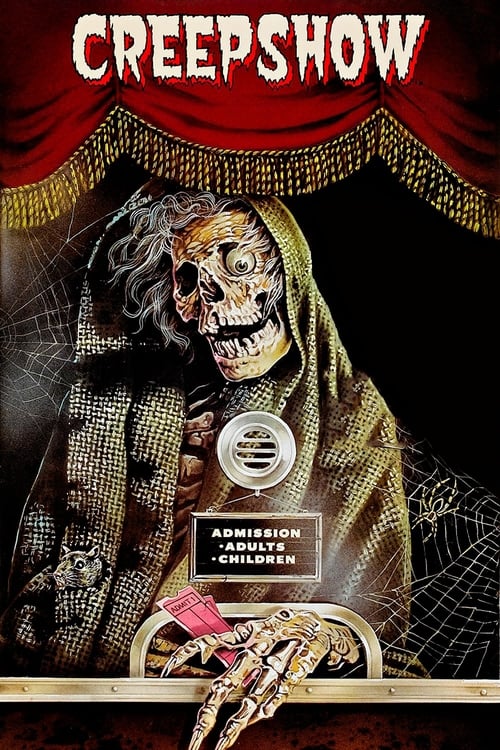
Creepshow
1982Five grisly tales from a 1950s-style comic, including a murdered father rising from beyond, a bizarre meteor, a vengeful husband, a mysterious crate's occupant, and a plague of cockroaches.
This vibrant collaboration with Stephen King serves as a kinetic love letter to EC Comics, utilizing expressionistic lighting and comic-panel framing to bridge the gap between page and screen. It showcases a playful, macabre side of his directorial voice that thrives on stylized artifice rather than gritty realism.
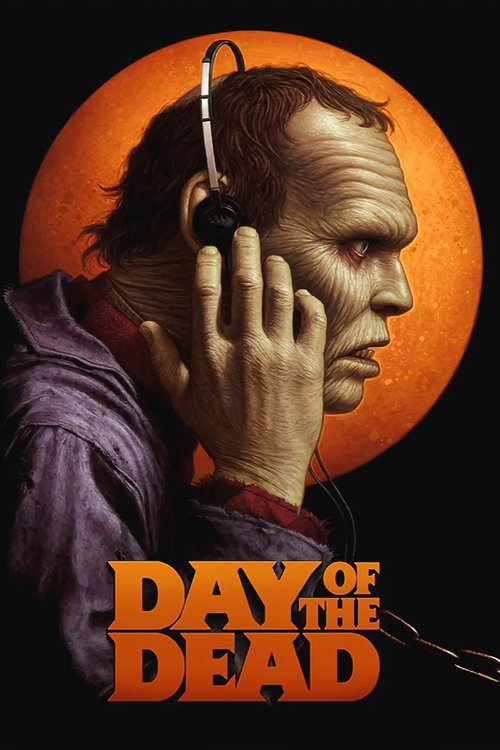
Day of the Dead
1985As the world is overrun by zombies, scientists and military personnel in an underground Florida bunker must decide on how they should deal with the undead.
Uncompromising and claustrophobic, this film represents the director at his most cynical as he explores the total collapse of institutional authority. The transition from external threat to internal tribalism highlights Romero’s obsession with humanity’s inability to communicate even at the edge of extinction.
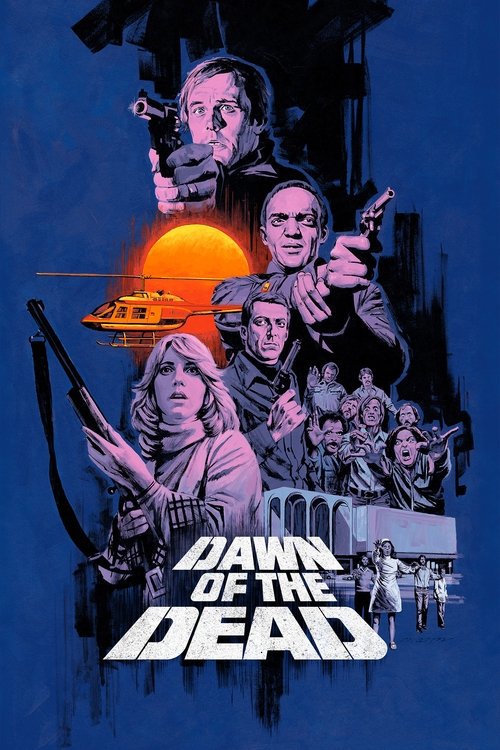
Dawn of the Dead
1978During an ever-growing epidemic of zombies that have risen from the dead, two Philadelphia SWAT team members, a traffic reporter, and his television-executive girlfriend seek refuge in a secluded shopping mall.
Romero reached his aesthetic peak by synthesizing splatstick gore with a blistering indictment of American consumerism within the sprawling confines of a shopping mall. This neon-soaked epic proves that his greatest talent was balancing grand-scale apocalypse with intimate, character-driven tragedy.
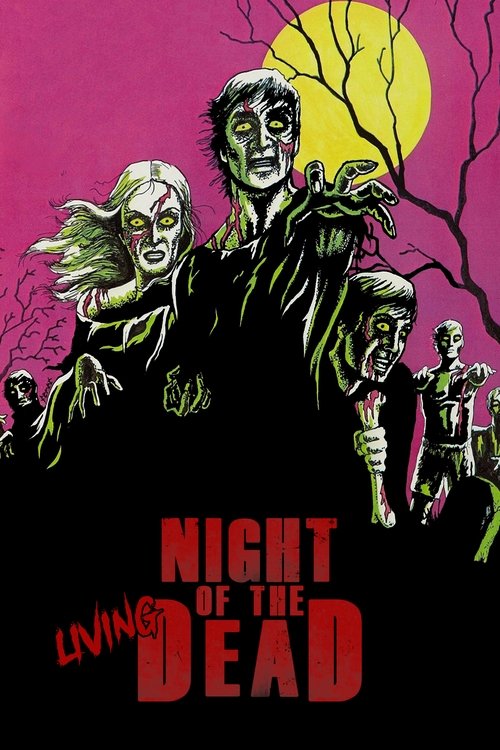
Night of the Living Dead
1968A ragtag group barricade themselves in an old Pennsylvania farmhouse to remain safe from a horde of flesh-eating ghouls ravaging the Northeast.
A foundational masterwork of nihilistic horror, this jagged piece of guerrilla filmmaking shattered the gothic archetypes of the past to invent the modern zombie. Its claustrophobic tension and bleak sociopolitical subtext transformed the genre into a vessel for radical cultural critique.
Frequently Asked Questions
Everything you need to know about this list and SnakeDrafts
- George A. Romero revolutionized the zombie genre by using the undead as a metaphor for societal issues, starting with his groundbreaking film Night of the Living Dead. His approach added layers of social commentary and psychological depth, distinguishing his work from typical horror fare.
- Creepshow (1982) is a notable George A. Romero film that skillfully combines horror with dark comedy. The movie pays homage to classic horror anthologies, offering both scares and satirical humor.
- Romero's films evolved from raw, guerrilla-style zombie horrors like Night of the Living Dead to more complex narratives exploring human nature and societal breakdowns, as seen in Day of the Dead and Land of the Dead. Later works like The Amusement Park and Bruiser exhibit his interest in psychological thriller elements.
- Yes, several of Romero's films incorporate science fiction elements, such as Dawn of the Dead and Land of the Dead, which explore apocalyptic scenarios and societal collapse. Monkey Shines and The Crazies also blend horror with sci-fi themes.
- Absolutely, the list highlights films like The Amusement Park and Hungry Wives, which showcase Romero's range beyond zombies, delving into social issues and psychological drama with a unique horror twist.
- George A. Romero consistently tackled themes like societal decay, human survival instincts, and social allegory, especially about consumerism and class struggle. These themes are prevalent in films like Dawn of the Dead and Diary of the Dead.
- Martin (1978) is a distinct film in Romero's oeuvre that emphasizes psychological horror and character study over traditional zombie tropes, presenting a nuanced and unsettling exploration of vampirism and identity.