A Ranking of Rutger Hauer's Best Movies
The Legend of Dutch Cinema and Hollywood Genre Icons
Explore the definitive filmography of Rutger Hauer, from his legendary role in Blade Runner to cult classics and international cinema masterpieces.
About Rutger Hauer
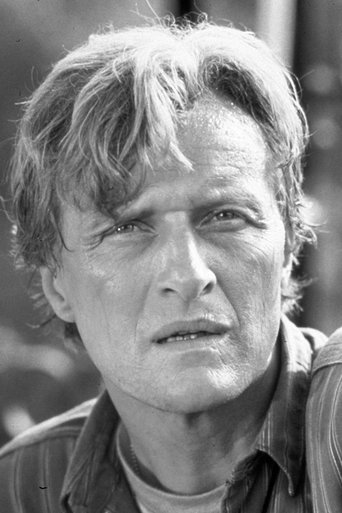
Rutger Hauer possessed a face that seemed carved from a slab of Nordic marble, yet he operated with a soul that felt restless and mercury-fluid. He arrived on the global stage not just as a leading man, but as a visceral disruption. To watch him was to witness a constant tension between high-art sensitivity and a jagged, dangerous physicality. He was the rare screen presence who could communicate more with a twitch of a sapphire eye than most actors could with a page of dialogue. While many of his peers were chasing traditional stardom, he was busy constructing a legacy of beautiful monsters and tragic outcasts.
His early collaborations with Paul Verhoeven in the Netherlands set the template for his fearlessness. In Turkish Delight, he was raw and erotic, while Soldier of Orange showcased a grounded, patriotic gravity. These roles signaled that he was far more than a statuesque blonde archetype. When he eventually made the leap to Hollywood, he bypassed the standard hero roles to reinvent the cinematic antagonist. In Nighthawks, he was a terrifyingly modern terrorist who outshone the veteran action stars around him, but it was Ridley Scott’s Blade Runner that cemented his status as a philosophical icon. As Roy Batty, he didn't just play a villain; he played a miracle of synthetic life terrified of its own expiration date. By improvising the famous tears in rain monologue, he proved that he understood the poetry of mortality better than the writers did.
The mid-eighties saw him morphing into a cult cinema deity. He embodied a haunting, knightly stoicism in Ladyhawke and a feral, mercenary grit in Flesh + Blood. Yet, he was equally adept at curdling the blood of audiences, as seen in The Hitcher. His portrayal of John Ryder turned the open highway into a landscape of existential dread, creating a boogeyman that was as much a ghost as he was a killer. He followed this with a display of incredible range, winning a Golden Globe for the harrowing Escape from Sobibor and showcasing an unexpected, tactile grace as a sightless swordsman in Blind Fury.
Even as he transitioned into a seasoned elder statesman of the screen, his magnetism never flickered. In the 2000s, he brought a weathered authority to blockbusters like Batman Begins and Sin City, while still finding room for the eccentric as a hired killer in Confessions of a Dangerous Mind. He never lost his appetite for the avant-garde or the gritty, which led him to his late-career renaissance in the grindhouse opera Hobo with a Shotgun. Whether he was playing a broken man searching for grace in The Legend of the Holy Drinker or helping friends reach the sea in Knockin on Heavens Door, Hauer remained an enigma. He was an actor who lived in the quiet spaces between the lines, a man who could make even the most fantastical worlds feel dangerously, beautifully real. To his fans, he was the eternal outsider, an artist who reminded us that even in our darkest moments, there is a strange and shimmering nobility.

Spetters
1980Amateur dirt-bikers Rien and Hans–and their mechanic Eef–each fall in love with Fientje, a young woman who, with her brother Jaap, works a concession stand at the races. Everyone seeks a better life: Fientje wants out of the business and away from Jaap; and Rien and Hans aim to make their marks as pro racers, like their hero, Gerrit Witkamp.
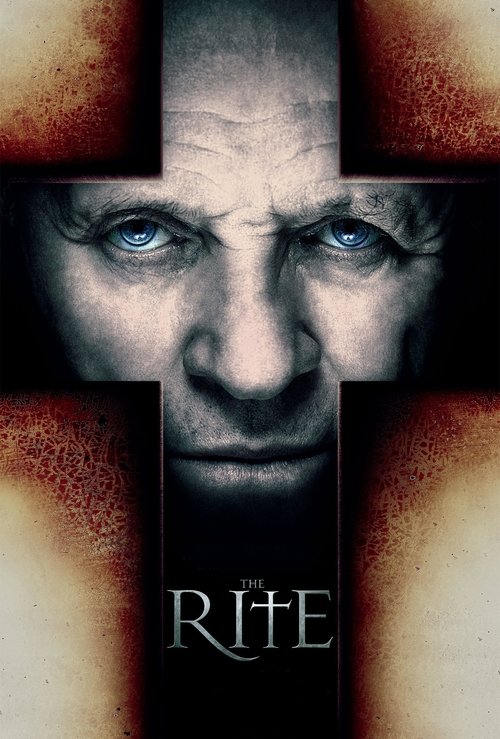
The Rite
2011Seminary student Michael Kovak reluctantly attends exorcism school at the Vatican. While he’s in Rome, Michael meets an unorthodox priest who introduces him to the darker side of his faith, uncovering the devil’s reach even to one of the holiest places on Earth.
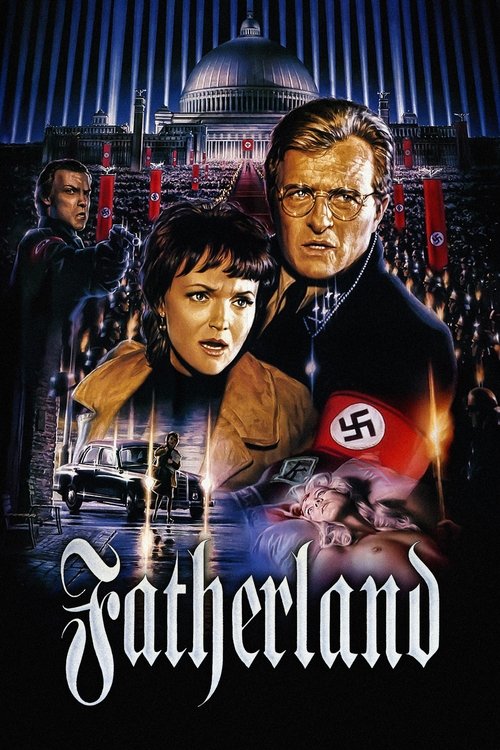
Fatherland
1994Fictional account of what might have happened if Hitler had won the war. It is now the 1960s and Germany's war crimes have so far been kept a secret. Hitler wants to talk peace with the US president. An American journalist and a German homicide cop stumble into a plot to destroy all evidence of the genocide.
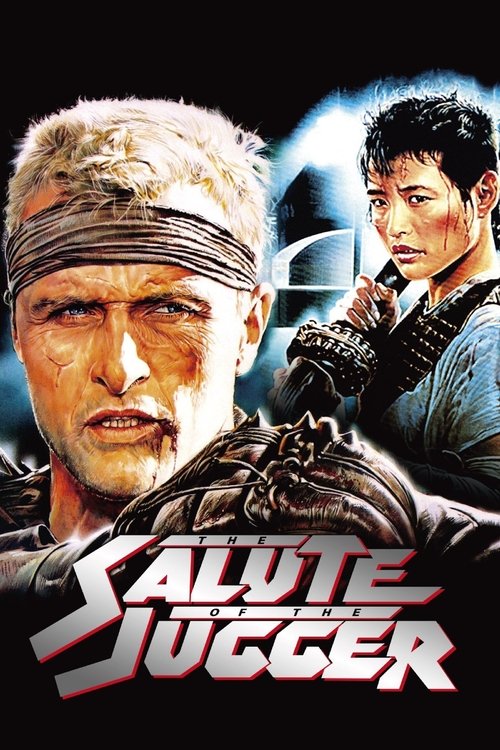
The Blood of Heroes
1989Set in a futuristic world where the only sport that has survived in a wasted society is the brutal game known as jugging. Sallow, the leader of a rag-tag team, has played in the main Leagues before, but was cast out because of indiscretions with a lady. Now joined by a talented newcomer, Kidda, an ambitious young peasant girl, he and his team find they have one last chance for glory.
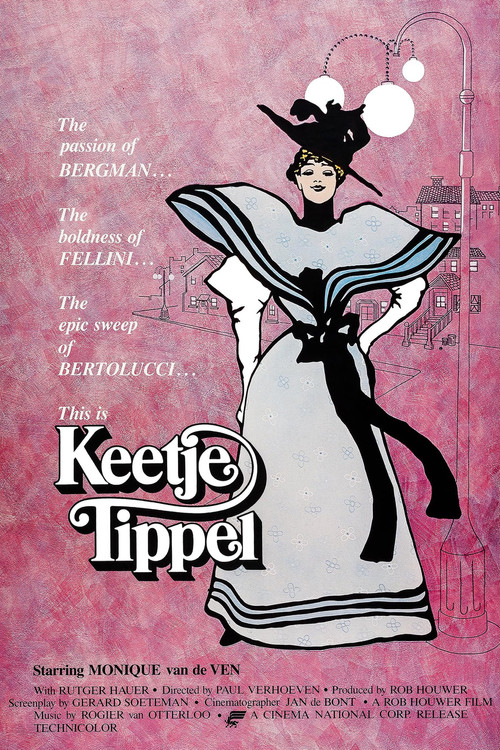
Katie Tippel
1975In the late 19th-century, the Tippel family moves to rural Stavoren in search of greener pastures. However, their dreams are quickly shattered, as teenage Katie is terrorized by a male-dominated society who only see her as an object. Her situation worsens when, following her father's sacking and her elder sister's descent into alcoholism, her mother decides that, rather than starving, Katie becomes a prostitute.
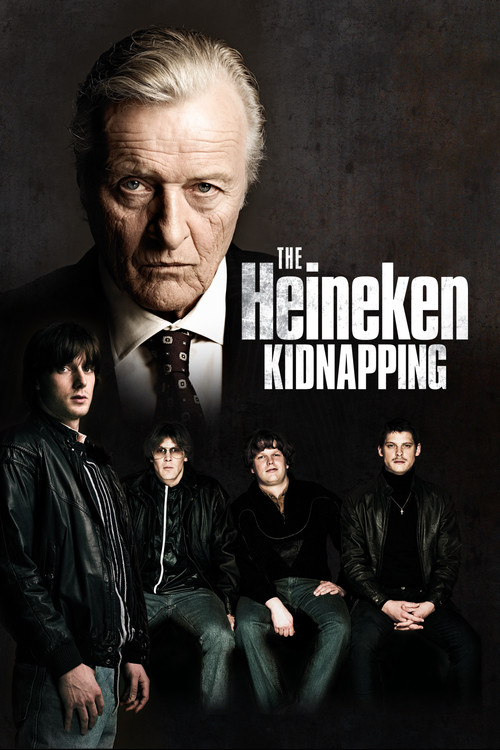
The Heineken Kidnapping
2011On a cold November day in 1983, beer magnate Alfred Heineken and his chauffeur Ab Doderer are abducted. What follows is the most infamous kidnapping case the Netherlands have ever known.
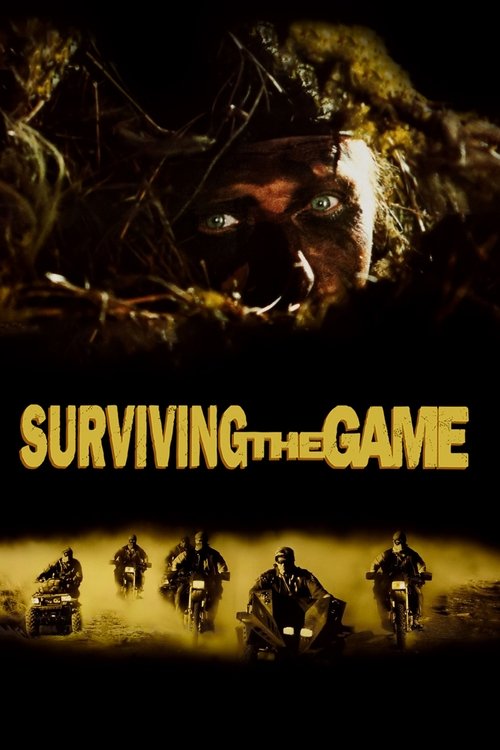
Surviving the Game
1994A homeless man is hired as a survival guide for a group of wealthy businessmen on a hunting trip in the mountains, unaware that they are killers who hunt humans for sport, and that he is their new prey.
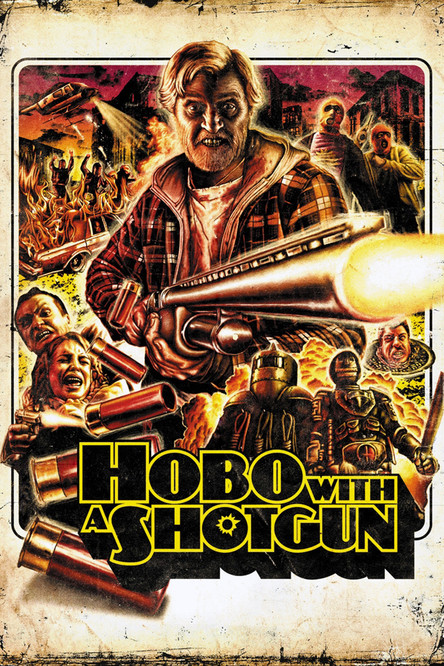
Hobo with a Shotgun
2011A vigilante homeless man pulls into a new city and finds himself trapped in urban chaos, a city where crime rules and where the city's crime boss reigns. Seeing an urban landscape filled with armed robbers, corrupt cops, abused prostitutes and even a pedophile Santa, the Hobo goes about bringing justice to the city the best way he knows how - with a 20-gauge shotgun. Mayhem ensues when he tries to make things better for the future generation. Street justice will indeed prevail.
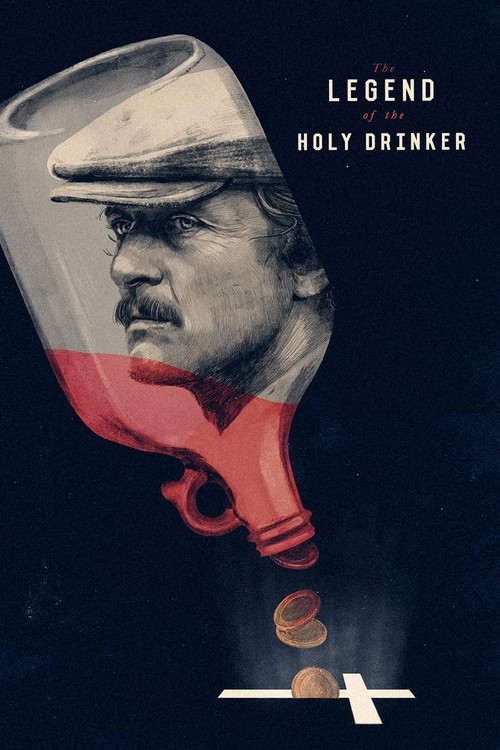
The Legend of the Holy Drinker
1988Andreas Kartak, a homeless man living under the bridges of Paris, is lent 200 francs by a stranger as long as he promises to repay it to a local church when he can afford to. Kartak is determined to pay back his debt but circumstances, and his alcoholism, forever intervene.
Knockin' on Heaven's Door
1997Two young men, Martin and Rudi, both suffering from terminal cancer, get to know each other in a hospital room. They drown their desperation in tequila and decide to take one last trip to the sea. Drunk and still in pajamas they steal the first fancy car they find, a 60's Mercedes convertible. The car happens to belong to a bunch of gangsters, which immediately start to chase it, since it contains more than the pistol Martin finds in the glove box.
Television made him famous, but his biggest hits happened off screen. Television producer by day, CIA assassin by night, Chuck Barris was recruited by the CIA at the height of his TV career and trained to become a covert operative. Or so Barris said.

Turkish Delight
1973Gifted but hot-headed sculptor Eric has a stormy, erotic, and star-crossed romance with a beautiful young woman named Olga.
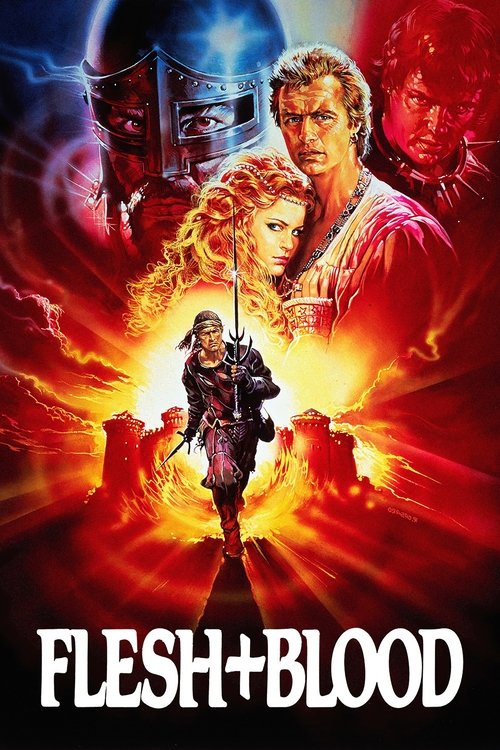
Flesh + Blood
1985A band of medieval mercenaries take revenge on a noble Lord who stiffs them by kidnapping the betrothed of the noble's son. As the plague and warfare cut a swathe of destruction throughout the land, the mercenaries hole up in a castle and await their fate.
Hauer embraces the mud and blood of Verhoeven’s brutal medieval vision, playing a mercenary leader who exists entirely outside conventional morality. It is a gritty, unvarnished performance that highlights his willingness to inhabit deeply flawed and difficult characters.
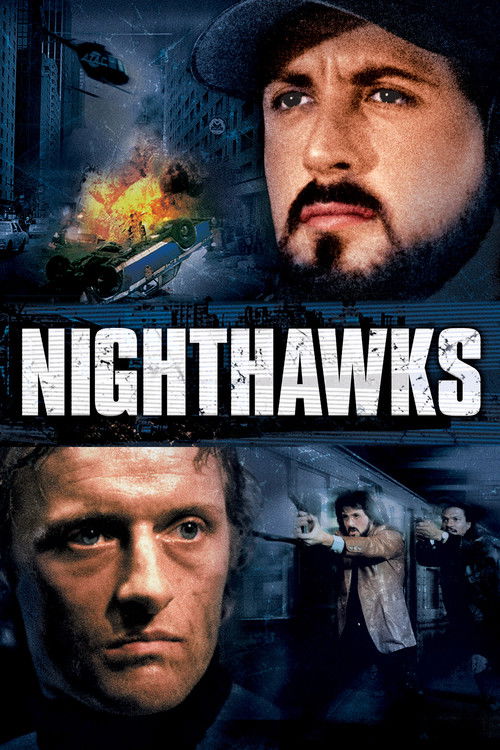
Nighthawks
1981When one of Europe's most lethal terrorists shows up in New York, an elite undercover cop is assigned to take him down by any means necessary.
Matching the intensity of Sylvester Stallone, Hauer portrays an uncompromising terrorist with a frighteningly modern sense of volatility. This American debut served as a jarring introduction to his talent for playing sophisticated villains who feel genuinely dangerous.
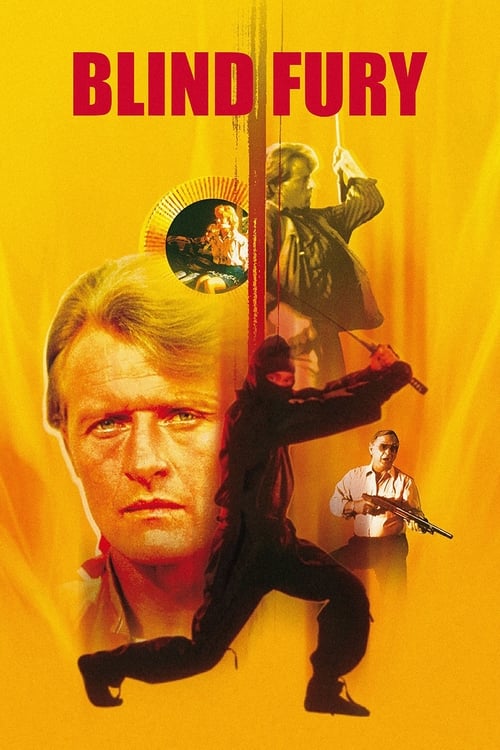
Blind Fury
1989A blind Vietnam vet, trained as a swordfighter, comes to America and helps to rescue the son of a fellow soldier.
Hauer pivots toward high-concept action with surprising charm, utilizing his physical precision to convincingly portray a sightless swordsman. He avoids caricature by focusing on the character’s heightened senses and wry humor, proving his versatility in lighter, genre-bending fare.
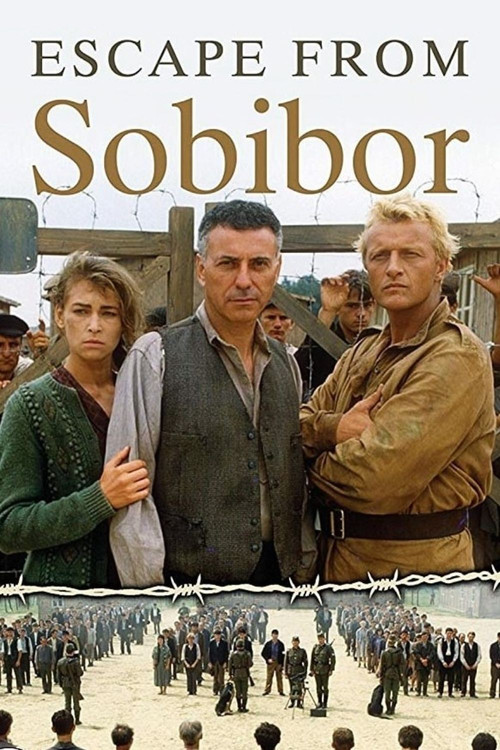
Escape from Sobibor
1987The true story of WWII's notorious Sobibor Nazi death camp, where a courageous inmate orchestrates and leads the escape of over 300 prisoners.
His portrayal of Alexander Pechersky showcases a steely resolve and a quiet, tactical brilliance that anchors this harrowing historical account. This television role earned him critical acclaim for his ability to convey leadership and hope amidst the darkest of human circumstances.
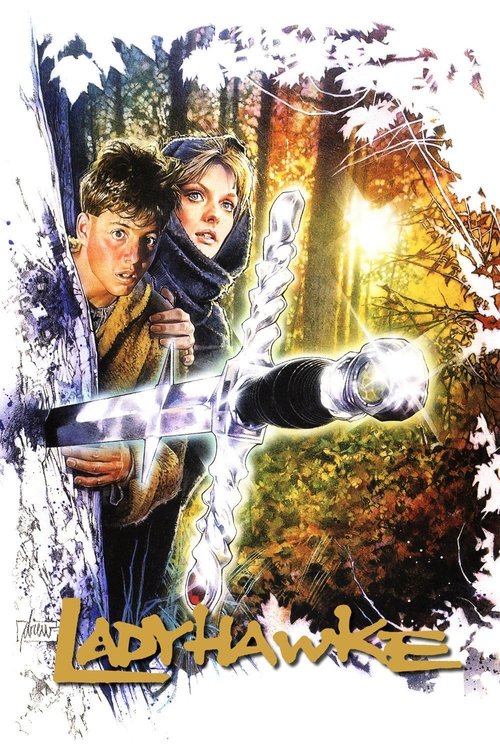
Ladyhawke
1985Captain Etienne Navarre is a man on whose shoulders lies a cruel curse. Punished for loving each other, Navarre must become a wolf by night whilst his lover, Lady Isabeau, takes the form of a hawk by day. Together, with the thief Philippe Gaston, they must try to overthrow the corrupt Bishop and in doing so break the spell.
Playing the cursed Etienne of Navarre, Hauer captures a sense of melancholic nobility that grounds the film's fantastical elements in genuine emotional stakes. He balances the physicality of a knight with the haunted interiority of a man perpetually separated from his heart's desire.
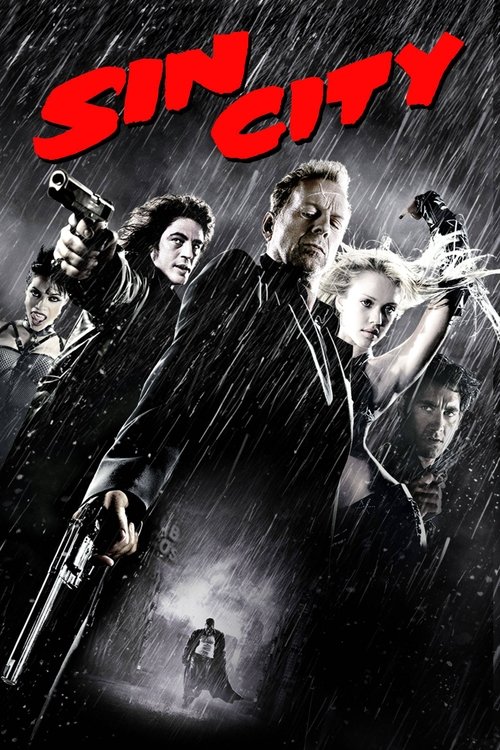
Sin City
2005Welcome to Sin City. This town beckons to the tough, the corrupt, the brokenhearted. Some call it dark… Hard-boiled. Then there are those who call it home — Crooked cops, sexy dames, desperate vigilantes. Some are seeking revenge, others lust after redemption, and then there are those hoping for a little of both. A universe of unlikely and reluctant heroes still trying to do the right thing in a city that refuses to care.
Hauer adopts a terrifyingly pious mask as Cardinal Roark, projecting a quiet corruption that feels both ancient and immediate. He leans into the film's stylized noir aesthetic to create a monster hidden behind a veneer of religious authority.
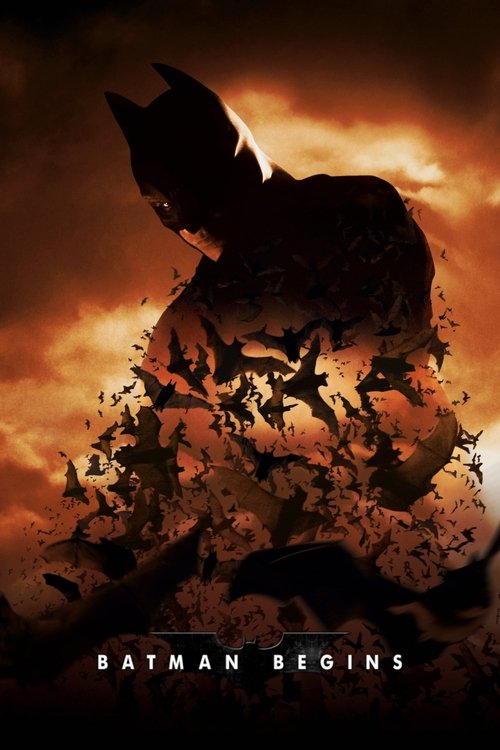
Batman Begins
2005Driven by tragedy, billionaire Bruce Wayne dedicates his life to uncovering and defeating the corruption that plagues his home, Gotham City. Unable to work within the system, he instead creates a new identity, a symbol of fear for the criminal underworld - The Batman.
Commanding the boardroom with a sharp, corporate predatory instinct, Hauer provides a grounded human foil to the burgeoning superhero mythos. His brief but impactful turn as William Earle demonstrates his ability to dominate a scene using nothing but calculated dialogue and a biting, aristocratic wit.
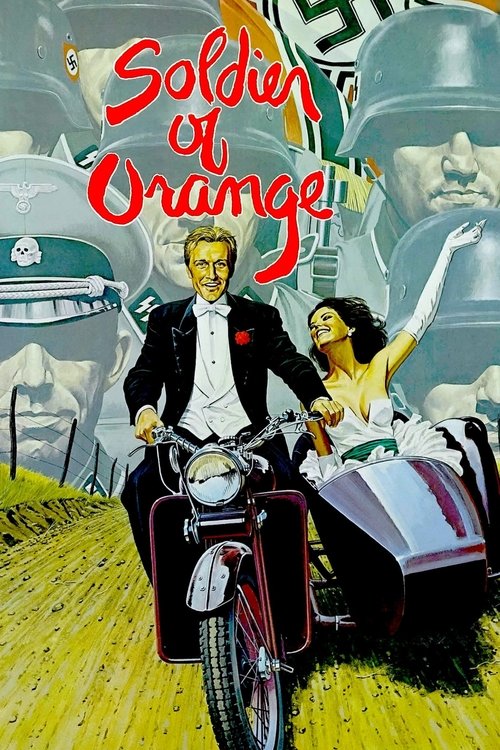
Soldier of Orange
1977The lives of Erik Lanshof and five of his closest friends take different paths when the German army invades the Netherlands in 1940: fight and resistance, fear and resignation, collaboration and high treason.
As the charismatic Erik Lanshof, Hauer displays a youthful, vibrant energy that proved his capability as a complex leading man within Paul Verhoeven’s gritty wartime lens. This international breakthrough established the raw vulnerability and magnetic screen authority that would define his later Hollywood career.
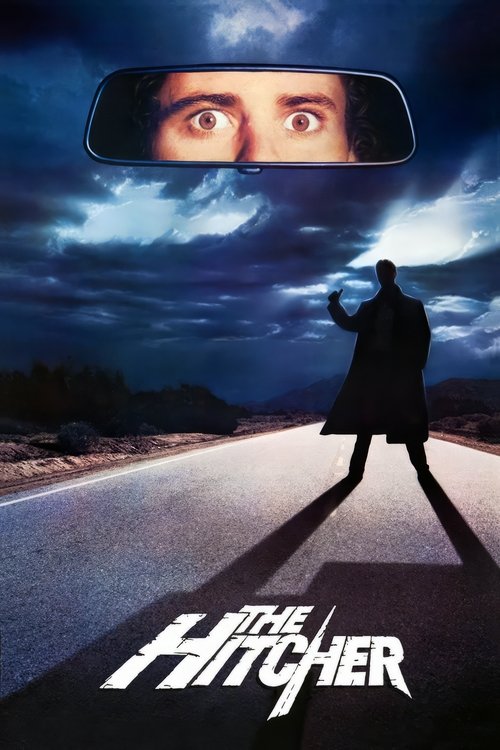
The Hitcher
1986On a stormy night, young Jim, who transports a luxury car from Chicago to California to deliver it to its owner, feeling tired and sleepy, picks up a mysterious hitchhiker, who has appeared out of nowhere, thinking that a good conversation will help him not to fall asleep. He will have enough time to deeply regret such an unmeditated decision.
In a masterclass of existential terror, Hauer utilizes his chilling stillness to transform a highway predator into an elemental force of nature. This role solidified his reputation as a formidable antagonist capable of carrying an entire thriller through sheer, cold-eyed presence.
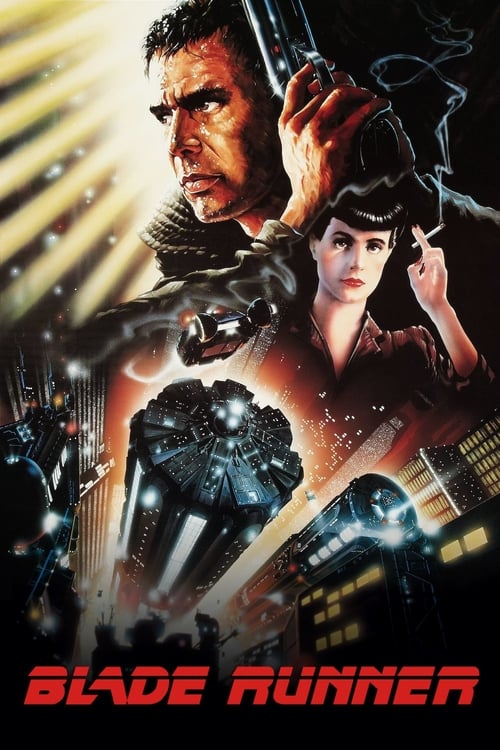
Blade Runner
1982In the smog-choked dystopian Los Angeles of 2019, blade runner Rick Deckard is called out of retirement to terminate a quartet of replicants who have escaped to Earth seeking their creator for a way to extend their short life spans.
Hauer transcends the science fiction genre by imbuing Roy Batty with a tragic, poetic soul that effectively challenges the definition of humanity. This remains his definitive cinematic contribution, marking the moment he became an immortal icon of the screen through a singular blend of menace and grace.
Frequently Asked Questions
Everything you need to know about this list and SnakeDrafts
- Rutger Hauer's most renowned role as a replicant is in the sci-fi classic Blade Runner (1982), directed by Ridley Scott. His performance blends vulnerability and menace, making it a defining moment in his career and in science fiction cinema.
- Rutger Hauer delivered a memorable performance as a menacing hitchhiker in The Hitcher (1986). This thriller highlights his ability to portray a cold, relentless villain with intense psychological depth.
- Rutger Hauer starred in Soldier of Orange (1977), a gripping Dutch war drama directed by Paul Verhoeven, and Escape from Sobibor (1987), a TV movie about a prisoner revolt in a Nazi extermination camp. Both films display his range in portraying intense historical and war-related characters.
- In Batman Begins (2005), Hauer plays a mentor-like figure, differentiating from his often villainous or complex roles. His portrayal of Dr. Ra's al Ghul adds gravitas and wisdom, showcasing his versatility in mainstream blockbuster cinema.
- Rutger Hauer worked multiple times with Paul Verhoeven, starring in Turkish Delight (1973), Soldier of Orange (1977), and Flesh + Blood (1985). These films highlight their strong actor-director partnership and Hauer's depth in romantic, war, and adventure genres.
- Sin City (2005), directed by Robert Rodriguez, features Hauer in a stylized, noir-inspired crime thriller. His role complements the film’s dark, graphic novel aesthetic while enhancing the multi-layered narrative.
- Ladyhawke (1985) is a unique film in Hauer's career that merges fantasy, adventure, and comedy. His role as Navarre, a cursed knight, combines romance and mystical elements, demonstrating his ability to navigate diverse genres.