The Essential Edward Furlong Movie Career Ranking
From Teen Idol Stardom to Gritty Cult Classics
Explore Edward Furlong's most iconic film roles, featuring his breakout performance in Terminator 2 and his powerful work in American History X.
About Edward Furlong
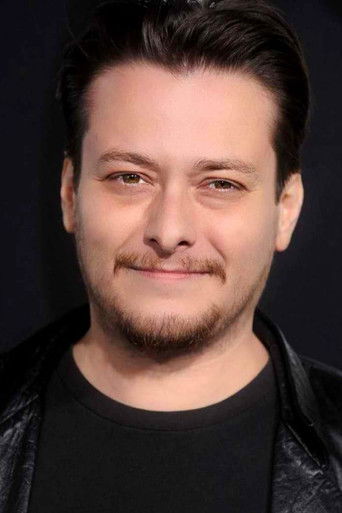
In the summer of 1991, a twelve year old with a defiant gaze and a voice that cracked between childhood and rebellion became the unexpected face of the future. Edward Furlong did not just play John Connor in Terminator 2 Judgment Day; he embodied a specific brand of nineties disillusionment that felt entirely unmanufactured. With his oversized public enemy shirts and that signature curtain of dark hair, he represented the street smart kid forced to grow up at hyper speed. While larger than life icons like Arnold Schwarzenegger provided the muscle, it was Furlong’s raw, nervous energy that gave the blockbuster its soul. He arrived on screen not as a polished child actor, but as a lightning bolt of pure, jittery authenticity.
That quality of being perpetually unsettled became his greatest asset as he navigated a decade of gritty, high stakes dramas. He possessed an uncanny ability to hold his own against industry titans, never flinching when sharing the frame with Meryl Streep in Before and After or Jeff Bridges in the heartbreaking American Heart. Audiences felt a kinship with him because he never seemed to be performing. He was the perpetual outsider, the kid from the wrong side of the tracks who carried a heavy weight behind his eyes. In the noirish Little Odessa, he channeled that quiet intensity into a performance that signaled he was far more than a one hit wonder from a summer tentpole.
The peak of his creative output arrived toward the end of the nineties when he leaned into his role as a counterculture muse. In John Waters' Pecker, he showed a softer, more whimsical side as a small town photographer, proving he could handle satire just as well as heavy drama. However, his most shattering work remains American History X. As Danny Vinyard, he navigated a terrifying landscape of radicalization and trauma, providing a tragic, grounded perspective that served as the film's moral compass. It was a role that required a delicate balance of vulnerability and misplaced rage, cemented by the haunting look of realization in his final scenes.
Even as he transitioned into cult favorites like Detroit Rock City or the tech horror Brainscan, that core magnetism remained. He thrived in the messy, the dark, and the weird. Whether he was playing a convict in the brutal Animal Factory or popping up in later grit like Attack on Darfur, there was always a sense that Furlong was pulling from a very real, very complicated well of experience. His career didn’t follow the sanitized trajectory of a teen idol, and that is precisely why he remains a figure of such intense fascination. He was our collective younger brother, a symbol of a specific era of cinema where the heroes were allowed to be broken, and the stars didn’t have to be perfect to be unforgettable. He remains a vivid reminder that sometimes the most compelling presence on screen is the one that refuses to fit into the mold.
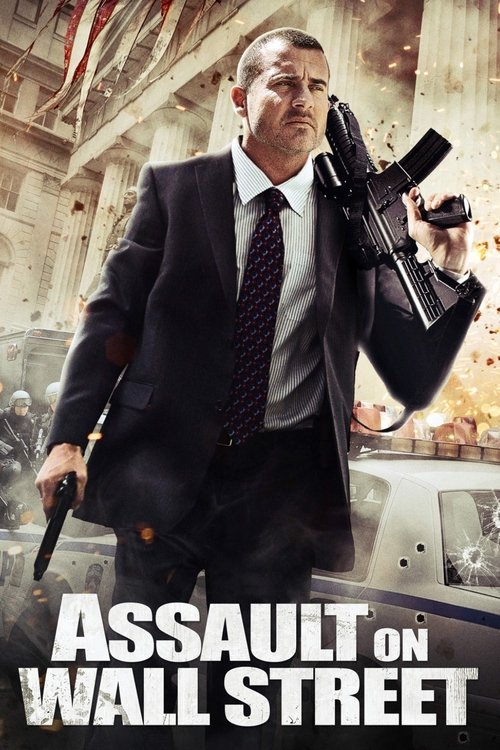
Assault on Wall Street
2013Jim is an average New Yorker living a peaceful life with a well paying job and a loving family. Suddenly, everything changes when the economy crashes causing Jim to lose everything. Filled with anger and rage, Jim snaps and goes to extreme lengths to seek revenge for the life taken from him.
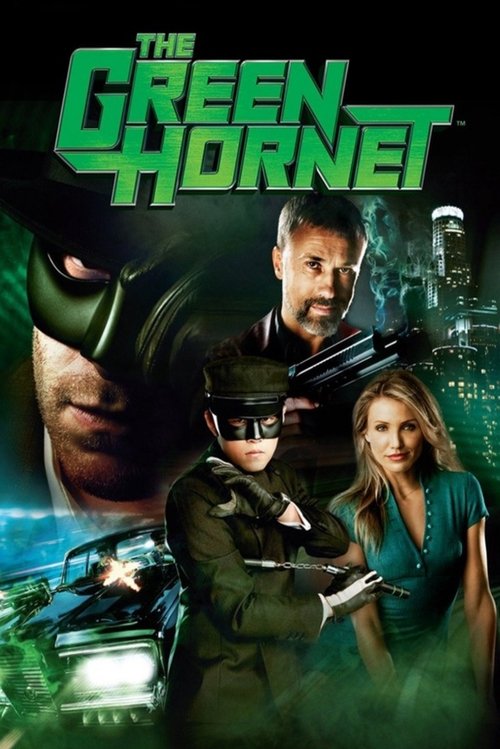
The Green Hornet
2011Britt Reid, the heir to the largest newspaper fortune in Los Angeles, is a spoiled playboy who has been, thus far, happy to lead an aimless life. After his father dies, Britt meets Kato, a resourceful company employee. Realizing that they have the talent and resources to make something of their lives, Britt and Kato join forces as costumed crime-fighters to bring down the city's most-powerful criminal, Chudnofsky.
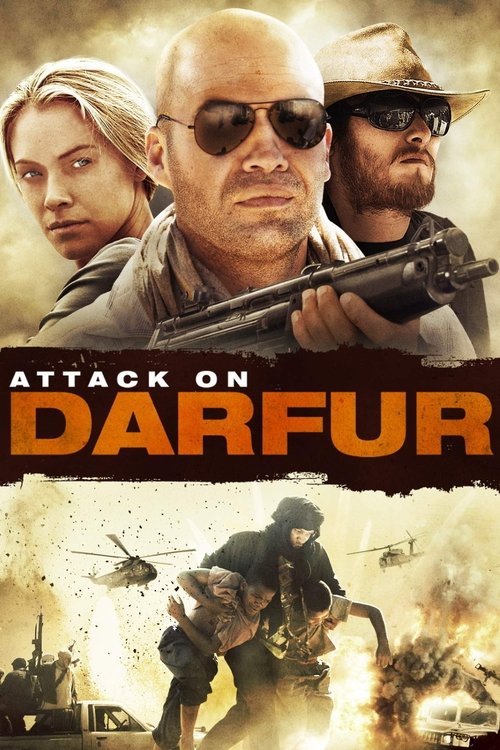
Attack on Darfur
2009American journalists in Sudan are confronted with the dilemma of whether to return home to report on the atrocities they have seen, or to stay behind and help some of the victims they have encountered.
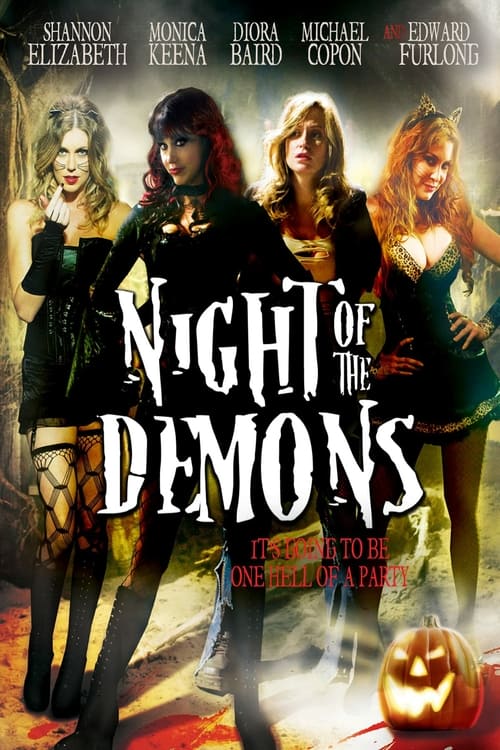
Night of the Demons
2009Angela is throwing a decadent Halloween party at New Orleans' infamous Broussard Mansion. But after the police break up the festivities, Maddie and a few friends stay behind. Trapped inside the locked mansion gates, the remaining guests uncover a horrifying secret and soon fall victim to seven vicious, blood-thirsty demons.
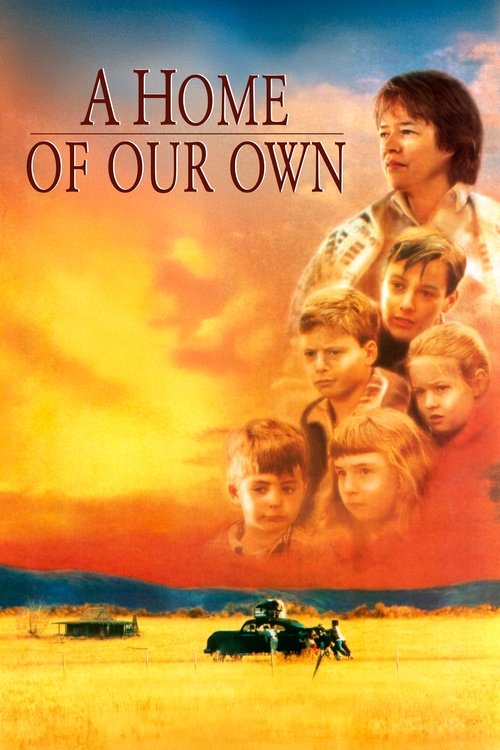
A Home of Our Own
1993In 1960s Los Angeles an energetic widow and her six children try to make a dream of theirs come true: to have a home of their own. They leave L.A. and head for the countryside, all the while facing numerous difficulties and obstacles during their journey.
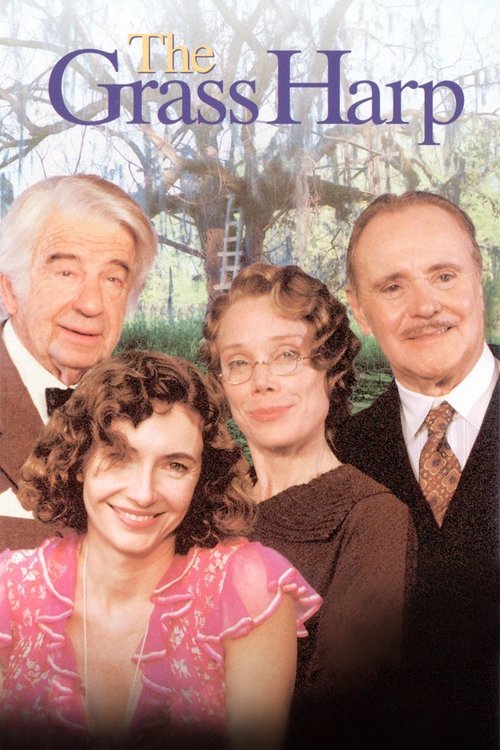
The Grass Harp
1996Based on the novel by Truman Capote, this often-witty coming-of-age drama looks at a young man growing up with an unusual family in the Deep South in the 1940s. Becoming an orphan in 1935, Collin moves to his dad's cousins Verena and Dolly. Verena is a rich, bossy businesswoman. Dolly, Collin and the maid revolt, moving to a tree house.
Stepping into a Southern Gothic period piece, Furlong adapts his modern edge to fit a more lyrical and nostalgic setting. His participation in this ensemble demonstrates an effort to expand his range into classical storytelling and character-driven period drama.
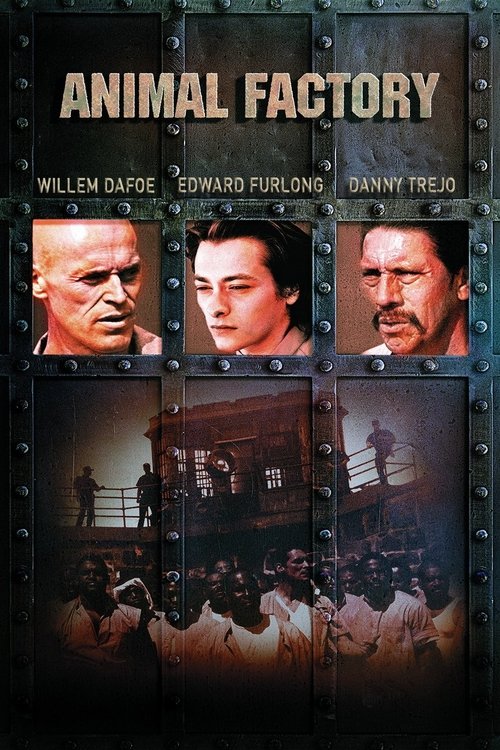
Animal Factory
2000Suburbanite Ron is spoiled, young and not overly worried about the marijuana charges leveled against him. But, after being made out to be a drug dealer, he faces a five-year jail sentence in San Quentin State Prison. Physically frail and unaccustomed to his rough surroundings, Ron is primed to fall victim to sexual predators and bullying guards – that is, until he's befriended by Earl, a veteran inmate who finds meaning in protecting the vulnerable new kid.
Caught in the harsh machinery of the prison system, Furlong portrays a naive convict with a fragile resilience that creates a stark contrast to the hardened criminals around him. Steve Buscemi utilizes Furlong's youthful energy to highlight the inherent brutality of the carceral environment.
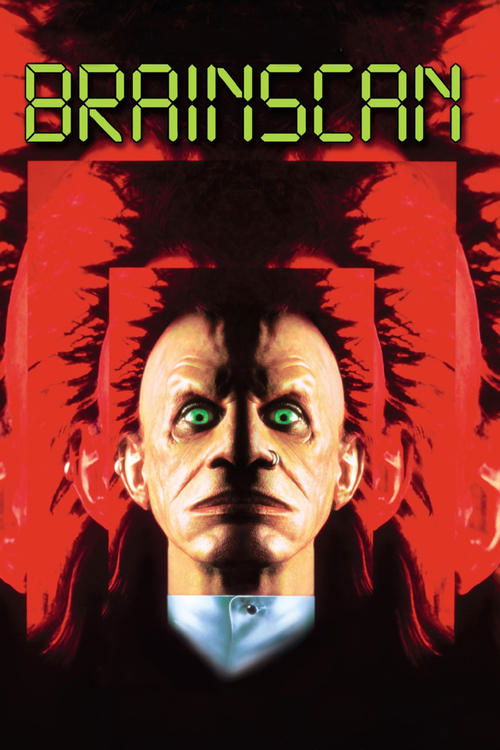
Brainscan
1994A lonely teenage horror-movie fan discovers a mysterious computer game that uses hypnosis to custom-tailor the game into the most terrifying experience imaginable. When he emerges from the hypnotic trance he is horrified to find evidence that the brutal murder depicted in the game actually happened -- and he's the killer.
This cult horror entry captures Furlong at the height of his grunge-era fame, channeling the loneliness of a tech-obsessed loner. His performance elevates the genre material by grounding the surreal digital terrors in a palpable sense of adolescent isolation.
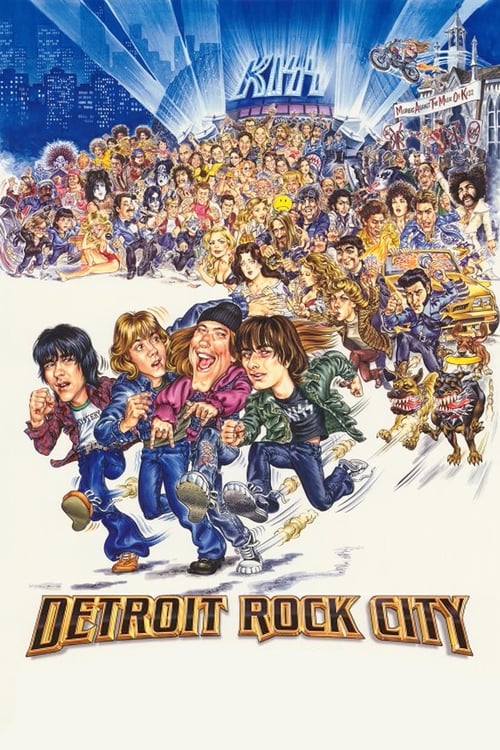
Detroit Rock City
1999In 1978, a Kiss concert was an epoch-making event. For the four teen fans in Detroit Rock City getting tickets to the sold-out show becomes the focal point of their existence. They'll do anything for tickets -- compete in a strip club's amateur-night contest, take on religious protesters, even rob a convenience store!
Furlong leans into the chaotic comedy of adolescence here, shedding his dramatic weight for a high-energy pursuit of heavy metal glory. This turn as a 1970s rocker allows him to play a lighter, more physical role that captures the frantic spirit of teenage fandom.
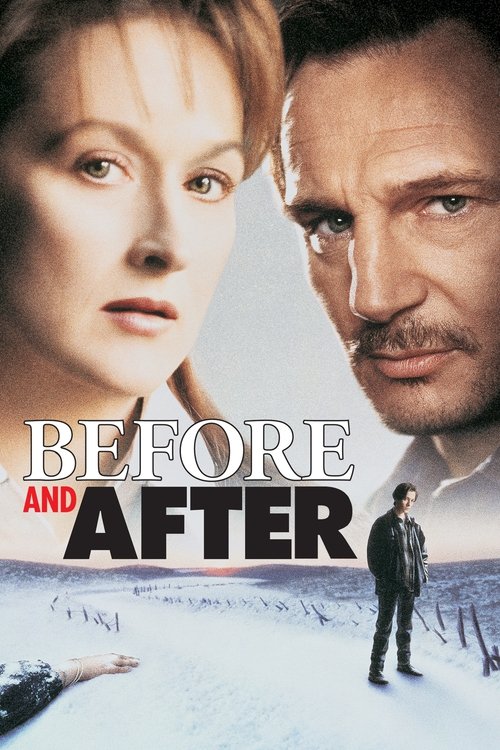
Before and After
1996Two parents deal with the effects when their son is accused of murdering his girlfriend.
Anchoring a high-stakes domestic thriller, Furlong plays a teenager shrouded in ambiguity with a practiced restraint. He manages to feel like a believable catalyst for a family's moral collapse, standing firm against seasoned heavyweights Meryl Streep and Liam Neeson.
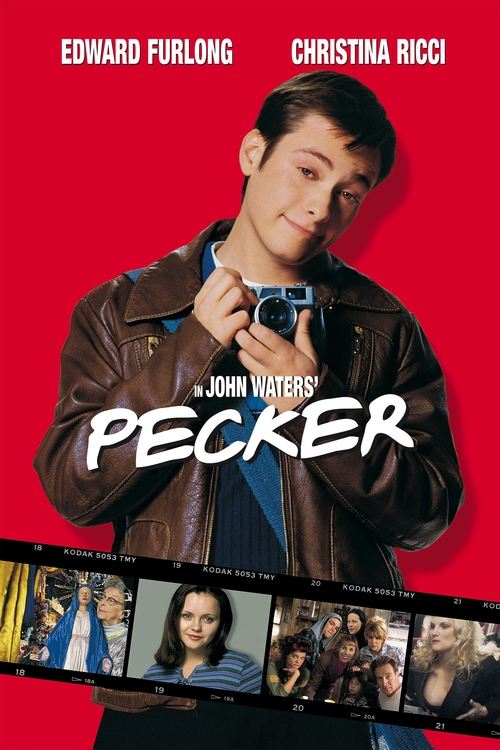
Pecker
1998A Baltimore teenager who picks up a second-hand camera starts snapping his way to stardom, soon turning into a nationwide sensation, with a fateful choice between his life and his art.
Trading his usual brooding intensity for John Waters' kitschy optimism, Furlong displays surprising comedic timing and an endearing quirkiness. This performance proved his versatility, showing he could handle eccentric satirical material without losing his signature naturalism.
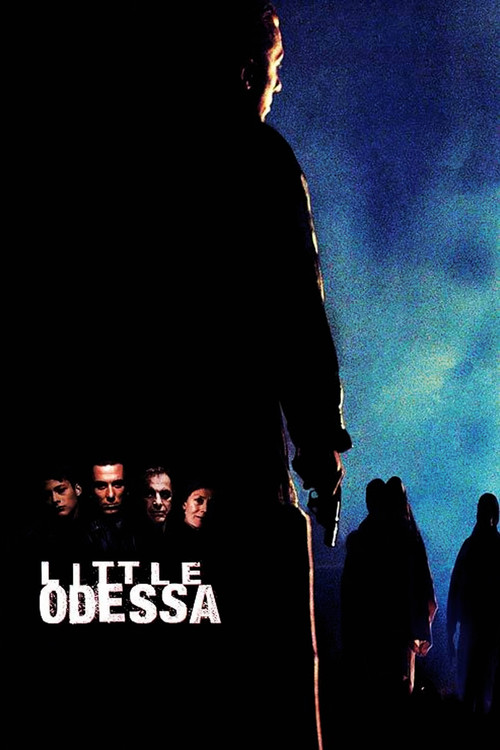
Little Odessa
1994Long separated from his family, hitman Joshua returns to Brighton Beach for a contract killing for the Russian Mafia. His abusive father, Arkady, banned him from returning after Joshua committed his first murder. He takes up residence in a hotel, and soon everyone knows he has returned. He goes home to visit his dying mother, Irina, and prepares for the assassination, getting drawn back into the criminal community he left behind.
Furlong brings a tragic, wide-eyed innocence to James Gray's bleak crime saga, acting as the bridge between a family's internal grief and external violence. His ability to convey internal conflict through stillness distinguishes this as a pivotal moment in his filmography.
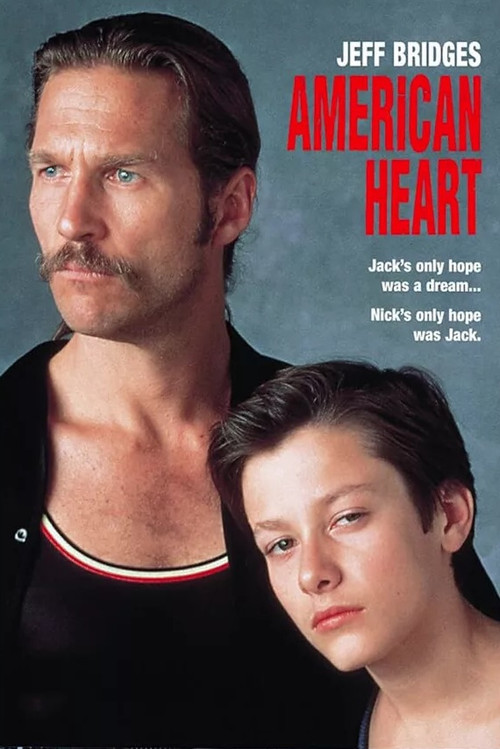
American Heart
1992An ex-convict is tracked down by his estranged teenage son, and the pair try to build a relationship and life together in Seattle.
Opposite Jeff Bridges, Furlong holds his own as a desperate teen seeking a father's love amid the grittiness of life on the margins. This role showcased a raw, unpolished realism that proved his debut was no fluke, establishing him as a powerhouse of independent cinema.
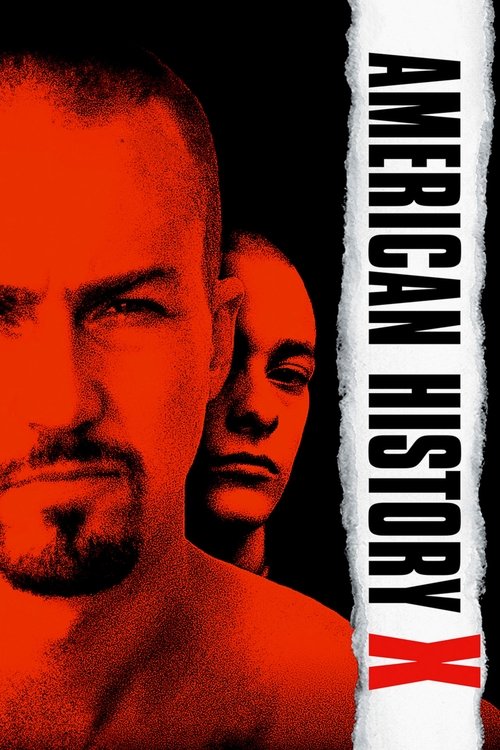
Derek Vineyard is paroled after serving 3 years in prison for killing two African-American men. Through his brother, Danny Vineyard's narration, we learn that before going to prison, Derek was a skinhead and the leader of a violent white supremacist gang that committed acts of racial crime throughout L.A. and his actions greatly influenced Danny. Reformed and fresh out of prison, Derek severs contact with the gang and becomes determined to keep Danny from going down the same violent path as he did.
In this harrowing exploration of radicalization, Furlong provides a hauntingly quiet performance that serves as the moral barometer for the film's brutal ideology. He masterfully captures the impressionable gaze of a younger brother lost in the shadow of hate, marking his transition into profound adult drama.
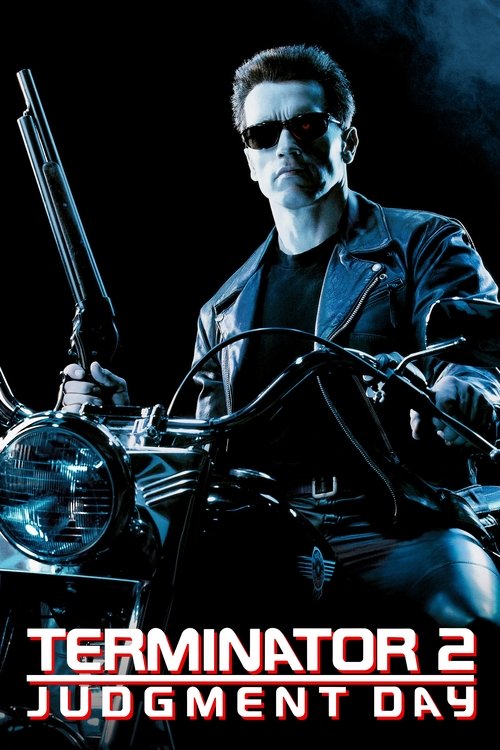
Ten years after the events of the original, a reprogrammed T-800 is sent back in time to protect young John Connor from the shape-shifting T-1000. Together with his mother Sarah, he fights to stop Skynet from triggering a nuclear apocalypse.
Furlong redefined the blockbuster protagonist by injecting a streetwise, rebellious vulnerability into the role of John Connor. His chemistry with a cyborg serves as the emotional anchor for an otherwise high-octane spectacle, cementing his status as the definitive face of 1990s youth angst.
Frequently Asked Questions
Everything you need to know about this list and SnakeDrafts
- Edward Furlong's breakout role was as John Connor in the iconic film 'Terminator 2: Judgment Day,' where his portrayal of a rebellious yet vulnerable youth captured the spirit of the early 90s and solidified his place in Hollywood.
- In 'American History X,' Edward Furlong delivers a powerful and intense performance dealing with themes of racism and redemption, showcasing his ability to handle complex, dramatic roles, which contrasts with the action-packed, sci-fi setting of 'Terminator 2.'
- Edward Furlong has demonstrated his range through diverse roles in crime dramas like 'American Heart' and 'Little Odessa,' comedy-dramas such as 'Pecker' and 'The Grass Harp,' as well as horror titles like 'Brainscan' and 'Night of the Demons.'
- Many of Edward Furlong's films explore themes of youth struggling with identity, violence, and societal challenges, as seen in 'Terminator 2,' 'American History X,' and 'American Heart,' reflecting a recurring focus on personal transformation and social issues.
- While Edward Furlong has collaborated with acclaimed directors like James Cameron and Tony Kaye, his filmography also includes work with a variety of directors across genres, emphasizing his adaptability to different directorial styles.
- 'Detroit Rock City' features Edward Furlong in a comedic and musical adventure, highlighting his ability to engage audiences in lighthearted and fun roles distinct from his more serious dramatic work.
- Starting with roles as a youthful rebel in early 90s films like 'Terminator 2,' Furlong transitioned into more mature and complex characters, appearing in dramas, thrillers, and action films throughout the 2000s such as 'Animal Factory' and 'Assault on Wall Street.'
- The film 'Brainscan' is a notable entry in Edward Furlong's career where horror and science fiction intertwine, showcasing his involvement in genre-mixing projects beyond traditional drama and action films.