The Best Jim Carrey Movies Ranked
From Slapstick Icon to Dramatic Mastermind
Discover the most iconic performances of Jim Carrey’s career, featuring his best dramatic roles and legendary comedy classics.
About Jim Carrey

In the annals of Hollywood history, few performers have bridged the gap between chaotic physical comedy and existential melancholy quite like Jim Carrey. He first exploded into the public consciousness as a human cartoon, a whirlwind of rubber-faced contortions and vocal pyrotechnics that made him the biggest star on the planet during the mid-nineties. Films like The Mask and Ace Ventura: When Nature Calls didn't just break the box office; they signaled a seismic shift in comedy, proving that a single performer’s raw, uninhibited energy could carry an entire studio franchise. Audiences connected with him because he represented a total lack of ego, a man willing to push his body to the brink of exhaustion just to elicit a laugh.
However, labeling him as merely a slapstick virtuoso does a disservice to the intricate layers he began unpeeling as his career matured. The late nineties saw a transformation that shocked critics who had written him off as a one-trick pony. In The Truman Show, he offered a heartbreakingly sincere portrayal of a man discovering his entire life is a fabrication, grounding his natural charisma in a relatable sense of suburban paranoia. He doubled down on this dramatic credibility with Man on the Moon, slipping so deep into the psyche of Andy Kaufman that the line between actor and subject became famously blurred. It was here that we saw the true depth of his craft: a restless, searching intellect that seemed to use the camera as a tool for self-discovery.
What makes his filmography so enduring is this duality. He can pivot from the zany, mean-spirited absurdity of How the Grinch Stole Christmas or the manic split-personality antics of Me, Myself & Irene to the quiet, fragile vulnerability found in Eternal Sunshine of the Spotless Mind. In that cult classic, he stripped away every comedic crutch, leaving behind a raw portrait of heartbreak that remains one of the most resonant romantic performances of the century. Even in high-concept blockbusters like Bruce Almighty or the dark whimsy of Lemony Snicket's A Series of Unfortunate Events, there is an undercurrent of genuine humanity that keeps the spectacle from feeling hollow.
Even as he moved into a more selective phase of his career, his cultural footprint remained massive. His recent resurgence as the villainous Dr. Robotnik in the Sonic the Hedgehog franchise proves that his signature kineticism hasn't aged a day. He still possesses that rare ability to hijack the screen, commanding the viewer's attention with a single arched eyebrow or a perfectly timed vocal inflection. Whether he is playing a man who cannot tell a lie in Liar Liar or navigating the digital shadows of a holiday classic like A Christmas Carol, he brings a level of commitment that borders on the spiritual.
Today, he occupies a unique space in the industry—half-hermit, half-holy-fool. He has become a philosopher of the fame machine, often speaking candidly about the illusory nature of celebrity. This honesty has only deepened the bond he shares with his fans. We don't just watch him because he’s funny; we watch him because he is a rare artist who has navigated the heights of global superstardom and come back down to earth with a perspective that is as profound as it is playful. He remains an architect of joy and a student of the human condition, an actor who taught us that sometimes you have to lose your mind to find your soul.
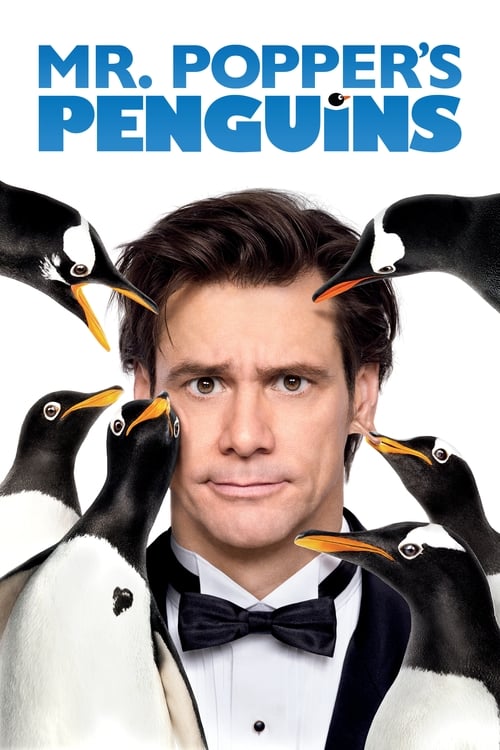
Mr. Popper's Penguins
2011Tom Popper is a successful businessman who’s clueless when it comes to the really important things in life...until he inherits six “adorable” penguins, each with its own unique personality. Soon Tom’s rambunctious roommates turn his swank New York apartment into a snowy winter wonderland — and the rest of his world upside-down.
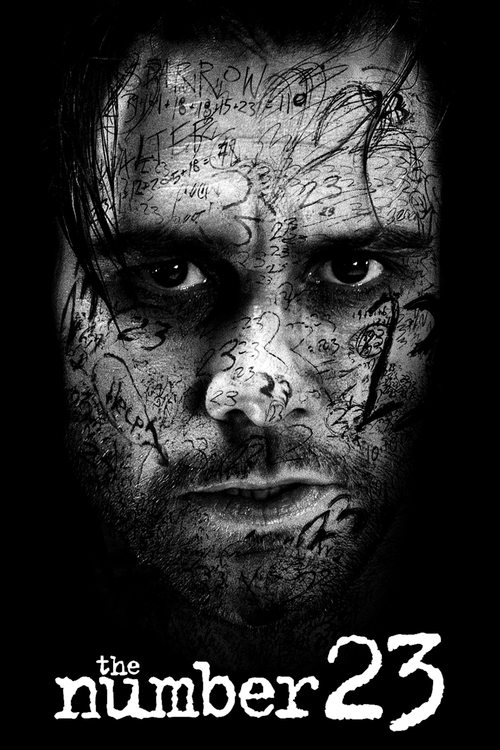
The Number 23
2007Animal control officer Walter Sparrow becomes obsessed with a novel that he believes was written about him, as more and more similarities between himself and his literary alter ego seem to arise.
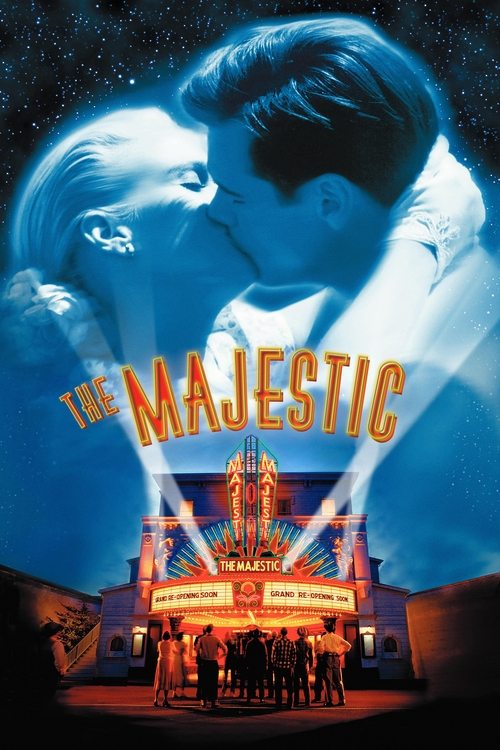
The Majestic
2001Set in 1951, a blacklisted Hollywood writer gets into a car accident, loses his memory and settles down in a small town where he is mistaken for a long-lost son.

Sonic the Hedgehog 2
2022After settling in Green Hills, Sonic is eager to prove he has what it takes to be a true hero. His test comes when Dr. Robotnik returns, this time with a new partner, Knuckles, in search for an emerald that has the power to destroy civilizations. Sonic teams up with his own sidekick, Tails, and together they embark on a globe-trotting journey to find the emerald before it falls into the wrong hands.
Returning to his roots as a high-octane antagonist, Carrey’s take on Dr. Robotnik is a glorious late-career victory lap of scenery-chewing brilliance. He invigorates the blockbuster landscape with an old-school, theatrical zaniness that serves as a potent reminder of his singular ability to dominate the frame.
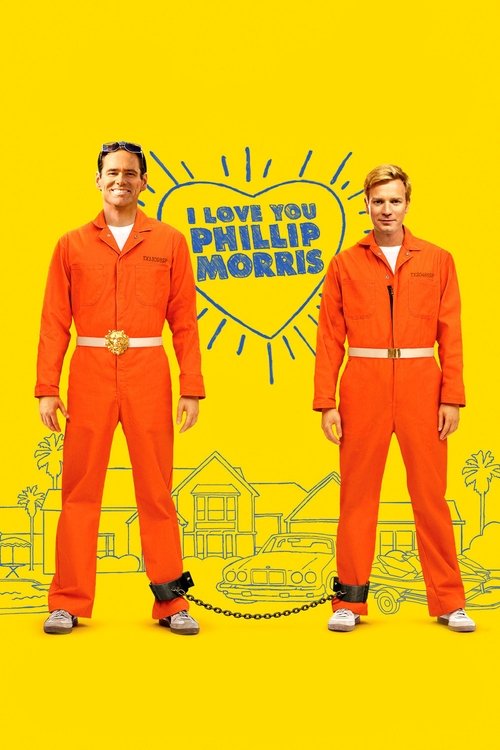
I Love You Phillip Morris
2010Steven Russell leads a seemingly average life – an organ player in the local church, happily married to Debbie, and a member of the local police force. That is until he has a severe car accident that leads him to the ultimate epiphany: he’s gay and he’s going to live life to the fullest – even if he has to break the law to do it. Taking on an extravagant lifestyle, Steven turns to cons and fraud to make ends meet and is eventually sent to the State Penitentiary where he meets the love of his life, a sensitive, soft-spoken man named Phillip Morris. His devotion to freeing Phillip from jail and building the perfect life together prompts him to attempt (and often succeed at) one impossible con after another.
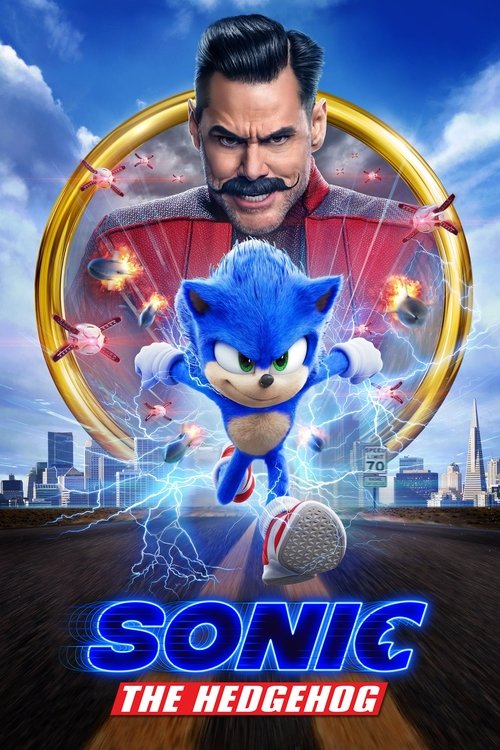
Sonic the Hedgehog
2020Powered with incredible speed, Sonic The Hedgehog embraces his new home on Earth. That is, until Sonic sparks the attention of super-uncool evil genius Dr. Robotnik. Now it’s super-villain vs. super-sonic in an all-out race across the globe to stop Robotnik from using Sonic’s unique power for world domination.

A Christmas Carol
2009Miser Ebenezer Scrooge is awakened on Christmas Eve by spirits who reveal to him his own miserable existence, what opportunities he wasted in his youth, his current cruelties, and the dire fate that awaits him if he does not change his ways. Scrooge is faced with his own story of growing bitterness and meanness, and must decide what his own future will hold: death or redemption.

Yes Man
2008Carl Allen, a guy whose life is going nowhere, signs up for a self-help program based on one simple covenant: say yes to everything…and anything.

Sonic the Hedgehog 3
2024Sonic, Knuckles, and Tails reunite against a powerful new adversary, Shadow, a mysterious villain with powers unlike anything they have faced before. With their abilities outmatched in every way, Team Sonic must seek out an unlikely alliance in hopes of stopping Shadow and protecting the planet.
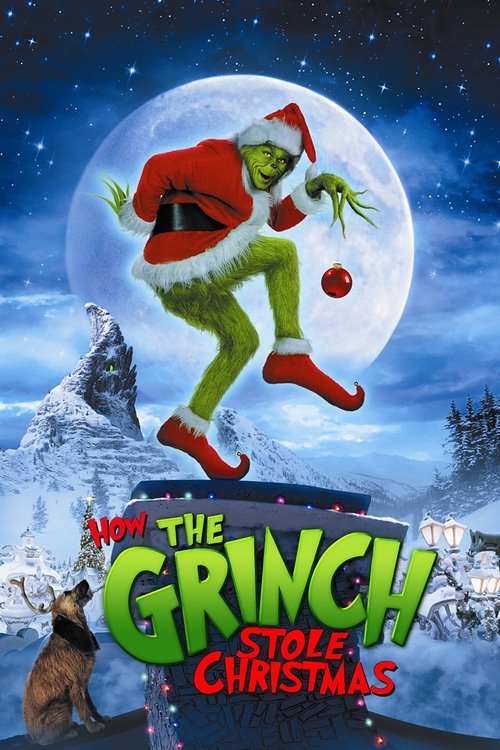
How the Grinch Stole Christmas
2000The Grinch decides to rob Whoville of Christmas - but a dash of kindness from little Cindy Lou Who and her family may be enough to melt his heart...
Buried under pounds of green yak hair, Carrey delivers a performance of remarkable clarity that survives some of the most restrictive heavy-effects makeup in cinema history. He sneaks a subversive, improvisational edge into a holiday classic, ensuring the character’s malice feels as vibrant as his eventual redemption.
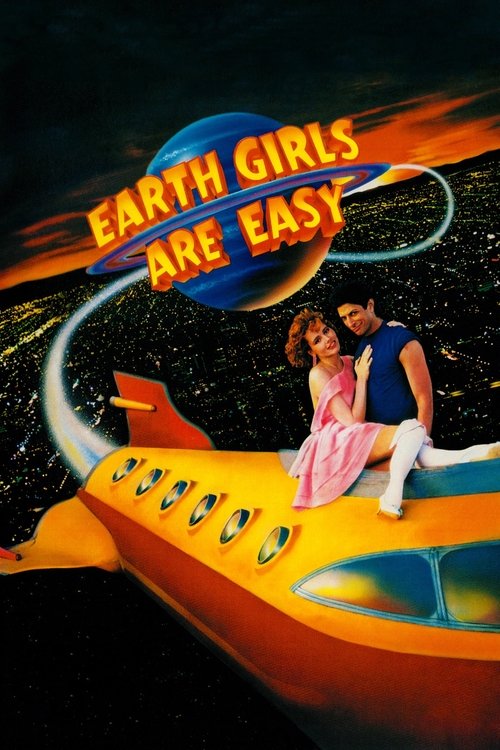
Earth Girls Are Easy
1988In this musical comedy, Valerie is dealing with her philandering fiancé, Ted, when she finds that a trio of aliens have crashed their spaceship into her swimming pool. Once the furry beings are shaved at her girlfriend's salon, the women discover three handsome men underneath. After absorbing the native culture via television, the spacemen are ready to hit the dating scene in 1980s Los Angeles.
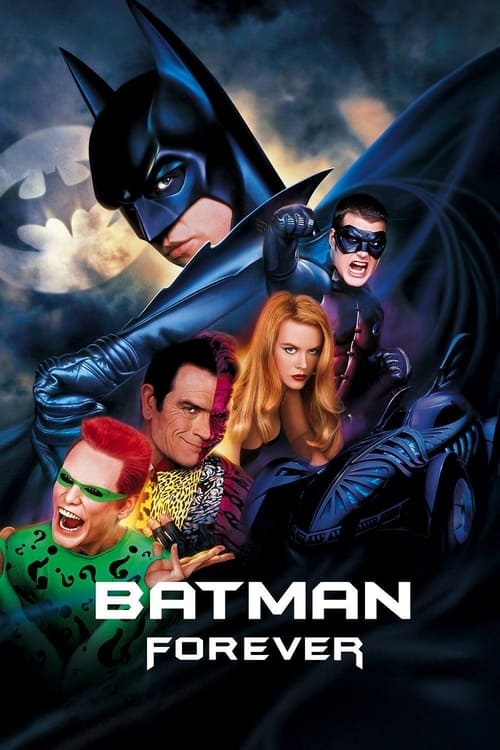
Batman Forever
1995Batman faces off against two foes: the schizophrenic, horribly scarred former District Attorney Harvey Dent, aka Two-Face, and the Riddler, a disgruntled ex-Wayne Enterprises inventor seeking revenge against his former employer by unleashing his brain-sucking weapon on Gotham City's residents. As the caped crusader also copes with tortured memories of his parents' murder, he has a new romance, with psychologist Chase Meridian.
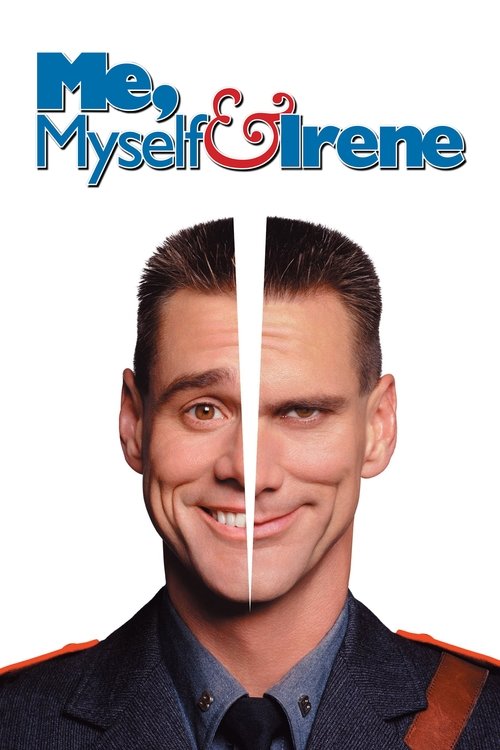
Me, Myself & Irene
2000Rhode Island State Trooper Charlie Baileygates has a multiple personality disorder. One personality is crazy and aggressive, while the other is more friendly and laid back. Both of these personalities fall in love with the same woman named Irene after Charlie loses his medication.
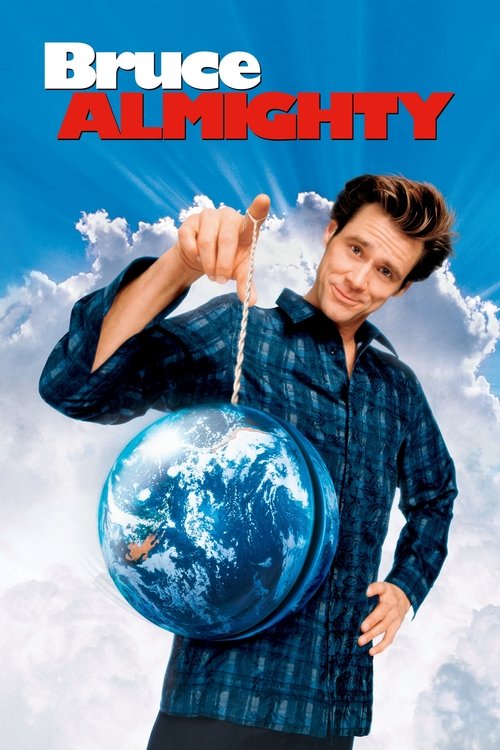
Bruce Almighty
2003Bruce Nolan toils as a "human interest" television reporter in Buffalo, NY, but despite his high ratings and the love of his beautiful girlfriend, Bruce remains unfulfilled. At the end of the worst day in his life, he angrily ridicules God — and the Almighty responds, endowing Bruce with all of His divine powers.
This film recalibrated Carrey’s persona for the 2000s, blending his trademark outbursts with a more grounded, Everyman relatability. It captures the exact moment his cosmic energy was successfully integrated into the traditional romantic-comedy framework without losing its bite.
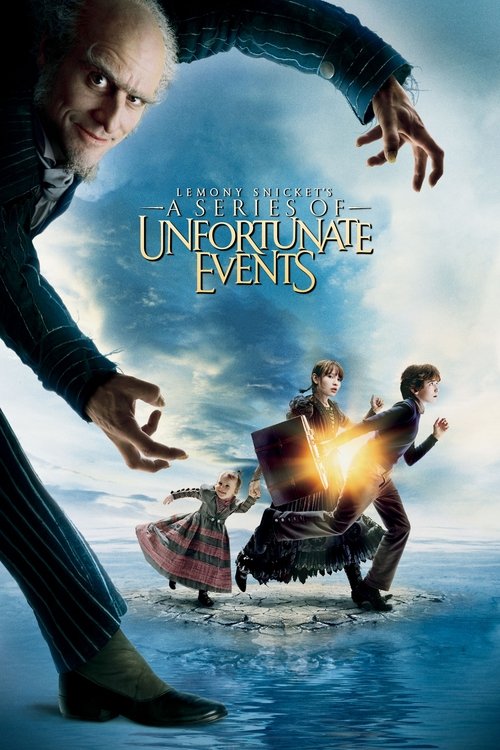
Lemony Snicket's A Series of Unfortunate Events
2004Three wealthy children's parents are killed in a fire. When they are sent to a distant relative, they find out that he is plotting to kill them and seize their fortune.
Carrey leans into a menacing, theatrical gothicism here, playing a villain defined by the same shapeshifting vanity that fueled his early career. It’s a deliciously malevolent turn that proves his penchant for exaggeration could be effectively curdled into something genuinely unsettling for a younger audience.

Liar Liar
1997Forced by his son's birthday wish, fast-talking attorney and habitual liar Fletcher Reede must tell the truth for the next 24 hours.
Operating at the absolute peak of his physical powers, Carrey turns a high-concept curse into a violent wrestling match with his own anatomy. He weaponizes his facial muscles to illustrate the internal agony of honesty, proving he could carry a studio tentpole through sheer idiosyncratic charisma.
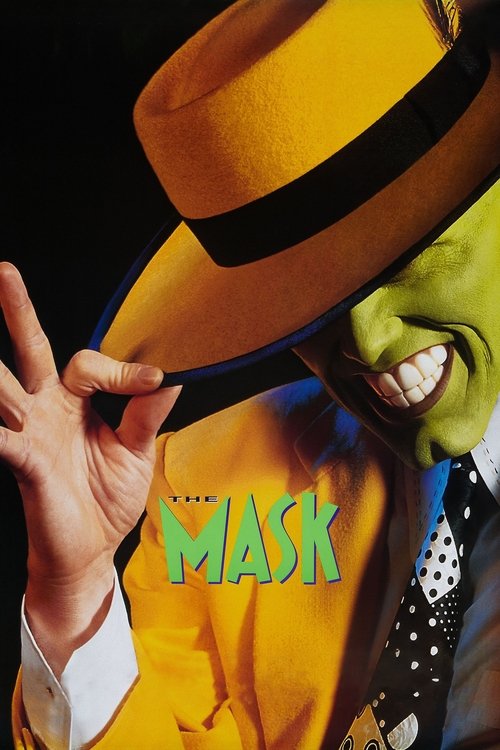
The Mask
1994Stanley Ipkiss, an insecure banker who has lost his zest for life stumbles upon an ancient mask, that turns him into a confident suave cartoon-like character who upsets his ordinary life.
Harkening back to the anarchy of Golden Age animation, Carrey functions as a living Tex Avery cartoon, bridging the gap between prosthetic makeup and digital effects. It is the purest distillation of his 'elastic' era, where his body seems governed by the laws of ink and paint rather than physics.
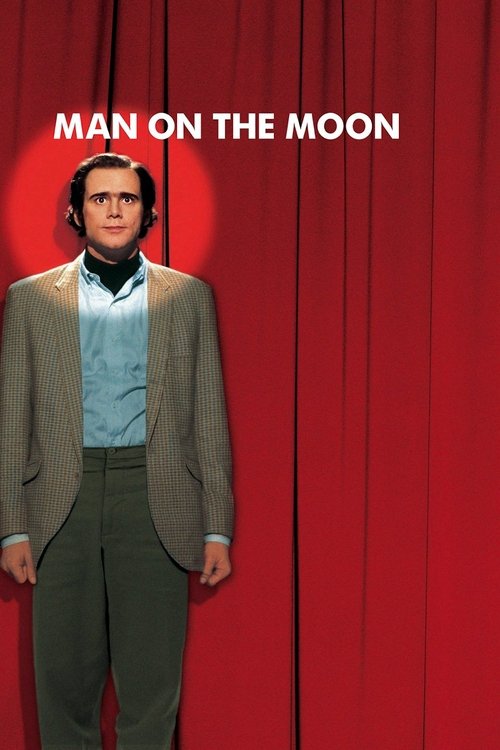
Man on the Moon
1999The story of the life and career of eccentric avant-garde comedian, Andy Kaufman.
Less an impression and more a total psychic possession, Carrey’s disappearance into the volatile world of Andy Kaufman remains his most daring feat of mimicry. He blurs the line between performer and subject so aggressively that the performance becomes an unsettling tribute to the art of the prank.

Joel Barish, heartbroken that his girlfriend underwent a procedure to erase him from her memory, decides to do the same. However, as he watches his memories of her fade away, he realises that he still loves her, and may be too late to correct his mistake.
In this melancholic masterwork, Carrey strips away every comedic crutch to reveal a raw, introverted vulnerability that few suspected he possessed. His understated desperation serves as the perfect emotional ballast to the film’s surrealist high-concept architecture.
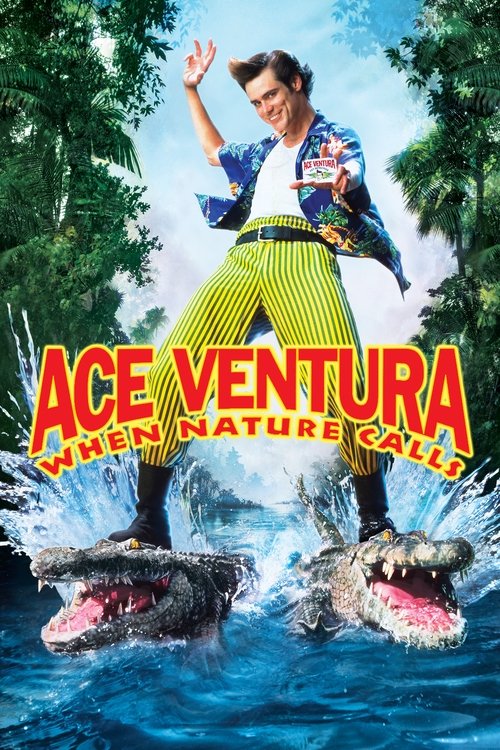
Summoned from an ashram in Tibet, Ace finds himself on a perilous journey into the jungles of Africa to find Shikaka, the missing sacred animal of the friendly Wachati tribe. He must accomplish this before the wedding of the Wachati's Princess to the prince of the warrior Wachootoos. If Ace fails, the result will be a vicious tribal war.
Carrey operates at a frequency that suggests he is trying to vibrate through the very fabric of the screen, delivering a masterclass in rubber-faced anarchy that solidified him as the era's undisputed box-office king. It is a seismic display of pure physical commitment, transforming Venture into a whirlwind of improvised sounds and manic contortions that proved his surreal brand of slapstick could sustain a massive franchise. This is the definitive peak of his high-octane period, where he weaponized his own body to redefine the limits of American screen comedy.
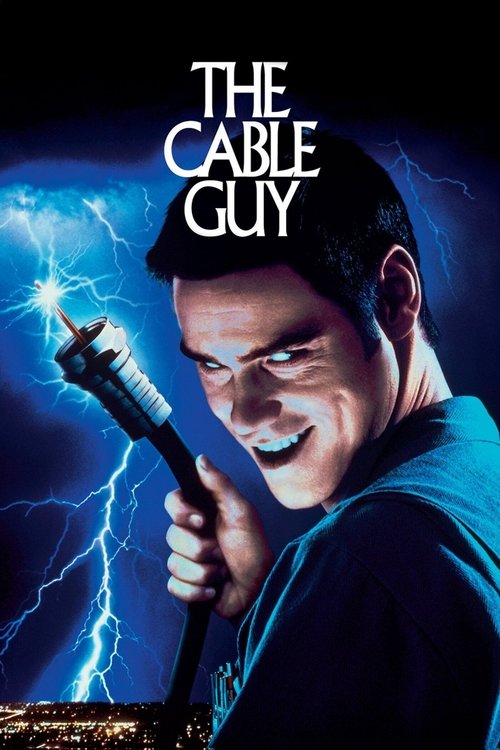
The Cable Guy
1996When recently single Steven moves into his new apartment, cable guy Chip comes to hook him up—and doesn't let go. Initially, Chip is just overzealous in his desire to be Steven's pal, but when Steven tries to end the 'friendship', Chip shows his dark side. He begins stalking Steven, who's left to fend for himself because no one else can believe Chip's capable of such behaviour.
Carrey weaponizes his rubber-faced mania into something legitimately predatory, trading the breezy slapstick of his early hits for a lisping, skin-crawling intensity. It remains the boldest pivot of his career, a jarring leap into psychological darkness that proved he could be just as captivating when he was being genuinely repulsive. This is high-wire grotesque, transforming a Saturday Night Live-style caricature into a suffocating, tragic obsession.
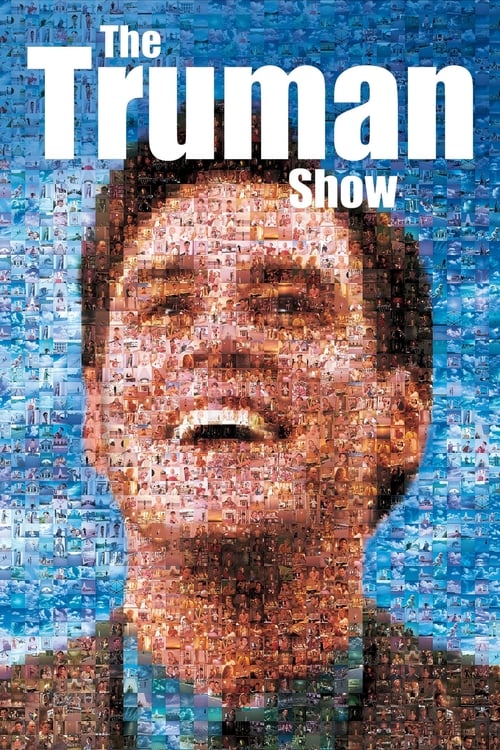
The Truman Show
1998An insurance salesman begins to suspect that his whole life is actually some sort of reality TV show.
Carrey transcends his rubber-faced persona to anchor this prescient satire with a heartbreaking, wide-eyed sincerity that legitimised him as a dramatic powerhouse. It is the definitive turning point where his manic energy was harnessed into a profound exploration of existential paranoia.
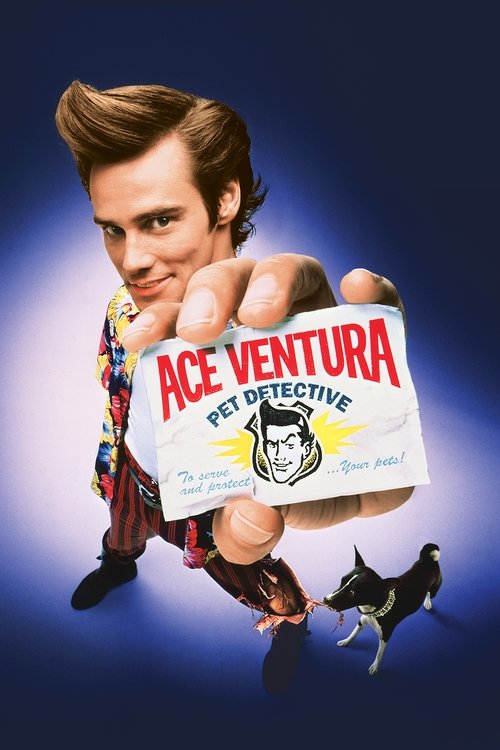
He's Ace Ventura: Pet Detective. The Ace is on the case to find the Miami Dolphins' missing mascot and quarterback Dan Marino. He goes eyeball to eyeball with a man-eating shark, stakes out the Miami Dolphins and woos and wows the ladies. Whether he's undercover, under fire or underwater, he always gets his man… or beast!
Carrey’s elastic face and chaotic physical improv transformed a goofy premise into a masterclass in high-octane absurdity. This role didn’t just introduce his rubber-limbed comedy style to the masses; it effectively launched him into the stratosphere of 1990s stardom. He inhabits the character with a relentless, manic commitment that remains the definitive blueprint for his kinetic screen presence.

Dumb and Dumber
1994Lloyd and Harry are two men whose stupidity is really indescribable. When Mary, a beautiful woman, loses an important suitcase with money before she leaves for Aspen, the two friends (who have found the suitcase) decide to return it to her. After some "adventures" they finally get to Aspen where, using the lost money they live it up and fight for Mary's heart.
This is the earthquake that leveled Hollywood's comedy landscape, showcasing a performer capable of elevating bottom-brow slapstick into a symphony of physical distortion. Carrey’s commitment to Lloyd Christmas’s sheer idiocy transformed a standard road movie into a masterclass of kinetic, unhinged bravado.
Frequently Asked Questions
Everything you need to know about this list and SnakeDrafts
- The Truman Show is a standout film where Jim Carrey brilliantly blends comedy with drama, exploring themes of media manipulation and personal identity, which highlights his range beyond slapstick humor.
- In Eternal Sunshine of the Spotless Mind, Jim Carrey delivers a deeply emotional and nuanced performance, marking a significant departure from his typical comedic roles, which demonstrates his capability in more complex, dramatic storytelling.
- 'Ace Ventura: Pet Detective' and its sequel 'When Nature Calls' cemented Jim Carrey as a leading figure in comedy with his eccentric character work and physical comedy, propelling him to international stardom in the mid-90s.
- Dumb and Dumber is a perfect showcase of Jim Carrey's extraordinary physical comedy talents, featuring his signature rubber-faced expressions and slapstick humor that became iconic in the 90s.
- The Cable Guy presents Jim Carrey in a darker, psychologically complex role, combining elements of thriller with dark comedy, which allows him to explore a sinister yet humorous character rarely seen in his filmography.
- In Man on the Moon, Jim Carrey takes on the challenge of portraying the eccentric and troubled comedian Andy Kaufman, delivering a performance that blends biographical drama with offbeat comedy, showcasing his versatility as an actor.
- Jim Carrey's films frequently explore themes like identity, reality versus illusion, and emotional vulnerability, particularly evident in movies like The Truman Show and Eternal Sunshine of the Spotless Mind, enriching his comedic foundation with existential depth.
- Yes, Jim Carrey's family and fantasy film credits include How the Grinch Stole Christmas, which highlights his ability to bring warmth and humor to family-oriented stories, as well as the fantastical role in The Mask, blending comedy with supernatural elements.