Best Christopher Lee Films of All Time
The Legendary Career of Sinister Cinema's Greatest Icon
Explore the most iconic roles of Christopher Lee, from Count Dracula and Saruman to Bond villains and Scaramanga in this definitive career retrospective.
About Christopher Lee
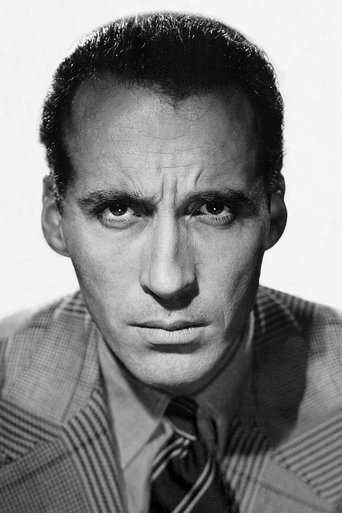
In an industry built on fleeting trends and youthful reinvention, Christopher Lee remained a towering, singular constant. Standing at a lean six feet five inches with a voice that vibrated like a cathedral organ, he did not just play villains; he redefined the very architecture of cinematic menace. While his peers often leaned into melodrama, Lee understood that true terror was found in stillness and a piercing, intelligent gaze. He possessed an uncanny ability to command the frame without uttering a word, a skill honed during his early years at Hammer Film Productions where he breathed aristocratic life into the silent, stalking shadows of The Curse of Frankenstein and The Mummy.
It was his 1958 turn in Dracula that cemented his status as a cultural icon. He shed the bat-winged clichés of the past to present a Count who was athletic, sexual, and dangerously sophisticated. Over sequels like Dracula: Prince of Darkness and Dracula Has Risen from the Grave, he transformed the monster into a figure of tragic, cold authority. Yet, Lee was always wary of being entombed by his own cape. He sought out roles that challenged the horror label, most notably in the folk-horror masterpiece The Wicker Man. As Lord Summerisle, he replaced the fangs with a terrifyingly polite smile and a wig, proving that human zealotry was far scarier than any supernatural creature.
Audiences connected with him because he brought a soulful gravity to every high-concept world he entered. Whether he was playing the devil-thwarting hero in The Devil Rides Out or the expert marksman Francisco Scaramanga in The Man with the Golden Gun, he carried an air of lived-in experience and genuine danger. This gravitas allowed him to bridge the gap between classic cinema and the modern blockbuster era better than almost any of his contemporaries. When he joined the Star Wars prequel trilogy as Count Dooku, he gave the CGI-heavy landscapes of Attack of the Clones and Revenge of the Sith a much-needed sense of Shakespearean weight. He wasn't just a man with a lightsaber; he was a fallen knight with a history written in the lines of his face.
His late-career renaissance reached its peak through his collaboration with Peter Jackson. As Saruman the White in The Fellowship of the Ring and The Two Towers, he captured the chilling corruption of intellect. Even posthumously, his vocal legacy continues to haunt Middle-earth in The War of the Rohirrim, a testament to how synonymous he became with the genre. From his brief, sharp appearance in Sleepy Hollow to his swashbuckling energy in The Three Musketeers, he remained an actor who refused to retire or diminish. He was the rare artist who understood that to be a legend, one must first be willing to inhabit the dark. We didn't just watch him for the scares; we watched him because he made the shadows look like the most interesting place to be.
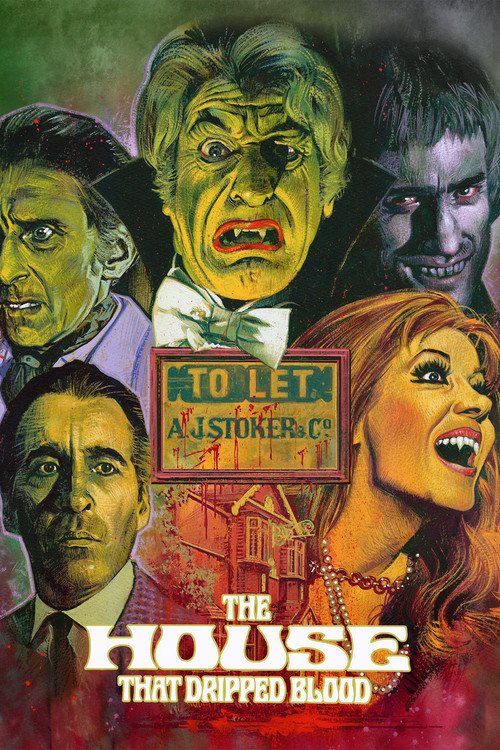
The House That Dripped Blood
1971A Scotland Yard investigator looks into four mysterious cases involving an unoccupied house.
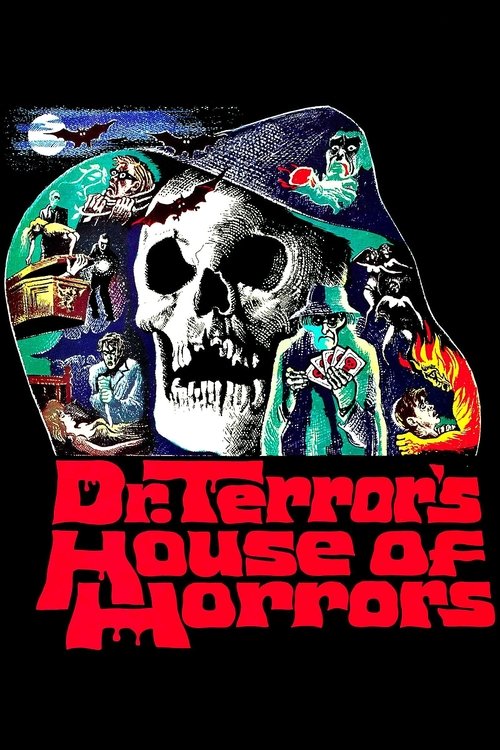
Dr Terror's House of Horrors
1965Five train passengers are joined by a mysterious fortuneteller who offers to read Tarot. A quintet of stories unfold: an architect returns to his ancestral home to find a vengeful werewolf; a doctor suspects his new wife is a vampire; an intelligent vine takes over a house; a jazz musician plagiarises music from a voodoo ceremony; and a pompous art critic is pursued by a disembodied hand.
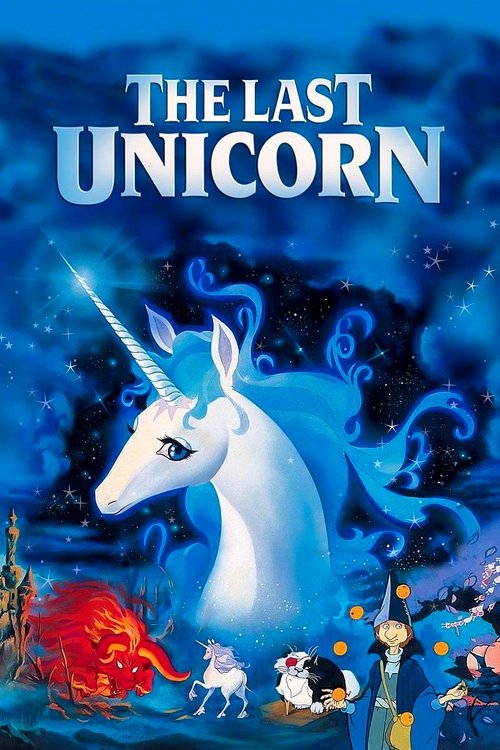
The Last Unicorn
1982A unicorn learns from a riddle-speaking butterfly that she is supposedly the last of her kind, all the others having been herded away by the monstrous Red Bull. The unicorn sets out to discover the truth behind the butterfly's words. She is eventually joined on her quest by Schmendrick, a second-rate magician, and Molly Grue, a middle-aged woman who dreamed all her life of seeing a unicorn. Their journey leads them far from home, all the way to the castle of King Haggard.
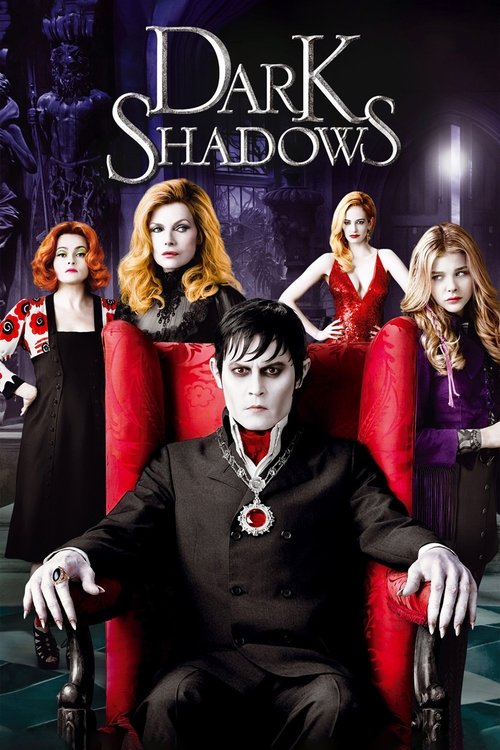
Dark Shadows
2012Vampire Barnabas Collins is inadvertently freed from his tomb and emerges into the very changed world of 1972. He returns to Collinwood Manor to find that his once-grand estate and family have fallen into ruin.
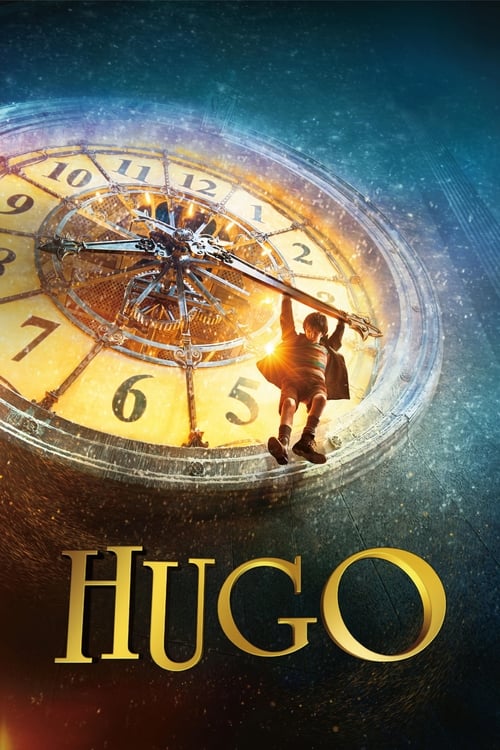
Hugo
2011Orphaned and alone except for an uncle, Hugo Cabret lives in the walls of a train station in 1930s Paris. Hugo's job is to oil and maintain the station's clocks, but to him, his more important task is to protect a broken automaton and notebook left to him by his late father. Accompanied by the goddaughter of an embittered toy merchant, Hugo embarks on a quest to solve the mystery of the automaton and find a place he can call home.
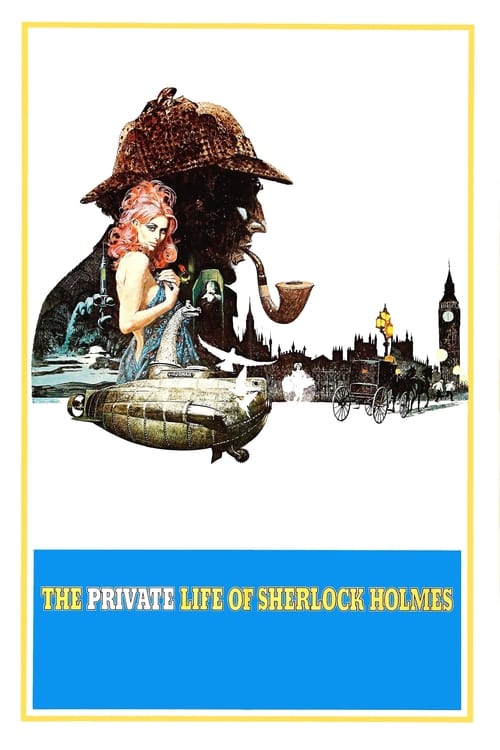
The Private Life of Sherlock Holmes
1970When a bored Sherlock eagerly takes the case of Gabrielle Valladon following an attempt on her life, the search for her missing husband leads to Loch Ness and the legendary monster.
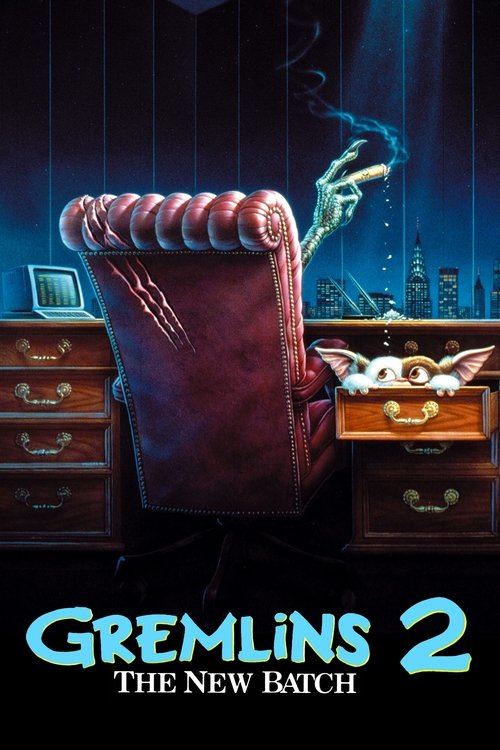
Young sweethearts Billy and Kate move to the Big Apple, land jobs in a high-tech office park and soon reunite with the friendly and lovable Gizmo. But a series of accidents creates a whole new generation of Gremlins. The situation worsens when the devilish green creatures invade a top-secret laboratory and develop genetically altered powers, making them even harder to destroy!
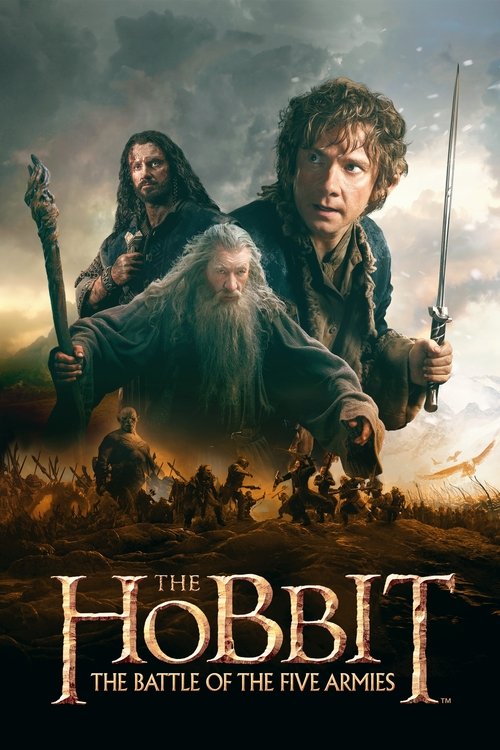
The Hobbit: The Battle of the Five Armies
2014Following Smaug's attack on Laketown, Bilbo and the dwarves try to defend Erebor's mountain of treasure from others who claim it: the men of the ruined Laketown and the elves of Mirkwood. Meanwhile an army of Orcs led by Azog the Defiler is marching on Erebor, fueled by the rise of the dark lord Sauron. Dwarves, elves and men must unite, and the hope for Middle-Earth falls into Bilbo's hands.
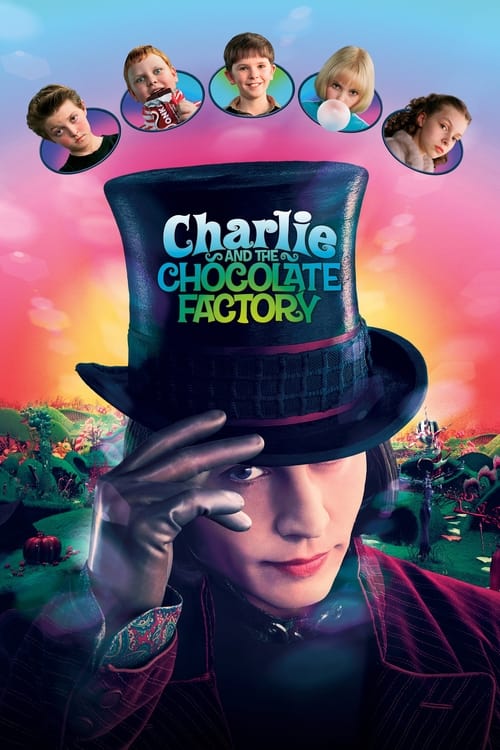
Charlie and the Chocolate Factory
2005A young boy wins a tour through the most magnificent chocolate factory in the world, led by the world's most unusual candy maker.
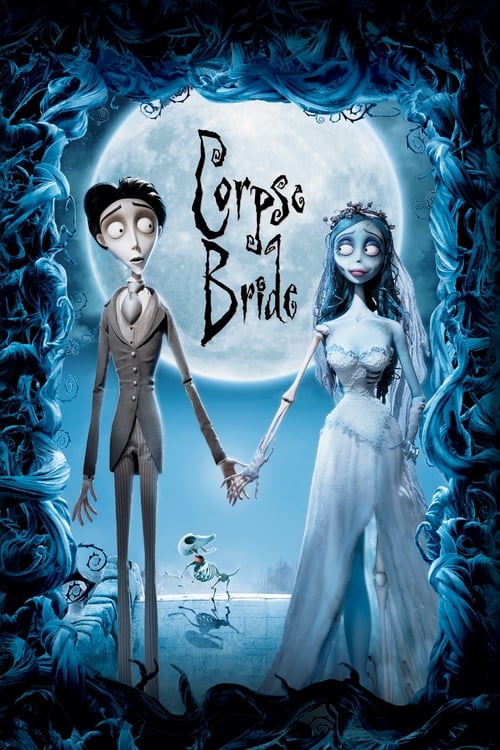
Corpse Bride
2005In a 19th-century European village, a young man about to be married is whisked away to the underworld and wed to a mysterious corpse bride, while his real bride waits bereft in the land of the living.
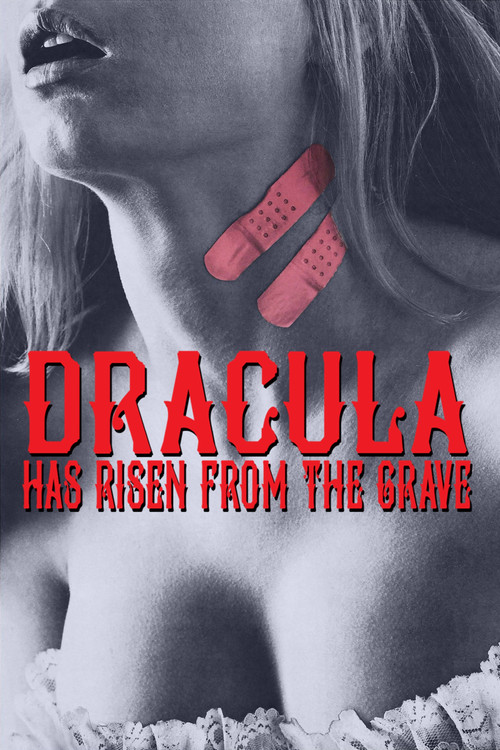
Dracula Has Risen from the Grave
1968In the shadow of Castle Dracula, the Prince of Darkness is revived by blood trickling from the head-wound of an unconscious priest attempting exorcism. And once more fear and terror strikes Transylvania as the undead Prince of Darkness stalks the village of Keineneburg to ensnare victims and satisfy his evil thirst.
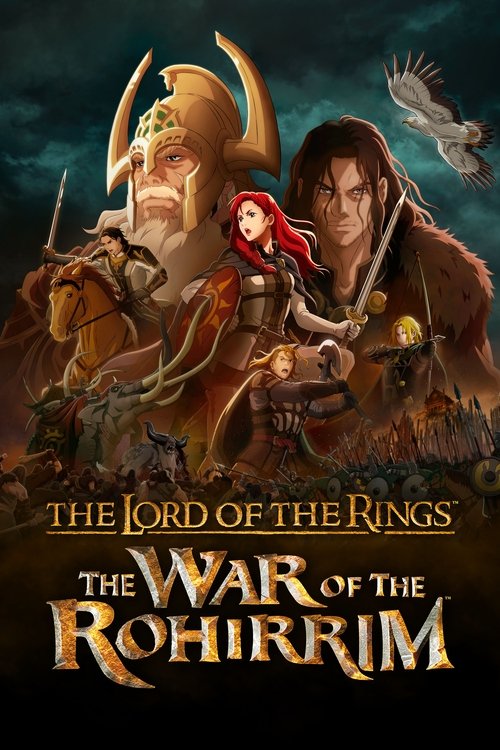
The Lord of the Rings: The War of the Rohirrim
2024A sudden attack by Wulf, a clever and traitorous lord of Rohan seeking vengeance for the death of his father, forces Helm Hammerhand, the King of Rohan, and his people to make a daring last stand in the ancient stronghold of the Hornburg.
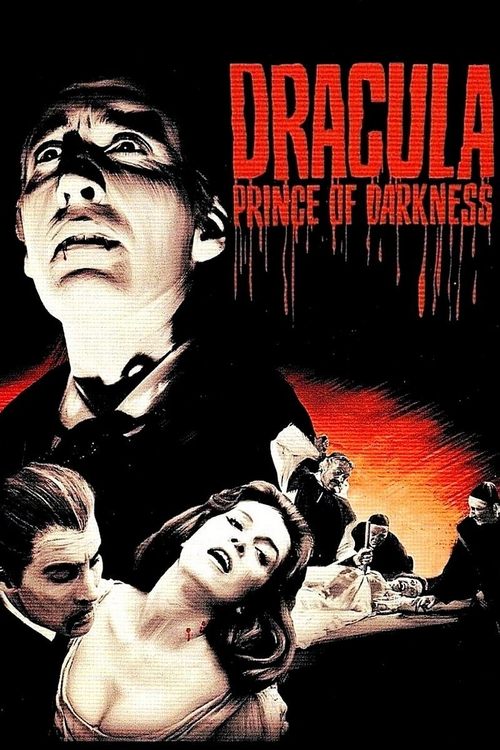
Dracula: Prince of Darkness
1966Whilst vacationing in the Carpathian Mountain, two couples stumble across the remains of Count Dracula's castle. The Count's trusted servant kills one of the men, suspending the body over the Count's ashes so that the blood drips from the corpse and saturates the blackened remains. The ritual is completed, the Count revived and his attentions focus on the dead man's wife who is to become his partner; devoted to an existence of depravity and evil.
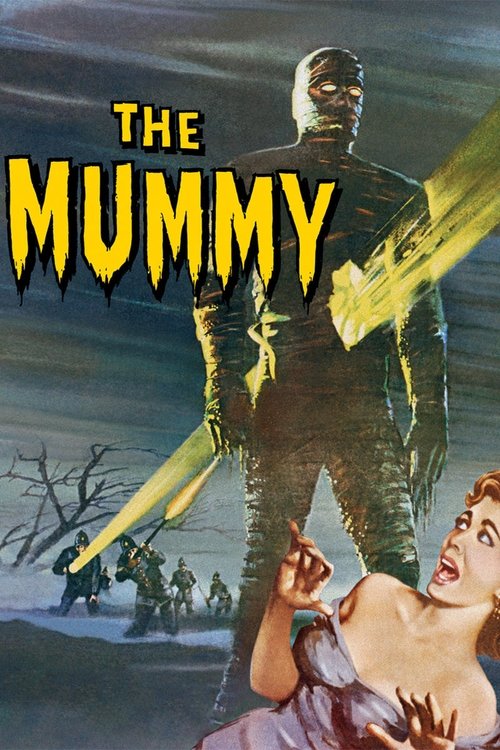
The Mummy
1959One by one the archaeologists who discover the 4,000-year-old tomb of Princess Ananka are brutally murdered. Kharis, high priest in Egypt 40 centuries ago, has been brought to life by the power of the ancient gods and his sole purpose is to destroy those responsible for the desecration of the sacred tomb. But Isobel, wife of one of the explorers, resembles the beautiful princess, forcing the speechless and tormented monster to defy commands and abduct Isobel to an unknown fate.
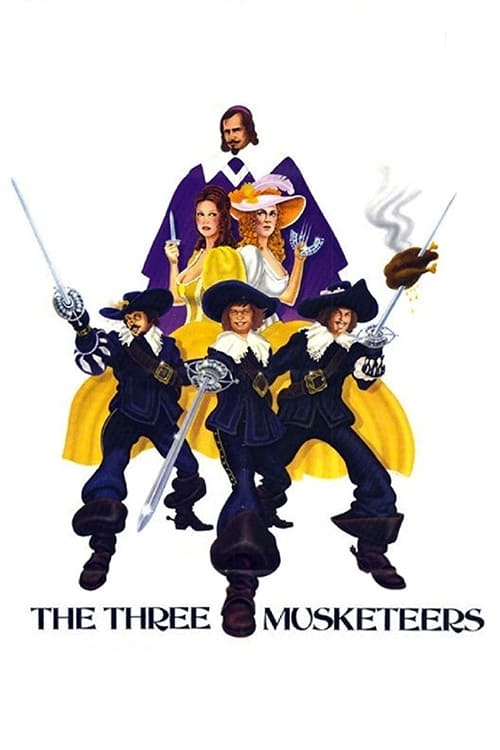
The Three Musketeers
1973In 17th century France, young D'Artagnan wants to join the King's Musketeers, but instead befriends three legendary musketeers—Athos, Porthos, and Aramis—and together, they become embroiled in the political intrigue surrounding King Louis XIII and his adversaries, particularly the powerful Cardinal Richelieu.
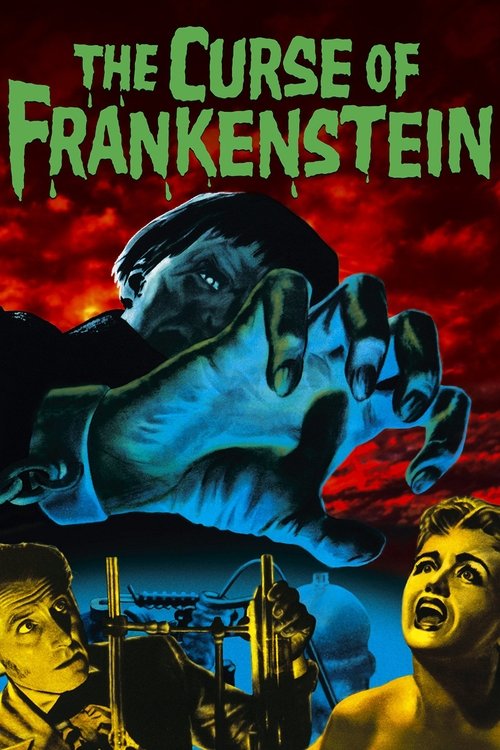
The Curse of Frankenstein
1957Baron Victor Frankenstein has discovered life's secret and unleashed a blood-curdling chain of events resulting from his creation: a cursed creature with a horrid face — and a tendency to kill.
Lee’s wordless, haunting turn as the creature relies entirely on his physical presence and his capacity to convey a sense of pathetic, twitching wrongness. This foundational Hammer role showcased his ability to find the humanity underneath layers of grotesque prosthetics, launching his status as a titan of the genre.
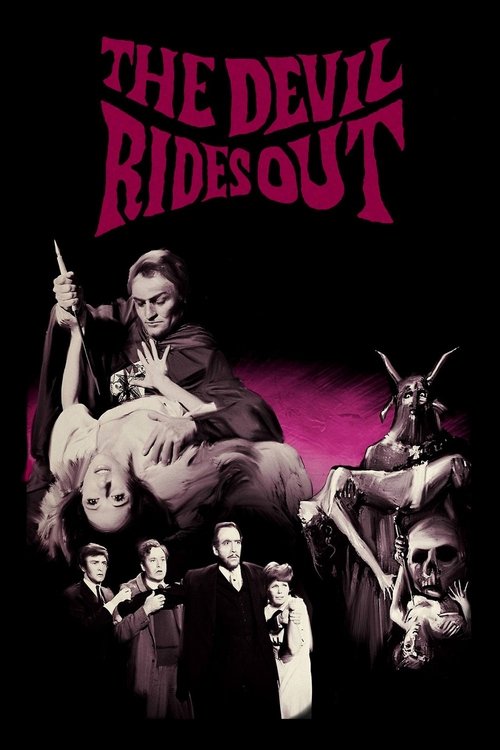
The Devil Rides Out
1968The powers of good are pitted against the forces of evil as the Duc de Richelieu wrestles with the charming but deadly Satanist, Mocata, for the soul of his friend. Mocata has the knowledge and the power to summon the forces of darkness and, as the Duc de Richelieu and his friends remain within the protected pentacle, they are subjected to ever-increasing horror until thundering hooves herald the arrival of the Angel of Death.
Breaking away from his usual villainous typecasting, Lee shines as a heroic occult expert whose stern conviction is the only thing standing against ancient evil. This performance proves his incredible range, demonstrating that his natural intensity could be just as effective when channeled into a protector of humanity.
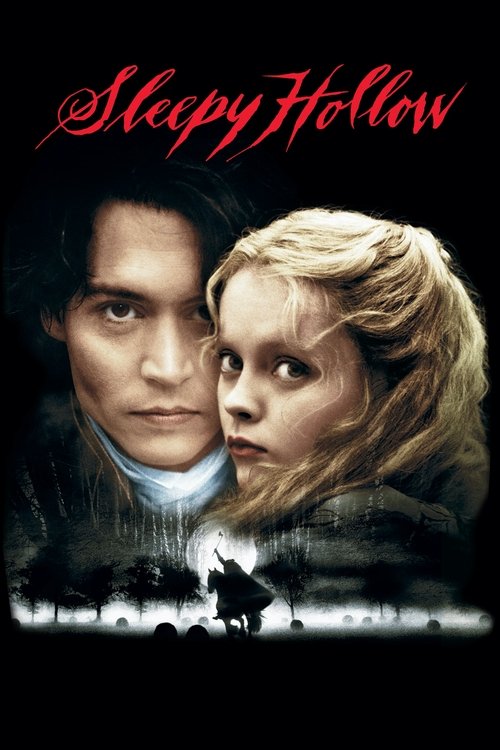
Sleepy Hollow
1999Skeptical young detective Ichabod Crane gets transferred to the hamlet of Sleepy Hollow, New York, where he is tasked with investigating the decapitations of three people – murders the townsfolk attribute to a legendary specter, The Headless Horseman.
In a brief but pivotal cameo, Lee acts as the institutional voice of the old world, his presence alone signaling the shift from rational law to supernatural dread. His inclusion acts as a symbolic passing of the gothic torch from a legendary icon to a new generation of dark fantasy filmmakers.
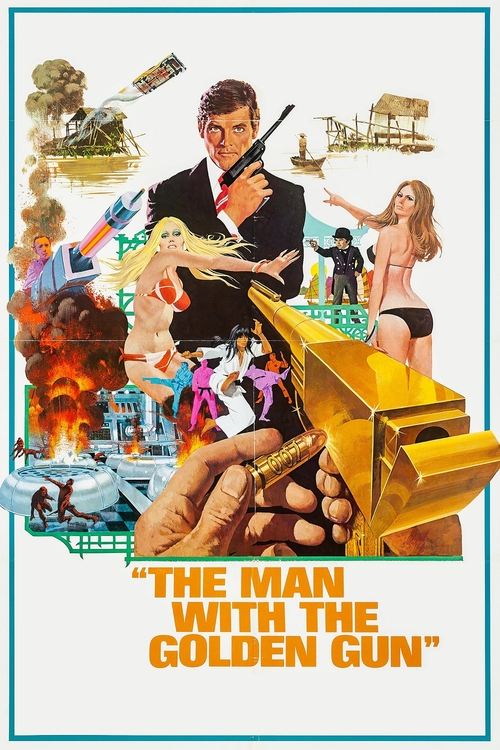
The Man with the Golden Gun
1974Cool government operative James Bond searches for a stolen invention that can turn the sun's heat into a destructive weapon. He soon crosses paths with the menacing Francisco Scaramanga, a hitman so skilled he has a seven-figure working fee. Bond then joins forces with the swimsuit-clad Mary Goodnight, and together they track Scaramanga to a Thai tropical isle hideout where the killer-for-hire lures the slick spy into a deadly maze for a final duel.
Playing the dark mirror to James Bond, Lee crafts Scaramanga into an elegant professional whose lethal skill is matched only by his refined tastes. It is a rare, charismatic turn that allowed him to play a legitimate peer to the hero rather than a mere stalking shadow.
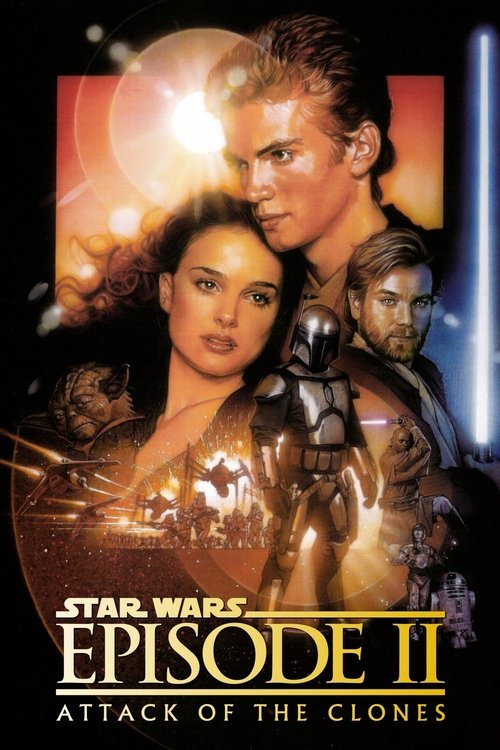
Following an assassination attempt on Senator Padmé Amidala, Jedi Knights Anakin Skywalker and Obi-Wan Kenobi investigate a mysterious plot into the heart of the Separatist movement and the beginning of the Clone Wars.
Lee’s introduction as the separatist leader lent the prequel trilogy a much needed injection of classical gravitas and old school villainous charm. His ability to handle clunky exposition with the grace of a stage veteran proved he was the only actor capable of making a space duelist feel truly dangerous.
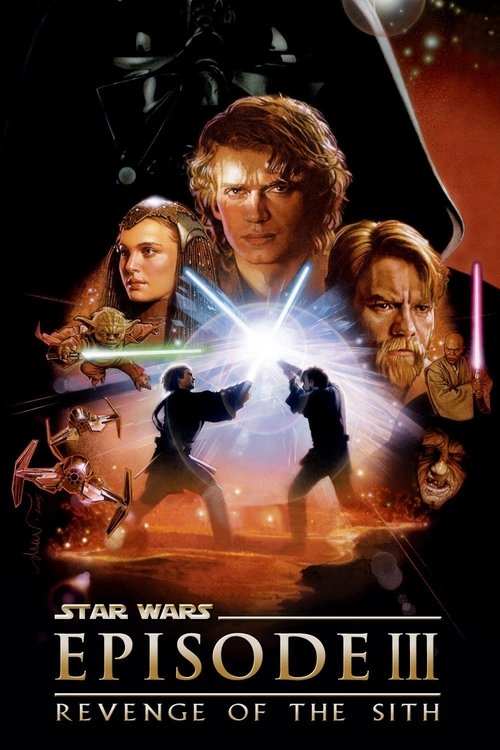
When the sinister Sith unveil a thousand-year-old plot to rule the galaxy, the Republic crumbles and from its ashes rises the evil Galactic Empire. Jedi hero Anakin Skywalker must choose a side.
Even in an abbreviated appearance, Lee brings a Shakespearean gravity to Count Dooku that highlights the tragedy of a fallen idealist. His aristocratic poise and economy of movement provide a masterclass in how to project power without raising a voice or a hand.
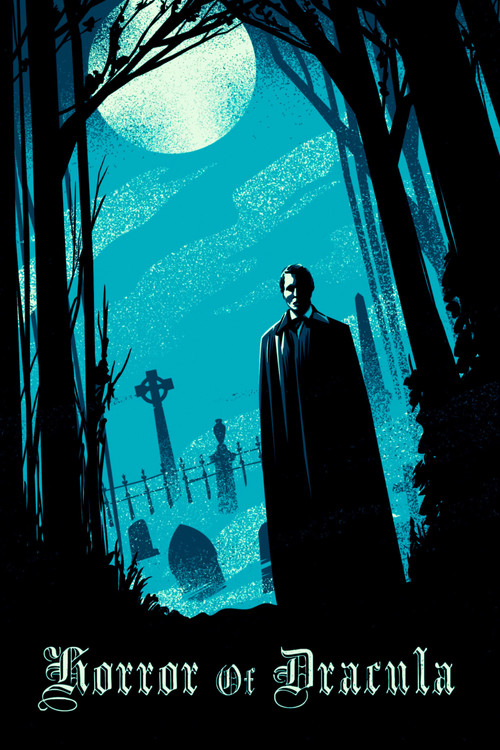
Dracula
1958After Jonathan Harker attacks Dracula at his castle, the vampire travels to a nearby city, where he preys on the family of Harker's fiancée. The only one who may be able to protect them is Dr. van Helsing, Harker's friend and fellow-student of vampires, who is determined to destroy Dracula, whatever the cost.
Lee reinvented the Count as a creature of predatory eroticism and silent, animalistic ferocity, permanently severing the character from the theatricality of the past. It is the role that birthed the Hammer Horror legend and established the tall, dark, and lethal template that would define his professional identity for decades.
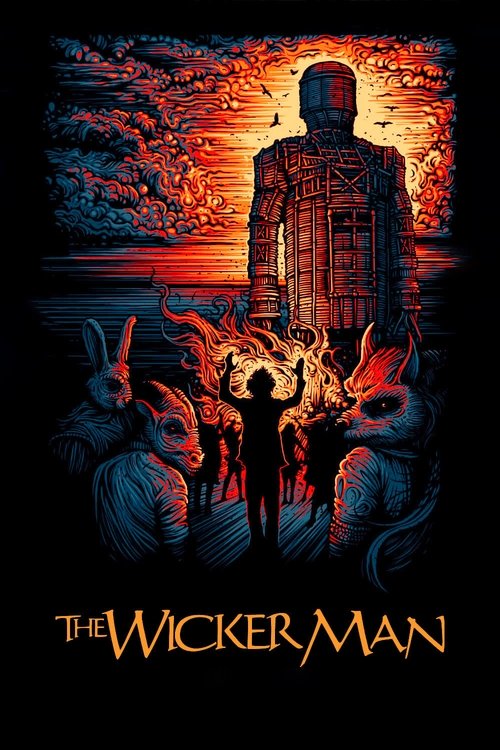
The Wicker Man
1973Police sergeant Neil Howie is called to an island village in search of a missing girl whom the locals claim never existed. The investigation is further complicated as Howie’s religious views clash with those of the island’s residents.
As Lord Summerisle, Lee shed his monster makeup to reveal a far more terrifying urbanity, playing a cult leader with a twinkle of seductive, hospitable madness. He considered this his finest hour, and rightfully so, as he swaps jump scares for a chillingly rational defense of the irrational.
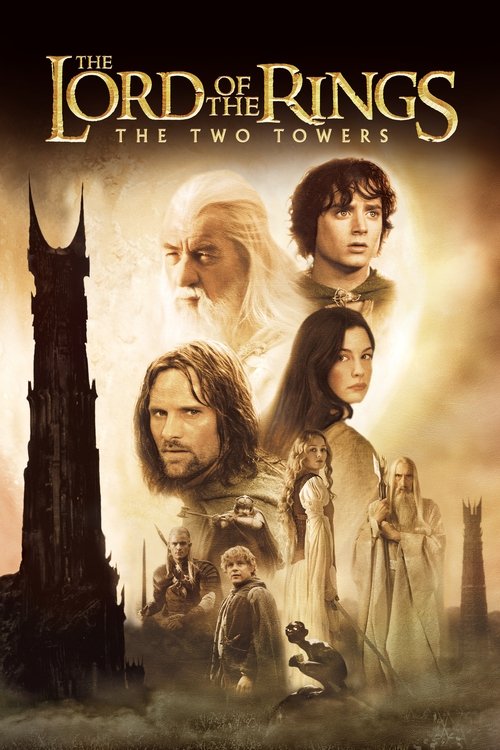
Frodo Baggins and the other members of the Fellowship continue on their sacred quest to destroy the One Ring--but on separate paths. Their destinies lie at two towers--Orthanc Tower in Isengard, where the corrupt wizard Saruman awaits, and Sauron's fortress at Barad-dur, deep within the dark lands of Mordor. Frodo and Sam are trekking to Mordor to destroy the One Ring of Power while Gimli, Legolas and Aragorn search for the orc-captured Merry and Pippin. All along, nefarious wizard Saruman awaits the Fellowship members at the Orthanc Tower in Isengard.
In this middle chapter, Lee distills pure ideological malice into a performance defined by his stillness and that unmistakable, booming baritone. His portrayal of the wizard's descent into industrial nihilism provides the trilogy with its most formidable and grounded intellectual threat.
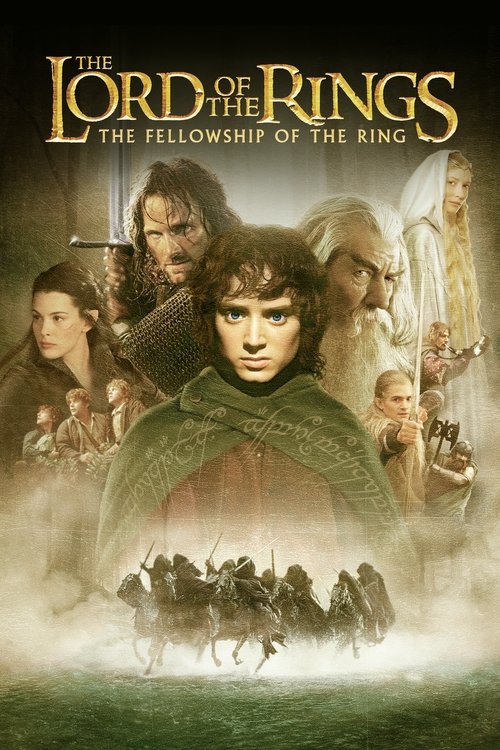
Young hobbit Frodo Baggins, after inheriting a mysterious ring from his uncle Bilbo, must leave his home in order to keep it from falling into the hands of its evil creator. Along the way, a fellowship is formed to protect the ringbearer and make sure that the ring arrives at its final destination: Mt. Doom, the only place where it can be destroyed.
Lee commands the screen with a resonant, operatic authority that transforms Saruman into the definitive cinematic archetype of the corrupted sage. This role served as the ultimate late career coronation, bridging his legacy of gothic menace with the demands of modern blockbuster mythmaking.
Frequently Asked Questions
Everything you need to know about this list and SnakeDrafts
- Christopher Lee is renowned for his chilling portrayals in horror classics such as Dracula (1958), The Wicker Man (1973), The Devil Rides Out (1968), and The Curse of Frankenstein (1957). These films highlight his ability to bring a commanding presence to supernatural and gothic characters, cementing his legacy as a horror legend.
- Lee's role as Saruman in The Lord of the Rings trilogy and his voice work in The Lord of the Rings: The War of the Rohirrim showcase his significant impact on the fantasy genre. His portrayal brought depth and gravitas to characters in epic fantasy narratives, appealing to audiences across generations.
- The Man with the Golden Gun (1974) highlights Christopher Lee's iconic role as the villain Scaramanga in the James Bond series. His suave yet menacing performance is considered one of the franchise's most memorable villain portrayals.
- Christopher Lee appeared as Count Dooku in Star Wars: Episode II - Attack of the Clones (2002) and Star Wars: Episode III - Revenge of the Sith (2005). His regal and authoritative portrayal added complexity to the villainous Sith Lord, enhancing the prequel trilogy's dark narrative themes.
- Lee was known for his ability to convey menace through stillness and a focused gaze rather than melodrama. Films like Dracula and Sleepy Hollow showcase his skill in creating a commanding screen presence that redefined cinematic villainy.
- Yes, Christopher Lee frequently collaborated with director Terence Fisher on classic horror films such as Dracula (1958), The Devil Rides Out (1968), and The Curse of Frankenstein (1957). This partnership was pivotal in shaping Hammer Horror's style and Lee's early career success.
- Beyond horror and fantasy, Lee's work in The Three Musketeers (1973) and Sleepy Hollow (1999) illustrate his versatility in adventure and thriller genres. These films display his ability to adapt to diverse roles while maintaining his distinctive gravitas.