The Best Thriller Movies of 1972, Ranked
Classic Suspense and Gritty Action Masterpieces
Explore the best suspenseful cinema with our ranked list of top thrillers, featuring cult classics, heist films, and chilling psychological dramas.
About 1972 Thriller Movies
By the time 1972 rolled around, the bright, saturated optimism of the mid-sixties had officially curdled. The cinematic landscape was beginning to reflect a world defined by political paranoia, urban decay, and a growing suspicion of authority. If you look closely at the thrillers that defined this specific year, you see a genre in the middle of a fascinating metamorphosis. It was a year where the gloss of Hollywood began to peel away, revealing something grittier, sweatier, and far more cynical underneath.
John Boorman’s Deliverance remains perhaps the most visceral example of this shift. While it functions as a survival thriller, it tapped into a deep-seated American anxiety about the friction between urban progress and the untamed wilderness. It stripped away the romanticism of the great outdoors and replaced it with a harrowing, claustrophobic nightmare. The film did not just provide thrills; it left the audience feeling physically bruised. It set a new standard for how much tension a viewer could reasonably be expected to endure.
Across the Atlantic, Alfred Hitchcock was proving that the old master still had a few nasty tricks up his sleeve. Frenzy marked a return to his roots in London, but it was a far cry from the playful wit of his earlier suspense classics. This was Hitchcock at his most cruel and explicit, leaning into the burgeoning permissiveness of seventies cinema. By focusing on a serial killer rather than a debonair spy, he grounded the thriller in a localized, sordid reality that felt uncomfortably close to home.
The year also gave us a masterclass in procedural tension with Peter Yates’s The Hot Rock. While it leaned more toward the heist subgenre, it captured the chaotic, fumbling energy of a decade where plans rarely went as expected. It stood in stark contrast to the slick, cool precision of previous eras. Here, the thrill came from watching things fall apart and seeing the protagonists scramble to piece them back together.
We also cannot discuss 1972 without mentioning the rising tide of the political thriller. Although films like All the President’s Men were still a few years away, the seeds were planted in the shadows of 1972. The sense that the call was coming from inside the house began to permeate European cinema as well, with directors like Jean-Pierre Melville delivering Un Flic, a cold and blue-hued meditation on the blurred lines between the police and the criminals they hunt.
What makes the class of 1972 so enduring is its collective refusal to provide easy answers. These movies moved away from the binary of good versus evil and entered a gray space where survival was the only real victory. Whether it was the psychological terror of The Last House on the Left or the labyrinthine mystery of Sleuth, the year was obsessed with the idea that the world was a dangerous, unpredictable place. It was a golden age for the paranoid, the cynical, and the brave, cementing the thriller as the definitive genre for a disillusioned age. These films did not just want to make your heart race. They wanted to make you look over your shoulder long after the credits rolled.
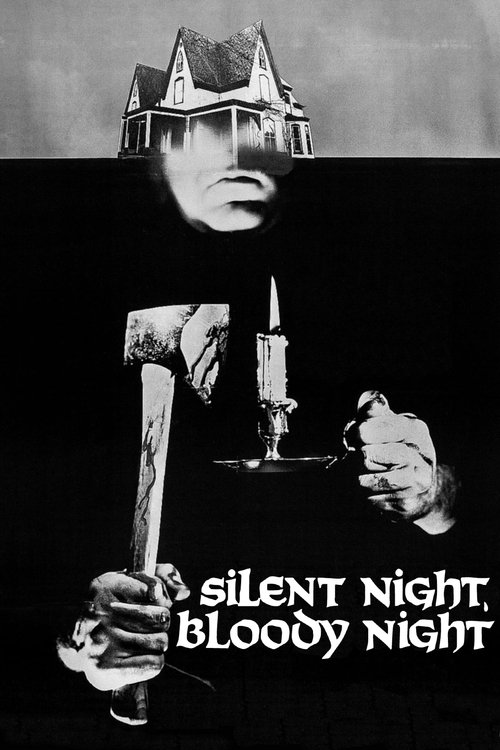
Night of the Dark Full Moon
1972A man investigates the grisly crimes that occurred in a former insane asylum, unsettling the locals who all seem to have something to hide.
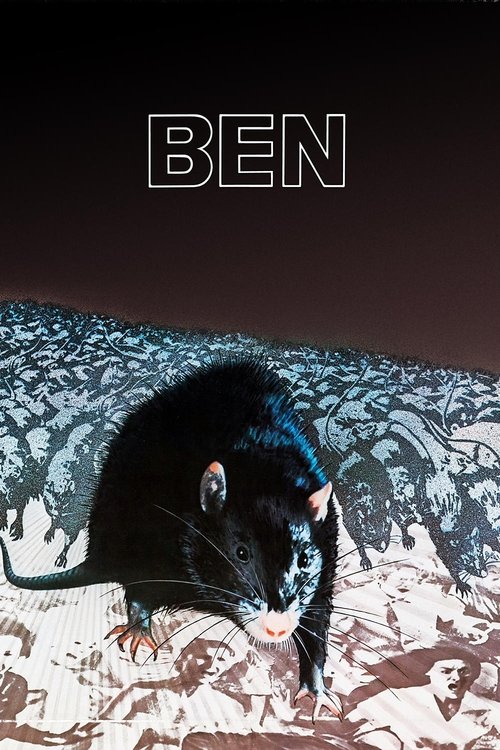
Ben
1972A lonely boy becomes good friends with Ben, a rat. This rat is also the leader of a pack of vicious killer rats, killing lots of people.
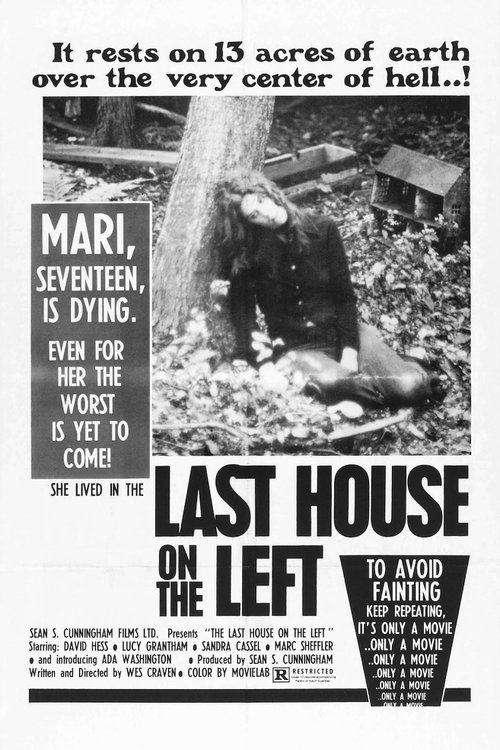
The Last House on the Left
1972On the eve of her 17th birthday, Mari and friend Phyllis set off from her family home to attend a rock concert in the city. Attempting to score some drugs on the way, the pair run afoul of a group of vicious crooks, headed up by the sadistic Krug.
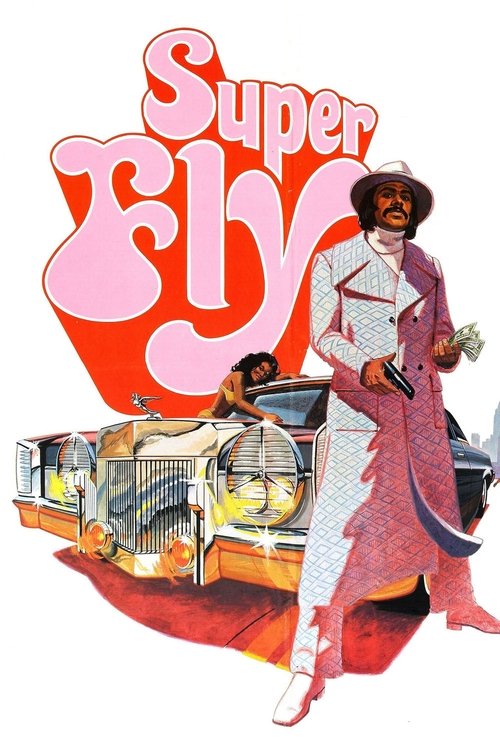
Super Fly
1972Priest, a suave top-rung New York City drug dealer, decides that he wants to get out of his dangerous trade. Working with his reluctant friend, Eddie, Priest devises a scheme that will allow him to make a big deal and then retire. When a desperate street dealer informs the police of Priest's activities, Priest is forced into an uncomfortable arrangement with corrupt narcotics officers. Setting his plan in motion, he aims to both leave the business and stick it to the man.
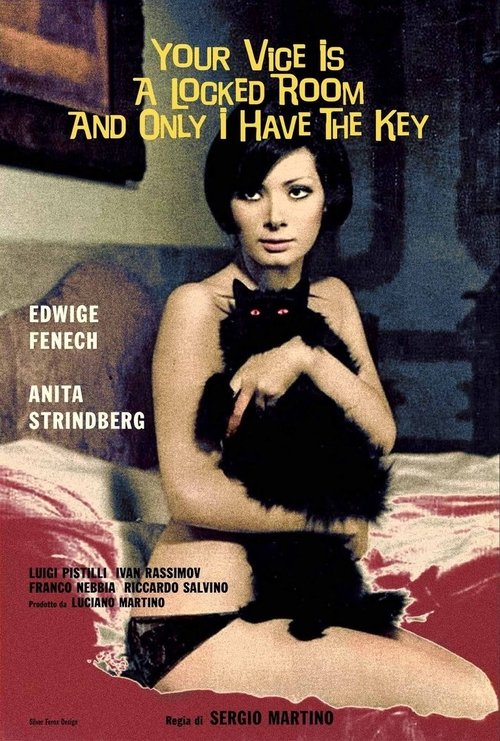
Your Vice Is a Locked Room and Only I Have the Key
1972Oliviero is a drunk, burned-out writer who amuses himself by hosting orgies at his grand country manor and humiliating his wife Irina. When a number of women are murdered in grisly fashion, Oliviero becomes a prime suspect.
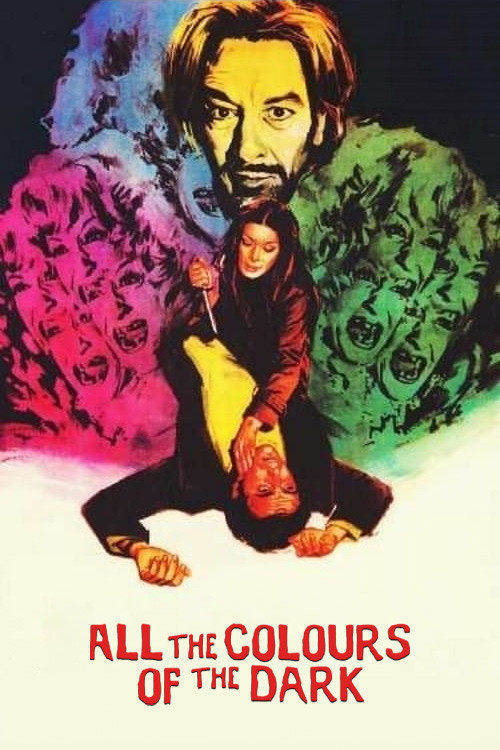
All the Colours of the Dark
1972After a car accident that caused the loss of her baby, Jane experiences an increasing amount of nightmares that shake her to her core. After seeking professional help, her haunting visions turn into an even more frightening reality, one full of black magic, blood orgies, and murder.
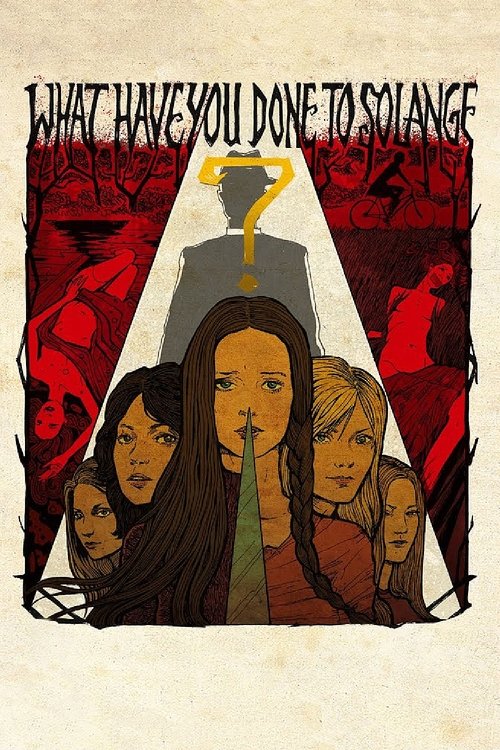
What Have You Done to Solange?
1972After several Catholic school pupils are murdered, a teacher who is having an affair with one of his students becomes a suspect. When other gruesome murders start occurring shortly thereafter, the teacher suspects that he may be the cause of them.
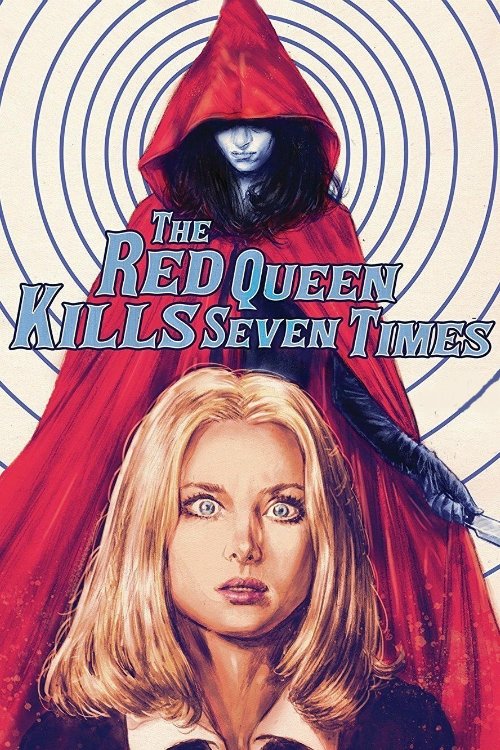
The Red Queen Kills Seven Times
1972After the death of their grandfather, two sisters inherit their family castle, which is said to be haunted by the Red Queen, whom legend says claims seven lives every hundred years. When a mysterious woman in a red cloak starts targeting their circle of friends, the sisters begin to suspect there might be some truth to the legend.
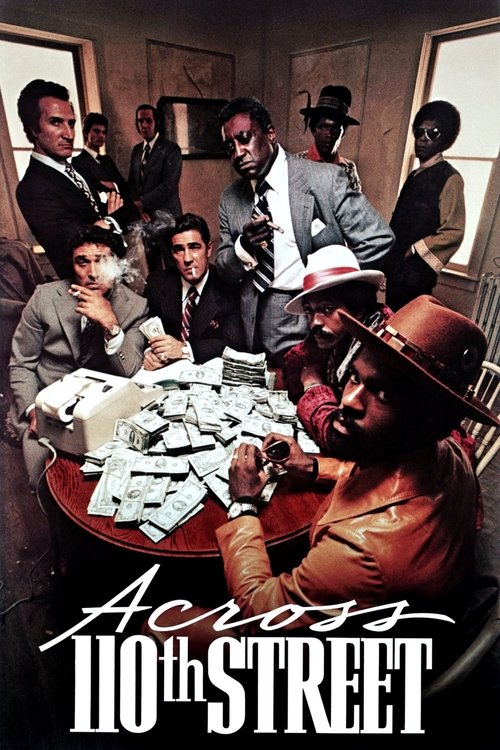
Across 110th Street
1972In a daring robbery, some $300,000 is taken from the Italian mob. Several mafiosi are killed, as are two policemen. Lt. Pope and Capt. Mattelli are two New York City cops trying to break the case. Three small-time criminals are on the run with the money. Will the mafia catch them first, or will the police?
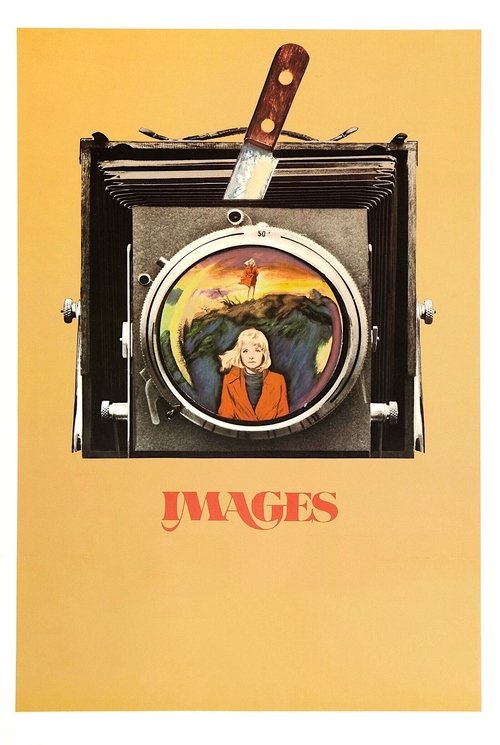
Images
1972While holidaying in Ireland, a pregnant children's author finds her mental state becoming increasingly unstable, resulting in paranoia, hallucinations, and visions of a doppelgänger.
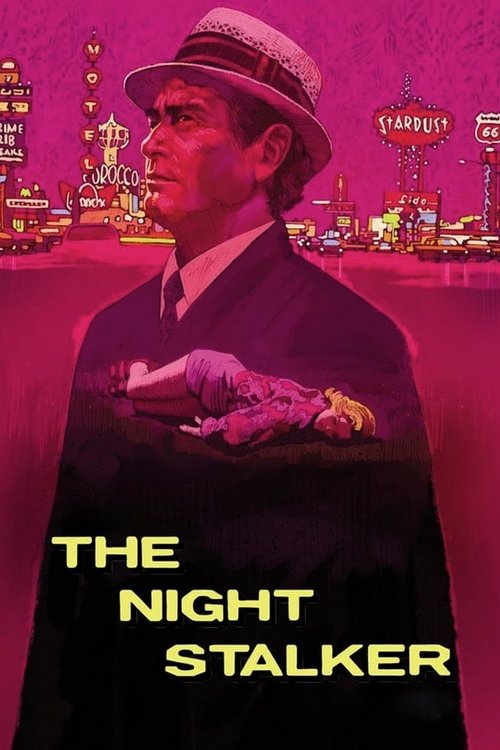
The Night Stalker
1972Wisecracking reporter Carl Kolchak investigates a string of murders in Las Vegas and suspects the culprit is a vampire. His editor thinks he's crazy and the police think he's a nuisance, so Kolchak takes matters into his own hands.
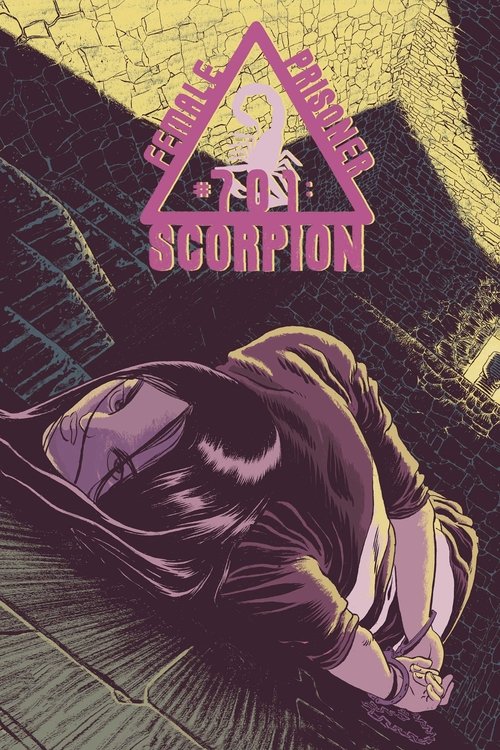
Female Prisoner #701: Scorpion
1972After being cruelly set up and deceived by Sugimi, a detective in cahoots with the mob with whom she was whole-heartedly in love, Matsushima’s desire for revenge knows no bounds.
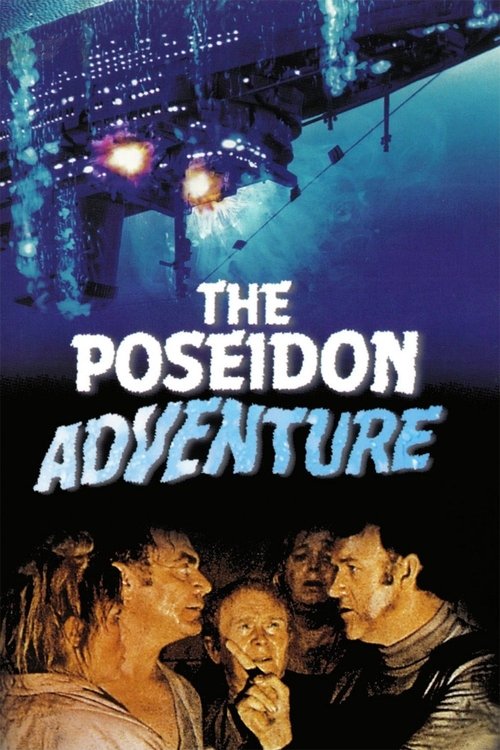
The Poseidon Adventure
1972When their ocean liner capsizes, a group of passengers struggle to survive and escape.
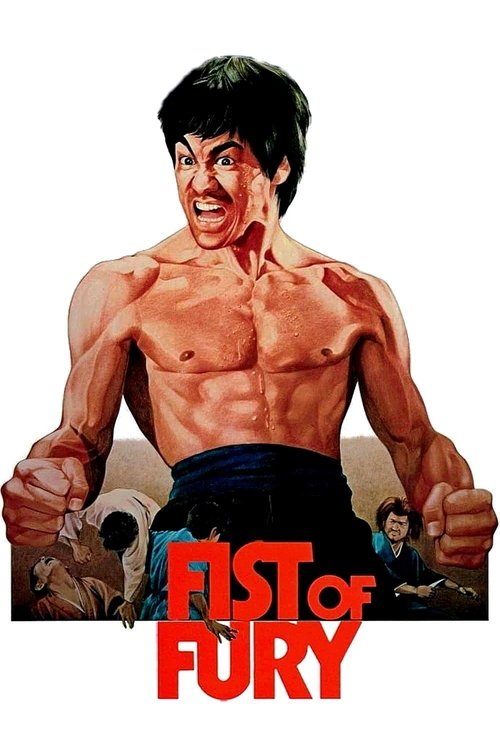
Fist of Fury
1972During the Japanese occupation of Shanghai, Chen Zhen, the star pupil of a recently-deceased martial arts teacher battles a Japanese dojo which seeks the demise of his fighting school.
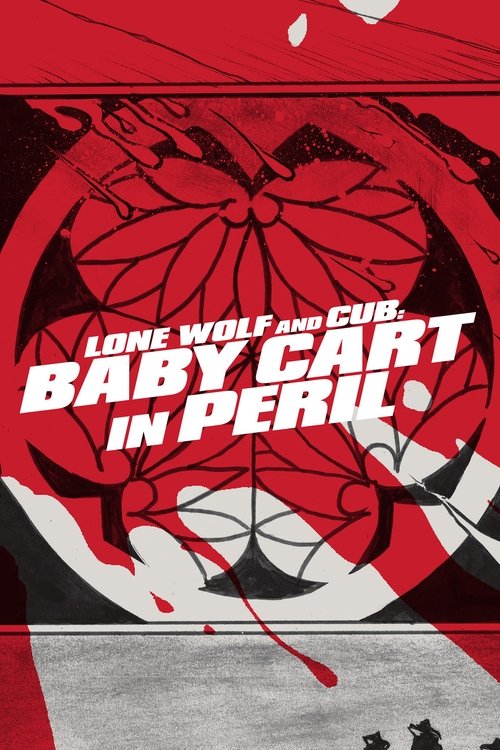
Lone Wolf and Cub: Baby Cart in Peril
1972Ogami Itto is hired to kill a tattooed female assassin and battles Retsudo, head of the Yagyu clan, and his son Gunbei.
This installment of the legendary series heightens the stylized bloodshed to an operatic fever pitch. It remains a pinnacle of the genre for its arresting visual compositions and its unique fusion of stoic feudal ethics with avant-garde cinematic violence.
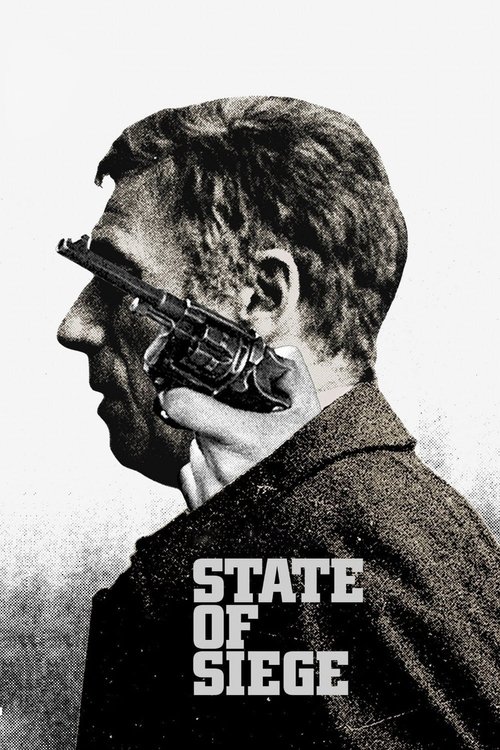
State of Siege
1972Assigned to South America, US official Philip Michael Santore is employed by a counterinsurgency agency. His position makes him a target for a local band of guerrillas, and, before long, Santore is kidnapped. As a prisoner, he undergoes interrogation, shedding light on the violent situation in the country. Once the insurgents are done with their questioning, they must decide whether Santore lives or dies.
Costa-Gavras delivers a clinical, terrifyingly realistic dissection of political insurgency and covert intervention. The film operates with the urgency of a documentary while maintaining the gripping, heartbeat-skipping tension of a high-stakes standoff.
Caliber 9
1972Just out of prison, ex-con Ugo Piazza meets his former employer, a psychopathic gangster Rocco who enjoys sick violence and torture. Both the gangsters and the police believe Ugo has hidden $300,000 that should have gone to an American drug syndicate boss.
Fernando Di Leo elevates the Poliziotteschi genre to the level of Shakespearean tragedy with this nihilistic, bullet-riddled character study. Its frantic pace and grim portrayal of the Milanese underworld set a new, brutal standard for European crime cinema.
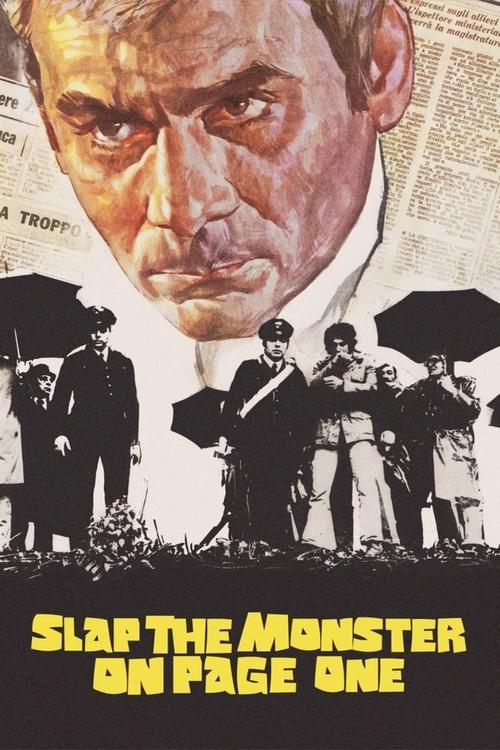
Slap the Monster on Page One
1972Days before the general election, after a girl from a rich family is murdered in an attempted rape, the editor-in-chief of a conservative tabloid tries to derail the police investigation in order to help the right-wing candidates supported by his bosses.
This biting Italian political thriller exposes the grotesque machinery of media manipulation with frightening relevance. It functions as a cynical, high-speed autopsy of how news is manufactured to serve the interests of the powerful.
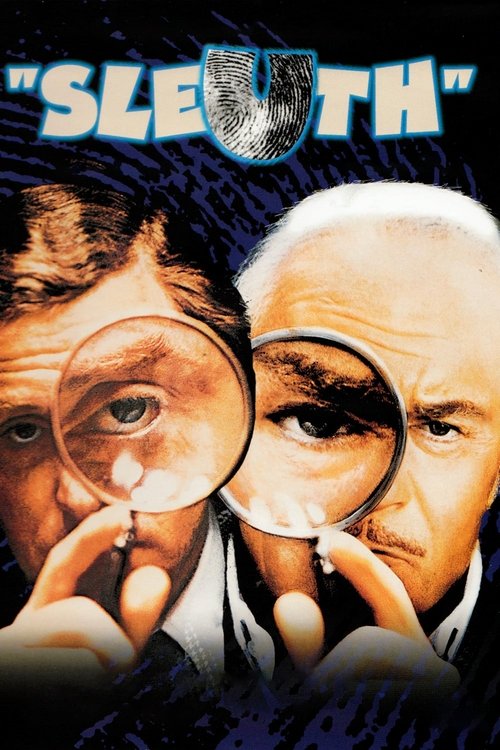
Sleuth
1972A man who loves games and theatre invites his wife's lover to meet, setting up a battle of wits with potentially deadly results.
A labyrinthine battle of wits that weaponizes dialogue and stagecraft to create a dizzying sense of vertigo. Joseph L. Mankiewicz delivers a brilliant, claustrophobic duel where the shifting power dynamics provide more thrills than any physical chase.
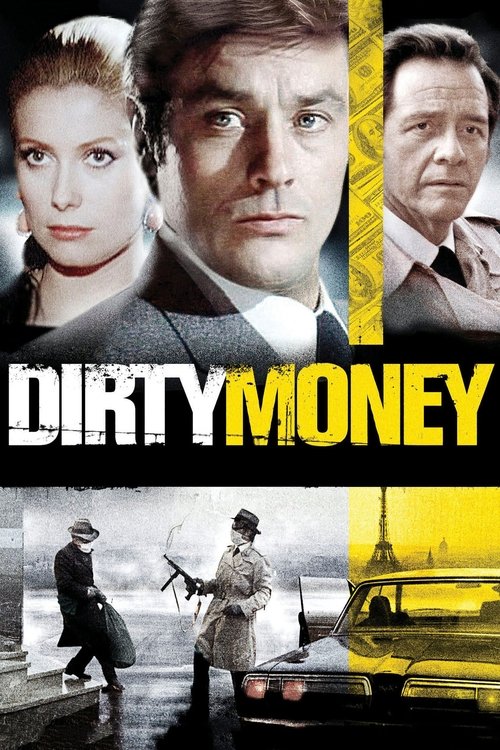
A Cop
1972A Parisian police chief has an affair, but unbeknownst to him, the boyfriend of the woman he’s having an affair with is a bank robber planning a heist.
Jean-Pierre Melville’s final film is a glacial, blue-hued masterpiece of the French polar. It strips the police procedural down to its skeleton, offering a meditative and stylishly melancholic look at the blurred lines between lawmen and criminals.
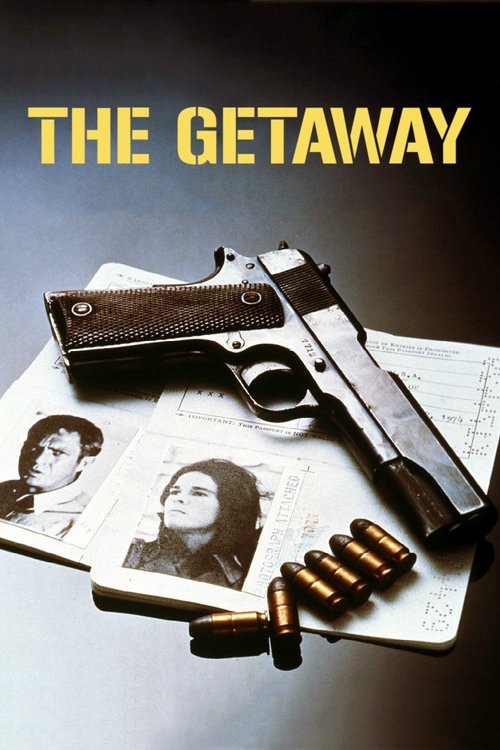
The Getaway
1972A recently released ex-convict and his loyal wife go on the run after a heist goes wrong.
Sam Peckinpah infuses the heist formula with a grit and ballistic poetry that only he could achieve. This is a high-octane pursuit film where the combustible chemistry between the leads is matched only by the director's jagged, innovative editing style.
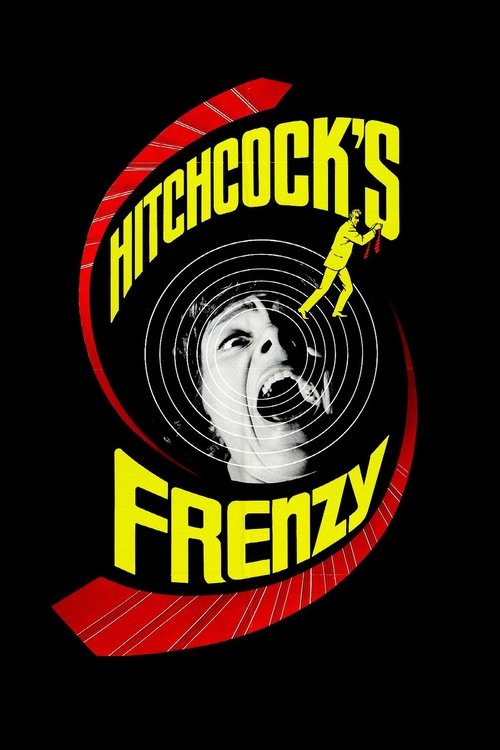
Frenzy
1972London is terrorized by a vicious sex killer known as The Necktie Murderer. Following the brutal slaying of his ex-wife, down-on-his-luck Richard Blaney is suspected by the police of being the killer. He goes on the run, determined to prove his innocence.
Alfred Hitchcock returns to London with a grisly, macabre energy that proves the master could still outpace his disciples in sheer suspense. It is a darkly comedic yet terrifying exploration of urban rot and the claustrophobia of being wrongly accused.
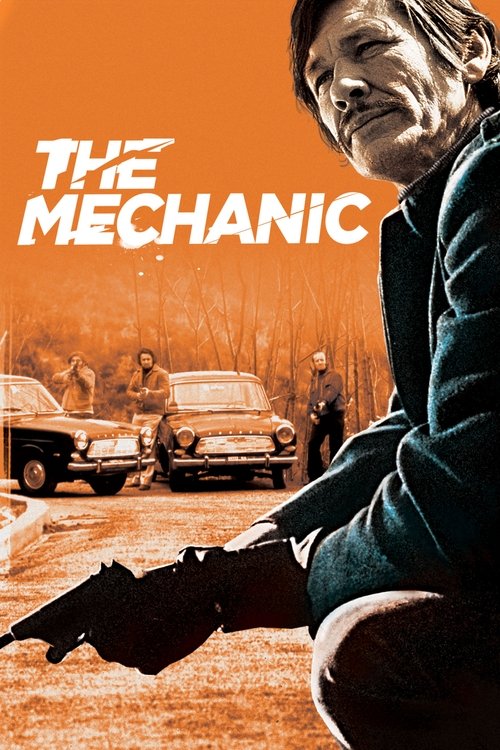
The Mechanic
1972Arthur Bishop is a veteran hit man who, owing to his penchant for making his targets' deaths seem like accidents, thinks himself an artist. It's made him very rich, but as he hits middle age, he's so depressed and lonely that he takes on one of his victim's sons, Steve McKenna, as his apprentice. Arthur puts him through a rigorous training period and brings him on several hits. As Steven improves, Arthur worries that he'll discover who killed his father.
Charles Bronson embodies a cold, surgical precision in this landmark of the professional assassin subgenre. The film excels through its stoic minimalism and a cynical, wordless opening sequence that remains a masterclass in visual storytelling.
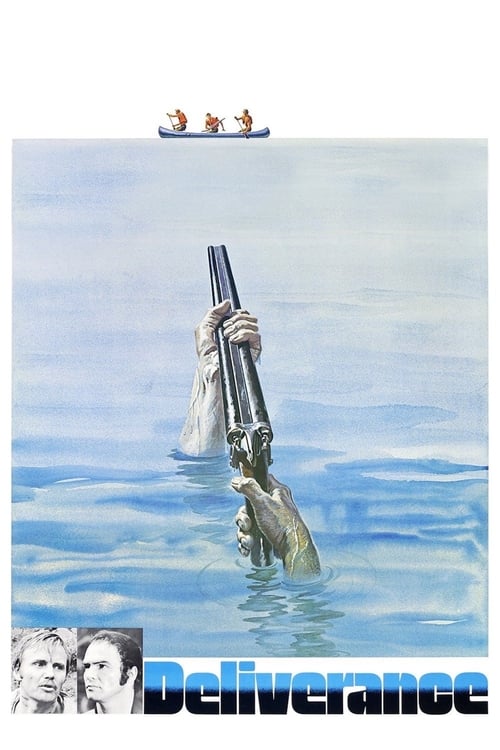
Deliverance
1972Intent on seeing the Cahulawassee River before it's turned into one huge lake, outdoor fanatic Lewis Medlock takes his friends on a river-rafting trip they'll never forget into the dangerous American back-country.
John Boorman transforms a survivalist nightmare into a harrowing meditation on the fragility of masculinity and the primal ferocity of the American wilderness. Its relentless tension and visceral atmosphere redefined the psychological stakes of the outdoors thriller.
Frequently Asked Questions
Everything you need to know about this list and SnakeDrafts
- The thriller films from 1972 reflect a gritty and cynical cinematic era marked by political paranoia, urban decay, and distrust of authority. Many movies like 'State of Siege' and 'Frenzy' delve into crime, suspense, and complex psychological elements, portraying a world far removed from the optimistic tones of the 1960s.
- 'Deliverance' stands out for its combination of thrilling adventure and intense psychological drama. John Boorman's direction captures a harrowing survival story that explores the natural and human dangers lurking beneath a deceptively serene landscape.
- Yes, the list features critically acclaimed international thrillers like Jean-Pierre Melville’s French crime thriller 'A Cop' and the Italian crime thriller 'Caliber 9' directed by Fernando Di Leo. These films add a global perspective to the suspenseful narratives defining 1972.
- Numerous movies exhibit genre blending, such as 'The Poseidon Adventure,' which combines thriller with disaster adventure elements, and 'Sleuth,' merging thriller with mystery and crime. This trend illustrates how 1972 thrillers often crossed traditional boundaries to deepen narrative complexity.
- 'Frenzy' marks Alfred Hitchcock’s return to British cinema and is noted for its dark humor and suspenseful plot involving a serial killer. The film exemplifies the era’s shift toward more explicit, grittier storytelling within the thriller genre.
- Thrillers from 1972, such as Robert Altman’s 'Images' and the TV movie 'The Night Stalker,' emphasize psychological horror and mind games, moving away from purely action-based suspense. This shift highlights a growing interest in exploring the complexities of the human psyche and fear.
- Socio-political unease profoundly influenced the thrillers of 1972, as seen in politically charged films like 'State of Siege.' These movies reflect distrust in government and authority, mirroring contemporary real-world issues that made the genre more resonant and reflective of societal anxieties.