Top Orson Welles Directed Movies Ranked
Masterpieces of Cinema from the Great Visionary
Explore the definitive filmography of Orson Welles, featuring cinematic masterpieces from Citizen Kane to Chimes at Midnight and beyond.
About Orson Welles
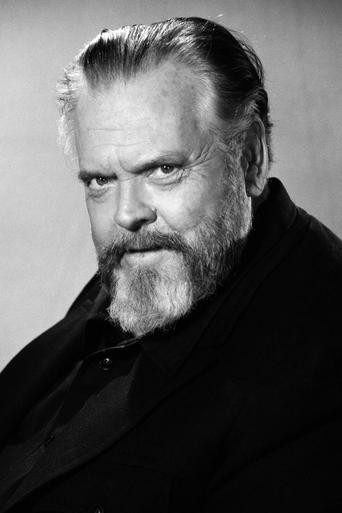
Orson Welles did not merely walk into a movie studio; he stormed it like a cathedral, intent on rewriting the holy scriptures of light and shadow. At twenty-five, he possessed the keys to RKO and a contract that granted him the kind of creative autonomy most veterans would kill for. He rewarded that trust by dismantling the visual grammar of the era. Citizen Kane remains the ultimate testament to his structural audacity, a jigsaw puzzle of deep focus and low angles that forced the audience to look at the screen as a three dimensional space rather than a flat canvas. He understood instinctively that a camera could be a psychological weapon, using long takes and overlapping dialogue to create a sensory overwhelm that mirrored the corruption and ego of his protagonists.
His career is often framed as a tragic trajectory of diminishing returns, yet the films themselves tell a story of restless, tireless innovation. While The Magnificent Ambersons suffered at the hands of studio butchers, its surviving frames pulse with a haunting, elegiac mood that Hollywood has never quite replicated. Welles was a master of the baroque, obsessed with the architecture of power and the inevitable rot that follows it. In Touch of Evil, he choreographed a three minute opening tracking shot that stands as a masterclass in tension, turning a border town into a labyrinth of sweaty, high contrast dread. He thrived in these shadows, using expressionistic lighting to turn a noir thriller like The Lady from Shanghai into a surreal fever dream, culminating in a hall of mirrors shootout that shattered the traditional visual language of the genre.
Even when working with shoestring budgets and a nomadic production schedule, his vision remained uncompromisingly vast. His adaptations of Shakespeare, particularly the visceral Macbeth and the soulful Chimes at Midnight, stripped away the polite theatricality usually afforded the Bard. Instead, he replaced it with mud, clashing steel, and a profound sense of human frailty. Chimes at Midnight, which he considered his masterpiece, transforms the character of Falstaff into a tragic symbol of a dying world, captured through kinetic editing that anticipated the modern action epic. He was equally adept at capturing the paranoia of the modern age, turning The Trial into a claustrophobic nightmare of infinite hallways and oppressive ceilings.
In his later years, he broke the fourth wall entirely, pivoting toward post modern experimentation. F for Fake is a dazzling, playful essay on the nature of art and deception that proves he was decades ahead of the video essayists of today. Even his posthumously reconstructed The Other Side of the Wind reveals a director who was still pushing toward a frantic, fragmented style of montage well into his seventies. From his early shocker The Hearts of Age to the mid career brilliance of Mr. Arkadin and The Stranger, the common thread is a refusal to be bored. He viewed the frame as a playground for illusions. He remains the ultimate avatar of the director as a conjurer, a man who spent his life proving that the camera is the greatest magic trick ever invented.
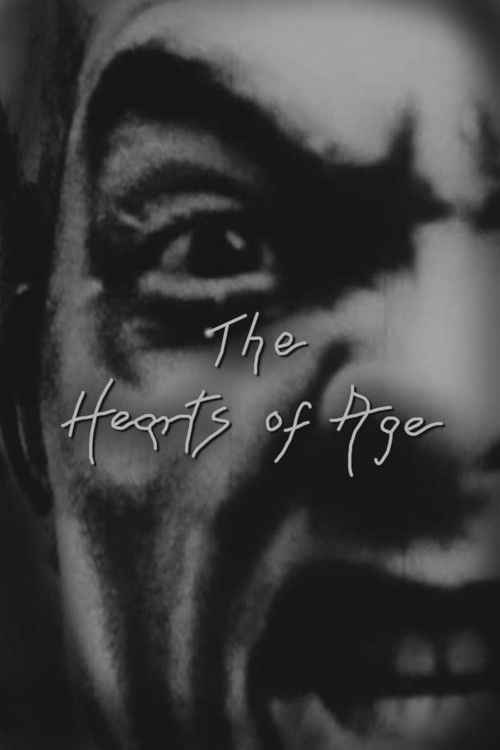
The Hearts of Age
1934A surreal silent short composed of symbolic imagery and allegorical tableaux centered on themes of death and mortality.
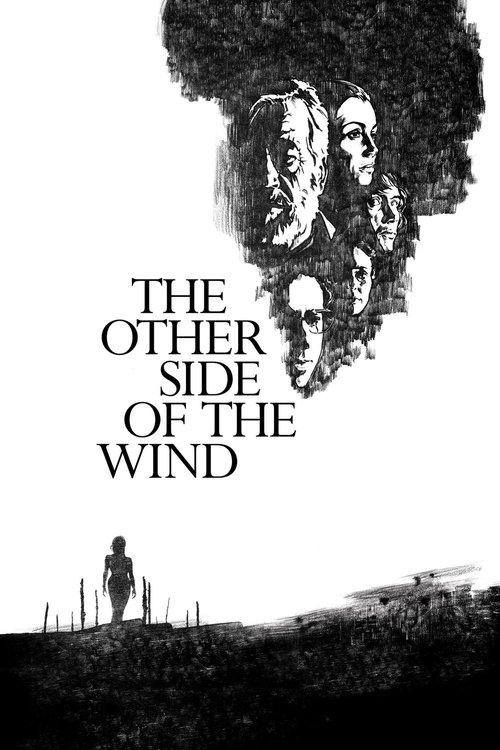
The Other Side of the Wind
2018Surrounded by fans and sceptics, grizzled director J.J. "Jake" Hannaford returns from years abroad in Europe to a changed Hollywood, where he attempts to make his innovative comeback film. This film was started in 1970 by Orson Welles but never completed during his lifetime.
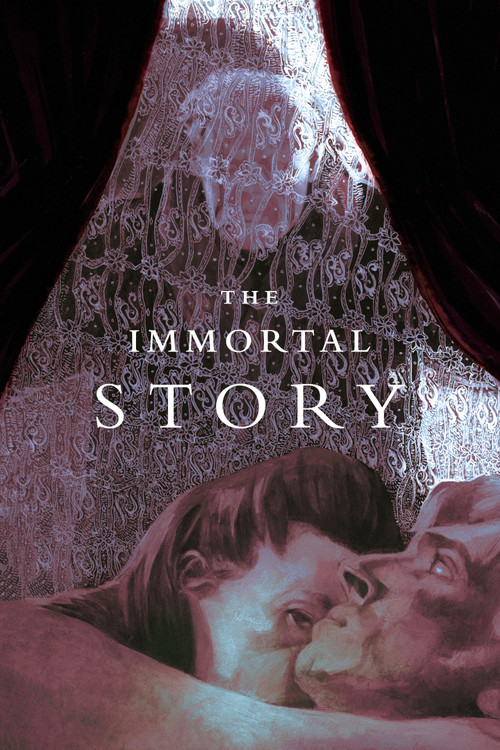
The Immortal Story
1968An aged, wealthy trader plots with his servant to recreate a maritime tall tale, using a local woman and an unknown sailor as actors.
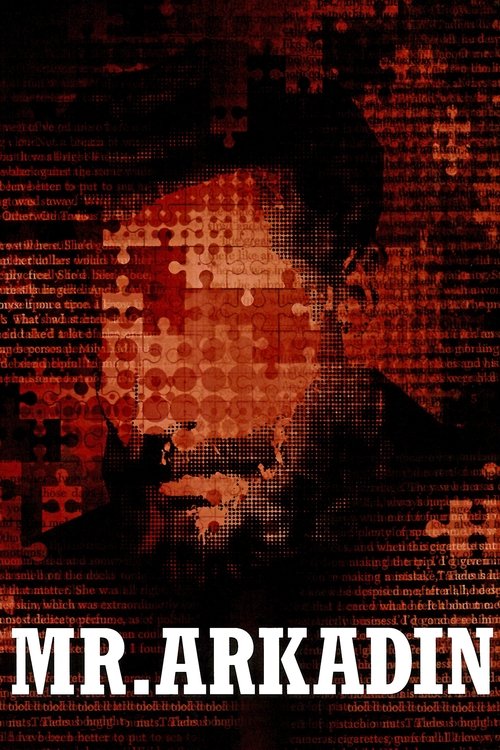
Mr. Arkadin
1955Claiming that he doesn't know his own past, a rich man enlists an ex-con with an odd bit of detective work. Gregory Arkadin says he can't remember anything before the late 1920s, and convict Guy Van Stratten is happy to take the job of exploring his new acquaintance's life story. Guy's research turns up stunning details about his employer's past, and as his work seems linked to untimely deaths, the mystery surrounding Mr. Arkadin deepens.
This fragmented, globe-trotting mystery echoes the themes of personal myth-making found across the director's body of work. Despite its jagged production history, the film pulses with a kinetic energy and a fascination with the masks that powerful men wear.
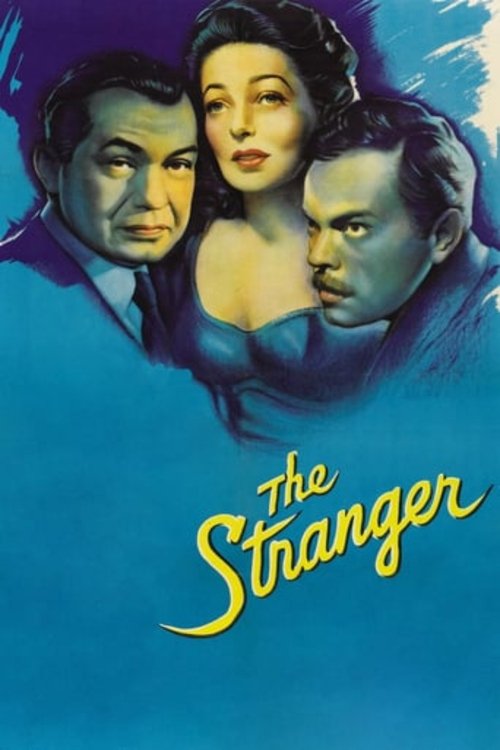
The Stranger
1946An investigator from the War Crimes Commission travels to Connecticut to find an infamous Nazi, who may be hiding out in a small town in the guise of a distinguished professor engaged to the Supreme Court Justice’s daughter.
While functioning as a more traditional thriller, this project demonstrates a remarkable control over pacing and mounting dread within a domestic setting. It highlights the director's ability to inject a sense of looming, clockwork inevitability into a standard post-war suspense framework.
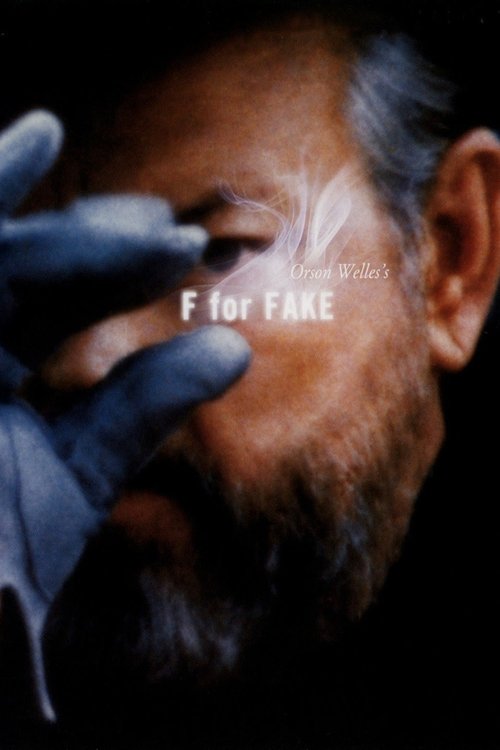
F for Fake
1973Documents the lives of infamous fakers Elmyr de Hory and Clifford Irving. De Hory, who later committed suicide to avoid more prison time, made his name by selling forged works of art by painters like Picasso and Matisse. Irving was infamous for writing a fake autobiography of Howard Hughes. Welles moves between documentary and fiction as he examines the fundamental elements of fraud and the people who commit fraud at the expense of others.
This kaleidoscopic film essay blurs the boundaries between documentary and magic trick, serving as a late-career manifesto on the nature of authorship. It is a playful yet profound deconstruction of artifice that invites the viewer into the director's own process of manipulation.
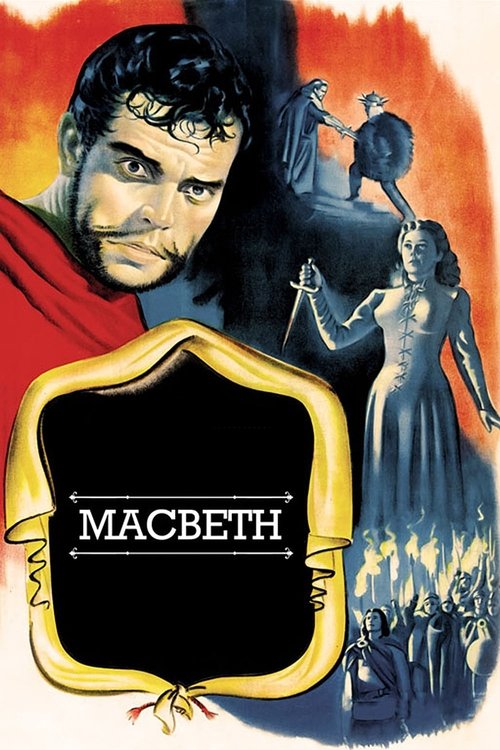
Macbeth
1948Macbeth, the Thane of Glamis, receives a prophecy from a trio of witches that one day he will become King of Scotland. Consumed by ambition and spurred to action by his wife, Macbeth commits a treasonous act and takes the throne for himself.
Welles transformed a meager budget into a primal, expressionistic dreamscape characterized by craggy textures and a heavy, fog-drenched mood. This interpretation prioritizes psychological intensity over theatrical polish, viewing the Scottish play through a lens of stark, primitive terror.
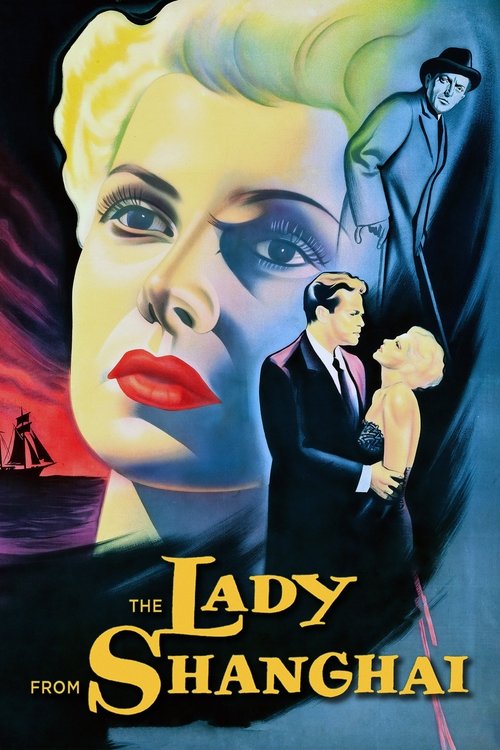
The Lady from Shanghai
1947A romantic drifter gets caught between a corrupt tycoon and his voluptuous wife.
A hall of mirrors finale serves as the ultimate metaphor for this film’s subversion of the femme fatale mythos and narrative clarity. It is a stylish, cynical exercise in visual distortion that proves Welles could dismantle studio tropes even while working within them.
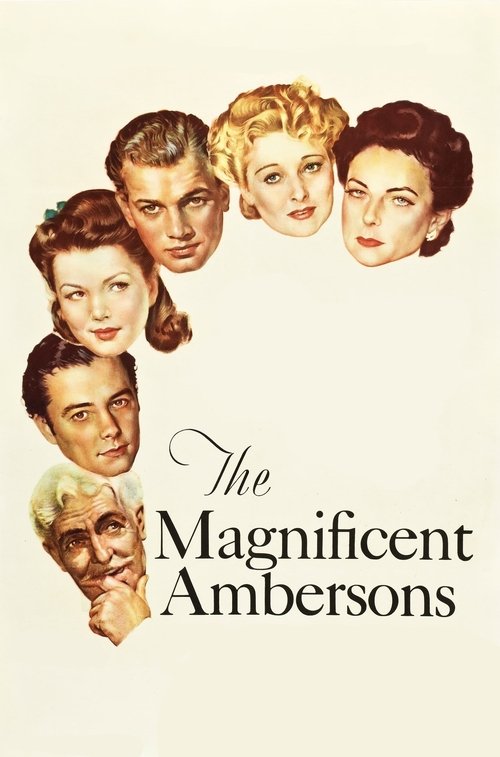
The Magnificent Ambersons
1942The spoiled young heir to the decaying Amberson fortune comes between his widowed mother and the man she has always loved.
Even in its truncated form, this elegiac study of social decay showcases a sophisticated mastery of moving camera work and ensemble blocking. It stands as a haunting testament to a vanishing world, captured with a poetic melancholy that rivals any of the director's more complete works.
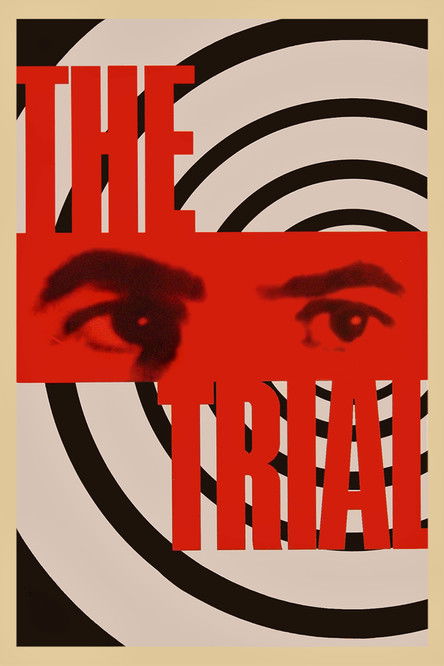
The Trial
1962Arrested for an unnamed crime, Josef K. is trapped in a surreal bureaucratic maze where justice is unknowable and guilt is assumed.
Translating Kafka’s paranoia into a series of impossible, cavernous architectural spaces, Welles crafted a nightmare that feels both ancient and frighteningly futuristic. The film utilizes jarring angles and oppressive shadows to map the internal landscape of a psyche trapped by bureaucracy.
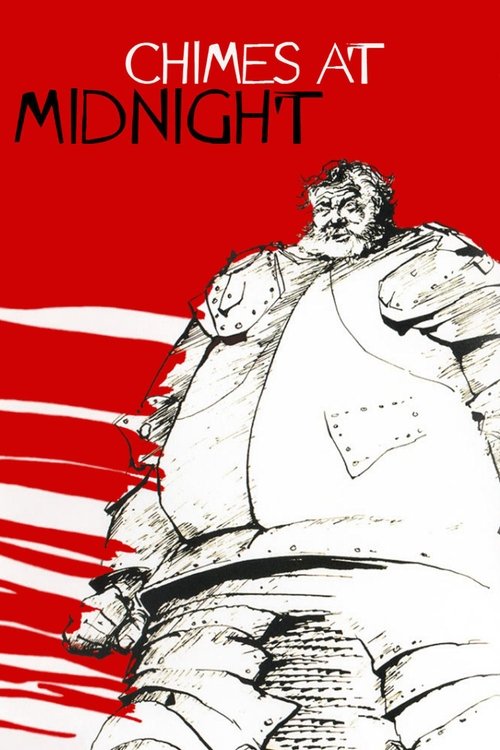
Chimes at Midnight
1965Henry IV usurps the English throne, sets in motion the factious War of the Roses and now faces a rebellion led by Northumberland scion Hotspur. Henry's heir, Prince Hal, is a ne'er-do-well carouser who drinks and causes mischief with his low-class friends, especially his rotund father figure, John Falstaff. To redeem his title, Hal may have to choose between allegiance to his real father and loyalty to his friend.
Welles reached his expressive peak by stitching together Shakespearean fragments into a visceral, mud-caked meditation on loyalty and the passing of an era. The film’s chaotic battle sequences and intimate emotional scale represent the director's most personal and soulful achievement.
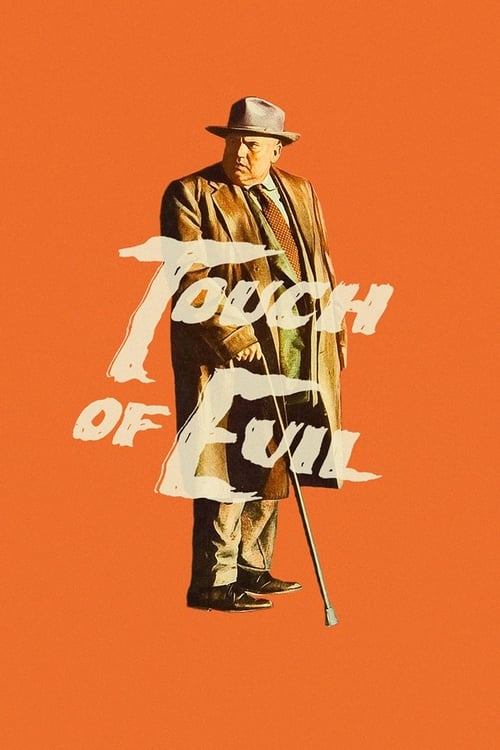
Touch of Evil
1958A border-town bombing draws Mexican investigator Miguel Vargas into a corruption-ridden police investigation led by crooked captain Hank Quinlan, setting off a deadly struggle over power, justice, and truth.
This gritty descent into border-town corruption serves as a masterclass in baroque suspense, famously anchored by a long take that redefined technical ambition. Its sweaty, claustrophobic atmosphere pushed the noir genre toward a grotesque, moral zenith that few directors have since dared to inhabit.
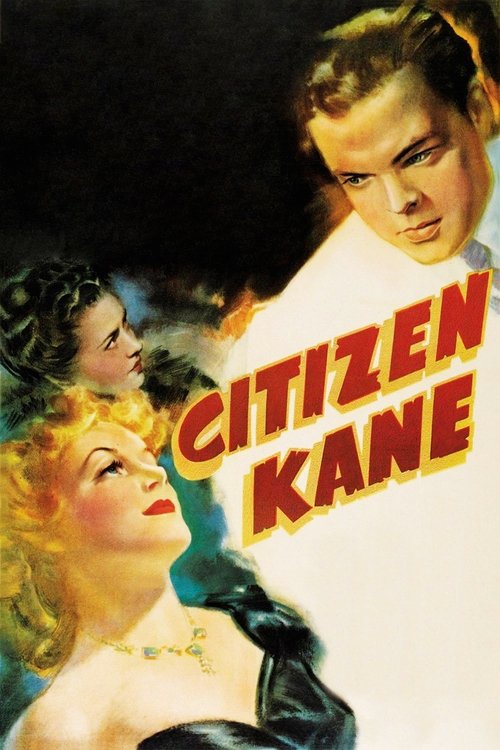
Citizen Kane
1941Newspaper magnate Charles Foster Kane is taken from his mother as a boy and made the ward of a rich industrialist. As a result, every well-meaning, tyrannical or self-destructive move he makes for the rest of his life appears in some way to be a reaction to that deeply wounding event.
A towering monolith of cinematic innovation, this debut rearranged the very DNA of visual storytelling through deep focus photography and non-linear architecture. It remains the definitive blueprint for the modern auteur, proving that a single vision could reinvent the grammar of the medium.
Frequently Asked Questions
Everything you need to know about this list and SnakeDrafts
- Orson Welles' films, including titles like Citizen Kane and Touch of Evil, are notable for their innovative use of deep focus cinematography, low-angle shots, and complex narrative structures. These techniques revolutionized visual storytelling and continue to influence modern cinema.
- Welles’ adaptations of Shakespeare, such as Chimes at Midnight and Macbeth, emphasize his ability to blend theatrical tradition with cinematic innovation. These films stand out by combining historical drama with expressive visuals, distinguishing them from his original screenplays like The Magnificent Ambersons.
- Touch of Evil is widely regarded as a quintessential film noir thriller in Orson Welles’ oeuvre. Its dark themes, morally ambiguous characters, and stylistic noir cinematography highlight Welles' mastery of the genre.
- Recurring themes in Welles’ films include power struggles, identity, corruption, and the complexities of human nature. Films like The Trial and Mr. Arkadin delve into these motifs through suspenseful and often enigmatic narratives.
- F for Fake is a unique documentary that blends fact and fiction to explore themes of art forgery and deception. Unlike Welles' narrative dramas and thrillers, this film employs a self-reflexive style that challenges the audience’s perception of truth.
- The Other Side of the Wind is notable as Welles' final completed work, released posthumously, offering a metafilmic critique of Hollywood and filmmaking. It provides insight into his late career vision and experimentation with narrative form.
- Yes, romance plays a significant role in films like The Magnificent Ambersons and The Immortal Story, where it intertwines with drama and historical contexts to enrich character motivations and emotional depth.