The Best Jessica Tandy Films Ranked
The Elegant Legacy of a Hollywood Matriarch
Discover the essential films of Jessica Tandy, from her Oscar-winning role in Driving Miss Daisy to her iconic work with Alfred Hitchcock.
About Jessica Tandy
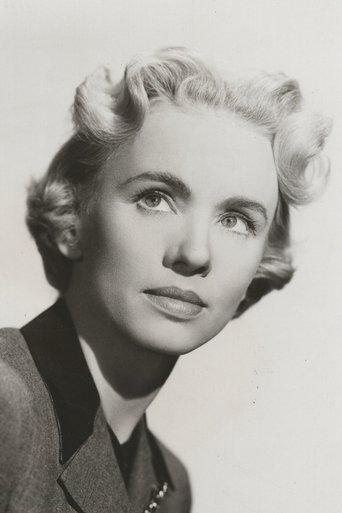
In the gilded history of Hollywood, few actors managed to bloom twice, yet Jessica Tandy treated her eighty-year career like a slow-burning masterclass in endurance. To modern audiences, she exists as the quintessential matriarch of the late eighties and early nineties, a silver-haired titan who commanded the screen with a fragile dignity that masked a spine of pure steel. However, reducing her to a late-career miracle ignores the decades she spent as a quiet force of gravity in the industry, navigating the transition from the golden age of studio dramas into the gritty realism of contemporary cinema.
Her early years in the forties saw her holding her own against the heavyweights of the era. Whether she was maneuvering through the wartime tension of The Seventh Cross or the lush, gothic atmosphere of Dragonwyck, she possessed an internal poise that set her apart from the standard starlets of the day. In films like The Valley of Decision and The Green Years, she displayed a theatrical precision that hinted at her legendary status on the Broadway stage. Even when playing the chillingly repressed mother in Hitchcock’s The Birds, she provided a haunting emotional anchor amidst the avian chaos, proving she could master psychological horror just as easily as she did period romance.
What makes her legacy so impactful is the grace with which she aged into her most iconic roles. Just when the industry might have sidelined another actress of her generation, she found a second wind that redefined the concept of the leading lady. In Cocoon, she brought a profound sense of wonder and late-life vitality to a sci-fi premise. Shortly after, she and her real-life husband Hume Cronyn turned the whimsical *batteries not included into a touching meditation on community and resilience.
The pinnacle of this resurgence arrived with Driving Miss Daisy, where she transformed an aging southern widow into a vessel of prickly, complicated humanity. It was a performance that bypassed caricature, revealing a woman wrestling with a changing world while maintaining a sharp, often difficult pride. That same warmth and sharpness defined her work in Fried Green Tomatoes, where she became the emotional heartbeat of a story spanning generations. People connected with her because she never traded on sentimentality. Instead, she offered a grounded, lived-in wisdom that felt earned.
Even as her health began to fail, her creative fire never dimmed. In The House on Carroll Street and eventually her final swan song in Nobody’s Fool, she remained a magnetic presence, capable of stealing scenes with a single arched eyebrow or a soft, knowing smile. She was the rare performer who understood that a career isn’t a sprint toward fame, but a steady accumulation of truth. By the time she left the stage for good, she had secured her place not just as a survivor of the Hollywood machine, but as its sophisticated conscience. Her journey reminds us that the most compelling stories are often the ones told in the quietest voices, spoken by those who have seen it all and still have something left to say.
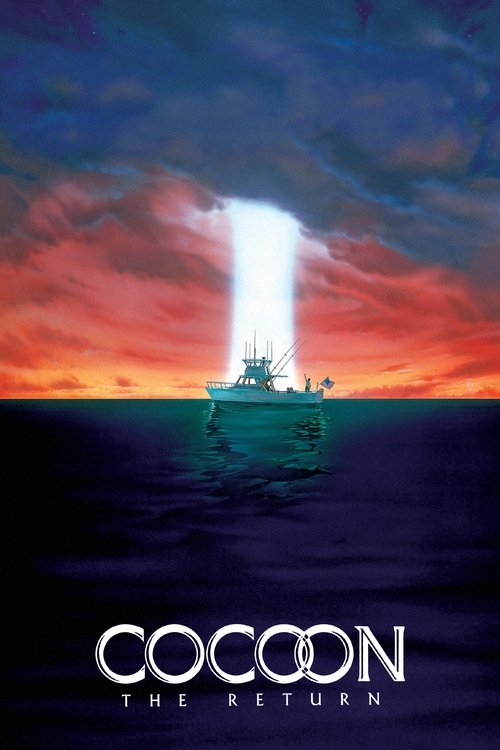
Cocoon: The Return
1988The reinvigorated elderly group that left Earth comes back to visit their relatives. Will they all decide to go back to the planet where no one grows old, or will they be tempted to remain on Earth?
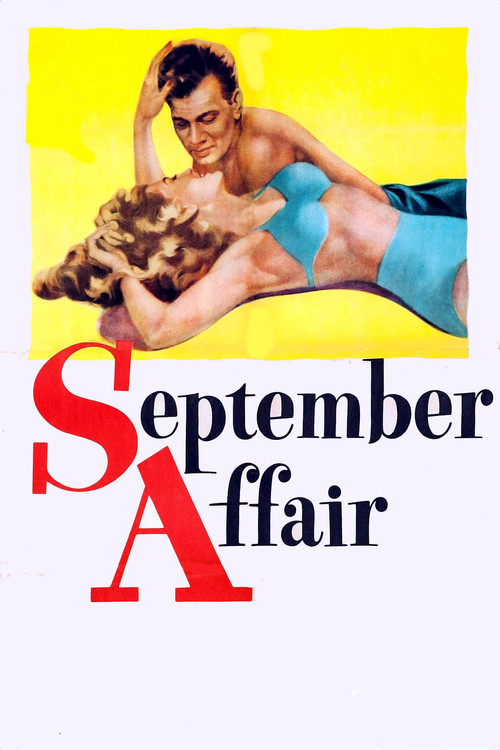
September Affair
1950An industrialist and a pianist meet on a trip and fall in love. Through a quirk of fate, they are reported dead in a crash though they weren't on the plane. This gives them the opportunity to live together free from their previous lives. Unfortunately, this artificial arrangement leads to greater and greater stress. Eventually the situation collapses when they come to pursue their original, individual interests without choosing a common path.
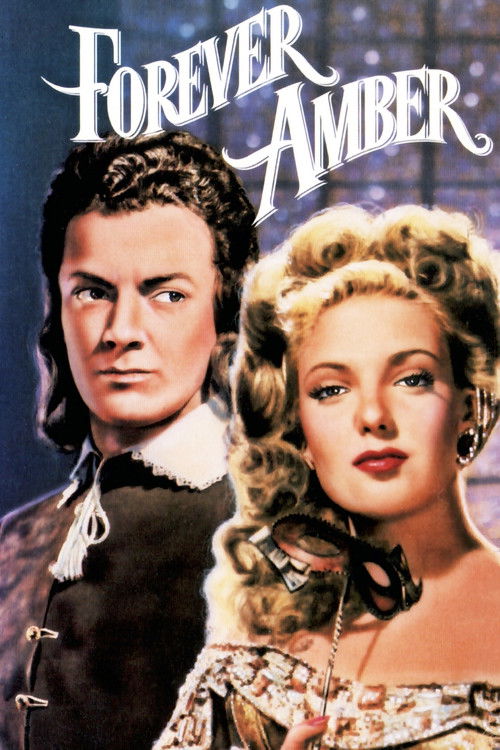
Forever Amber
1947Amber St Clair, orphaned during the English Civil War and raised by a family of farmers, aspires to be a lady of high society; when a group of cavaliers ride into town, she sneaks away with them to London to achieve her dreams.
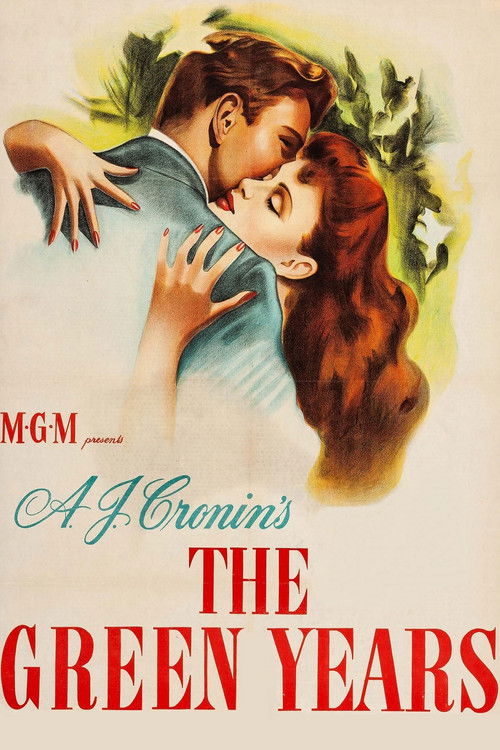
The Green Years
1946An orphaned young boy is guided by his great-grandfather and strives to go to university to become a doctor. However, the boy's harsh grandfather stands in his way.
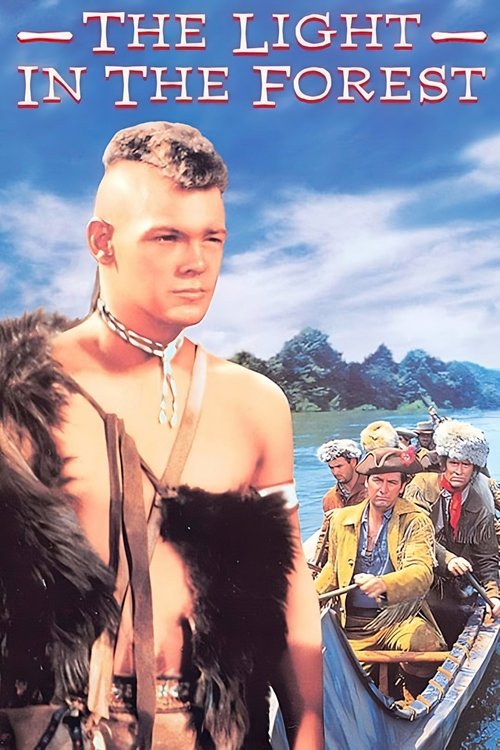
The Light in the Forest
1958A young white man who spent his whole life raised by a Native American tribe is sent to live with his true family and must learn to fit in with the people he was taught to hate.
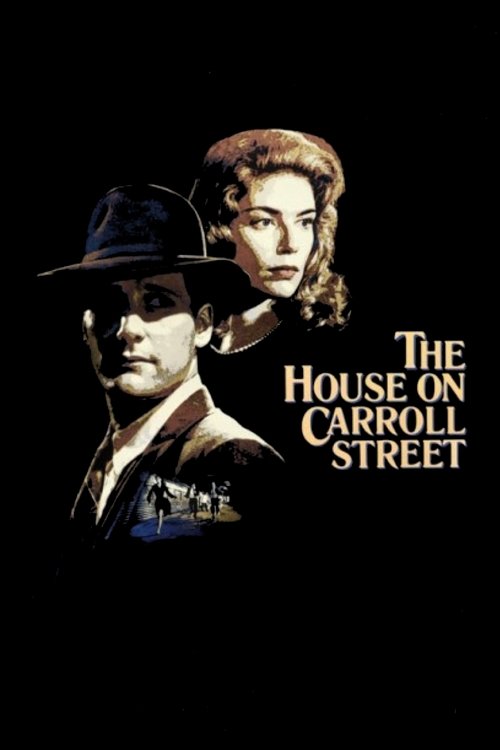
The House on Carroll Street
1988A reporter, fired after refusing to give names to a 1951 House Un-American Activities Committee, takes a part-time job as companion to an old lady. While working she overhears a noisy argument in the neighboring house, being conducted largely in German and involving her HUAC prosecutor. She begins to investigate, enlisting the help of the FBI Agent initially detailed to surveil her.
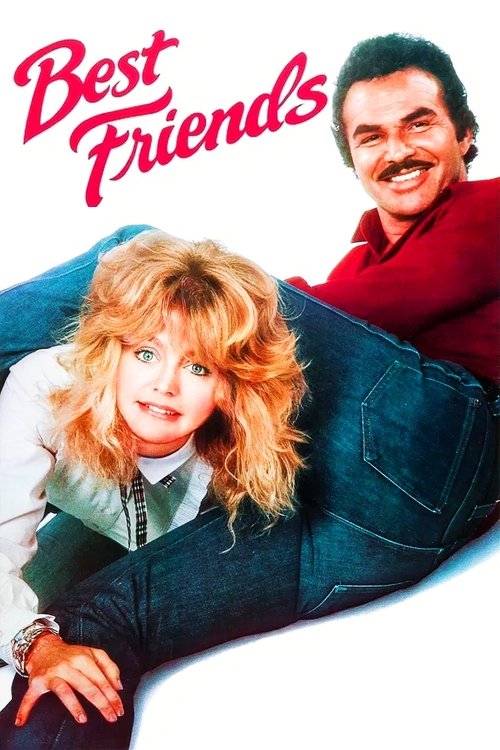
Best Friends
1982When a professional couple, who have lived and worked together for many years, finally decide to marry, their sudden betrothal causes many unexpected difficulties. They soon find that being married is often quite different from being "best friends."
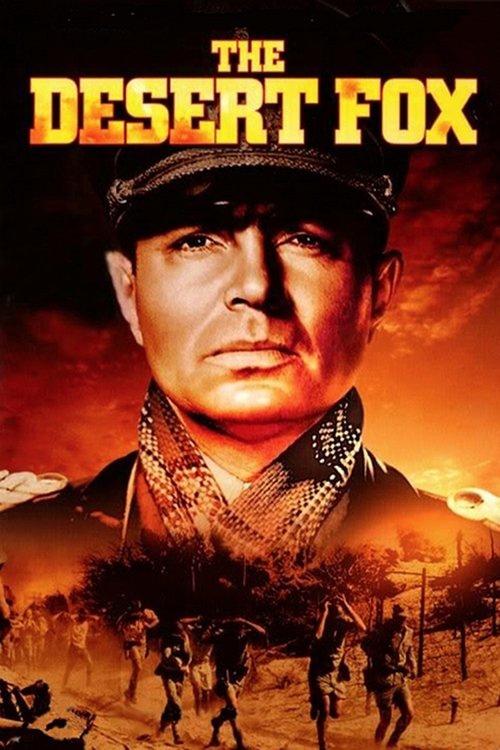
The Desert Fox: The Story of Rommel
1951The life and career of Erwin Rommel and his involvement in the plot to assassinate Hitler.
Tandy provides the necessary domestic friction in this biographical war drama, humanizing a controversial historical figure through her portrayal of Lucie Rommel. Her steeliness adds a layer of moral complexity to the film, ensuring the personal stakes feel as heavy as the political ones.
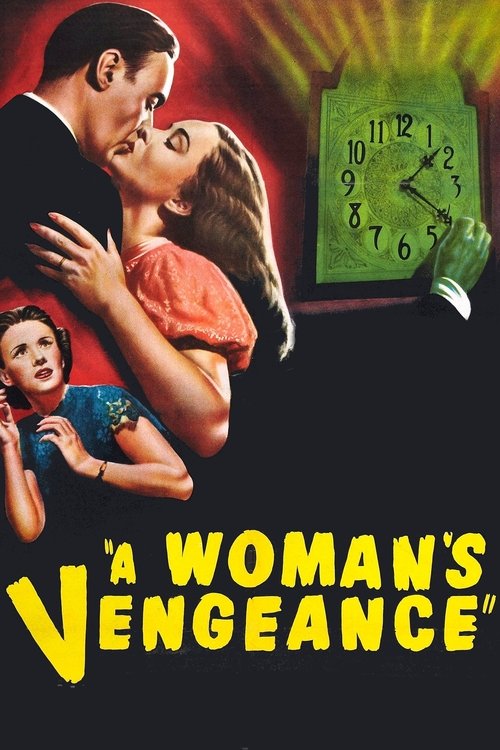
A Woman's Vengeance
1948A cheating husband is charged in the poisoning death of his invalid wife, in spite of other women and suicide also being suspected.
Tandy delivers a chillingly precise study in repressed hysteria, transforming from a brittle spinster into a vessel of calculated bitterness. This performance remains a vital landmark in her career as it captures her unique ability to weaponize vulnerability long before her celebrated late stage renaissance. Her Janet is a masterclass in the unsettling power of the quiet, wounded gaze.
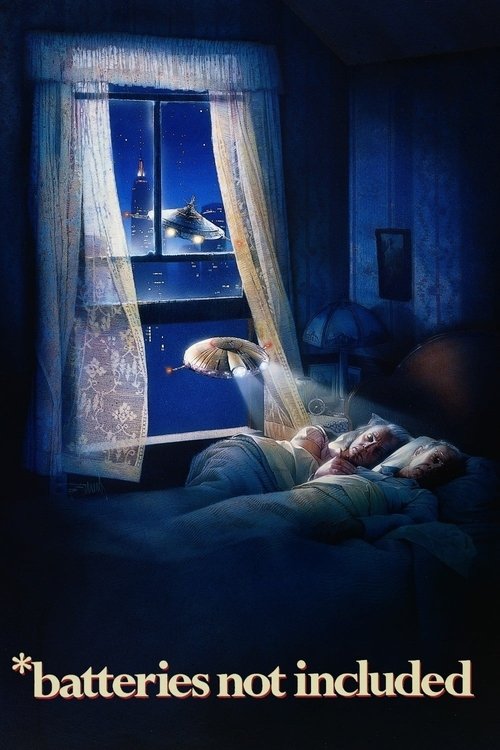
*batteries not included
1987In a soon to be demolished block of apartments, the residents resist the criminal methods used to force them to leave so a greedy tycoon can build his new skyscraper. When tiny mechanical aliens land for a recharge, they decide to stay and help out.
Playing a woman slipping into dementia, Tandy treats the fantastical material with a staggering level of sincerity and heart. She anchors the whimsical visual effects in a gritty, recognizable reality that forces the audience to confront the beauty of fading memories.
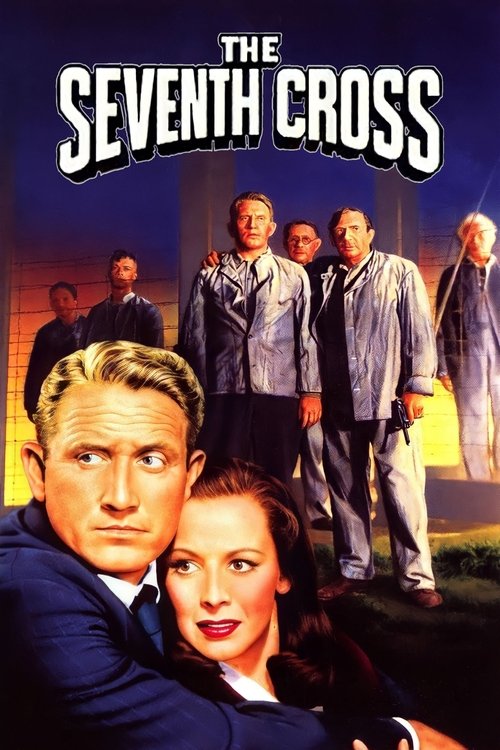
The Seventh Cross
1944In Nazi Germany in 1936 seven men escape from a concentration camp. The camp commander puts up seven crosses and, as the Gestapo returns each escapee he is put to death on a cross. The seventh cross is still empty as George Heisler attempts an escape to freedom in Holland.
This wartime thriller benefits immensely from Tandy’s ability to convey high-stakes desperation without ever lapsing into theatricality. Her performance is a testament to her versatility, proving she could navigate the shadows of noir with the same precision as high drama.
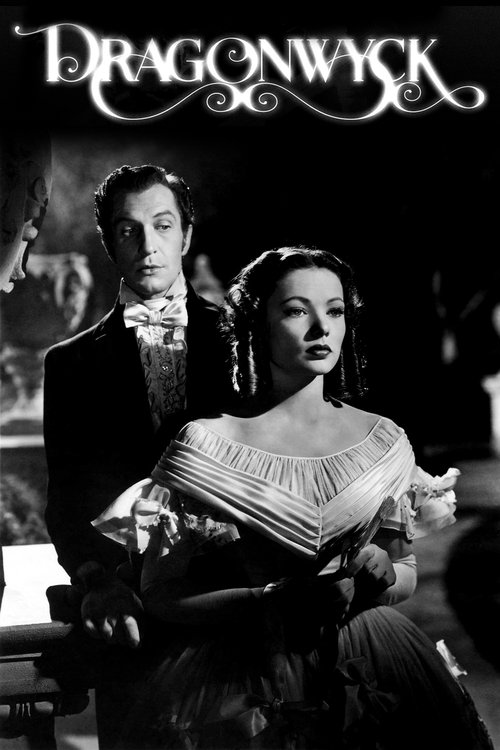
Dragonwyck
1946A simple Connecticut farm girl is recruited by a distant relative, an aristocratic patroon, to be governess to his young daughter in his Hudson Valley mansion.
Tandy excels as the crippled Peggy O'Malley, injecting a gothic melodrama with a necessary dose of grounded pathos. She manages to outshine the lavish set pieces by focusing on the internal yearning of a character marginalized by her own environment.
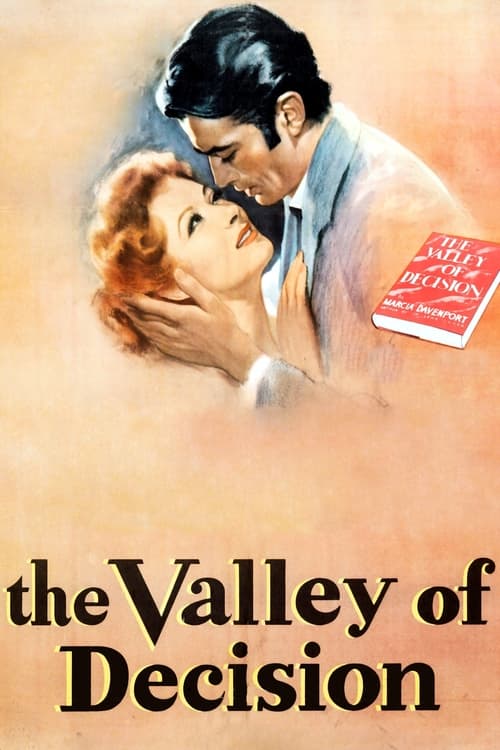
The Valley of Decision
1945Mary Rafferty comes from a poor family of steel mill workers in 19th Century Pittsburgh. Her family objects when she goes to work as a maid for the wealthy Scott family which controls the mill. Mary catches the attention of handsome scion Paul Scott, but their romance is complicated by Paul's engagement to someone else and a bitter strike among the mill workers.
Even in an early supporting role, Tandy exhibits a sharp, distinctive screen presence that pierced through the typical studio system polish. She displays an intellectual depth here that hinted at the Broadway powerhouse she would soon become.
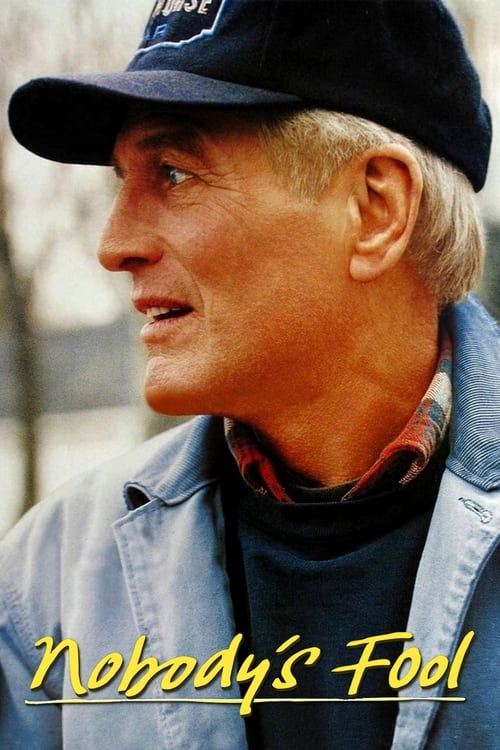
Nobody's Fool
1994A rascally nearing-retirement man juggles a workers' compensation suit while secretly working for his nemesis and flirting with his nemesis' young wife. As his estranged son returns, he faces new family responsibilities, while a banker plots to evict him from his home.
In her final cinematic outing, Tandy radiates a dignified patience as Paul Newman's landlady and moral compass. It is a quiet, rhythmic performance that serves as a perfect coda to her career, showcasing her ability to dominate a scene through understated poise.
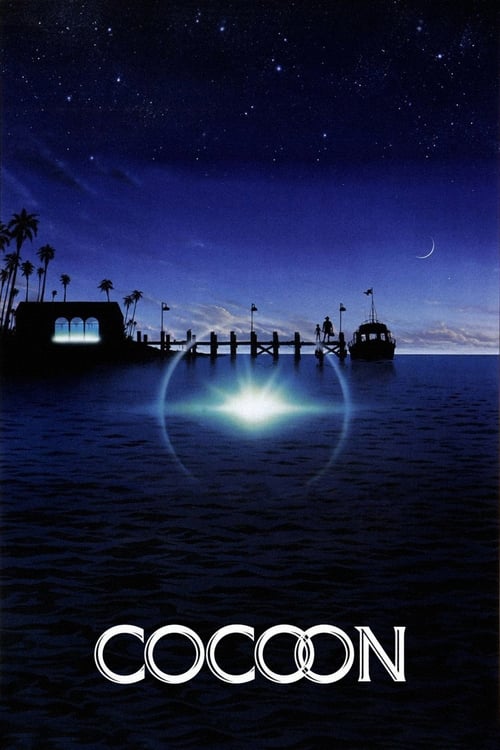
Cocoon
1985When a group of trespassing seniors swim in a pool containing alien cocoons, they find themselves energized with youthful vigor.
Tandy brings an elegant grace to this science-fiction fable, infusing the concept of rejuvenation with genuine emotional stakes. Her chemistry with real-life husband Hume Cronyn adds a layer of lived-in authenticity that elevates the supernatural premise into a poignant meditation on aging.
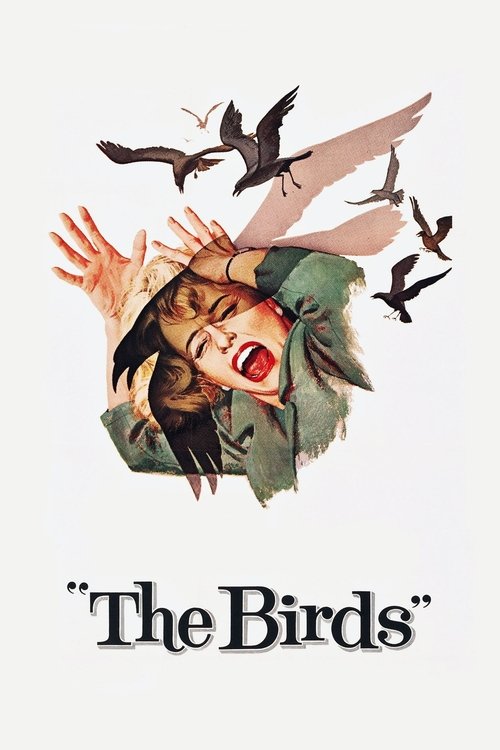
The Birds
1963Thousands of birds flock into a seaside town and terrorize the residents in a series of deadly attacks.
In a chilling departure from her maternal warmth, Tandy projects a brittle, possessive coldness as the matriarch caught in Hitchcock’s avian nightmare. This role highlights her gift for psychological intensity, portraying a woman whose internal fragility is as terrifying as the chaos outside.
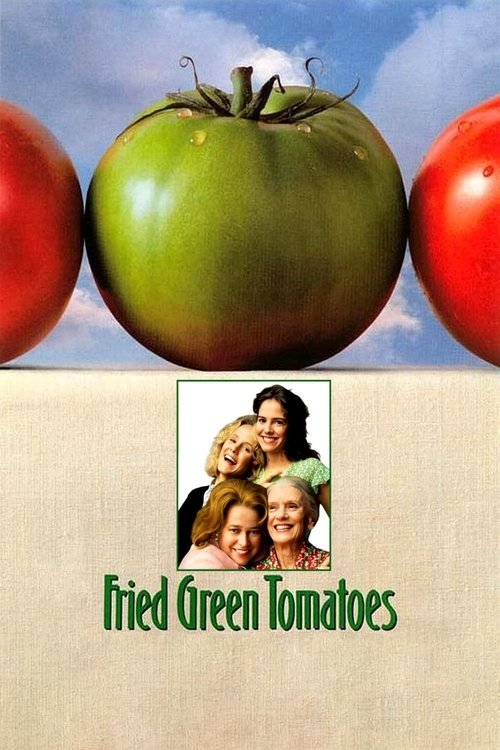
Amidst her own personality crisis, a southern housewife meets an outgoing old woman who tells her the story of Idgie Threadgoode and Ruth Jamison, two young women who experienced hardships and love in 1920s Whistle Stop, Alabama.
Serving as the film's soulful anchor, Tandy utilizes her ethereal storytelling prowess to bridge two eras of Southern history. She avoids the traps of sentimentality by grounding the narrative in a mischievous, sharp-witted vitality that proves her late-career dominance.
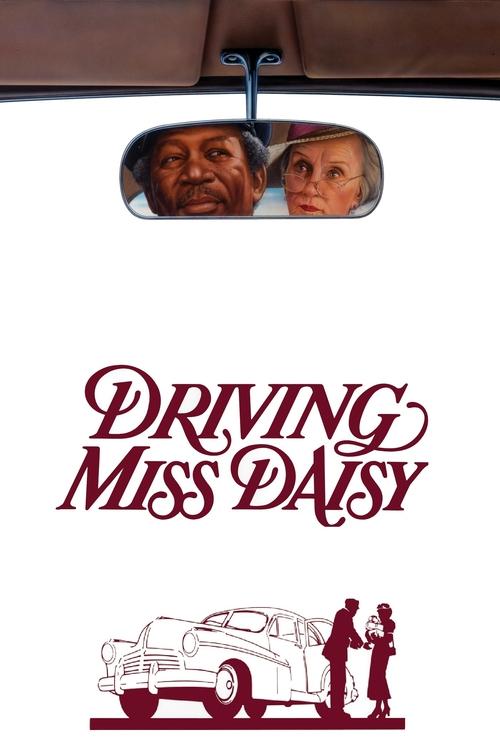
Driving Miss Daisy
1989The story of an old Jewish widow named Daisy Werthan and her relationship with her black chauffeur, Hoke. From an initial mere work relationship grew in 25 years a strong friendship between the two very different characters, in a time when those types of relationships were shunned.
Tandy commands the screen with a transformative rigidity that slowly softens into a profound humanity, earning an Oscar that solidified her status as the ultimate dowager of American cinema. Her ability to weaponize silence and subtle glances turns a simple character study into a masterclass of rhythmic acting.
Frequently Asked Questions
Everything you need to know about this list and SnakeDrafts
- Jessica Tandy won the Academy Award for Best Actress for her compelling portrayal of an elderly woman in "Driving Miss Daisy." This film, directed by Bruce Beresford, is celebrated for its heartfelt exploration of race and friendship in the American South.
- In Alfred Hitchcock's thriller "The Birds," Jessica Tandy took on a chilling role that contrasted sharply with her later, more maternal parts. Her performance demonstrated her ability to adapt to intense, suspenseful narratives, adding depth to her filmography beyond drama and comedy.
- Jessica Tandy's filmography spans a wide range of genres including drama, romance, thriller, science fiction, and comedy. Notable examples include the family-friendly fantasy "*batteries not included," the romantic thriller "Dragonwyck," and the science fiction drama "Cocoon," highlighting her dynamic acting range.
- Jessica Tandy starred in "Cocoon," a film directed by Ron Howard that focuses on a group of elderly individuals who discover a pool that revitalizes their youth. The movie blends science fiction with emotional drama, emphasizing themes of aging and rejuvenation.
- Jessica Tandy appeared in "The Desert Fox: The Story of Rommel," a historical war drama directed by Henry Hathaway. The film explores the life of the German World War II field marshal, showcasing Tandy's ability to contribute to historically significant narratives.
- Jessica Tandy starred in "A Woman's Vengeance," a drama and mystery film directed by Zoltan Korda. This film highlights her skill in portraying complex characters in narratives that involve intrigue and emotional depth.
- Jessica Tandy's performances in romantic dramas such as "The Valley of Decision" and "Dragonwyck" solidified her reputation as an actress capable of portraying nuanced emotional relationships. These roles complemented her dramatic and thriller work, demonstrating a broad acting spectrum.