The Best Jude Law Movies Ranked
From Charming Rogues to Iconic Literary Figures
Explore the finest performances of Jude Law, ranked by critical acclaim and cultural impact, from gripping dramas to blockbuster franchises.
About Jude Law

In the late nineties, the British film industry seemed to produce a specific breed of golden boy, yet none burned quite as bright or as dangerously as Jude Law. When he swaggered onto the deck of a yacht in The Talented Mr. Ripley, he wasnt just playing a bored aristocrat; he was embodying a lethal kind of charisma that felt both classic and entirely unpredictable. That performance as Dickie Greenleaf set the template for a career defined by a refusal to coast on aesthetics. While his symmetrical features initially suggested a lifetime of romantic leads, he spent the ensuing decades systematically dismantling the myth of the leading man, opting instead for characters who are fraying at the edges.
This tension between his polished surface and a restless, often neurotic interior is exactly why audiences remain captivated. He has an innate ability to play men who are simultaneously the smartest and the most desperate people in the room. You see it in the cold precision of his wheelchair-bound athlete in Gattaca and the tragic, robotic grace of Gigolo Joe in A.I. Artificial Intelligence. Even when stepping into the shoes of a civil war deserter in Cold Mountain, he avoided the traps of sentimentality, grounding the epic scale of the story in a very human exhaustion. He thrives when there is a shadow behind the eyes, an edge that suggests he is always calculating his next move or hiding a profound secret.
As his career matured, he transitioned into a world-class character actor who happens to have the gravity of a superstar. He redefined Dr. John Watson in the Sherlock Holmes franchise, abandoning the bumbling sidekick trope to provide a gritty, combat-ready foil to Robert Downey Jr.’s eccentricity. Yet, he is just as effective when leaning into his own vanity for comedic effect, as seen in the suave incompetence of his secret agent in Spy or the meticulously curated aesthetic of a concierge in The Grand Budapest Hotel. He understands the power of a silhouette and the weight of a costume, whether he is inhabiting the historical grandeur of The Aviator and Hugo or the sleek, cosmic authoritarianism of a villain in Captain Marvel.
The modern era of his filmography reveals an artist interested in the rot beneath the veneer of success. In The Nest, he delivers a harrowing portrait of a man drowning in his own ambition, showcasing a vulnerability that few of his contemporaries would dare to expose. It is a far cry from the cozy, sweater-clad charm he brought to The Holiday, yet both roles feel like essential pieces of the same puzzle. He has become a master of the middle-aged pivot, trading the effortless cool of his youth for a complex, lived-in authority.
Ultimately, we connect with Law because he never settled for being just a face on a poster. He chose the difficult path, chasing projects like Closer and Road to Perdition where he could be ugly, cruel, or pathetic. He remains one of the few actors who can anchor a blockbuster with ease while feeling completely at home in the claustrophobic tension of an indie drama. By constantly subverting our expectations, he has ensured that his presence on screen is never merely decorative, but always an invitation to watch a man grapple with the high cost of being human.
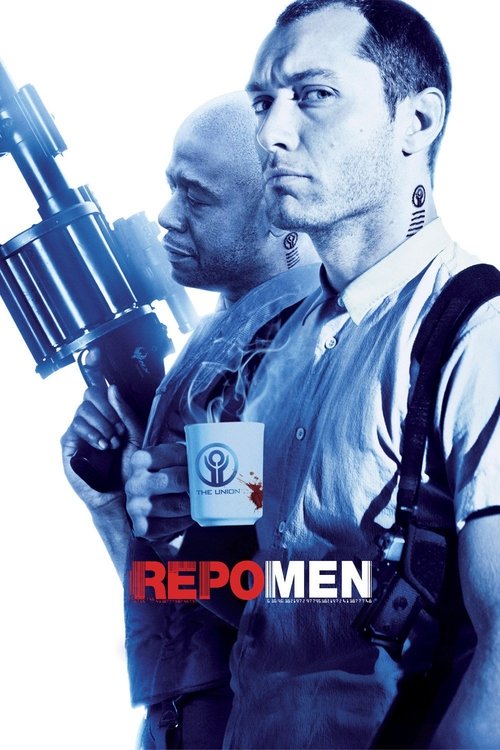
Repo Men
2010In the future, medical technology has advanced to the point where people can buy artificial organs to extend their lives. But if they default on payments, an organization known as the Union sends agents to repossess the organs. Remy is one of the best agents in the business, but when he becomes the recipient of an artificial heart, he finds himself in the same dire straits as his many victims.
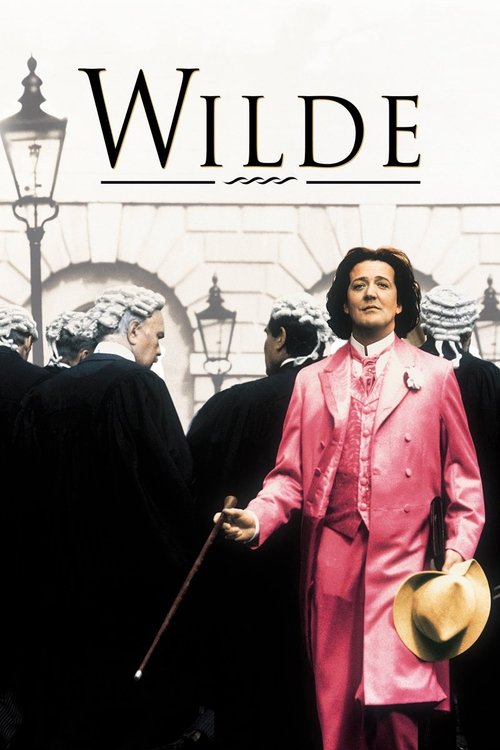
Wilde
1997Oscar Wilde is a married playwright who has occasionally indulged his weakness for male suitors. After much toil, Wilde debuts 'The Importance of Being Earnest' in London, and a chat at the theatre with Lord Alfred 'Bosie' Douglas leads to a full-fledged romance. However, this affair leads to a legal dispute with Lord Alfred's oppressive father, the Marquess of Queensberry, and, given the local anti-gay laws, Wilde is jailed. Wilde's vast intellect helps him survive until he regains his freedom.
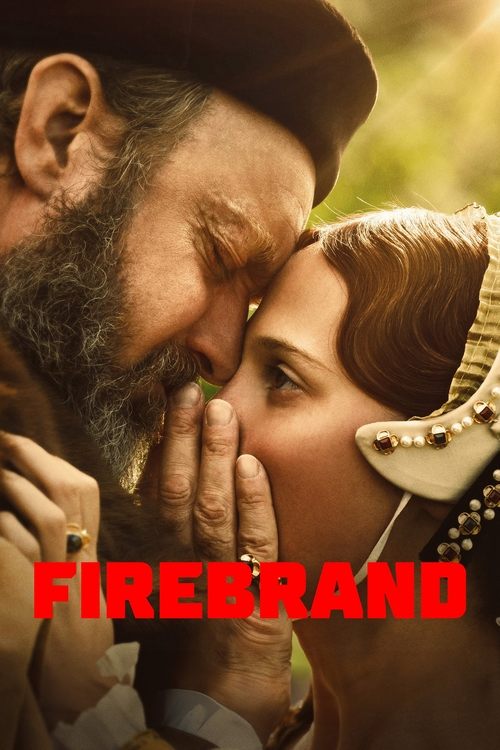
Firebrand
2024Katherine Parr, the sixth wife of King Henry VIII, is named regent while the tyrant battles abroad. When the king returns, increasingly ill and paranoid, Katherine finds herself fighting for her own survival.
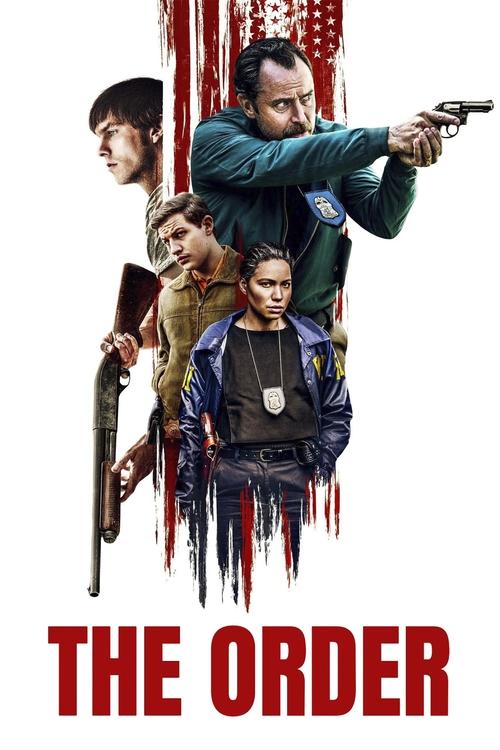
The Order
2024A string of violent robberies in the Pacific Northwest leads veteran FBI agent Terry Husk into a white supremacist plot to overthrow the federal government.

I ♥ Huckabees
2004A husband-and-wife team play detective, but not in the traditional sense. Instead, the happy duo helps others solve their existential issues, the kind that keep you up at night, wondering what it all means.
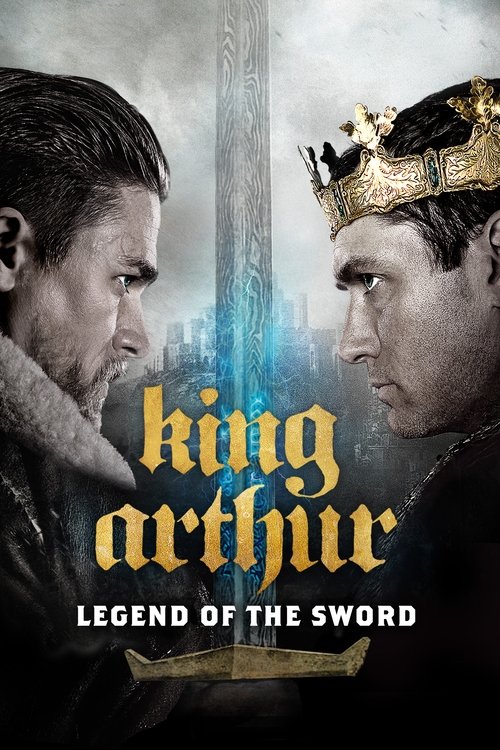
King Arthur: Legend of the Sword
2017When the child Arthur’s father is murdered, Vortigern, Arthur’s uncle, seizes the crown. Robbed of his birthright and with no idea who he truly is, Arthur comes up the hard way in the back alleys of the city. But once he pulls the sword Excalibur from the stone, his life is turned upside down and he is forced to acknowledge his true legacy... whether he likes it or not.

Anna Karenina
2012In Imperial Russia, Anna, wife of the officer Karenin, goes to Moscow to visit her brother. On the way, she meets charming cavalry officer Vronsky, to whom she's immediately attracted. But in St. Petersburg’s high society, a relationship like this could destroy a woman’s reputation.

Contagion
2011As an epidemic of a lethal airborne virus - that kills within days - rapidly grows, the worldwide medical community races to find a cure and control the panic that spreads faster than the virus itself.
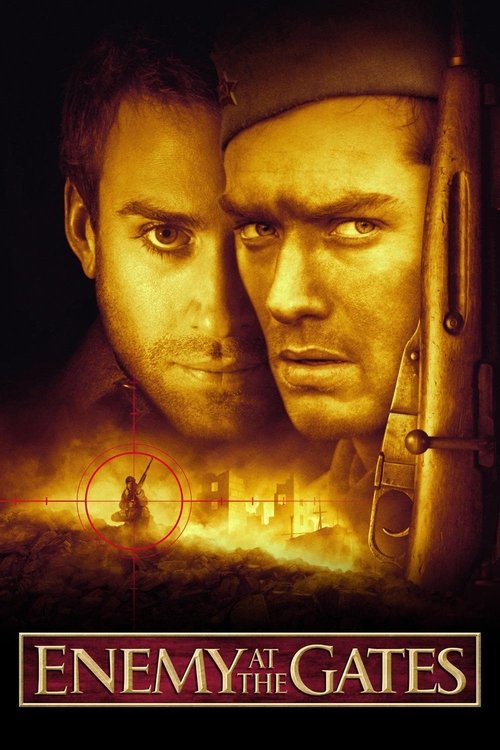
A Russian and a German sniper play a game of cat-and-mouse during the Battle of Stalingrad in WWII.

Side Effects
2013A woman turns to prescription medication as a way of handling her anxiety concerning her husband's upcoming release from prison.

Captain Marvel
2019The story follows Carol Danvers as she becomes one of the universe’s most powerful heroes when Earth is caught in the middle of a galactic war between two alien races. Set in the 1990s, Captain Marvel is an all-new adventure from a previously unseen period in the history of the Marvel Cinematic Universe.

David, a robotic boy—the first of his kind programmed to love—is adopted as a test case by a Cybertronics employee and his wife. Though he gradually becomes their child, a series of unexpected circumstances make this life impossible for David.
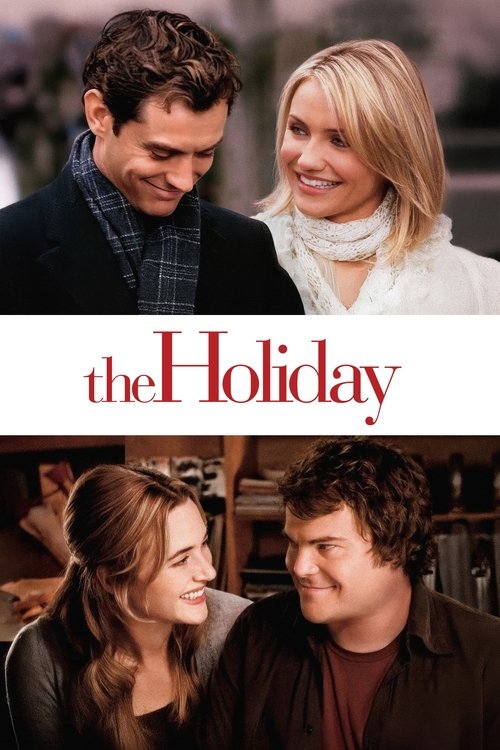
The Holiday
2006Two women, one American and one British, swap homes at Christmastime following bad breakups. Each woman finds romance with a local man but realizes that the imminent return home may end the relationship.
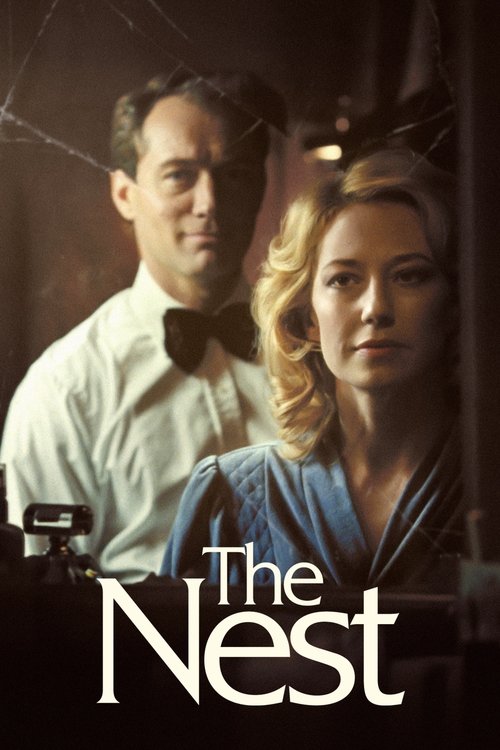
The Nest
2020Rory is an ambitious entrepreneur who brings his American wife and kids to his native country, England, to explore new business opportunities. After abandoning the sanctuary of their safe American suburban surroundings, the family is plunged into the despair of an archaic '80s Britain and their unaffordable new life in an English manor house threatens to destroy the family.
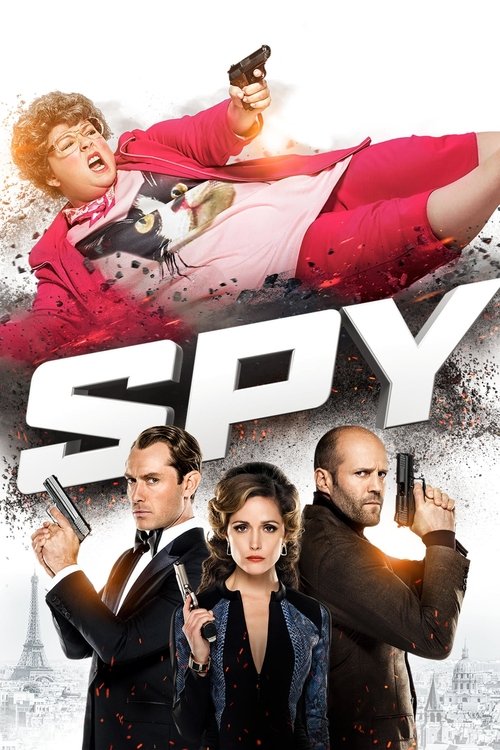
Spy
2015A desk-bound CIA analyst volunteers to go undercover to infiltrate the world of a deadly arms dealer, and prevent diabolical global disaster.
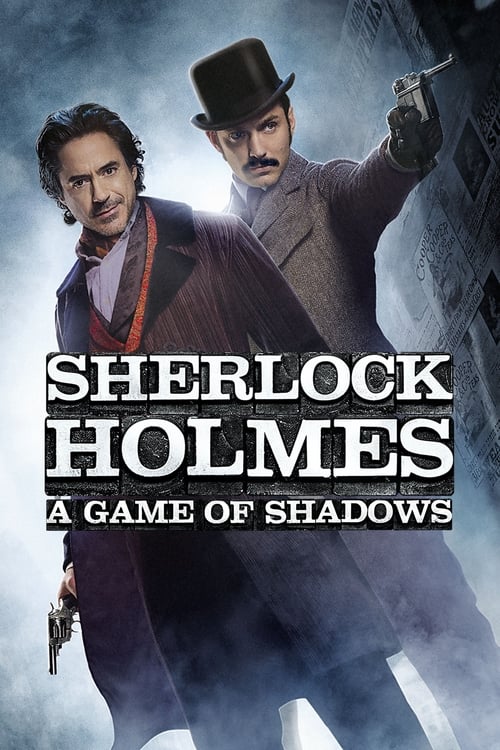
Sherlock Holmes: A Game of Shadows
2011There is a new criminal mastermind at large (Professor Moriarty) and not only is he Holmes’ intellectual equal, but his capacity for evil and lack of conscience may give him an advantage over the detective.
Law sheds any trace of the bumbling sidekick, reimagining Dr. John Watson as a coiled, combat-ready pragmatist who serves as the film’s essential gravitational center. He masterfully balances a dry, exasperated wit with a rugged physicality, proving he could command a blockbuster landscape as a formidable co-lead rather than just a handsome foil. It remains the definitive showcase of Law’s ability to anchor chaotic spectacle with genuine grit and rhythmic comedic timing.

The Aviator
2004A biopic depicting the life of filmmaker and aviation pioneer Howard Hughes from 1927 to 1947, during which time he became a successful film producer and an aviation magnate, while simultaneously growing more unstable due to severe obsessive-compulsive disorder.
Law captures the predatory elegance of Errol Flynn with a flash of teeth and a prowling physicality that nearly steals the screen from DiCaprio. It remains a masterclass in how Law can weaponize his matinee-idol looks to portray the artifice of old Hollywood stardom, proving he could command a room even in a supporting cameo. This brief, electric turn served as a definitive pivot point, transitioning him from a conventional leading man into a character actor capable of high-glamour intensity.

Hugo
2011Orphaned and alone except for an uncle, Hugo Cabret lives in the walls of a train station in 1930s Paris. Hugo's job is to oil and maintain the station's clocks, but to him, his more important task is to protect a broken automaton and notebook left to him by his late father. Accompanied by the goddaughter of an embittered toy merchant, Hugo embarks on a quest to solve the mystery of the automaton and find a place he can call home.
Law radiates a warm, clockwork precision as Hugo’s father, grounding the film’s steampunk fantasy in a fleeting but essential tenderness. Though his screen time is brief, the role marks a pivotal maturation in Law’s career, trading his youthful swagger for a soulful, fatherly gravitas that haunts the entire narrative. He delivers a masterclass in economy, ensuring his spectral presence is felt in every gear and shadow long after he’s gone.

The Grand Budapest Hotel tells of a legendary concierge at a famous European hotel between the wars and his friendship with a young employee who becomes his trusted protégé. The story involves the theft and recovery of a priceless Renaissance painting, the battle for an enormous family fortune and the slow and then sudden upheavals that transformed Europe during the first half of the 20th century.
Law captures a precise, inquisitive stillness as the Young Writer, anchoring the film’s recursive frame with a restrained curiosity that counters the surrounding whimsy. It is a pivotal moment of transition in his career, marking his evolution from a dashing marquee idol into a perceptive and indispensable character actor within the Wes Anderson repertory. He elevates the role of the observer into an art form, providing the necessary soulful gravity that allows the larger caper to take flight.
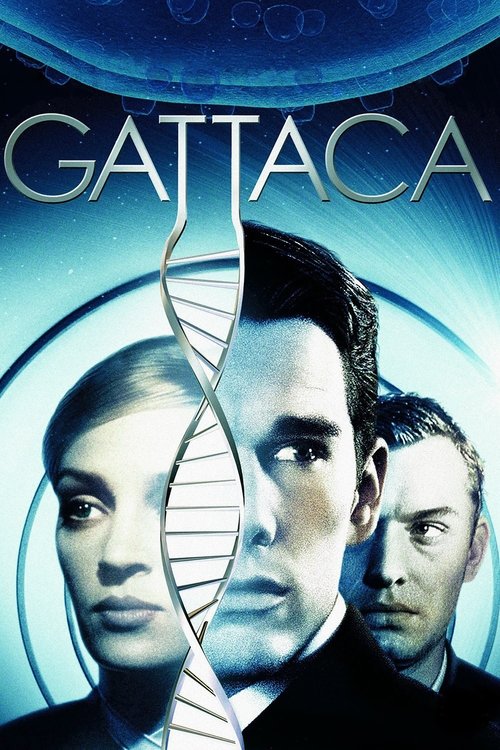
Gattaca
1997Vincent is an all-too-human man who dares to defy a system obsessed with genetic perfection. He is an "In-Valid" who assumes the identity of a member of the genetic elite to pursue his goal of traveling into space with the Gattaca Aerospace Corporation.
Law radiates a bitter, aristocratic grace as Jerome Morrow, personifying the heartbreak of a genetically perfect specimen broken by reality. It is the role that weaponized his celestial beauty, grounding his emerging stardom in a sharp, cynical vulnerability that proved he was more than just a landing-page heartthrob. He steals every scene from the sidelines, using a wheelchair and a wine glass to project an exhausting, magnetic arrogance.
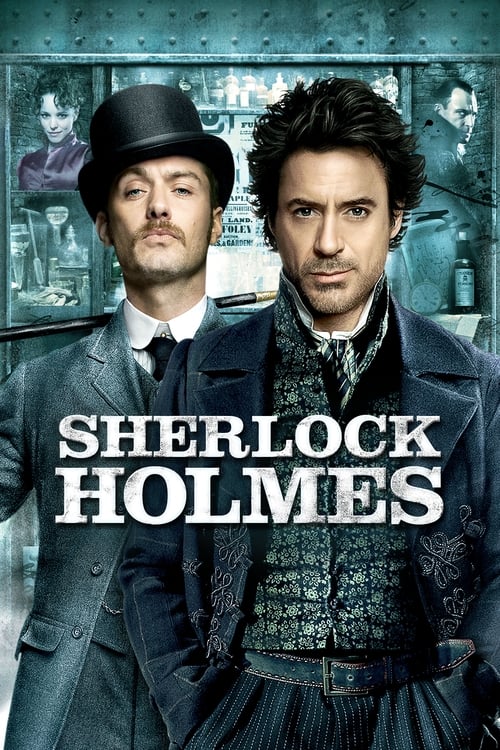
Sherlock Holmes
2009Eccentric consulting detective Sherlock Holmes and Doctor John Watson battle to bring down a new nemesis and unravel a deadly plot that could destroy England.
Law redefines Dr. Watson from a bumbling sidekick into a formidable man of action, matching Robert Downey Jr.’s manic energy with a sharp-witted, weary sophistication. This role marked a pivotal shift for Law, proving he could pivot from ethereal romantic lead to a rugged, intellectual anchor in a major blockbuster franchise. He anchors the film’s stylized chaos with a dry, physical gravitas that makes the central bromance feel dangerous and authentic.

Closer
2004The relationships of two couples become complicated and deceitful when the man from one couple meets the woman of the other.
Law weaponizes his quintessential golden-boy charm to play a man whose profound insecurity curdles into pathetic, calculated cruelty. It is the definitive turning point in his career where he shed the burden of the leading-man pedestal, proving he was far more compelling as a weak-willed, fumbling antagonist than a traditional romantic hero. He navigates Patrick Marber’s lacerating dialogue with a desperate, breathless energy that makes his character’s betrayal feel both inevitable and deeply human.
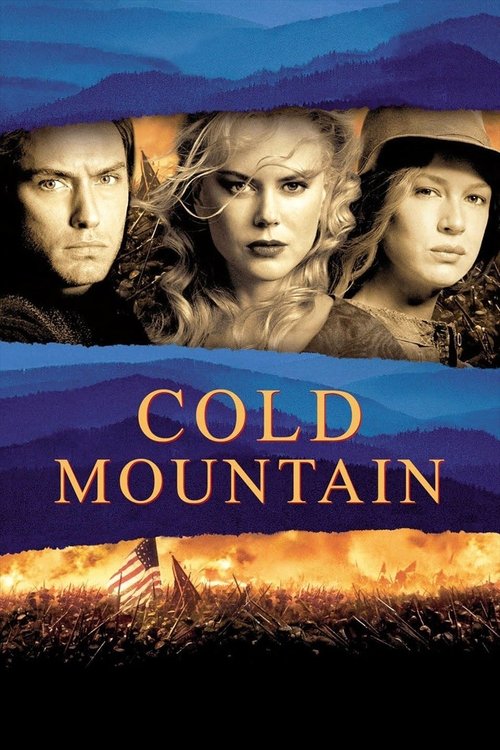
Cold Mountain
2003In this classic story of love and devotion set against the backdrop of the American Civil War, a wounded Confederate soldier named W.P. Inman deserts his unit and travels across the South, aiming to return to his young wife, Ada, who he left behind to tend their farm. As Inman makes his perilous journey home, Ada struggles to keep their home intact with the assistance of Ruby, a mysterious drifter sent to help her by a kindly neighbor.
Law trades his signature urbanity for a raw, hollow-eyed stoicism, grounding the film’s epic sweep with a quiet desperation. This performance marked his definitive transition from ethereal heartthrob to a rugged leading man capable of carrying a massive period drama through sheer silent endurance. He strips away the charm to find the jagged nerves of a deserter, proving he could command the screen by doing more with a thousand-yard stare than a page of dialogue.
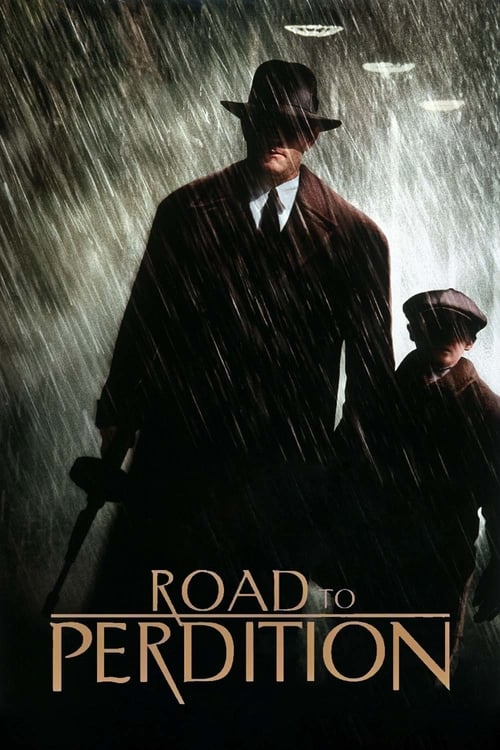
Mike Sullivan works as a hit man for crime boss John Rooney. Sullivan views Rooney as a father figure, however after his son is witness to a killing, Mike Sullivan finds himself on the run in attempt to save the life of his son and at the same time looking for revenge on those who wronged him.
Law sheds his matinee-idol skin to play Harlen Maguire as a rotting, voyeuristic scavenger with yellowing teeth and a camera-ready obsession with death. It marked a daring pivot in his career, proving he could disappear into the grotesque and out-creep a cast of heavyweight veterans with nothing but a shutter click and a sallow stare.
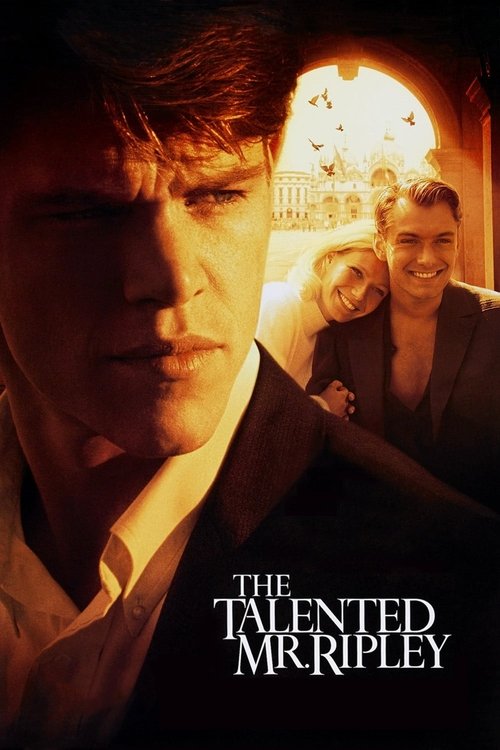
Tom Ripley is a calculating young man who believes it's better to be a fake somebody than a real nobody. Opportunity knocks in the form of a wealthy U.S. shipbuilder who hires Tom to travel to Italy to bring back his playboy son, Dickie. Ripley worms his way into the idyllic lives of Dickie and his girlfriend, plunging into a daring scheme of duplicity, lies and murder.
Law radiates a lethal, golden-boy magnetism, weaponizing his sheer physical beauty to mask Dickie Greenleaf’s casual cruelty and emotional negligence. It is the definitive breakout that weaponized his vanity as a dramatic tool, proving he was a heavyweight character actor trapped in a matinee idol’s frame. He doesn't just inhabit the screen; he colonizes it with a reckless, sun-drenched arrogance that makes his eventual absence feel like a total eclipse.
Frequently Asked Questions
Everything you need to know about this list and SnakeDrafts
- Jude Law delivers a memorable performance as Dickie Greenleaf in "The Talented Mr. Ripley," where he embodies a lethal kind of charisma that combines classic charm with unpredictability. This role set the foundation for his career, highlighting his ability to play complex characters.
- Jude Law's filmography spans a diverse range from thrilling crime dramas like "Road to Perdition" to lighthearted comedies such as "Spy". His versatility is evident in his work across genres including sci-fi with "Gattaca" and romantic drama in "Closer."
- Jude Law has worked with acclaimed directors like Anthony Minghella in "The Talented Mr. Ripley" and "Cold Mountain," as well as Martin Scorsese in "Hugo" and "The Aviator." These collaborations have often resulted in critically praised performances and films.
- Jude Law has portrayed characters in various historical or period contexts including the Civil War era in "Cold Mountain," the Prohibition-era crime world in "Road to Perdition," and the early 20th century Hollywood scene in "The Aviator." These roles showcase his adaptability to different time periods and settings.
- Yes, Jude Law took on the role of Dr. John Watson in the popular "Sherlock Holmes" franchise directed by Guy Ritchie, featuring in both "Sherlock Holmes" and its sequel "Sherlock Holmes: A Game of Shadows." He also appeared in the superhero film "Captain Marvel."
- In "Closer," Jude Law delivers a nuanced portrayal of emotional complexity in a romantic drama setting. His ability to express vulnerability alongside intensity adds depth to this critically acclaimed film.
- Jude Law's performances in "Gattaca" and "A.I. Artificial Intelligence" demonstrate his skill in adapting to visionary and futuristic narratives. These roles allowed him to explore themes of identity and humanity in sci-fi contexts, expanding his acting repertoire.