Best Jackie Gleason Movies Ranked
The Legendary Performances of the Great One
Discover the essential films of Jackie Gleason, from his iconic turn in The Hustler to the high-speed comedy of Smokey and the Bandit.
About Jackie Gleason
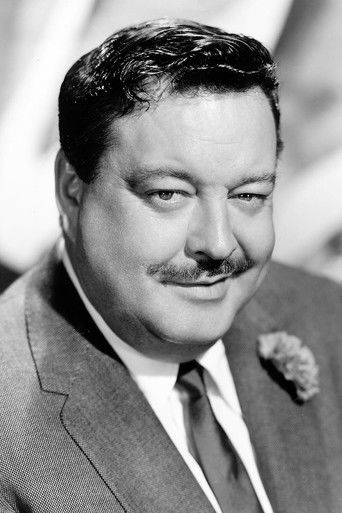
In the smoke-filled landscape of mid-century entertainment, few figures loomed as large or as loud as the man they called The Great One. Jackie Gleason did not just occupy a room; he expanded to fill every corner of it, possessing a kinetic energy that oscillated between volcanic physical comedy and a haunting, quiet melancholy. While the world remembers the boisterous bluster of the small screen, his cinematic legacy proves he was far more than a one-note caricature. He was a performer built on contradictions, a massive man who moved with the grace of a ballet dancer and hid a deep, soulful vulnerability behind a mask of high-octane bravado.
His arrival in Hollywood during the early 1940s saw him cutting his teeth in gritty crime dramas like Larceny, Inc. and Lady Gangster, or playing the sharp-witted sidekick in All Through the Night. Even in those early turns, or his brief appearance in Orchestra Wives, there was an unmistakable spark of something bigger brewing. By the time he hit his stride as a global icon, Gleason had mastered the art of playing the lovable loser, the man whose reach always exceeded his grasp. It was this specific brand of desperation that made him so devastatingly effective in The Hustler. As Minnesota Fats, he delivered a masterclass in stillness. Standing at the pool table in a tuxedo that fit like armor, he radiated a cool, untouchable dignity that nearly stole the film from Paul Newman.
That ability to pivot into pathos allowed him to explore the fringes of human emotion. In Requiem for a Heavyweight, he portrayed the manipulative manager of a washed-up boxer with a sharp, cynical edge that felt dangerously real. He even took a swing at silent-film artistry with Gigot, playing a mute janitor in a performance that emphasized his expressive, moon-shaped face and tragic physicality. Whether he was playing the tender-hearted eccentric in Soldier in the Rain or the nostalgic father in Papa's Delicate Condition, there was always a sense that Gleason understood the loneliness of the human condition better than most of his contemporaries.
Of course, the roar of the crowd always pulled him back toward the spectacle. His late-career resurgence in Smokey and the Bandit redefined the archetype of the bumbling lawman. As Sheriff Buford T. Justice, he turned a pursuit movie into a comedic feast, improvising insults and chewing through scenery with a zest that proved his comedic timing remained razor-sharp. He carried that same thunderous charisma through Smokey and the Bandit II and opposite Richard Pryor in The Toy, proving that his screen presence had not aged a day.
Even as he entered his twilight years, he remained a formidable force. His final film, Nothing in Common, paired him with a young Tom Hanks and allowed him to go out on a high note, blending his trademark grouchiness with a poignant look at mortality. From the frantic energy of Skidoo to the charming heist dynamics of The Sting II, his filmography reflects a man who refused to be put in a box. Audiences connected with him because they saw their own frustrations and grandiosities reflected in his eyes. He lived life at a high volume, but he always kept a hand on the pulse of the common man, ensuring that the legacy of The Great One would never truly fade.
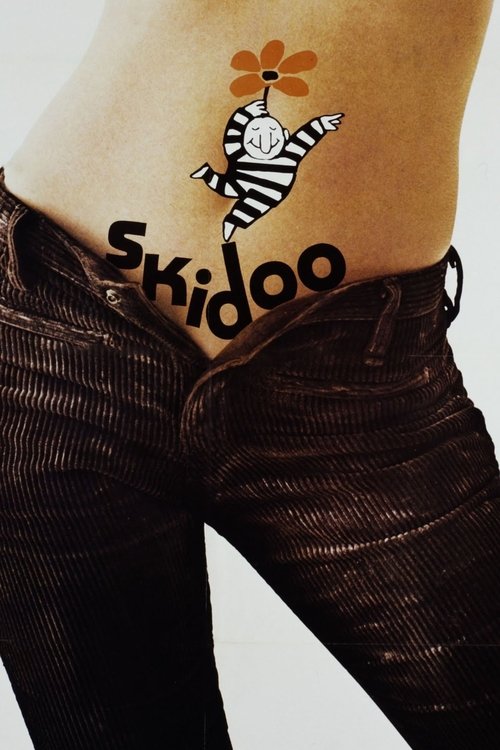
Skidoo
1968Ex-gangster Tony Banks is called out of retirement by mob kingpin God to carry out a hit on fellow mobster "Blue Chips" Packard. When Banks demurs, God kidnaps his daughter Darlene on his luxury yacht.
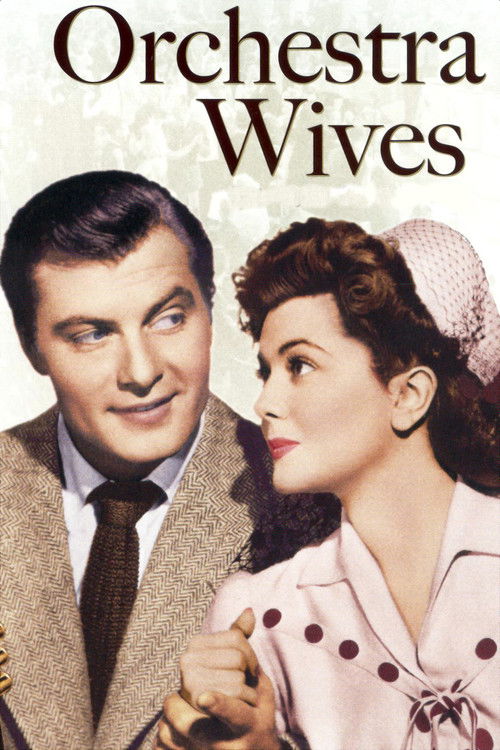
Orchestra Wives
1942Connie Ward is in seventh heaven when Gene Morrison's band rolls into town. She is swept off her feet by trumpeter Bill Abbot. After marrying him, she joins the band's tour and learns about life as an orchestra wife, weathering the catty attacks of the other band wives.
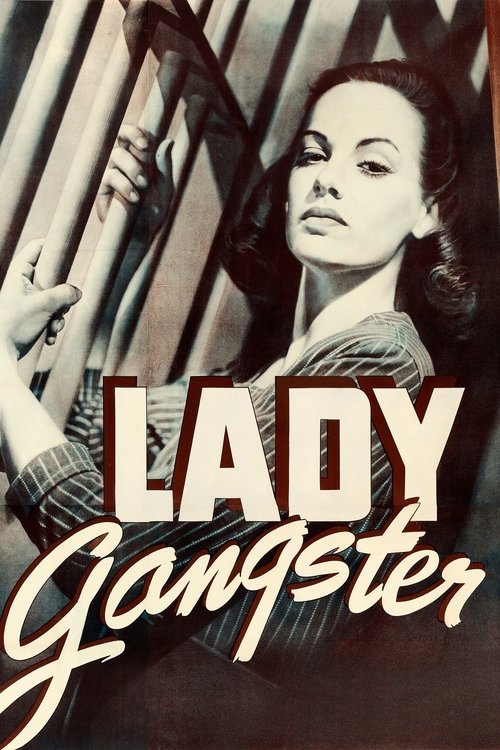
Lady Gangster
1942An actress gets involved with a criminal gang and winds up taking the rap for a $40,000 bank robbery. Before being sent to prison, she steals the money from her partners and hides it, thinking to use it as a bargaining chip to be released from prison. However, her former partners have different ideas.
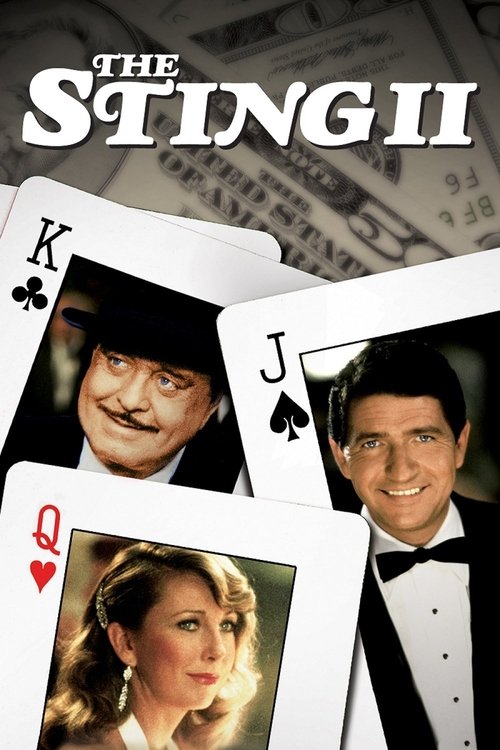
The Sting II
1983Hooker and Gondorf pull a con on Macalinski, an especially nasty mob boss with the help of Veronica, a new grifter. They convince this new victim that Hooker is a somewhat dull boxer who is tired of taking dives for Gondorf. There is a ringer. Lonigan, their victim from the first movie, is setting them up to take the fall.
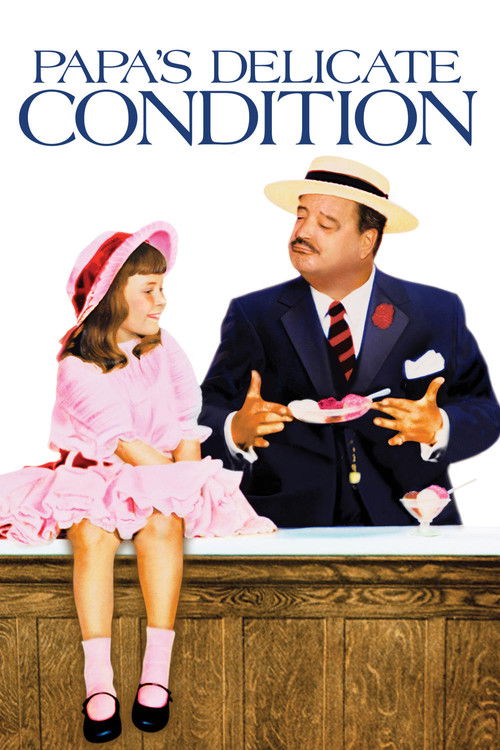
Papa's Delicate Condition
1963A jolly, family-oriented railroad superintendent tries to get his act together when his love for the bottle starts to alienate him from his wife and oldest daughter. His younger daughter, however, still remains unflinchingly loyal to him, and they share many fun misadventures over the course of the movie.
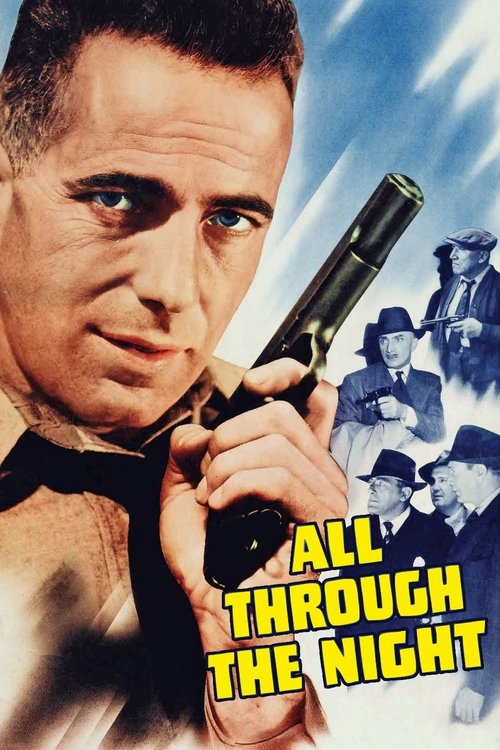
All Through the Night
1942Broadway gamblers stumble across a plan by Nazi saboteurs to blow up an American battleship.
Gleason provides a brief but energetic spark in this wartime noir, showcasing the fast-talking persona of his early career. It serves as a fascinating historical footnote that captures his transition from the nightclub stage to the silver screen.
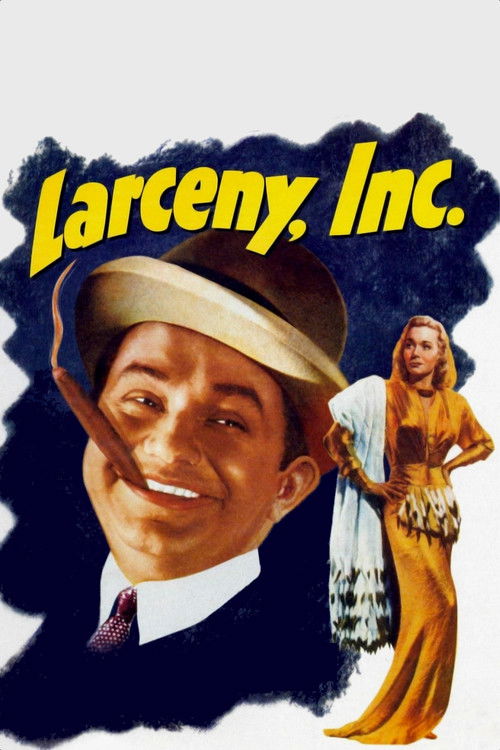
Larceny, Inc.
1942Three ex-cons buy a luggage shop to tunnel into the bank vault next door. But despite all they can do, the shop prospers...
Even in an early supporting role, Gleason’s comedic instincts are sharply honed as he holds his own against Edward G. Robinson. This film captures the actor in his developmental stage, already displaying the confident boisterousness that would soon define his television stardom.
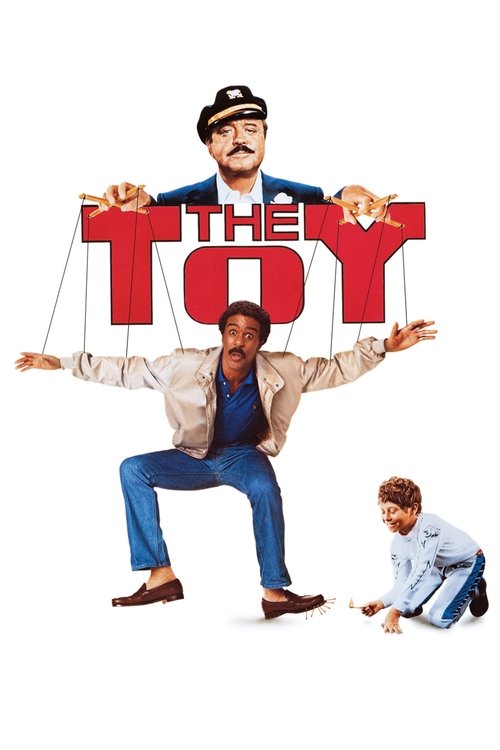
The Toy
1982On one of his bratty son Eric's annual visits, the plutocrat U.S. Bates takes him to his department store and offers him anything in it as a gift. Eric chooses a black janitor who has made him laugh with his antics. At first the man suffers many indignities as Eric's "toy", but gradually teaches the lonely boy what it is like to have and to be a friend.
Gleason functions as the quintessential straight man to Richard Pryor, grounding the film’s chaotic premise with a pompous, upper-class rigidity. His ability to maintain a dignified veneer amidst the slapstick chaos provides the necessary friction for the comedy to work.
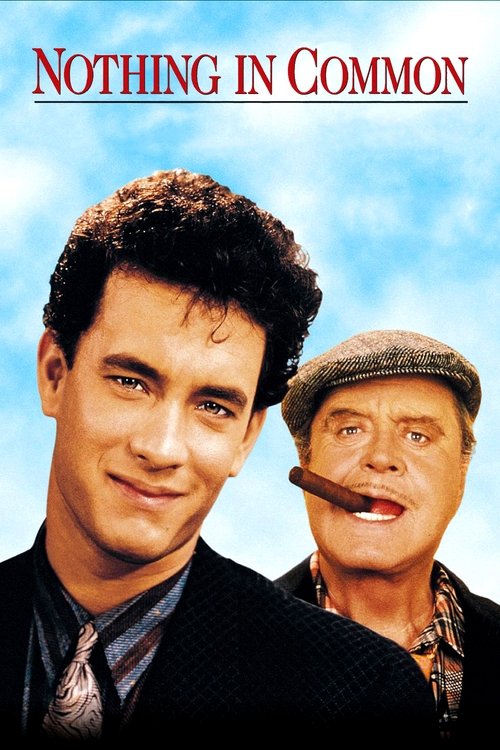
Nothing in Common
1986A successful advertising executive finds his freewheeling life crashing to a halt when his parents end their longtime marriage.
Acting as the aging, abrasive father to Tom Hanks, Gleason delivers a swan song performance that bridges the gap between his comedic roots and a harsh, terminal reality. It is a poignant, unsentimental look at a difficult man grappling with his own obsolescence.
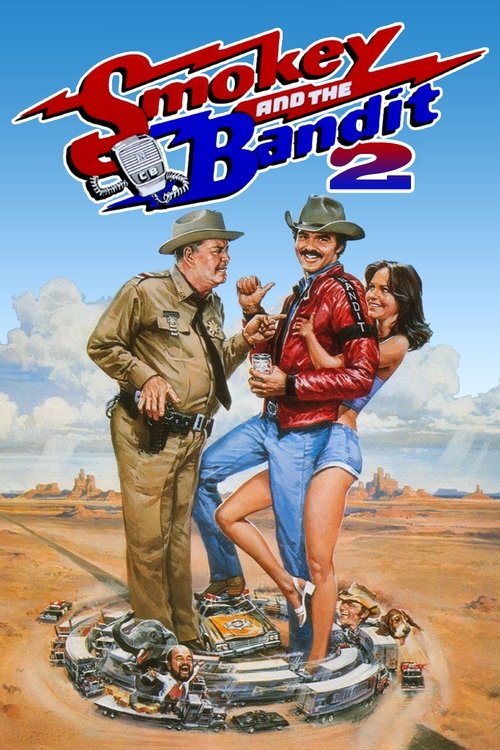
Smokey and the Bandit II
1980The Bandit goes on another cross-country run, transporting an elephant from Florida to Texas. And, once again, Sheriff Buford T. Justice is on his tail.
By doubling down on his iconic lawman and adding new characters to the mix, Gleason proves he was the indispensable engine of this high-octane franchise. Even when the script falters, his commitment to the absurdity of the chase keeps the momentum alive.
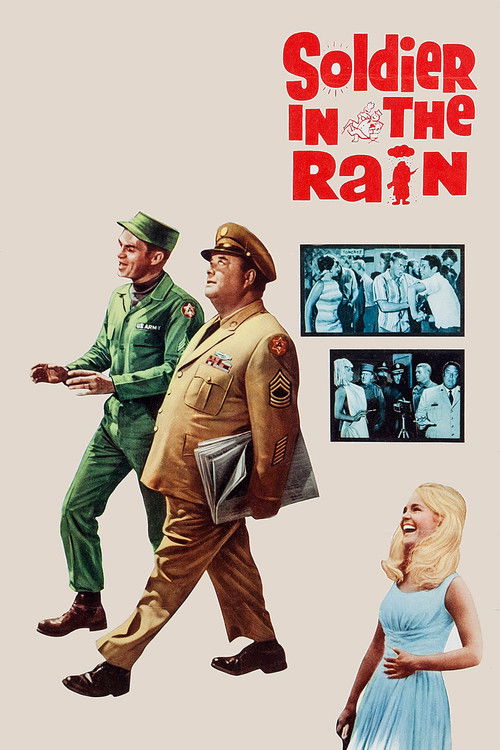
Soldier in the Rain
1963Maxwell Slaughter is a kind, heavyset guy who has reached the rank of master sergeant in the army. Admired by handsome young Sgt. Eustis Clay, Slaughter forms a close bond with his peer. Clay hopes to convince Slaughter to join him in a business venture outside of the service, but, in the meantime, he introduces the older officer to the beautiful young Bobby Jo Pepperdine, inadvertently creating trouble for both men.
Gleason brings a weary, protective intellect to the role of Master Sergeant Maxwell Slaughter, finding a soulful chemistry with Steve McQueen that transcends typical military stereotypes. The film highlights his unique capacity for blending cynical wit with an underlying sense of profound loneliness.
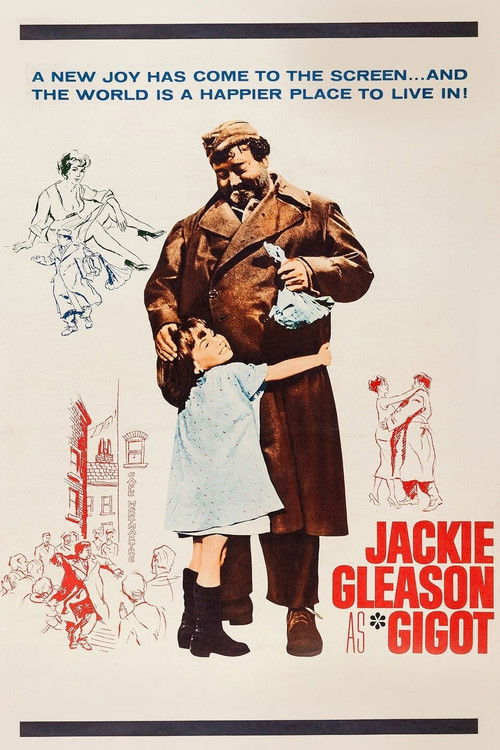
Gigot
1962A poignant comedy about a mute who befriends Nicole, the little daughter of a prostitute. Gleason shows his considerable talents as an actor without uttering a sound as he plays the bumbling, kind-hearted janitor, Gigot. Gleason wrote the original story and music for this film.
In this self-penned passion project, Gleason strips away his booming voice to find a Chaplin-esque pathos in a silent, misunderstood soul. It remains his most vulnerable turn, marking a bold departure into the realm of pure physical mime and sentimental tragedy.
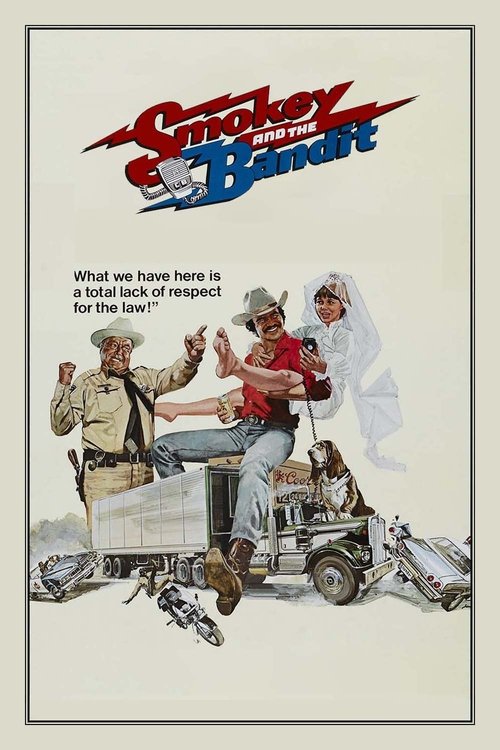
Smokey and the Bandit
1977A race car driver tries to transport an illegal beer shipment from Texas to Atlanta in under 28 hours, picking up a reluctant bride-to-be on the way.
As Sheriff Buford T. Justice, Gleason reinvented the cinematic antagonist by channeling a volcanic, improvised fury into a cartoonish force of nature. This performance stands as the definitive showcase of his ability to anchor a massive commercial hit through sheer charisma and comedic ad-libbing.
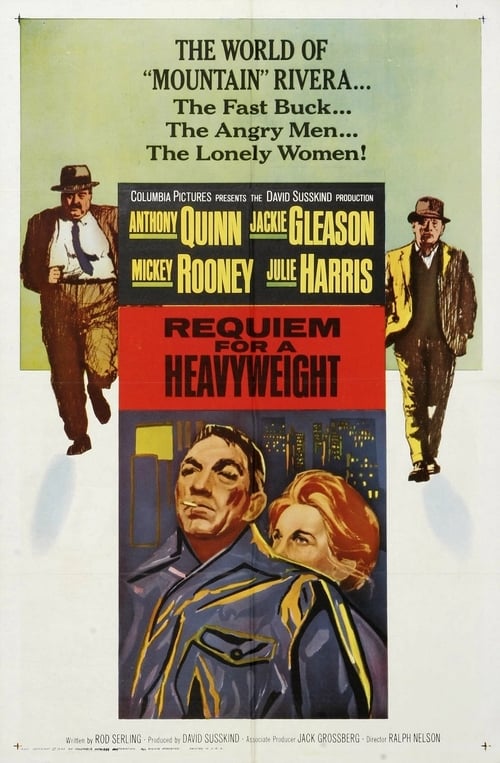
Requiem for a Heavyweight
1962After suffering a brutal defeat and being told he can no longer fight, 37-year-old, scar-ridden prizefighter Louis 'Mountain' Rivera struggles to find a new direction in life
Playing the duplicitous manager Maish Loomis, Gleason explores a darker, more predatory desperation that sheds every ounce of his jovial public persona. This role served as a stark reminder that he could inhabit the moral rot of the boxing world with chilling authenticity.
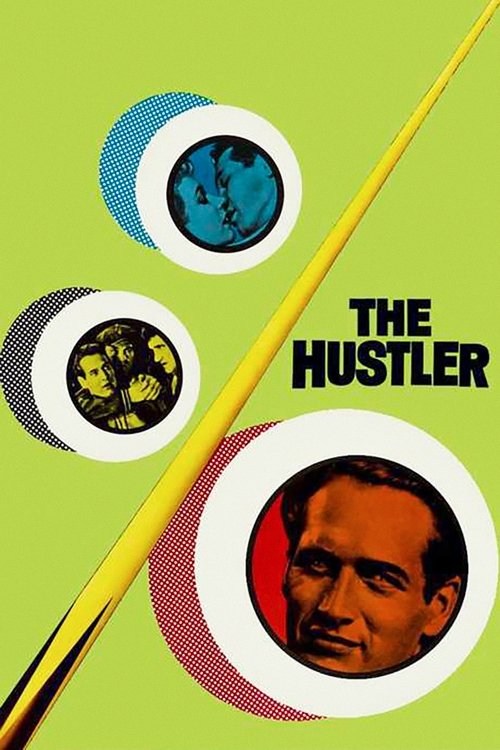
The Hustler
1961Fast Eddie Felson is a small-time pool hustler with a lot of talent but a self-destructive attitude. His bravado causes him to challenge the legendary Minnesota Fats to a high-stakes match.
Gleason commands the frame as Minnesota Fats with a quiet, feline grace that proves his dramatic precision matched his comedic timing. It is a masterclass in stillness, cementing his legacy as a formidable presence capable of stealing a film from Paul Newman.
Frequently Asked Questions
Everything you need to know about this list and SnakeDrafts
- Jackie Gleason showcased his dramatic talent in "The Hustler," where he starred opposite Paul Newman. This film is celebrated for Gleason's intense portrayal of a seasoned pool player, highlighting his versatility beyond comedy.
- "Requiem for a Heavyweight" features Gleason in a poignant role as a boxing manager dealing with the decline of his fighter. The movie demonstrates Gleason's ability to convey deep emotional complexity in a dramatic context.
- Jackie Gleason's role as Sheriff Buford T. Justice in the "Smokey and the Bandit" series is iconic for its comedic high-energy antics. His character adds a humorous and relentless law enforcement presence that contrasts with the film's adventurous tone.
- In "Gigot," Jackie Gleason takes on a largely silent and tender role, portraying a mute Frenchman. This film highlights Gleason's subtle emotional expressiveness, contrasting with his typically loud and boisterous characters.
- "The Toy" is a Jackie Gleason film that mixes comedy with family-friendly themes. Gleason stars as a wealthy businessman, delivering humor while addressing social issues through lighthearted storytelling.
- Yes, the list includes early 1940s Jackie Gleason films such as "Larceny, Inc." and "All Through the Night," which blend comedy, crime, and thriller elements. These movies exhibit Gleason's early versatility in mixing humor with suspense.
- "Soldier in the Rain" combines comedy and drama, showcasing themes of friendship and personal growth. Gleason's performance balances humor with touching moments, reflecting his dynamic range as an actor.
- Ralph Nelson directed "Requiem for a Heavyweight" and "Soldier in the Rain," both starring Gleason. These films are significant for blending dramatic depth with comedic elements, underscoring Gleason's multifaceted acting skills.