The Best Ron Livingston Movies Ranked
From Office Cubicles to Cult Classic Cinema
Explore the definitive ranking of Ron Livingston's best films, featuring iconic performances in cult comedies, intense dramas, and box office hits.
About Ron Livingston
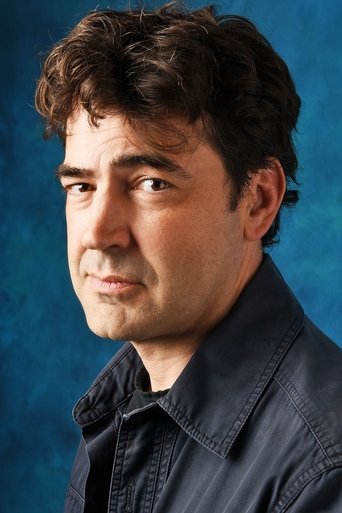
Ron Livingston carries the uniquely American exhaustion of a man who has seen the fine print and decided it is not worth reading. He first entered our collective consciousness as the quintessential slacker philosopher in Office Space, a role that transformed him into a Patron Saint of the Cube Farm. As Peter Gibbons, he captured a very specific cocktail of white-collar apathy and existential rebellion, making a permanent home in the hearts of anyone who has ever stared at a jammed printer with genuine malice. It was a performance that could have easily trapped a lesser actor in the amber of a single cult classic, but he instead used that Everyman DNA to build one of the most reliable and nuanced careers in modern cinema.
If there is a golden thread running through his filmography, it is his ability to ground high-concept chaos in relatable human fatigue. In The Flash, he stepped into the shoes of Henry Allen to provide the emotional anchor for a multiverse collapsing under its own weight. Even when the stakes are supernatural, as they were in the claustrophobic horror of The Conjuring, he resists the urge to play the hero, opting instead for a grounded suburban fatherhood that makes the terror feel dreadfully earned. He operates with a quiet, observant grace that elevates everything he touches, whether he is navigating the bittersweet domesticity of Tully or drifting through the mumblecore realism of Drinking Buddies.
His versatility often hides in plain sight. He can vanish into the acidic satire of Adaptation. or inhabit the slick, jazz-inflected world of The Cooler with equal ease. Audiences connect with him because he never seems to be performing at us; he is simply existing within the frame. There is a palpable soulfulness to his work in smaller, more contemplative projects like Lucky or the poignant The End of the Tour, where he serves as a vital tether to reality. He understands that the most interesting part of a scene is often the silence between the dialogue.
Even in his earlier days, such as his stint in the fast-talking alpha-male circles of Swingers, he stood out by being the one who felt most like a person you actually knew. That relatability is his greatest weapon. He brought a soulful weight to The Time Traveler's Wife and a polished, political urgency to Game Change, proving he could pivot from romantic longing to the high-stakes theater of American power without breaking a sweat. Whether he is portraying a man overcoming immense physical odds in Music Within or navigating the historical trauma of Parkland, he keeps his ego out of the way.
Ultimately, the brilliance of his career lies in his refusal to be the loudest person in the room. He is a master of the middle distance, an actor who understands that a well-timed sigh or a weary glance can communicate more than a five-minute monologue. From the whimsical fable of The Odd Life of Timothy Green to the gritty reality of the modern workplace, he remains the most trusted proxy for the audience. We believe in him because he reflects our own frustrations and quiet triumphs back at us, reminding us that being an Everyman is, in itself, a remarkable feat of craft.
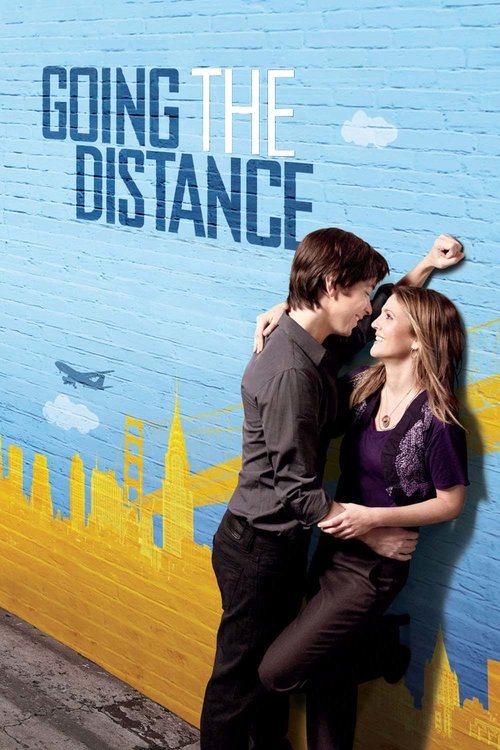
Going the Distance
2010Erin and Garrett are very much in love. When Erin moves to San Francisco to finish her journalism degree and Garrett stays behind in New York to work in the music industry, they gamely keep the romance alive with webcams and frequent-flyer miles. But just when it seems the lovers will soon be reunited, they each score a big break that could separate them for good.
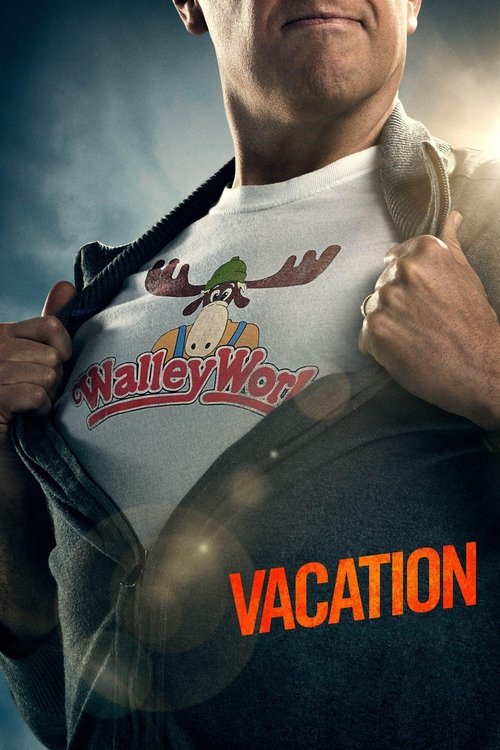
Vacation
2015Hoping to bring his family closer together and to recreate his childhood vacation for his own kids, a grown up Rusty Griswold takes his wife and their two sons on a cross-country road trip to the coolest theme park in America, Walley World. Needless to say, things don't go quite as planned.
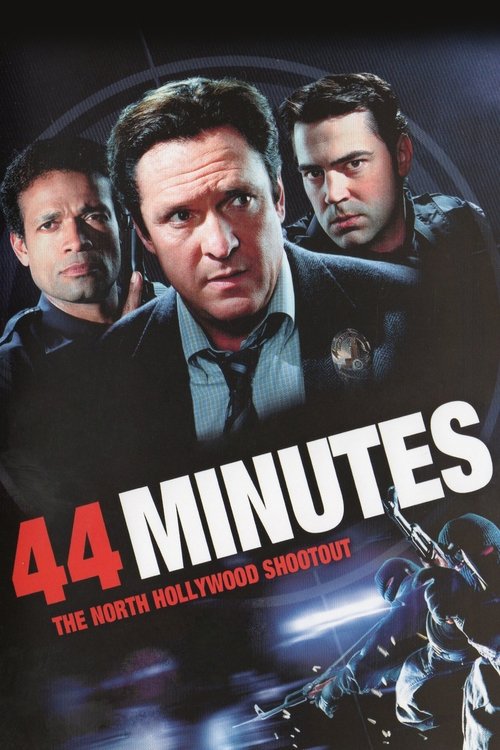
44 Minutes: The North Hollywood Shoot-Out
2003After a failed bank robbery, two heavily armed men hold the Los Angeles Police Department at bay for 44 minutes.
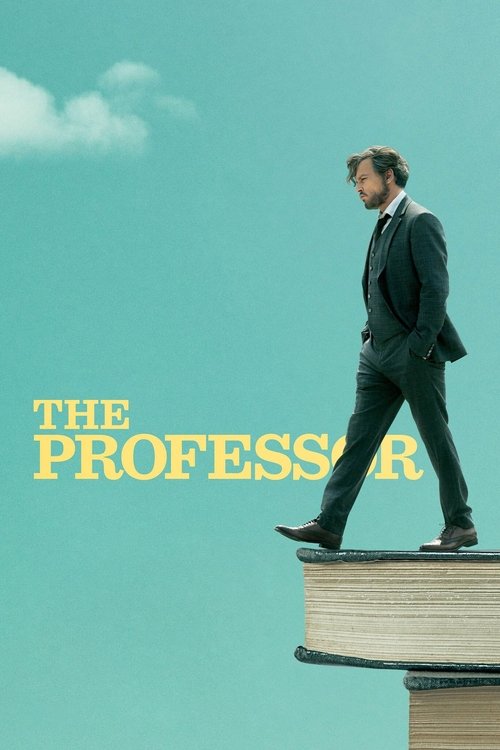
The Professor
2018A world-weary college professor is given a life-changing diagnosis and decides to throw all pretense and conventions to the wind and live his life as boldly and freely as possible with a biting sense of humor, a reckless streak and a touch of madness.
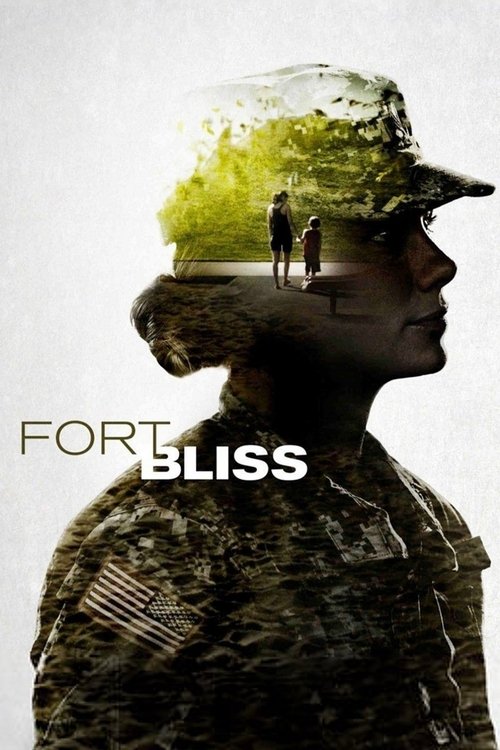
Fort Bliss
2014After returning home from an extended tour in Afghanistan, a decorated U.S. Army medic and single mother struggles to rebuild her relationship with her young son.
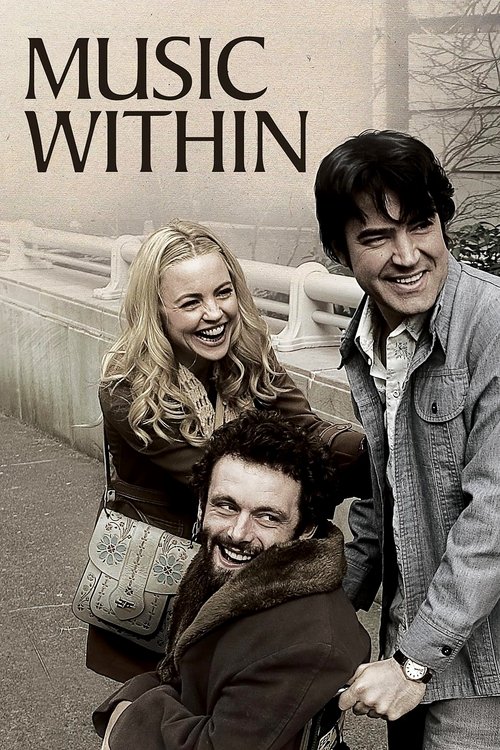
Music Within
2007After a confrontation with one of his idols dashes his dreams of studying public speaking in college, Richard Pimentel joins the Army and ships off to Vietnam. During his service, Richard loses nearly all of his hearing. Joining a new circle of friends, including a man with cerebral palsy and an alcoholic war veteran, Richard discovers his gift for motivational speaking and becomes an advocate for people with disabilities.
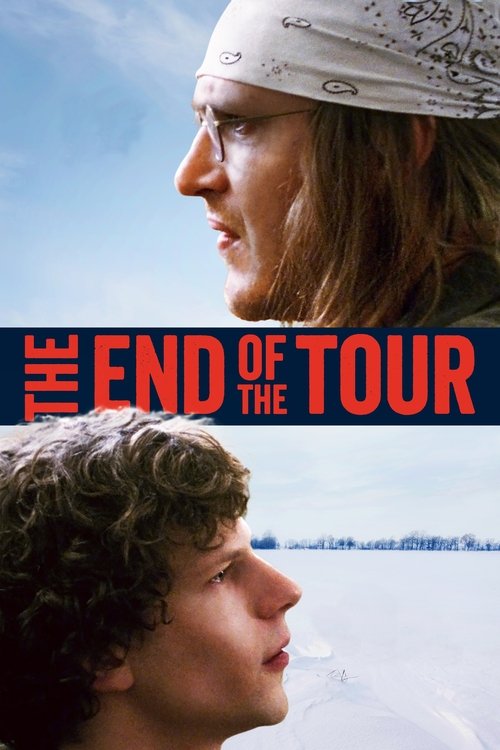
The End of the Tour
2015The story of the five-day interview between Rolling Stone reporter David Lipsky and acclaimed novelist David Foster Wallace, which took place right after the 1996 publication of Wallace's groundbreaking epic novel, 'Infinite Jest.'
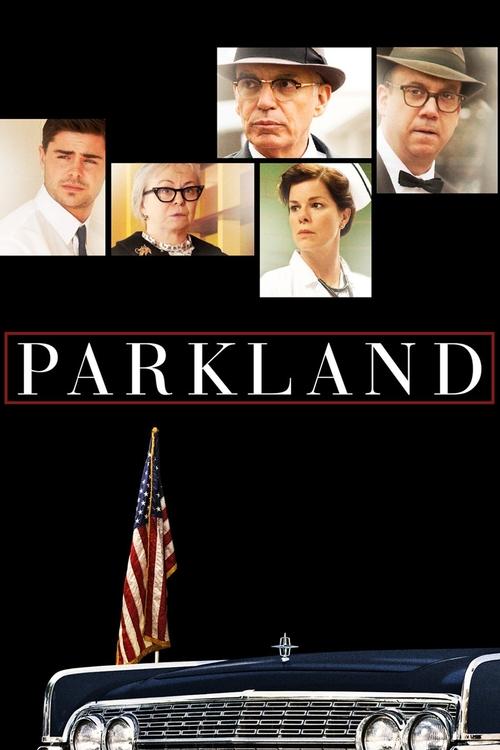
Parkland
2013November 22nd, 1963 was a day that changed the world forever — when young American President John F. Kennedy was assassinated in Dallas, Texas. This film follows, almost in real time, a handful of individuals forced to make split-second decisions after an event that would change their lives and forever alter the world’s landscape.
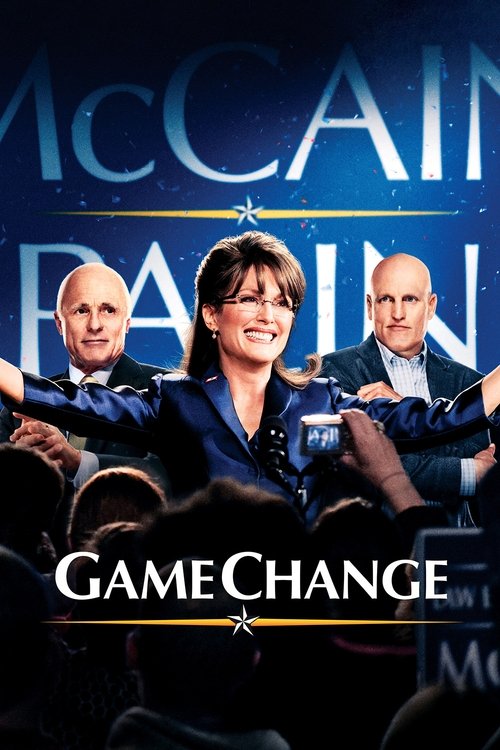
Game Change
2012During the Republican run of the 2008 Presidential election, candidate John McCain picks a relative unknown, Alaskan governor Sarah Palin, to be his running mate. As the campaign kicks into high gear, her lack of experience, in both political and media savvy, becomes a drain upon McCain and his strategists.
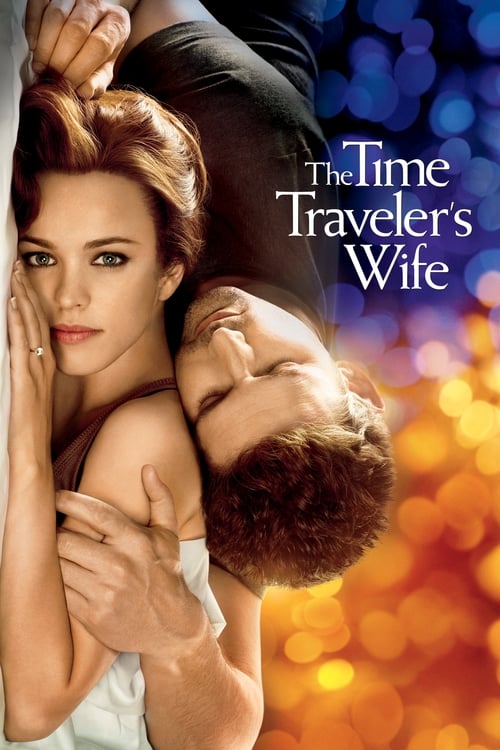
The Time Traveler's Wife
2009Due to a genetic disorder, handsome librarian Henry DeTamble involuntarily zips through time, appearing at various moments in the life of his true love, the beautiful artist Clare Abshire.
As the protagonist’s steady best friend, Livingston provides a necessary tether to normality in a story defined by temporal instability. He serves as the audience surrogate, reacting to the impossible with a believable mix of loyalty and bewildered pragmatism.
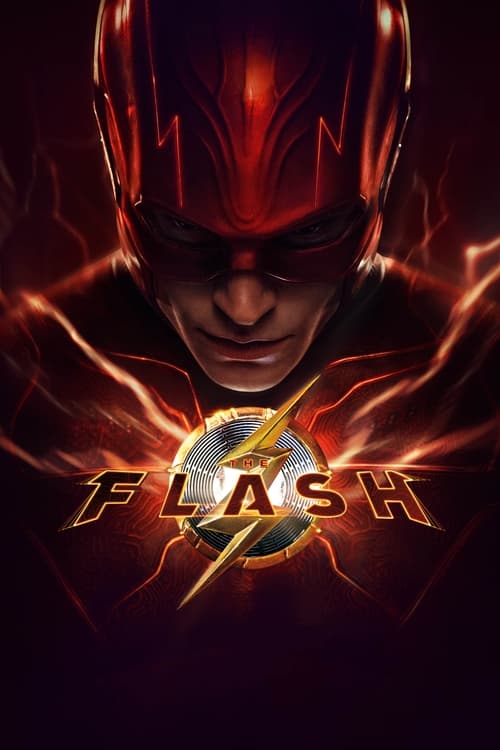
The Flash
2023When his attempt to save his family inadvertently alters the future, Barry Allen becomes trapped in a reality in which General Zod has returned and there are no Super Heroes to turn to. In order to save the world that he is in and return to the future that he knows, Barry's only hope is to race for his life. But will making the ultimate sacrifice be enough to reset the universe?
Stepping into the legacy of Henry Allen, he imbues the father-son dynamic with a weary, tragic dignity that provides the blockbuster with its few moments of genuine pathos. He succeeds in making an incarcerated character feel like the moral center of a multiversal spectacle.
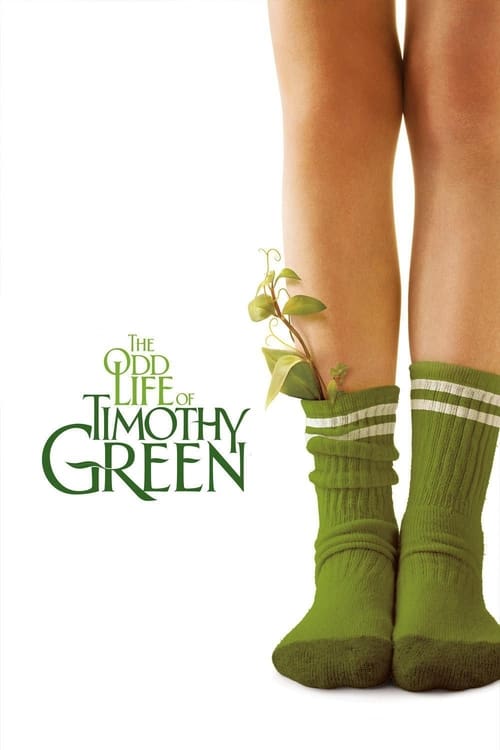
The Odd Life of Timothy Green
2012A childless couple bury a box in their backyard, containing all of their wishes for an infant. Soon, a child is born, though Timothy Green is not all that he appears.
He brings a sincerity to the role of a desperate father that prevents the film's fantastical premise from veering into pure saccharine territory. His performance is a study in earnestness, managing the delicate tonal balance required for a modern urban fable.
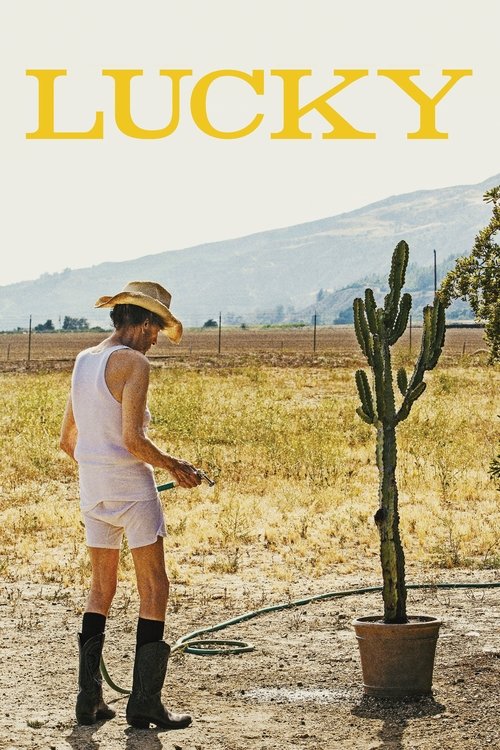
Lucky
2017Follows the journey of a 90-year-old atheist and the quirky characters that inhabit his off-the-map desert town. He finds himself at the precipice of life, thrust into a journey of self-exploration.
Livingston shines in this understated indie as a philosophizing lawyer whose interactions with Harry Dean Stanton provide a warm, intellectual counterpoint to the film’s existential themes. His presence adds a layer of gentlemanly sophistication to the dusty, desert setting.
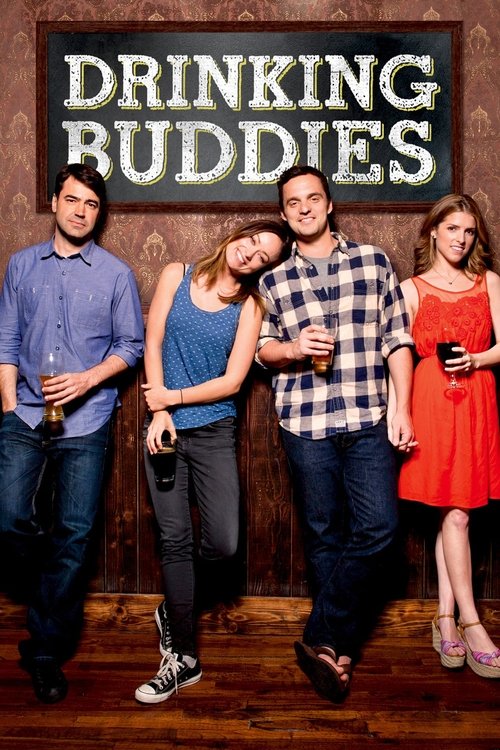
Drinking Buddies
2013Weekend trips, office parties, late night conversations, drinking on the job, marriage pressure, biological clocks, holding eye contact a second too long… you know what makes the line between “friends” and “more than friends” really blurry? Beer.
Livingston delivers a masterclass in detached exasperation, playing the sophisticated foil to the film’s messy emotional core with a dry, intellectual distance. He subverts his legendary everyman persona by leaning into a stiff, slightly arrogant maturity that highlights just how much he has evolved since his days of office cubicle apathy. It is a subtle, grounded turn that proves he can command a scene just as effectively through quiet observation as he can through dialogue.
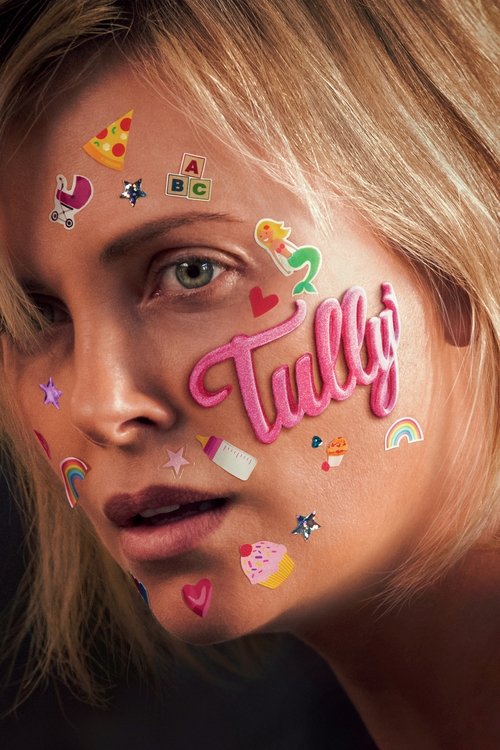
Tully
2018Marlo, a mother of three, including a newborn, is gifted a night nanny by her brother. Hesitant at first, she quickly forms a bond with the thoughtful, surprising, and sometimes challenging nanny named Tully.
Portraying a well-meaning but often oblivious husband, Livingston navigates the nuances of modern parental exhaustion with a quiet, observational grace. He avoids the clichés of the distant father, instead offering a nuanced look at the domestic autopilot that defines the film's central conflict.
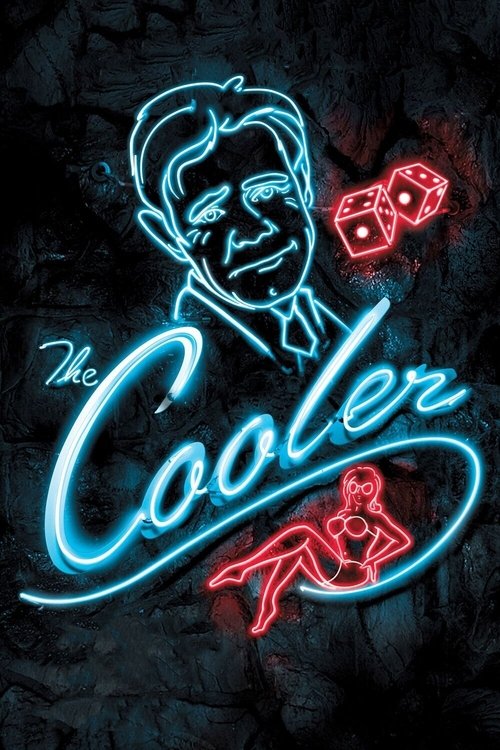
The Cooler
2003Bernie works at a Las Vegas casino, where he uses his innate ability to bring about misfortune in those around him to jinx gamblers into losing. His imposing boss, Shelly Kaplow, is happy with the arrangement. But Bernie finds unexpected happiness when he begins dating attractive waitress Natalie Belisario.
In this neo-noir setting, he portrays the sleek corporate face of New Vegas, embodying the cold transition from old-school grit to polished commercialism. His role as the Ivy League antagonist offers a sophisticated contrast to the film's lived-in atmosphere.
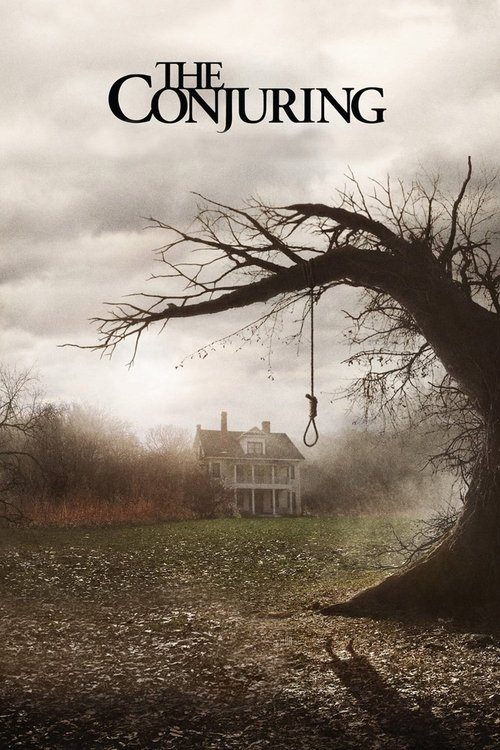
The Conjuring
2013Paranormal investigators Ed and Lorraine Warren work to help a family terrorized by a dark presence in their farmhouse. Forced to confront a powerful entity, the Warrens find themselves caught in the most terrifying case of their lives.
As Roger Perron, Livingston provides a vital emotional ballast to the supernatural chaos, prioritizing paternal vulnerability over the typical horror protagonist archetypes. While the film is a masterclass in tension, his performance grounds the stakes in a tangible, domestic reality that makes the haunting feel deeply personal.
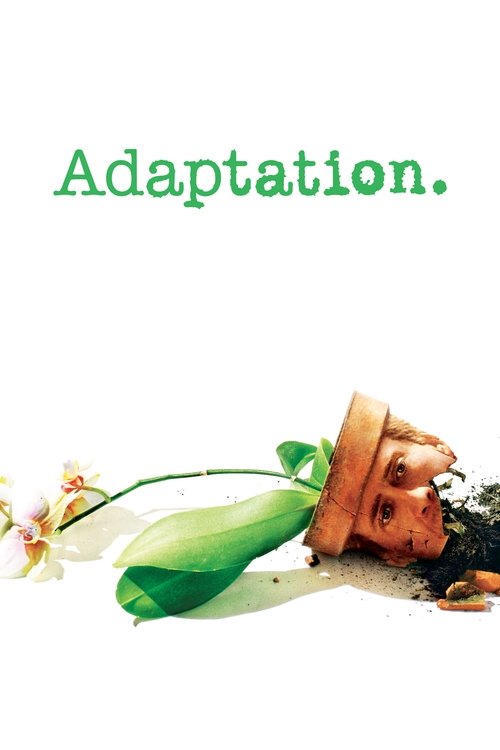
Adaptation.
2002Charlie Kaufman is a confused L.A. screenwriter overwhelmed by feelings of inadequacy, sexual frustration, self-loathing, and by the screenwriting ambitions of his freeloading twin brother Donald. While struggling to adapt "The Orchid Thief," by Susan Orlean, Kaufman's life spins from pathetic to bizarre. The lives of Kaufman, Orlean's book, become strangely intertwined as each one's search for passion collides with the others'.
Livingston excels in his limited screen time as a slick Hollywood agent, perfectly satirizing the industry's shallow enthusiasm. It is a sharp, surgical turn that demonstrates his capacity for biting cynicism within a complex, self-reflective narrative.
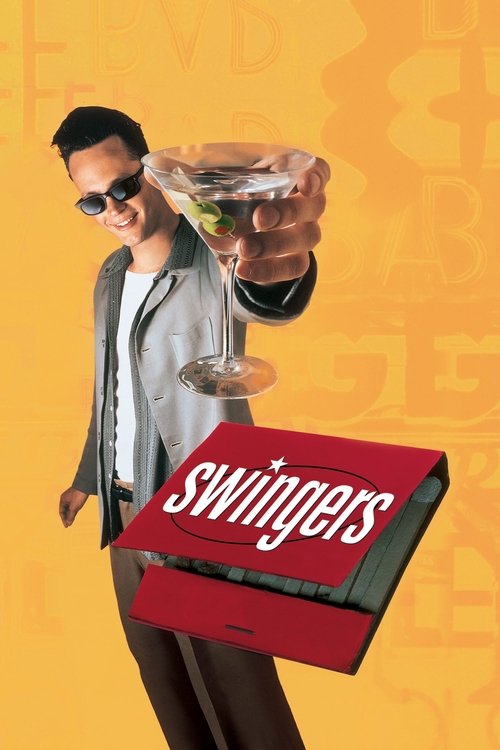
Swingers
1996After 6 years together, Mike's girlfriend leaves him, so he travels to LA to be a star. Six months on, he's still not doing very well— so a few of his friends try to reconnect him to the social scene and hopefully help him forget his failed relationship.
Playing the reserved Rob, he acts as the necessary social anchor to the hyper-kinetic energy of Vince Vaughn and Jon Favreau. This role established his talent for understated charm and subtle comedic timing, proving he could dominate a scene through quiet observation rather than loud bravado.
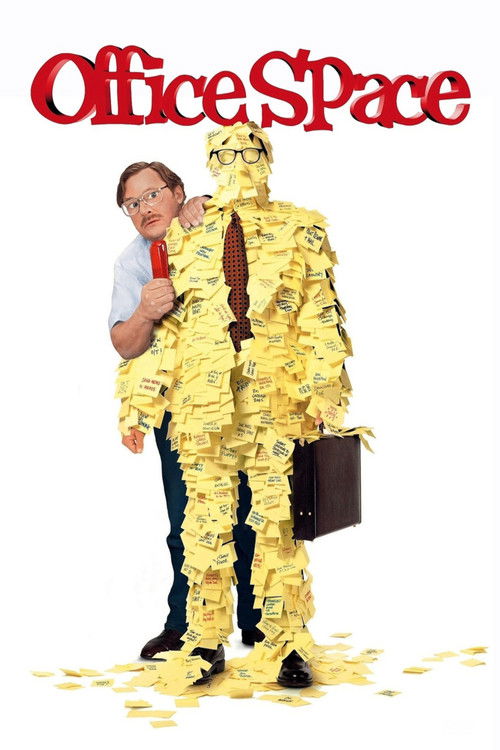
Office Space
1999A depressed white-collar worker tries hypnotherapy, only to find himself in a perpetual state of devil-may-care bliss that prompts him to start living by his own rules, and hatch a hapless attempt to embezzle money from his soul-killing employers.
Livingston captures the quintessential 1990s cubicle malaise with a deadpan weariness that transformed him into the definitive everyman for the corporate age. His transition from a numb paper-pusher to a liberated rebel remains the soul of this cult classic, anchoring the absurdity of the plot with a relatable, grounded frustration.
Frequently Asked Questions
Everything you need to know about this list and SnakeDrafts
- "Office Space" is ranked highest due to Ron Livingston's iconic portrayal of Peter Gibbons, which perfectly captures white-collar apathy and existential rebellion. The film's cult status and enduring popularity highlight Livingston's unique comedic timing and relatable performance.
- Ron Livingston's filmography in this listicle spans comedy, drama, horror, romance, and fantasy, showcasing his diverse acting range. From the horror thriller "The Conjuring" to the heartfelt drama "Lucky," he adeptly navigates various genres with authenticity.
- A surprising inclusion is "The Flash" (2023), highlighting Livingston's entry into high-profile comic book adaptations. Notably, while many of his indie dramas like "The End of the Tour" are present, some of his lesser-known TV works are omitted to focus on impactful film roles.
- In "Swingers," Livingston delivers a memorable performance that balances comedy and drama, capturing the nuances of post-90s dating culture. His chemistry with co-stars and the film’s cult following solidify its status as a significant entry in his career.
- "The Conjuring" demonstrates Livingston's effective shift into horror, contributing to one of the highest-grossing supernatural franchises. Meanwhile, "The Cooler" highlights his ability to handle complex romantic and dramatic material, earning critical praise for his layered performance.
- Themes of existential struggle, complex relationships, and everyday human challenges recur in Livingston's top films like "Office Space," "The Cooler," and "Tully." These movies emphasize his strength in portraying relatable characters facing personal and societal dilemmas.
- Independent films such as "Lucky" and "Drinking Buddies" showcase Livingston’s commitment to nuanced storytelling and character-driven narratives. These roles enhance his reputation as a versatile actor willing to explore understated and emotionally rich parts.