The Best Paul Mescal Movies
From Indie Heartbreak to Epic Arena Spectacle
Explore the best films of Paul Mescal, from his breakout in Aftersun to the blockbuster Gladiator II and heart-wrenching All of Us Strangers.
About Paul Mescal
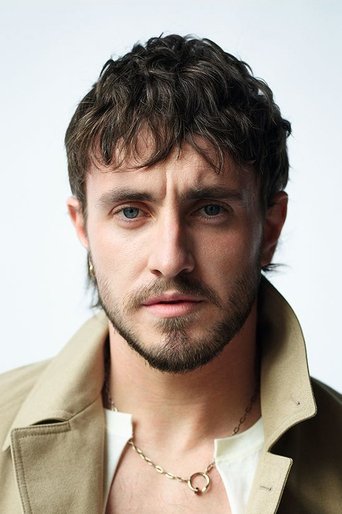
There is a specific kind of silence that follows a Paul Mescal performance. It is the heavy, contemplative quiet of an audience realizing they have just watched someone expose a nerve. Since he first appeared as a sensitive, chain-wearing athlete in a certain lockdown-era sensation, he has bypassed the traditional Hollywood heartthrob trajectory in favor of something far more bruising. He possesses an old-soul gravitas that feels increasingly rare in an era of polished, algorithmic leading men. Whether he is playing a father unraveling on a Turkish holiday or a Roman warrior seeking vengeance, he brings a bone-deep authenticity that makes every role feel like an intimate confession.
What makes him a generational talent is his refusal to look away from grief. In Aftersun, he achieved a feat of quiet devastation, portraying a young father hiding his internal collapse behind hand-held camera footage and forced smiles. It earned him an Oscar nomination and cemented his status as the industry's go-to architect of heartbreak. He followed this with All of Us Strangers, where his chemistry with Andrew Scott felt almost dangerously raw, capturing the desperate, tender pull of cosmic loneliness. Even in smaller, moodier projects like God's Creatures or the psychological tension of Foe, he remains magnetic because he treats the camera as a confidant rather than a spectator.
Despite his mastery of the interior, he is currently proving that his sensitivity scales upward. Stepping into the Colosseum for Gladiator II marks his transition from an indie darling to a global titan. It is a massive pivot, yet he carries the weight of a blockbuster with the same grounded intensity he brought to the gritty sun-bleached world of Carmen or the supporting mystery of The Lost Daughter. He manages to look just as at home in leather armor as he does in a pair of short Gaelic football shorts, bridging the gap between classical masculinity and modern vulnerability.
The industry clearly senses his longevity, as evidenced by his upcoming schedule. He is set to tackle the sprawling emotional landscapes of The History of Sound and the literary weight of Hamnet, projects that demand an actor capable of carrying centuries of history on their shoulders. Audiences connect with him because he never feels like he is performing a persona. Instead, he seems to be vibrating at the same frequency as the rest of humanity, capturing the awkwardness of love and the sharpness of loss. He has become the face of a new cinema that values feeling over artifice, proving that the most powerful thing an actor can do is simply stay present. In a landscape often defined by noise, his career is a masterclass in the power of the held breath.
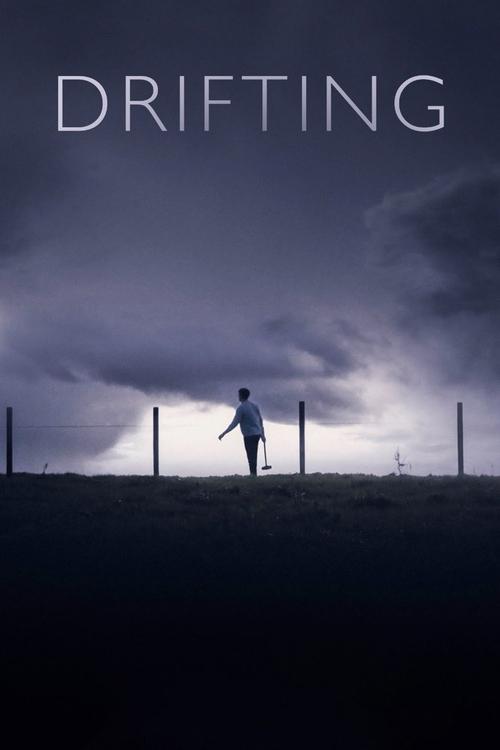
Drifting
2020Cian and Pat have been joined at the hip since they were kids and have the run of their small town in the midlands. Cian is content to coast through a life of booze and casual hook-ups while Pat has grown weary of his surroundings.
Mescal anchors this brief study in aimless youth with a twitchy, internal restlessness that would soon become his cinematic trademark. It serves as a vital bridge between his stage roots and global breakout, proving he can command the frame through silent, soul-searching observation rather than dialogue. This raw, unvarnished turn captures a specific brand of rural Irish displacement with bruising intimacy.

Foe
2023Henrietta and Junior farm a secluded piece of land that has been in Junior's family for generations, but their quiet life is thrown into turmoil when an uninvited stranger shows up at their door with a startling proposal. Will they risk their relationship & personal identity for a chance to survive in a new world?
The actor grapples with the uncanny in this sci-fi chamber piece, playing dualities that require precise, subtle shifts in temperament. Despite the film's polarizing reception, his ability to mirror himself creates a disturbing psychological friction that anchors the entire high-concept premise.

The History of Sound
2025In 1917, two young music students attending the Boston Conservatory bond over a mutual love of folk music. They reconnect a few years later, embarking on a song-collecting trip in the backwaters of Maine.
Tackling a narrative of sonic preservation and wartime longing, Mescal leans into a lyrical sensitivity. This role expands his repertoire into the sweeping historical romance genre, focusing on the intimate connection between sound, memory, and queer identity.

Carmen
2023A young and fiercely independent woman, Carmen, is forced to flee her home in the Mexican desert following the brutal murder of her mother. She survives an illegal border crossing into the US, only to be confronted by a lawless volunteer border guard. When the border guard and his patrol partner Aidan become embroiled in a deadly standoff, the pair is forced to escape together.
This experimental reimaging allows him to explore a more rhythmic, primal mode of storytelling through movement and intensity. His chemistry-driven work here highlights a versatile athleticism that often stays hidden in his more cerebral indie roles.
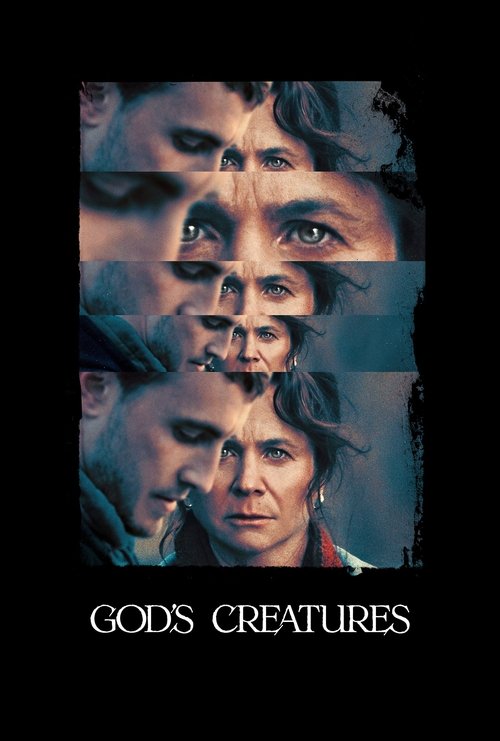
God's Creatures
2022In a windswept fishing village, a mother is torn between protecting her beloved son and her own sense of right and wrong. A lie she tells for him rips apart their family and close-knit community.
Mescal navigates a chilling moral ambiguity here, challenging his natural likability with a performance curdled by unspoken secrets. It is a visceral study of family loyalty that reveals his talent for portraying deeply unsympathetic, fractured characters.

The Lost Daughter
2021A woman's seaside vacation takes a dark turn when her obsession with a young mother forces her to confront secrets from her past.
While his screen time is limited, Mescal’s presence as a flirtatious, easygoing expat provides a necessary contrast to the film’s suffocating psychological tension. It is a sharp exercise in charisma that proved he could command attention even in the periphery of a heavyweight ensemble.

Hamnet
2025The powerful story of love and loss that inspired the creation of Shakespeare's timeless masterpiece, Hamlet.
By inhabiting the role of William Shakespeare, Mescal ventures into the complexities of artistic legacy and domestic tragedy. This project signals a shift toward prestigious, literary-minded drama where his capacity for period-accurate pathos is put to its greatest test.

Gladiator II
2024Years after witnessing the death of the revered hero Maximus at the hands of his uncle, Lucius is forced to enter the Colosseum after his home is conquered by the tyrannical Emperors who now lead Rome with an iron fist. With rage in his heart and the future of the Empire at stake, Lucius must look to his past to find strength and honor to return the glory of Rome to its people.
Stepping into the arena, Mescal trades his characteristic subtlety for a high-stakes muscularity and tactical ferocity. This pivot into the blockbuster landscape showcases a commanding grit that confirms he can anchor a massive historical epic without losing his psychological edge.

All of Us Strangers
2023One night in his near-empty tower block in contemporary London, Adam has a chance encounter with a mysterious neighbor Harry, which punctures the rhythm of his everyday life.
In this ethereal romance, he functions as a grounded vital force against Andrew Scott’s spectral isolation. He weaponizes a raw, disarming vulnerability that solidifies his status as the premier romantic melancholic of his generation.

Aftersun
2022Sophie reflects on the shared joy and private melancholy of a holiday she took with her father twenty years earlier. Memories fill the gaps between camcorder footages as she tries to reconcile the father she knew with the troubled man she didn't.
Mescal’s breakthrough relies on an aching, understated interiority that redefined the modern cinematic father. This career-defining turn balances tectonic grief with a gentle physicality, proving his mastery over silence and the spaces between words.
Frequently Asked Questions
Everything you need to know about this list and SnakeDrafts
- Paul Mescal's films often delve into deep emotional and psychological themes such as trauma, intimate relationships, and self-discovery. Movies like "Aftersun" and "All of Us Strangers" highlight his ability to portray complex characters facing internal conflicts.
- In "Gladiator II," Paul Mescal takes on an action-packed adventure drama, showcasing his versatility beyond his previous dramatic and romantic roles. This blockbuster allows him to blend intense physical performance with the emotional depth he's known for.
- While Paul Mescal has worked with various renowned directors like Charlotte Wells in "Aftersun" and Andrew Haigh in "All of Us Strangers," he continues to attract visionary filmmakers, including Ridley Scott for "Gladiator II" and Chloé Zhao for "Hamnet," marking a diverse range of collaboration.
- "Aftersun" is notable for its intimate storytelling and Paul Mescal's nuanced performance as a sensitive father, a role that earned him widespread critical acclaim. It highlights his talent for conveying vulnerability and emotional complexity with subtlety.
- In "All of Us Strangers," Paul Mescal explores a blend of romance, fantasy, and drama, offering a more ethereal and mystical portrayal compared to his grounded roles in films like "God's Creatures." This film showcases his ability to navigate different genres while maintaining emotional authenticity.
- Paul Mescal's best films span a wide range of genres including drama, romance, fantasy, action, and history. For instance, "Foe" delves into science fiction, while "Hamnet" offers historical drama, demonstrating his adaptability as an actor.
- By choosing roles in emotionally charged and artistically ambitious films such as "The Lost Daughter" and "The History of Sound," Paul Mescal has established himself as a serious and versatile actor. His selective approach has contributed to his reputation as an old-soul actor with significant depth.