The Best Ally Sheedy Movies Ranked
Discover the Defining Films of a Brat Pack Icon
From coming-of-age classics to indie gems, explore the most essential film performances of Ally Sheedy's versatile career.
About Ally Sheedy

In the pantheon of eighties cinema, Ally Sheedy occupied a space that felt distinctly more dangerous and fragile than her contemporaries. While other members of the Brat Pack were busy projecting polished versions of teenage yearning, she was the one vibrating on a different frequency. She famously portrayed the basket case in The Breakfast Club, but calling her a misfit undersells the quiet rebellion she brought to the screen. She possessed a gaze that suggested she was privy to a secret the rest of the world hadn't caught onto yet. In early hits like WarGames and Bad Boys, she moved with an unforced intelligence, proving she could hold her own against heavy hitters like Matthew Broderick and Sean Penn without ever leaning on the typical ingenue tropes of the era.
By the time she appeared in St. Elmo's Fire, Sheedy had become the definitive face of a generation trying to graduate from youthful angst into the complexities of adulthood. Yet, she never seemed entirely comfortable with the rigid labels Hollywood tried to slap on her. While films like Short Circuit and Maid to Order showcased her ability to thrive in mainstream comedies, she always felt like an outsider looking in. Audiences connected with her because she lacked the artifice of a traditional star. There was a transparency to her performances, a sense that the skin between the actor and the character was incredibly thin. This vulnerability made her the perfect anchor for smaller, soulful projects like Only the Lonely or the charming ensemble energy of Betsy's Wedding.
Her career trajectory took a fascinating turn when she pivoted away from the blockbuster machine to redefine herself in the independent circuit. In 1998, she delivered a career-best performance in High Art, playing a faded, heroin-addicted photographer. It was a jagged, brilliant departure that stripped away any lingering remnants of her teen-idol past, proving that her talent was far more expansive than the eighties had allowed. This mid-career reinvention remains one of the most successful examples of an actor reclaiming their narrative. She didn't just survive her early fame; she evolved past it, finding a new resonance in gritty, grounded roles in films like Welcome to the Rileys and the indie gem Little Sister.
Even in brief appearances, like her meta-nod in X-Men: Apocalypse or a memorable cameo in Home Alone 2: Lost in New York, she commands the frame with an effortless gravity. Whether she is playing the romantic lead in Oxford Blues or facing off against a genetically modified canine in Man's Best Friend, she carries a specific, soulful intensity that remains her signature. Sheedy represents the rare performer who refused to be pickled in the nostalgia of her most famous decade. Instead, she has spent forty years following her own compass, shifting seamlessly from a generational icon to a formidable veteran of the craft. She is the perennial outsider who, in the end, turned out to be the most relatable person in the room.
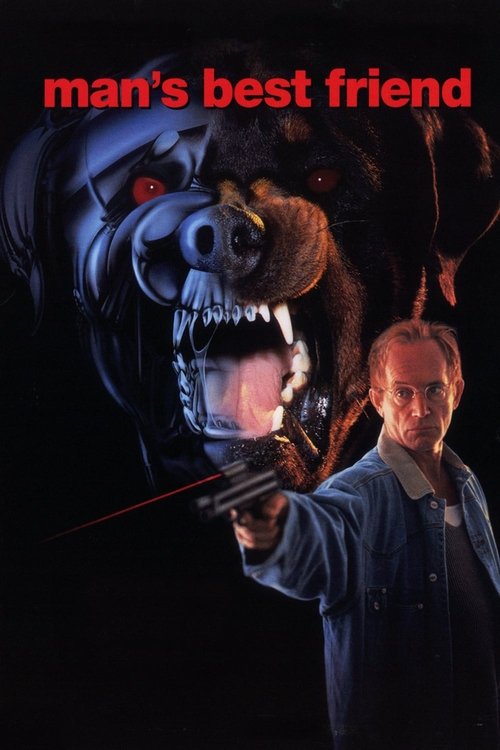
Man's Best Friend
1993A genetic research facility worker exposes animal abuses there to a local TV reporter, who frees and takes in a genetically altered dog from the lab, unaware that he has a violent streak.
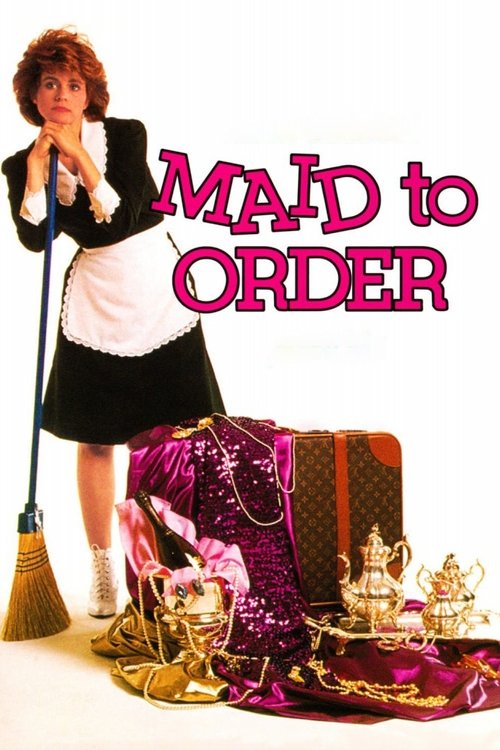
Maid to Order
1987Spoiled Jessie Montgomery, whose wild behavior and spending excesses cause her well-meaning but exasperated millionaire father Charles to wish he never had her, is visited by fairy godmother Stella. In an effort to save Jessie, Stella casts a spell which causes Charles to no longer have a daughter. Jessie, now penniless and without a friend, must take a maid's job to earn a living, and hopefully to learn her lesson.
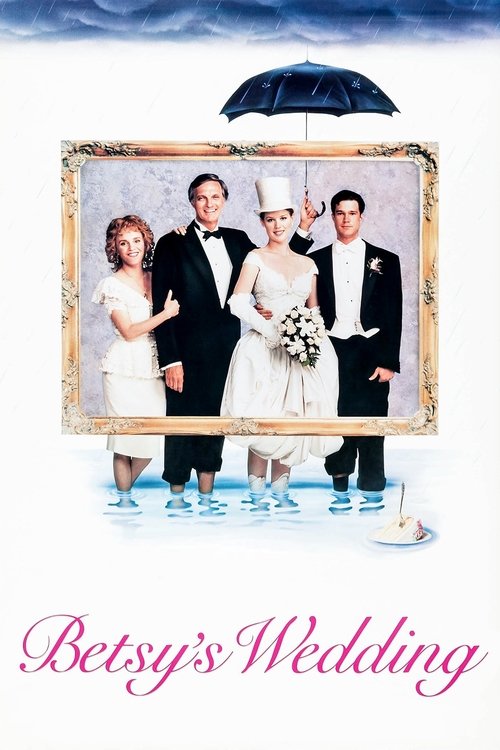
Betsy's Wedding
1990Offbeat fashion student Betsy Hopper and her straight-laced investment-banker fiancé Jake Lovell just want an intimate little wedding reception, but Betsy's father Eddie, a Long Island construction contractor, feels so threatened by Jake's rich WASP parents that he blows the ceremony up into a bank-breaking showpiece, sending his wife Lola into a financial panic.
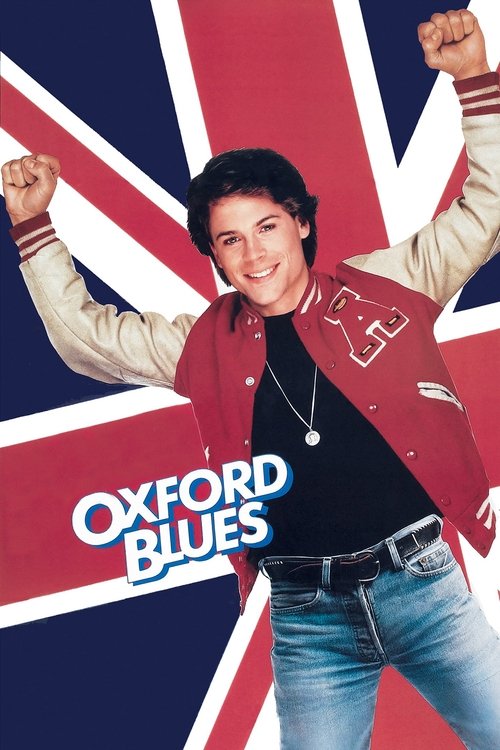
Oxford Blues
1984A young American hustler in Las Vegas spots a rich English Lady. Smitten, he pursues her to England, where his only chance of getting together with her is to enroll in Oxford and join the rowing team.

Little Sister
2016After returning to her childhood home, young nun Colleen finds her old room exactly how she left it: painted black and covered in goth and metal posters. Her parents are happy enough to see her, but her brother is living as a recluse in the guesthouse since returning home from the Iraq war.

X-Men: Apocalypse
2016After the re-emergence of the world's first mutant, world-destroyer Apocalypse, the X-Men must unite to defeat his extinction level plan.
Her inclusion as a schoolteacher provides a brief but poignant bridge between her history as a cinematic adolescent and the modern superhero epic. This minor role functions as a respectful nod to her legacy as an icon of the classroom, bringing her career full circle in a blockbuster setting.
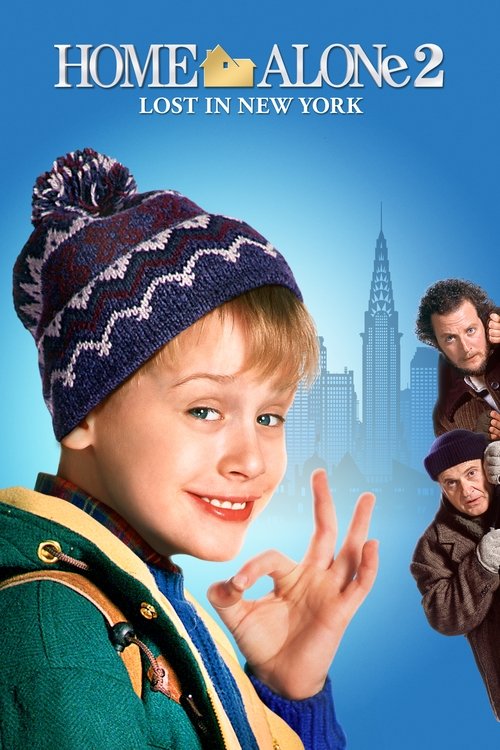
Instead of flying to Florida with his folks, Kevin ends up alone in New York, where he gets a hotel room with his dad's credit card—despite problems from a clerk and meddling bellboy. But when Kevin runs into his old nemeses, the Wet Bandits, he's determined to foil their plans to rob a toy store on Christmas Eve.
Though restricted to a brief cameo, Sheedy’s blink-and-you-will-miss-it appearance serves as a nostalgic wink to her 1980s dominance. It captures a moment in time where her face was synonymous with the New York cinematic landscape, even in a fleeting ticket agent bit.
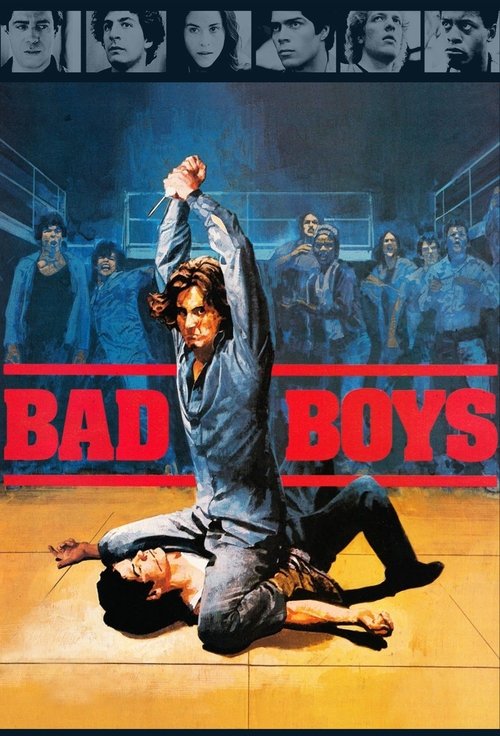
Bad Boys
1983Mick O'Brien is a young Chicago street thug torn between a life of petty crime and the love of his girlfriend. But when the heist of a local drug dealer goes tragically wrong Mick is sentenced to a brutal juvenile prison where violence is a rite of passage and respect is measured in vengeance.
A stark departure from her later suburban roles, her work here as a victimized teenager trapped in a cycle of juvenile violence showcased an early aptitude for harrowing realism. This performance signaled a willingness to explore the darker, less commercial corners of the American experience.
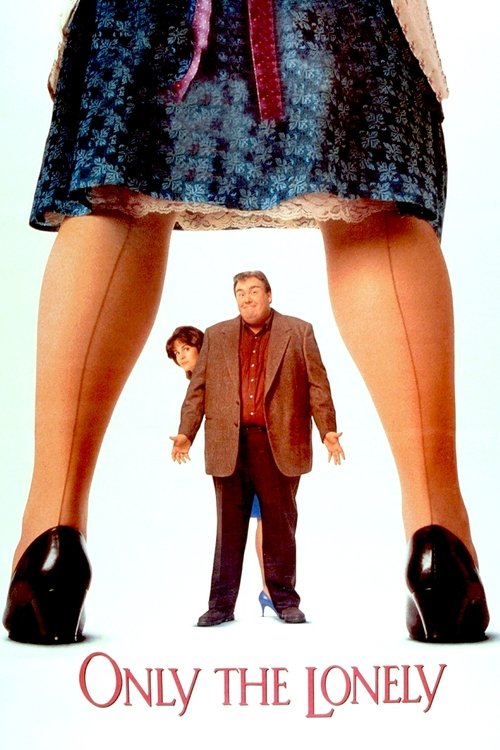
Only the Lonely
1991Danny Muldoon, a Chicago policeman, still lives with his overbearing mother Rose. He meets and falls in love with Theresa Luna, whose father owns the local funeral parlour. Naturally, his mother objects to the relationship, and Danny and Theresa must either overcome her objections or give up the romance.
Casting aside her usual intensity, Sheedy leans into a gentler, more conventional romantic mode that showcases her versatility within the studio system of the nineties. She holds her own against comedy heavyweights by maintaining a steady, charming composure that anchors the film’s lighter moments.
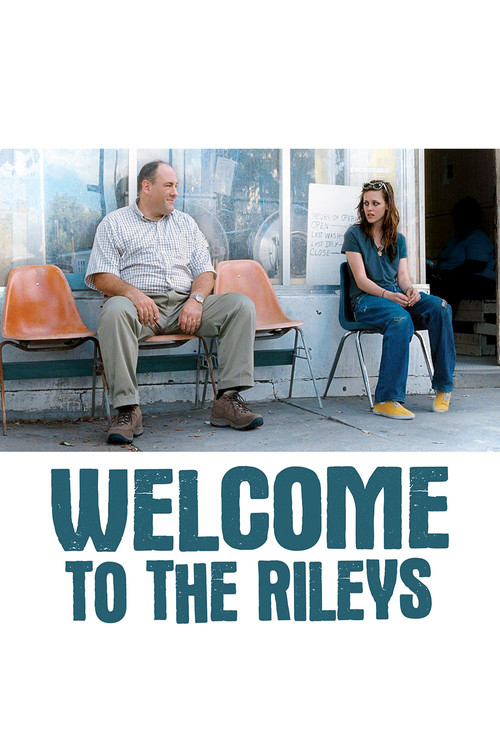
Welcome to the Rileys
2010Years after their teenage daughter’s death, Lois and Doug Riley, an upstanding Indiana couple, are frozen by estranging grief. Doug escapes to New Orleans on a business trip. Compelled by urgencies he doesn’t understand, he insinuates himself into the life of an underage hooker, becoming her platonic guardian.
Even in a supporting capacity, Sheedy’s presence adds a layer of weary domestic authenticity to this study of grief and isolation. She utilizes a minimalist approach to convey years of marital distance, proving her talent for character-driven nuance has only sharpened with age.

High Art
1998When Syd, a young editor at an influential art magazine, becomes involved with her neighbor, a drug-addicted lesbian photographer, both seek to exploit each other for their respective careers while slowly falling in love with each other.
In this gritty indie pivot, Sheedy shed her teen-star skin to portray a heroin-addicted photographer with a haunting, skeletal intensity. It is a career-defining comeback that replaces youthful quirk with a sophisticated, world-weary gravity that stunned critics and recalibrated her professional trajectory.
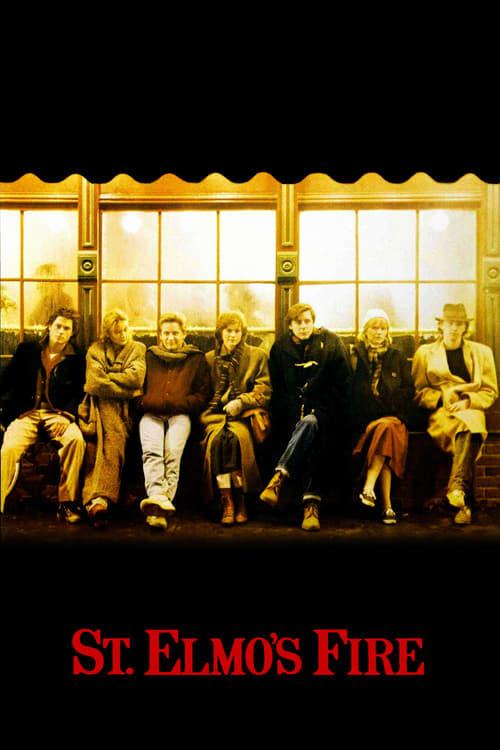
St. Elmo's Fire
1985Reluctant to let go of college life, a close-knit team of seven friends--irresponsible saxophone player Billy, young Republican Alec, his girlfriend Leslie, struggling journalist Kevin, drama queen Jules, lovesick waiter Kirby, and Wendy, a social worker with a heart of gold--realise the party is over. And as the burdens of maturity close in on the young dreamers, the complexities of adulthood and the daily struggle of growing up put their sacred friendship to the test. But everyone knows life is not a bed of roses. It won't be easy, but when all is said and done, what will it take for St. Elmo's clique to find its place in the real world?
Portraying the pragmatic Leslie, Sheedy navigates the messy transition into adulthood with a vulnerability that cuts through the film’s glossy yuppie posturing. She represents the group’s conscience, grounding the ensemble’s romantic melodrama in a relatably anxious search for stability.

Short Circuit
1986After a lightning bolt zaps a robot named Number 5, the lovable machine starts to think he's human and escapes the lab. Hot on his trail is his designer, Newton, who hopes to get to Number 5 before the military does. In the meantime, a spunky animal lover mistakes the robot for an alien and takes him in, teaching her new guest about life on Earth.
Sheedy provides the necessary emotional connective tissue in this sci-fi comedy, treating a mechanical co-star with a sincerity that prevents the film from devolving into pure slapstick. Her ability to sell wonder and genuine affection in a whimsical setting highlights an underrated comedic range.

WarGames
1983High school student David Lightman has a talent for hacking. But while trying to hack into a computer system to play unreleased video games, he unwittingly taps into the Department of Defense's war computer and initiates a confrontation of global proportions. Together with his friend and a wizardly computer genius, David must race against time to outwit his opponent and prevent a nuclear Armageddon.
Serving as the grounded, empathetic anchor to Matthew Broderick’s frantic technophobia, Sheedy brought a refreshing naturalism to the high stakes of the Cold War thriller. This role solidified her status as the era’s go-to intellectual ingenue, proving she could command the screen without relying on artifice.
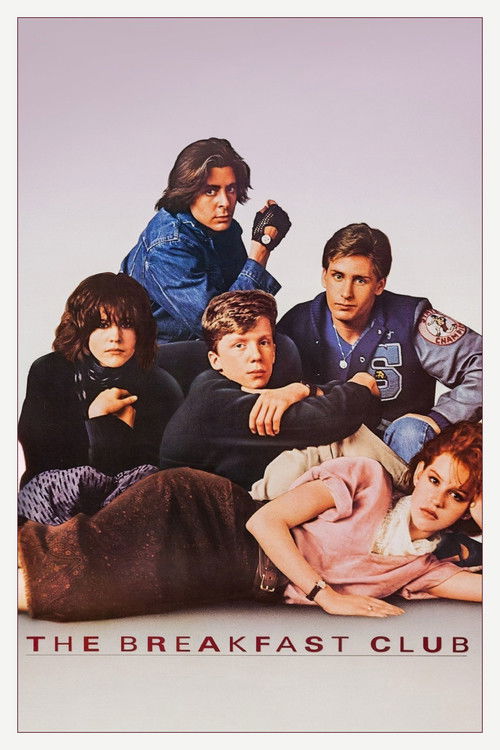
Five high school students from different walks of life endure a Saturday detention under a power-hungry principal. The disparate group includes rebel John, princess Claire, outcast Allison, brainy Brian and Andrew, the jock. Each has a chance to tell his or her story, making the others see them a little differently -- and when the day ends, they question whether school will ever be the same.
Sheedy’s transformation from a hooded, dandruff-flicking enigma into a visible participant of the teen social strata remains the definitive portrait of Gen X outsiderhood. By weaponizing silence and eccentricity, she carved out a unique space within the Brat Pack archetype that prioritized interiority over suburban polish.
Frequently Asked Questions
Everything you need to know about this list and SnakeDrafts
- 'The Breakfast Club' is ranked highest because it quintessentially captures Ally Sheedy's unique ability to portray vulnerable yet rebellious youth. Her role as the enigmatic basket case remains iconic, showcasing her nuanced performance that defined a generation of coming-of-age films in the 1980s.
- 'WarGames' features Sheedy in a tense thriller setting where she plays a high school student involved in a nuclear war simulation, highlighting her dramatic range. In contrast, 'Short Circuit' is a lighthearted sci-fi comedy where she portrays a comedic and warm character, demonstrating her versatility across genres.
- Many of Sheedy's best films, like 'The Breakfast Club' and 'High Art,' explore themes of identity, outsider perspectives, and emotional depth. Whether in indie dramas or mainstream hits, her characters often navigate complex internal worlds, reflecting Sheedy's strength in portraying layered, vulnerable roles.
- 'High Art' stands out as a critically acclaimed indie drama that further showcases Sheedy's maturity as an actress. The film's nuanced exploration of art, love, and addiction reveals a deeper, more intricate side of her craft beyond her well-known 80s roles.
- The inclusion of 'X-Men: Apocalypse' is surprising as it marks a shift to big-budget sci-fi fantasy late in her career, contrasting her earlier indie and drama-heavy work. Meanwhile, some early cult favorites are absent, reflecting the list's focus on a range of her most critically and popularly recognized performances rather than every niche fan favorite.
- In 'St. Elmo's Fire,' Sheedy brought emotional authenticity and vulnerability to the beloved ensemble cast, helping to deepen the film's exploration of post-collegiate anxieties. Her naturalistic style complemented the group's dynamic and contributed to the film's lasting appeal as an ensemble coming-of-age drama.
- 'Welcome to the Rileys' highlights Sheedy’s ability to portray mature, dramatic roles later in her career, moving beyond the teen archetypes. Her performance adds emotional weight and complexity, illustrating her continued relevance and evolution as a seasoned actress.