The Definitive Brie Larson Movie Ranking: Every Essential Film
From Indie Darlings to Marvel Powerhouse
Explore the finest films of Brie Larson, featuring her Oscar-winning role in Room, her MCU journey, and acclaimed breakout performances in indie cinema.
About Brie Larson

Long before she was soaring through the cosmos as a binary-powered superhero, Brie Larson was masterfully navigating the claustrophobic borders of human trauma. There is a precise, surgical quality to her emotional intelligence that makes her feel less like a movie star and more like a quiet observer who accidentally stumbled into the spotlight. She possesses a rare ability to ground high-concept spectacle in raw, often uncomfortable reality, a trait that has defined her trajectory from indie darling to the cornerstone of a multi-billion dollar franchise. To watch her work is to witness a constant tug-of-war between immense power and calculated vulnerability.
Her breakout in Short Term 12 served as a definitive mission statement. Playing a supervisor at a group home for troubled teens, she bypassed the usual melodrama of the genre, opting instead for a performance built on weary sighs and hyper-vigilance. That same grounded energy fueled Room, the film that earned her an Academy Award and cemented her status as a generational talent. As Ma, a woman creating a literal and figurative universe for her son within the confines of a garden shed, she captured the feral desperation of motherhood with a ferocity that left audiences breathless. Even when she pivoted to mainstream comedies like 21 Jump Street or cult favorites like Scott Pilgrim vs. the World, she brought a grounded deadpan that anchored the surrounding absurdity.
The transition into the Marvel Cinematic Universe brought a different kind of scrutiny, yet she stepped into the boots of Captain Marvel with a defiant, self-assured smirk. While films like Endgame and The Marvels demanded physical prowess, her portrayal of Carol Danvers prioritized a search for identity and memory over simple bravado. She transformed a cosmic entity into someone deeply relatable, a woman constantly told to dampen her emotions who eventually learns that her feelings are precisely where her strength lies. This duality defines her career. She can lead a blockbuster like Fast X or Kong: Skull Island with effortless charisma, yet she seems most at home in the bruised, intimate spaces of films like The Glass Castle or Just Mercy, where the stakes are measured in human dignity rather than city blocks destroyed.
Part of her cultural impact stems from her life behind the camera. With Unicorn Store, which she both directed and starred in, she revealed a whimsical, pastel-hued interior life that stood in stark contrast to her more gritty roles. It showcased a playful eccentricity that fans rarely see in her more stoic characters. Audiences connect with her because she refuses to be a static image of perfection. She is an actor who treats the blockbuster screen with the same psychological rigor as a low-budget drama, making even the most fantastical worlds feel lived-in and honest. Whether she is dodging bullets in the high-octane Free Fire or providing the quiet heart of The Spectacular Now, she remains an artist who values the truth of the moment above all else. She has mastered the art of being both a goddess and a human, ensuring her place in the cinematic firmament for decades to come.
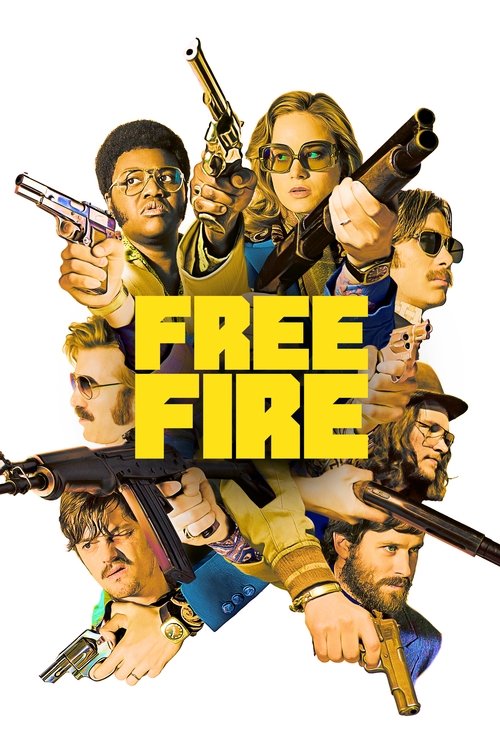
Free Fire
2017Set in Boston in 1978, a meeting in a deserted warehouse between two gangs turns into a shoot-out and a game of survival.
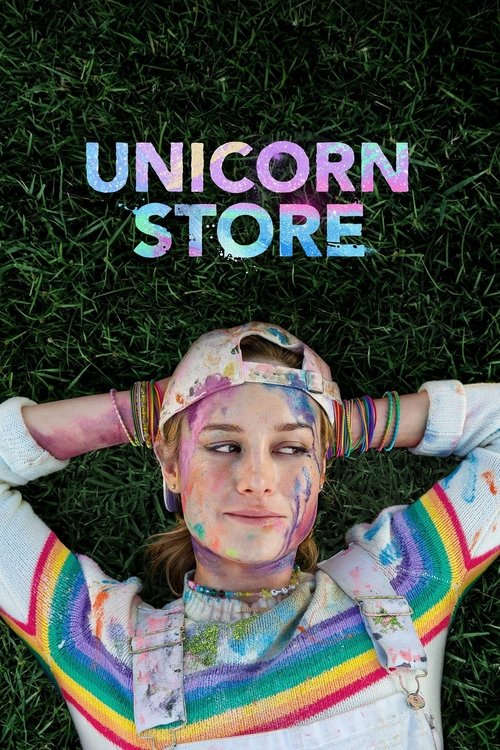
Unicorn Store
2017A woman named Kit moves back to her parent's house, where she receives a mysterious invitation that would fulfill her childhood dreams.

Kong: Skull Island
2017Explore the mysterious and dangerous home of the king of the apes as a team of explorers ventures deep inside the treacherous, primordial island.

The Spectacular Now
2013Sutter, a popular party animal, unexpectedly meets the introverted Aimee after waking up on a stranger's lawn. As Sutter deals with the problems in his life and Aimee plans for her future beyond school, an unexpected romance blossoms between them.

Greenberg
2010Roger Greenberg, a failed musician now making a living as a carpenter in New York, returns to Los Angeles to house-sit for his brother. He's stranded there—since he doesn't drive—until his brother's assistant, Florence, comes to his rescue. She's as much a lost soul as he is, and the pair form a significant connection—giving Roger a much-needed reason to be happy.
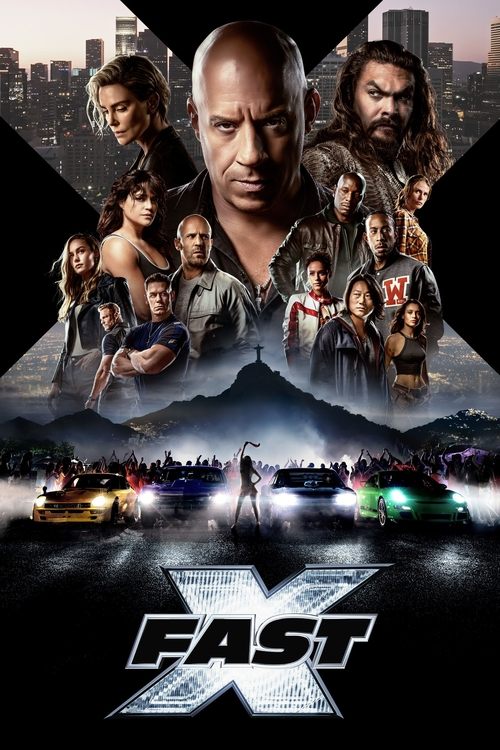
Fast X
2023Over many missions and against impossible odds, Dom Toretto and his family have outsmarted, out-nerved and outdriven every foe in their path. Now, they confront the most lethal opponent they've ever faced: A terrifying threat emerging from the shadows of the past who's fueled by blood revenge, and who is determined to shatter this family and destroy everything—and everyone—that Dom loves, forever.
Joining this high speed legacy ensemble, Larson leans into the stylized camp of the franchise with a wink. She treats the action genre with a playful seriousness that fits perfectly into the series' established brand of muscular melodrama.
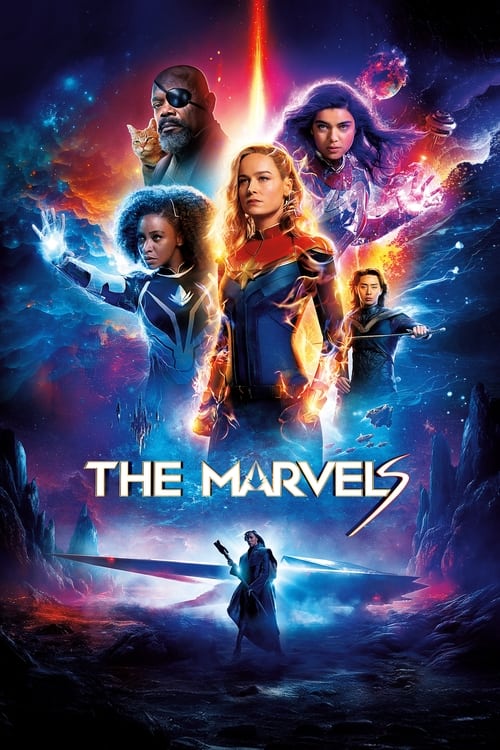
The Marvels
2023When her duties send her to an anomalous wormhole linked to a Kree revolutionary, Carol's powers become entangled with that of Jersey City super-fan Kamala Khan, aka Ms. Marvel, and Carol's estranged niece, now S.A.B.E.R. astronaut Captain Monica Rambeau. Together, this unlikely trio must team up and learn to work in concert to save the universe.
Allowing the cracks in her superheroic facade to show, Larson explores a more collaborative and fumbling side of Carol Danvers. This lighter, team focused approach adds a layer of much needed levity to her intergalactic persona.
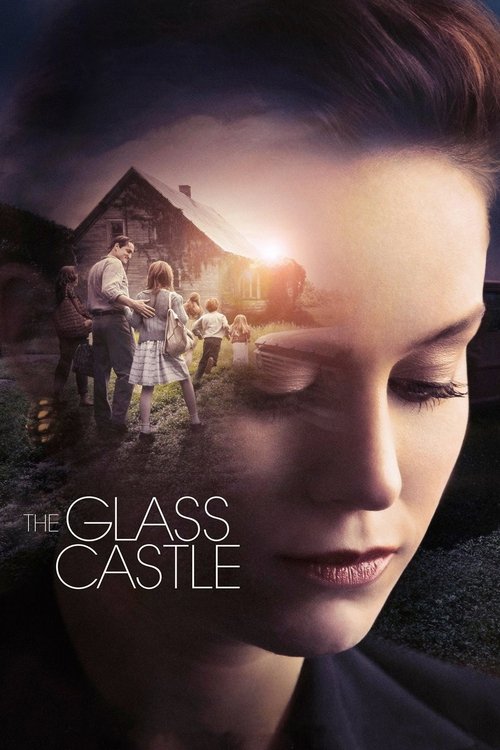
The Glass Castle
2017A young girl is raised in a dysfunctional family constantly on the run from the FBI. Living in poverty, she comes of age guided by her drunkard, ingenious father who distracts her with magical stories to keep her mind off the family's dire state, and her selfish, nonconformist mother who has no intention of raising a family, along with her younger brother and sister, and her other older sister. Together, they fend for each other as they mature in an unorthodox journey that is their family life.
Reuniting with Destin Daniel Cretton, Larson navigates the difficult terrain of childhood resentment and adult reconciliation. She brings a sophisticated grit to the portrayal of a woman attempting to outrun a chaotic legacy.
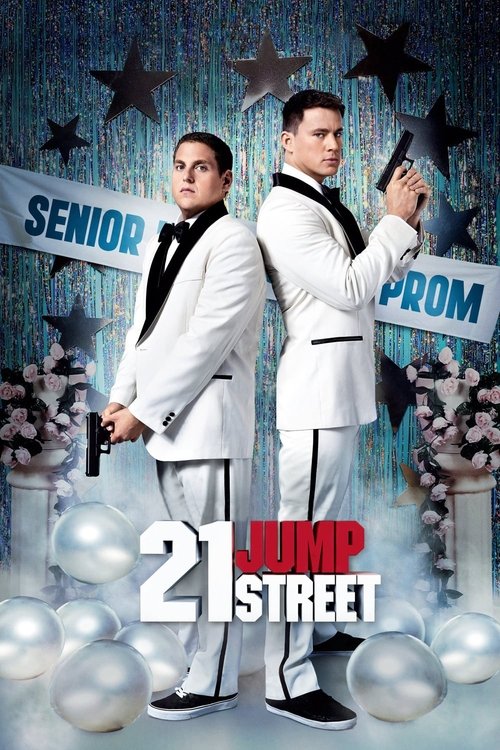
21 Jump Street
2012When cops Schmidt and Jenko join the secret Jump Street unit, they use their youthful appearances to go undercover as high school students. They trade in their guns and badges for backpacks, and set out to shut down a dangerous drug ring. But, as time goes on, Schmidt and Jenko discover that high school is nothing like it was just a few years earlier -- and, what's more, they must again confront the teenage terror and anxiety they thought they had left behind.
In a crowded field of high octane absurdity, she provides a necessary tonal tether as the astute, sardonic love interest. It is a deceptively simple role that proved her ability to hold her own against improvisational heavyweights.
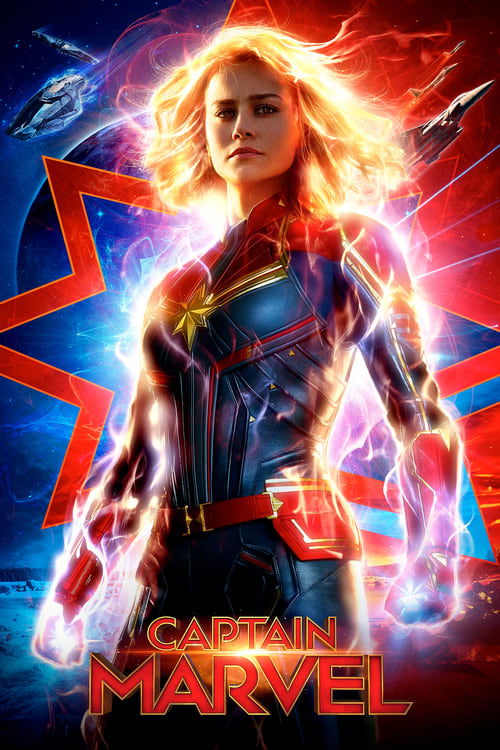
Captain Marvel
2019The story follows Carol Danvers as she becomes one of the universe’s most powerful heroes when Earth is caught in the middle of a galactic war between two alien races. Set in the 1990s, Captain Marvel is an all-new adventure from a previously unseen period in the history of the Marvel Cinematic Universe.
Tasked with carrying a standalone origin story, she balances stoic military discipline with a burgeoning, dry wit. Larson successfully carves out a niche for a hero defined by her refusal to prove herself to anyone but herself.
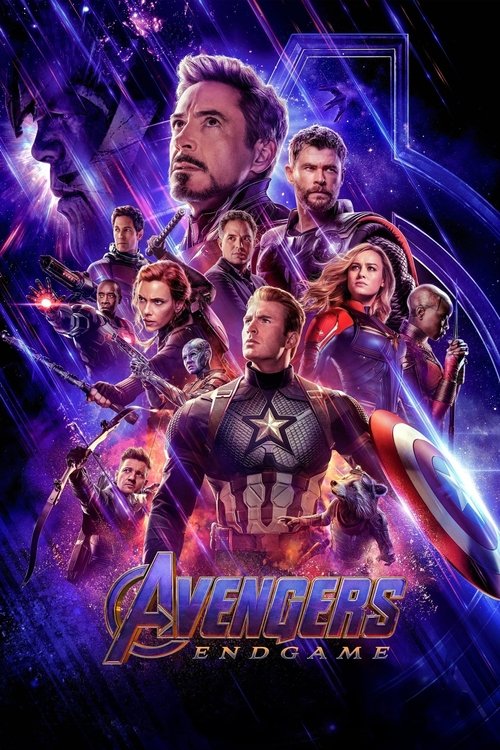
After the devastating events of Avengers: Infinity War, the universe is in ruins due to the efforts of the Mad Titan, Thanos. With the help of remaining allies, the Avengers must assemble once more in order to undo Thanos' actions and restore order to the universe once and for all, no matter what consequences may be in store.
Larson enters the franchise finale as a tide-turning force of nature, radiating an aura of cosmic superiority. She manages to assert a sense of veteran authority within an ensemble of icons despite her character's relative newcomer status.
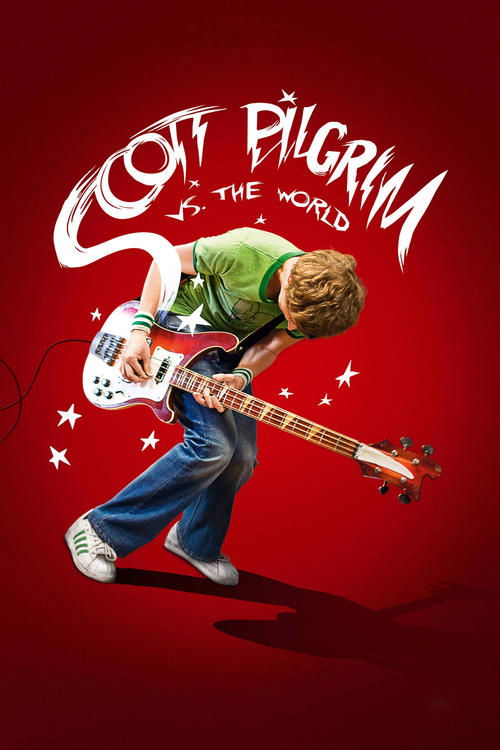
As bass guitarist for a garage-rock band, Scott Pilgrim has never had trouble getting a girlfriend; usually, the problem is getting rid of them. But when Ramona Flowers skates into his heart, he finds she has the most troublesome baggage of all: an army of ex-boyfriends who will stop at nothing to eliminate him from her list of suitors.
Stealing scenes as the ultimate rock goddess ex-girlfriend, Larson weaponizes her deadpan comedic timing and unexpected vocal prowess. This cult favorite showcased a stylized, haughty magnetism that remains a distinct outlier in her filmography.
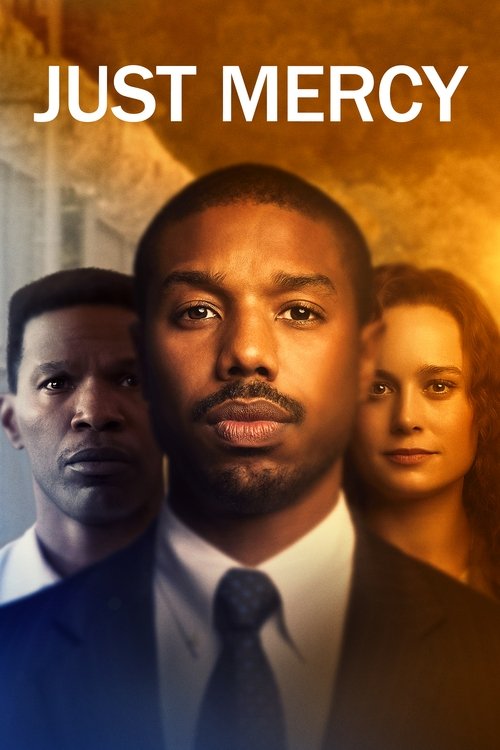
Just Mercy
2019The powerful true story of Harvard-educated lawyer Bryan Stevenson, who goes to Alabama to defend the disenfranchised and wrongly condemned — including Walter McMillian, a man sentenced to death despite evidence proving his innocence. Bryan fights tirelessly for Walter with the system stacked against them.
As Eva Ansley, Larson pivots into a grounded, supporting role that highlights her capacity for altruistic gravity. She cedes the spotlight to the broader systemic narrative while providing the film its tireless moral backbone.

Short Term 12
2013Grace, a compassionate young supervisor at a foster care facility, helps at-risk teens. But when a new charge dredges up memories of her own troubled past, Grace's tough exterior begins eroding.
Before the blockbusters, Larson proved her indie mettle by anchoring this foster care drama with raw, understated vulnerability. Her ability to navigate the jagged edges of a character's past while projecting quiet strength served as her definitive industry breakthrough.

Room
2015Held captive for 7 years in an enclosed space, a woman and her young son finally gain their freedom, allowing the boy to experience the outside world for the first time.
Larson commands the screen with a claustrophobic intensity that earned her an Oscar and redefined her career. This harrowing turn transforms a mother's desperation into a masterclass of psychological resilience and emotional precision.
Frequently Asked Questions
Everything you need to know about this list and SnakeDrafts
- Brie Larson's breakout role came with the indie drama Short Term 12, where her emotionally nuanced performance as a compassionate supervisor at a group home earned widespread acclaim and set the stage for her career-defining roles.
- Her portrayal of a young mother held captive in Room won Brie Larson an Academy Award, showcasing her profound ability to convey trauma and resilience, which solidified her status as a leading dramatic actress.
- Brie Larson's filmography spans indie dramas like The Glass Castle and Just Mercy, high-profile superhero blockbusters such as Captain Marvel and Avengers: Endgame, and comedic roles in movies like 21 Jump Street, demonstrating her wide-ranging acting skills.
- Yes, Brie Larson made her directorial debut with Unicorn Store, a whimsical drama that blends fantasy and comedy, marking her emergence as a filmmaker beyond her acting career.
- Larson deftly navigates between big-budget franchises like The Marvels and intimate character-driven films like Free Fire, allowing her to maintain artistic depth while engaging wider audiences.
- Many of Larson's films, such as Room and Just Mercy, delve into themes of human resilience, justice, and personal trauma, revealing her preference for emotionally rich, socially conscious storytelling.
- Brie Larson has notably worked multiple times with director Destin Daniel Cretton on films including Short Term 12, Just Mercy, and The Glass Castle, a collaboration praised for its emotional authenticity.