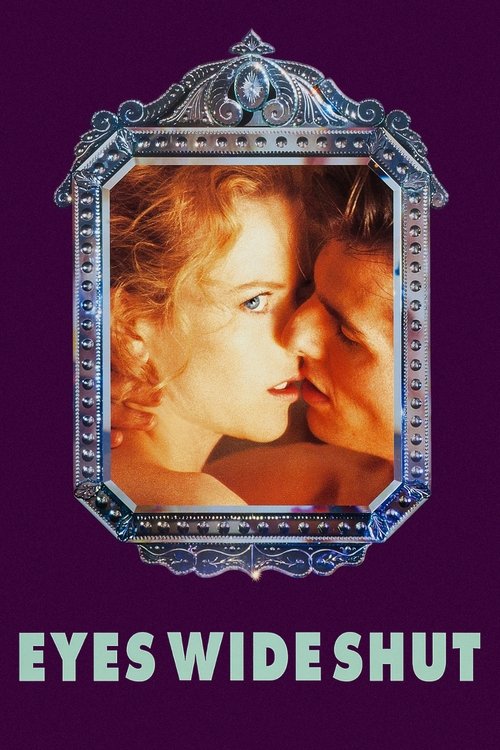
Eyes Wide Shut
Stanley Kubrick's final masterpiece, "Eyes Wide Shut," draws viewers into a haunting, dreamlike odyssey through the hidden desires and anxieties of a seemingly perfect marriage. This mesmerizing psychological thriller expertly blurs the lines between reality and fantasy, leaving an indelible mark on cinematic history.
Director
Release Year
1999
Runtime
160 minutes
Main Cast
Tom Cruise, Nicole Kidman, Sydney Pollack, Marie Richardson, Rade Šerbedžija
About Eyes Wide Shut
Stanley Kubrick's "Eyes Wide Shut" arrived in 1999, posthumously released just months after the legendary director's passing. The film immediately ignited a firestorm of discussion, cementing its place in cinematic lore not only as Kubrick's swansong but also as a profound exploration of marital intimacy, sexual fantasy, and societal secrets. Its meticulously crafted atmosphere, rich symbolism, and the magnetic performances of its lead actors, Tom Cruise and Nicole Kidman, captivated critics and audiences alike, even as its enigmatic narrative provoked diverse interpretations.
At its core, "Eyes Wide Shut" delves into the unraveling psyche of Dr. Bill Harford after his wife, Alice, confesses a fleeting but potent sexual fantasy. This revelation shatters Bill's complacent view of their marriage, propelling him into a nocturnal odyssey through a surreal, often unsettling, underworld of masked orgies and clandestine encounters. The film masterfully maintains a tightrope walk between explicit suggestion and elusive mystery, forcing viewers to confront the unspoken desires and anxieties that lie beneath the veneer of conventional relationships. Kubrick's signature style—his precise compositions, long takes, and deliberate pacing—creates a pervasive sense of unease and psychological tension, making Bill's journey feel both deeply personal and universally resonant.
The critical reception for "Eyes Wide Shut" was, predictably, polarized, reflecting its challenging subject matter and deliberate ambiguity. Some lauded its artistic boldness and intellectual depth, hailing it as a brave and unflinching examination of human sexuality and the fragility of trust. Others found it cold, deliberately obscure, or even exploitative. Despite this division, the film undeniably generated immense academic and popular discourse, solidifying its reputation as a complex work demanding multiple viewings and continuous analysis. Its lingering questions about fidelity, identity, and the hidden lives people lead continue to spark debate to this day.
"Eyes Wide Shut" ultimately leaves a profound legacy as a film that dared to peer into the shadowy corners of the human psyche. It stands as a testament to Kubrick's unparalleled vision and his unwavering commitment to pushing the boundaries of cinematic storytelling. The film's enduring power lies in its ability to provoke introspection and challenge assumptions about morality, desire, and the intricate dance between illusion and reality within relationships. It remains a benchmark for psychological thrillers and a compelling capstone to the career of one of cinema's greatest auteurs.
Drafts Featuring Eyes Wide Shut
Every SnakeDrafts listicle where this movie appears
The Best of Tom Cruise Movies Ranked
Ranked #8
The Best Nicole Kidman Movies
Ranked #5
The Best Sydney Pollack Movies Ranked
Ranked #2
Top Stanley Kubrick Directed Movies Ranked
Ranked #5
Top Movies of 1999 Ranked
Ranked #7
The Best Movies of the 1990s Ranked
Ranked #57
The Best Thriller Movies of 1999, Ranked
Ranked #3
Similar Movies
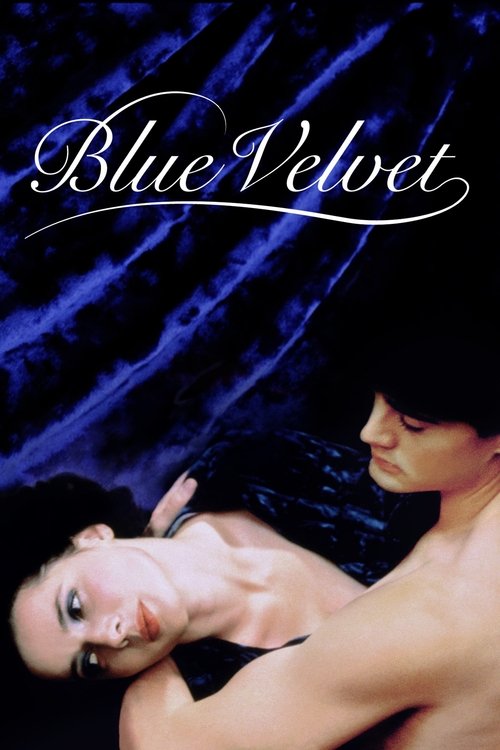
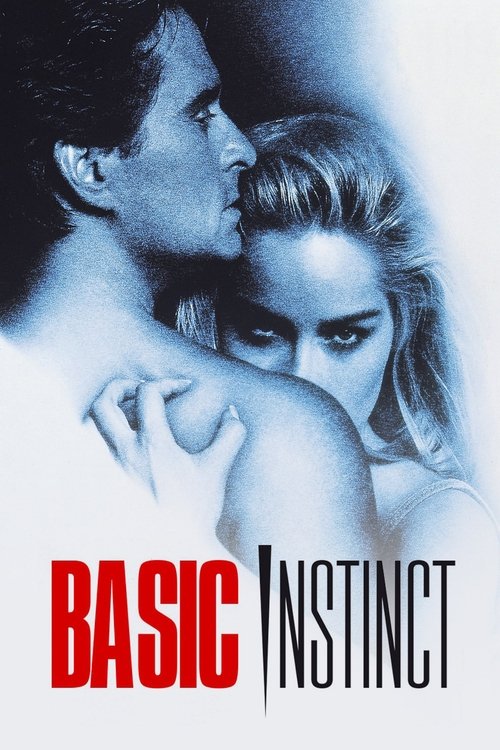
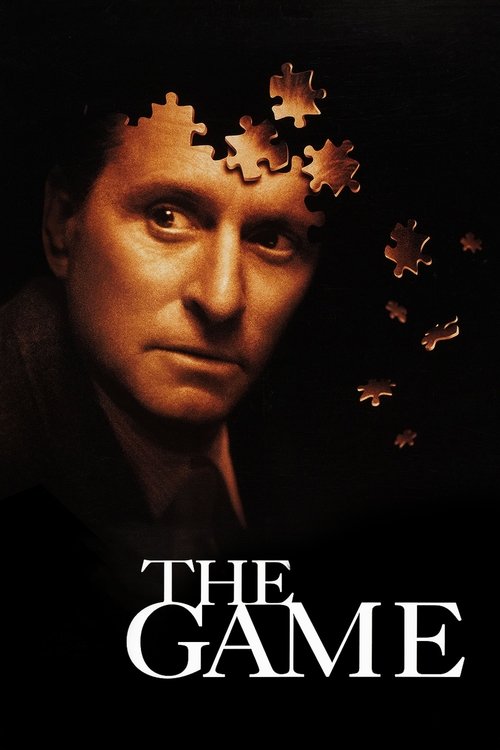
Movies related to Eyes Wide Shut
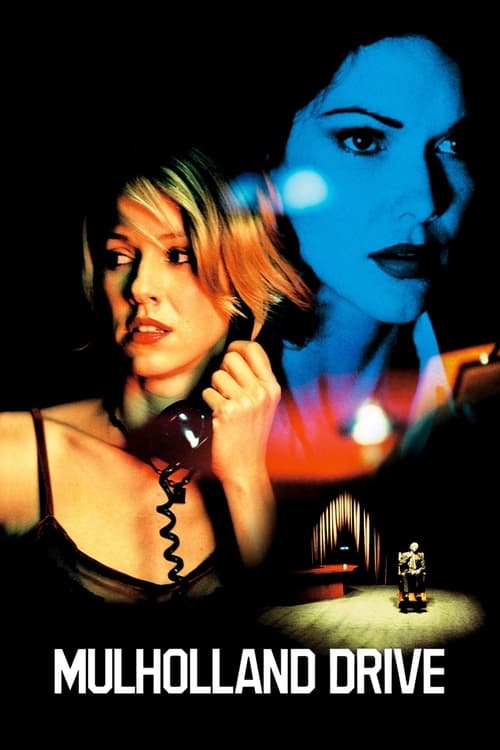
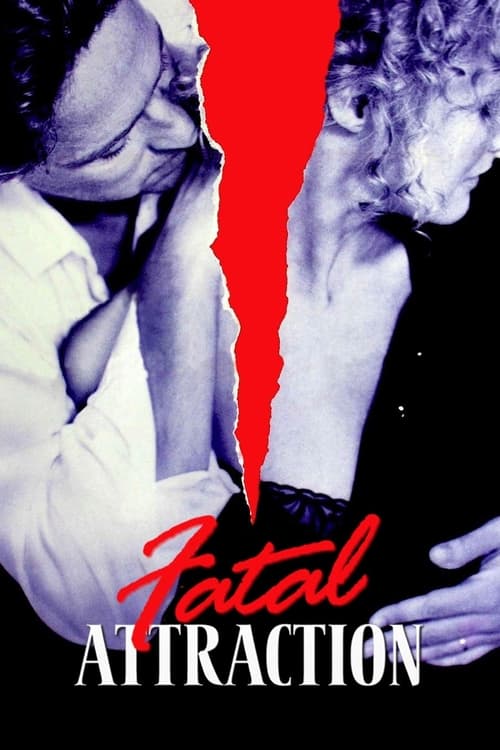
Frequently Asked Questions
Everything you need to know about Eyes Wide Shut
- The masks in "Eyes Wide Shut" symbolize anonymity, hidden desires, and the shedding of societal inhibition, allowing characters to indulge in forbidden acts. The elaborate rituals underscore themes of exclusivity, power dynamics, and the secret societies that operate beneath the surface of everyday life, highlighting a hidden world of privilege and transgression.
- The film poignantly explores jealousy through Bill Harford's fractured sense of security after his wife's confession. This act of infidelity, albeit in thought, unravels his perception of their relationship, leading him down a rabbit hole of sexual exploration and emotional turmoil as he grapples with his own desires and insecurities.
- The ending suggests a fragile truce in Bill and Alice's marriage, a moment of raw honesty and a tentative path toward rebuilding trust. Alice's final line, "We should fuck," while blunt, signifies a desire to reconnect physically and emotionally, suggesting that confronting their deepest fears and desires might be the catalyst for a more authentic relationship, albeit one forever marked by their individual journeys.
- Dr. Bill Harford's profession as a doctor often places him in a position of authority and control, yet his journey throughout the film stands in stark contrast to this. Within the secretive world he stumbles upon, he is stripped of his professional identity and confronted with his own vulnerabilities, highlighting the hypocrisy and hidden lives that can exist even among the seemingly respectable.
- Stanley Kubrick's masterful use of color, particularly the pervasive red and blue hues, creates a rich symbolic landscape in "Eyes Wide Shut." Red often signifies passion, danger, and the illicit, while blue can evoke coldness, detachment, or the subconscious, together underscoring the film's exploration of desire, betrayal, and the dreamlike state of Bill's nocturnal odyssey.
- The title "Eyes Wide Shut" profoundly encapsulates the film's central themes of willful blindness, deliberate ignorance, and the unsettling truth that often lies hidden beneath the surface of polite society. It refers to the characters' choice to ignore uncomfortable realities and suppress their subconscious desires, only for those suppressed truths to ultimately erupt and confront them head-on. The title also hints at the dreamlike, almost somnambulistic state Bill experiences throughout his nocturnal journey, where he witnesses unsettling truths with his 'eyes wide open' metaphorically but remains 'shut' to their full implications until the very end.

