Top Stanley Kubrick Directed Movies Ranked
Masterpieces of Visionary Cinema and Technical Perfection
Explore the definitive filmography of Stanley Kubrick, featuring his most influential cinematic masterpieces from sci-fi epics to psychological dramas.
About Stanley Kubrick
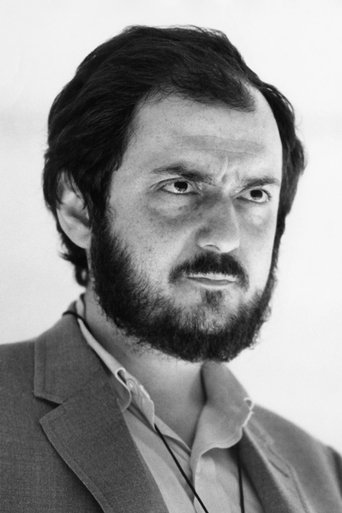
To step into a cinema housing a Stanley Kubrick film is to surrender to a creator who viewed the frame as a laboratory for human behavior. He was the ultimate master of the controlled environment, a filmmaker who traded in the messy spontaneity of Hollywood for a surgical, almost extraterrestrial precision. His reputation for obsessive perfectionism often precedes the work itself, yet to focus only on his legendary retakes is to miss the profound emotional undercurrent beneath his icy aesthetic. Over a career spanning five decades, he reinvented every genre he touched, turning out definitive statements on war, space, satire, and the domestic nightmare that remain the gold standard for visual storytelling.
What distinguishes his gaze is a specific kind of symmetrical dread. Whether wandering the impossibly long, patterned hallways of the Overlook Hotel in The Shining or floating through the silent, bone-white centrifuge of 2001: A Space Odyssey, his camera moves with a god-like detachment. He utilized the one point perspective to trap his characters within their own environments, making the setting as much of a predator as any villain. This visual rigor found its peak in Barry Lyndon, where he famously used ultra-fast NASA lenses to film by candlelight, creating a moving gallery of 18th-century paintings that felt both lush and claustrophobic.
His thematic preoccupations rarely wavered. He was fascinated by the failure of human systems and the inherent violence of the masculine ego. Path of Glory and Full Metal Jacket stripped away the romanticism of combat to reveal the absurdity of military bureaucracy and the dehumanization of the individual. He had a wicked, pitch-black sense of humor that could turn a nuclear holocaust into a slapstick tragedy, as seen in the biting satire of Dr. Strangelove. Even in early noir efforts like The Killing, he was already experimenting with non-linear structures and the grim reality of the failed heist, proving that his fascination with the breakdown of logic started long before he went to outer space.
He demanded total immersion from his audience and his actors alike. Films like A Clockwork Orange and Lolita challenged the moral landscape of the medium, pushing against censorship while forcing viewers to confront uncomfortable truths about charisma and depravity. By the time he reached his final work, Eyes Wide Shut, his style had become a dreamlike, nocturnal exploration of subconscious desire. He left behind a legacy that defines the very concept of the auteur. Every frame was a deliberate choice, every silence a calculated weight. His filmography serves as a monumental reminder that cinema can be more than entertainment; it can be a perfectly calibrated mirror reflecting the beautiful, terrifying complexity of the human condition.
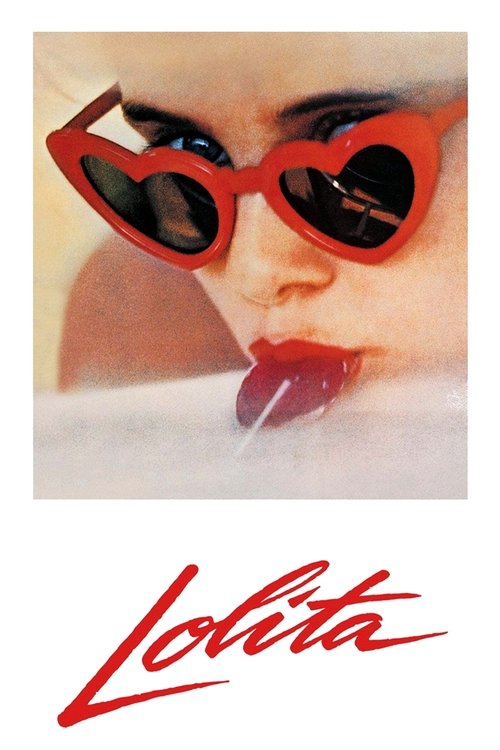
Lolita
1962Humbert Humbert is a middle-aged British novelist who is both appalled by and attracted to the vulgarity of American culture. When he comes to stay at the boarding house run by Charlotte Haze, he soon becomes obsessed with Lolita, the woman's teenaged daughter.

Spartacus
1960The rebellious Thracian Spartacus, born and raised a slave, is sold to Gladiator trainer Batiatus. After weeks of being trained to kill for the arena, Spartacus turns on his owners and leads the other slaves in rebellion. As the rebels move from town to town, their numbers swell as escaped slaves join their ranks. Under the leadership of Spartacus, they make their way to southern Italy, where they will cross the sea and return to their homes.
While often cited as the director’s least personal work due to studio constraints, the film still benefits from his unrivaled ability to manage massive human choreography and widescreen compositions. It represents a vital evolutionary step where his budding perfectionism infused the traditional sword and sandal epic with an intellectual weight and visual clarity.
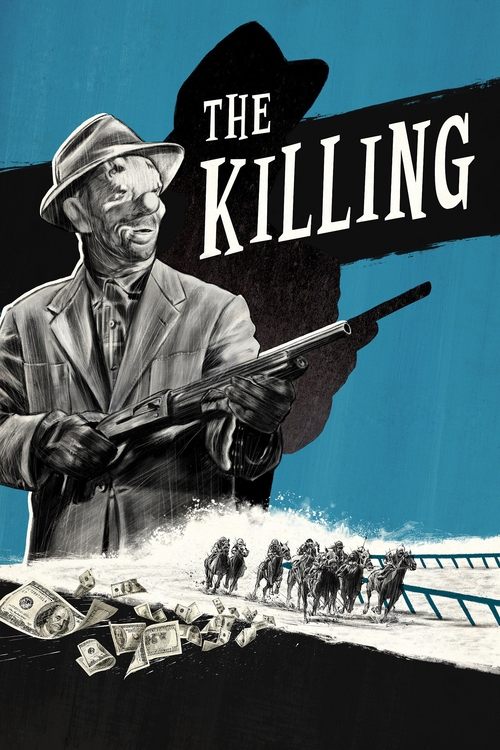
The Killing
1956Career criminal Johnny Clay recruits a sharpshooter, a crooked police officer, a bartender and a betting teller named George, among others, for one last job before he goes straight and gets married. But when George tells his restless wife about the scheme to steal millions from the racetrack where he works, she hatches a plot of her own.
Establishing the non-linear blueprint for the modern heist thriller, this gritty noir showcases the director’s fascination with meticulously planned schemes that unravel through human error. The cold, clockwork precision of the editing mirrors the inevitable trap set by the protagonists’ own greed and vanity.
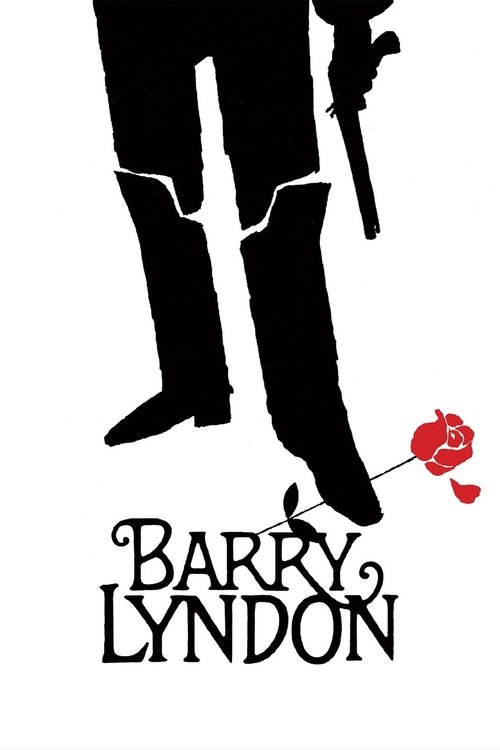
Barry Lyndon
1975An Irish rogue uses his cunning and wit to work his way up the social classes of 18th century England, transforming himself from the humble Redmond Barry into the noble Barry Lyndon.
Utilizing specialized NASA lenses to capture the soft flicker of genuine candlelight, this picaresque epic functions as a gallery of living oil paintings. It is a slow, rhythmic meditation on fate and social mobility that treats the eighteenth century with the detached curiosity of a natural history exhibit.
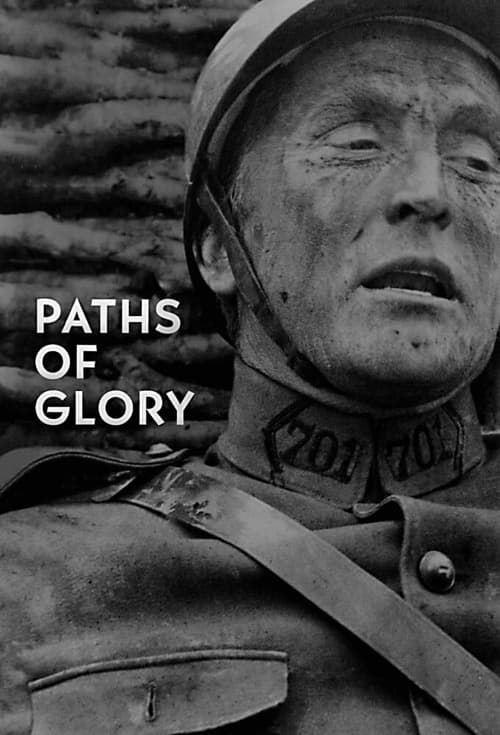
Paths of Glory
1957A commanding officer defends three scapegoats on trial for a failed offensive that occurred within the French Army in 1916.
A devastating exercise in logistical cruelty, this trench warfare masterpiece highlights Kubrick’s career-long obsession with the friction between rigid institutional systems and the fragility of human morality. It remains his most emotionally piercing achievement, stripping away the romanticism of combat to reveal the calculated geometry of injustice.
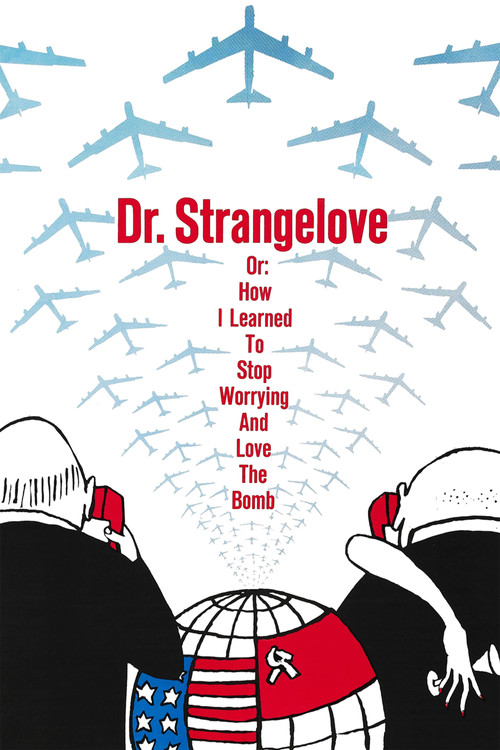
Dr. Strangelove or: How I Learned to Stop Worrying and Love the Bomb
1964After the insane General Jack D. Ripper initiates a nuclear strike on the Soviet Union, a war room full of politicians, generals and a Russian diplomat all frantically try to stop it.
Converting the existential dread of the Cold War into a frantic, pitch-black comedy, this film exposes the inherent absurdity of bureaucratic doom. The director’s clinical gaze finds humor in the mechanical failures of global power structures, proving that madness is the only logical conclusion to total military sovereignty.
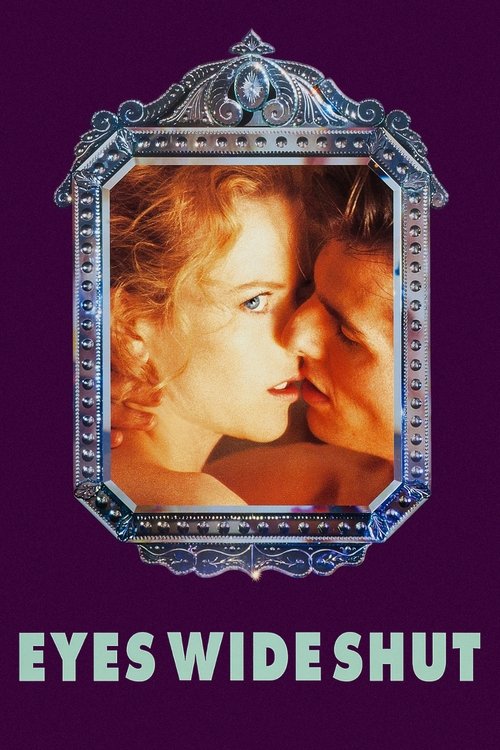
Eyes Wide Shut
1999After Dr. Bill Harford's wife, Alice, admits to having sexual fantasies about a man she met, Bill becomes obsessed with having a sexual encounter. He discovers an underground sexual group and attends one of their meetings -- and quickly discovers that he is in over his head.
A nocturnal, dreamlike exploration of fidelity and the subconscious, this final testament buries the viewer in a dense atmosphere of bourgeois paranoia and ritualistic mystery. Kubrick replaces his usual telescopic distance with a suffocating, intimate malaise that interrogates the performative nature of marriage.
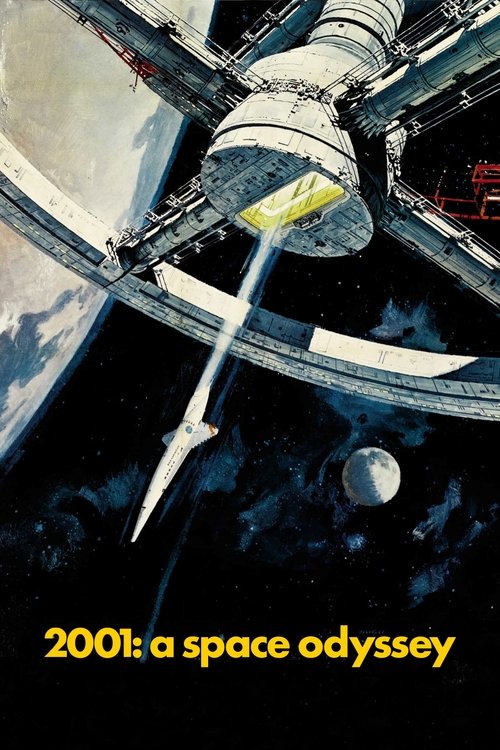
2001: A Space Odyssey
1968Humanity finds a mysterious object buried beneath the lunar surface and sets off to find its origins with the help of HAL 9000, the world's most advanced super computer.
Transcending the limitations of narrative cinema, this ontological odyssey reinvented the visual grammar of the medium while gazing into the terrifying abyss of human evolution. Its technical precision and symphonic pacing established a standard for speculative fiction that remains unsurpassed in its architectural grandeur and cosmic ambiguity.

A pragmatic U.S. Marine observes the dehumanizing effects the U.S.-Vietnam War has on his fellow recruits from their brutal boot camp training to the bloody street fighting in Hue.
Split between the Pavlovian conditioning of the training camp and the chaotic urban wasteland of Hue, this bifurcated war epic deconstructs the systematic erasure of identity. Kubrick eschews conventional heroics to focus on the terrifying linguistic and psychological programming required to manufacture the modern soldier.
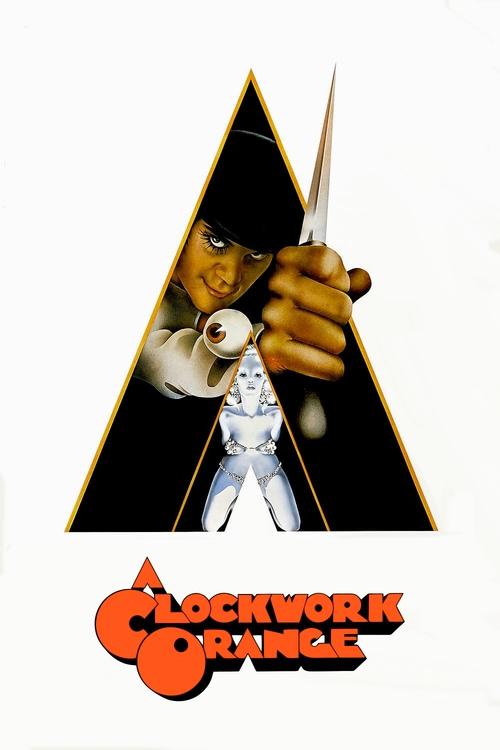
A Clockwork Orange
1971In a near-future Britain, young Alexander DeLarge and his pals get their kicks beating and raping anyone they please. When not destroying the lives of others, Alex swoons to the music of Beethoven. The state, eager to crack down on juvenile crime, gives an incarcerated Alex the option to undergo an invasive procedure that'll rob him of all personal agency. In a time when conscience is a commodity, can Alex change his tune?
This polarizing social satire utilizes a jarring, neoclassical aesthetic to interrogate the ethics of state-mandated behavioral modification. By juxtaposing brutalist imagery with a choreographed hyper-violence, the director forces the viewer into a transgressive dialogue regarding the terrifying necessity of free will.
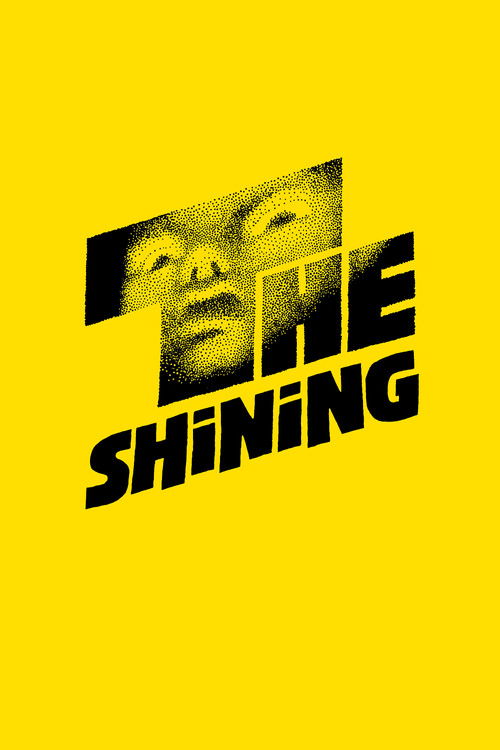
The Shining
1980Jack Torrance accepts a caretaker job at the Overlook Hotel, where he, along with his wife Wendy and their son Danny, must live isolated from the rest of the world for the winter. But they aren't prepared for the madness that lurks within.
Kubrick weaponizes the steady glide of the Steadicam to transform an isolated hotel into a sentient, labyrinthine antagonist that defies traditional spatial logic. This subversion of the gothic horror genre serves as a meticulous study of domestic disintegration and the recursive nature of historical violence.
Frequently Asked Questions
Everything you need to know about this list and SnakeDrafts
- Kubrick’s films often delve into themes of human psychology, existential dread, and societal critique. For instance, "A Clockwork Orange" explores free will and violence, while "2001: A Space Odyssey" tackles human evolution and our place in the universe.
- Kubrick’s meticulous attention to detail and controlled framing create an unsettling, immersive atmosphere. In "The Shining," this results in a haunting psychological horror, whereas "Eyes Wide Shut" uses slow pacing and enigmatic visuals to build tension and mystery.
- "2001: A Space Odyssey" is hailed as a groundbreaking science fiction film, renowned for its visionary special effects and philosophical depth. It changed the way sci-fi movies were made and remains influential for its portrayal of space exploration and artificial intelligence.
- Absolutely, Kubrick frequently examines war’s brutality and its psychological effects, as seen in "Full Metal Jacket," "Paths of Glory," and "Dr. Strangelove." These films offer a critical perspective on military conflict and its often absurd or tragic consequences.
- Kubrick’s adaptations are known for their visual precision and deeper exploration of complex characters. In "Lolita," he balances controversial themes with satire, while "Barry Lyndon" stands out for its period accuracy and painterly cinematography.
- Kubrick skillfully blends genres to enrich narrative complexity, like combining horror and thriller elements in "The Shining," or merging war drama with satire in "Dr. Strangelove." This approach allows his films to transcend traditional category boundaries and engage a wider audience.
- "The Killing" is important as one of Kubrick’s earliest masterpieces showcasing his knack for non-linear storytelling and tense atmosphere. It helped establish his reputation for meticulous direction and became a classic in the crime thriller genre.
- Kubrick’s perfectionism results in films that are visually stunning and thematically rich, with carefully crafted scenes and multiple takes to achieve the perfect shot. This is evident in the precise camera work and deliberate pacing of movies like "Full Metal Jacket" and "Eyes Wide Shut."