Mary Tyler Moore's Greatest Movies Ranked
The Definitive Screen Legacy of a Television Icon
Explore the most essential theatrical performances of Mary Tyler Moore, from her Oscar-nominated turn in Ordinary People to classic comedy gems.
About Mary Tyler Moore
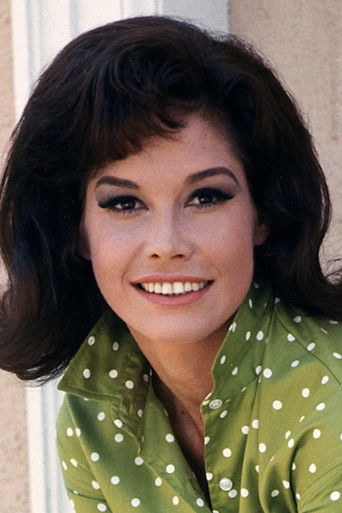
To understand the seismic shift in American television, one only needs to look at the cap tossed into the Minneapolis air. Mary Tyler Moore did more than just anchor a sitcom; she redefined the parameters of what a woman could be on screen. Long before she became the patron saint of single working women as Mary Richards, she was already upending domestic tropes in Capri pants, proving that a suburban wife could be just as sharp and witty as her husband. But her legacy is far more complex than a sunny smile and a newsroom desk. She possessed a rare, crystalline precision in her craft, a quality that allowed her to oscillate between bubbly charm and a chilling, porcelain-like fragility.
Audiences gravitated toward her because she felt like progress in motion. While her early cinematic outings like Thoroughly Modern Millie and the whimsical What's So Bad About Feeling Good? showcased her musicality and lightness, she was never content to remain a mere ingenue. Even in the late sixties, she was taking swings, starring opposite Elvis Presley in Change of Habit. She had a knack for playing characters who were trying to keep it all together, a relatable veneer that masked a profound depth of emotion. That tension finally exploded in 1980 with Ordinary People. As Beth Jarrett, a mother frozen by grief and emotional distance, she stripped away every ounce of her sitcom warmth. It remains one of the most jarring and effective transformations in film history, earning her an Oscar nomination and proving that her range was limitless.
Her filmography reflects a woman who refused to be pinned down by the industry's narrow expectations. She could lean into the absurd, as seen in the chaotic comedy Flirting with Disaster, or embrace the quiet, melancholic dignity of aging in the made-for-TV gem Finnegan Begin Again. Even when revisiting her most famous partnership in Mary and Rhoda, she brought a sense of lived-in history that resisted easy nostalgia. She understood that her audience had grown up with her, and she wasn't afraid to show the sharper edges of adulthood in dramas like Six Weeks or the academic cynicism of Cheats.
Her reputation was built on this duality of warmth and steel. Off-screen, she was a powerhouse producer who changed the business of Hollywood, but on-screen, she remained a vessel for the anxieties and aspirations of a changing world. Whether she was maneuvering the cockpit in X-15 or navigating the comedic misunderstandings of Don't Just Stand There, she possessed an innate rhythm that felt both practiced and effortless. We loved her because she made independence look like a victory every single day. She wasn't just a face on a screen; she was a cultural barometer, a woman who taught a generation that they could make it after all, provided they had the grit to match their grace.
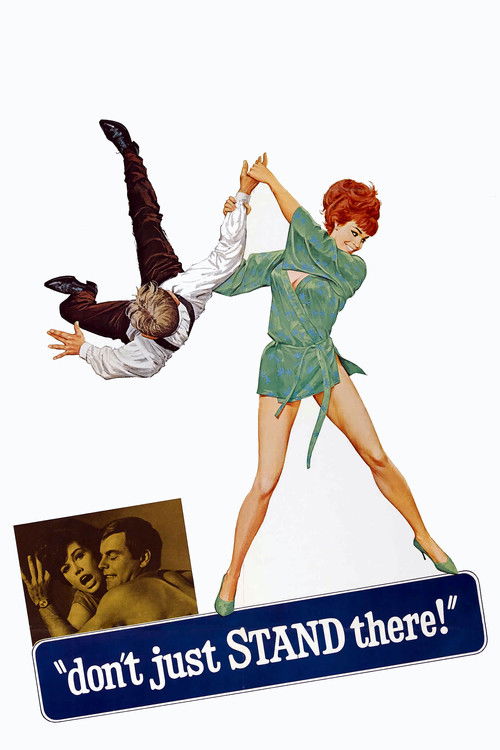
Don't Just Stand There
1968In exchange for helping writer-adventurer Lawrence Colby smuggle 300 watch parts into Paris from Switzerland, Martine Randall asks Colby to help solve a complicated situation involving her friend Sabine Manning, a well-known author of sex novels.
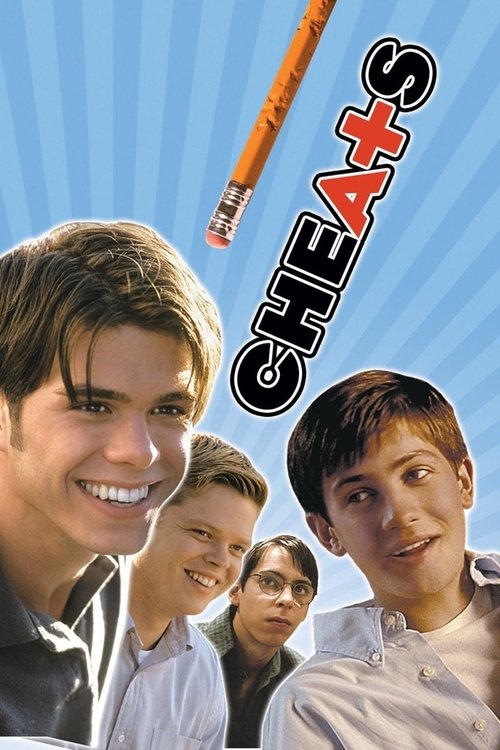
Cheats
2002While other kids buy into countless hours of studying just so they can get a mark in some teacher's report book, Handsome Davis sees it as nothing more than a system of control over your mind. That's why Handsome and his three best friends Sammy, Victor and the cribsheet genius Applebee have banded together and found ways to cheat on their tests all through their school years.
In one of her final film appearances, Moore's brief turn as a school principal offers a sharp, authoritative wink to her long history as a cultural fixture. Even in a minor capacity, her authoritative cadence and sharp comedic instincts remain undiminished.
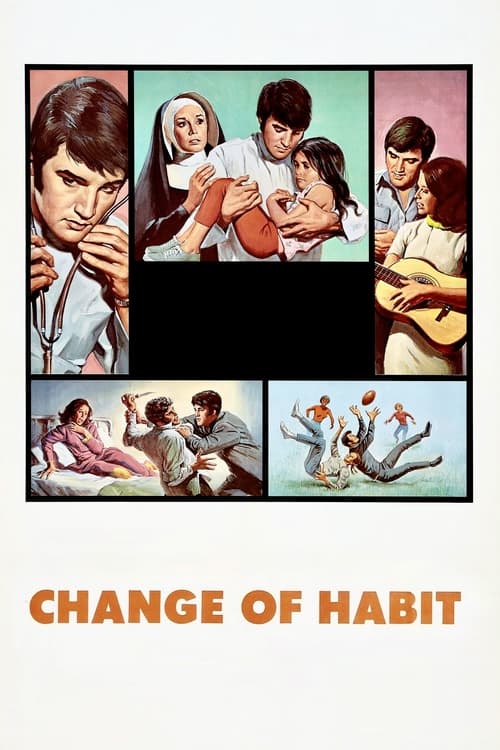
Change of Habit
1969Dr. John Carpenter takes the job of running a health center in a low-income district. He enlists three women to help out who — unbeknownst to him — are actually nuns in street clothes. The church wants to improve the neighborhood but fears that nuns in full habit would not be well received. Unaware of her unavailability, John falls for Sister Michelle, serenading her with his guitar — which, luckily for him, effectively wears away at her religious resolve.
Tasked with the unlikely role of a nun opposite Elvis Presley, Moore manages to maintain her poise and professional gravity despite the film's tonal eccentricities. She injects a surprising sincerity into the role, proving her screen presence could survive even the most bizarre studio pairings.
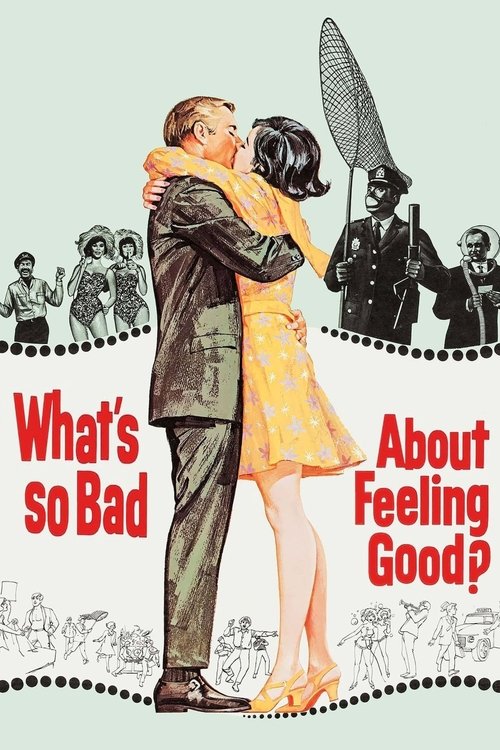
What's So Bad About Feeling Good?
1968A new infection that simply makes people feel happy is treated as a threat by the authorities while its "victims" work to spread it to others.
Moore navigates this psychedelic relic with a sense of sophisticated playfulness that often outshines the absurdist premise. Her performance serves as a bridge between her early television work and the more experimental impulses of late sixties cinema.
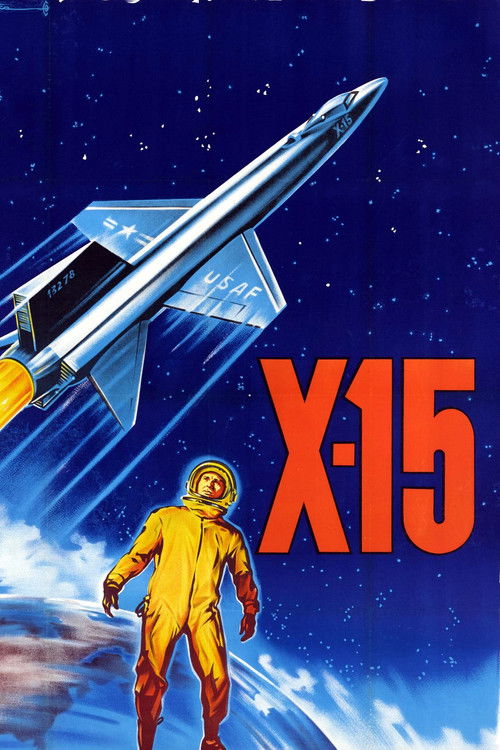
X-15
1961X-15 is a 1961 movie that tells a fictionalized account of the X-15 research rocket plane, the men who flew it and the women who loved them.
This early aerospace drama captures Moore in a transitional phase, providing a steadying presence as the quintessential supportive spouse before she broke the mold of the domestic housewife. It is a fascinating historical artifact that showcases her screen magnetism even within the confines of a rigid, traditional role.
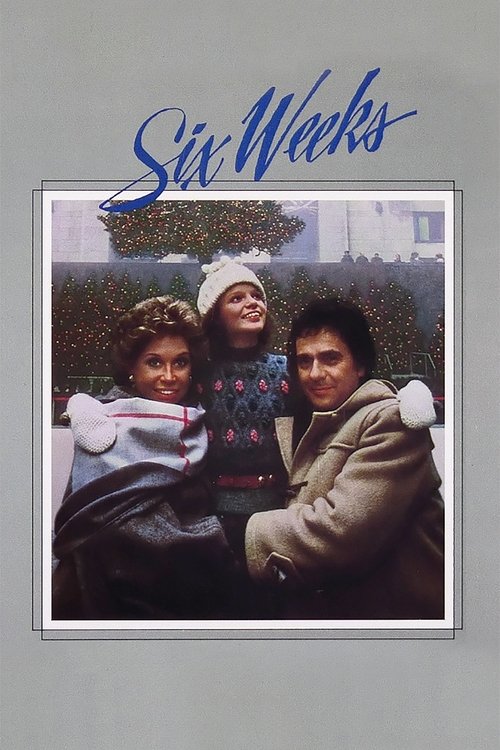
Six Weeks
1982A wealthy cosmetic tycoon and her 12-year-old daughter, who's dying from leukemia, strike up a sentimental friendship with a California politician. Since the girl has only six weeks or less to live, the trio fly to New York City where the daughter skates the ice rink at Rockefeller Center, assumes the lead in The Nutcracker ballet, and sightsees most of the city.
Moore leans into the high-stakes sentimentality of the eighties tearjerker, anchoring a potentially syrupy narrative with her innate dignity. While the script reaches for the heartstrings, her grounded presence prevents the grief from becoming a caricature.
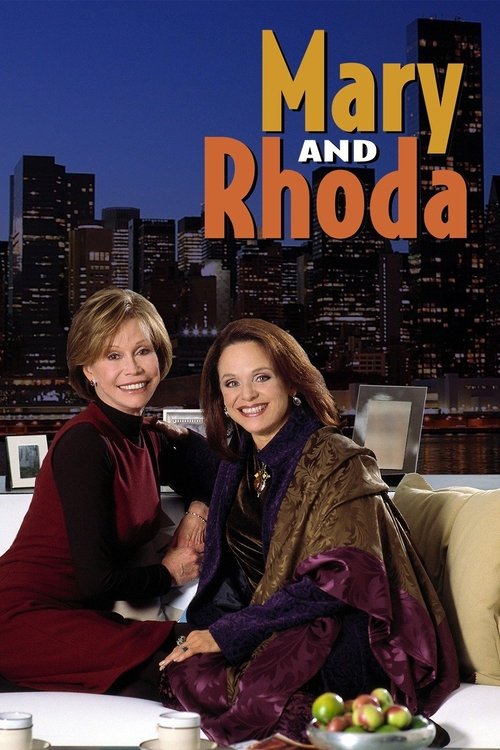
Mary and Rhoda
2000The old friends from "The Mary Tyler Moore Show," Mary and Rhoda, are reunited, only to discover that Mary has a daughter named Rose and Rhoda's daughter is named Meredith.
Revisiting her most iconic character, Moore navigates the passage of time with a blend of nostalgia and contemporary grit. The film serves as a poignant coda to a legendary partnership, emphasizing how she matured the Mary Richards archetype into a reflection of evolving womanhood.
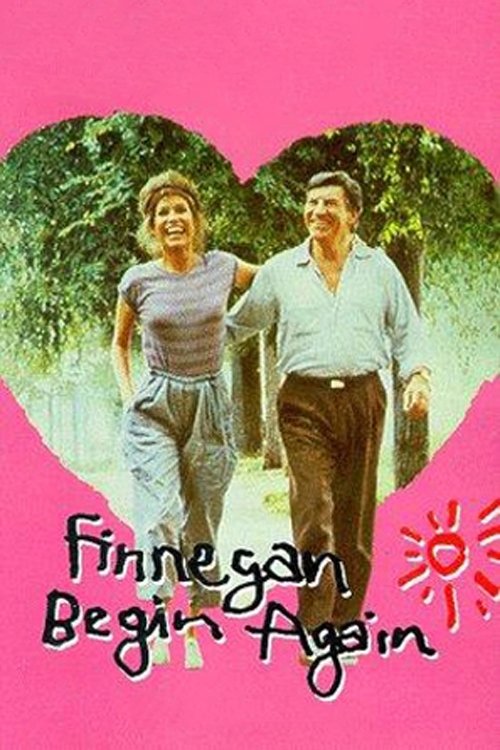
Finnegan Begin Again
1985A schoolteacher in her early 40s, involved in a dead-end love affair with a married mortician, drifts into a relationship with an aging newspaperman.
This quiet, contemplative role offers a glimpse into a more vulnerable register, moving away from hyper-competence into the messy realities of middle-aged longing. Moore finds a soulful chemistry with Robert Preston, grounding the film with a lived-in melancholy that feels startlingly intimate.
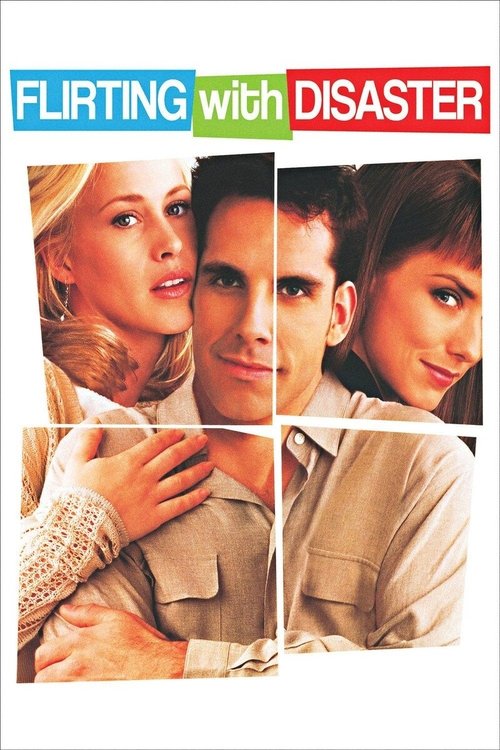
Adopted as a child, new father Mel Colpin decides he cannot name his son until he knows his birth parents, and determines to make a cross-country quest to find them. Accompanied by his wife, Nancy, and an inept yet gorgeous adoption agent, Tina, he departs on an epic road trip that quickly devolves into a farce of mistaken identities, wrong turns, and overzealous and love-struck ATF agents.
In this frantic David O. Russell comedy, Moore weaponizes her sharp wit as a neurotically overbearing mother, proving she could adapt her sophisticated persona to the cynical edge of nineties indie cinema. Her ability to steal scenes from a high-caliber ensemble highlights a fearless late-career willingness to embrace the grotesque.
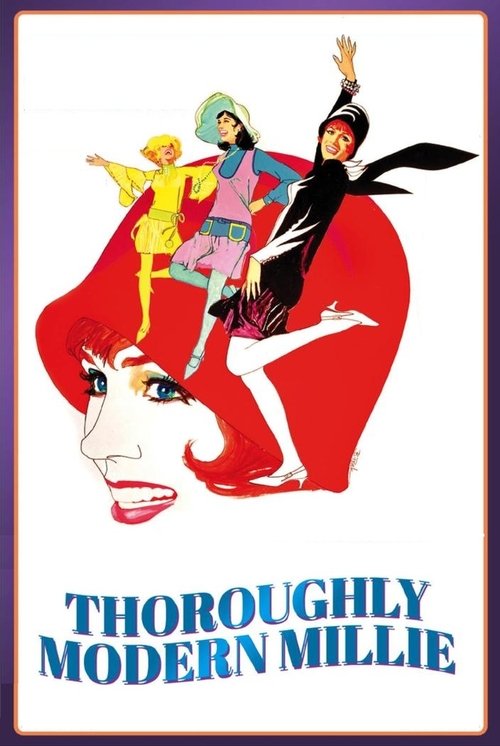
Thoroughly Modern Millie
1967Millie Dillmount, a fearless young lady fresh from Salina, Kansas, determined to experience Life, sets out to see the world in the rip-roaring Twenties. With high spirits and wearing one of those new high hemlines, she arrives in New York to test the "modern" ideas she had been reading about back in Kansas: "I've taken the girl out of Kansas. Now I have to take Kansas out of the girl!"
Playing the wide-eyed foil to Julie Andrews, Moore displays a kinetic physical comedy and effortless charm that signaled her readiness for big-screen stardom. It is a vibrant showcase of her rhythmic timing and the bubbly, infectious energy that would soon define a decade of television.
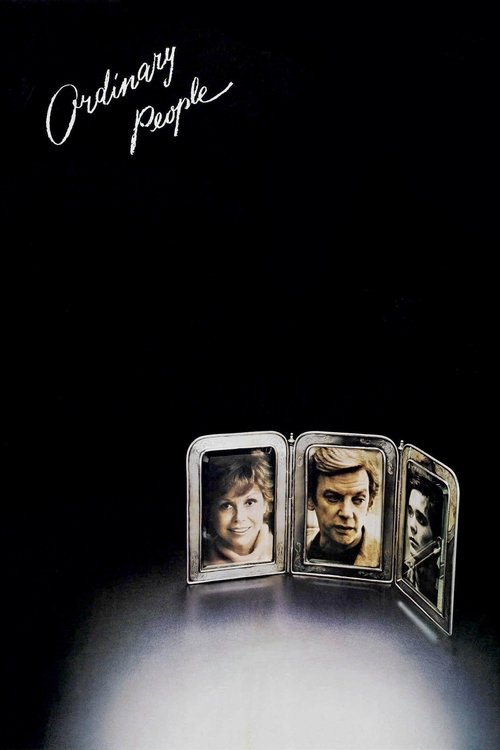
Ordinary People
1980Beth, Calvin, and their son Conrad are living in the aftermath of the death of the other son. Conrad is overcome by grief and misplaced guilt to the extent of a suicide attempt. He is in therapy. Beth had always preferred his brother and is having difficulty being supportive to Conrad. Calvin is trapped between the two trying to hold the family together.
Moore shatters her wholesome sitcom image with a chilling, surgically precise turn as a mother whose emotional rigidity borders on the pathological. This performance remains the definitive cinematic subversion of the American domestic ideal, earning her a rightful place among the heavyweights of 1980s drama.
Frequently Asked Questions
Everything you need to know about this list and SnakeDrafts
- Mary Tyler Moore's dramatic prowess is most evident in Ordinary People, where her nuanced performance earned her an Oscar nomination. The film directed by Robert Redford delves deeply into familial grief, showcasing her range far beyond her comedic roots.
- Mary Tyler Moore effectively blends comedy with musical elements in Thoroughly Modern Millie, a lively film that highlights her versatility. This movie, directed by George Roy Hill, artfully combines humor, romance, and energetic musical numbers.
- Yes, Mary Tyler Moore starred in Finnegan Begin Again and Mary and Rhoda, both TV movies that mix comedy, drama, and romance. These roles allowed her to expand her portfolio beyond theatrical releases while maintaining her signature charm and depth.
- Mary Tyler Moore ventured into action and historical drama with the film X-15, directed by Richard Donner. This early role stands out for its departure from her usual comedic and dramatic parts, highlighting her adaptability as an actress.
- A recurring theme in Mary Tyler Moore's films is the blending of comedy with heartfelt drama, as seen in works like Flirting with Disaster and Six Weeks. Her characters often portray complex women navigating personal and emotional challenges with wit and resilience.
- Change of Habit stands out as a film where Mary Tyler Moore engages with social themes, playing a role that intersects with crime, drama, and romance against a backdrop of cultural tension. This film showcases her willingness to tackle challenging and provocative material.
- Yes, films like Cheats and Don't Just Stand There highlight Mary Tyler Moore's flair for comedy outside her most famous roles. These movies capture her ability to bring humor and liveliness to a variety of characters, appealing to audiences who appreciate classic and quirky comedies.