Best Movies Directed by Richard Linklater
The Definitive Guide to Linklater's Cinematic Legacy
Discover the essential films of Richard Linklater, from the iconic Before Trilogy to the groundbreaking Boyhood and indie classic Slacker.
About Richard Linklater
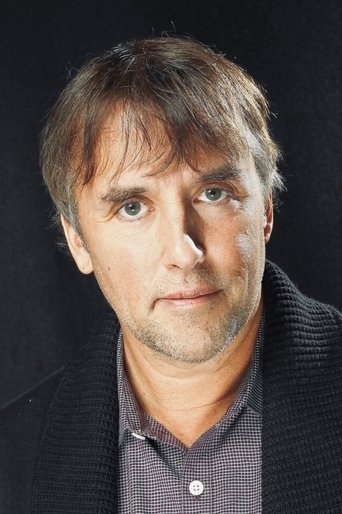
Richard Linklater is the undisputed poet laureate of the mundane. While other filmmakers chase explosions or high-concept thrills, he has spent over three decades proving that the most cinematic thing on earth is two people simply talking. He operates with a distinct lack of hurry, treating time not as a narrative constraint but as his primary medium. Whether he is capturing the hazy aimlessness of a Texas summer or the slow ache of a decade-passing romance, his work possesses a naturalism so profound it often feels accidental.
This deceptive ease first emerged with Slacker, a film that rejected traditional structure in favor of a relay race through the eccentric fringes of Austin. It was a manifesto for a new kind of storytelling that prioritized vibe over plot. He refined this approach into a masterpiece of adolescent nostalgia with Dazed and Confused, a movie that lingers on the dashboard light and the shared silence of a parking lot. He understands that life isn't lived in major plot points but in the connective tissue between them.
The crowning achievement of this fascination with the clock is the Before trilogy. By revisiting the same couple across twenty years in Before Sunrise, Before Sunset, and Before Midnight, he achieved a feat of longitudinal storytelling that borders on the spiritual. We watch Ethan Hawke and Julie Delpy age in real time, their youthful idealism hardening into the beautiful, messy complexities of long-term partnership. He pushed this temporal obsession even further with Boyhood, a twelve-year experiment that allowed us to watch a child grow into a man before our eyes. It is a staggering commitment to authenticity that few other directors would have the patience to see through.
Yet his filmography is surprisingly elastic. He can pivot from the high-energy, crowd-pleasing charisma of School of Rock to the rotoscoped dreamscapes of Waking Life and A Scanner Darkly without losing his signature voice. Even when he plays with animation or genre, the dialogue remains grounded and the philosophical inquiries stay sharp. He finds the humanity in a bizarre true crime tale like Bernie and the fraternal rhythms of a baseball team in Everybody Wants Some!! with equal curiosity.
Lately, he has turned his gaze toward memory as a fractured, colorful lens. Films like Apollo 10 1/2: A Space Age Childhood show a director interested in how we reconstruct our pasts, blending factual history with the hazy embellishments of a kid's imagination. Even in more conventional literary adaptations like Where'd You Go, Bernadette or the somber road trip of Last Flag Flying, the focus remains on the interpersonal friction that defines us. He avoids the flashy pyrotechnics of his peers because he knows that if you point a camera at a human being long enough, they will eventually say something profound. He has spent his career making the ordinary feel epic, reminding us that the simple act of existing is the greatest story ever told.
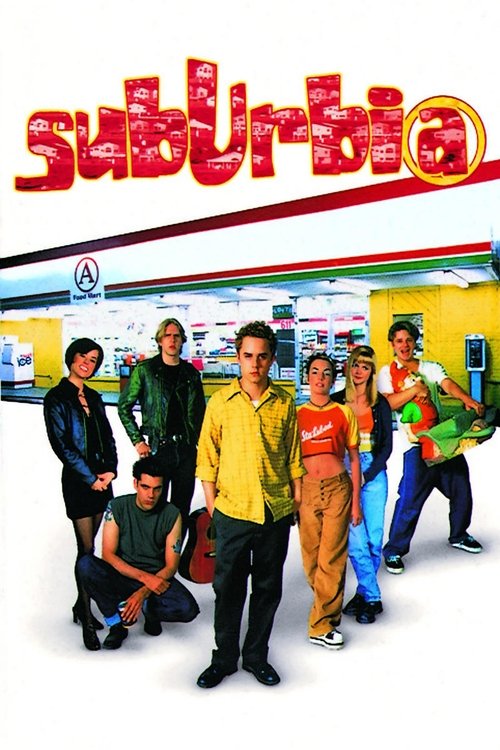
SubUrbia
1997A group of suburban teenagers try to support each other through the difficult task of becoming adults.
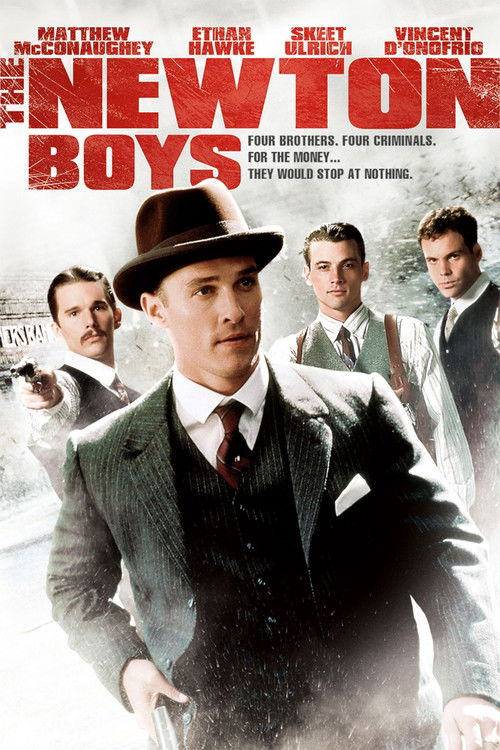
The Newton Boys
1998The story of the Newton gang, the most successful bank robbers in history, owing to their good planning and minimal violence.
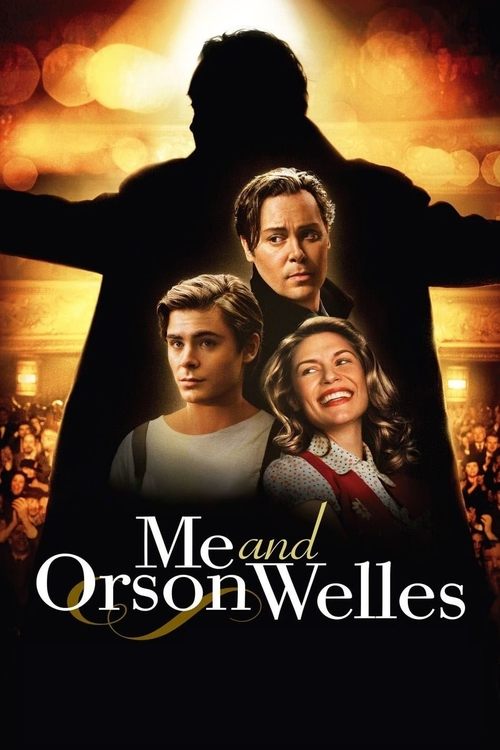
Me and Orson Welles
2008New York, 1937. A teenager hired to star in Orson Welles' production of Julius Caesar becomes attracted to a career-driven production assistant.

Hit Man
2024A mild-mannered professor moonlighting as a fake hit man in police stings ignites a chain reaction of trouble when he falls for a potential client.

Where'd You Go, Bernadette
2019When architect-turned-recluse Bernadette Fox goes missing prior to a family trip to Antarctica, her 15-year-old daughter, Bee, goes on a quest with Bernadette's husband to find her.
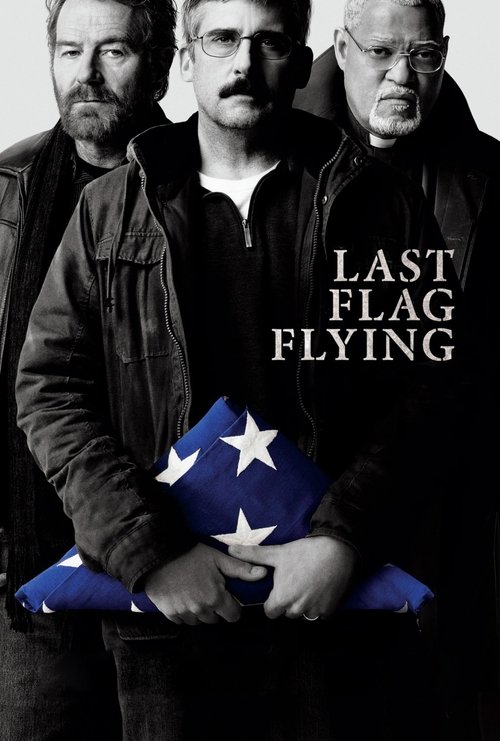
Last Flag Flying
2017Thirty years after serving together in the Vietnam War, Larry, Sal and Richard reunite for a different type of mission: to bury Doc's son, a young Marine killed in Iraq. Forgoing the burial, the trio take the casket on a bittersweet trip up the coast to New Hampshire – along the way reminiscing and coming to terms with the shared memories of a war that continues to shape their lives.
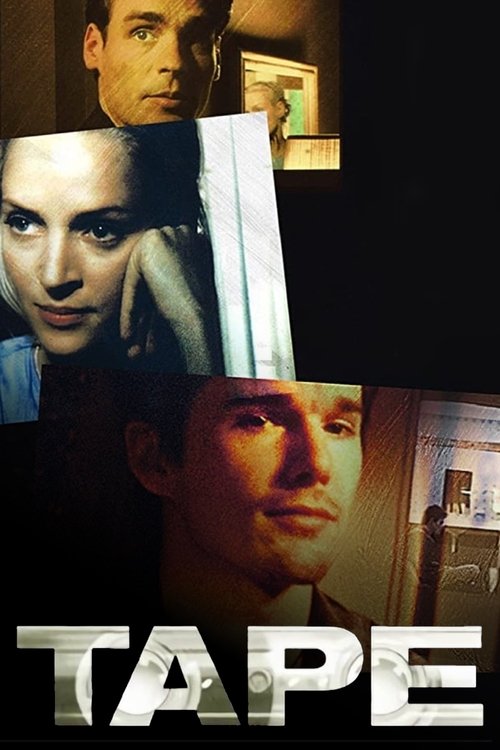
Tape
2001Jon, a first-time filmmaker, finds himself in Lansing, Michigan to present his film at a local film festival. Vince, his high school friend who is now a volunteer fireman and small-time drug dealer, also visits the town to support Jon on his big day, or so it seems. After a raucous hello and much backslapping, it appears that there is an undercurrent of tension in the air.
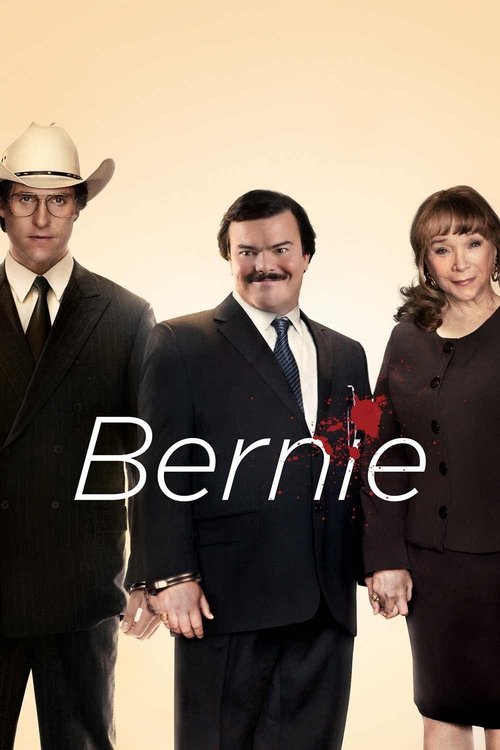
Bernie
2012In small-town Texas, affable and popular mortician Bernie Tiede strikes up a friendship with Marjorie Nugent, a wealthy widow well known for her sour attitude. When she becomes controlling and abusive, Bernie goes to great lengths to remove himself from her grasp.
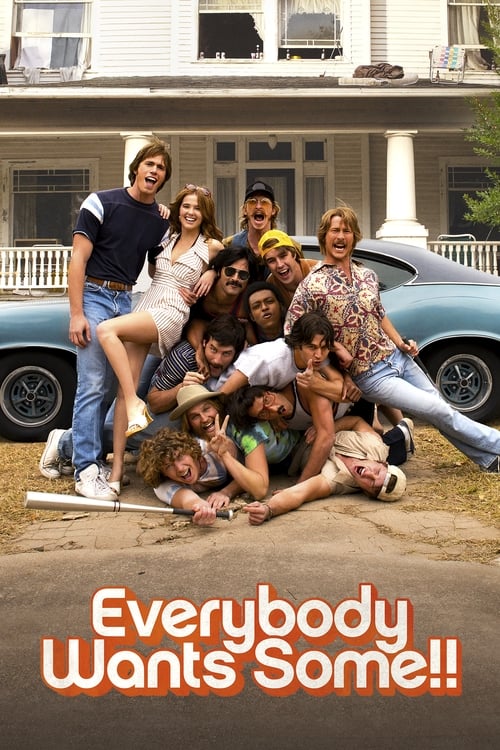
Everybody Wants Some!!
2016A comedy that follows a group of friends as they navigate their way through the freedoms and responsibilities of unsupervised adulthood.
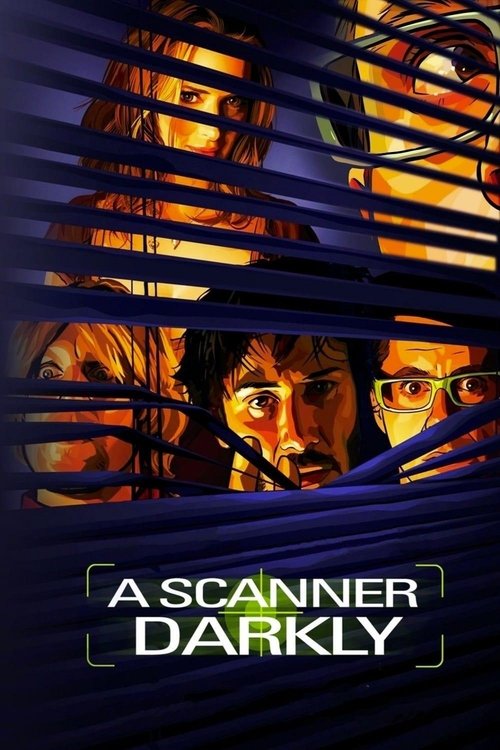
A Scanner Darkly
2006An undercover cop in a not-too-distant future becomes involved with a dangerous new drug and begins to lose his own identity as a result.
Linklater applies a paranoid, jittery aesthetic to Philip K. Dick’s prose, using digital painting to mirror the fractured identities and drug induced anxieties of the narrative. The result is a hauntingly stylized examination of surveillance and cognitive decay that pushes his experimental tendencies to their darkest limits.

Apollo 10½: A Space Age Childhood
2022A man narrates stories of his life as a 10-year-old boy in 1969 Houston, weaving tales of nostalgia with a fantastical account of a journey to the moon.
This nostalgic work utilizes a collage of memory and fiction to recreate a specific historical zeitgeist through the lens of childhood imagination. It represents a refined evolution of Linklater’s rotoscoping technique, used here to bridge the gap between objective history and the hazy subjectivity of the past.
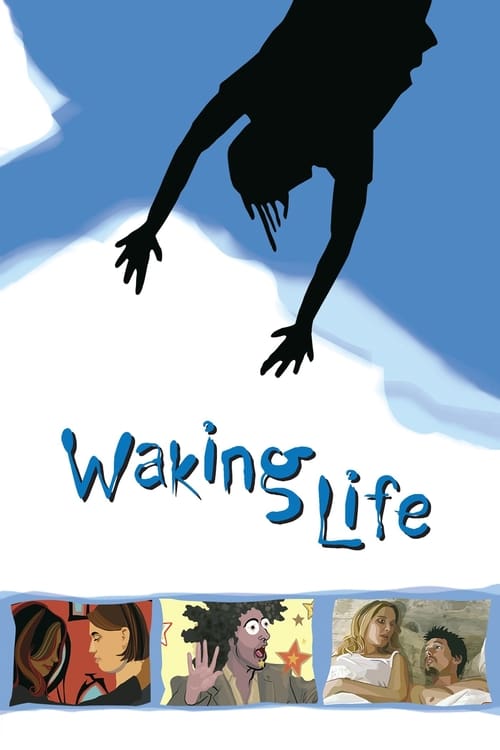
Waking Life
2001Waking Life is about a young man in a persistent lucid dream-like state. The film follows its protagonist as he initially observes and later participates in philosophical discussions that weave together issues like reality, free will, our relationships with others, and the meaning of life.
By utilizing rotoscope animation to visualize the porous boundary between consciousness and reality, Linklater elevates the philosophical monologue into a psychedelic visual feast. It is a daring formalist exercise that allows abstract existential inquiries to take a tangible, vibrating shape.
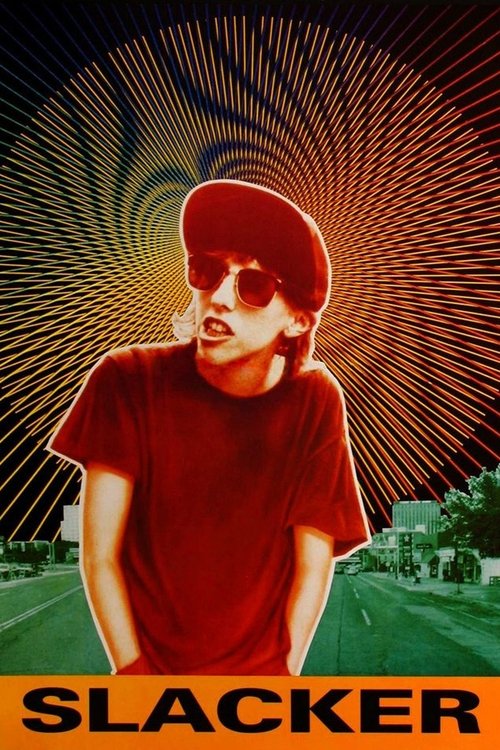
Slacker
1991Austin, Texas, is an Eden for the young and unambitious, from the enthusiastically eccentric to the dangerously apathetic. Here, the nobly lazy can eschew responsibility in favor of nursing their esoteric obsessions. The locals include a backseat philosopher who passionately expounds on his dream theories to a seemingly comatose cabbie, a young woman who tries to hawk Madonna's Pap test to anyone who will listen and a kindly old anarchist looking for recruits.
The film that defined an era of micro budget filmmaking by rejecting traditional protagonist arcs in favor of a drifting, associative logic. Its loose structure and intellectual curiosity established the foundational DNA for the rest of Linklater's career and the American independent movement at large.
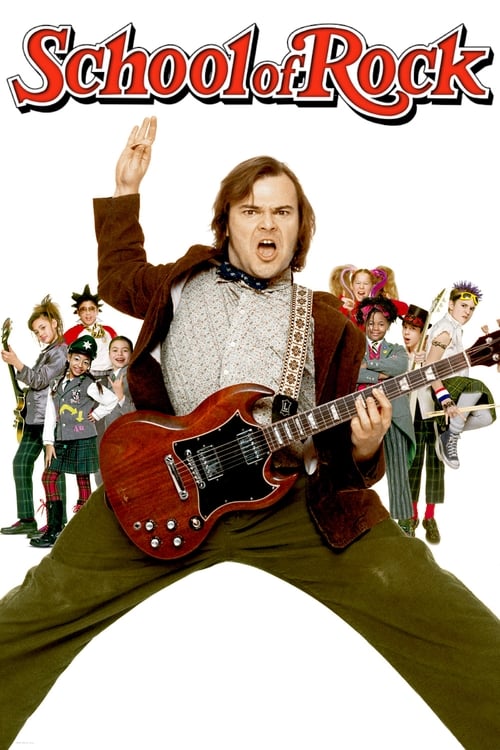
School of Rock
2003Fired from his band and hard up for cash, guitarist and vocalist Dewey Finn finagles his way into a job as a fifth-grade substitute teacher at a private school, where he secretly begins teaching his straight-A students the finer points of rock 'n' roll and the power of sticking it to the man. But as the school’s stern principal closes in and the Battle of the Bands looms, Dewey risks everything to prove that rock ’n’ roll can change lives.
Linklater demonstrates his unique ability to inject independent sensibility into a commercial comedy, trading cynicism for a genuine celebration of creative rebellion. The film stands out as a joyous anomaly in his career, proving that his fascination with mentorship and subculture can resonate within a broader studio framework.
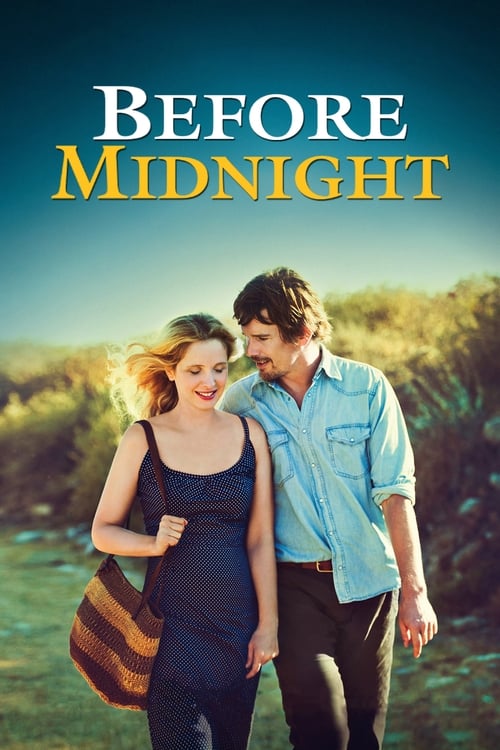
Before Midnight
2013It has been nine years since we last met Jesse and Celine, the French-American couple who once met on a train in Vienna. They now live in Paris with twin daughters but have spent a summer in Greece at the invitation of an author colleague of Jesse's. When the vacation is over and Jesse must send his teenage son off to the States, he begins to question his life decisions, and his relationship with Celine is at risk.
The trilogy reaches its brutal, honest peak by dismantling the romanticism of the previous entries in favor of a claustrophobic domestic realism. Linklater courageously explores the friction of long term intimacy, using long takes to force the audience into a profound confrontation with the labor of love.
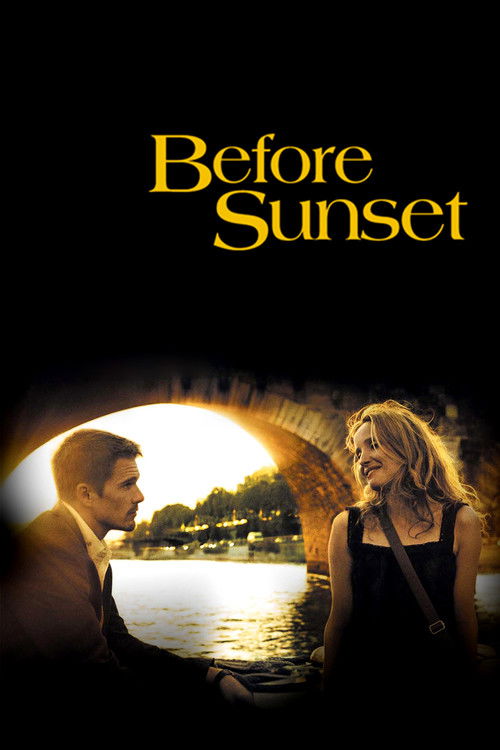
Before Sunset
2004Nine years later, Jesse travels across Europe giving readings from a book he wrote about the night he spent in Vienna with Celine. After his reading in Paris, Celine finds him, and they spend part of the day together before Jesse has to again leave for a flight. They are both in relationships now, and Jesse has a son, but as their strong feelings for each other start to return, both confess a longing for more.
Operating in near real time, this sequel weaponizes the passage of years to transform a chance encounter into a high stakes exploration of regret and missed opportunities. Its technical precision and narrative urgency cement Linklater as the preeminent architect of the cinematic ticking clock.

Boyhood
2014The film tells a story of a divorced couple trying to raise their young son. The story follows the boy for twelve years, from first grade at age 6 through 12th grade at age 17-18, and examines his relationship with his parents as he grows.
This twelve year experiment in chronological patience serves as the ultimate testament to Linklater’s obsession with time as a formal storytelling device. By allowing the actors to age alongside their characters, he transcends traditional narrative to create a living, breathing document of human development.
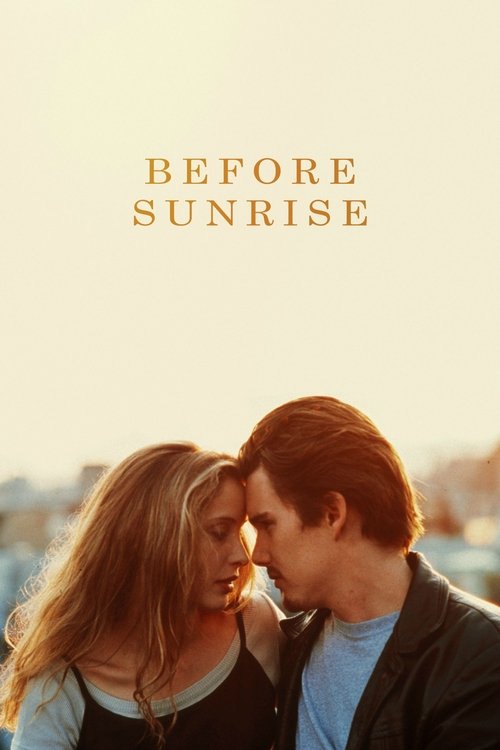
Before Sunrise
1995An unexpected meeting on a train leads two travelers to spend an evening wandering through Vienna. As the night unfolds, they share stories and conversations about life and love, exploring new ideas while a quiet intimacy grows between them, knowing it may be their only night together.
Linklater captures the lightning in a bottle of youthful idealism through a film that functions as a pure, philosophical dialogue between two souls. It remains the gold standard for naturalism, proving that an entire cinematic world can be built solely on the chemistry of its leads and the rhythm of a walking conversation.
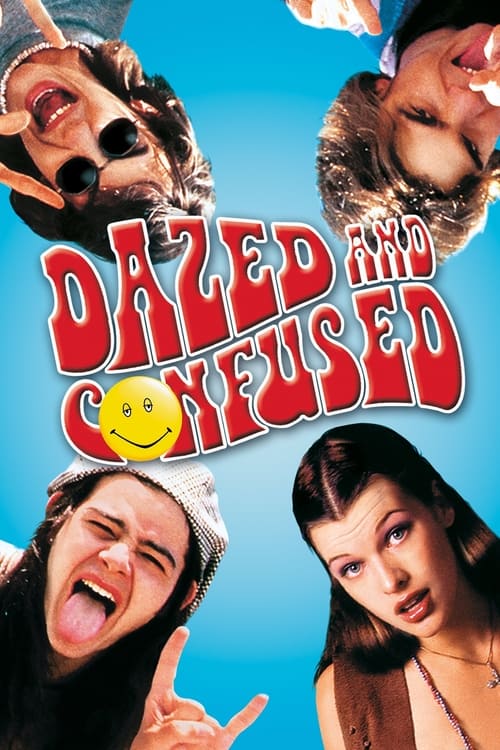
The adventures of a group of Texas teens on their last day of school in 1976, centering on student Randall Floyd, who moves easily among stoners, jocks and geeks. Floyd is a star athlete, but he also likes smoking weed, which presents a conundrum when his football coach demands he sign a "no drugs" pledge.
With an effortless mastery of the ensemble format, Linklater crafts a non linear portrait of a single day that feels more like a lived experience than a scripted movie. Its ethnographic precision captures the specific aimlessness of a generation while maintaining a profound sense of structural fluidity.
Frequently Asked Questions
Everything you need to know about this list and SnakeDrafts
- Dazed and Confused is ranked number one due to its cult classic status and its authentic portrayal of teenage life in the 1970s. Its sharp humor and nostalgic vibe make it a seminal work that established Linklater's unique voice in filmmaking.
- The Before Trilogy is significant because it showcases Linklater's mastery of naturalistic dialogue and real-time storytelling across decades. These films explore evolving relationships with a rare emotional depth and are praised for their authentic depiction of love and time.
- Boyhood is groundbreaking for its 12-year filming period, capturing the real aging process of its actors to reflect the passage of time authentically. This innovative approach highlights Linklater's fascination with time as a storytelling medium, cementing the film's critical acclaim.
- Slacker is regarded as an indie classic because it pioneered a conversational and meandering narrative style that influenced independent cinema in the 1990s. Its episodic structure and focus on everyday characters embody Linklater's commitment to portraying the mundane aspects of life.
- Common themes include the passage of time, naturalistic dialogue, and the beauty in everyday moments and conversations. Films like Before Sunrise, Boyhood, and Dazed and Confused exemplify his poetic exploration of ordinary life and human connections.
- 'School of Rock' is included because it showcases Linklater's versatility in handling different genres while maintaining his characteristic focus on character development and authentic performances. Its success and enduring popularity have earned it a notable place among his diverse body of work.
- Linklater's animated films explore philosophical and existential themes through innovative rotoscope animation, offering a visually unique experience. Unlike his live-action films, these movies blend fantasy and reality to delve deeper into consciousness and identity.