The Best Cary Grant Movies Ranked
The Definitive Guide to Hollywood's Ultimate Leading Man
Discover the most iconic films of Cary Grant, from Hitchcock thrillers to classic screwball comedies. See which legendary performances made our list.
About Cary Grant
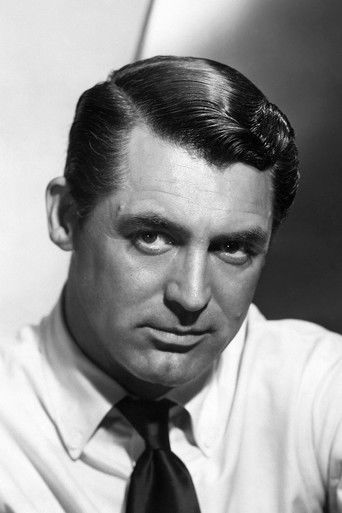
Archibald Leach was an invention, a rough kid from Bristol who quite literally performed himself into existence. By the time he became Cary Grant, he had perfected a version of masculinity that felt both aspirational and entirely effortless. He was the man every groom wanted to be and every bride wanted to be with, possessing a mid-Atlantic purr and a physical grace that made even a tumble down a flight of stairs look like a choreographed ballet. While his contemporaries often leaned into grit or heavy drama, he excelled at the impossible task of being the smartest person in the room without ever becoming unlikable.
The magic of his screen presence lay in his versatility within the confines of elegance. In the late 1930s, he redefined the screwball comedy. Whether he was playing a befuddled paleontologist hunted by a leopard in Bringing Up Baby or a fast talking editor trying to outmaneuver his ex-wife in His Girl Friday, he weaponized his comedic timing. He understood that a leading man was most attractive when he was willing to be the butt of the joke. This lack of vanity allowed him to spar as an equal with stars like Katharine Hepburn in The Philadelphia Story and Holiday, creating a dynamic where the wit was just as erotic as the physical chemistry.
Yet beneath the tan and the perfectly tailored suits, a darker, more enigmatic edge flickered whenever Alfred Hitchcock called. The director famously saw past the charm, casting him as a potential killer in Suspicion and a cold, manipulative agent in Notorious. This duality is why audiences stayed loyal for decades. He wasn't just a pretty face; he was a man who looked like he had secrets. By the time he was running through cornfields to escape a crop duster in North by Northwest, he had become the definitive icon of the urban man under pressure, maintaining his composure even when the world turned surreal.
Even as he aged, the luster never faded. He achieved a rare feat in Hollywood by retiring at the top of his game, leaving the public with the image of the silver haired thief in To Catch a Thief or the suave mystery man in Charade. He understood the power of his own myth. He once joked that everyone wanted to be Cary Grant, including himself. That self awareness is precisely why he remains the gold standard for movie stardom. He represented a specific kind of vanished excellence, a blend of slapstick humor and high fashion that felt honest despite the polish. From the heartbreaking romance of An Affair to Remember to the macabre energy of Arsenic and Old Lace, his filmography is a masterclass in tone. He didn't just play characters; he curated an atmosphere of sophisticated joy that the cinema has spent the last sixty years trying, and failing, to replicate.
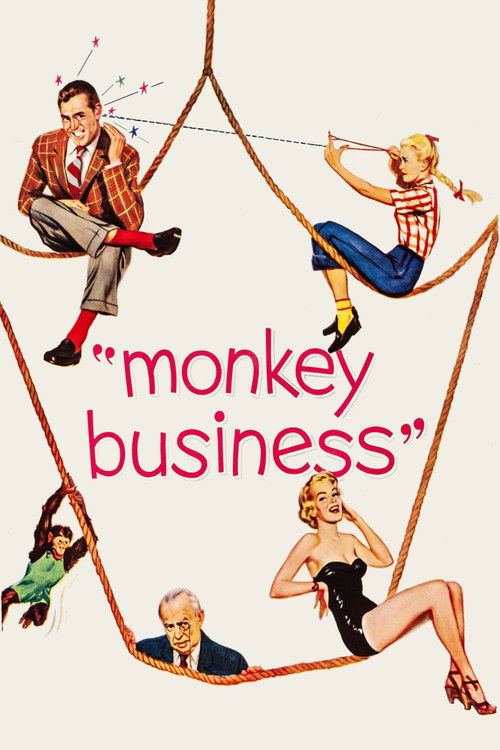
Monkey Business
1952Research chemist Barnaby Fulton works on a fountain of youth pill for a chemical company. One of the labs chimps gets loose in the laboratory and mixes chemicals, but then pours the mix into the water cooler. When trying one of his own samples, washed down with water from the cooler, Fulton begins to act just like a twenty-year-old and believes his potion is working. Soon his wife and boss are also behaving like children.
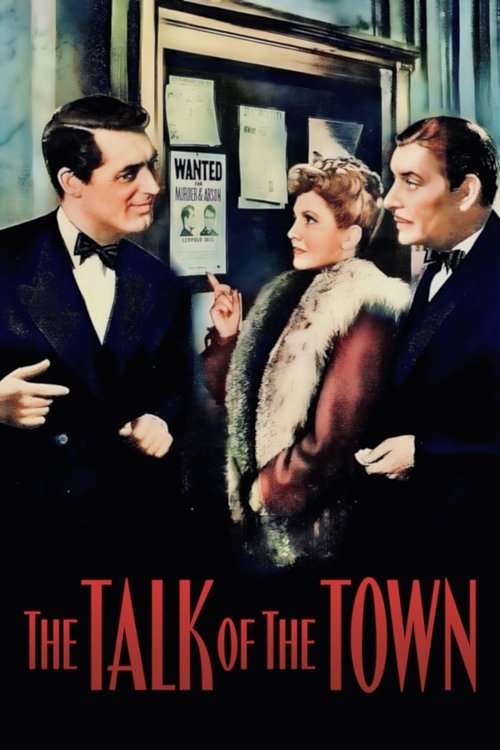
The Talk of the Town
1942Hilarity ensues when a falsely accused fugitive from justice hides at the house of his childhood friend, which she has recently rented to a high-principled law teacher.
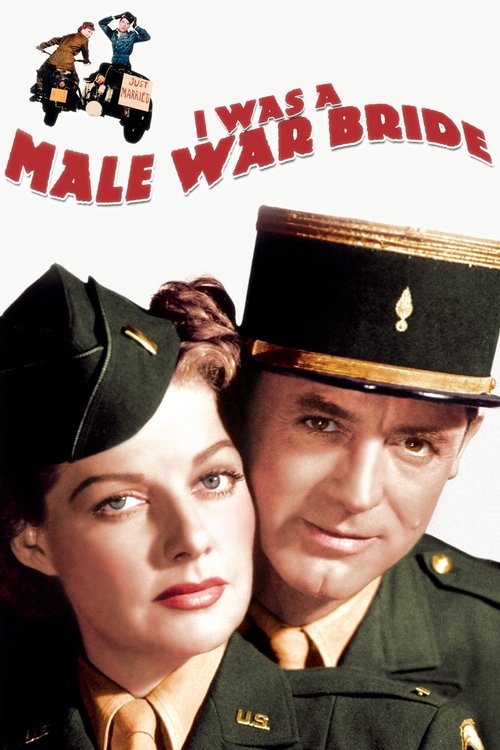
I Was a Male War Bride
1949After marrying an American lieutenant with whom he was assigned to work in post-war Germany, a French captain attempts to find a way to accompany her back to the States under the terms of the War Bride Act.
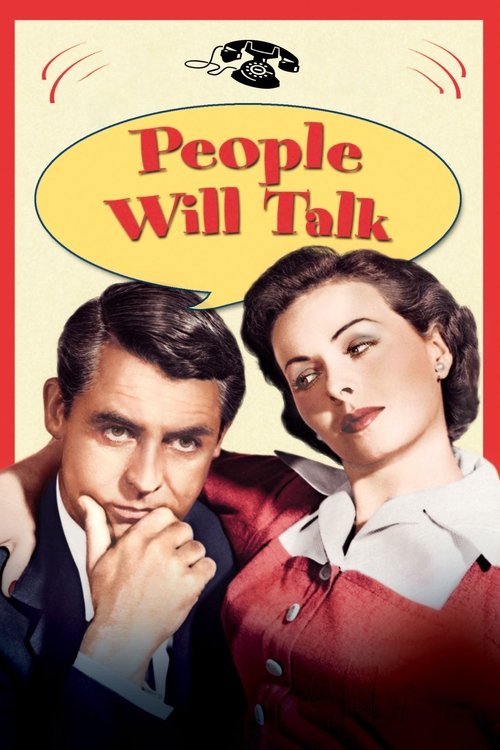
People Will Talk
1951A successful, unorthodox doctor befriends a young woman with suicidal ideations due to her pregnancy by her ex, a military reservist killed in action.
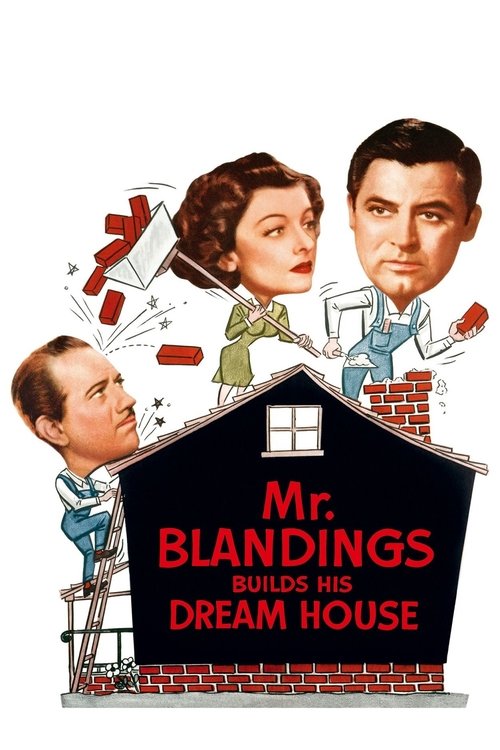
Mr. Blandings Builds His Dream House
1948An advertising executive dreams of getting out of the city and building a perfect home in the country, only to find the transition fraught with problems.
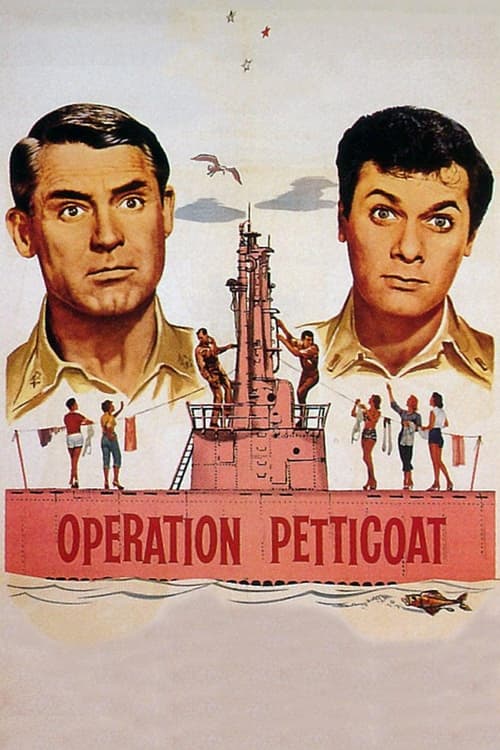
Operation Petticoat
1959A World War II submarine commander finds himself stuck with a damaged sub, a con-man executive officer, and a group of army nurses.
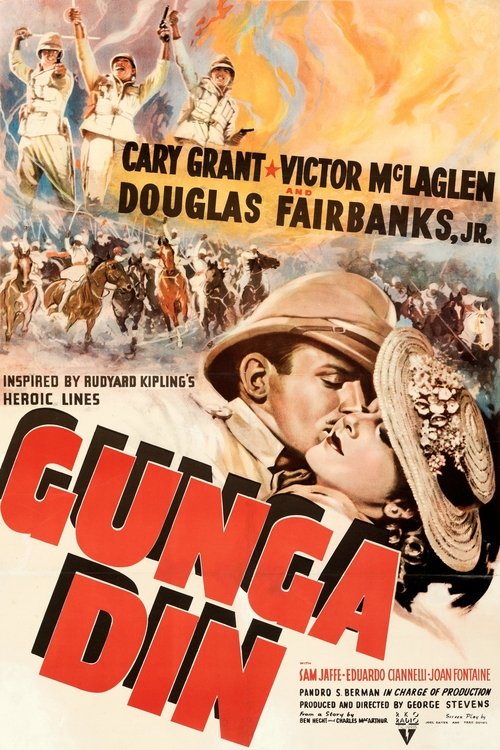
Gunga Din
1939British army sergeants Ballantine, Cutter and MacChesney serve in India during the 1880s, along with their native water-bearer, Gunga Din. While completing a dangerous telegraph-repair mission, they unearth evidence of the suppressed Thuggee cult. When Gunga Din tells the sergeants about a secret temple made of gold, the fortune-hunting Cutter is captured by the Thuggees, and it's up to his friends to rescue him.
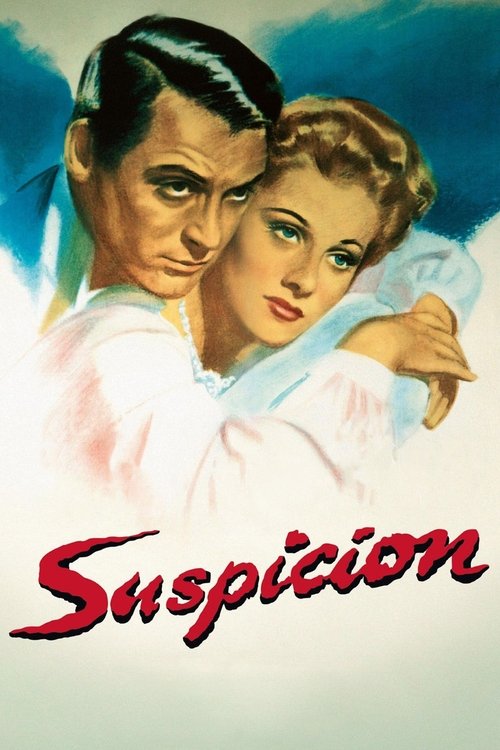
Suspicion
1941A sheltered heiress falls for a charming playboy and elopes with him, but soon discovers his gambling vice and mounting debts. As his lies deepen and those around them meet mysterious ends, she begins to suspect that her husband’s affection may conceal a deadly motive—and that she could be his next victim.
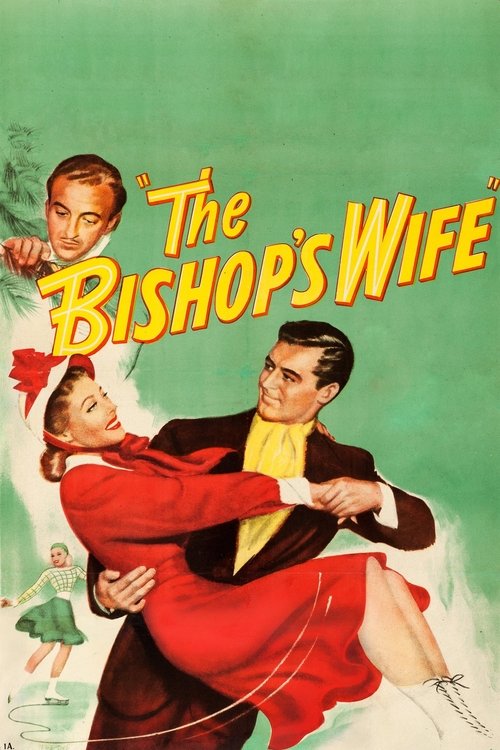
The Bishop's Wife
1947An Episcopal Bishop, Henry Brougham, has been working for months on the plans for an elaborate new cathedral which he hopes will be paid for primarily by a wealthy, stubborn widow. He is losing sight of his family and of why he became a churchman in the first place. Enter Dudley, an angel sent to help him. Dudley does help everyone he meets, but not necessarily in the way they would have preferred. With the exception of Henry, everyone loves him, but Henry begins to believe that Dudley is there to replace him, both at work and in his family's affections, as Christmas approaches.
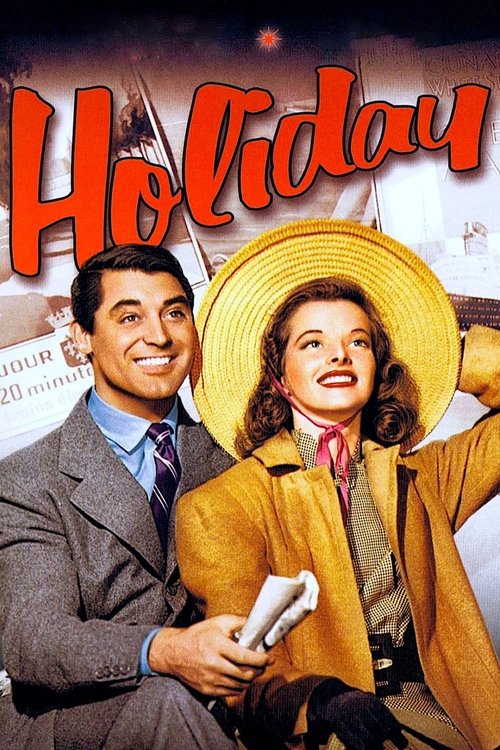
Holiday
1938Johnny Case, a freethinking financier, has finally found the girl of his dreams — Julia Seton, the spoiled daughter of a socially prominent millionaire — and she's agreed to marry him. But when Johnny plans a holiday for the two to enjoy life while they are still young, his fiancée has other plans & that is for Johnny to work in her father's bank!
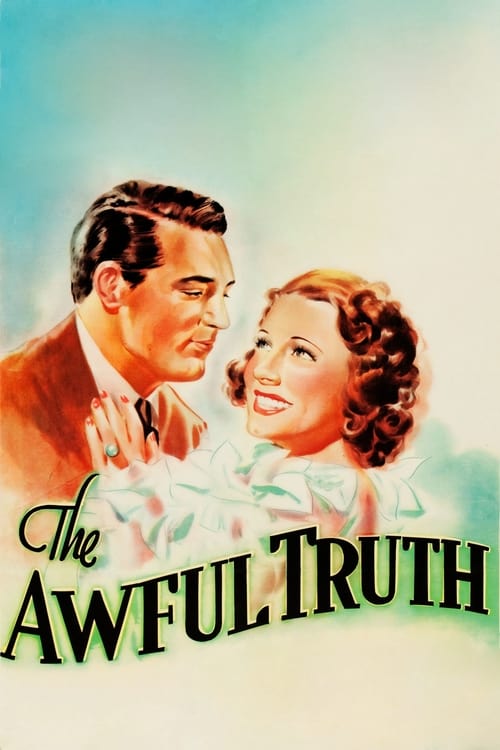
The Awful Truth
1937Unfounded suspicions lead a married couple to begin divorce proceedings, whereupon they start undermining each other's attempts to find new romance.
This is the precise moment the Cary Grant persona was born, as he perfected the blend of sophisticated urbanity and mischievous spontaneity that would define his legacy. His chemistry with Irene Dunne creates a blueprint for the romantic comedy that remains influential to this day.
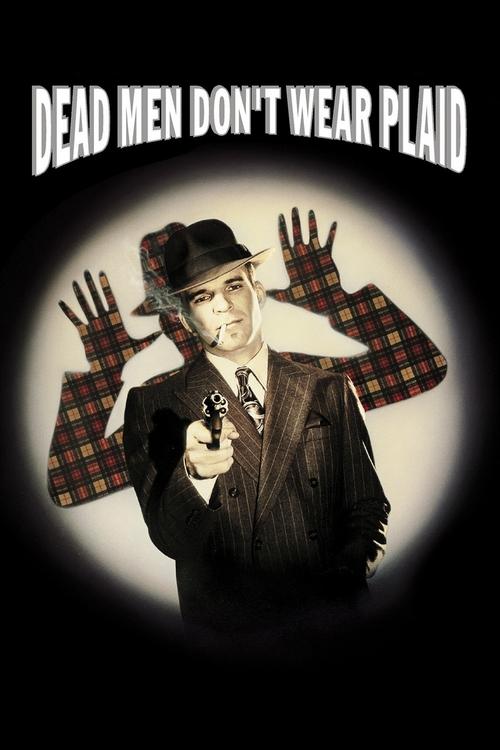
Dead Men Don't Wear Plaid
1982Juliet Forrest is convinced that the reported death of her father in a mountain car crash was no accident. Her father was a prominent cheese scientist working on a secret recipe. To prove it was murder, she enlists the services of private eye Rigby Reardon. He finds a slip of paper containing a list of people who are 'The Friends and Enemies of Carlotta'.
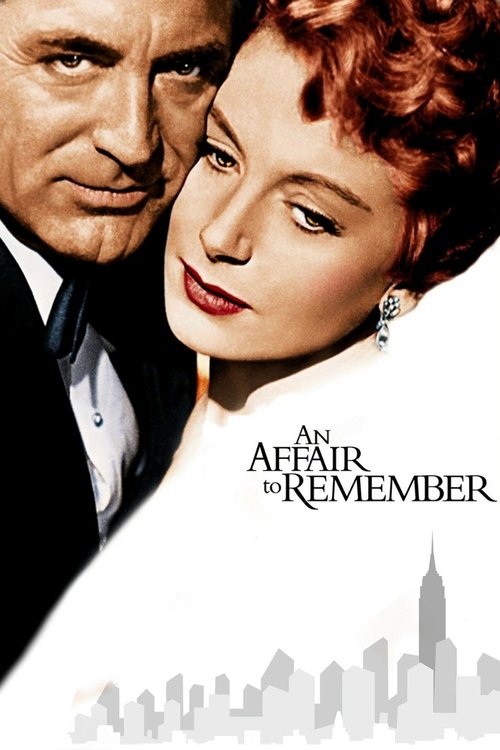
An Affair to Remember
1957A couple falls in love and agrees to meet in six months at the Empire State Building - but will it happen?
Moving away from the fast-talking comedy of his youth, Grant delivers a soulful and vulnerable performance that anchors this quintessential tearjerker. He utilizes his natural elegance to underscore a narrative of longing, cementing his reputation as the cinema's most reliable romantic icon.
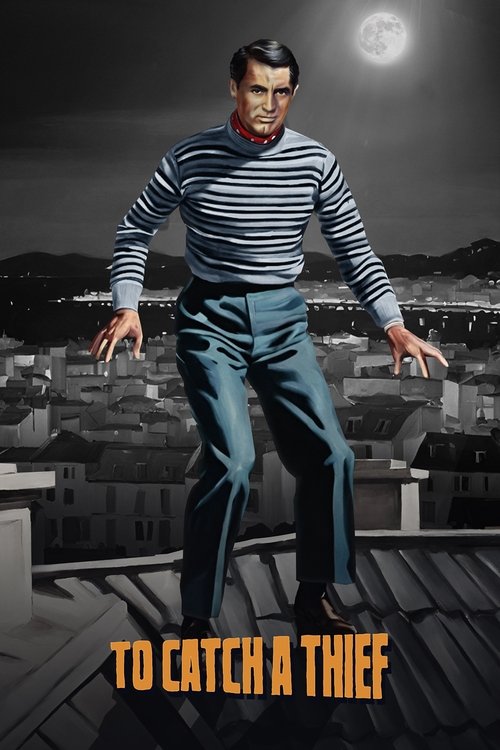
To Catch a Thief
1955When a string of jewel robberies hits the French Riviera, suspicion falls on retired thief John “The Cat” Robie. To clear his name, he sets out to trap the copycat himself—entangling a wealthy widow and her beguiling daughter in a seductive game of pursuit, deception, and desire.
Grant radiates a feline sophistication as John Robie, utilizing a minimalist, athletic charm that makes his transition into middle-aged leading man status look effortless. He weaponizes his impeccable comic timing with a new layer of world-weary cynicism, proving he could command the screen through stillness just as easily as slapstick. This role cemented his legacy as the ultimate Hitchcockian gentleman, blending high-society grace with a lingering hint of criminal danger.
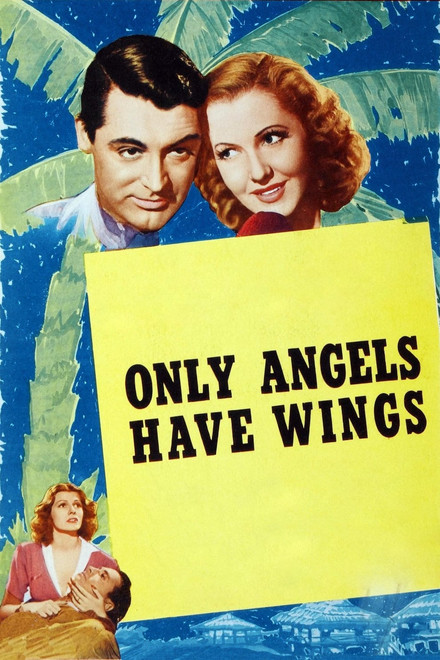
Only Angels Have Wings
1939A traveling performer arrives at a remote South American port town where the head of an air freight service must risk his pilots' lives to earn a major contract.
Trading his tuxedo for a flight jacket, Grant brings an unexpected grit and weary stoicism to this high-altitude drama. This performance proved he could command the screen as a rugged man of action, injecting a sense of lived-in gravity into a dangerous, professional world.
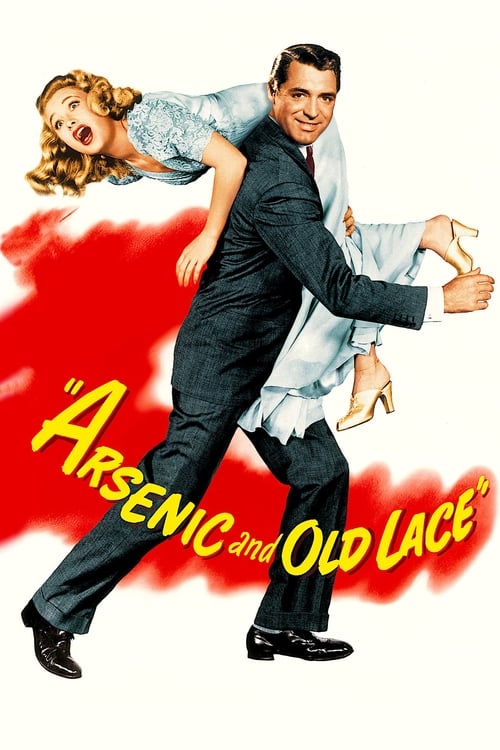
Arsenic and Old Lace
1944Mortimer Brewster, a newspaper drama critic, playwright, and author known for his diatribes against marriage, suddenly falls in love and gets married; but when he makes a quick trip home to tell his two maiden aunts, he finds out his aunts' hobby - killing lonely old men and burying them in the cellar!
Grant pushes his comedic physicality to the absolute limit, utilizing wild double-takes and exaggerated expressions to survive a house full of macabre secrets. It is a polarizing but fascinating outlier in his filmography that displays his willingness to embrace pure, unadulterated farce.
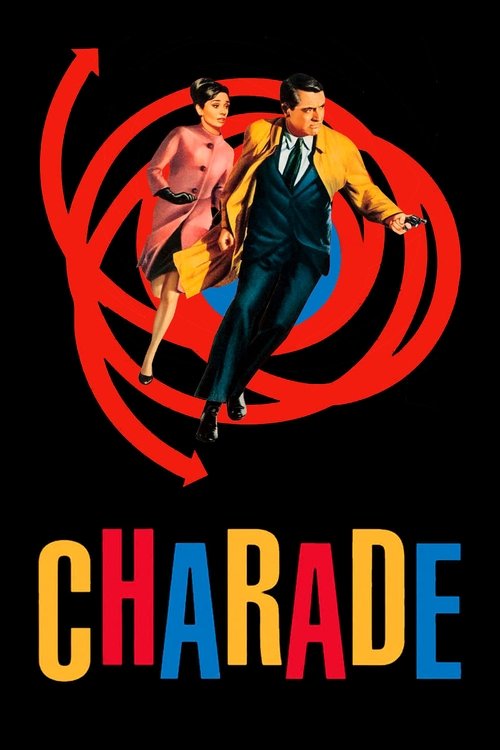
Charade
1963After Regina Lampert falls for the dashing Peter Joshua on a skiing holiday in the French Alps, she discovers upon her return to Paris that her husband has been murdered. Soon, she and Peter are giving chase to three of her late husband's World War II cronies, Tex, Scobie and Gideon, who are after a quarter of a million dollars the quartet stole while behind enemy lines.
In this late-career triumph, Grant leans into his senior statesman status with a self-aware, playful performance that acknowledges the passage of time. He maintains a magnetic chemistry with Audrey Hepburn while effortlessly navigating the film's shifts from light romance to dark suspense.
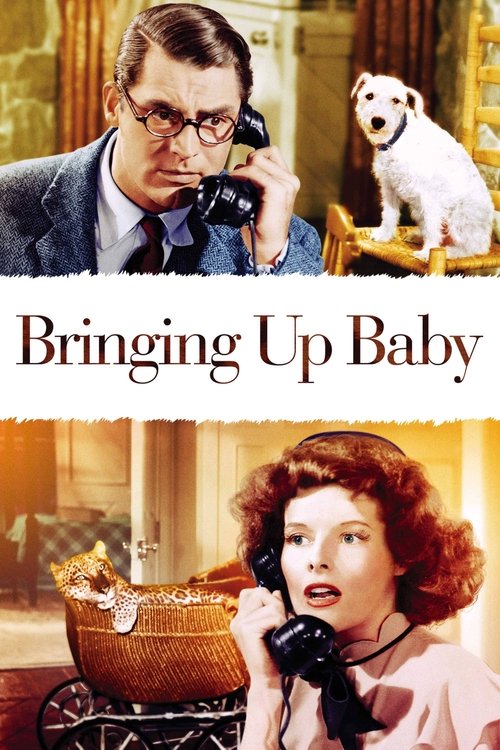
Bringing Up Baby
1938David Huxley is waiting to get a bone he needs for his museum collection. Through a series of strange circumstances, he meets Susan Vance, and the duo have a series of misadventures which include a leopard called Baby.
By leaning into a rare sense of frazzled helplessness, Grant subverts his own dashing image to become a brilliant comedic foil for Katharine Hepburn. His flustered energy and physical commitment to the absurdity of the plot highlight a masterful grasp of the slapstick genre.
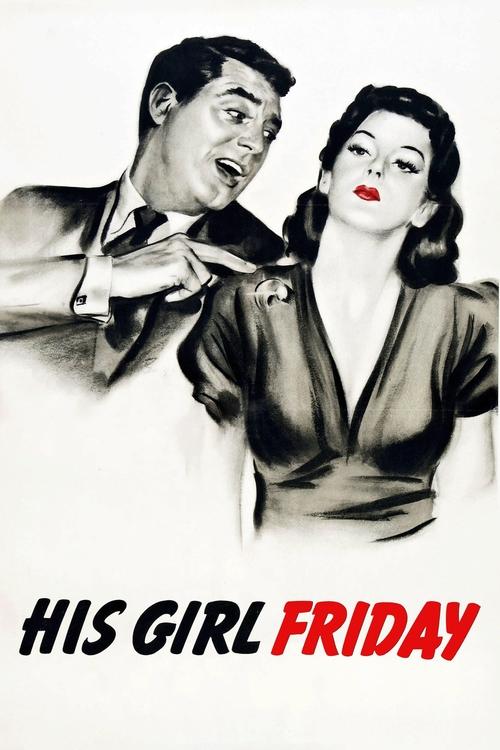
His Girl Friday
1940Walter Burns is an irresistibly conniving newspaper publisher desperate to woo back his paper’s star reporter, who also happens to be his estranged wife. She’s threatening to quit and settle down with a new beau, but, as Walter knows, she has a weakness: she can’t resist a juicy scoop.
Grant operates at a dizzying, machine-gun pace here, showcasing a verbal dexterity that few actors in history could replicate. His portrayal of the manipulative yet magnetic Walter Burns remains the gold standard for comedic timing and ruthless charisma.
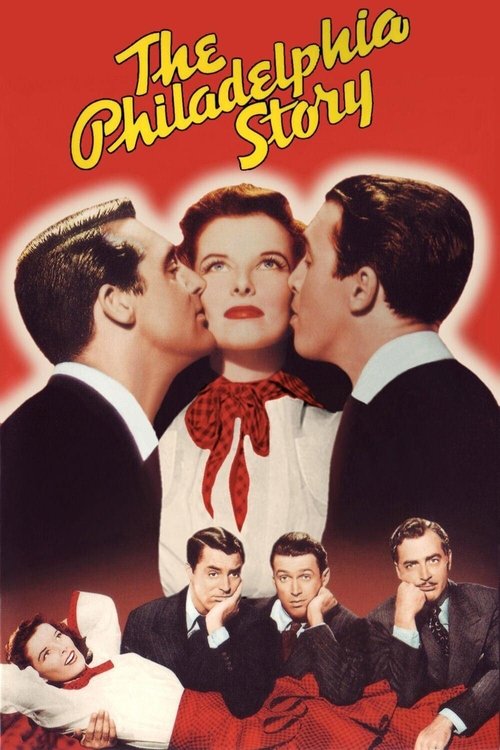
The Philadelphia Story
1940When a rich woman's ex-husband and a tabloid-type reporter turn up just before her planned remarriage, she begins to learn the truth about herself.
Playing the steadying force in a whirlwind of high-society chaos, Grant anchors the film with a grounded, mature charm that allows his co-stars to shine. This role solidified his status as the premier leading man of the Golden Age, demonstrating an unmatched ability to command a scene through relaxed authority.
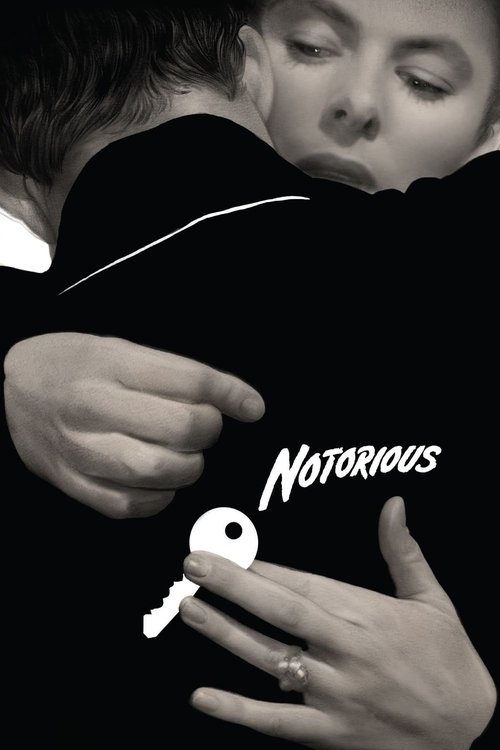
Notorious
1946In order to help bring Nazis to justice, U.S. government agent T.R. Devlin recruits Alicia Huberman, the American daughter of a convicted German war criminal, as a spy. As they begin to fall for one another, Alicia is instructed to win the affections of Alexander Sebastian, a Nazi hiding out in Brazil. When Sebastian becomes serious about his relationship with Alicia, the stakes get higher, and Devlin must watch her slip further undercover.
Grant reveals a chilling, cynical edge rarely seen in his lighthearted fare, portraying a cold-blooded agent trapped between professional duty and repressed desire. This performance redefined his range, proving he could master psychological complexity and romantic cruelty just as effectively as screwball antics.
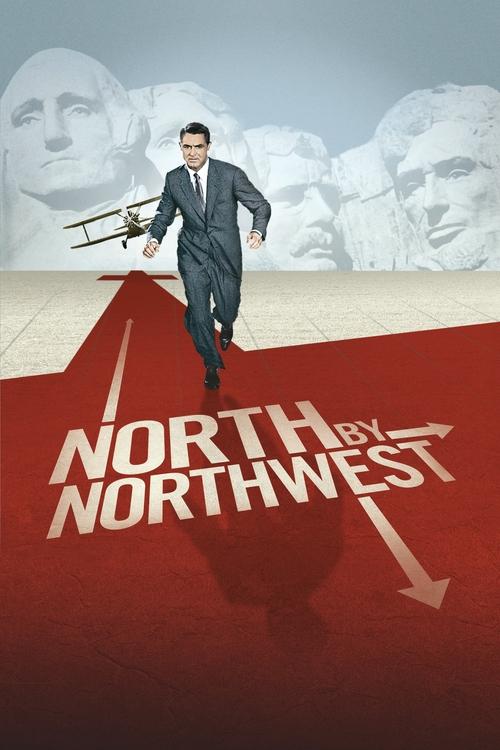
North by Northwest
1959Advertising man Roger Thornhill is mistaken for a spy, triggering a deadly cross-country chase.
As the ultimate Hitchcockian wrong man, Grant weaponizes his impeccable tailoring and sardonic wit to anchor this quintessential action thriller. It serves as the definitive synthesis of his mid-century persona, blending high-stakes desperation with an unshakable, suave composure.
Frequently Asked Questions
Everything you need to know about this list and SnakeDrafts
- The listicle highlights several Alfred Hitchcock films with Cary Grant, including 'North by Northwest,' 'Notorious,' 'To Catch a Thief,' and 'Suspicion.' These movies showcase Grant's versatility in thriller and romance genres within Hitchcock's suspenseful storytelling style.
- Comedy, romance, and thriller are the predominant genres featured in the listicle. Cary Grant excelled in these areas, with classics like screwball comedies 'His Girl Friday' and 'Bringing Up Baby' as well as suspense thrillers like 'North by Northwest' and 'Notorious.'
- Yes, Howard Hawks and Alfred Hitchcock are notably frequent collaborators. Hawks directed Grant in celebrated comedies and romantic adventures like 'His Girl Friday' and 'Only Angels Have Wings,' while Hitchcock’s partnership produced iconic thrillers that highlighted Grant’s suave persona.
- 'Charade' is the standout film that expertly blends comedy, mystery, and romance. Directed by Stanley Donen, this movie showcases Cary Grant's charm and wit alongside a thrilling plot, making it a beloved hybrid of genres in his filmography.
- The listicle highlights Cary Grant’s effortless grace, impeccable timing, and a distinctive mid-Atlantic charm that made even physical comedy appear elegant. His ability to balance sophistication with warmth made his performances memorable in both comedic and suspenseful roles.
- Yes, several films featuring Cary Grant in pure comedy roles are included, such as 'Bringing Up Baby,' 'His Girl Friday,' and 'The Awful Truth.' These movies emphasize Grant’s comedic timing and his skill in screwball and romantic comedy settings.
- Absolutely, the ranked movies span Cary Grant’s career from the late 1930s through the 1960s, illustrating his enduring appeal. This includes early classics like 'Bringing Up Baby' and later films such as 'Charade' and 'North by Northwest,' reflecting his evolution as an actor.